



Here's why female artists are going through the roof

Key takeaways
- Female artists are breaking auction records thanks to their rediscovery by institutions, such as Paula Modersohn-Becker, whose work exceeded 6 million euros in 2023.
- The limited and controlled supply of works by female artists, combined with impeccable provenance, creates conditions conducive to a sustained rise in prices.
- Prices remain undervalued compared to those of equivalent male artists, offering collectors opportunities for significant speculative appreciation.
Often marginalized, overshadowed by their male counterparts and less taken into account by institutions, women artists of the past are attracting growing interest on the art market. Celebrated by scholars, rediscovered by museums and showcased in major exhibitions, they are now breaking auction records.
Women in Abstraction at the Centre Pompidou (2021), Pioneers at the Tate Modern (2022) are just some of the exhibitions that demonstrate this dynamic.
In her 1971 article " Why haven't there been any great women artists ? ", Linda Nochlin attempted to point out the structural obstacles to the invisibilization of women in art history, linked in particular to academies, commissioning, academic nudity and the gallery network. However, the bouquets of Anne Vallayer-Coster and the lyrical abstraction of Janett Sobel have nothing to envy their male counterparts.
Rereading art history has pushed the reintegration of forgotten figures, such as Artemisia Gentileschi, Élisabeth Vigée le Brun, Rosa Bonheur, Berthe Morisot, Mary Cassatt, and many others, whose works promise great auctions.
Record auction sales testify to a reawakening of the market.
- Paula Modersohn-Becker's Die Tänzerin (circa 1923) topped €6 million in 2023 at Grisebach, Berlin.
- La Récolte des haricots (1885) by Rosa Bonheur sold for 2.1 million euros at Sotheby's in 2022.
- In 2018, a work by Frida Kahlo, Diego y yo, topped $34.9 million at Sotheby's New York - a record for a Latin American artist.
These figures, which may seem far from a Dubuffet or a Pollock, already illustrate an upward slope that is fueled by growing international demand.
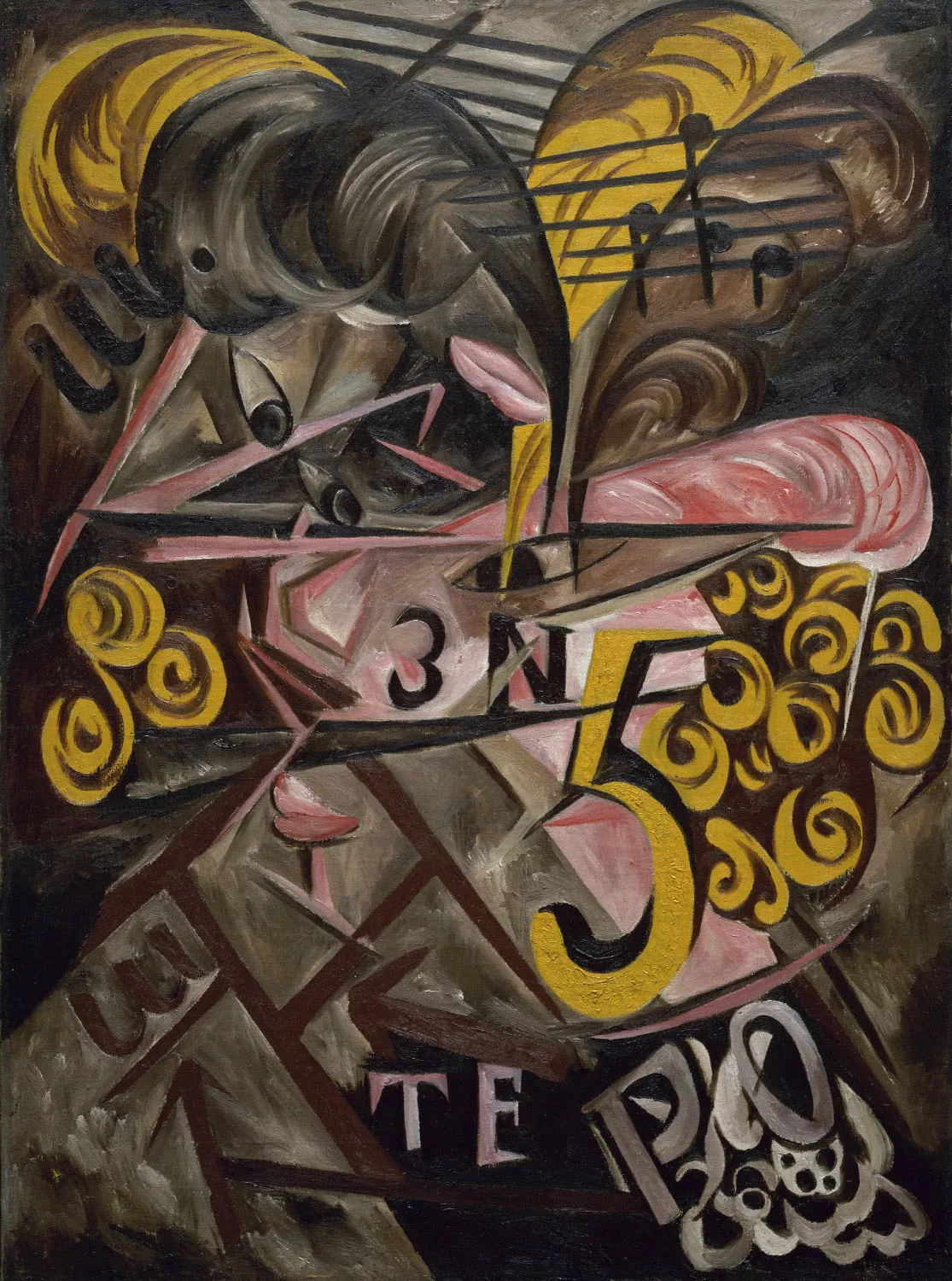
A critical rereading is being carried out by institutions and researchers, such as Rozsika Parker, Griselda Pollock or Whitney Chadwick have contributed to revaluing the history of women artists. Museums have followed suit: MoMA, the National Gallery in London and the Musée d'Orsay have integrated these artists into their programming, if not completely overhauled it. The proliferation of academic monographs has also established this visibility.
The women artists that the art world is rediscovering are the vector of a long-term speculative dynamic, with collectors looking for values that are still accessible in a sometimes saturated market.
Many women artists are still underpriced compared to their male counterparts. The scarcity effect also comes into play, as works available on the market are rarer, and therefore more coveted. Regional museums, foundations and patrons are already directing their acquisitions to achieve greater historical parity in their collections.
The art market has already highlighted numerous emblematic cases of posthumous rediscovery, which have fueled research :
- Hilma af Klint, virtually unknown before 2013, is today considered a pioneer of abstraction. One work sold for over 1.3 million euros in 2023.
- Alice Neel, long relegated to marginal status, saw her stock rise after her retrospective at the Metropolitan Museum. One of her paintings fetched over €4 million in 2022.
- Lavinia Fontana, a court painter in the 16th century, recently saw one of her canvases exceed €400,000 - an unthinkable amount twenty years ago for a woman of this era.
It's not a question of rewriting history or banking on the works of female artists to make a " historical catch-up ", but of taking into account a correction of the canon that follows the logics proper to art history. For them, but also for the history of art in its entirety, for the coherence of artistic movements and the wealth of theories that have shaped the market's greatest currents.
Many women artists are now simply and rightly placed in their exact historical context, not as exceptions - which they never were and still aren't - but as full-fledged players in major currents. Berthe Morisot was not an Impressionist painter; she was a co-founder of the group and exhibited as early as 1874.
Natalia Goncharova is today identified as a co-founder of Rayonism (predating Suprematism), whereas she was long presented as marginal. Sonia Delaunay is reassessed in the genesis of Orphic colored abstraction.
These are clarifications and contextualizations that have a direct impact on the quotation, because they restore historical continuity. Collectors are indeed keen to buy names that are integrated into a marked-out history (futurism, cubism, abstraction, neo-classicism).
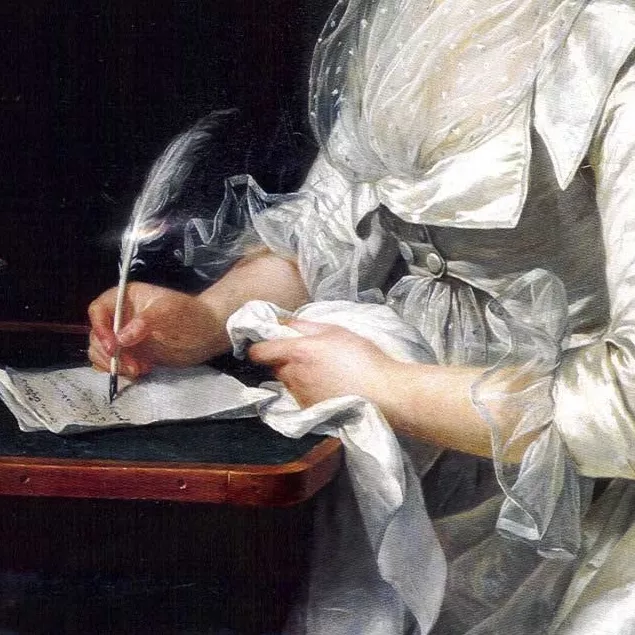
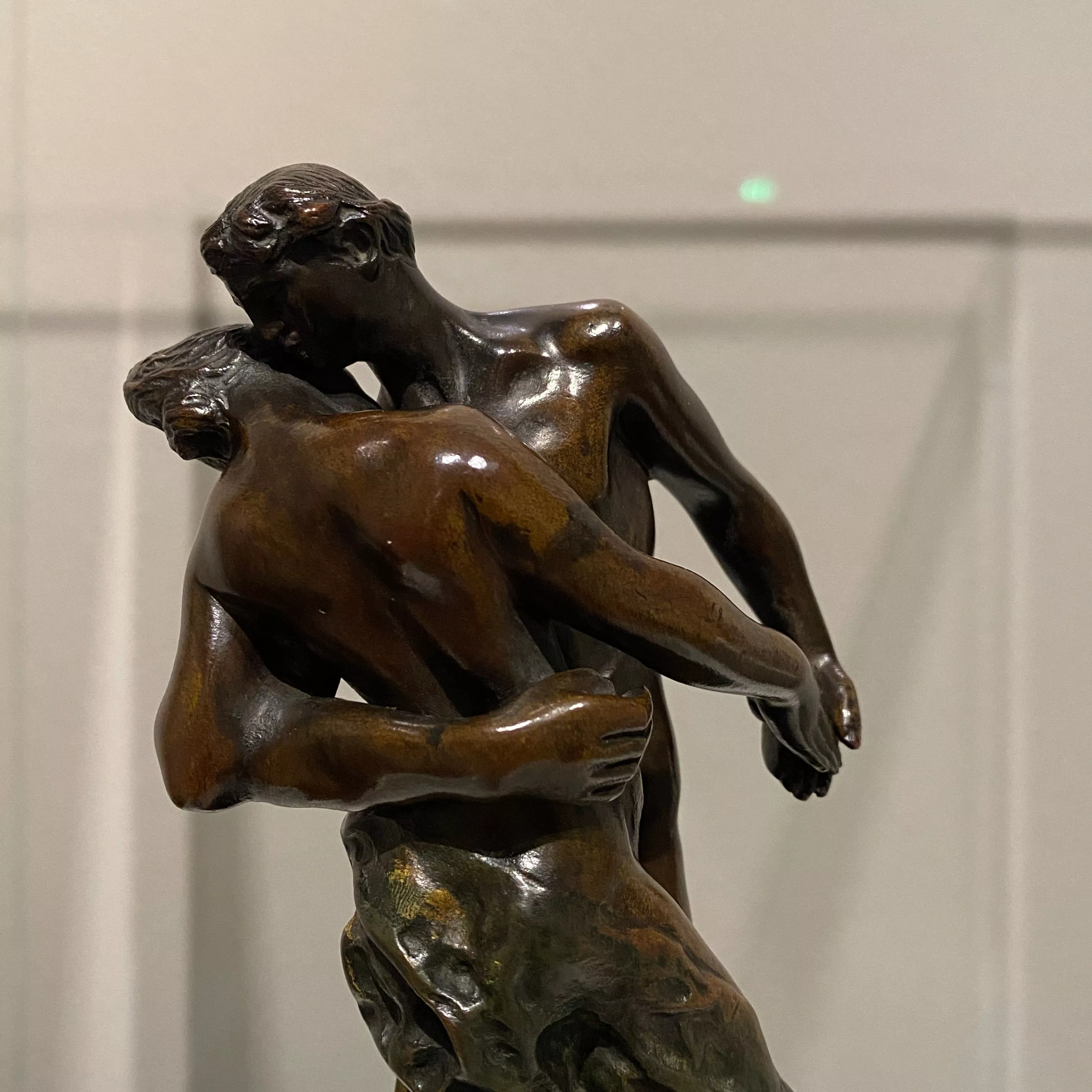
The heightened visibility enjoyed by many of these works currently in leading exhibitions is a decisive driver of artists' valuations. Indeed, the valuation cycle begins in museums, since a well-received monographic or thematic exhibition, accompanied by a rigorous catalog, always precedes a significant price rise. A few examples :
- Paula Modersohn-Becker, after her retrospectives in Bremen (2007) and then Paris (2016), saw her works rise from 500,000 to over 5 million euros (Grisebach, 2023).
- The Hilma af Klint retrospective at the Guggenheim (2019) not only broke attendance records, but more importantly saw her works top the million mark in private sales.
- Maruja Mallo, rediscovered in the wake of Spanish surrealism, is now seeing her works enter major museum collections - a prelude to future valorization.
Keep in mind that a quotation is rarely born of the market alone, but is very often manufactured by the institutions.
For the moment, supply is extremely limited and controlled. Most women artists have left a limited output. There are few works in circulation, as museums have absorbed a large proportion of the works, causing tension on the supply side. To this must be added an often impeccable provenance, as the works often remained in the family or were passed down in direct line. This is an increasingly scrutinized factor for buyers. It is therefore a typical market configuration for sustained price rises (low supply, high quality and institutional rarity).
Prices are still undervalued compared with equivalent male profiles. There are still significant price differentials between artists with the same historical impact. Collectors therefore perceive these differences as opportunities for revaluation, allowing the market to act through arbitrage. Growing interest in museums and academia also gives these artists a lasting value, as catalogs raisonnés are now available for more and more artists, and the works are increasingly well documented.
Many objective criteria are converging in this way. The rise in the status of women artists today can be explained by a clear combination of factors. Firstly, a rigorous historical reinsertion into the major currents, a sustained museum institution with exhibition cycles, a scarcity of supply and a solid provenance that are conducive to investment, and finally a sometimes unjustified price differential compared to equivalent artists, which attracts high-end speculation.
So, it's indeed not a question of adding a few forgotten names to a list, but neither is it a question of rewriting the whole story. For art and art history, it's about enriching currents, establishing links between the works of Jean Metzinger and Anne Dangar, from Janet Sobel and from Jackson Pollock, enrich research and highlight works that deserve to be seen, collected and bought, because they are certainly a unique piece of a current and celebrate at every turn the talent of the artist who created it.
Estimate in less than 24h
Discover in the same theme

Here's why the women artists of the École de Paris are start...
Women artists of the École de Paris are coming into their own on the auction market with promising results. Estimated 24h.
Learn more >

Why is fine jewelry exploding at auction?
Haute joaillerie is a sector that has exploded at auction over the last five years. Cartier, Van Cleef & Arpels, Boucheron, Chaumet; analysis.
Learn more >

Here's why Van Cleef & Arpels jewelry prices are skyrocketin...
Haute joaillerie, whose VCA creations are exploding at auction. The value of these creations is very high.
Learn more >
Similar works sold at auction

Estimated 800 - 1.500
MITHÉ ESPELT (1923-2020), Wall mirror, Stèle model, circa 1965

Estimated 6.000 - 8.000
Vera MOLNAR (1924-2023), Extravagant Line A, Acrylic on canvas

Estimated 5.000 - 7.000
Charlotte PERRIAND (1903-1999), Suite of seven Méribel chairs, circa 1975

Estimated 1.000 - 2.000
Virginie Demont-Breton (1859-1935): Carrying donkey in an alley. Oil on panel.

Estimated 10.000 - 15.000
ABBÉMA Louise, 1853-1927 Portrait of Mme ***, 1879 Oil and gold paint on canvas

Secure site, anonymity preserved

Auctioneer approved by the State

Free and certified estimates
Frequently asked questions
-
Why are female artists' popularity ratings rising right now?The rise is due to several converging factors: a rigorous reintegration into major artistic movements (Impressionism, Abstraction, Cubism), increased visibility through major museum exhibitions, a very limited supply (works are scarce on the market), and often impeccable provenance. Collectors also see investment opportunities here, as these artists remain undervalued compared to their male counterparts of equivalent influence.
-
Which female artists have set the highest auction records recently?Frida Kahlo holds the record with “Diego y yo,” which sold for $34.9 million at Sotheby’s New York in 2018. Paula Modersohn-Becker’s “Die Tänzerin” fetched 6 million euros in 2023, Alice Neel surpassed 4 million in 2022, and Rosa Bonheur’s “La Récolte des haricots” sold for 2.1 million euros in 2022.
-
How do you authenticate a work by a rediscovered female artist?To verify the authenticity and condition of a work of art, we recommend requesting a free appraisal from Auctie's. Our auctioneers and specialized experts will examine the piece, verify its provenance and documentation, and provide you with a reliable authentication with no obligation.
-
Is this the right time to sell a work by a female artist?Yes, this is currently an excellent time. The market is benefiting from growing international demand, unprecedented recognition from museums and academia, and a structurally limited supply that is supporting prices. Better-documented catalogs raisonnés are also enhancing the value of the works.
-
How does the appraisal process work at Auctie's?The appraisal is free and non-binding. Simply send us photos and information about your artwork, and our experts will review it and get back to you within 48 hours. We assess the authenticity, provenance, and condition of the piece and provide you with a price range. If you wish to sell, Auctie's will guide you through the process from the appraisal to the auction.
