



Rating and value of drawings and paintings by Emile Schuffenecker

Key takeaways
- Schuffenecker's works sell for between €30 and €265,000 depending on the medium, with paintings commanding the highest prices.
- A Post-Impressionist painter (1851–1934), he turned to art relatively late in life following the economic crisis of 1881, founding the Salon des Indépendants in 1884.
- His friendship with Gauguin and the presence of his works in international museums are the main factors driving the value of his art.
Emile Schuffenecker’s paintings and drawings fetch up to €265,000 at auction. An appraisal allows us to accurately determine the current market value of your Emile Schuffenecker artwork and, if applicable, optimize the sale of the piece.
If you own a work by Emile Schuffenecker and would like to know its value, our state-certified auctioneers will provide a free appraisal based on authenticity, market rating, and recent market results.
Artist’s Market Value and Reputation
A Post-Impressionist painter, Emile Schuffenecker quickly established a reputation and a place in the French art market. Today, his works maintain a very high market value, making him a safe bet at auction.
As such, the prices at which the artist’s works sell range from €30 to €265,000—a considerable spread that speaks volumes about the value that can be attributed to his works.
For example, his oil on canvas *The Seaweed Gatherers*, dating from 1889, sold for €265,000, even though it had been estimated at between €40,000 and €50,000.
Ranking of value from the most basic to the most prestigious
Technique used | Result |
|---|---|
Print - multiple | From €30 to €270 |
Drawing - watercolor | From 50 to 70,000€ |
Painting | From €50 to €265,000 |
Estimate in less than 24h
Placing the Artist in Context
Period
Claude-Émile Schuffenecker (1851–1934) was active during a long creative period spanning the second half of the 19th century and the first third of the 20th century, straddling several major artistic transitions.
His career is notable for a late professional shift: it was after the stock market crash of 1881 that Schuffenecker, like his friend Gauguin, decided to become a full-time painter, having previously worked as a stockbroker.
His training took place outside traditional academic channels: he attended the City of Paris’s evening drawing classes, took lessons from Carolus-Duran and Paul Baudry, and worked with Gauguin at the Académie Colarossi.
Artistic Movements
He is generally associated with Post-Impressionism and the Pont-Aven School. He is known for his portraits, lively landscapes, and seascapes, but also practiced drawing and pastel. His stylistic affiliation, however, is difficult to define precisely.
His artistic evolution followed a trajectory from Impressionism toward Symbolism; his early works were influenced by Realism, but, fascinated by light and color, he quickly adopted the techniques of the Impressionists before developing a style that combined Impressionism, Symbolism, and Synthetism.
His role as a collector and mediator complements his position within these artistic movements: his collection includes ceramics and paintings by Gauguin, works by Cézanne and Van Gogh, as well as Ukiyo-e prints and a painting by Redon, demonstrating a sensibility that cuts across the avant-garde movements.
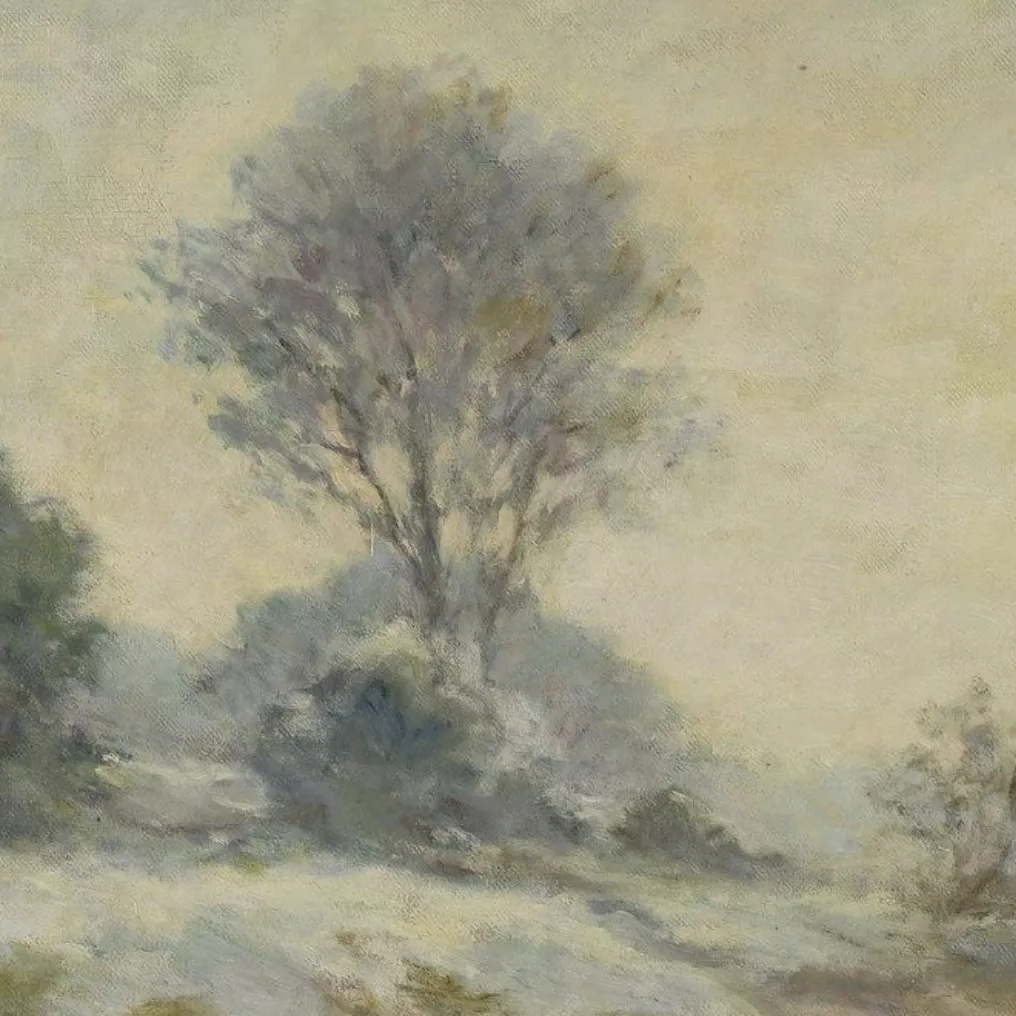
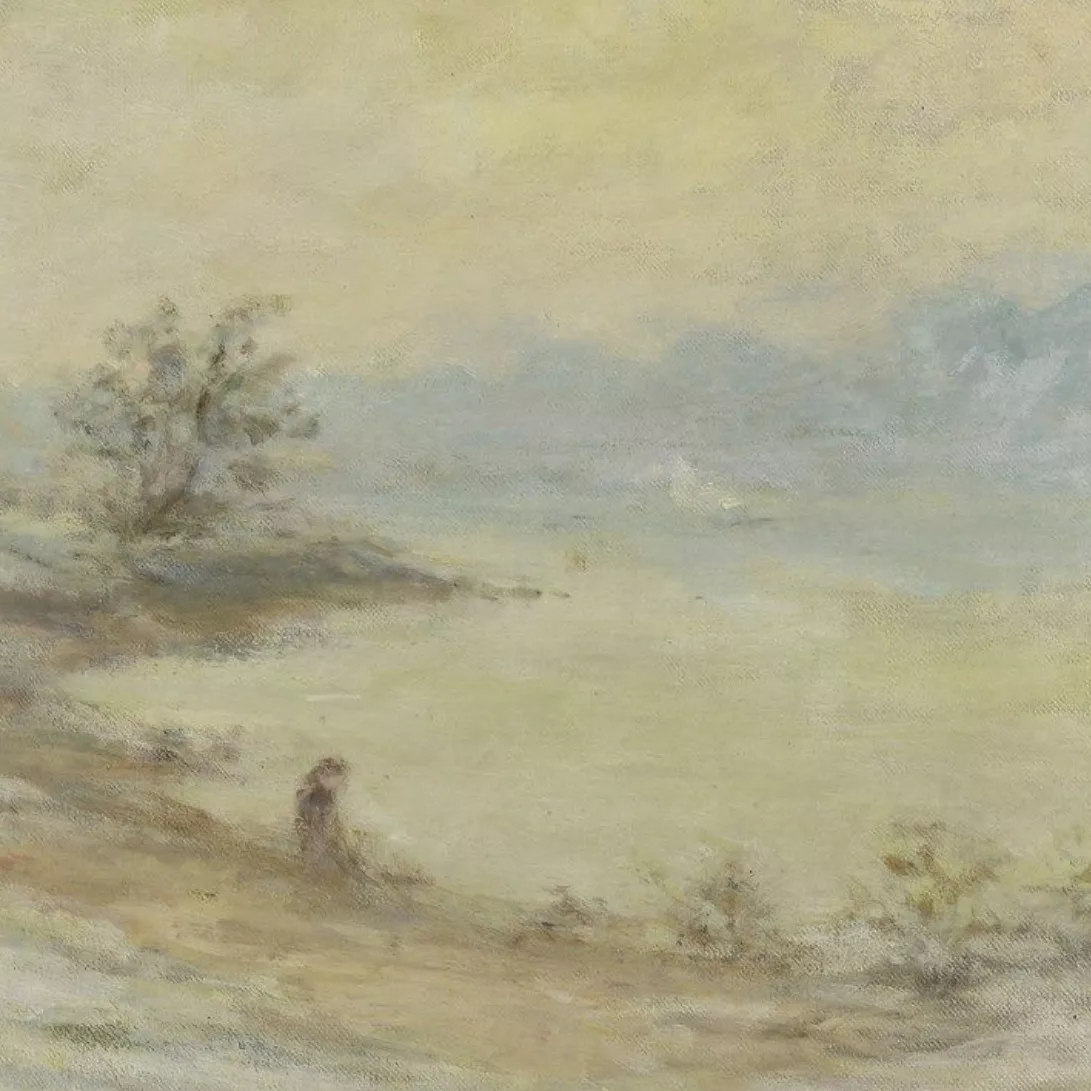
The Life of Emile Schuffenecker
Cultural Context
Schuffenecker began his career as a broker at Bertin in 1871 while simultaneously attending evening drawing classes offered by the City of Paris—a typical path for the Post-Impressionist generation, which was trained outside of official academic institutions.
After the stock market crash of 1881, he decided, like Gauguin, to devote himself entirely to painting, illustrating the shift of a generation of the commercial bourgeoisie toward an artistic vocation at the turn of the 1880s.
In January 1882, he placed first in the drawing teaching competition and taught at the Lycée Michelet in Vanves, which meant he was not entirely dependent on the art market. In 1884, he was one of the founders of the Salon des Indépendants.
It was his idea to hold the 1889 exhibition at Volpini’s, a pivotal moment in Gauguin’s influence on young painters. In the 1920s, he socialized with the Fauvist painter Victor Dupont at La Ruche.
Artistic and Intellectual Circle
He met Gauguin in 1872 at the home of the stockbroker Bertin. This marked the beginning of a great friendship; they studied the masters of the Louvre together and worked at the Académie Colarossi.
His home became a hub of artistic social life: he regularly hosted Guillaumin and Pissarro. He also invited Berthe Morisot and Édouard Manet to visit his studio; Manet recommended that he exhibit with the Impressionists.
In Concarneau in July 1906, he met the painter Émile Bernard and gave him a letter of recommendation to introduce him to Gauguin—a decisive gesture that led to the founding of the Pont-Aven school. He would look after Gauguin’s son, Clovis, during his travels to the islands.
Market Segmentation and Artist Rankings
Prices of Works
The market for Schuffenecker’s works shows a very wide range of prices depending on the medium and format: small-format pastels and drawings typically sell for between €500 and €9,000, while medium-sized oil paintings on canvas command estimates ranging from €6,000 to €30,000.
Normandy landscapes dated 1888, particularly those depicting the cliffs of Étretat, are among the most sought-after subjects at auction, with estimates ranging from €20,000 to €30,000 for large-format oil paintings.
Factors Influencing Value
His biographical and artistic connection to Gauguin is one of the primary drivers of value: Schuffenecker encouraged Gauguin to pursue a career as a painter. This network of artistic connections enhances the desirability of his works.
The variety of media he mastered (oil, pastel, charcoal, and drawing) broadens the range of potential buyers and ensures a regular presence at auction at a wide range of price points.
The institutional presence of his works in major international museums—notably the fine arts museums in Brest, Quimper, and Pont-Aven, as well as the Van Gogh Museum in Amsterdam—permanently anchors his artistic legitimacy and supports his value on the secondary market.
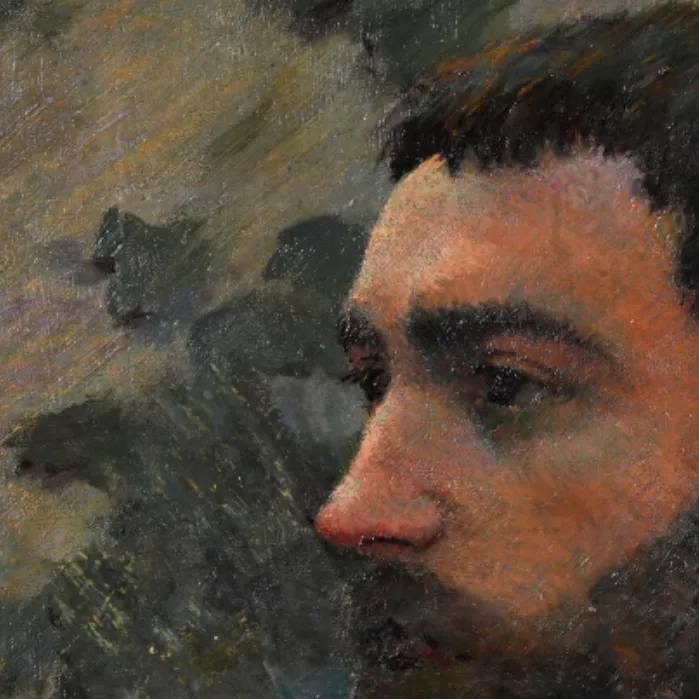
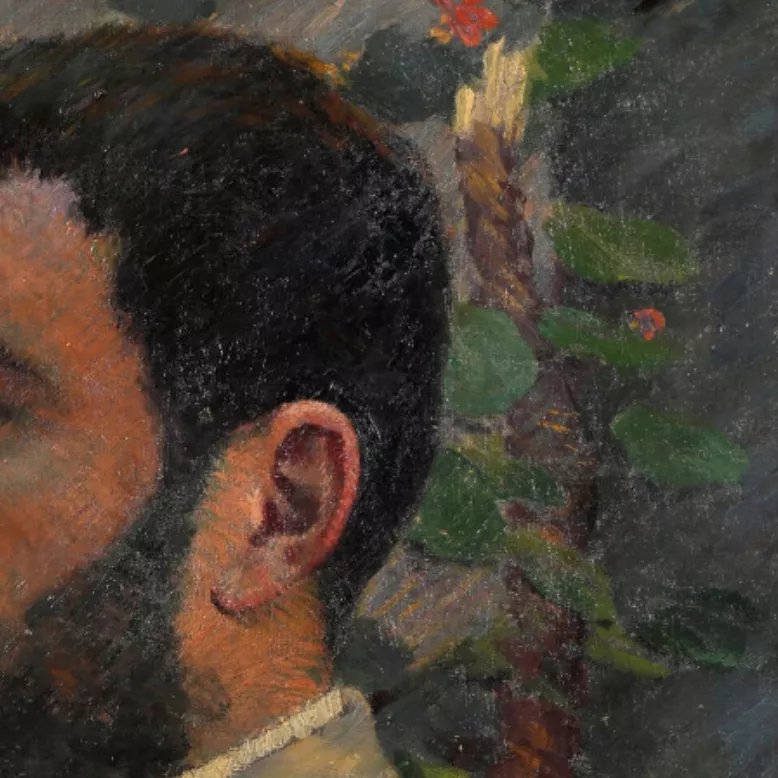
FAQ – How do you appraise a work by Emile Schuffenecker?
1) Which periods of his work are most highly valued?
Three major periods mark his career: the Impressionist period (1882–1889), the Symbolist period (1890–1896), which is the most stylistically original, and the period of withdrawal (after 1900), which was significantly less productive.
2) At what price levels have Schuffenecker’s works sold?
The market is active, with a wide range of prices depending on the medium and subject matter. A pastel titled *Study for “Le Square (Jardin du Luxembourg)”* (27 × 34.7 cm, circa 1885–86), estimated at €5,000–7,000, sold for €8,750 at Christie’s Paris in April 2021, exceeding the high estimate by 25%.
3) Is there a catalogue raisonné for Schuffenecker, and what role does it play in an appraisal?
Jill-Elyse Grossvogel published the catalogue raisonné of Claude-Émile Schuffenecker (Volume I, Alan Wofsky Fine Arts, San Francisco, 2000, ISBN 1-55660-297-9). Consulting this catalog is essential for any serious authentication work: it lists and numbers the artist’s known works.
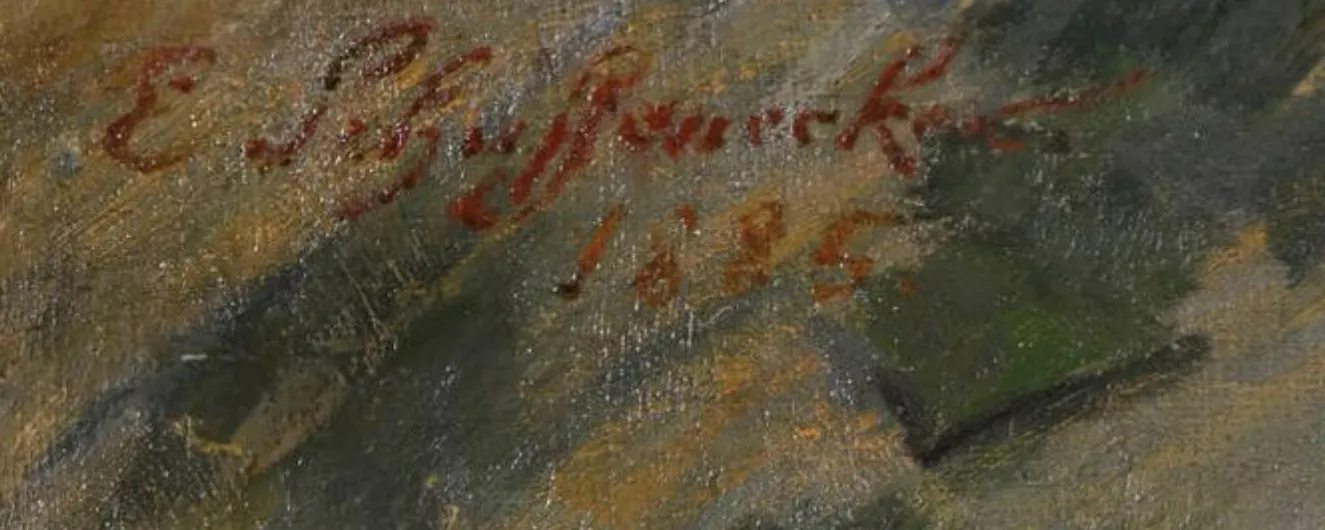
His Signature
Not all of Émile Schuffenecker’s works are signed.
Although there are variations, here is an example of his signature:
Get Your Émile Schuffenecker Artwork Appraised
If you own a work by Émile Schuffenecker, an appraisal will help you determine its current market value.
Using our online form, our experts and certified auctioneers will conduct a free appraisal and provide you with a reliable estimate of your artwork’s market value.
If you’re considering selling it, we’ll guide you through the process to ensure you get the best possible price.
Estimate in less than 24h
Discover in the same theme

Rating and value of works, paintings, drawings by Henri Fant...
Henri Fantin-Latour was a realist and symbolist painter of the 19th century, famous for his still lifes, which were highly prized at auction.
Learn more >

Rating and value of paintings and drawings by Ferdinand Geor...
Ferdinand Georg Waldmüller was an Austrian realist painter who produced many works that are highly valued at auction.
Learn more >

Rating and value of paintings by Michel Martin Drölling (son...
Michel Martin Drölling is a 19th-century neoclassical painter who produced numerous works of great value.
Learn more >
D'autres tableaux impressionnistes vendus aux enchères

Estimated 6.000 - 8.000
Mikhail Markianovich GUERMACHEFF (1867 - 1930) House under the snow, oil on canvas

Estimated 2.000 - 4.000
Jean DUFY (1888-1964) Vase of anemones, Watercolor

Estimated 600 € - 800 €
Henri ZUBER (1844-1909), Bridge at Artemare. Oil on canvas.

Secure site, anonymity preserved

Auctioneer approved by the State

Free and certified estimates
Frequently asked questions
-
Who was Emile Schuffenecker, and what was his artistic background?Claude-Émile Schuffenecker (1851–1934) was a Post-Impressionist painter associated with the Pont-Aven School. After a career as a stockbroker, he devoted himself entirely to painting following the stock market crash of 1881, as did his friend Paul Gauguin. His style evolved from Impressionism toward Symbolism, combining these influences with Synthetism. He distinguished himself as an artistic mediator and collector of avant-garde art, welcoming major artists such as Pissarro and Guillaumin into his studio.
-
How much do Schuffenecker's paintings and drawings sell for?Schuffenecker's works sell for between €30 and €265,000, depending on the medium and format. Small-format pastels and drawings sell for between €500 and €9,000, while medium-sized oil paintings on canvas fetch between €6,000 and €30,000. Normandy landscapes and depictions of the cliffs of Étretat are among the most sought-after subjects, with estimates ranging from €20,000 to €30,000 for large-format works.
-
How can you authenticate a work by Schuffenecker?To authenticate a work, it is essential to consult Schuffenecker’s catalog raisonné, published by Jill-Elyse Grossvogel (2000), which lists and numbers all of the artist’s known works. Our state-certified auctioneers provide a free, no-obligation appraisal by verifying the authenticity and signature of the work and analyzing recent market trends. You will receive an expert response within 48 hours.
-
Is this a good time to sell a Schuffenecker painting?Yes, now is a good time to sell. The market for Schuffenecker’s works remains active, with very high prices, confirming that the artist is a safe bet at auction. His works are represented in major international museums (the Van Gogh Museum in Amsterdam, and museums in Brest, Quimper, and Pont-Aven), which provides lasting support for his artistic legitimacy and market value.
-
How does the appraisal process work at Auctie's?The appraisal is free and non-binding. You fill out an online form describing your artwork, and our state-certified auctioneers conduct a thorough appraisal based on authenticity, market value, and recent market results. You’ll receive a reliable estimate of the market value within 48 hours. If you’re considering a sale, we’ll guide you from the appraisal through to the auction to ensure you get the best possible price.
