



Value of a Sculpture: Appraisal and Auction

Key takeaways
- The value of a sculpture varies depending on the artist, the material, the casting edition, and the condition, with value differences ranging from 1 to 1,000 between a recognized master and an unknown artist.
- Bronzes cast during the artist’s lifetime (contemporary castings) are worth several times more than posthumous castings, while major historic foundries such as Barbedienne or Susse Frères significantly increase the value.
- Price ranges vary from 200 to 3,000 euros for a small 19th-century animal bronze to several million euros for major works by Rodin, Giacometti, or Brancusi.
Signed bronzes, marbles, and terracottas by master sculptors: the value of a sculpture varies greatly depending on the artist, the material, and the casting edition.
Below you’ll find all our valuation guides dedicated to sculpture—bronzes, marbles, terracottas, and master sculptures. Each guide details the price ranges observed at auction and the factors that determine a piece’s value before it is entrusted to our state-certified auctioneers.
Guides on this type of item
See all guides >
Marseille Auctioneer: Art Valuation – Aucties
Have your artwork, jewelry, and collectibles appraised in Marseille by the experts at Aucties. 100% free online appraisal within 24 hours. ✅
Learn more >

Rating and value of paintings and photographies by Marie-Jo...
Marie-Jo Lafontaine is a contemporary Belgian artist renowned for her monochromes as well as her photographs, which command high prices.
Learn more >

Rating and value of drawings and paintings by Vanessa Beecro...
Vanessa Beecroft is an Italian contemporary artist whose paintings and photographs command high prices at auction
Learn more >

Rating and value of drawings and paintings by Susan Hable
Susan Hable is a contemporary artist born in Texas whose works can command high prices and have significant value. 24-hour estimate.
Learn more >

Rating and value of sculptures and bronzes by Margot Pitra
Margot Pitra is a contemporary French artist who has primarily created bronze sculptures that command high prices and are highly valued.
Learn more >

Rating and value of drawings and paintings by Jan Toorop
Jan Toorop is a Dutch Symbolist painter whose Symbolist paintings command high prices at auction.
Learn more >

Rating and value of drawings and paintings by Arnold Böcklin
Arnold Böcklin was a 19th-century Symbolist painter who produced numerous paintings that are highly prized and valuable.
Learn more >

Rating and value of sculptures, drawings, and engravings by...
Max Klinger is a German artist and a pioneer of Symbolism who produced numerous works that are highly valued and command high prices.
Learn more >

Rating and value of sculptures and bronzes by Charles Delhom...
Charles Delhommeau is a French animal sculptor who has created numerous works that command high prices at auction.
Learn more >

Rating and value of sculptures and drawings by Emile Gilioli
Emile Gilioli was a 20th-century abstract sculptor who created numerous works that command high prices at auction.
Learn more >

Rating and value of drawings and paintings by Arbit Blatas
Arbit Blatas is a painter from the School of Paris whose paintings and sculptures command high prices at auction.
Learn more >

Rating of value of drawing and paintings by Auguste Chabaud
Auguste Chabaud is a Fauvist and Expressionist artist who has produced numerous paintings that command high prices at auction.
Learn more >
Understanding the Value of a Sculpture
What is a sculpture’s market value in the art market?
A sculpture’s market value refers to the benchmark value assigned to it by the market at a given time, based on the sculptor’s identity, the material, the period of creation, the edition size for limited-edition bronzes, the condition, the foundry for antique castings, and the completeness of the documentation.
Sculpture constitutes a segment of the art market whose formal and material diversity is unparalleled: from carved marble to cast bronze, from modeled terracotta to monumental installations in Corten steel, the techniques and aesthetics span several millennia of human creative history.
This market operates according to pricing logic that may seem unexpected to the uninitiated. Antique bronzes, for example, may exist in several successive castings from the same mold, with their value decreasing as one moves further away from the original casting made during the artist’s lifetime.
The issue of edition size and numbering—essential for modern bronze sculptures—directly influences the value of each piece within a single edition. As for antique marbles and terracottas, their appraisal is based on stylistic and material criteria very similar to those applied to antique paintings.
Bronze, marble, wood, resin, ceramics: what materials are on the market?
Each sculptural material follows its own specific criteria for appraisal and valuation. Bronze, the most common material on the 19th- and 20th-century sculpture market, is a cast metal alloy made from a plaster or wax model, the quality of which depends both on the precision of the original model and the technical expertise of the foundry.
The major historic foundries—Susse Frères, Barbedienne, and Alexis Rudier in France—are benchmarks that experts recognize upon examining the surface and chiseling of the bronze.
Marble, the quintessential aristocratic material whose use dates back to Greek antiquity, is carved from a block of stone whose translucency and color vary depending on its geographical origin: Carrara marble, snow-white and slightly translucent, is the gold standard for neoclassical and academic sculpture.
Terracotta, a more humble material but often one of greater expressiveness thanks to the freedom it affords the sculptor, has produced some of the most striking masterpieces of 18th-century sculpture.
Finally, resin and synthetic materials have been widely adopted by contemporary sculptors for their versatility and their ability to mimic other materials or produce new visual effects.
Material | Characteristics | Artists and Periods | Market Demand Level |
Bronze (antique or modern cast) | Durability, distinctive patina, signed and numbered castings | Rodin, Dalou, Camille Claudel, Brancusi, Giacometti | Very strong, international |
Marble (cut or carved) | Nobility of the material, fragility, expertise regarding the stone’s origin | Carpeaux, Falguière, Neoclassical sculptors | Active, collectors and institutions |
Terracotta (modeled or cast) | Expressiveness, lightness, fragility, patina of authenticity | 18th-century sculptors, Clodion, Falconet | Very active, established specialized market |
Resin and modern materials (contemporary art) | Versatility, new visual effects, specific conservation requirements | Jeff Koons, Ron Mueck, contemporary artists | Very strong for major names |
Carved wood (religious, folk, or academic) | Possible polychromy, texture, susceptibility to insect damage | Sacred art, regional folk sculpture | Active market, collectors and interior designers |
The criteria that determine a sculpture’s value
The market value of a sculpture depends on a hierarchy of criteria, with the sculptor’s identity always being the primary factor. The difference in value between a Rodin bronze and an anonymous academic bronze from the same period and of the same size can be several orders of magnitude.
Within a single sculptor’s body of work, the subject depicted plays an important role: Rodin’s *The Thinker*, the artist’s most iconic subject, commands a systematic premium over less iconic compositions, even though this fame must be weighed against the number of existing castings.
For modern bronze editions, the edition size and numbering are also key determining factors.
The price ranges illustrate the breadth of this market. A small 19th-century animal bronze by a lesser-known artist can range from 200 to 3,000 euros. A bronze by a renowned academic sculptor such as Barye or Fratin ranges from 2,000 to 30,000 euros, depending on the subject and the casting.
A marble sculpture by Carpeaux or a terracotta piece by Clodion sells for between 10,000 and 300,000 euros. Major bronzes by Rodin, Giacometti, or Brancusi can fetch several million euros for the most exceptional examples.
Estimate in less than 24h
Bronze, marble, and terracotta: the appraised sculptures
The hierarchy of sculptures and its impact on value
In the world of sculpture, bronzes cast during the artist’s lifetime under their direct supervision—referred to in the art market as “original period castings”—occupy the top of the value hierarchy.
These castings, whose quality of chiseling and patina directly reflect the artist’s involvement in the production process, are consistently valued higher than posthumous castings made from the same models but without the artist’s personal supervision.
For sculptors whose reproduction rights were transferred to foundries or publishers, the distinction between authorized editions and apocryphal editions or unauthorized copies is a crucial issue of authentication.
Category | Characteristics | Price Range | Market Demand |
Bronze by a major sculptor (Rodin, Giacometti, Brancusi) | Period cast or authorized cast, comprehensive documentation | €500,000 — several million € | Institutional, exceptional |
Bronze by a recognized sculptor (19th–20th centuries) | Well-chiseled cast, authentic patina | €5,000 — €200,000 | Very active, international |
Academic-quality marble (19th century) | Fine carving, identifiable subject | €10,000 — 200,000 | Popular with collectors and interior designers |
Modelled terracotta (18th century, Clodion, French school) | Expressiveness, antique patina | €3,000 — €80,000 | Very strong, specialized market |
Animal bronze sculpture (Barye, Mène, period) | Period cast bronze, high-quality chiseling | €1,000 — €20,000 | Active market, broad buyer base |
Contemporary sculpture (renowned artist) | Various materials, certificate required | 5,000 — several hundred thousand € | Varies depending on the artist’s reputation |
Religious, secular, and monumental sculptures: the most sought-after works
In antique sculpture, religious subjects carved from polychrome wood—a legacy of medieval and Baroque workshops—hold a special place, as their spiritual dimension complements their aesthetic appeal for collectors whose devotion and love of art often merge.
Italian and Spanish Baroque terracottas, often remarkably dramatic in their expressiveness, constitute a highly sought-after segment, with high-quality pieces fetching significant auction prices.
In modern sculpture, the most ambitious works by the great sculptors—the monumental Bourgeois pieces and the large-scale Giacomettis—represent absolute milestones in the international market.
Get a Free Appraisal of a Sculpture
A certified appraisal by a licensed auctioneer in less than 24 hours
Identifying a sculpture and assessing its market value requires a combination of expertise in the history of sculpture, mastery of casting and carving techniques, and an understanding of the specific logic behind editioning and numbering unique to the bronze market.
Auctie’s auctioneer possesses this multidisciplinary expertise, which is made available to you free of charge to provide a certified response in less than 24 hours.
What You Need to Provide for an Online Appraisal
For a sculpture, photographs of the entire piece from multiple angles, as well as of the base and any signatures, serial numbers, or foundry stamps, are essential.
The precise dimensions, the type of material, and any documentation of provenance, certificates, or references in a catalogue raisonné must be provided. For modern bronzes, the edition number and total print run must be specified.
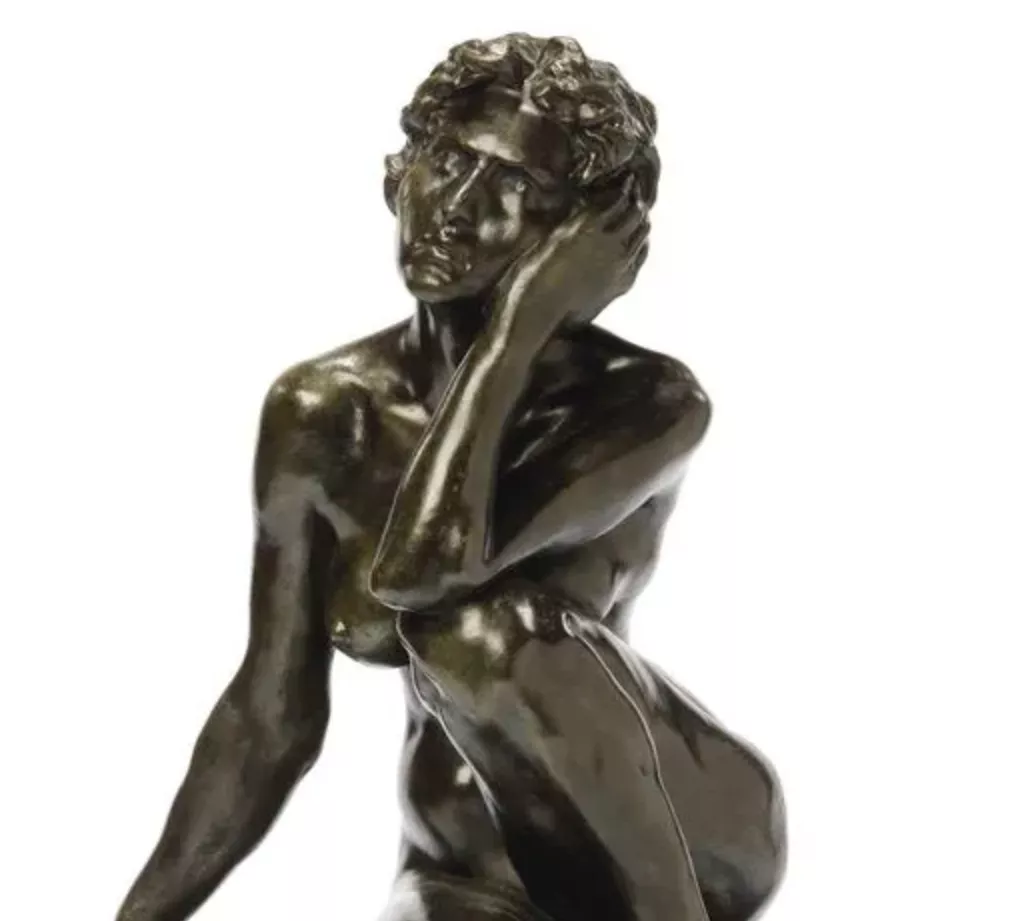
Signature, Casting, and Provenance: The Pillars of Valuation
The sculptor’s signature and foundry mark: their impact on value
Criterion | Impact on Value |
Sculptor (renowned master vs. unknown artist) | Primary factor; can result in a value difference ranging from 1 to 1,000 |
Contemporary casting vs. posthumous casting | Fundamental difference; a cast made during the artist’s lifetime is worth several times more |
Numbering (first edition vs. high number) | Premium for early copies; artist’s proofs are the most highly valued |
Foundry mark (renowned foundry vs. unknown foundry) | Barbedienne, Susse Frères, Alexis Rudier: significant impact due to reputation |
Certificate of authenticity (foundation or gallery) | Essential for contemporary bronzes and major modern sculptures |
Provenance and condition: their impact on value
A sculpture’s provenance is a key factor in building trust. A piece whose past ownership can be traced, or whose history in a major historical collection is documented, enjoys a legitimacy that the market directly values.
Condition requires particular attention depending on the material: bronzes must be examined for any visible restoration or artificial patina; marbles for cracks and restorations; and terracottas for chips and repairs, which often affect the most delicate reliefs.
Sell a Sculpture at Auction with Auctie's
From the reserve price to the final bid
Auctions are the most suitable method for selling high-quality sculptures, exposing the piece to competition among collectors whose aesthetic sensibility and market knowledge can lead to remarkable final bids for a rare and well-documented piece.
Auctie's holds its auctions at the Hôtel Drouot and online, reaching bidders from around the world.
Hôtel Drouot and Online Auctions
Auctie’s holds its auctions at the Hôtel Drouot, which regularly features sessions dedicated to ancient and modern sculpture. Real-time online streaming allows us to reach buyers from around the world—an essential aspect of such a globalized market.
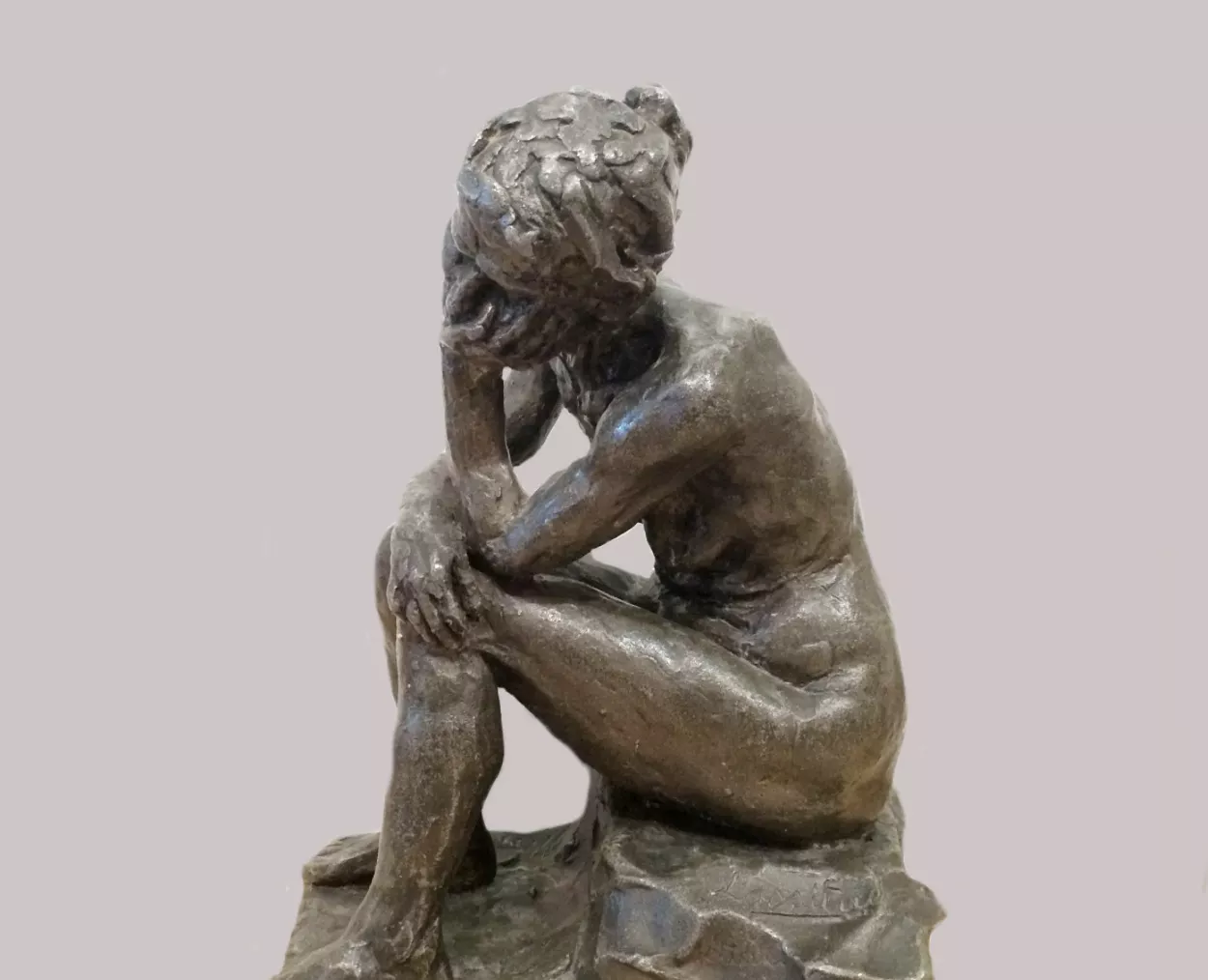
Estate Planning: Valuing an Inherited Sculpture
Inventory and Appraisal
Inherited sculptures can represent significant assets whose value depends on factors that can only be accurately assessed through specialized appraisal. Auctie's works alongside notaries to compile rigorous inventories, with each piece appraised individually.
Confidentiality and Discretion
Auctie's handles every case with absolute discretion. The owner’s identity is never disclosed to third parties without their explicit consent.
Glossary of the Sculpture Market
Term | Definition |
Estimate | Estimated market value of a sculpture, based on auction results and demand. |
Casting | A process for creating a bronze sculpture by pouring molten metal into a mold. |
Chiseling | The process of cold-working a bronze piece after casting to refine the details and surface. |
Patina | A layer of color and texture developed on the surface of a bronze through natural or artificial oxidation. |
Edition | The number of copies produced of a single bronze sculpture model. |
Numbering | An inscription indicating the order of a copy within the total edition (e.g., 3/8). |
Artist’s proof | A copy cast outside the commercial edition, reserved for the artist; often the most valuable. |
Marble | A crystallized limestone used since ancient times for sculpture, prized for its translucency. |
Terracotta | Clay that has been shaped and then fired in a kiln; a highly expressive material widely used in the 18th century. |
Provenance | The history of ownership of a sculpture. |
Auction | Awarding of the lot to the highest bidder at the conclusion of an auction. |
Reserve Price | The starting price set for the auction. |
Estimate in less than 24h
Let Auctie's appraise your sculpture
A sculpture is an object that occupies space and time, a constant dialogue between material, light, and the viewer’s gaze. Understanding and appreciating this unique physical presence requires expertise at the intersection of art history and technical knowledge.
Auctie's offers you this expertise, free of charge and in complete confidence.
The appraisal is free, with no obligation, and you’ll receive a response within 24 hours.
Discover in the same theme

Gilbert Poillerat's furniture, tables and lighting price and...
Gilbert Poillerat is a twentieth-century master wrought-iron craftsman who has produced works that are listed and valued on the auction market.
Learn more >

Rating and value of works, drawings, sculptures by Léon Driv...
Léon Driver is a sculptor and draughtsman who followed Rodin and produced many works listed on the auction market. Estimated in 24h.
Learn more >

Rating and value of works, ceramics by Pol Chambost
Pol Chambost is a highly successful 20th-century ceramist. Today, his works are highly prized and quoted at auction.
Learn more >

Secure site, anonymity preserved

Auctioneer approved by the State

Free and certified estimates
Frequently asked questions
-
What factors determine the value of a sculpture?The value of a sculpture depends primarily on the sculptor’s identity, the material (bronze, marble, terracotta), the period of creation, the edition number for cast bronzes, the condition of the piece, and the quality of the documentation. For bronzes, castings from the artist’s lifetime are consistently valued higher than posthumous castings. Provenance and the foundry’s signatures or stamps also strongly influence market value.
-
How can I get a free appraisal of a sculpture?Auctie's offers a free, no-obligation appraisal certified by a licensed auctioneer. To request an appraisal, please submit photographs of your sculpture from multiple angles (overall view, base, signatures), its exact dimensions, the type of material, and any available documentation of provenance. You will receive an expert response within 24 hours.
-
What price ranges should you expect depending on the type of sculpture?A small 19th-century animal bronze by a lesser-known artist sells for between 200 and 3,000 euros. A recognized academic bronze ranges from 2,000 to 30,000 euros. A marble sculpture by Carpeaux or a terracotta piece by Clodion sells for between 10,000 and 300,000 euros. Major bronzes by Rodin, Giacometti, or Brancusi can fetch several million euros for exceptional examples.
-
Why use Auctie's to sell a sculpture at auction?Auctions are the most suitable method for selling high-quality sculptures, as they expose the piece to competition among international collectors. Auctie's holds its auctions at the Hôtel Drouot and online, reaching bidders from around the world. Our experts guide sellers from the free appraisal through to the final sale, ensuring comprehensive expertise and maximum visibility.
-
How can you authenticate a sculpture and verify its provenance?Authentication is based on an examination of signatures, foundry marks, and serial numbers for modern bronzes, as well as verification of whether the casting is from the artist’s lifetime or posthumous. Specialized expertise is essential for evaluating the condition and the quality of the engraving. Request an appraisal from Auctie’s: our licensed auctioneers conduct a rigorous authentication process and examine all available provenance documents.
