



Rating of value of drawing and paintings by Auguste Chabaud

Key takeaways
- Auguste Chabaud’s paintings sell for between €180 and €156,000, with his work “Girls with a Client” (1907) selling for €156,000 in 2024.
- A Fauvist and Expressionist artist (1882–1955), Chabaud is particularly renowned for his Parisian night scenes and his landscapes of Graveson in Provence.
- His works are housed at the Cantini Museum in Marseille, the Museum of Modern Art in Paris, and the Petit Palais in Geneva, cementing his place in the history of modern art.
Auguste Chabaud’s paintings and drawings sell for up to €156,000 at auction. An appraisal allows us to accurately determine the current market value of your Auguste Chabaud artwork and, if applicable, optimize the sale of the piece.
If you own a work by Auguste Chabaud and would like to know its value, our state-certified auctioneers will provide a free appraisal based on authenticity, market rating, and recent market results.
Artist’s Market Value and Reputation
Auguste Chabaud is a highly regarded Expressionist artist; his works fetch significant sums on the auction market.
Today, the prices at which his works are sold at auction range from €180 to €156,000—a considerable range that speaks volumes about the value that can be attributed to Chabaud’s works.
Sought after by collectors, Auguste Chabaud’s works can fetch tens of thousands of euros at auction, as evidenced by his 1907 oil on canvas, *Girls with a Client*, which sold for €156,000 in 2024.
Ranking of value from the most basic to the most prestigious
Technique used | Result |
|---|---|
Print - multiple | From €5 to €1,800 |
Sculpture - three-dimensional | From €1,300 to €9,800 |
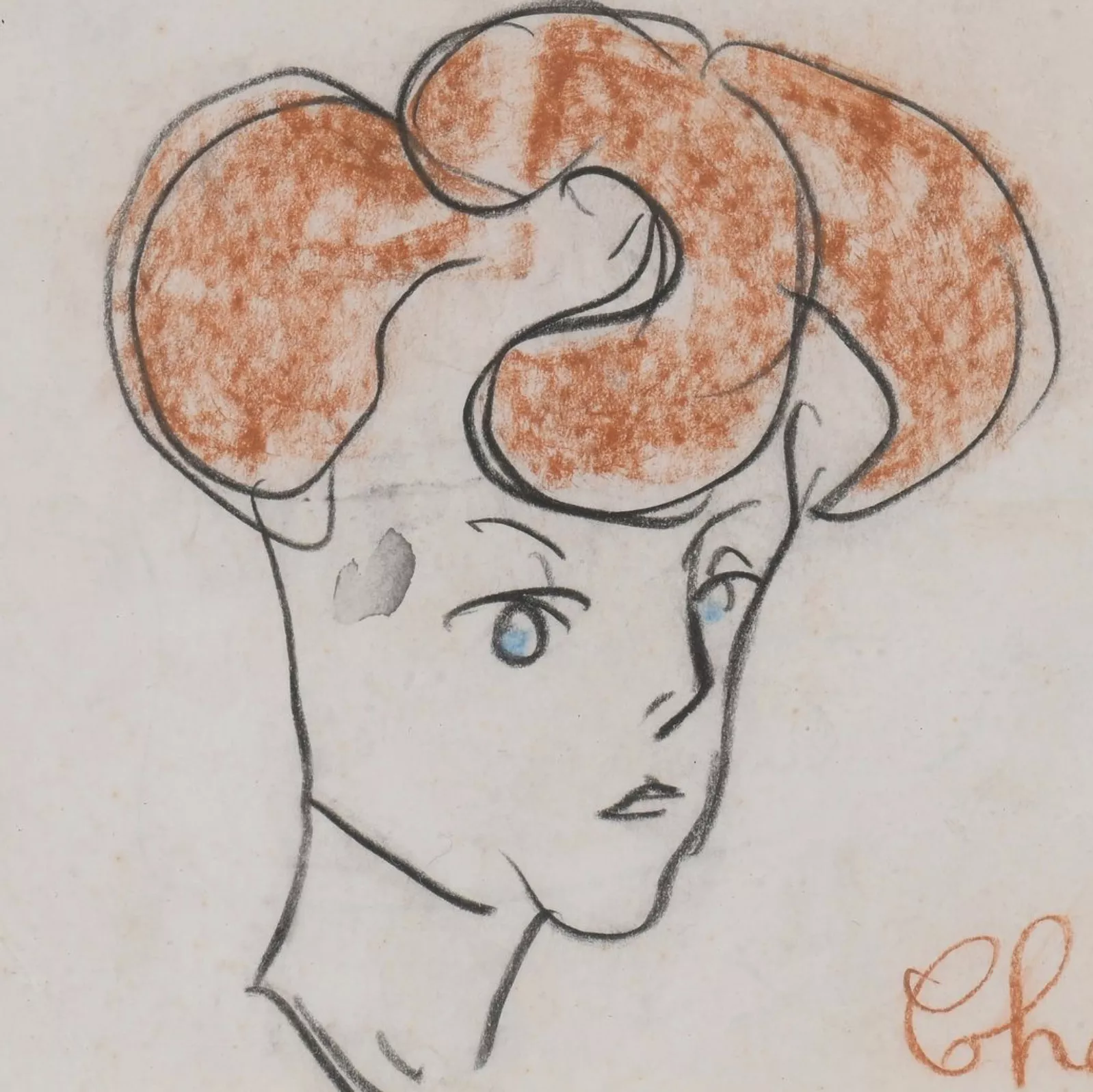
Drawing - watercolor | From €20 to €10,200 |
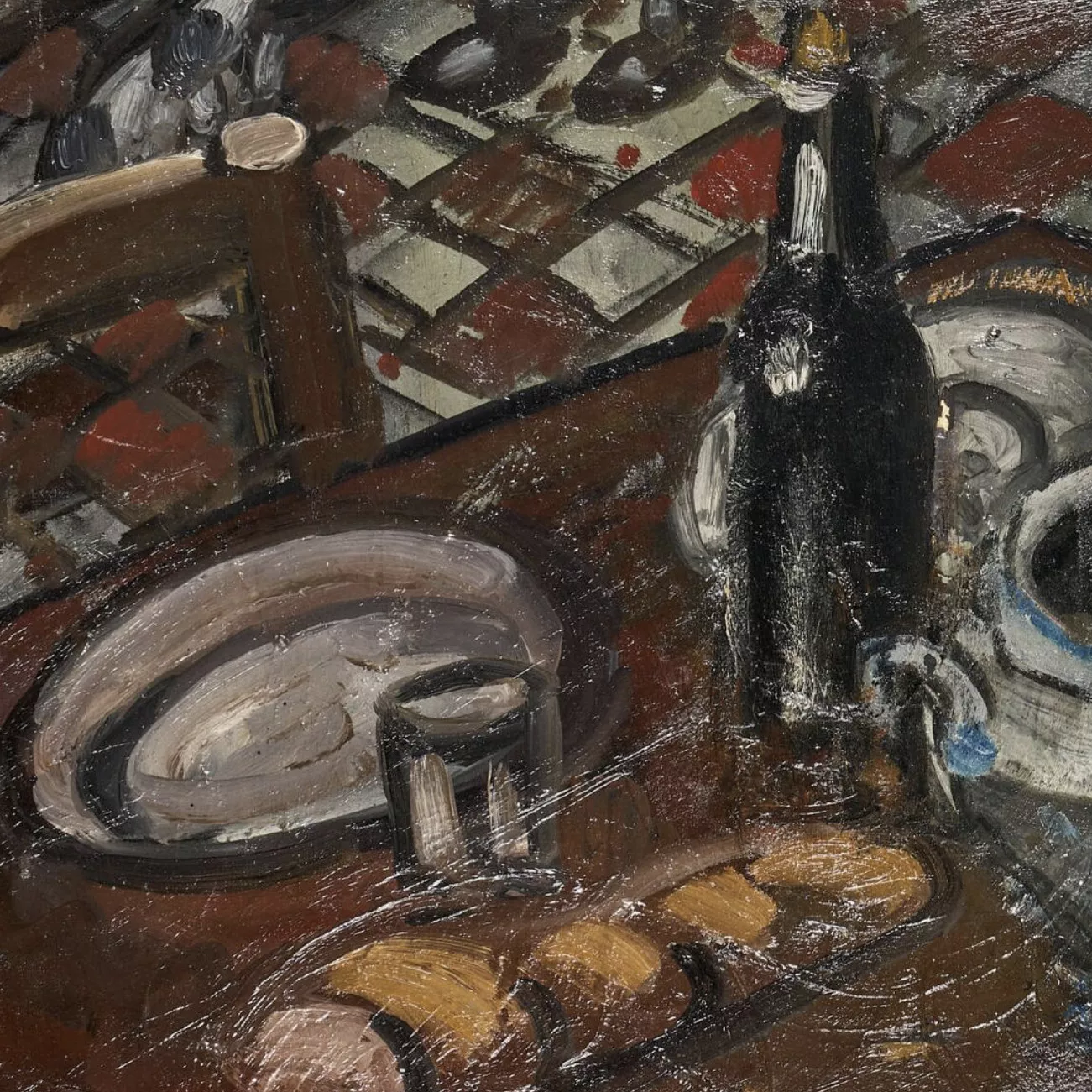
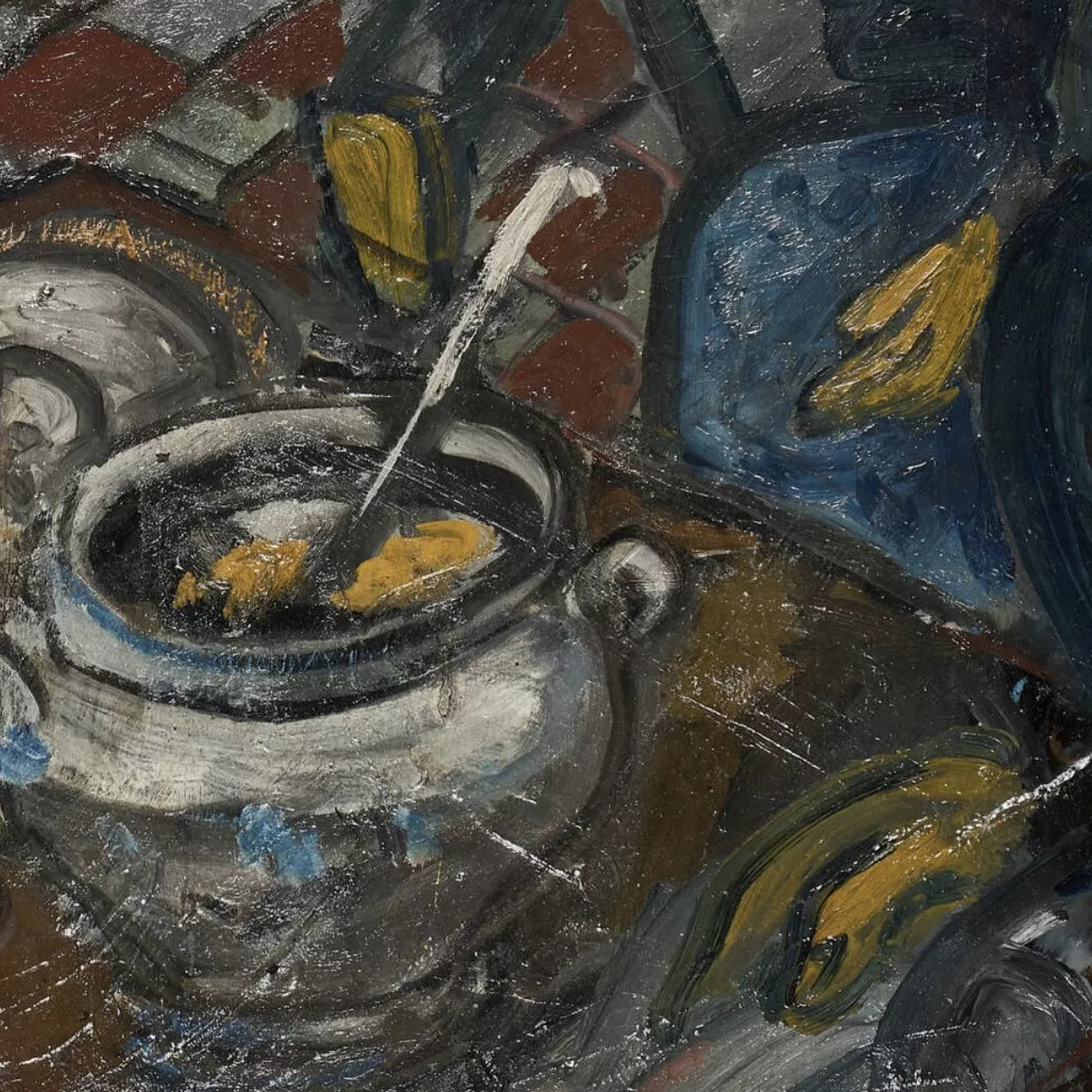
Painting | From €180 to €156,000 |
Estimate in less than 24h
Placing the Artist in Context
Period
Auguste Chabaud (1882–1955) was active during the first half of the 20th century, a period of great creativity and successive breaks with the major avant-garde movements. His artistic training followed a dual path—first regionally, then in Paris—beginning at the École des Beaux-Arts in Avignon and continuing in Paris at the Académie Julian. There he met Henri Matisse and André Derain.
His career can be divided into two distinct geographical and thematic phases: from 1907 to 1914, he painted mainly Paris, where he lived. After World War I, he returned to Provence. He was nicknamed “the hermit of Graveson” and died in seclusion in his home.
His belated recognition reflects a delayed appreciation; a retrospective in Paris in 1952 drew attention to his work, after which he came to be regarded as one of the precursors of Fauvism.
Artistic Movements
Chabaud is generally described as a Fauvist and an Expressionist—two movements he embodied simultaneously without being reducible to either one. He quickly turned toward the formal and chromatic boldness of Fauvism.
His Expressionist side was most evident during his Parisian period, from 1907 to 1914, when he painted nocturnal landscapes, café scenes, brothel scenes, and nudes. His relationship to these movements was not dogmatic.
A clearly identifiable Cubist phase interspersed his artistic trajectory. In 1911, he began his Cubist period, working on large-scale paintings and sculpting; he created a sculpture carved from Fontvieille stone, like many of his Fauvist colleagues.
His final period in Provence marked a personal culmination. Beginning in 1920, he entered his Blue Period, using pure Prussian blue to highlight Provençal figures and costumes.
The Life of Auguste Chabaud
Cultural Background
Auguste Chabaud spent his childhood between the city and the Mas de Martin in Graveson, a family-owned vineyard in the heart of Provence. The wine crisis that struck the Midi in 1901 forced his family to stop supporting him financially. His father’s suicide that same year compelled him to return home after working on a ship.
From 1903 to 1906, he served in the military in Tunisia, from which he returned with sketchbooks filled with local scenes. Beginning in 1907, he exhibited in Paris at the Salon des Indépendants and the Salon d’Automne, alongside the leading figures of Fauvism.
In 1913, he exhibited in New York alongside Matisse, Derain, Vlaminck, and Picasso, then in Chicago and Boston. Upon his return from World War I in 1919, he settled permanently in Graveson and began his Blue Period in 1920.
Intellectual Circle
In Paris, he trained in Fernand Cormon’s studio and attended the Académie Julian and the Académie Carrière, where he met Henri Matisse and André Derain. He rubbed shoulders with the international avant-garde but never aligned himself with any particular movement, asserting an instinctive and independent stance.
Back in Provence, he maintained friendships with René Seyssaud and Pierre Ambrogiani. He was also a writer and published poems.
FAQ: How do you appraise a work by Auguste Chabaud?
1) Which subjects fetch the highest prices at public auctions?
Chabaud’s market value has risen significantly in recent years, driven by a renewed interest in Fauvist painters and Provençal artists. His landscapes of Graveson are particularly sought after, as are his Parisian night scenes, which command the highest prices on the market.
2) How did Chabaud sign his works?
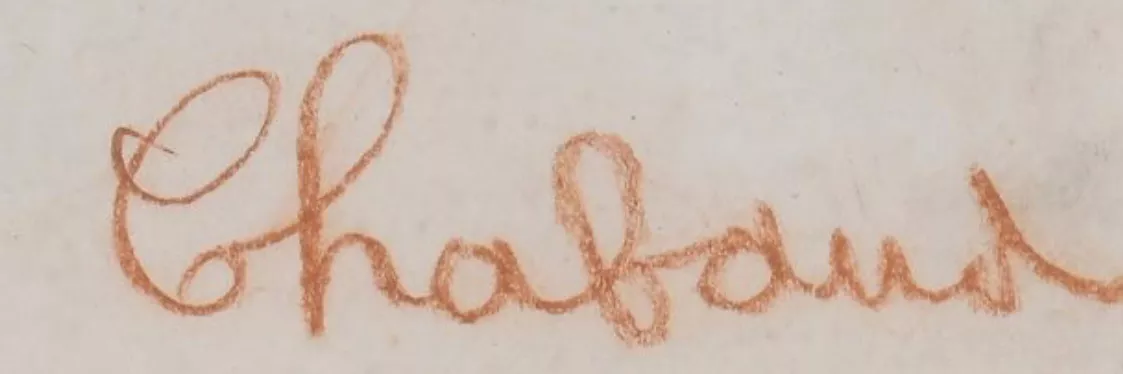
The usual signature is “Chabaud,” generally in the lower right or left corner. He was one of many artists who did not sign all of their works. Some pieces bear a studio stamp instead of a handwritten signature, particularly on lithographs.
3) Why are some of Chabaud’s early works impossible to find?
Very few works from his early Parisian period (1899–1901) remain, because in 1944, dissatisfied with them, Chabaud destroyed them in a massive bonfire. An authenticated work from this early period is therefore exceptionally rare and of major historical interest.
Market Segmentation and Figures
Prices of Artworks
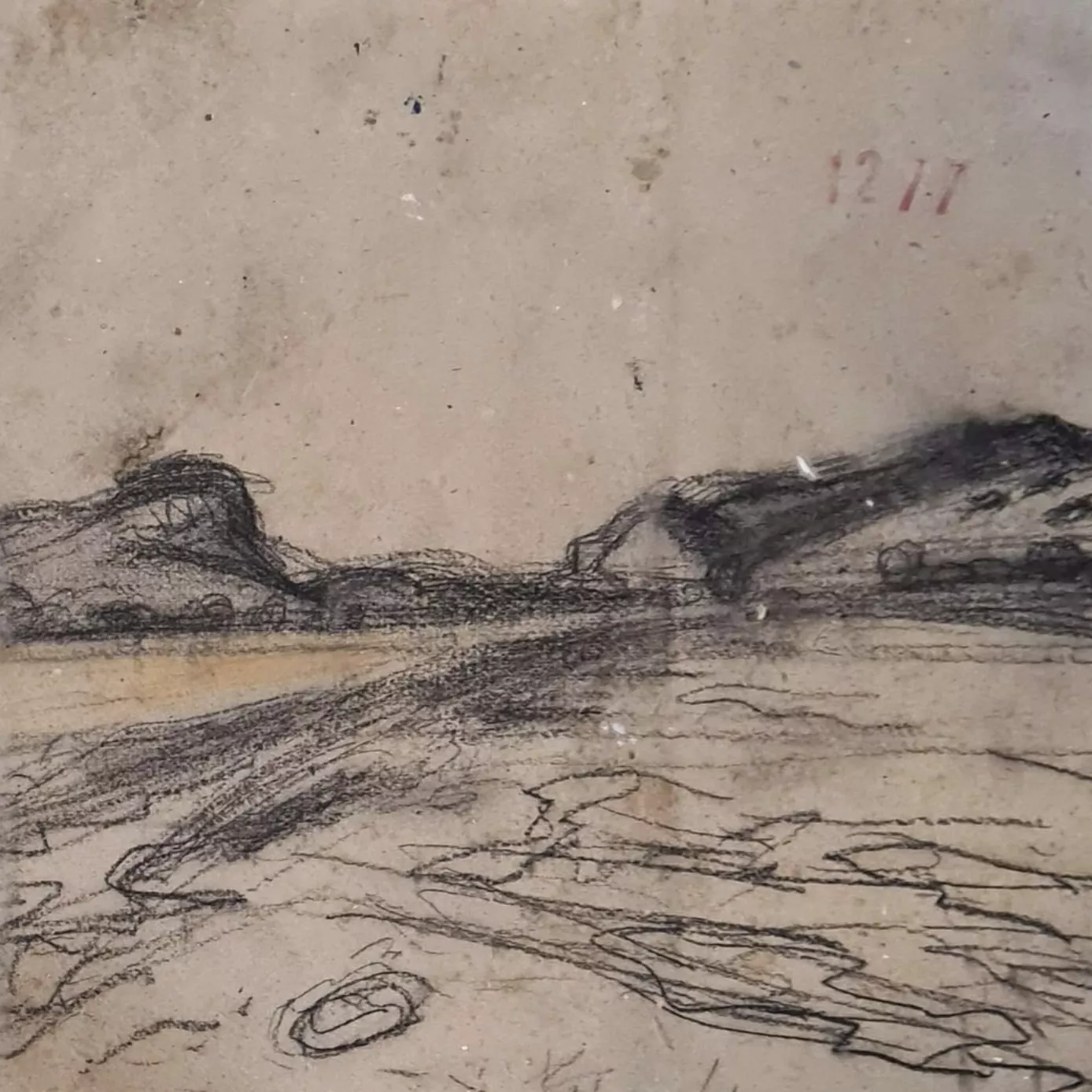
The Chabaud market is characterized by a very wide range of prices depending on the medium, format, and period of creation. Most paintings sell at auction for between €1,500 and €30,000; charcoal drawings fetch between €100 and €200; and watercolors do not exceed €800.
Works dated 1907, which reflect the artist’s most prolific Parisian period, command significantly higher prices. The most iconic depictions of Parisian nightlife are subject to much higher estimates.
Factors Driving Value
The thematic and chronological duality of the body of work attracts two distinct segments of collectors, ensuring diversified and sustained demand on the secondary market.
The institutional recognition of his work is a major driver of its value: works by Chabaud are held at the Cantini Museum in Marseille, the Museum of Modern Art in Paris, and the Petit Palais in Geneva. The artist’s international visibility during his lifetime anchors his work in the history of modern art beyond a strictly regional context.
The renewed interest in Fauvist paintings and modern Provençal artists has significantly boosted Chabaud’s market value in recent years. His place in local memory is symbolized by the opening of a museum in his honor in Graveson in 1992.
His Signature
Not all of Auguste Chabaud’s works are signed.
Although there are variations, here is an example of his signature:
Get Your Auguste Chabaud Artwork Appraised
If you own a work by Auguste Chabaud, an appraisal will help you determine its current market value.
Using our online form, our experts and certified auctioneers will conduct a free appraisal and provide you with a reliable estimate of your artwork’s market value.
If you’re considering selling it, we’ll guide you through the process to ensure you get the best possible price.
Estimate in less than 24h
Discover in the same theme

Rating and value of paintings by Le Thi Luu
THI LUU is a Vietnamese artist who has produced works that are highly rated and valued at auction. Estimated in 24h.
Learn more >

Rating and value of Russian paintings by Mikhail Guermacheff
Mikhail Guermacheff is a Russian realist painter who has produced works of increasing value at auction.
Learn more >

Rating and value of paintings by Toshio Bando
Toshio Bando is a painter from the École de Paris who has produced many works that are highly valued at auction.
Learn more >
D'autres tableaux de fauvistes vendus aux enchères

Estimated 8.000 - 15.000
Maurice de VLAMINCK (1876-1958), Still life with jugs and leeks, oil on canvas

Estimated 18.000 - 30.000
Charles CAMOIN (1879-1965) "Le Port de Marseille, 1928" Oil on canvas.

Estimated 200€ - 400€
André DERAIN (1880-1954) Decorative project, black ink (insolation),...

Estimated 2.000 - 4.000
Jean DUFY (1888-1964) Vase of anemones, Watercolor

Estimated 2.000 - 4.000
Jean DUFY (1888-1964) Vase of anemones, Watercolor

Secure site, anonymity preserved

Auctioneer approved by the State

Free and certified estimates
Frequently asked questions
-
Who is Auguste Chabaud, and what is his artistic background?Auguste Chabaud (1882–1955) was a French Expressionist and Fauvist painter, considered one of the precursors of Fauvism. Trained in Avignon and later in Paris at the Académie Julian, where he met Matisse and Derain, he left his mark on the early 20th-century avant-garde with his Parisian nightscapes (1907–1914) and his scenes of Provençal life. His belated recognition was cemented by a retrospective in Paris in 1952, and his works are now housed at the Cantini Museum in Marseille, the Museum of Modern Art in Paris, and the Petit Palais in Geneva.
-
How much do Chabaud's paintings and other works sell for at auction?Chabaud's works sell for between €180 and €156,000 at auction. Most paintings sell for between €1,500 and €30,000, while charcoal drawings range from €100 to €200, and watercolors generally do not exceed €800. The works from his Parisian period (1907–1914), particularly his night scenes, command the highest estimates.
-
How can you authenticate a work by Chabaud and determine its exact value?To authenticate and appraise a work by Chabaud, contact Auctie's: our state-certified auctioneers will provide a free, no-obligation appraisal based on the work’s authenticity, market value, and recent market results. You’ll receive a reliable estimate of the market value within 48 hours via our online form.
-
Is this the right time to sell a work by Chabaud?Yes, now is a good time to sell a work by Chabaud. The artist’s market value has risen significantly in recent years, driven by a resurgence of interest in the Fauvist painters and modern Provençal artists. Demand remains strong, with two distinct groups of collectors: those drawn to his Parisian period and those interested in his Provençal work.
-
How do I sell a work by Chabaud through Auctie's?Auctie's guides you from the appraisal to the auction. Following a free, no-obligation appraisal by our certified auctioneers, we offer an auction listing tailored to your artwork, maximizing its market value. We manage the entire process to ensure the best possible outcome.
