



Rating and value of works, drawings, paintings by Chaïm Soutine

Key takeaways
- Works by Chaïm Soutine fetch millions of euros at auction, notably "The Valet" (1927), which sold for 13.33 million euros in 2015.
- Estimates vary depending on the medium: prints range from 40 to 250 €, drawings from 6,000 to 30,000 €, and oil paintings on canvas from 100 to 22.3 million euros.
- A Russian painter born in 1893 who arrived in Paris in 1912, Soutine is recognized as the undisputed master of Expressionism, with an exceptional command of color.
If you own a work by or based on the artist Chaïm Soutine and would like to know its value, our state-approved experts and auctioneers will guide you.
Our specialists will carry out a free appraisal of your work, and send you a precise estimate of its value on the current market.
Then, if you wish to sell your work, we will direct you to the best possible arrangement to obtain the optimum price.
Artist's rating and value
Chaïm Soutine's work is common and highly rated on the auction market. His works arouse interest among collectors and art lovers, particularly those who appreciate twentieth-century painting. The most sought-after pieces are expressionist paintings.
A work signed by Soutine can fetch millions of euros at auction, as evidenced by his painting Le valet de chambre, dating from 1927 sold for €13,330,000 in 2015, while it was estimated at between €9,120,000 and €11,927,000.
Order of value from the most basic to the most prestigious
Technique used | Result |
|---|---|
Estamp - multiple | From €40 to €250 |
Drawing - watercolor | From €6,000 to €30,000 |
Oil on canvas | From €100 to €22,325,000 |
Estimate in less than 24h
Chaïm Soutine's colorimetry
Colorimetry occupies a central place in Chaïm Soutine's work, where every nuance is used with palpable emotional intensity. Of Russian origin, Soutine was born in Smilovitchi in 1893, and his artistic journey took him to Paris in 1912, at the heart of a creative effervescence that would mark his practice.
In this ferment, he developed a unique sensitivity to color, integrating bold palettes that enriched his compositions.
His work began with still lifes and landscapes, genres that allowed him to experiment with color in a significant way. At the Académie de la Grande Chaumière, Soutine rubbed shoulders with other avant-garde artists, exchanging ideas and techniques that nurtured his approach.
He didn't just observe; he immersed himself in the raw emotion that color could convey. The saturated colors he chooses seem to vibrate on the canvas, revealing tormented inner landscapes and a personal vision of the world.
His technique is often characterized by rapid, expressive brushstrokes, creating a texture that intensifies the effect of color. Deep reds, bright blues and saturated greens intermingle to create vibrant compositions, full of life and dynamism.
The iconic work Bœuf écorché particularly illustrates this bold use of color. Through this piece, Soutine updates the artistic references of the past, injecting his own vision and a chromatic intensity that expresses itself with force.
Impressionist and Fauvist influences are no strangers to him, but he adapts them to his own sensibility. Each painting then becomes a visual cry, an exploration of the emotions that run through him. Colors are not merely descriptive; they translate his inner struggle, passion and anger.
The way he juxtaposes hues creates a palpable tension, revealing a seething inner world.
Soutine's tumultuous life is reflected in his colorimetric choices. His sojourns on the Côte d'Azur and in other regions of France fed his inspiration, enabling him to incorporate elements of nature into his works.
Each trip becomes an opportunity to discover new colors, new horizons, enriching her palette. Despite personal difficulties, his passion for painting remains unshaken.
Recognition, albeit belated, brings him a certain stability, but he continues to paint with an urgency that transcends the expectations of the art market. His bold, emotional color choices leave an indelible mark on art history.
Chaïm Soutine died in Paris in 1953, but his color legacy lives on, captivating art lovers the world over. His work, marked by emotional power and an exceptional mastery of color, continues to awaken deep feelings, affirming his status as an undisputed master of expressionism.
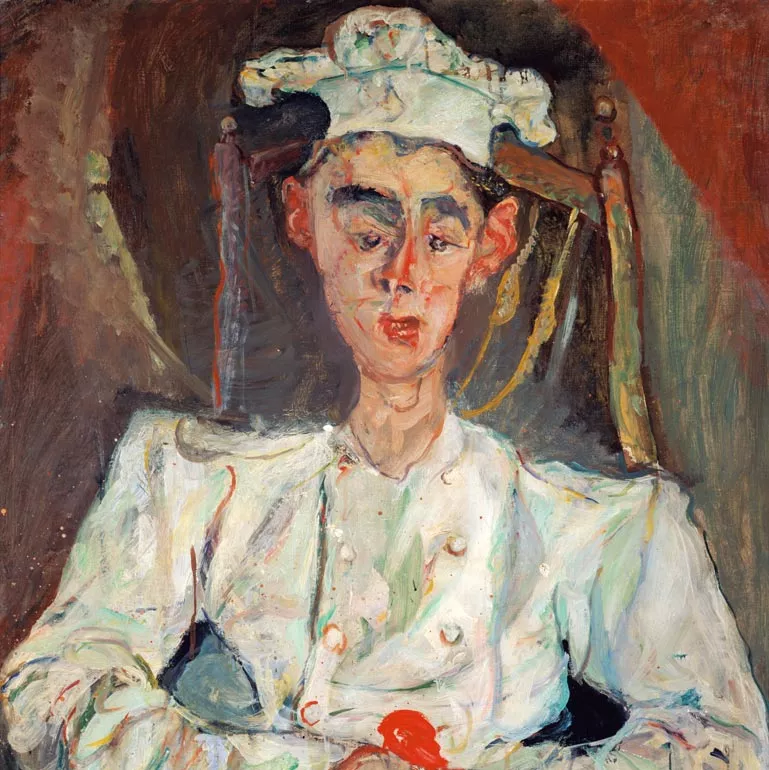
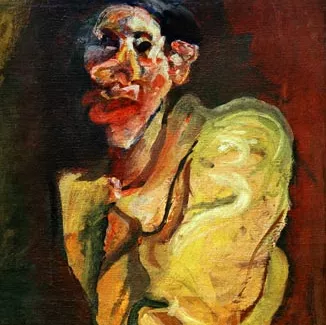
Soutine, one of the most influential artists of the École de Paris
Of Russian origin, Chaïm Soutine was born in Smilovitchi in 1893.
He showed a passionate temperament from an early age, and his difficult childhood in the Russian ghettos led him to develop a precocious artistic sensibility. He reached Paris in 1912, a decisive turning point in his life.
The Montparnasse district, in full artistic effervescence, became his playground. He rubbed shoulders with iconic figures such as Chagall and Modigliani, but didn't achieve success until the 1920s, when collector Albert Barnes discovered his work.
Soutine began by drawing landscapes and still lifes, a genre that would come to figure prominently in his work. On his arrival in Paris, he enrolled at the Académie de la Grande Chaumière, where he trained alongside avant-garde artists.
His years in Montparnasse were marked by moments of intense creativity, but also by episodes of loneliness and anger.
His style, deeply rooted in Expressionism, reflects an instinctive, emotional approach. He doesn't wipe the slate clean of the influences around him, and knows how to combine his art with the lessons of the masters of the past.
The power of his work is notably illustrated by iconic paintings, such as his famous Skinned Ox, where he updates references to the past while injecting his personal vision.
Soutine leads a tumultuous life, divided between cafés and creation. He is often plagued by conflicts with friends and internal struggles.
His addiction to alcohol becomes correlated with his work, and many believe it fuels his creativity, although it also compromises his well-being.
He travels throughout France, discovering landscapes that feed his imagination. These sojourns, particularly on the Côte d'Azur, fueled his inspiration and enriched his work. The saturated colors and blurred contours of his compositions become his hallmark, revealing an inner world in turmoil.
Recognition comes gradually, thanks to the support of friends and collectors, but Soutine often remains dissatisfied with his life. He faced financial obstacles, moved constantly and lived in uncertainty. Despite this, he continued to paint with passion, refusing to bow to the expectations of the art market.
He died in Paris in 1953, leaving behind a powerful artistic legacy. Today, Chaïm Soutine is recognized as one of the masters of Expressionism, his work continuing to fascinate and move art lovers the world over.
The Soutine exhibition - Gegen den Strom
The theoretical legacy of Chaïm Soutine
The theoretical legacy of Chaïm Soutine is indelibly inscribed in the history of art, notably through his contribution to Expressionism.
Of Russian origin, Soutine was born in Smilovitchi in 1893, and his trajectory led him to Paris in 1912, a pivotal moment that marked the beginning of a profound artistic exploration. In the heart of the Montparnasse district, in the midst of a creative effervescence, he rubbed shoulders with avant-garde artists who influenced his work and shaped his vision.
His innovative approach is based on the idea that art is a means of expressing human emotions. Soutine doesn't simply imitate reality; he transcends it.
His works are an emotional response to the world around him, a visual cry that translates his internal struggles and passion. Colorimetry is therefore essential: each chosen hue reflects his emotions.
Within this dynamic, Soutine developed a singular style, characterized by rapid, expressive brushstrokes that create a lively texture on canvas. He drew inspiration from his personal experiences and the landscapes he discovered in France.
From still lifes to portraits, every genre became a field of experimentation where he explored the relationship between color and emotion. Through his emblematic work Bœuf écorché, he updates artistic references while injecting a chromatic intensity all his own.
The theoretical scope of his work extends far beyond his own production. His reflections on art as a means of expressing states of mind and deep feelings continue to influence many contemporary artists. Soutine thus anticipated future trends, in which subjectivity and emotion took precedence over realism.
His technique and approach to color became references for later generations, as for Francis Bacon and Jean Dubuffet, who draw on this quest for personal expression.
Soutine, despite his personal struggles, maintains a passion for painting, which becomes his refuge. His life, marked by incessant travel and financial difficulties, did not prevent him from creating. In 1953, in Paris, he died, but left behind a powerful theoretical legacy.
Chaïm Soutine is recognized today as an undisputed master of Expressionism, his work continuing to stir deep emotions and fascinate art lovers around the world.
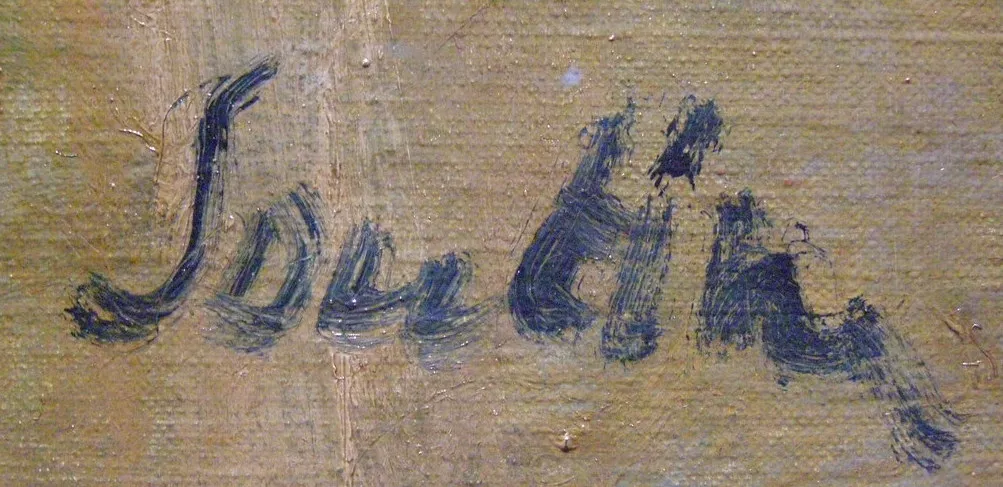
His signature
Not all of Chaïm Soutine's works are signed. It is also possible that it is a copy or that the mention has faded over time, which is why expertise is paramount.
Expertise your property
If you own a work by Chaïm Soutine, don't hesitate to request a free appraisal by filling in our online form. A member of our team of experts and chartered auctioneers will contact you to provide an estimate of the market value of your work.
If you are considering selling your work, our specialists will also guide you through the various alternatives available to obtain the best possible price, taking into account market trends and the specific features of each work.
Estimate in less than 24h
Discover in the same theme

Rating and value of furniture, tables and chairs by Shiro Ku...
Shiro Kuramata is a twentieth-century Japanese designer who produced design furniture that is highly rated and has a high auction value.
Learn more >

Rating and value of works, paintings, sculptures by Max Erns...
Max Ernst is a 20th-century Surrealist painter who produced many highly-regarded paintings and sculptures, which have a high value at auction.
Learn more >

Rating and value of works, sculptures and bronzes by Françoi...
François Pompon is an animal sculptor (late 19th - early 20th century), highly regarded on the auction market. His works are highly valued.
Learn more >
Works from the same period sold at auction


Secure site, anonymity preserved

Auctioneer approved by the State

Free and certified estimates
Frequently asked questions
-
Who was Chaïm Soutine, and what is his role in art history?Chaïm Soutine (1893–1953) was an artist of Russian origin, born in Smilovitchi, who settled in Paris in 1912. A leading figure of the School of Paris and the undisputed master of Expressionism, he is known for his emotional and instinctive approach to painting, characterized by saturated colors and expressive brushstrokes. Although his work was recognized only belatedly, it profoundly influenced subsequent generations of artists.
-
What is the price range for Chaïm Soutine's works, depending on the medium?Estimates vary considerably depending on the medium. Prints range from €40 to €250, drawings and watercolors from €6,000 to €30,000, and oil paintings on canvas show the widest range, from €100 to several million euros. For example, the painting “The Valet” (1927) sold for 13.33 million euros in 2015. Expressionist paintings are the most sought-after by collectors.
-
How do you authenticate a work by Chaïm Soutine?To authenticate a work by Soutine, we recommend that you request a free appraisal from Auctie's. Our state-certified auctioneers and experts will examine your artwork and provide you with an accurate appraisal. This step is particularly important because not all of Soutine’s works are signed, and authenticity can be compromised by forgeries or signatures that have faded over time.
-
Is this the right time to sell a work by Chaïm Soutine?Yes, now is a good time to sell a work by Soutine. His work is common and commands high prices at auction, generating sustained interest among collectors and enthusiasts of 20th-century art. Demand remains steady for his Expressionist paintings, which are his most sought-after pieces.
-
How does the appraisal and sale of a work of art take place at Auctie's?Auctie's offers a free, no-obligation estimate when you fill out an online form. A certified expert or auctioneer will contact you within 48 hours to provide an accurate assessment of your artwork’s market value. If you’re interested in selling, our specialists will guide you through the various options available to help you get the best price, taking current market trends into account.
