



Oriental Art: Appraisals and Auctions

Key takeaways
- Prices for Oriental art vary widely depending on origin, age, and condition: a common Ottoman ceramic piece costs between 500 and 5,000 euros, while an Iznik dish costs between 10,000 and 150,000 euros.
- Persian illuminated manuscripts and Mughal miniatures are the most sought-after categories, with museum-quality pieces fetching over several million euros at public auctions.
- Technical quality is a decisive factor: the fineness of the knotwork for carpets, the vibrancy of the colors (particularly tomato red) for ceramics, and the quality of the calligraphy for manuscripts.
Antique rugs, brassware, and miniatures: the value of Oriental art varies greatly depending on its origin, age, and condition.
Below you’ll find all our valuation guides dedicated to Oriental art—rugs, ceramics, miniatures, and Ottoman, Persian, and Mughal objets d’art. Each guide details the price ranges observed at auction and the factors that determine a piece’s value before it is entrusted to our state-certified auctioneers.
Guides on this art movement
See all guides >
Rating and value of sculptures and bronzes by Moustapha Ali
Moustapha Ali is a contemporary Syrian sculptor who has produced numerous works in a variety of highly rated media.
Learn more >

Rating and value of paintings by Reuven Rubin
Reuven Rubin is an Israeli modernist artist who has produced many works that are highly rated and valued at auction.
Learn more >

Rating and value of paintings by Osias Beert
Osias Beert the Elder is a painter of still lifes who produced many works that are highly valued at auction.
Learn more >

Rating and value of sculptures and bronzes by Mahmoud Mokhta...
Mahmoud Mokhtar is an Egyptian sculptor who has produced many works that are highly valued at auction. 24h estimate.
Learn more >

Rating and value of Baya Mahieddine's paintings and drawings
Baya Mahieddine is an Algerian artist who influenced Picasso and Matisse. She has produced a number of highly-prized works.
Learn more >

Rating and value of paintings by Anthony II Claesz
Anthony II Claesz is a Dutch painter of floral still lifes. He has produced a number of highly-rated and valuable works.
Learn more >

Ratings and values of paintings by Mahmoud Said
Mahmoud Said is an Egyptian Orientalist painter who produced drawings and paintings that are highly rated and valuable at auction. Estimated in 24h.
Learn more >

Rating and value of works, drawings, paintings by Lucien Lév...
Lucien Lévy Dhurmer is a 19th-century Symbolist artist who produced works that are highly regarded and sought-after on the auction market.
Learn more >

Rating and value of works, drawings, paintings by Léon Bakst
Léon Bakst is a twentieth-century artist whose drawings for Russian ballet are highly prized at auction. Estimated in 24h.
Learn more >

Rating and value of works, drawings, paintings by Emile Bern...
Emile Bernard is a symbolist artist of the early 20th century, who produced drawings and oils on canvas listed at auction. Estimate in 24h
Learn more >
Understanding the Value of Asian Art
What Is Market Value in the Oriental Art Market?
The market value of an Oriental art object refers to the benchmark value assigned to it by the secondary market at a given moment, based on its category, its cultural region of origin, its age, the quality of its craftsmanship, its condition, the strength of its documentation, and the current state of international demand.
Oriental art encompasses a vast and diverse range of works from the Islamic, Persian, Ottoman, and Mughal worlds, whose unity stems less from a single aesthetic than from a shared cultural and religious heritage that has influenced the decorative arts and the art of bookmaking across a vast territory.
This market has been structured internationally since the 19th century, when Western interest in these civilizations spurred the formation of major collections, some of which now form the foundation of the Islamic art departments at the world’s leading museums.
Since the 2000s, it has experienced renewed vigor, driven by collectors from the Gulf, Turkey, and South Asia—who are eager to acquire and preserve this heritage—alongside traditional Western collectors.
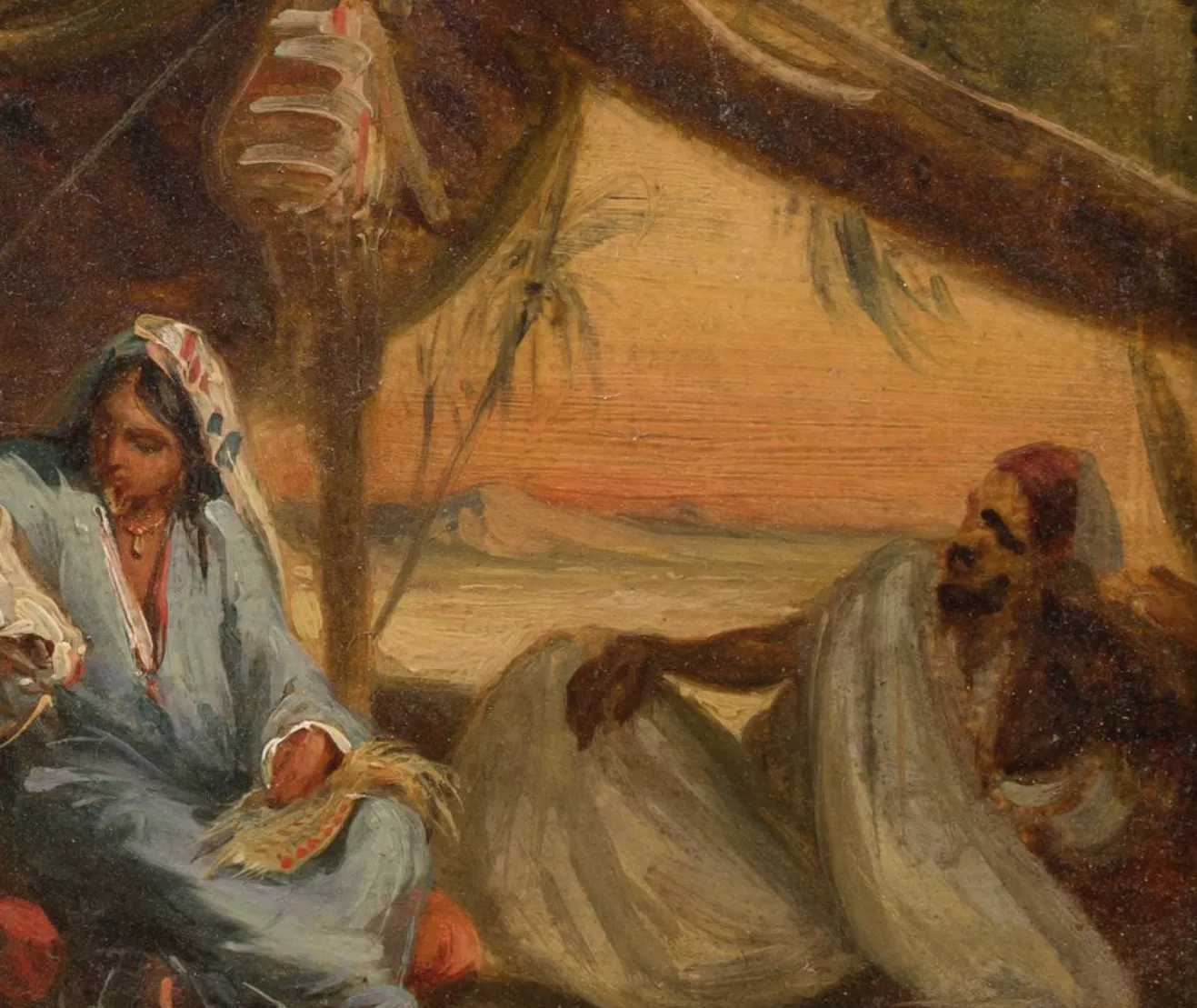
Why Islamic and Persian Art Appeals to the Market
Islamic and Persian art captivates with the technical sophistication of its works and the central role played by geometric and calligraphic ornamentation, inherited from a tradition that has largely favored decorative abstraction over figurative representation, particularly in a religious context.
Iznik ceramics, Persian illuminated manuscripts, and hand-knotted carpets represent internationally recognized technical masterpieces, whose quality of craftsmanship rivals that of the finest Western decorative works of the same period.
The diversity of the cultural regions involved—the Arab world, Safavid and Qajar Persia, the Ottoman Empire, the Indian sultanates, and the Mughal Empire—gave rise to schools with distinct aesthetics yet linked by constant technical and iconographic exchanges that circulated along the trade routes connecting these regions.
This richness and this circulation explain collectors’ sustained interest in a market that offers a variety of categories and price points, allowing for a wide range of entry points into collecting.
Cultural Region | Period | Featured Pieces | Market demand level |
Medieval and Mamluk Arab World | 8th–16th centuries | Ceramics, inlaid metalwork, Qur’anic manuscripts | Very high, institutional |
Ottoman Empire | 14th–20th centuries | Iznik ceramics, carpets, calligraphy, ceremonial weapons | Very active, international |
Safavid and Qajar Persia | 16th–19th centuries | Illuminated manuscripts, carpets, ceramics, miniatures | Exceptional, high auction prices |
Mughal Empire (India) | 16th–18th centuries | Miniatures, jade, gold and silverware, manuscripts | Very strong, high international demand |
Late Ottoman and Late Qajar art | 19th–early 20th century | Decorative objects, painting influenced by European styles | Active market, more accessible segment |
Estimate in less than 24h
The Criteria That Determine the Value of an Object of Oriental Art
The market value of an Oriental art object is determined by a hierarchy of criteria that the auctioneer weighs according to the category in question. For ceramics, the quality and rarity of the decoration, the precision of the design, and the vibrancy of the colors—particularly the tomato red characteristic of the most sought-after Iznik ceramics—are decisive factors.
For manuscripts, the quality of the calligraphy, the richness of the illumination, and the integrity of the original binding strongly influence the valuation. For carpets, the fineness of the knotting, the quality of the natural dyes, and the condition of the pile are essential.
The price ranges observed on the secondary market illustrate this diversity. A common piece of Ottoman ceramics, without exceptional decorative quality, can range from 500 to 5,000 euros. A high-quality Iznik plate with well-preserved floral or architectural decoration ranges from 10,000 to 150,000 euros, depending on its rarity and condition.
An illuminated manuscript page, separated from a larger work, sells for between 2,000 and 50,000 euros, depending on the quality of the illumination and whether it is attributed to an identified workshop.
Complete manuscripts of exceptional quality, as well as the rarest antique Persian rugs, can exceed several hundred thousand euros, with some museum-quality pieces fetching several million at public auction.
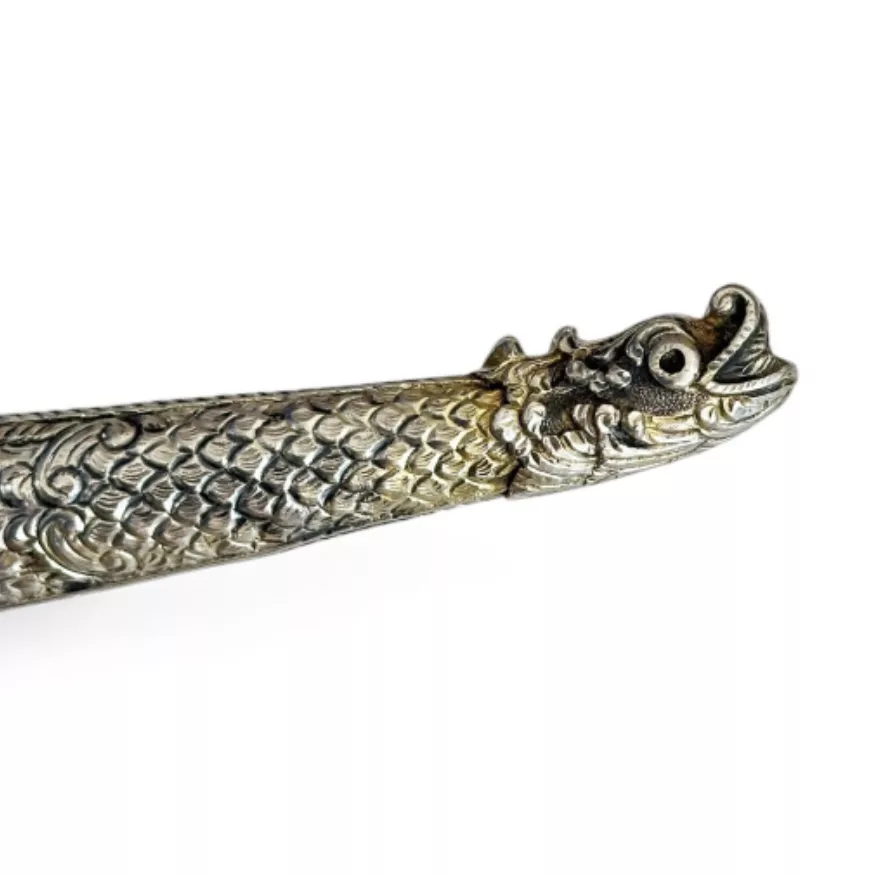
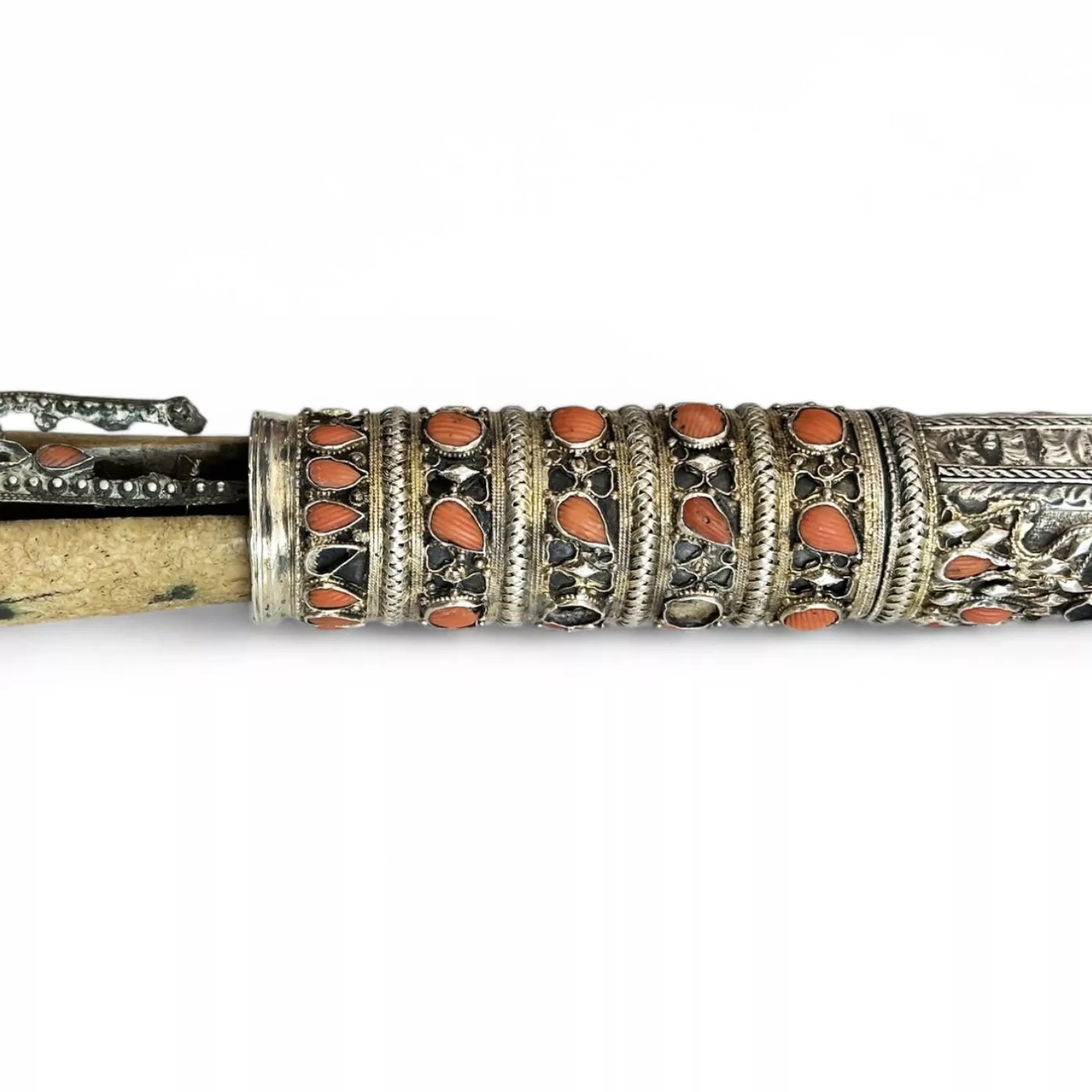
Ceramics, manuscripts, and rugs: the most sought-after items
Iznik ceramics and Ottoman earthenware
Iznik ceramics, produced in this Anatolian city beginning in the 15th century and eventually becoming one of the most refined crafts of the Ottoman Empire, are characterized by a siliceous clay body of remarkable whiteness and by underglaze painted decorations of great chromatic richness—cobalt blue, green, and the famous raised tomato red, which is the most sought-after hallmark of this production.
Plates, architectural tiles, and shaped pieces—such as ewers and mosque lamps—are among the most prized items among specialized collectors.
Later Ottoman faience, as well as regional productions that continued and adapted these techniques after the decline of the great Iznik workshops in the 17th century, constitute a more accessible segment of the market, where quality and value vary significantly depending on the intricacy of the decoration and the condition of the piece.
Wall tiles, particularly when they come from an identified historic building, hold documentary value that can enhance their worth beyond their purely decorative qualities.
Arabic, Persian, and Mughal Miniature Manuscripts
Arabic and Persian manuscripts—whether religious (particularly those containing the Quran) or literary and scientific—represent one of the pinnacles of Islamic art due to the quality of their calligraphy and illumination.
Ancient pages of the Quran, whose Kufic or Naskh calligraphy attests to exceptional technical and spiritual mastery, are among the most sought-after items in this segment, particularly when they can be linked to a specific workshop or a precisely identified historical period.
Mughal miniatures, which depict court life, hunting, battle scenes, and portraits of emperors and their entourages with remarkable precision and finesse, represent another pinnacle of this market, their pictorial quality rivaling the greatest traditions of Persian miniature painting from which they are directly derived.
These works, often taken from albums or illustrated manuscripts that have been dismembered over time, are now frequently traded as individual pieces, whose value is strongly determined by their provenance and attribution to a specific imperial workshop.
Category | Characteristics | Indicative Price Range | Market Demand |
Iznik ceramic plate or shaped piece (exceptional quality) | Tomato red, intricate floral design, in good condition | 30,000 — 300,000 € | Very strong, international |
Common Ottoman ceramics or regional earthenware | Simpler decoration, late production | €500 — 10,000 | Active, affordable |
Antique page from the Quran (high-quality calligraphy) | Kufic or Naskh script, meticulous illumination | €5,000–100,000 | Very active, specialized collectors |
Mughal or Persian miniature (identified workshop) | Court scene, portrait, high pictorial quality | €10,000 — €300,000 | Exceptional, international |
Complete manuscript of high quality (calligraphy and illumination) | Original binding, coherent collection | €50,000 — several million € | Institutional, very rare |
Antique Persian rug (fine knot, natural dyes) | Traditional patterns, in good condition | €5,000 — €200,000 | Very strong, active global market |
Persian rugs, silverware, and traditional jewelry
Antique Persian rugs are one of the most internationally recognized categories of Oriental art, their technical quality, the finesse and regularity of their knotting, and the quality of their natural dyes derived from plants and insects have been the subject of constant admiration since their introduction to European markets beginning in the 16th century.
The major historic production centers—Tabriz, Isfahan, and Kashan—have developed distinct regional aesthetics that experts can readily identify, a key factor in the attribution and, consequently, the valuation of each piece.
Oriental goldsmithing and traditional jewelry—which often employ highly sophisticated enameling and filigree techniques, as well as precious and semiprecious stones—round out this overview.
Mughal jades, carved with remarkable finesse for the imperial court, constitute a particularly sought-after category; their rarity and direct link to the splendor of that civilization explain the very high market values for the best-documented pieces.
Estimate in less than 24h
Get a Free Appraisal of Your Asian Art
A certified appraisal by a licensed auctioneer in less than 24 hours
Appraising an object of Oriental art requires a broad understanding of very different categories—including ceramics, manuscripts, carpets, and gold and silverware—as well as the diverse cultural regions that make up this market.
This technical and geographic diversity, combined with the presence on the market of numerous modern copies and reproductions intended for the tourist trade, requires rigorous expertise from a professional trained in the specificities of this complex field.
Auctie’s possesses this multidisciplinary expertise and offers a free appraisal, with a certified response within 24 hours.
Whether you’ve inherited an Oriental rug or ceramic, wish to have a miniature or manuscript appraised, or are considering compiling an inventory of an Oriental art collection, the process is the same: submit your item to a trained eye capable of accurately assessing its value.
What you need to provide for an online appraisal
For ceramics, please provide clear photographs of the entire piece and close-ups of the decoration, as well as the reverse side and the base, where workshop marks may be present. For a manuscript or miniature, photographs of each relevant page—front and back—as well as of the binding (if original) are essential.
For a rug, photographs of the entire piece, the borders, and a close-up of the knot are necessary to assess the fineness of the weave.
Any information regarding provenance—such as an old purchase invoice, a mention in an auction catalog, or a specialized publication—must be provided.
If there is any doubt regarding the authenticity or age of an item, a physical examination will be offered before any steps are taken to put it up for sale, as this market is particularly affected by the circulation of modern reproductions intended for the tourist trade.
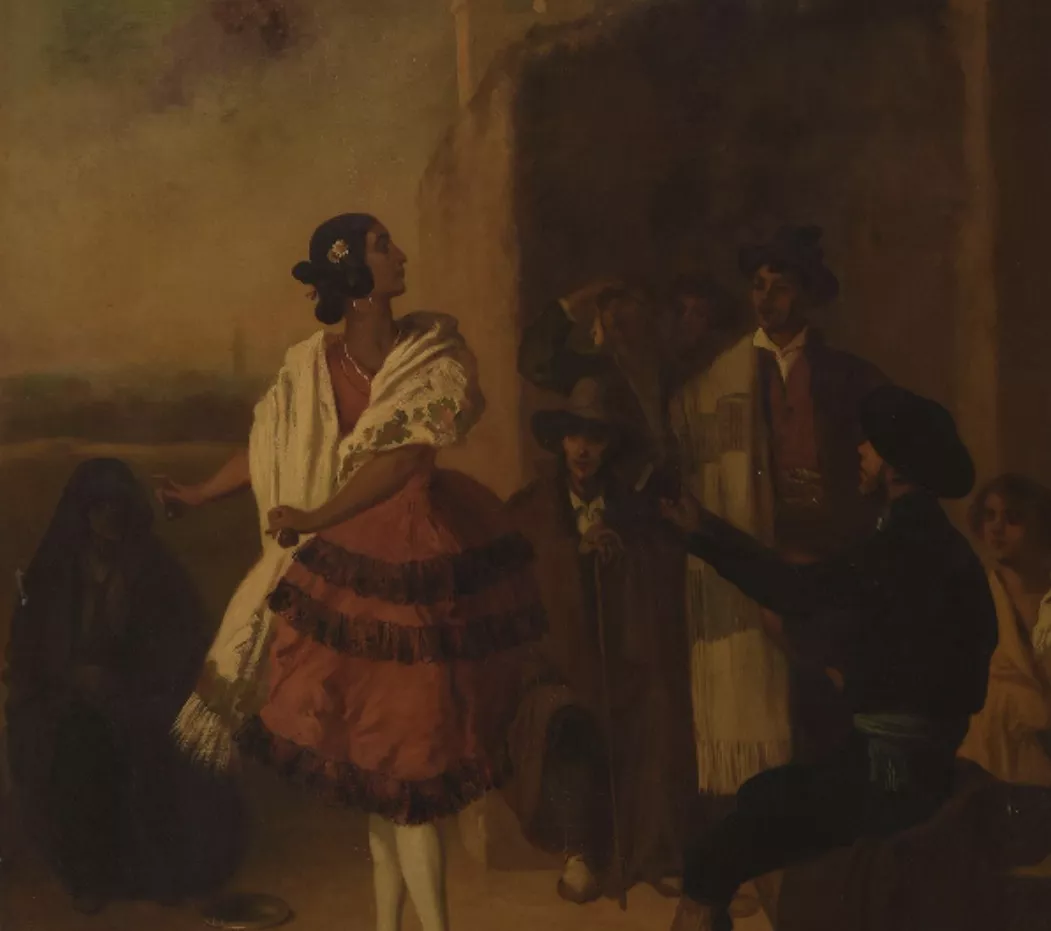
Provenance, Dating, and Authenticity: The Pillars of Appraisal
Authentication and Attribution: Their Impact on Value
The authentication of an object of Oriental art relies on a careful examination of the materials, the technique of execution, and the decorative style specific to each cultural region and period.
For ceramics, analysis of the clay body and pigments makes it possible to distinguish ancient pieces from later copies or reproductions intended for the tourist market, which are particularly numerous for the most famous Iznik motifs.
For manuscripts and miniatures, paleographic analysis of the script and stylistic study of the illumination allow for dating and attribution to a specific workshop or regional school.
For carpets, examination of the knot—single or double depending on regional traditions—the density of the weave, and the nature of the dyes—natural for antique pieces, sometimes synthetic for more recent productions—constitutes the primary tool for expert appraisal.
Major museum collections and scholarly catalogs dedicated to each category serve as the documentary sources that the auctioneer systematically draws upon in his or her attribution work.
Level of Documentation | Impact on the appraisal value |
Piece attributed to an identified imperial or royal workshop | Maximum guarantee; very significant premium on value |
Piece listed in a museum catalog or scholarly publication | Strong scholarly backing; significant increase in value |
Piece accompanied by a written appraisal from a recognized specialist in Islamic art | Good guarantee; provides security for the buyer and facilitates the sale |
Piece with documented provenance from an historic collection | High value; rare and sought-after traceability |
Piece consistent with its style, without additional documentation | Appraisal based on material and stylistic quality |
Piece suspected of being a copy or a modern reproduction | Significant depreciation; thorough verification essential |
Provenance and condition
The provenance of an object of Oriental art is a decisive factor in building trust in this market, which is particularly sensitive to the circulation of pieces whose origin and legality of export may be called into question, especially for the oldest objects.
A piece whose early history can be traced—back to a time before international conventions governing the circulation of cultural property—or which has passed through a major, well-documented historical collection, enjoys a legitimacy and legal certainty that buyers highly value.
The condition of the item requires specific attention depending on the category. Ceramics must be examined for cracks, chips, and previous restorations. Manuscripts and miniatures are sensitive to humidity, light, and insect damage, which can cause discoloration and missing sections.
Finally, carpets must be examined for their overall condition and wear, the possible presence of restorations in the weave, and the integrity of the borders, which are often the first parts to deteriorate over time.
Selling an Oriental Artwork at Auction with Auctie's
From the reserve price to the final bid: how the price is determined
Auctions are the most advantageous method of sale for high-quality Asian art objects in a market where international demand—particularly strong from the Gulf and South Asia—can generate fierce competition for the rarest and best-documented pieces.
The reserve price, set in consultation with the seller, must be calibrated with particular attention to the specific category of the object, as valuation criteria differ significantly between ceramics, manuscripts, and carpets.
For major pieces, particularly those attributed to an imperial workshop or boasting a prestigious provenance, the dynamics of the auction can lead to final prices far exceeding initial estimates.
The auctioneer plays a vital role in facilitating this process by engaging collectors and institutions specializing in Islamic art that are active in this segment.
Hôtel Drouot and online auctions: reaching the right bidders
Auctie’s holds its auctions at Hôtel Drouot, the leading auction house in continental Europe, founded in 1852, which regularly features sales dedicated to Islamic art and the arts of the East. For a work of Oriental art, Drouot offers visibility among French and European specialists in this market, as well as among an international clientele that closely follows Parisian auctions dedicated to this category.
The auctions are also accessible online in real time, allowing collectors based in Doha, Istanbul, Mumbai, or London to bid directly from their home countries.
For Oriental art, for which the strongest demand today comes from a truly global audience, this international dimension has become absolutely crucial to achieving the best hammer price.
Estimate in less than 24h
Estate Planning, Inheritance: Valuing Inherited Oriental Art
Inventory and Distribution of an Estate
Oriental art objects frequently appear in the estates of families who built up collections through travel, diplomatic missions, or purchases from specialized dealers during the 19th and 20th centuries.
These pieces, sometimes passed down through generations without their current owners knowing their precise value or exact origin, can represent a significant asset in an estate, particularly in the case of the rarest manuscripts and carpets on this market.
Auctie’s regularly works alongside notaries to compile comprehensive estate inventories that include Oriental art objects.
Each piece is appraised individually, with particular attention paid to issues of attribution and provenance, which are often complex for this collection. The resulting report is an official document that is legally enforceable and can be included in the estate file without reservation.
Confidentiality of the process and preservation of anonymity
The circumstances that lead to having inherited Oriental art appraised are often personal: discovery within a family inheritance, reorganization of a collection, or a decision to sell after a long period of ownership.
Auctie’s handles each case with absolute discretion. The owner’s identity is never disclosed to third parties without their explicit consent, and the items may be offered for sale under complete anonymity if the consignor so desires.
This confidentiality is a fundamental commitment of Auctie’s, applicable at every stage of the relationship, from the initial contact through to the receipt of the proceeds from the sale.
Entrust the appraisal of your Oriental art to Auctie’s
An Oriental art object deserves an appraisal that reflects the richness and diversity of this market.
The distinction between the valuation criteria specific to ceramics, manuscripts, and carpets; the decisive importance of attributing a piece to a specific workshop or period; and the strength of a demand that is now truly international: these are all factors that only a licensed auctioneer, well-versed in the specificities of Oriental art, can assess with the rigor they require.
Auctie’s guides you from the initial appraisal through to the final auction, offering the expertise of a state-certified appraiser and the discretion your financial decisions deserve. The appraisal is free, confidential, and non-binding, and you’ll receive a response within 24 hours.
Discover in the same theme
Rating and value of sculptures and bronzes by Moustapha Ali
Moustapha Ali is a contemporary Syrian sculptor who has produced numerous works in a variety of highly rated media.
Learn more >
Rating and value of paintings by Osias Beert
Osias Beert the Elder is a painter of still lifes who produced many works that are highly valued at auction.
Learn more >
Rating and value of sculptures and bronzes by Mahmoud Mokhta...
Mahmoud Mokhtar is an Egyptian sculptor who has produced many works that are highly valued at auction. 24h estimate.
Learn more >
Estimate in less than 24h
Frequently asked questions
-
What are the price ranges for the main types of Asian art?Prices vary considerably depending on the category and quality. A common Ottoman ceramic piece ranges from 500 to 10,000 euros, while a high-quality Iznik dish ranges from 10,000 to 150,000 euros. Antique pages from the Quran sell for between 5,000 and 100,000 euros, and Mughal or Persian miniatures for between 10,000 and 300,000 euros. Complete manuscripts of exceptional quality and rare Persian carpets can exceed several hundred thousand euros.
-
How does a free appraisal work at Auctie's?Auctie's offers a free, no-obligation appraisal certified by a licensed auctioneer. You must submit detailed photographs of your item (overall view, decoration, reverse side, and details of the knot, depending on the category), along with any available documentation of provenance. You will receive a certified response within 24 hours. If there are any doubts regarding authenticity, a physical examination may be offered prior to listing the item for sale.
-
What criteria determine the value of an object of Oriental art?The value depends on several factors: the category (ceramics, manuscripts, carpets, silverware), the quality and rarity of the decoration, the finesse of the weaving or calligraphy, the integrity of the original binding, the condition of the item, the reliability of the documentation, and its attribution to an identified workshop or period. For Iznik ceramics, tomato red is particularly sought after. For manuscripts, the quality of the illumination is paramount. For carpets, it is the fineness of the weave and the quality of the natural dyes that matter.
-
Is this the right time to sell a piece of Asian art?Yes, the market for Oriental art has been experiencing renewed vigor since the 2000s, driven by collectors from the Gulf, Turkey, and South Asia, alongside traditional Western collectors. International demand for high-quality pieces remains very strong, particularly for Iznik ceramics, Persian manuscripts, Mughal miniatures, and antique rugs. Now is a good time to maximize the value of a collection or a single high-quality piece.
-
How do I sell a work of Asian art through Auctie's?Auctie's guides you from the appraisal to the auction. After receiving a free appraisal of your item from an expert, you entrust the piece to the auction house, which manages the entire process: documentation, promotion to international collectors, organization of the public auction, and finalization of the transaction. Auctie's puts its expertise and international network to work to help you maximize the value of your assets.
