



Free valuation of ceramics and earthenware

Key takeaways
- The appraisal of ceramics and earthenware relies on identifying the category, manufacturing technique, decoration, and workshop marks to determine the origin and period.
- Pieces from prestigious manufacturers (Sèvres, Meissen, Delft, Rouen) command higher prices among collectors.
- Condition, provenance, and reference publications are key factors: an intact, unrestored piece commands a significant premium at auction.
Earthenware and ceramics are arts and crafts that have been produced for centuries and continue to be very popular today. These objects can be of great value, whether in terms of their age, rarity or aesthetic beauty. That's why it's important to have these objects appraised and sold by specialist auctioneers.
Faience and ceramics have a long history in art and craft. Earthenware, for example, has been produced in Europe since the Middle Ages. The first earthenware products were decorative tiles and firebacks, but over time their use expanded to include vases, plates and other decorative objects. Ceramics, meanwhile, have an even older history, dating back thousands of years to China, Egypt and Greece.
Nowadays, earthenware and ceramics are highly sought-after by collectors, art lovers and interior decorators. These objects can be very valuable, as they may be rare, have an interesting history or simply be beautiful. That's why it's important to have these objects appraised and sold by qualified professionals.
Estimate in less than 24h
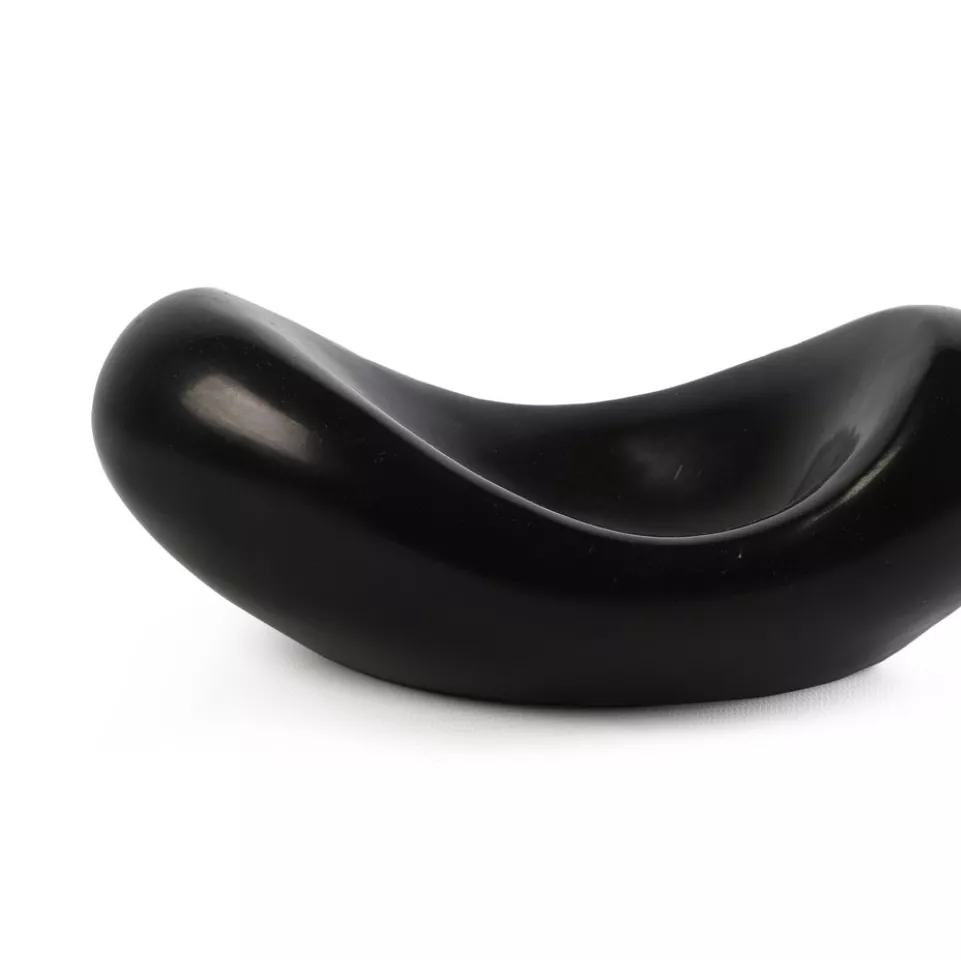
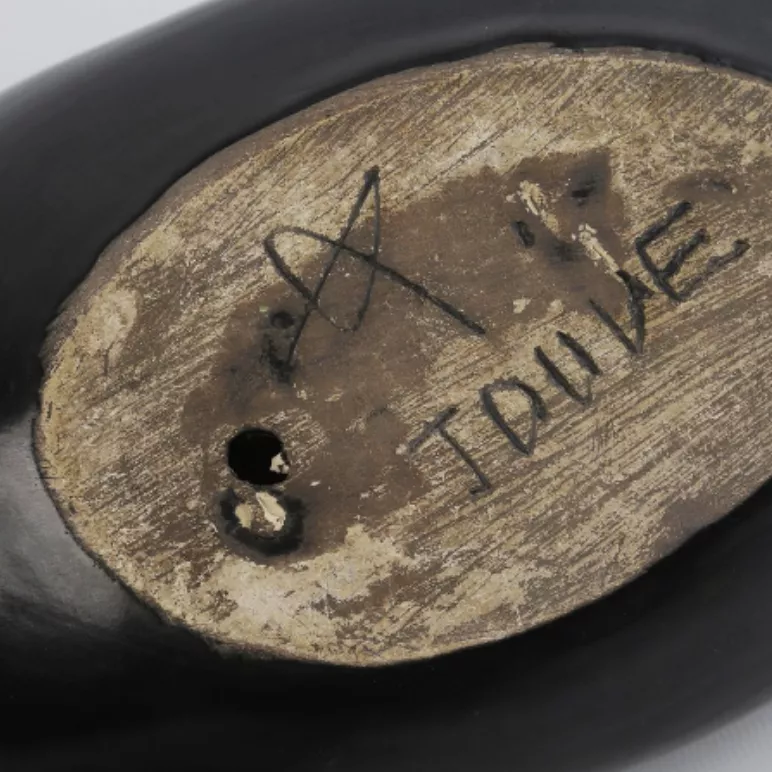
How to appraise ceramics ?
In order to appraise your ceramics, we first need to identify the exact category (stanniferous earthenware, fine earthenware, glazed stoneware, soft or hard porcelain.
Then we analyze the manufacturing technique (throwing, molding, hand-molding or stamping), and study the type of decoration, which can be very varied : hand-painted, transfer, relief, slip, metallic lustre or polychromy under or overglaze.
The next step is to search for workshop marks, signatures or hallmarks, which can take the form of stamps, monograms or underglaze inscriptions. Specialized databases exist, but in some cases it may also be worthwhile to submit the objects to the factory archives.
This way, a piece from an identified production center (Rouen, Moustiers, Delft, Sèvres, Madoura, etc.) will have an enhanced value.
Stylistic characteristics are also important, such as motifs, colorimetry, iconography, form and glaze. This makes it possible to position the piece in a precise chronological context by comparing it with similar productions, and to take into account technical evolutions or decorative fashions specific to a period.
The state of preservation is also important in the appraisal of a ceramic (firing cracks, chips, glaze wear, old restorations...). The condition of a piece has a significant influence on its value, and a pristine, unrestored piece will command a premium.
If necessary, the object can be examined under a UV lamp or grazing light to detect repaints or later interventions.
The piece may also belong to a known series or an exceptional production. If this is the case, we need to check the print run or the uniqueness of the piece using the numbering, certificates or provenance.
Provenance is also a key factor in the valuation of the piece, since a prestigious or institutional provenance (notable collection, former catalogued sale) reinforces the interest of bidders.
The mention of a museum exhibition or reference publication also contributes to legitimization and valuation.
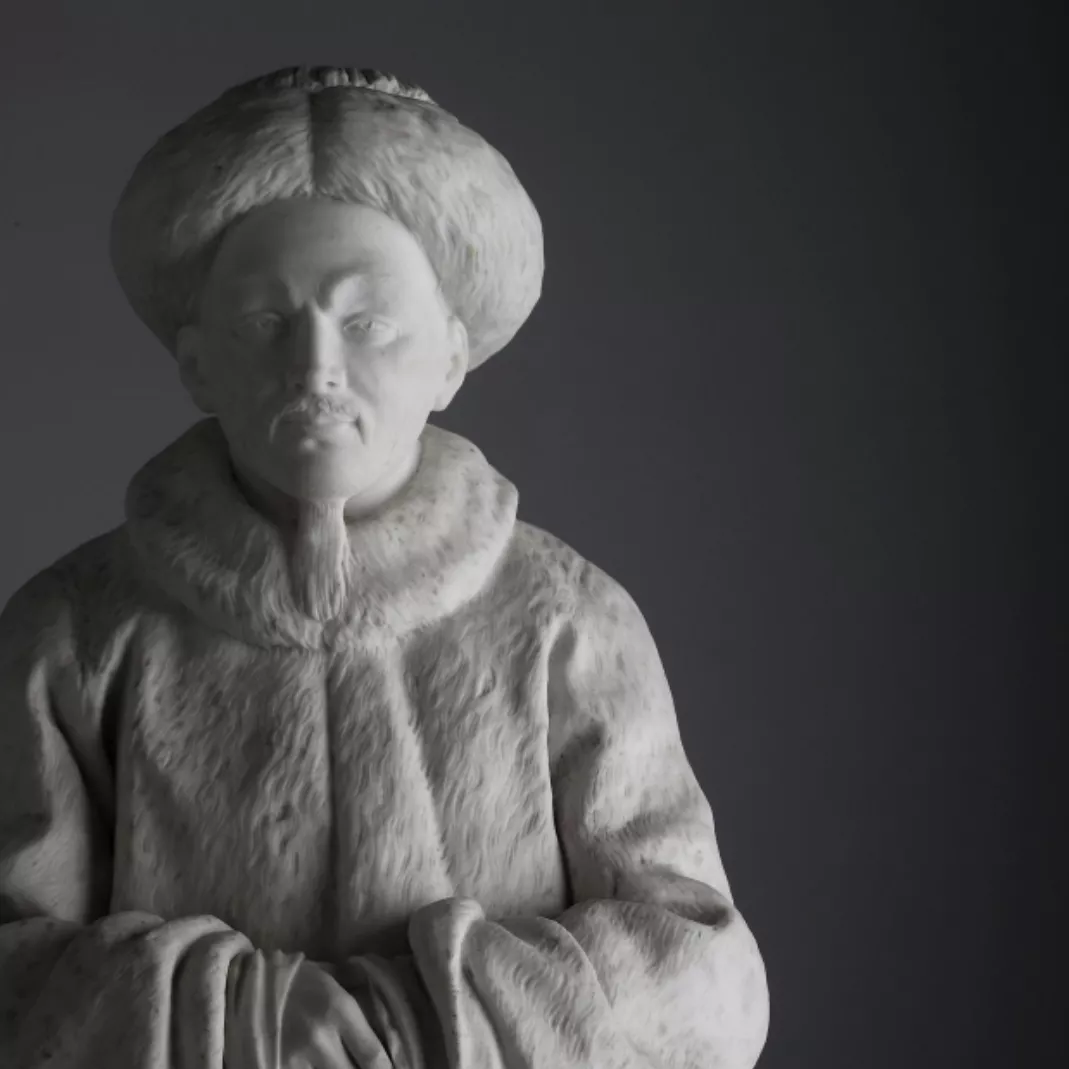
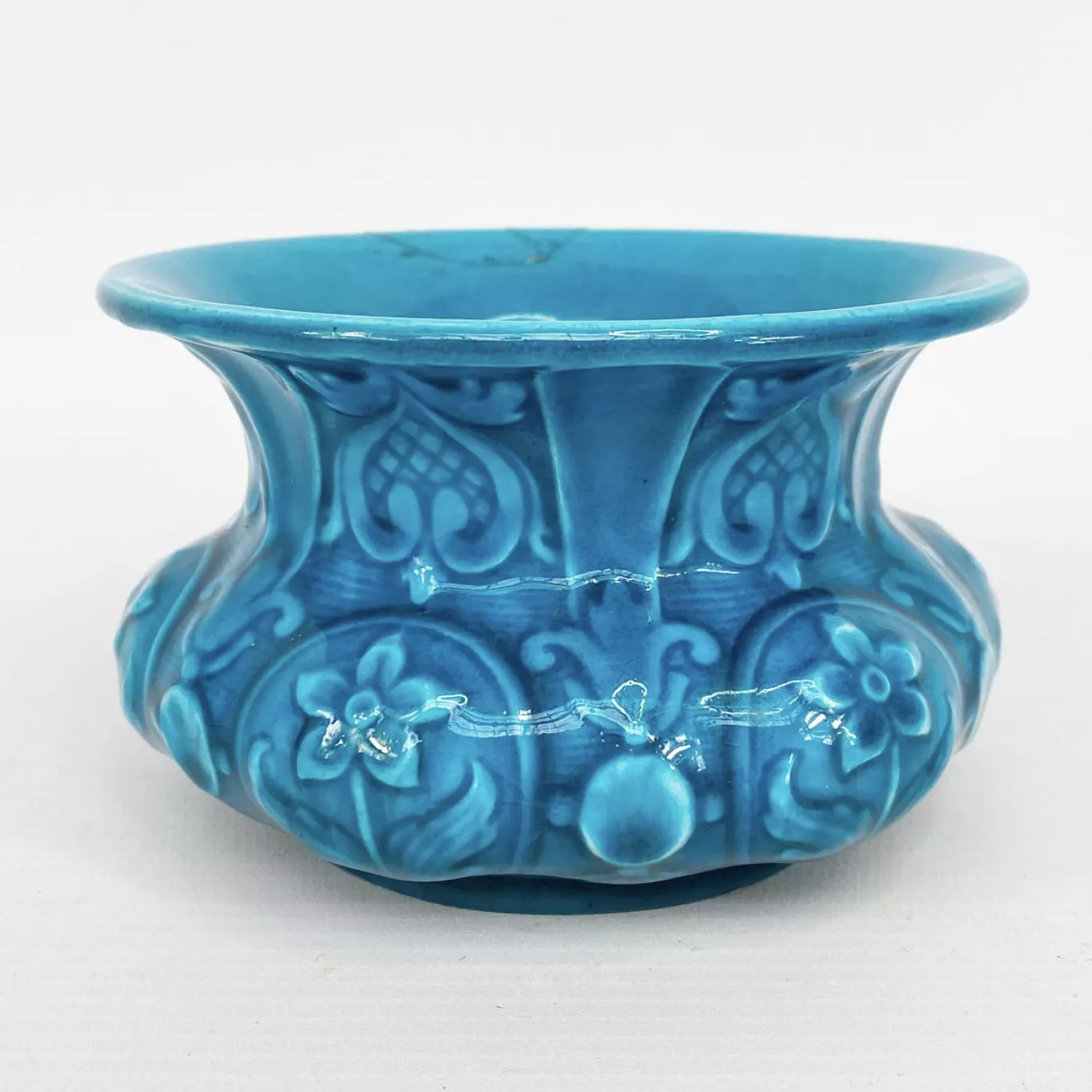
Eighteenth-century earthenware and ceramics
Eighteenth-century earthenware and ceramics are particularly sought-after by collectors. This period was characterized by the production of high-quality porcelain and earthenware, particularly in Europe. Renowned artists such as Meissen, Sèvres, Chelsea, Worcester, Wedgwood and Vincennes left their mark on the history of art and craft with their creations.
Meissen works are particularly prized by collectors. Meissen porcelain is renowned for its quality and technical innovation. The pieces produced in Meissen were created by talented artists, such as Johann Joachim Kändler and Johann Friedrich Eberlein. These artists created unique pieces that have become very popular with collectors.
Nineteenth-century earthenware and ceramics
The 19th century was also a period of significant production of earthenware and ceramics. The artists of this period created works that are highly prized by collectors and art lovers alike. The best-known artists of this period are William De Morgan, Emile Gallé, and Pierre-Adrien Dalpayrat.
William De Morgan's works are highly sought-after by collectors. He was known for his innovative designs and high-quality production techniques. De Morgan's ceramics have a vibrant color palette and are often decorated with floral motifs.
Emile Gallé was a French artist known for his creations in glass and ceramics. His works were influenced by Art Nouveau and are often decorated with motifs inspired by nature. Gallé's ceramics are highly prized by collectors and are considered outstanding examples of the art of ceramics.
Twentieth-century earthenware and ceramics
The twentieth century was marked by a production of earthenware and ceramics that reflected the artistic and social developments of the time. Artists of this period explored new forms, materials and production techniques. The best-known artists of this period are Pablo Picasso, Salvador Dali and Claude Conover.
The works by Pablo Picasso were produced in collaboration with the Madoura ceramics factory in Vallauris, southern France. Picasso's works were produced from original drawings by the artist and were often decorated with cubist motifs.
Estimate in less than 24h
The latest ceramics and earthenware appraisals

Estimated 3.000 - 5.000€
Camille Fauré (1874-1956), Enamelled vase

Estimated 600 € - 800 €
Satzuma vase decorated with battle scenes.

Estimated 300 - 400 €
Glazed ceramic statue of Zeus

Estimated 2000 € - 3000 €
Camille Fauré (1874-1956), Exceptional ovoid vase

Estimated 800 € - 1 500 €
André THURET (1898-1965) Thick hot-worked glass vase with undulating decoration and red powdered inlay.

Estimated 40 € - 60 €
A baluster-shaped ceramic vase with fishes in black and green on a white background.

Estimated 2.000 - 3.000 €
Sèvres porcelain plate from the "agronomique" service

Estimated 800 - 1200 €
Kangxi porcelain dish decorated with a dragon

Estimated 600 - 800 €
Emile GALLE (1846-1904) - Hot-blown glass jug on pedestal.

Estimated 2.000 - 4.000 €
PABLO PICASSO (1881-1973) ATELIER MADOURA " Profil de femme n° 67 " Round plate.
How to have your ceramics and earthenware appraised and sold?
Auctioneers are professionals specializing in the sale of art objects and collectibles. They are able to appraise earthenware and ceramics using their in-depth knowledge of art history and craftsmanship. They can also determine the market value of objects using precise appraisal techniques, such as analyzing recent sale prices for similar objects and taking into account the object's state of preservation.
By having your earthenware and ceramics appraised and sold by auctioneers, you can be sure that you'll get a fair and equitable price for your objects. Auctioneers have the expertise and knowledge to accurately assess the market value of objects, and they can help you get the best possible price when selling your items.
In addition, auctioneers are also able to advise you on the best way to sell your earthenware and ceramics. They can guide you through the various sales channels available, such as in-person or online auctions, private sales or gallery sales. They can also advise you on how to present your objects in the most attractive way possible to potential buyers.
At the end of the day, having your earthenware and ceramics appraised and sold by auctioneers can help you maximize the value of your objects and sell them efficiently and profitably. If you own valuable earthenware and ceramics, it's important to work with qualified professionals to ensure you get the best possible price.
Estimate in less than 24h
Discover in the same theme

Rating and value of Cartier gold lighters
Cartier gold lighters are luxury objects and accessories that can be highly valued on the auction market.
Learn more >

Rating and value of services, housewives, candelabras of the...
The Cardeilhac silversmith's firm produced services, household sets and candelabras that are highly valued at auction.
Learn more >

Estimating the value and price of a bronze
Bronzes account for a significant proportion of works on the auction market. For some artists, they are highly prized and very valuable.
Learn more >

Secure site, anonymity preserved

Auctioneer approved by the State

Free and certified estimates
Frequently asked questions
-
How do you authenticate a ceramic or earthenware piece?Authentication involves several steps: identifying the exact category (earthenware, porcelain, stoneware), analyzing the manufacturing technique and decoration, searching for workshop marks or signatures, examining stylistic characteristics (patterns, shape, glaze), and assessing the condition. For a comprehensive and reliable appraisal, we recommend submitting your item for a free estimate at Auctie’s: our auctioneers and specialized experts will examine your item in detail and provide you with a professional opinion within 48 hours.
-
Why is provenance important when appraising ceramics?Provenance—that is, the history of ownership and sales of a piece—is a key factor in determining its value. A prestigious or institutional provenance (notable collection, past cataloged sale, museum exhibition, reference publication) significantly increases interest among collectors and bidders, and thus the market value of your item.
-
How does the condition of a ceramic piece affect its value?The condition of a piece significantly affects its value. Defects such as firing cracks, chipping, enamel wear, or past restorations reduce its value. Conversely, an intact, unrestored piece commands a significant premium. Our free appraisal accurately assesses the condition of your item to determine its true value.
-
How does a free appraisal work at Auctie's?Getting an appraisal at Auctie's is simple, free, and non-binding. You bring us your ceramics or earthenware, and one of our auctioneers or specialized experts will examine it in detail. We’ll provide you with our professional opinion and a value range within 48 hours, allowing you to make a well-informed decision about whether to sell.
-
How do you sell valuable ceramics or earthenware?To sell your item at the best price, entrust it to Auctie's, a specialized auction house. We’ll guide you through the entire process—from a free appraisal to the final sale—advising you on how to present your item and the best sales channel (in-person auction, online auction, or private sale). Our expertise and network of collectors ensure that your item fetches the highest possible price.
