



Value and quotation of Émile Gallé's earthenware works

Key takeaways
- A leading 19th-century ceramic artist, Émile Gallé is a sure bet on the art market, with works selling for several hundred thousand euros at auction.
- A Gallé earthenware dish that sold for €7,500 in 2023—exceeding its initial estimate of €1,500 to €2,500—confirms strong market demand.
- Gallé earthenware pieces range in price from €150 (a basic planter) to €18,500 (a dinner service), depending on the type of object and its uniqueness.
If you own an Emile Gallé earthenware piece, and would like to know its value, you can contact us free of charge using our online form. Our experts and auctioneers will get back to you within 24 hours with historical information on your piece and an estimate of its value. If you are planning to sell it, our specialists will also be able to advise you on the alternatives available to you to best sell your piece on the international market.
Rating and value of the artist
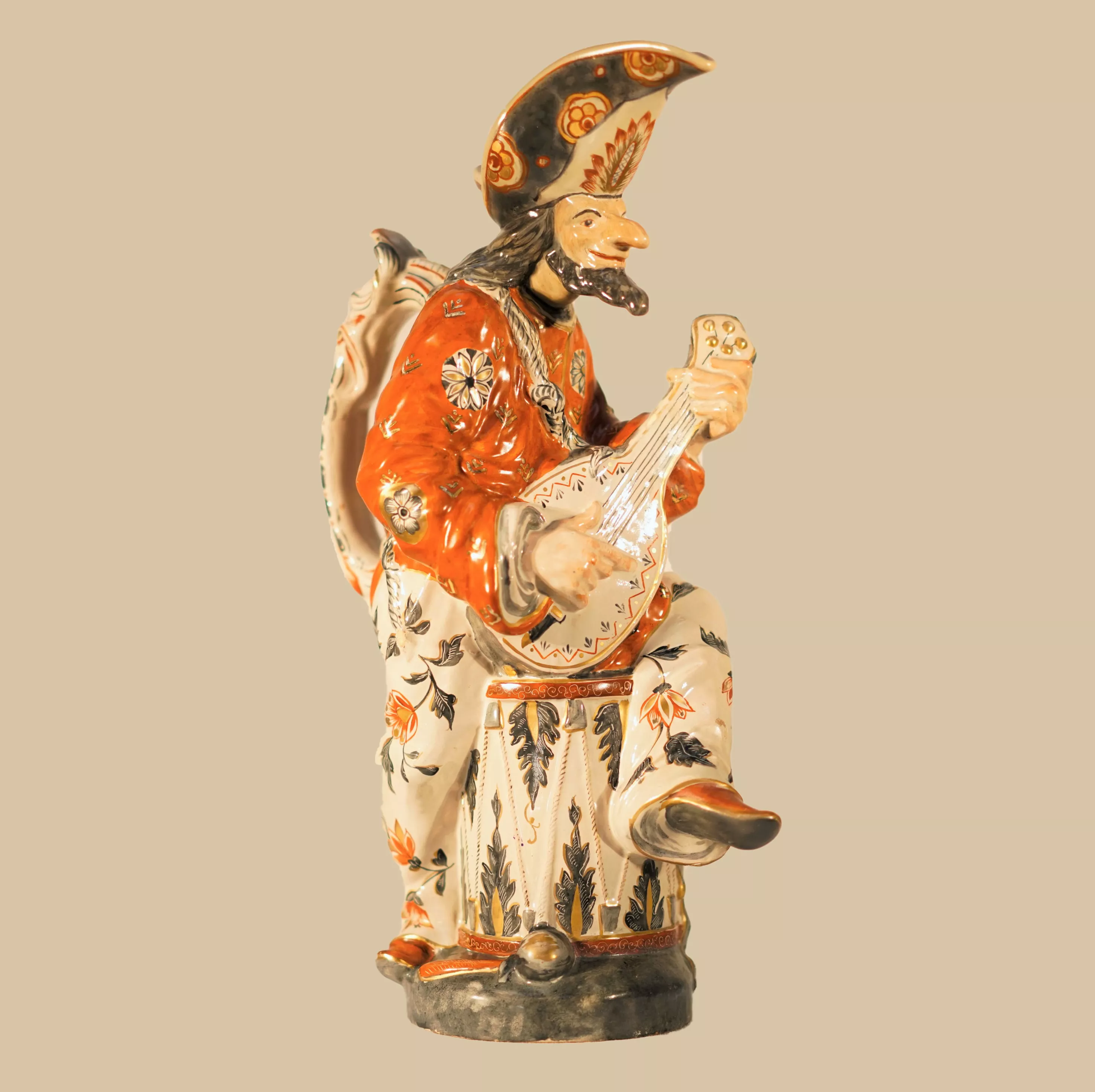
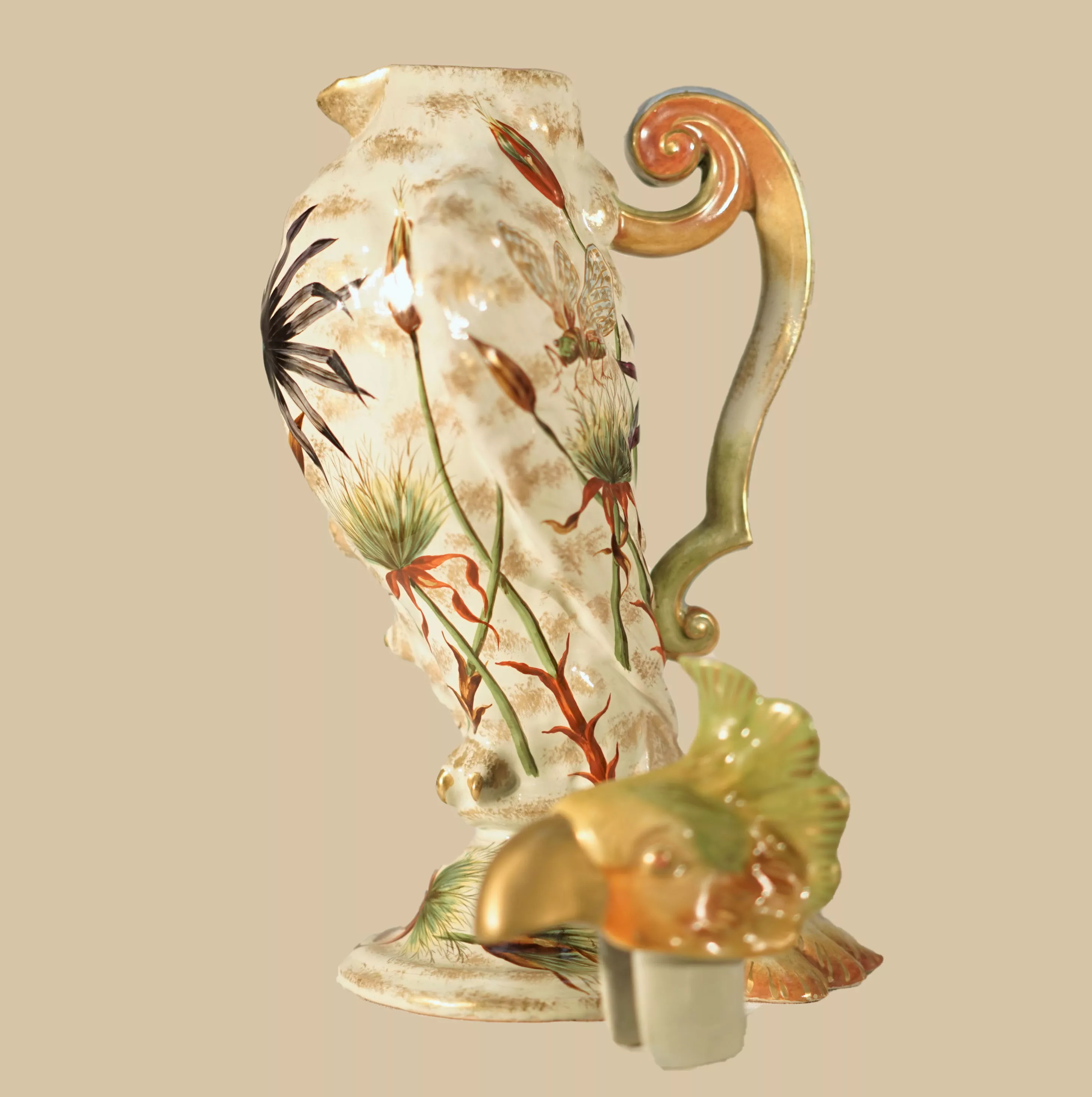
A major 19th-century earthenware maker, Émile Gallé has established himself as a sure value on the art market. Naturally, his works are appreciated and sought-after in auction rooms. A work signed by Gallé can fetch hundreds of thousands of euros at auction. In 2023, an Émile Gallé earthenware dish sold for €7,500 whereas its estimate was between €1,500 and €2,500.
Order of value of a Gallé faience (from the most basic to the most exceptional)
Object type | Estimation |
|---|---|
Earthenware vase (Saint Clément) | From €200 to €8,000 |
Earthenware planter (Saint Clément) | From €150 to €12,000 |
Earthenware service (Saint Clément) | From €400 to €18,500 |
Estimate in less than 24h
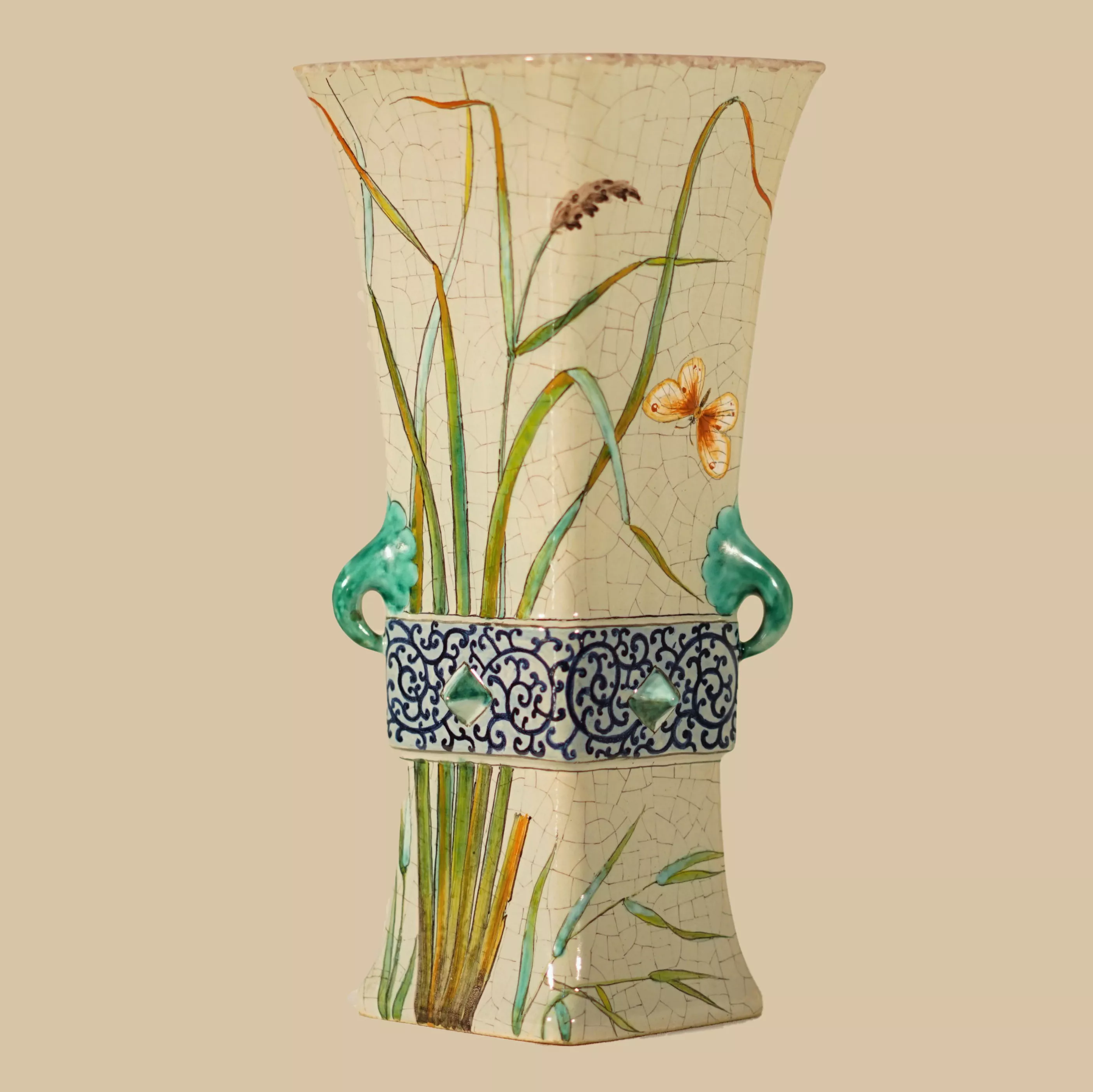
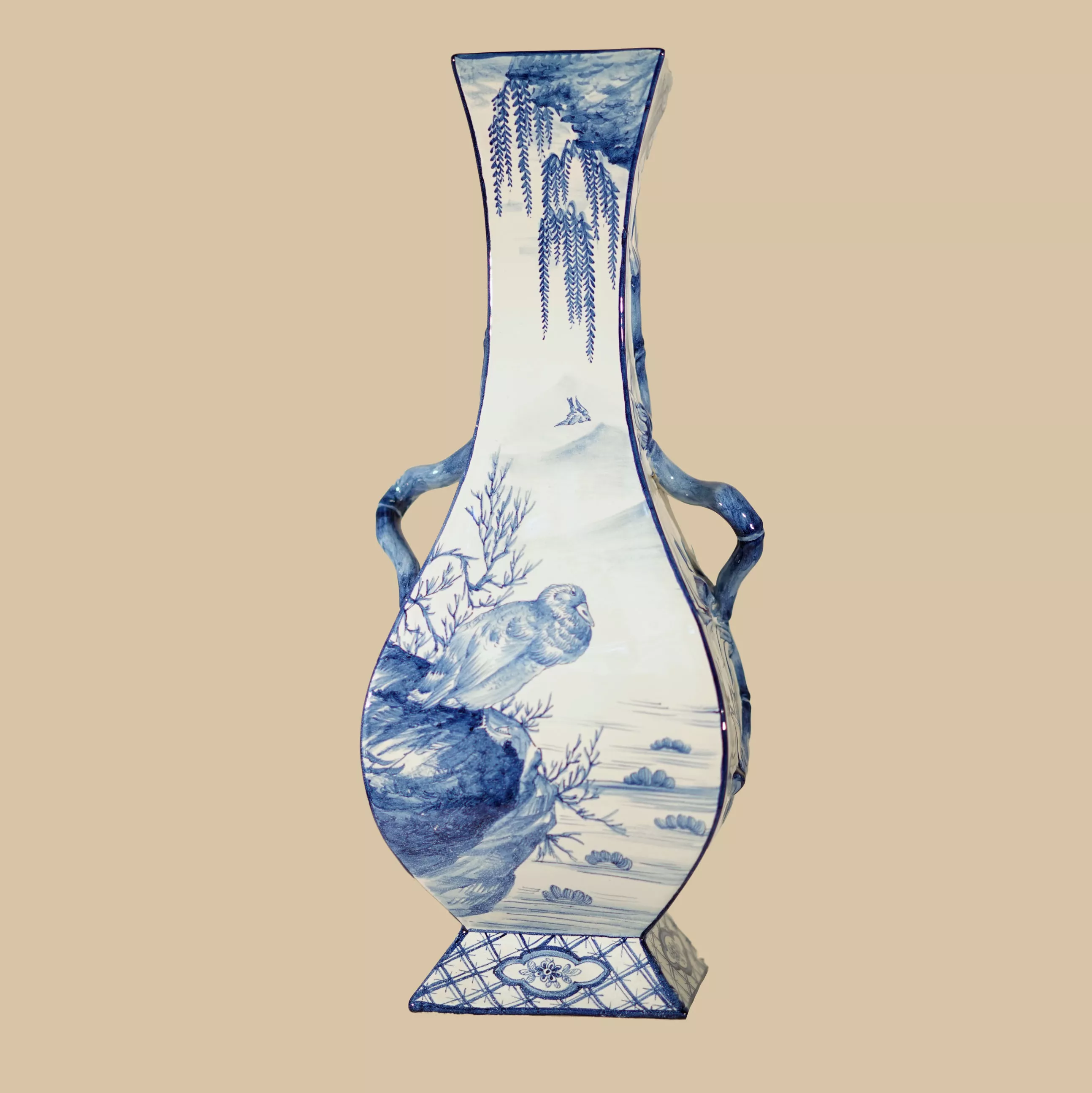
Émile Gallé, a multi-talented artist
Émile Gallé was born in Nancy on May 4, 1846, the son of Charles Gallé and Fanny Reinemer, who sold crystal and porcelain. After secondary school in Nancy, he left in 1865 to study German and mineralogy in Weimar. He then trained in glassmaking at Meisenthal and in ceramics at the Faïencerie de Saint-Clément. Émile Gallé also took up glass-blowing and extended his artistic skills to include carpentry. His family's passion for the natural sciences, especially plants, led him to drawing. His passion for travel led him to various European capitals. In 1871, he settled in London, where he worked at the Kensington Museum and the Botanical Gardens. Émile Gallé joined the family earthenware and glass decoration business in 1867. He represented his father Charles Gallé at the World's Fair in London in 1871 and in Lyon in 1872. In 1877, he took over the family business and expanded into woodworking. He took part in numerous exhibitions, including the Universal Exhibitions of 1878, 1889 and 1893, where he won several prizes and medals. He was one of the most important figures in the applied arts of his time, and one of the precursors of Art Nouveau. At the same time, Émile Gallé pursued a career as a naturalist and scientist. In 1877, he founded the Société centrale d'horticulture de Nancy. Throughout his life, he pursued research into the polymorphism of plants and maintained scientific relations with the leading French and foreign biologists of the time.
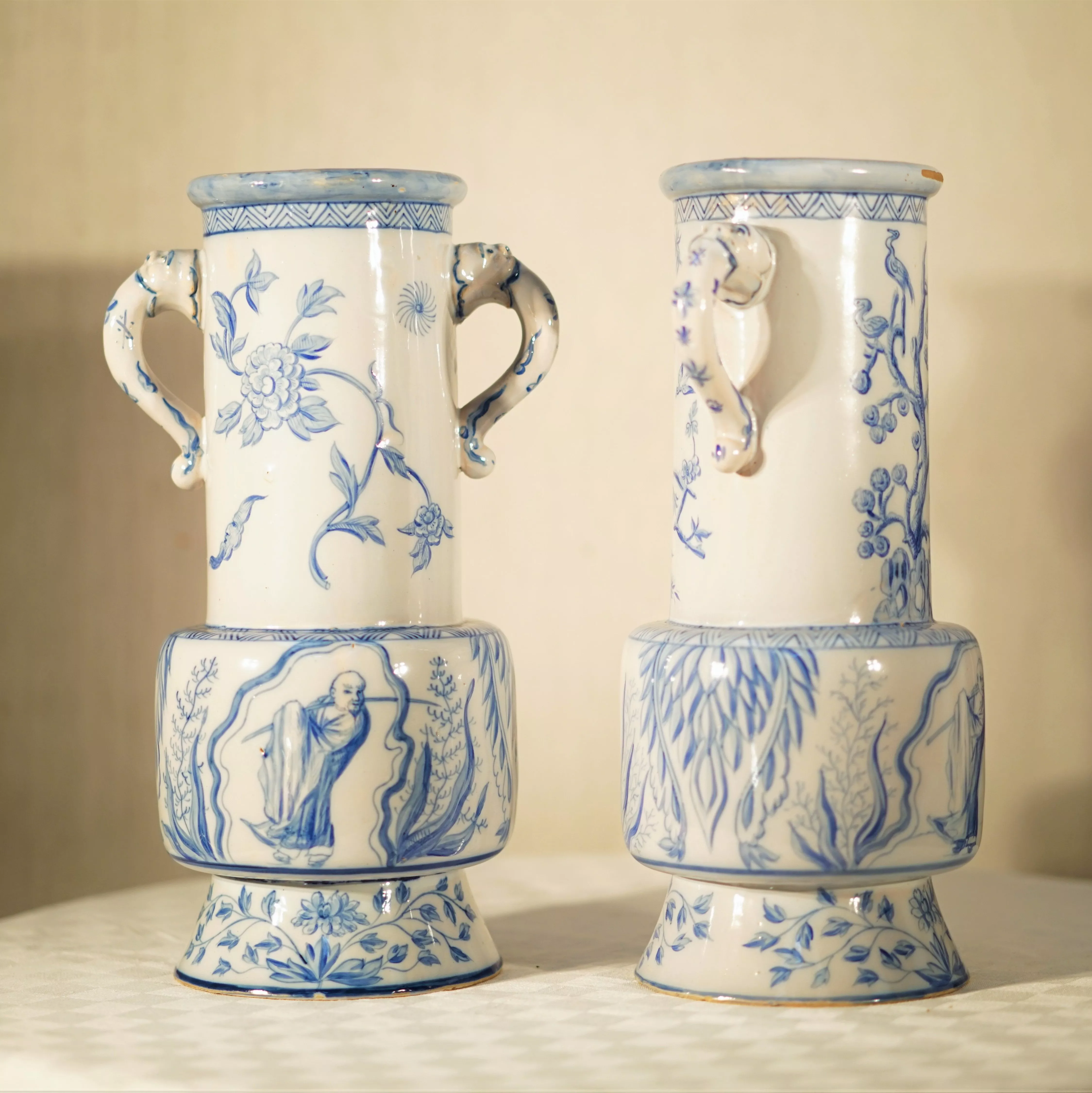
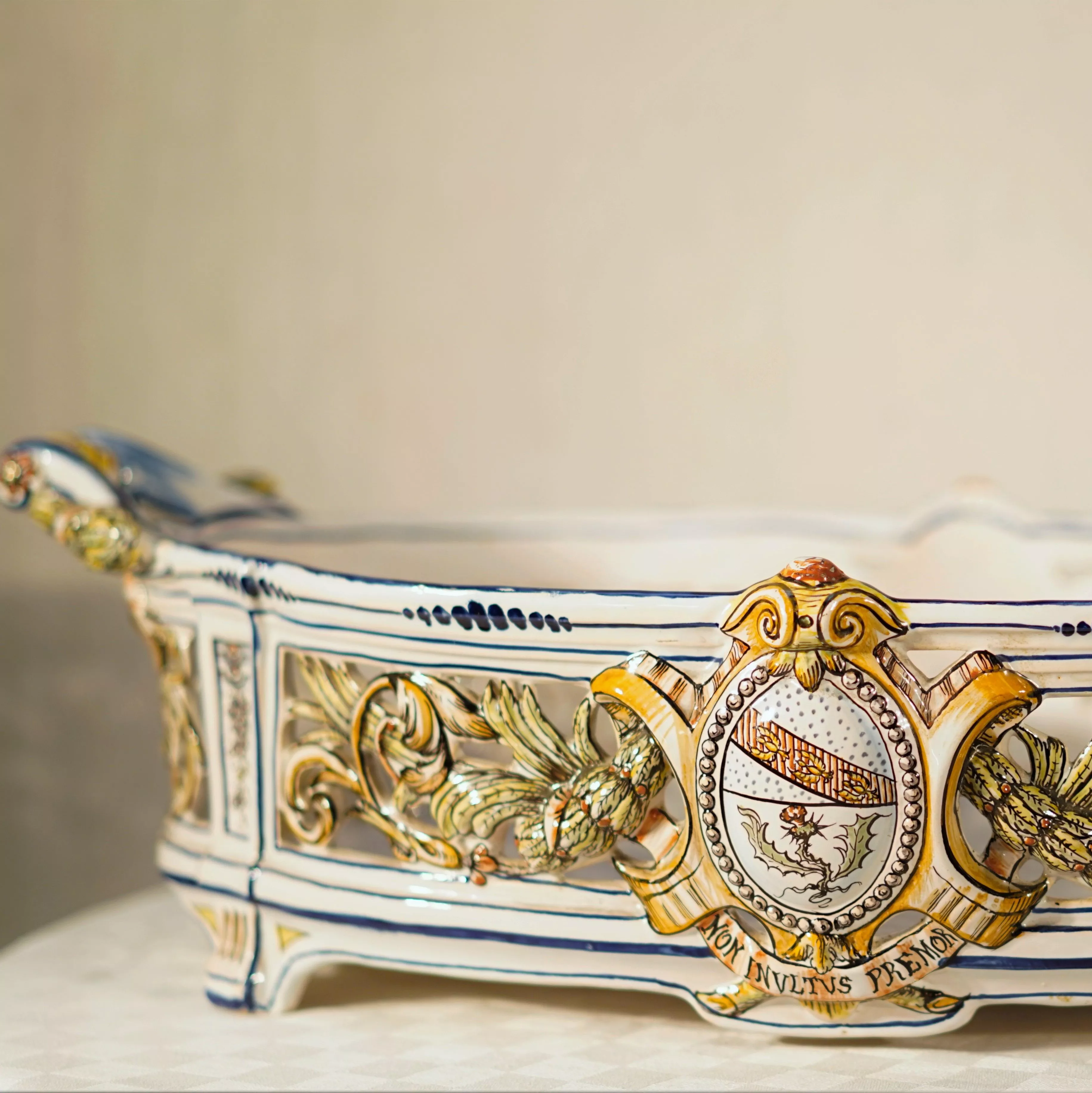
Émile Gallé, a career on all fronts
At the start of his career, his artistic sources of inspiration were varied, but nature soon became the theme of choice for the decoration of his works, particularly earthenware. The "herbarium" service was Émile Gallé's first creation, while still a schoolboy. From 1859 to 1868, he made several trips to Savoy, roaming the mountain pastures and collecting plants for his herbarium, which he used as inspiration for his earthenware service in 1865. The Musée d'Orsay preserves the three manuscripts in which he describes it in detail. The Musée de la Faïence et des Beaux-Arts in Nevers holds twenty-two earthenware pieces from the "herbier" service and fifteen works from this famous service. Émile Gallé died of leukemia in 1904 at the age of 58.
Expertise your property
If you happen to own a work by Émile Gallé, request a free appraisal without further delay via our form on our website. A member of Auctie's will contact you promptly to provide you with an estimate of the value of your work, as well as any relevant information about it. If you are considering selling your work, you will also be accompanied by our specialists in order to benefit from alternatives for selling it at the best possible price.
Recognizing Émile Gallé's signature
Gallé usually signs his works on the background of his creations. Here's an example:
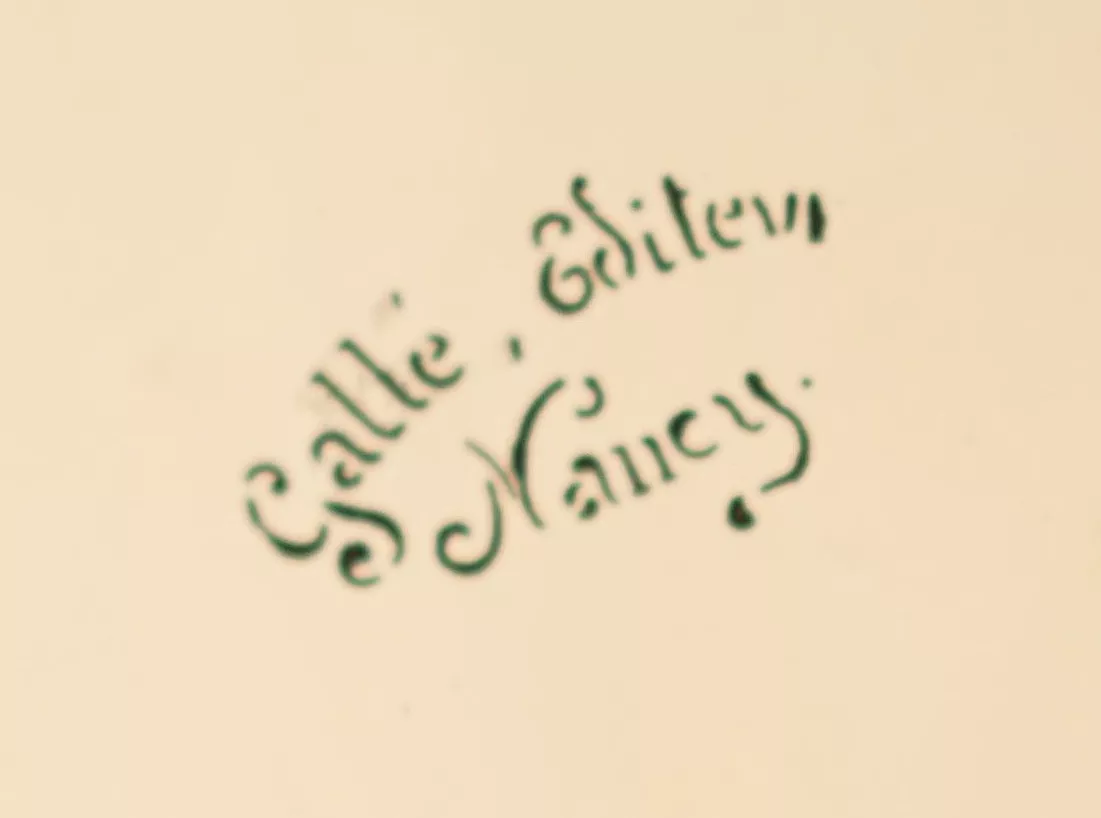
Estimate in less than 24h
Discover in the same theme

Rating and value of works, sculptures, bronzes by Charles Va...
Charles Valton was a 19th-century animal sculptor who worked with Barye, producing works that are quite highly rated at auction.
Learn more >

Market Value and Price of Sculptures and Bronzes by François...
François Raoul Larche is an Art Nouveau sculptor who produced works that are highly valued at auction. 24h estimate.
Learn more >

Rating and value of paintings by Franz Defregger
Franz Defregger is a painter of history and military scenes who has produced works that are highly valued at auction.
Learn more >
Other works in the Gallé style sold at auction

Estimated 1 500 € - 2 000 €
DAUM NANCY Large mushroom lamp.

Estimated 800 € - 1 500 €
André THURET (1898-1965) Thick hot-worked glass vase with undulating decoration and red powdered inlay.

Estimated 40 € - 60 €
A baluster-shaped ceramic vase with fishes in black and green on a white background.

Estimated 600 - 800 €
Emile GALLE (1846-1904) - Hot-blown glass jug on pedestal.

Estimated 500 - 800 €
Emile GALLE (1846-1904), Small vase, acid-etched glass proof.

Secure site, anonymity preserved

Auctioneer approved by the State

Free and certified estimates
Frequently asked questions
-
Who is Émile Gallé, and what is his artistic background?Émile Gallé (1846–1904) was a leading 19th-century ceramic artist, born in Nancy. A central figure of the Art Nouveau movement, he was a multi-talented artist: a ceramist, glassmaker, woodworker, and passionate naturalist. His works, inspired by nature and plants, are sought after internationally and considered a safe bet on the art market.
-
How much is an Émile Gallé ceramic piece worth at auction?Émile Gallé's earthenware pieces vary widely in value depending on the type and rarity: a faience vase is estimated to be worth between €200 and €8,000, a planter between €150 and €12,000, and a faience dinner service between €400 and €18,500. Exceptional pieces may exceed these ranges; in 2023, a faience platter sold for €7,500, surpassing its initial estimate.
-
How can you authenticate an Émile Gallé earthenware piece?Émile Gallé usually signs his works on the base of his pieces. For a certified authentication and a comprehensive appraisal, we recommend that you contact us free of charge using our online form. An expert auctioneer will respond within 24 hours and confirm the authenticity of your piece.
-
Is this a good time to sell an Émile Gallé ceramic piece?Yes, now is a good time to sell. Émile Gallé’s works are a safe bet in the art market and are highly sought after at auction. International demand for high-quality pieces remains strong, and our specialists can advise you on the best sales strategies to maximize the price of your item.
-
How does the appraisal process for earthenware work at Auctie's?The appraisal is completely free and non-binding. Simply fill out our online form, and an expert auctioneer will contact you within 24 hours. They will provide you with the history and detailed information about your artwork, as well as an accurate estimate of its current market value.
