



Rating and value of paintings by Marko Celebonovik

Key takeaways
- A major Serbian painter of the 20th century, Marko Celebonovic’s works range in price from €50 to €13,000, with strong upside potential demonstrated in 2019.
- His paintings sell for between €600 and €13,000, while his watercolor drawings range from €250 to €2,300 and his multiple prints from €50 to €115.
- His style blends classicism and modernity with a restrained palette, constructing space through light and texture without spectacular effects, influenced by Bonnard and the Balkan tradition.
If you own a work by or after the artist Marko Celebonovic, and would like to know its value, our state-approved experts and auctioneers will offer you their appraisal services.
Our specialists will work to carry out a free appraisal of your work, and provide you with an accurate estimate of its value on the current market.
Then, should you wish to sell your work, we will direct you to the best device for obtaining an optimal price.
Rating and value of the artist
Considered one of the most famous and talented Serbian painters of the 20th century, Marko Celebonovic is the author of a significant output, which attracts many collectors every year.
On the art market, the price at which his works sell ranges from €50 to €13,000, a considerable delta but one that speaks volumes about the value that can be attributed to Marko Celebonovic's works.
In 2019, his painting Mädchen mit Bilderrahmen sold for €13,000, while it was estimated at between €2,000 and €3,000, more than six times its low estimate, suggesting strong upside potential for the artist.
Order of value from a classic work to the most prestigious
Technique used | Result |
|---|---|
Estamp - multiple | From 50 to 115€ |
Drawing - watercolor | From 250 to 2 300€ |
Painting | From €600 to €13,000 |
Estimate in less than 24h
Style and technique of Marko Celebonovic
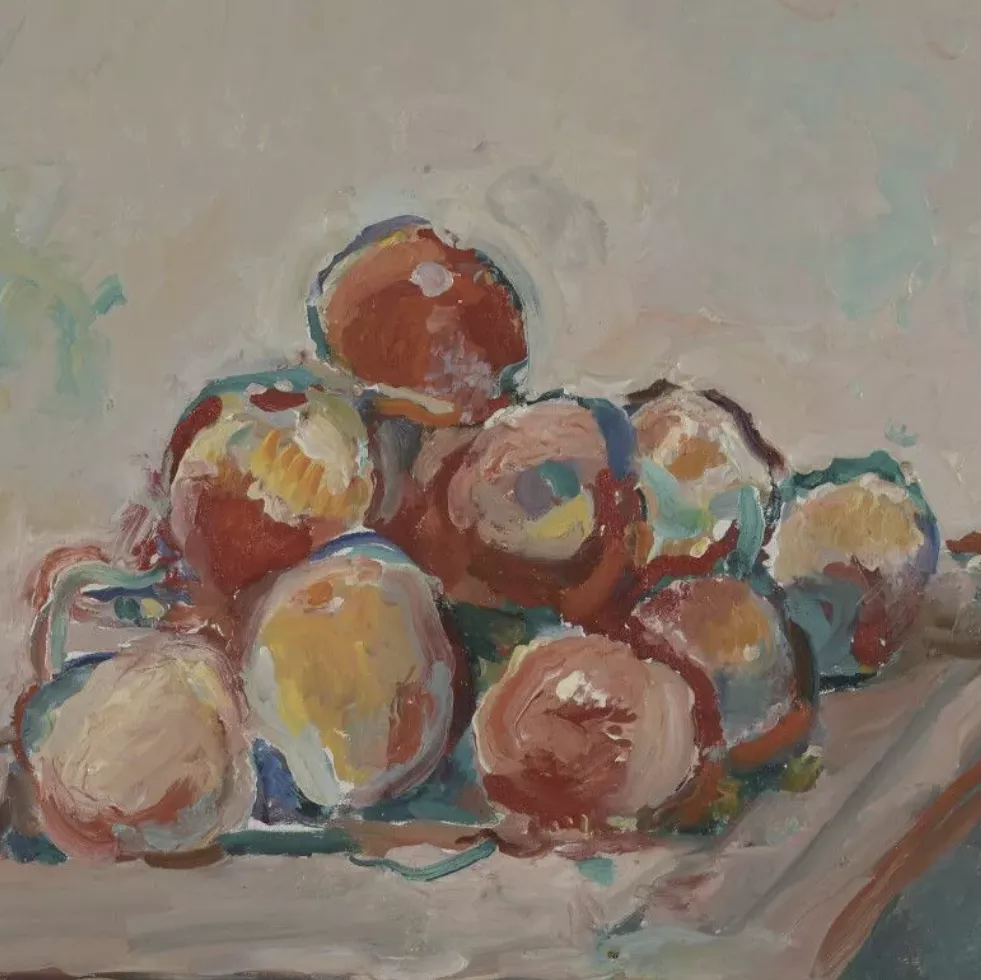
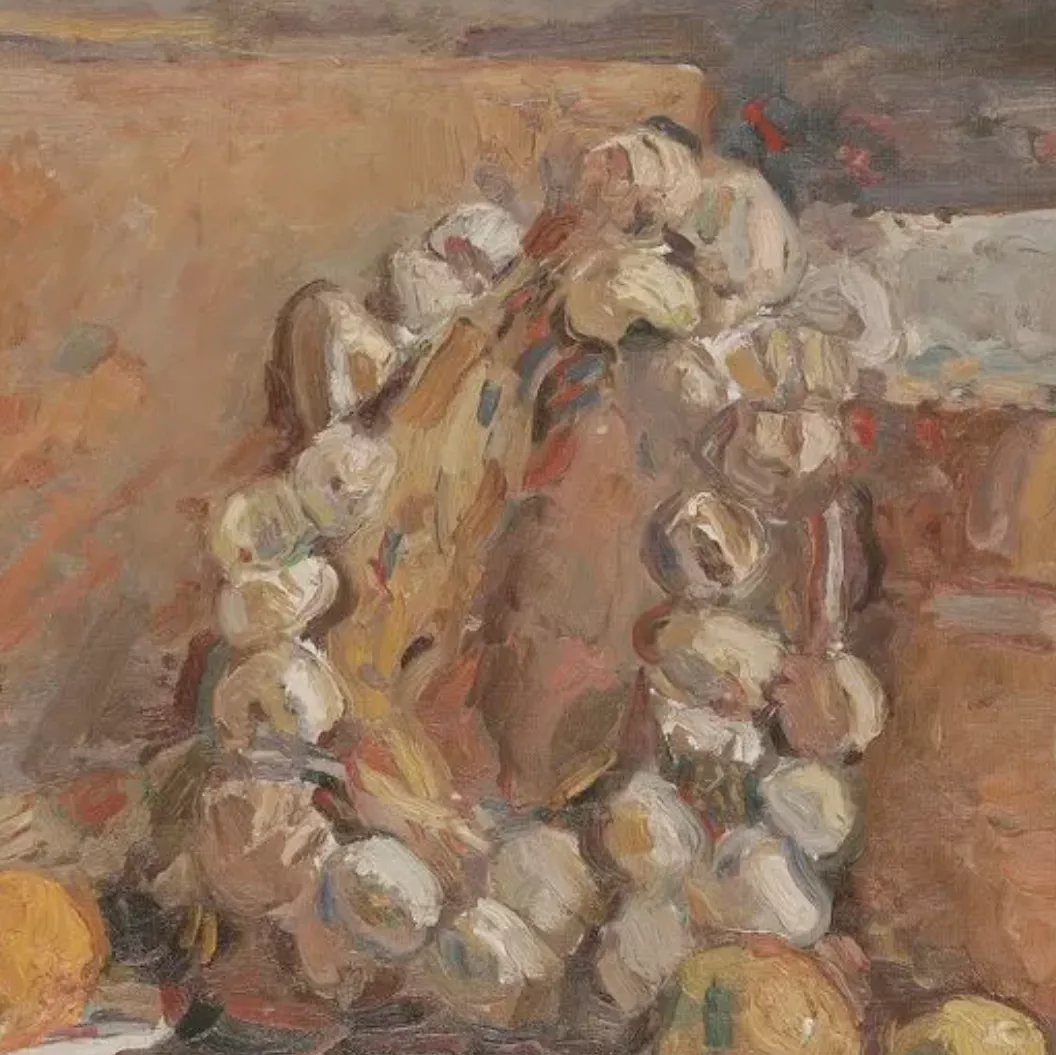
In the 1950s, Marko Celebonovic established himself as a singular figure in European painting, at the crossroads of classicism and modernity.
With a subdued palette and forms of studied sobriety, he explored a pictorial language in which matter plays an essential role.
One of the hallmarks of his style - of which several emblematic canvases remain - is this way of simplifying volumes without ever impoverishing them, of stripping the image while retaining an almost tactile density.
His technique is based on a rigorous construction of space, where light not only shapes objects, but causes them to emerge in silent equilibrium.
His painting has sometimes been likened to that of Balthus, for that suspended gravity, or Morandi, in his search for a subtle harmony between forms.
But Celebonovic seeks neither enigma nor meditative repetition: his touch remains supple, fluid, on the border between drawing and color. And it's true that this restrained approach enables him to reconcile tradition and modern sensibility.
A painting without violent outbursts, without clashes, where every nuance seems weighed, every contour softened, as if the composition itself were the site of appeasement.
The life of Marko Celebonovic
Marko Celebonovic was born in Belgrade in 1902. His itinerary was not immediate: he first studied law in Paris, before painting took over.
With the 1920s came the first research, an attentive look at the lessons of Bonnard and Vuillard, a sensibility that privileges color and material.
One of the defining features of his career - of which several distinct periods remain - is this dual belonging between France and Yugoslavia. In the 1930s, he returned to Belgrade, took part in major art movements and exhibited in Europe.
The war interrupted this momentum. After 1945, he resumed his position as a teacher and continued to produce work dominated by simplicity, light and a certain gravity. Little attention has been paid to his role as a bridge between Western art and Balkan traditions.
And yet, his work is part of this tension between modernity and memory. It's true that his attachment to the essential values of painting - material, balance, construction - keeps him away from passing fashions.
Until his death in 1987, he remained faithful to this requirement, where clarity prevails over effect, restraint over the spectacular.
Marko Celebonovic's imprint on his period
Marko Celebonovic's imprint lies in a painting where rigorous composition meets meditative sensibility.
With him, there are no shattering ruptures or demonstrative effects: the essential lies elsewhere, in a quest for balance where matter and light impose themselves with calm obviousness.
One of the outstanding features of his influence - to which teaching and exhibitions bear witness - is this ability to link European tradition with Balkan sensibilities.
He has often been perceived as an artist at the crossroads of worlds, oscillating between the heritage of Bonnard and a harsher approach, nourished by the landscapes and atmospheres of his native country.
It's true that his work seeks neither provocation nor formal experimentation at any price. This discretion, far from relegating him to obscurity, lends his work a timelessness that crosses generations.
His role as intermediary between French art and Yugoslav painting has been emphasized, but it is above all in his fidelity to a demanding, stripped-down painting style that he leaves a lasting imprint.
His attachment to the materiality of color, to the clarity of the motif, is echoed by many painters after him, who will see his work as a model of harmony and measure.
A generation of artists will find in him a benchmark, not for his avant-garde research, but for this ability to inscribe emotion in the very structure of the canvas, far removed from passing trends and spectacular effects.
Today, the majority of his works are held by private collectors, who play the greatest role in the conservation of his work.
At present, his quotation and value are quite high on the art market, and we detect a strong potential for increase in view of the latest sale results.
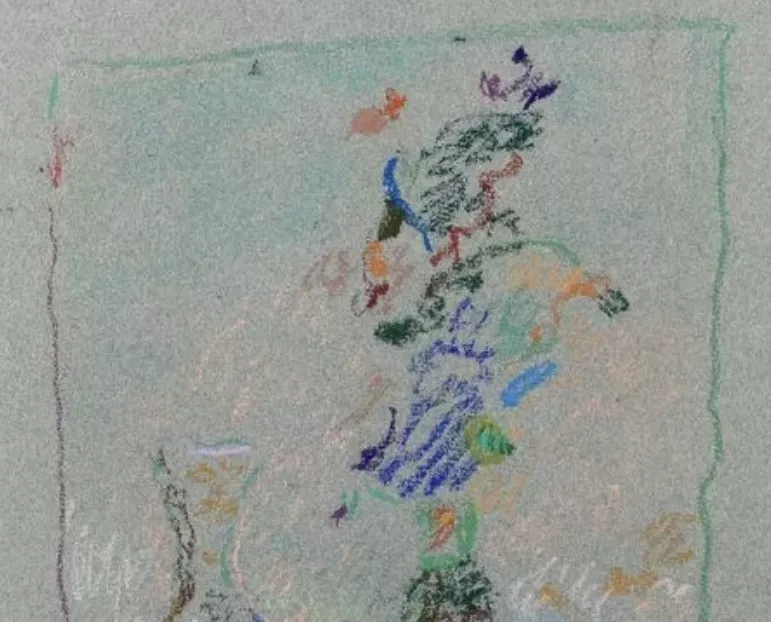
Focus on Still life with pitcher, Marko Celebonovic, 1935
In 1935, a still life by Marko Celebonovic eloquently asserted the very essence of his art. A table, a pitcher, some fruit: a pared-down composition in which light sculpts the forms with silent rigor.
With this canvas - whose density compels the eye - Celebonovic demonstrates an approach in which construction takes precedence over anecdote. The structure is simple, yet masterful: volumes are organized in a measured balance, without emphasis or overload.
This is less realism than an interiorized vision, where each element finds its rightful place in the painting's space. His work has often been compared to Bonnard or Vuillard, but here the atmosphere is more restrained, almost meditative.
The pictorial material, discreetly worked, avoids virtuoso effects. The brushstrokes are supple and poised, giving the objects a presence that is as much memory as reality.
It is in this assumed simplicity, in the subdued light that seems to emerge from the canvas itself, that all the strength of this painting lies.
A search for balance, a way of inscribing time in matter, far from ruptures and passing fashions, affirming a painting of continuity rather than rupture.
The stylistic influences of Marko Celebonovic
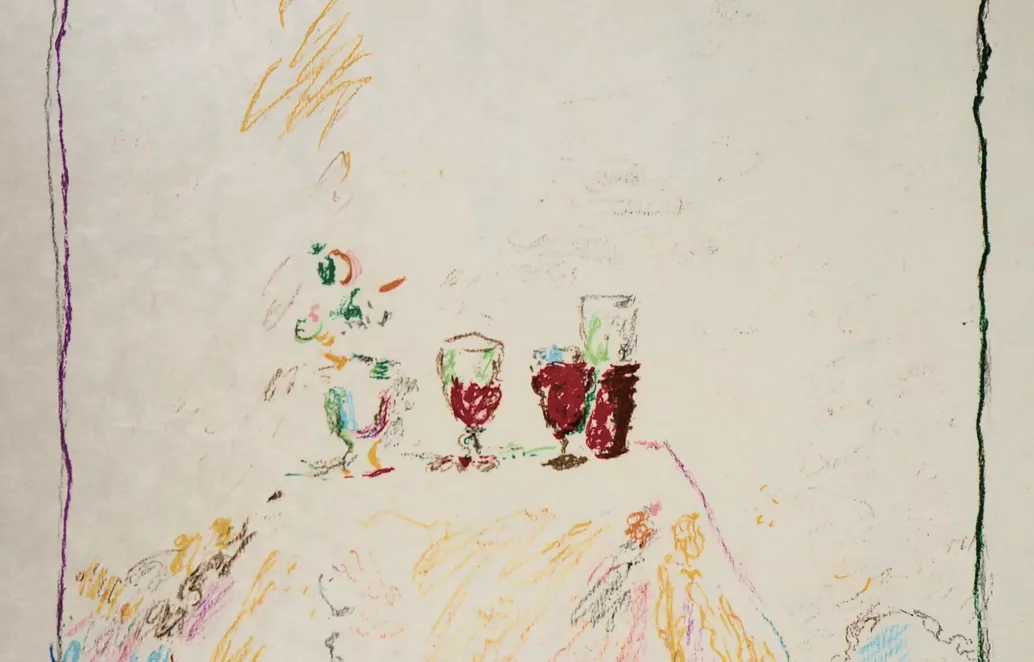
In the 1930s, an exhibition in Belgrade presented the work of Marko Celebonovic alongside other artists of the modern scene, allowing us to see the imprint of the stylistic influences that marked his work.
French painting, particularly that of the Post-Impressionists, makes itself particularly felt here. It is through light, treated with the same restraint as in Bonnard, that Celebonovic asserts himself in an approach where matter seems to melt with space.
The palette, sometimes reduced, is never violent, but unfolds subtly on the canvas.
In his still lifes, he rediscovers a certain classicism of composition, while offering it a more modern touch, particularly through the use of geometry, which testifies to his interest in cubism.
Movement, while appearing, remains in the background, like a discreet structure that allows the viewer to appreciate the balance of forms.
On the other hand, the Belgrade School, to which he belongs, plays a decisive role in the fusion of influences. Far from simply emulating the French painters, Celebonovic introduces depth and dialogue with local culture into his compositions.
The landscapes, treated with the same economy of means, reveal a connection with Serbian pictorial tradition, while retaining a European outlook.
From this confrontation emerges a painting that is both universal and singular, where intimacy meets academicism in a respectful dialogue.
Fauvism, like Cubism, is discreetly implanted in his work without dominating its intentions. The softer forms seem to play with geometry, and the artist finds a happy medium between abstraction and representation.
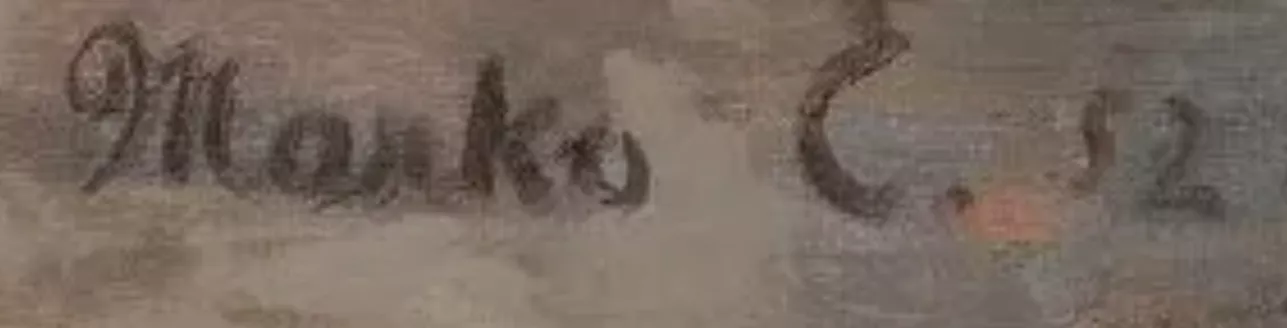
Recognizing the artist's signature
Marko Celebonovic often signs his works. Here's an example of his signature :
Knowing the value of a work
If you happen to own a sculpture by Marko Celebonovic or after the artist, don't hesitate to request a free valuation by filling in our form on our website.
A member of our team of experts and chartered auctioneers will contact you promptly to provide you with an estimate of the market value of your work, as well as ad hoc information about it.
If you are considering selling your work, you will also be accompanied by our specialists in order to benefit from alternatives for selling it at the best possible price, taking into account the inclinations of the market and its specificities.
.Estimate in less than 24h
Discover in the same theme

The value of furniture and lighting by Mario Bellini
Mario Bellini, a 20th-century designer and architect, produced many pieces of furniture and lighting that sell very well at auction.
Learn more >

Rating and value of works, drawings, paintings by Paul Sérus...
Paul Sérusier is a 20th-century painter from the Nabis group. His works are highly valued and highly prized.
Learn more >

Rating and value of works, ceramics, paintings by Jacques Po...
Jacques Pouchain is an artist who has produced modernist ceramics that are highly valued at auction. Estimate in 24h.
Learn more >
D'autres tableaux modernes figuratifs vendus aux enchères

Estimated 800 - 1.500
Jean Roger SOURGEN (1883-1978) Trees and dunes Oil on panel

Estimated 3.000 - 5.000
Georges LAPCHINE (1885-1951) The port of St Tropez Oil on canvas

Estimated 18.000 - 30.000
Charles CAMOIN (1879-1965) "Le Port de Marseille, 1928" Oil on canvas.

Estimated 1.500 - 3.000
Jean VANDEN EECKHOUDT (1875-1946), Basket of persimmons, Oil on canvas

Estimated 2.000 - 4.000
Charles LACOSTE (1870-1959) Starry night, Oil on paper mounted on canvas

Secure site, anonymity preserved

Auctioneer approved by the State

Free and certified estimates
Frequently asked questions
-
Who is Marko Celebonovic, and what is his artistic background?Marko Celebonovic (1902–1987) is one of the most famous Serbian painters of the 20th century. Trained in Paris, where he studied law before devoting himself to painting, his work bridges the gap between classicism and modernism. His style, influenced by Bonnard and Vuillard, is characterized by a meditative restraint, a rigorous construction of space, and a subdued color palette. He served as a bridge between Western art and Balkan traditions, oscillating between his French heritage and a sensibility shaped by his native country.
-
What are the price ranges for Marko Celebonovic's works based on the medium used?The prices of Marko Celebonovic’s works vary considerably depending on the medium: prints sell for between €50 and €115, drawings and watercolors for between €250 and €2,300, and paintings for between €600 and €13,000. In 2019, his painting “Mädchen mit Bilderrahmen” sold for €13,000, far exceeding its initial estimate of €2,000 to €3,000, demonstrating strong upside potential for the artist in the market.
-
How can you authenticate a work by Marko Celebonovic and determine its exact value?To authenticate a work by Marko Celebonovic and obtain an accurate estimate, we recommend that you request a free, no-obligation appraisal from Auctie's. Our team of experts and state-certified auctioneers will examine your artwork and provide you with a reliable estimate of its market value within 48 hours, along with all relevant information.
-
Is this a good time to sell a work by Marko Celebonovic?Yes, now is a good time to sell a work by Marko Celebonovic. His market value is quite high, and there is strong potential for appreciation based on recent auction results. Collectors’ interest in this artist remains strong, which bodes well for a successful sale on favorable terms.
-
How does the sales process work at Auctie's for a work by Marko Celebonovic?Auctie's guides you through the entire process, from the appraisal to the sale of your artwork. Following a free, no-obligation appraisal conducted by our experts and certified auctioneers, we offer you the best options for selling your item at the best price, taking into account market trends and the specific characteristics of your piece. Throughout the entire process, our specialists are available to assist you.
