



Rating and value of vases and paintings by François Décorchemont

Key takeaways
- François Décorchemont’s works sell for between €60 and €60,000 at auction, with his glass pieces fetching the highest prices.
- A master French glassmaker (1880–1971), Décorchemont revolutionized the technique of thick pâte de verre between 1912 and 1970, creating more than 500 pieces.
- The period of creation, authenticity, and color are key factors in valuation; a large vase from 1921 exceeded its estimate, selling for €60,000 in 2021.
François Décorchemont’s paintings and glassworks fetch up to €60,000 at auction. An appraisal allows us to accurately determine the current market value of your François Décorchemont artwork and, if applicable, optimize the sale of the piece.
If you own a work by François Décorchemont and would like to know its value, our state-certified auctioneers will provide a free appraisal based on authenticity, market rating, and recent market results.
Market Value and Appraisal of Works by François Décorchemont
François Décorchemont is a French artist well known among crystal enthusiasts. If you own one of his works, its value may be higher than you think. On the art market, prices for Décorchemont’s works can reach very high levels at auction.
His glass vases are particularly sought after by French and American buyers, and the prices at which they sell on the art market range from €60 to €60,000—a fairly significant gap, but which speaks volumes about the value that can be attributed to François Décorchemont’s works.
In 2021, a large vase with predominantly red motifs dating from 1921 sold for €60,000, despite having been estimated at between €10,000 and €12,000.
A range of value from a simple work to the most prestigious
Technique used | Result |
|---|---|
Drawing - watercolor | €150 to €550 |
Painting | From 60 to 12,000€ |
Sculpture | From €100 to €20,300 |
Glass objects | From €110 to €60,000 |
Estimate in less than 24h
Placing the Artist in Context
Period
François-Émile Décorchemont (1880–1971) was a French ceramicist and master glassmaker who came from a family of artists (his father was a sculptor). His creative career spanned nearly seven decades.
He trained at the École nationale des arts décoratifs in Paris and is a major figure in the history of the glass arts, having been active since the turn of the 20th century.
His career can be divided into three chronological phases: about 100 pieces in fine pâte de verre between 1903 and 1911, followed by more than 500 works in thick pâte de verre between 1912 and 1970. After World War II, he turned to stained glass.
Artistic Movements
His artistic explorations place him among the creators who successfully evolved their work from the naturalism of Art Nouveau to the rhythmic and refined geometries of Art Deco; he was thus both a witness to and a key figure in the transition between these two major movements.
His roots in Art Nouveau are evident in his naturalistic inspiration; his creations are distinguished by his refusal to simply cast natural elements from life and by his desire to achieve sculptural effects that highlight the constructive forms and lines in his designs.
He was a member of the Salon des Artistes Décorateurs and the Group of Contemporary French Artisans, and formed friendships with ceramicists and copper smiths with whom he felt a technical and stylistic affinity.
The Life of François-Émile Décorchemont
Cultural Background
Born on May 26, 1880, in Conches-en-Ouche (Eure), François Décorchemont was immersed in a provincial artistic environment from childhood. He trained at the École des Arts Décoratifs in Paris, a key institution for the transmission of artisanal skills at the turn of the 19th and 20th centuries.
He was part of a movement to revitalize the applied arts, first through Art Nouveau and later through Art Deco, and ranked among the master glassmakers alongside René Lalique, Émile Gallé, Gabriel Argy-Rousseau, and Amalric Walter.
Artistic and Intellectual Circle
Décorchemont came from a long line of artists; his father was a collaborator of Jean-Léon Gérôme and a professor at the École nationale des Arts décoratifs.
With his father’s help, he set out to adapt the lost-wax casting process to glass, exemplifying a family tradition of passing down artisanal expertise. It was Albert Dammouse’s work in pâte de verre that inspired him to begin experimenting with this challenging material as early as 1902.
His research aligned with the contemporary work of René Lalique, whose technical advances in the 1910s stemmed from the same desire for aesthetic renewal.

The Artist's Techniques
François Décorchemont’s Style
The artist’s body of work is characterized by multidisciplinarity and a comprehensive mastery of the creative process: as a painter, ceramicist, and glass artist, he embodies the approach of a total artisan-creator, which critics liken to that of the medieval artisan.
He maintains that he never formally trained as a glassmaker, which gives his practice the character of ongoing documentary research rather than that of a handed-down craft.
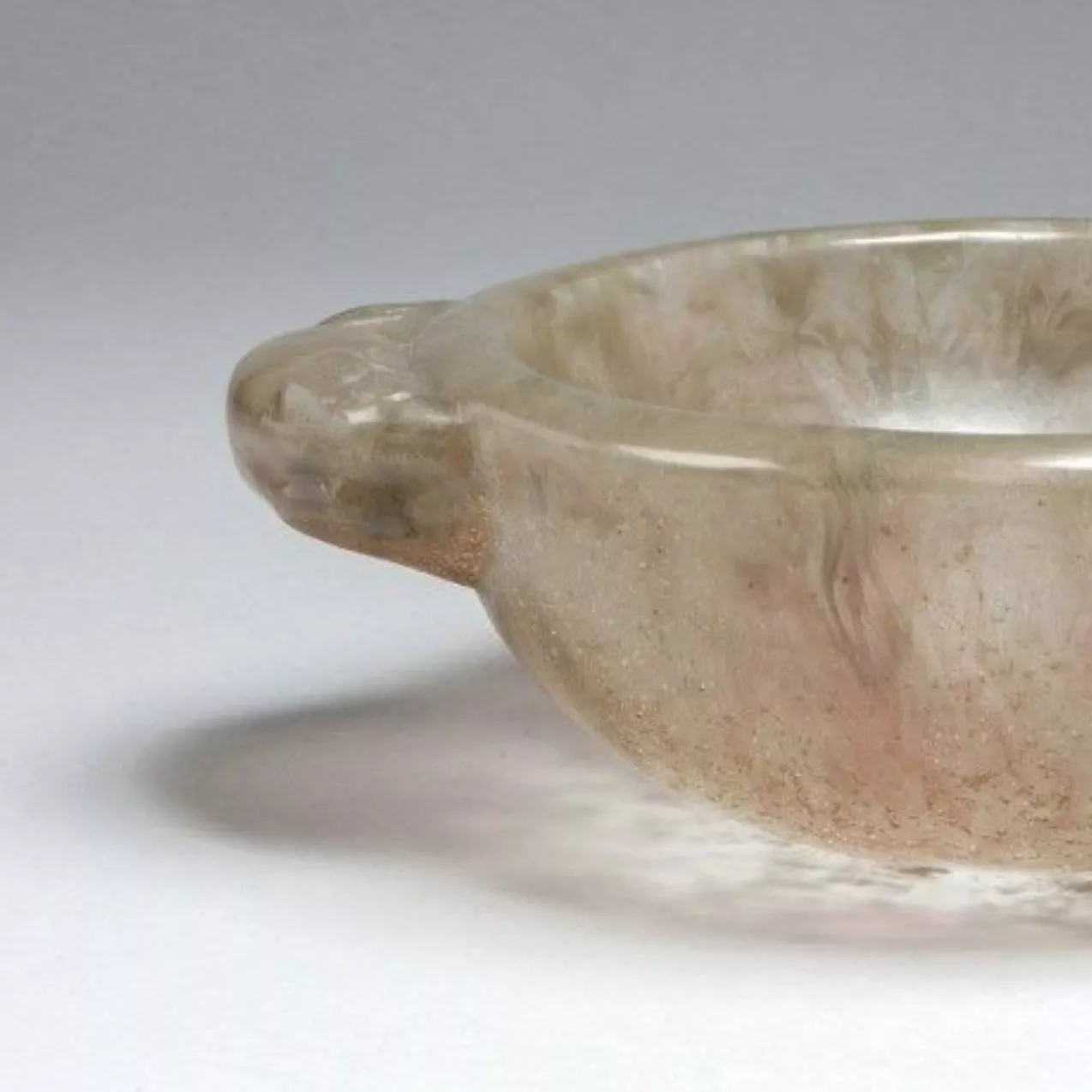
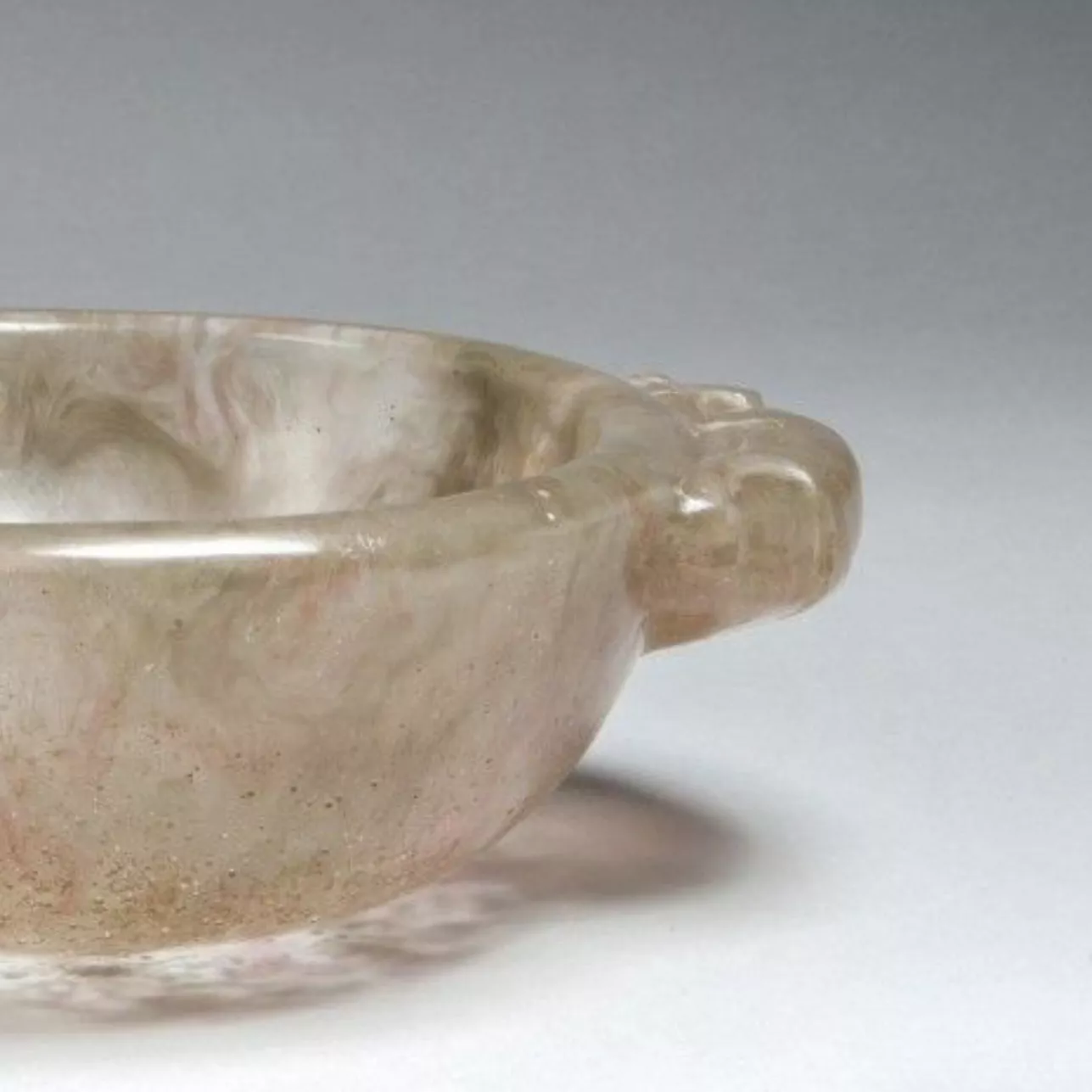
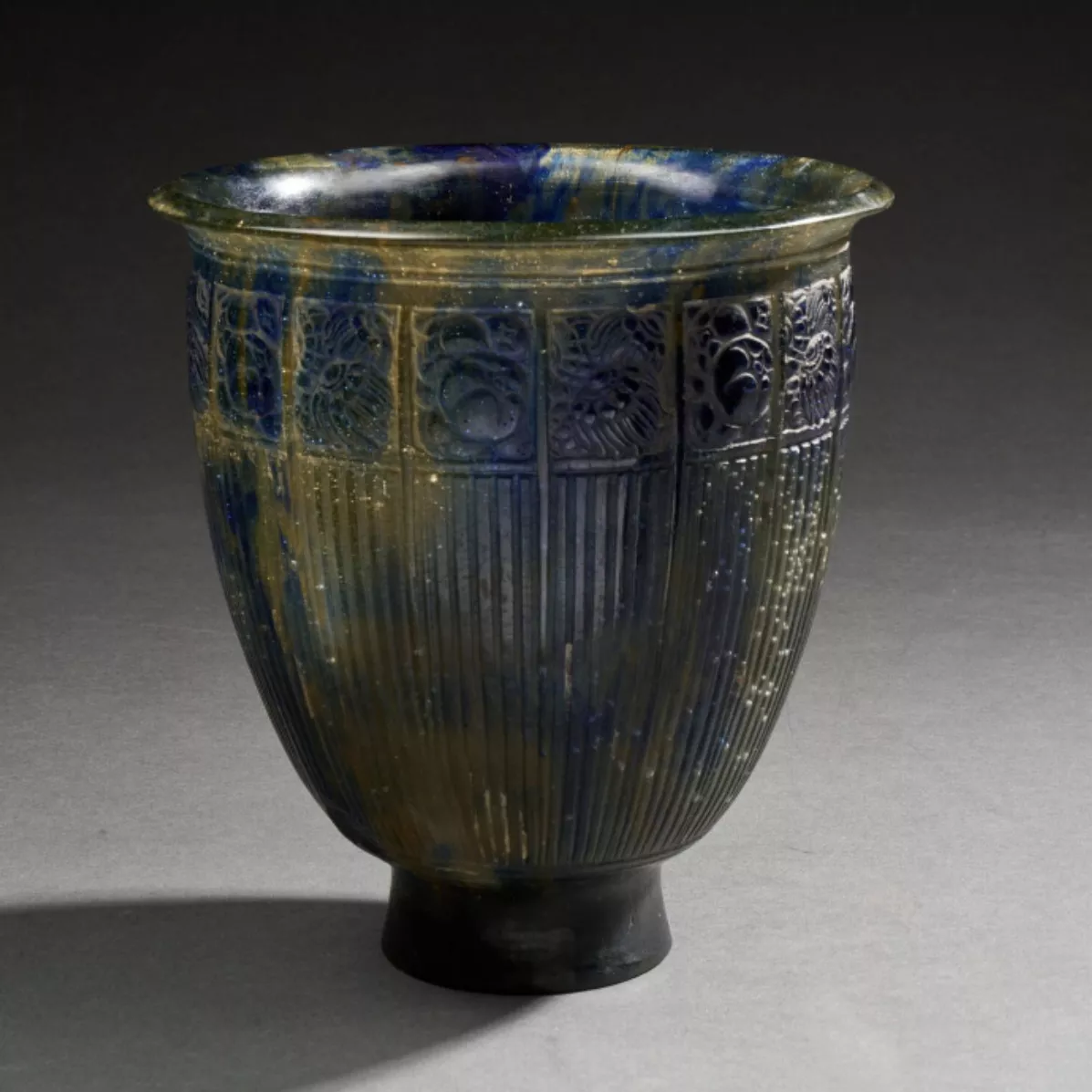
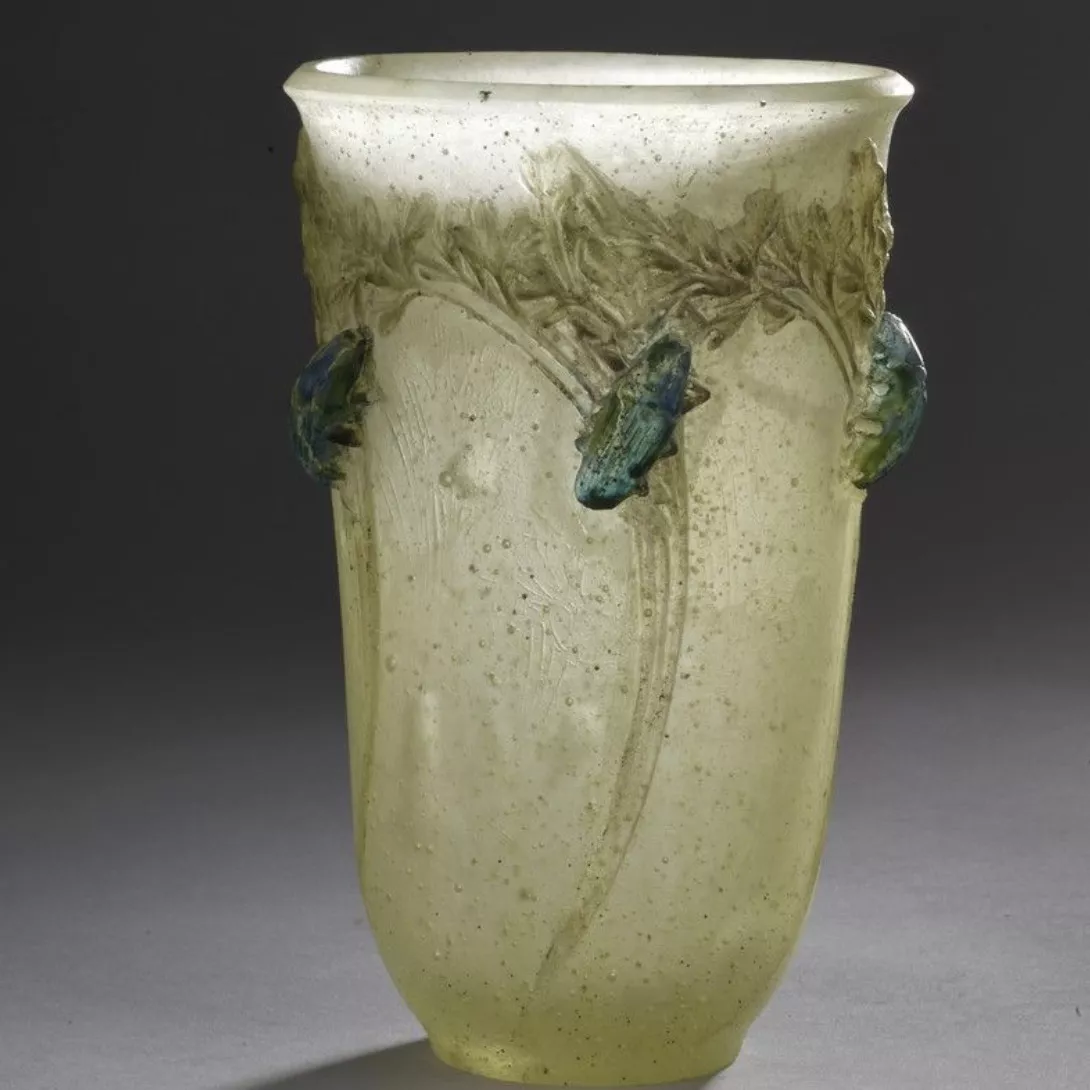
He pioneered innovations in his field by inventing the technique of thick glass paste, in which light revealed multiple shades of color. This material is denser and more translucent, with a lower oxide content, and differs radically from the fine paste of his early years.
Spotlight on a Key Work
The stained-glass windows of Sainte-Odile Church, Paris (1935–1938)
The commission for 300 square meters of stained-glass windows for the Sainte-Odile Church, then under construction in Paris, kept him busy from 1935 to 1938, representing a radical shift in scale compared to his art objects and drawing upon the full extent of his expertise.
The luminosity of the stained-glass windows stems from the very nature of the technique—developed by the artist and applied solely by him—which uses molded glass paste set with cement, whereas traditional stained glass is composed of colored glass panels that are painted and assembled with lead.
FAQ – How do you estimate the value of a work by François Décorchemont?
1) Does the period in which a piece was created affect its value?
The period significantly influences the valuation. In 1912, he presented for the first time a series of pieces with thick, translucent walls—powerful and luminous—that contrasted with the extreme delicacy and opacity of the models that had characterized his work since his debut in 1903.
2) How can you identify and verify the authenticity of a piece signed by Décorchemont?
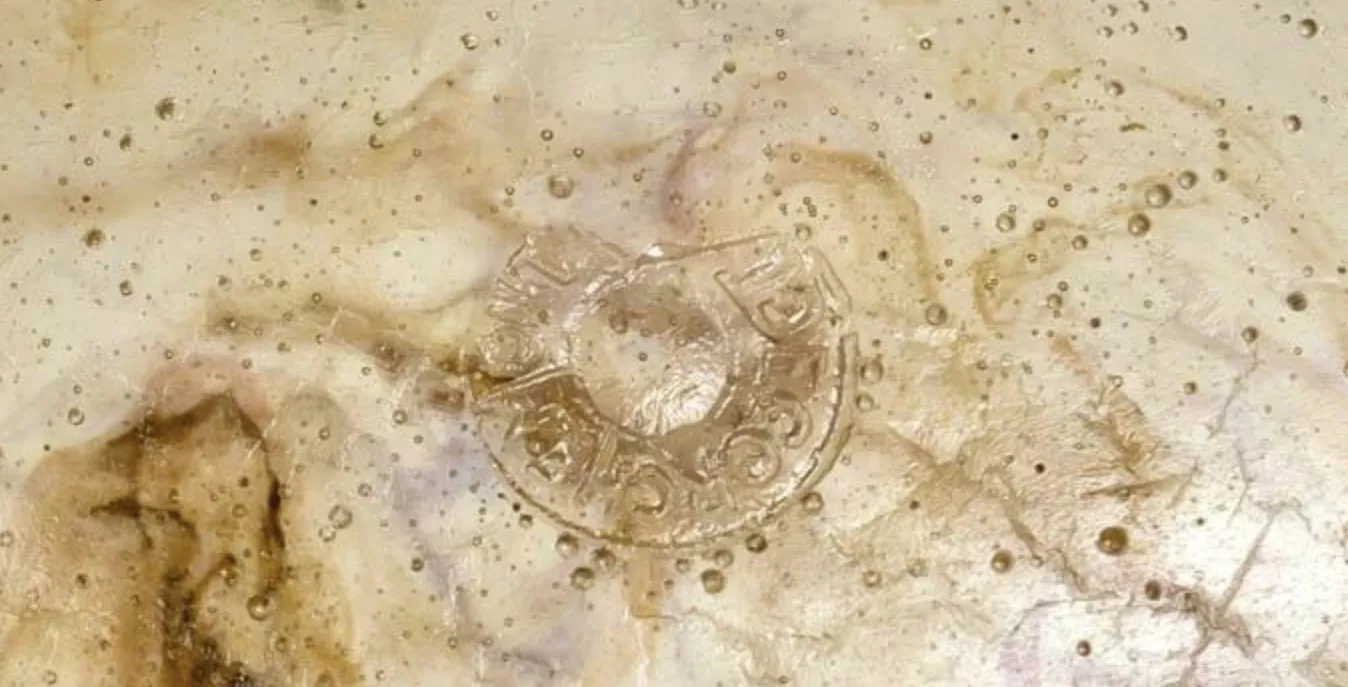
Pieces are generally signed in intaglio or raised relief on the material; some also bear an engraved model number. A catalog raisonné of the artist’s work exists.
3) Does the color of a piece play a role in its valuation?
This is a fundamental criterion for the artist. A true alchemist of color, he plays with the metamorphoses and transformations of materials to create a thick glass paste with infinite nuances, in which light plays a decisive role.
How to Identify François Décorchemont’s Signature
Not all items produced by Décorchemont are signed. That is why it is important to have your pieces appraised.
Get Your François Décorchemont Artwork Appraised
If you own a work by François Décorchemont, an appraisal will help you determine its current market value.
Using our online form, our experts and certified auctioneers will conduct a free appraisal and provide you with a reliable estimate of your artwork’s market value.
If you’re considering selling it, we’ll guide you through the process to ensure you get the best possible price.
Estimate in less than 24h
Discover in the same theme

Rating and value of works, drawings, paintings by Gen Paul
Gen Paul is a twentieth-century Cubist artist who produced drawings, paintings and oil on canvas that are appreciated and quoted at auction.
Learn more >

Rating and value of paintings by Léopold Survage
Léopold Survage was a cubist and fauvist artist of the Paris School who produced works that are highly regarded and valued at auction.
Learn more >

Rating and value of paintings, drawings, silkscreen prints b...
André Lanskoy is a twentieth-century painter of lyrical abstraction who produced works in a variety of media that are valued and quoted.
Learn more >
Nos records d'enchères à l'hôtel Drouot

Estimated 10.000 - 15.000 €
Ebridge Ayer BURBANK(1858-1949), Young African-American boy, Oil on panel.

Estimated 20.000 - 30.000
EXCEPTIONAL LARGE OVAL DISH IN VINCENNES SOFT PASTE PORCELAIN FROM THE "BLEU CÉLESTE" SERVICE OF KING LOUIS XV AT THE CHÂTEAU DE VERSAILLES

Estimated 20.000 - 30.000
MANUFACTURE ROYALE DE SÈVRES, 18th century "L'Empereur de la Chine" - Portrait of the Emperor Qianlong, Hard porcelain bisque, 1775

Estimated 1.500 - 3.000
HERMÈS, "Kelly" 32 saddle bag in black box calf

Estimated Between €5,000 and €8,000
KRACHKOWSKY (1854-1914), Before the storm, oil on canvas

Estimated 40.000 - 80.000
Alexandre ROUBTZOFF (1884-1949), Portrait of Arbia, oil on canvas

Secure site, anonymity preserved

Auctioneer approved by the State

Free and certified estimates
Frequently asked questions
-
Who is François Décorchemont, and what is his artistic background?François-Émile Décorchemont (1880–1971) was a leading French ceramicist and master glassmaker in the field of fired arts. Trained at the École nationale des arts décoratifs in Paris, he played a key role in the transition from Art Nouveau to Art Deco. A central figure alongside René Lalique and Émile Gallé, he is known for his technical innovation: the invention of thick, translucent pâte de verre, which plays with light to create infinite shades of color.
-
What is the price range for works by François Décorchemont?François Décorchemont’s works sell for between €60 and €60,000, depending on the medium and the period. Glass objects represent the highest-valued segment (€110 to €60,000), while paintings range from €60 to €12,000, and watercolor drawings from €150 to €550. The period of creation, color, and technique used significantly influence the estimate.
-
How can I authenticate a work by François Décorchemont and have its value appraised?Décorchemont pieces are generally signed in intaglio or relief on the surface and sometimes bear an engraved model number. A catalog raisonné is available to verify authenticity. Auctie’s offers a free, no-obligation appraisal conducted by certified auctioneers and experts, with a response within 48 hours, to accurately determine the value of your piece on the current market.
-
Why is now the right time to sell a work by François Décorchemont?The market for decorative arts and glassware from Décorchemont remains vibrant, with strong demand from French and American buyers. Recent results show that works are regularly selling for amounts above their initial estimates, particularly for pieces made of thick pâte de verre (1912–1970), which constitute the most sought-after and highly valued segment.
-
How does the sale of a work by François Décorchemont at Auctie's work?Auctie's guides you from the appraisal to the auction. You start by requesting a free online appraisal using our form. Our experts will provide a reliable, no-obligation appraisal, and if you decide to sell, our auction house will manage the entire process to ensure you get the best possible price for your artwork.
