



Marine Paintings: Appraisal and Auction

Key takeaways
- The value of seascape paintings varies widely depending on the artist, the period, and the quality of execution, ranging from 3,000 euros for an old seascape to several million for a Monet seascape.
- Impressionist seascapes (Boudin, Monet) and Dutch Golden Age seascapes (17th century) enjoy exceptional demand, while French Romantic seascapes range in price from 8,000 to 100,000 euros.
- Authentication is based on the signature, stylistic analysis, technical examination, and consultation of catalogs raisonné; a work listed in such a catalog commands a significant premium in value.
Storms, harbors, and lights on the open sea: the value of seascape paintings varies greatly depending on the artist, the period, and the quality of the work.
Below you’ll find all our valuation guides dedicated to seascape paintings—including historical, Romantic, and modern seascapes. Each guide details the price ranges observed at auction and the factors that determine a work’s value before it is entrusted to our state-certified auctioneers.
Guides on this art movement
See all guides >
Rating and value of drawings and paintings by Johan Christia...
Johan Christian Dahl is a Norwegian painter associated with the Romantic movement. His paintings command high prices at auction.
Learn more >

Rating and value of drawings and paintings by Johan Barthold...
Johan Barthold Jongkind - Rating, Value, Analysis - Auctie's
Learn more >

Rating and value of drawings and paintings by Léon Gustave R...
Léon Gustave Ravanne is a landscape and seascape painter whose works command high prices and are highly valued at auction.
Learn more >

Rating and value of drawings and paintings by Simon Mondzain
Simon Mondzain is a painter from the École de Paris who has produced numerous paintings that command high prices and are highly valued. 24-hour estima...
Learn more >

Rating and value of paintings by Adolphe Louis Gaussen
Adolphe Louis Gaussen is a marine painter who produced numerous paintings that command high prices at auction. 24-Hour Estimate
Learn more >

Rating and value of marines paintings by Hendrik Willem Mesd...
Hendrik Willem Mesdag was a marine painter associated with the Hague School, who produced numerous paintings that fetch high prices at auction.
Learn more >

Rating and value of drawings and paintings by Gustave Caille...
Gustave Caillebotte is a French Impressionist painter whose work is rare and highly prized at auction. His works are very valuable.
Learn more >

Rating and value of paintings by Giuseppe de Nittis
Giuseppe de Nittis is an Italian artist of 19th-century modernity who lives in Paris. His works are highly valued.
Learn more >

Rating and value of paintings by Nicola Forcella
Nicola Forcella was an Italian Orientalist painter who produced most of his paintings in Cairo. Today, his works are highly valued.
Learn more >

Rating and value of paintings by Jean-Louis Paguenaud
Jean-Louis Pagunaud is a French marine painter who has produced a number of paintings that are highly valued at auction.
Learn more >

Rating and value of paintings by Charles Euphrasie Kuwasseg
Charles Euphrasie Kuwasseg was a 19th-century figurative painter whose landscapes and seascapes are highly valued.
Learn more >

Ratings and values of paintings by Alfred Guillou
Learn more >
Understanding the Value of a Marine Painting
What Is a Market Value in the Marine Painting Market?
The market value of a marine painting refers to the benchmark value assigned to it by the secondary market at a given moment, based on the artist’s identity, the specific subject depicted, the medium, the condition of the work, the strength of the documentation, and the current state of international demand.
Marine painting is one of the oldest and most enduring genres in the history of Western art, ranging from the Dutch Golden Age masters to contemporary artists specializing in depictions of the maritime world.
This genre is distinguished by the loyalty of a collector base that is often passionate about sailing, naval history, or simply the sea, which gives this market an emotional and heritage-based dimension that goes beyond mere aesthetic appreciation.
Marine paintings, in fact, document—sometimes with near-technical precision—the history of navigation, from the great sailing ships of the Dutch Golden Age to the ocean liners of the 20th century, making them sought-after objects as much for their artistic value as for their documentary significance.
Why Maritime Art Continues to Captivate the Art Market
Marine art captivates with the diversity of its approaches, ranging from the most precise documentary realism to the most romantic or Impressionist interpretations of light on water.
The Dutch Golden Age school, which truly pioneered the genre in the 17th century with masters such as Willem van de Velde the Younger and Jan van Goyen, remains the gold standard for the most discerning collectors and institutions, whose works document the maritime power of the United Provinces with remarkable technical precision.
Nineteenth-century maritime romanticism, championed by figures such as Eugène Isabey and Théodore Gudin in France, emphasized the drama of the elements—storms, shipwrecks, and naval battles—in a more emotional vein.
Impressionism, finally, profoundly revitalized the genre by focusing on the fleeting play of light on the water rather than on the documentary precision of the ship itself, with Eugène Boudin and Claude Monet producing seascapes in this vein that rank among the most sought-after works in their respective bodies of work.
Period | Period | Leading Artists | Market Demand Level |
Dutch Golden Age School | 1600–1680 | Willem van de Velde the Younger, Jan van Goyen, Ludolf Bakhuizen | Exceptional, institutional |
French Romantic Seascape | 1820–1870 | Eugène Isabey, Théodore Gudin, Louis-Philippe Crépin | Well-supported, specialized collectors |
Academic and Battle Seascapes | 1850–1900 | Édouard Manet (seascapes), official painters of the Navy | Active, collectors of naval history |
Impressionist seascapes | 1860–1900 | Eugène Boudin, Claude Monet, Gustave Courbet (seascapes) | Exceptional, very high auction prices |
20th-Century and Contemporary Seascapes | 1900–present | Marin-Marie, contemporary official painters of the Navy | Active, loyal niche market |
Estimate in less than 24h
The Criteria That Determine the Value of a Seascape
The market value of a seascape is determined by a hierarchy of criteria that the auctioneer weighs according to the period and school in question.
For early Dutch marine paintings, the precision of the depiction of ships—including rigging, flags, and hull types—often makes it possible to identify actual vessels and, at times, documented historical events, which is a major factor in determining value.
For more recent marine paintings, the artist’s identity is paramount, with a considerable gap between the great names of Impressionism and specialized but less famous marine painters.
The price ranges observed on the secondary market illustrate this breadth. An old seascape from the Dutch or Flemish school, without a definite attribution, can range from 3,000 to 30,000 euros.
A Romantic seascape signed by a well-documented artist such as Isabey or Gudin ranges from 8,000 to 100,000 euros, depending on the subject and format. An Impressionist seascape by Boudin sells for between 30,000 and 500,000 euros depending on quality and period, while a seascape by Monet can exceed several million euros.
Certified Dutch seascapes by the great masters of the Golden Age, when they appear on the market, frequently reach comparable highs.
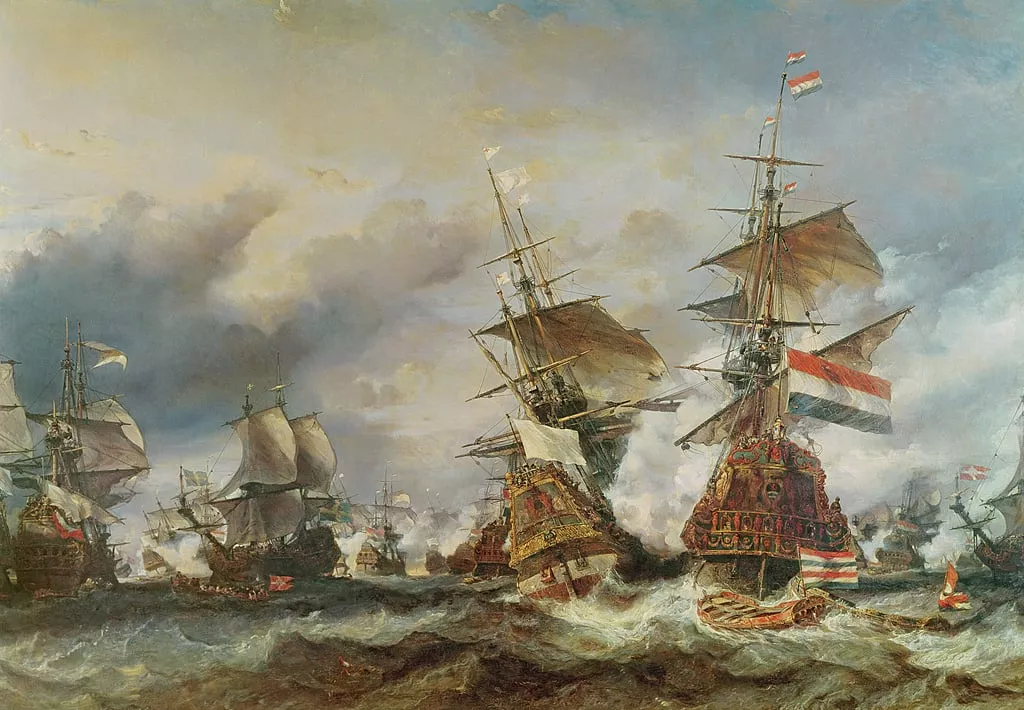
Sailing ships, naval battles, and harbor scenes: sought-after subjects
The hierarchy of maritime subjects and its impact on value
Scenes of sailing ships on the open sea—whether depicting merchant vessels, warships, or simple fishing boats—constitute the most consistent and sought-after subject in marine painting throughout the centuries.
Their value depends heavily on the precision of the technical execution; a connoisseur is able to appreciate the accuracy of the rigging and sails depicted, as well as the quality of the depiction of the sea itself— swell, foam, and reflections—which constitute the true pictorial challenge of the genre.
Naval battles and storm scenes, due to their intrinsic drama, rank among the most ambitious and prized subjects for collectors of naval history, particularly when they document an identifiable historical event.
The more peaceful harbor scenes, which depict the daily activity of fishing or commercial ports, appeal to a broader audience through their picturesque quality and immediate visual accessibility, while offering artists the opportunity to explore a wide variety of architectural and human motifs.
Subject | Characteristics | Indicative Price Range | Market Demand |
Documented naval battle or historical combat | Historical accuracy, identifiable event | €10,000 — €300,000 | Strong demand, naval history collectors |
Storm at sea or shipwreck | Dramatic interplay of the elements, technical virtuosity | €5,000 — €150,000 | Active, highly sought-after romanticism |
Sailing ship on the open sea (early Dutch school) | Precise depiction of the rigging; the ship can be identified | 5,000 — several hundred thousand € | Highly detailed, institutional |
Harbor scene or fishing port | Daily life, varied architectural motifs | 3,000 — 80,000 € | Active, broad buyer base |
Impressionist seascapes (light, beach, sky) | Capturing the atmosphere, loose brushwork | €20,000 — several million € | Exceptional, highly sought-after |
Contemporary seascape or small-format work | Recent work, varying quality | €500 — €10,000 | Active, accessible, highly liquid |
Naval battles, storms at sea, and fishing ports: the most sought-after subjects
Major naval battles, particularly those depicting key episodes in French or European maritime history, generate sustained demand from collectors specializing in naval history, for whom the work’s documentary value complements its purely aesthetic appeal.
These compositions—often large in scale and narratively complex, featuring numerous ships, cannon smoke, and churning waters—rank among the most ambitious works of their kind and, as such, command high prices when well-documented.
Storm scenes, which particularly captivated Romantic painters eager to depict the dramatic confrontation between man and the forces of nature, remain highly sought after for their emotional intensity.
Finally, fishing ports—particularly those in Brittany and Normandy, which attracted many 19th-century artists—appeal to a broad audience due to their picturesque quality and their connection to a regional maritime heritage to which many collectors remain sentimentally attached.
Estimate in less than 24h
Get a Free Appraisal of a Seascape Painting
A certified appraisal by a licensed auctioneer in less than 24 hours
Appraising a marine painting requires two key areas of expertise: knowledge of art history and the stylistic evolution of the genre, as well as—for older pieces—familiarity with the history of navigation, which allows for the identification of the types of ships depicted and, in some cases, the historical event documented by the work.
A certified auctioneer possesses this dual expertise, which enables them to precisely situate a marine painting within its historical and stylistic context.
Auctie’s offers this expertise free of charge, with a certified response within 24 hours.
Whether you’ve inherited an antique marine painting, wish to have a Romantic or Impressionist work of this genre appraised, or are considering compiling an estate inventory, the process is the same: submit your piece to a trained eye capable of accurately assessing its value.
What You Need to Provide for an Online Appraisal
For a seascape painting, please provide clear photographs of the front and back of the work, a photo of the signature if visible, the precise dimensions of the painting and the frame, and any known provenance information: a collection label, an old purchase invoice, or a reference in an auction catalog or specialized publication.
For antique seascapes that may depict an identifiable ship or historical event, any information regarding the subject matter must be provided, as it can significantly enhance the appraisal.
For watercolors and drawings, the condition of the paper must be documented: pinholes, foxing, creases, discoloration. In case of doubt regarding the attribution or school of origin, a physical examination of the piece will be offered before any steps are taken to put it up for sale.
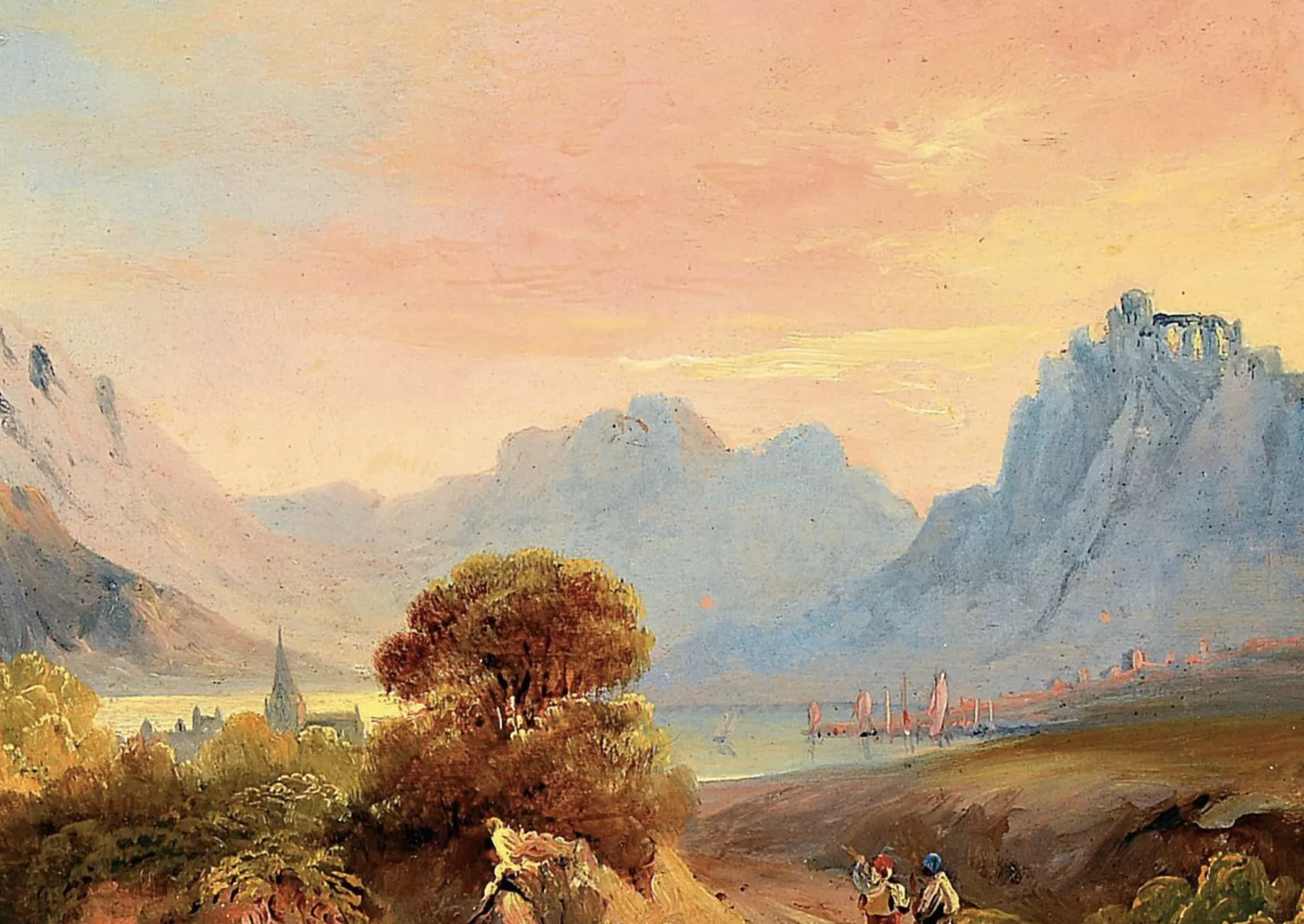
Signature, Provenance, and Authenticity: The Pillars of Valuation
Signature, Attribution, and Authentication: Their Impact on Value
The authentication of a marine painting relies on a set of converging clues. The signature is the first element, but it is never sufficient on its own, particularly for early Dutch marine paintings, which have been the subject of countless copies and imitations since the 19th century.
A detailed stylistic analysis, comparison with the artist’s documented works, and technical examination of the support and pigments are essential steps in any serious appraisal.
For the major artists of the genre, catalogs raisonné serve as the definitive authority in the market. The works devoted to Willem van de Velde the Younger, those on Eugène Boudin compiled by Robert Schmit, and the research on Eugène Isabey constitute attribution tools that the auctioneer systematically employs.
A work listed in one of these catalogs enjoys the highest level of scholarly credibility, which is directly reflected in its valuation.
Level of Documentation | Impact on the valuation |
Work listed in the artist’s catalogue raisonné | Maximum assurance; very significant premium on value |
Precisely identified historic ship or event | Strong documentary impact; significant increase in value |
Work published in specialized literature or exhibited in a retrospective | Strong scientific endorsement; significant increase in value |
Work accompanied by a written appraisal from a recognized expert in the field | Good guarantee; reassures the buyer and facilitates the sale |
Work with a legible signature and documented provenance | Solid foundation; reliable estimate and a narrow price range possible |
Work without documentation or signature | Increased uncertainty; estimate based solely on stylistic analysis |
Provenance and Condition: Their Impact on Value
The provenance of a marine painting is a decisive factor in building trust in the market. A work whose history in a private collection can be traced—particularly one linked to a family of sailors, shipowners, or collectors specializing in naval history—enjoys a legitimacy that buyers directly value.
This traceability reduces the risk of misattribution and often enhances the piece’s narrative appeal.
Condition is the other key factor. Old marine paintings have often been subjected to harsh storage conditions, particularly when they have long adorned maritime interiors exposed to salt-laden humidity.
Crackling, repainting, yellowed varnish, and abrasive cleaning are common forms of deterioration that can be revealed by examination under raking light and ultraviolet light. The precision of the depiction of the water and sky—a central element of the genre’s aesthetic appeal—must be preserved so that the work’s value can be fully recognized.
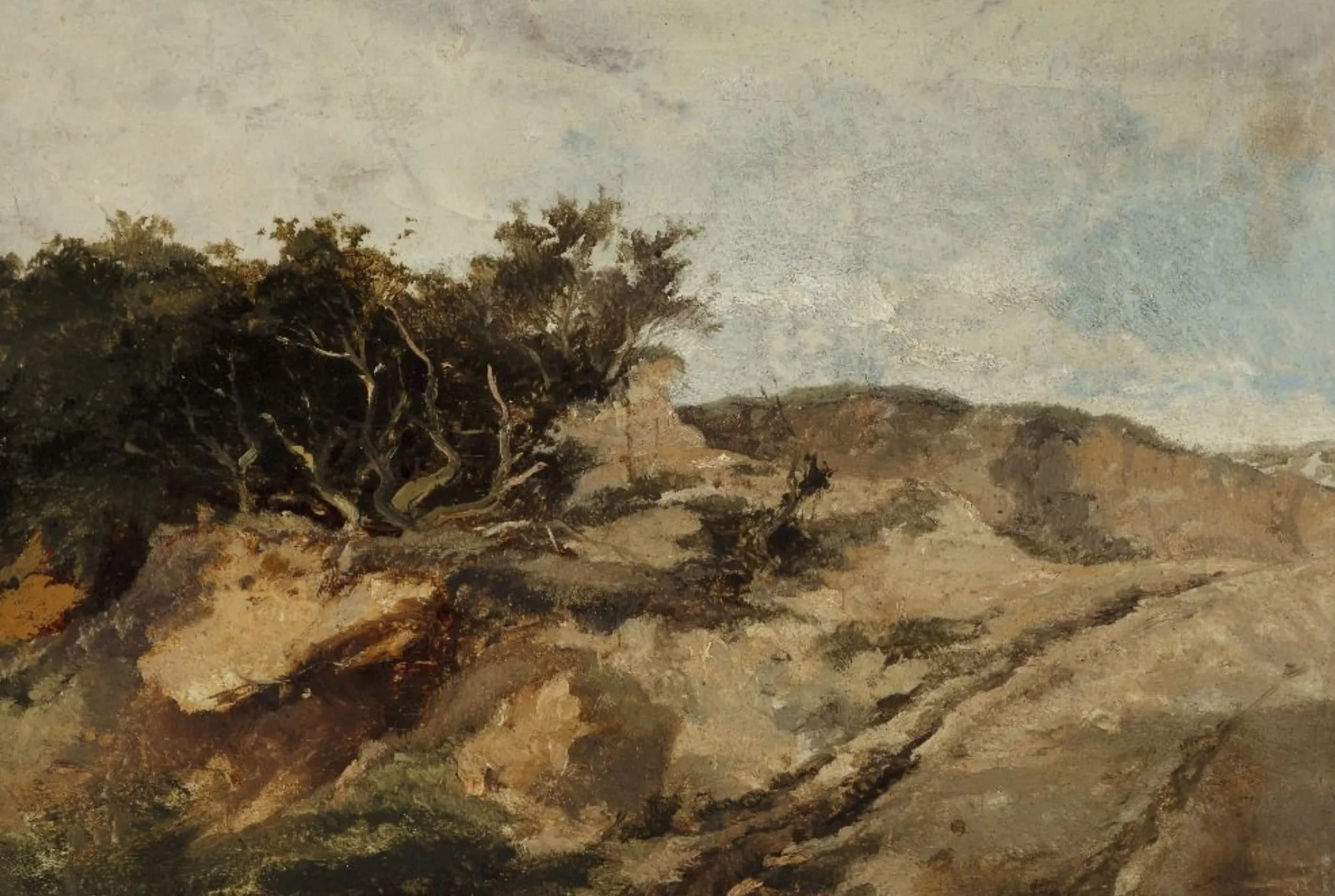
Dutch School, Romantic Seascape, Impressionism: Identifying Your Painting
From Dutch Golden Age Seascapes to Impressionist Seascapes
The Dutch Golden Age, spanning roughly 1600 to 1680, marked the founding moment of seascape painting as an independent genre, driven by the commercial and naval power of the United Provinces.
Artists of this school—Willem van de Velde the Younger and his father, Jan van Goyen, and Ludolf Bakhuizen—developed a level of documentary precision that makes their works invaluable historical sources for the history of shipbuilding today, in addition to their purely artistic value.
The Romantic movement of the 19th century, which emerged later, reoriented the genre toward the drama of the elements and the viewer’s emotional response to the power of the sea.
Impressionism marked the last major aesthetic shift in marine painting, shifting the focus from the precision of the subject to the depiction of atmosphere and light.
Boudin, nicknamed “the king of skies” by his contemporaries for the virtuosity of his atmospheric renderings, and Monet, whose Normandy seascapes are among the founding milestones of Impressionism, paved a path that continues to influence contemporary marine painting.
Identifying the Movement and Period for a More Accurate Appraisal
Precisely identifying the movement and period of a seascape is a crucial step in any serious valuation, as valuation criteria differ significantly depending on the school in question.
The treatment of the water—smooth and precise in Dutch works, dramatic and high-contrast in Romantic works, and fragmented and luminous in Impressionist works—constitutes a primary stylistic indicator.
The type of ship depicted, when it can be precisely dated based on its construction, also helps narrow down a work’s date, particularly for older seascapes where the signature may be absent or barely legible.
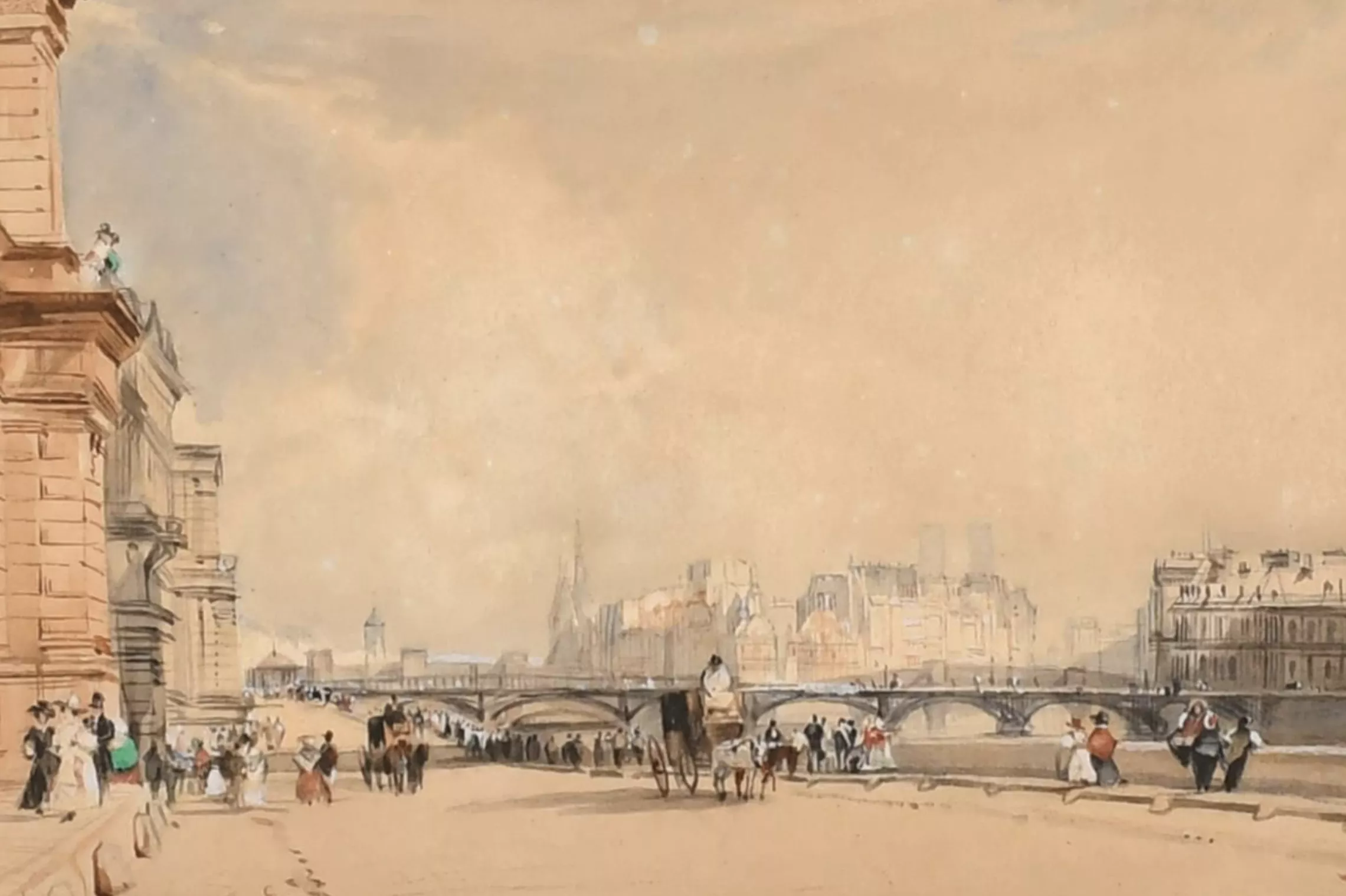
Sell a seascape painting at auction with Auctie's
From the reserve price to the final bid: how the price is determined
Auctions are the most advantageous method of sale for high-quality marine paintings, in a market where the combination of a well-documented piece and a specialized collector—often someone with a passion for sailing or naval history—can generate fierce competition.
The reserve price, set in consultation with the seller, must be carefully calibrated according to the specific school and period of the work, as a significant portion of its value depends on these factors.
For major, well-documented marine paintings, the dynamics of the auction can lead to final prices far exceeding initial estimates, particularly when the work depicts an identified ship or historical event that attracts the interest of several specialized collectors.
The auctioneer plays a vital role in facilitating this process by engaging networks of maritime art enthusiasts active in this segment.
Hôtel Drouot and online auctions: reaching the right bidders
Auctie’s holds its auctions at Hôtel Drouot, the leading auction venue in continental Europe, founded in 1852 and frequented by a dense network of dealers and collectors specializing in marine painting and maritime history.
For a marine painting, Drouot offers optimal visibility among French and European enthusiasts of this genre, complemented by online promotion that significantly expands the reach of each auction on an international scale.
A Dutch collector passionate about the masters of the Golden Age, a British museum seeking a seascape depicting an episode in naval history, or an American art lover drawn to Impressionist seascapes can bid in real time from their home countries.
For marine painting, which has a large and widespread following across all major maritime nations, this international dimension is often decisive in securing the best hammer price.
Estimate in less than 24h
Estate Planning, Inheritance: Valuing an Inherited Seascape Painting
Inventory and Distribution of an Estate
Marine paintings are frequently found in the estates of families with ties to the sea—descendants of sailors, shipowners, or simply enthusiasts who have built up a collection over the decades.
These works, sometimes having hung in family homes for generations, can represent a significant portion of the estate’s assets, particularly when they depict a specific historical subject or are signed by a renowned artist.
Auctie’s regularly works alongside notaries to compile comprehensive estate inventories that include marine paintings.
Each piece is appraised individually: precise description, identification of the subject and artistic school, condition, attribution, and estimation of market value as of the reference date. The resulting report is an official, legally binding document that can be included in the estate file without reservation.
Confidentiality of the process and preservation of anonymity
The circumstances leading to the appraisal of a marine painting are often personal: probate, a family inheritance linked to a maritime tradition, or a decision to sell after a long period of ownership.
Auctie’s handles each case with absolute discretion. The owner’s identity is never disclosed to third parties without their explicit consent, and the works may be offered for sale under complete anonymity if the consignor so desires.
This confidentiality is a core commitment of Auctie’s, valid at every stage of the relationship, from the initial contact through to the receipt of the proceeds from the sale.
Entrust the appraisal of your seascape to Auctie’s
A marine painting deserves an appraisal that reflects the historical richness of this genre, from the masters of the Dutch Golden Age to the freest Impressionist interpretations.
The diversity of schools and periods, the importance of accurately identifying the ships and events depicted, and the specific demands of collectors who are often passionate about maritime history: these are all factors that only a licensed auctioneer, well-versed in the specifics of this segment, can assess with the rigor they require.
Auctie’s guides you from the initial appraisal through to the final auction, with the expertise of a state-certified appraiser and the discretion your financial decisions deserve. The appraisal is free, confidential, and non-binding, and you’ll receive a response within 24 hours.
Discover in the same theme
Rating and value of paintings by Charles Euphrasie Kuwasseg
Charles Euphrasie Kuwasseg was a 19th-century figurative painter whose landscapes and seascapes are highly valued.
Learn more >

Rating and value of paintings by Henri Zuber
Henri Zuber is a French watercolorist and landscape painter who has produced works that are highly valued at auction.
Learn more >

Rating and value of paintings by Paulin Bertrand
Paulin Bertrand is a 19th-century landscape painter whose works are highly regarded and valued at auction.
Learn more >
Estimate in less than 24h
Frequently asked questions
-
What are the price ranges for seascape paintings based on their period and artist?Prices vary considerably depending on the school and the artist. An old Dutch seascape without a definite attribution ranges from 3,000 to 30,000 euros; a Romantic seascape signed by Isabey or Gudin ranges from 8,000 to 100,000 euros; an Impressionist seascape by Boudin between 30,000 and 500,000 euros. Seascapes by Monet or certified Dutch seascapes by the great masters of the Golden Age can exceed several million euros.
-
How can I have a seascape painting authenticated and verify its attribution?Authentication is based on a combination of converging evidence: signature, detailed stylistic analysis, comparison with documented works, and technical examination of the medium. For major artists, catalogs raisonné serve as the authoritative source. Auctie's offers you a free appraisal conducted by a certified auctioneer, who can authenticate the work and precisely situate your seascape within its historical and stylistic context.
-
What is the process for appraising a seascape painting at Auctie's?The appraisal is free and non-binding. Simply submit clear photographs of the front and back, the signature (if visible), the exact dimensions, and any known provenance information (label, old invoice, publication references). A licensed auctioneer will provide you with a certified appraisal within 24 hours.
-
What factors determine the value of a seascape painting?Value depends on the artist’s identity, the period and school, the accuracy of the depiction, the condition of the work, the quality of execution, documented provenance, and the strength of the attribution. For old seascapes, the precise identification of the ships or historical events depicted is a major factor in determining value. A work listed in the artist’s catalog raisonné benefits from the highest level of scholarly endorsement, which significantly increases its market value.
-
Is this a good time to sell a seascape?Yes, the market for seascapes remains active and robust, driven by a dedicated and loyal community of collectors who appreciate these works for their aesthetic, documentary, and cultural heritage value. Demand remains particularly strong for Impressionist seascapes, Dutch seascapes from the Golden Age, and historically accurate naval battles. Auctie's guides you from the free appraisal to the final bid to ensure the best possible sale of your artwork.
