



Value and quotation of works, paintings by Elbridge Ayer Burbank

Key takeaways
- An American painter (1858–1949) who specialized in ethnographic portraiture, Burbank created more than 1,200 portraits of Native American chiefs using a meticulous, documentary, and artistic approach.
- Burbank’s works sell for between €35 and €396,800, with a world record set in June 2023 for “The Sunflower,” which sold for €396,800 against an estimate of €10,000 to €15,000.
- The artist’s market value has been rising sharply recently, positioning Burbank among the American artists to watch, with potential for further growth in the coming years.
If you own a work by artist Elbridge Ayer Burbank or after, and would like to know its value, our state-approved experts and auctioneers will offer you their appraisal services. Our specialists will carry out a free appraisal of your work, and provide you with a precise estimate of its current market value. Thereafter, if you wish to sell your work, we will direct you to the best possible device to obtain an optimal price.
Rating and value of the artist Elbridge Ayer Burbank
Eyer Albridge Burbank is an American painter of the twentieth century. He leaves behind a unique artistic repertoire. This legacy consists of portraits, the majority of which are oil on canvas.
At present, the prices of his works are flying off the auctioneers' hammers. His paintings and other works are particularly prized, especially by American buyers, and the price at which they sell on the art market ranges from €35 to €396,800, a considerable delta but one that speaks volumes about the value that can be attributed to Burbank's works.
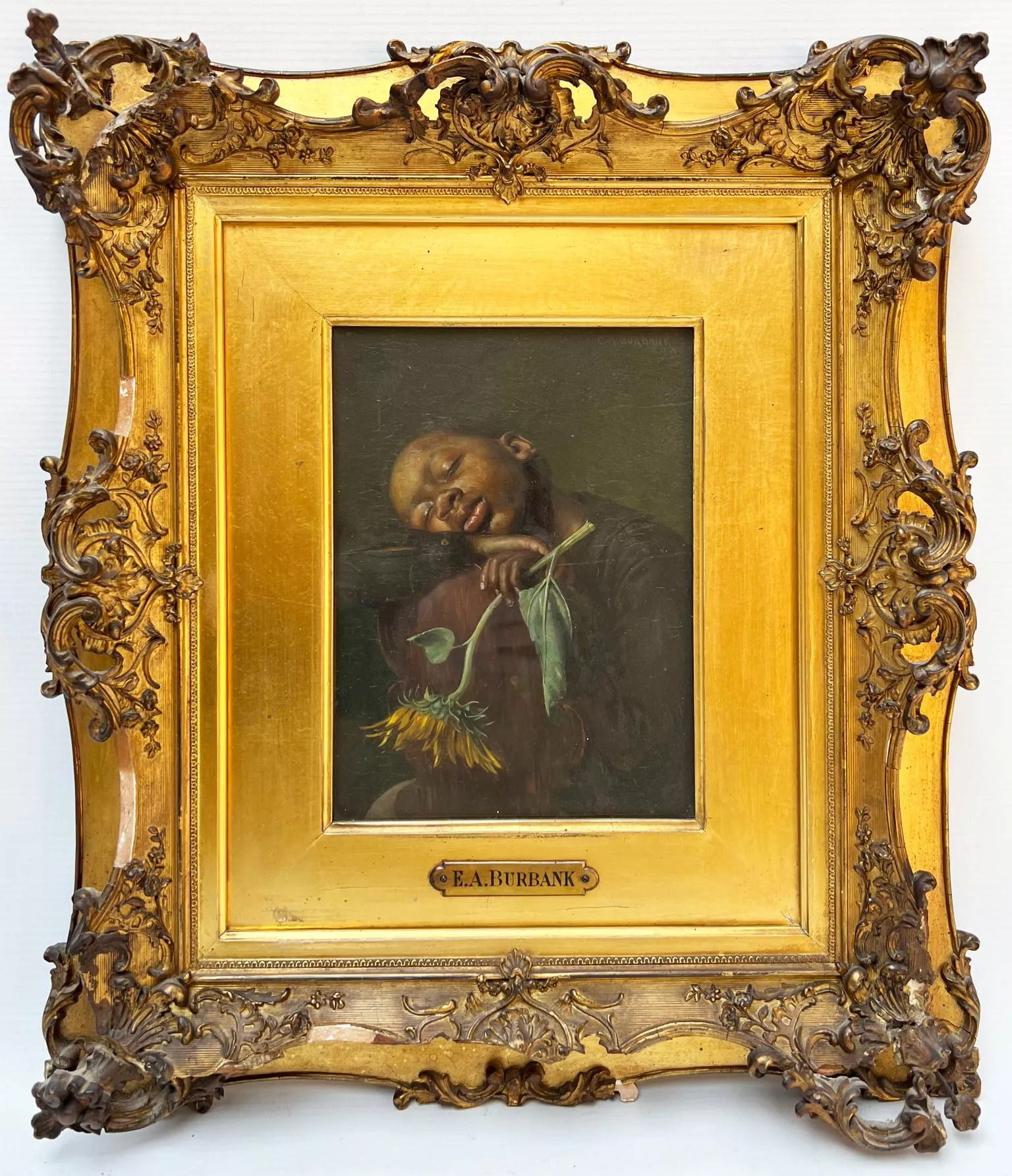
In June 2023, a predominantly brown polychrome composition depicting a young African-American boy was sold for €396,800 by Auctie's, while it was estimated at between €10,000 and €15,000, a world record for the artist.
Order of value from a single work to the most prestigious
Technique used | Result |
|---|---|
Drawing - watercolor | From 95 to 5 162€ |
Estamp | From 35 to €23,150 |
Oil painting | From €57 to €396,800 |
Estimate in less than 24h
Artist's style and technique Elbridge Ayer Burbank
There's no current attached to Burbank. He mainly painted portraits. From an early age, he was fascinated by Native American civilization. He frames his portraits at mid-body, often with a neutral background. He worked a lot on the expressions and facial features of his models.
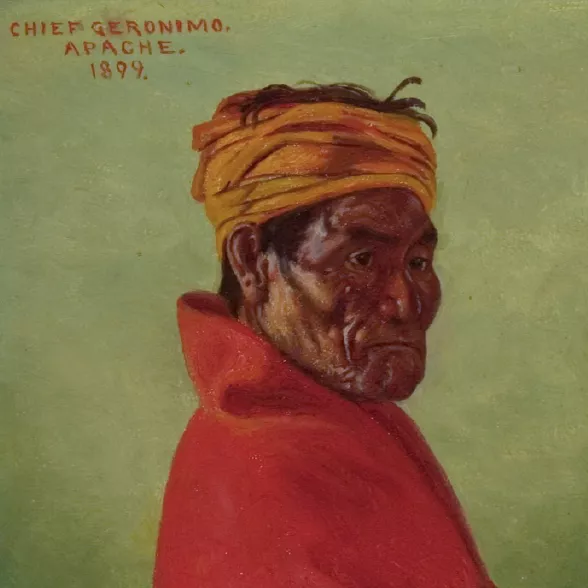
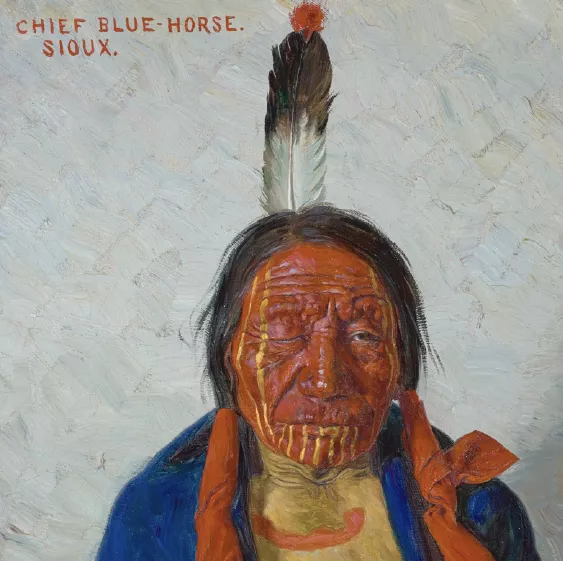
The artist soon specialized in ethnographic portraiture : Burbank is famous for having produced over 1,200 portraits of Native American chiefs and figures in the late 19th and early 20th centuries, in an approach that was both documentary and artistic.
Burbank works from life, under direct observation, in contact with the peoples he depicts (including Navajos, Apaches, Sioux and Cheyenne), seeking to faithfully render their features, clothing and finery.
Having a strong attention to detail, his portraits are meticulous, with particular attention paid to clothing textures, jewelry, headdresses, wrinkles as well as facial expressions.
His palette is sober and realistic, Burbank uses natural, often earthy tones, which reinforce the documentary aspect of his works, respecting the skin tone and environment of his subjects.
The techniques he employs are varied, working in watercolor, oil, pastel or craton, depending on the occasion, often favoring small format to facilitate fieldwork.
His paintings and other works rely on a balance between realism and sensitivity. His portraits avoid facile exoticism, and reflect a respectful and often empathetic view of his models, whom he seeks to portray in their dignity.
His work contributes to the work of memory, as his oeuvre today constitutes a precious visual documentation of Amerindian peoples at a time of great upheaval, between disappearance and survival of traditions.
Elbridge Ayer Burbank, a surprising artist
Elbridge Ayer Burbank (1858-1949), an American painter, has become a prized figure among collectors.
He was born in Illinois, shortly before the Civil War, which was to have a lasting influence on his career. At the time, the region's socio-political climate was very tense, particularly in Chicago, where racism and segregation were very present.
His family was wealthy and influential, thanks to the railroad company they owned. His uncle, head of the business, is very close to Burbank, and it is thanks to him that he will become interested in Native American civilizations and issues of slavery. The latter collected Native American artifacts and shared them with his nephew.
He studied for six years at the Chicago Academy of Design. He then moved to New York, where the atmosphere and mentality suited him better. He takes on a few portrait commissions there, but doesn't earn a very good living. In New York, he meets journalist Eugene Smalley, who works for a newspaper writing about American westward expansion, and follows him on a report. He met several important Native American figures who would influence the rest of his career.
He then traveled for a time to Europe, where he had the opportunity to learn new artistic techniques. In 1892, he returned permanently to Chicago.
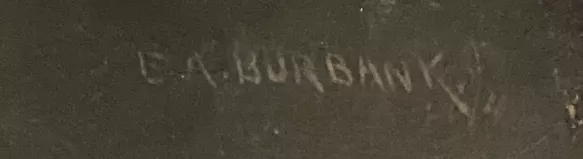
The subject matter in this work centers on a native figure. The composition features a young black man, seated, holding a sunflower, both a solar plant and a symbol of native culture and fertility. The artist's line is realistic and attentive. True to his method, Burbank depicts the figure with precision : facial features, frank gaze and sober clothing are carefully detailed. The palette used by the artist is warm and luminous, the sunflower here becoming a real focal point, bursting forth in vibrant yellows and contrasting with the more sober hues of the clothing and background. The staging is ultimately quite simple, the background often neutral or barely suggested, which reinforces the presence of the character and gives full force to the gaze, gesture and symbolism of the sunflower. The flower can be read and understood as a tribute to the earth, the sun, and the continuity between nature and culture. In this way, it suggests an emotional and spiritual link with the plant world. Like many of his portraits, The Sunflower testifies to a balance between ethnography and poetry, where Burbank combines a documentary intent with his understated pictorial sensibility, amplified by the choice of floral motif. Burbank marks his period by his commitment. In one of the United States' most segregated and racist regions, especially in the 1890s, he positioned himself as a committed artist. Going against the grain, he chose many African-American models and portrayed them with remarkable gentleness. In the portrait The Sunflower, sold at auction by Auctie's in June 2023, dating from 1894, he depicts a little black boy, with gentle, soothed features. He holds a flower in his hand, which can be interpreted as a symbol of peace. He does the same in another portrait, American Beauty. His model, who is probably the same as in the first portrait, has his eyes open this time. We can see the little boy's self-confidence, as well as a definite calm. In the second portrait, Burbank gives more of an impression of appeasement. The artist's price has been rising sharply since very recently, thanks to Auctie's and its latest result on the artist. La Gazette Drouot, an art magazine that publishes articles on the results of the hotel's auctions, devoted three articles to him during Auctie's presentation of the work "The Sunflower". The world record is therefore very recent, which could prompt owners of Burbank's works to place their works on the auction market. Today, Burbank is establishing himself as one of the American artists to watch and whose stock may rise further in the coming years, like other artists from other currents such as Pollock, Calder or Rauschenberg. Burbank usually signs his works in a corner of the painting. On the portraitThe Sunflower, his signature is in the right-hand corner, at the top of the canvas. If you happen to own a work by Burbank or after the artist, don't hesitate to request a free appraisal by means of our form on our website. A member of our team, made up of experts and certified auctioneers, will contact you promptly to provide you with an estimate of the market value of your work, not forgetting to pass on ad hoc information about it. If you are considering selling your work, you will also be accompanied by our specialists in order to benefit from alternatives for selling it at the best possible price, taking into account market inclinations. Value and quotation of works, paintings by Delphin Enjorlas Delphin Enjorlas, an academic painter of the 20th century, produced work that is little-known but valuable and stable. Estimated in 24h. Learn more > Rating and value of works, paintings by Léon Lhermitte Léon Lhermitte was a 19th-century naturalist painter who produced drawings and oil paintings that are highly prized at auction. Learn more > Rating and value of sculptures, bronzes and marbles by James... James Pradier is a Swiss sculptor who has produced works that are highly rated and valued at auction. Estimate in 24h. Learn more > Secure site, anonymity preserved Auctioneer approved by the State Free and certified estimates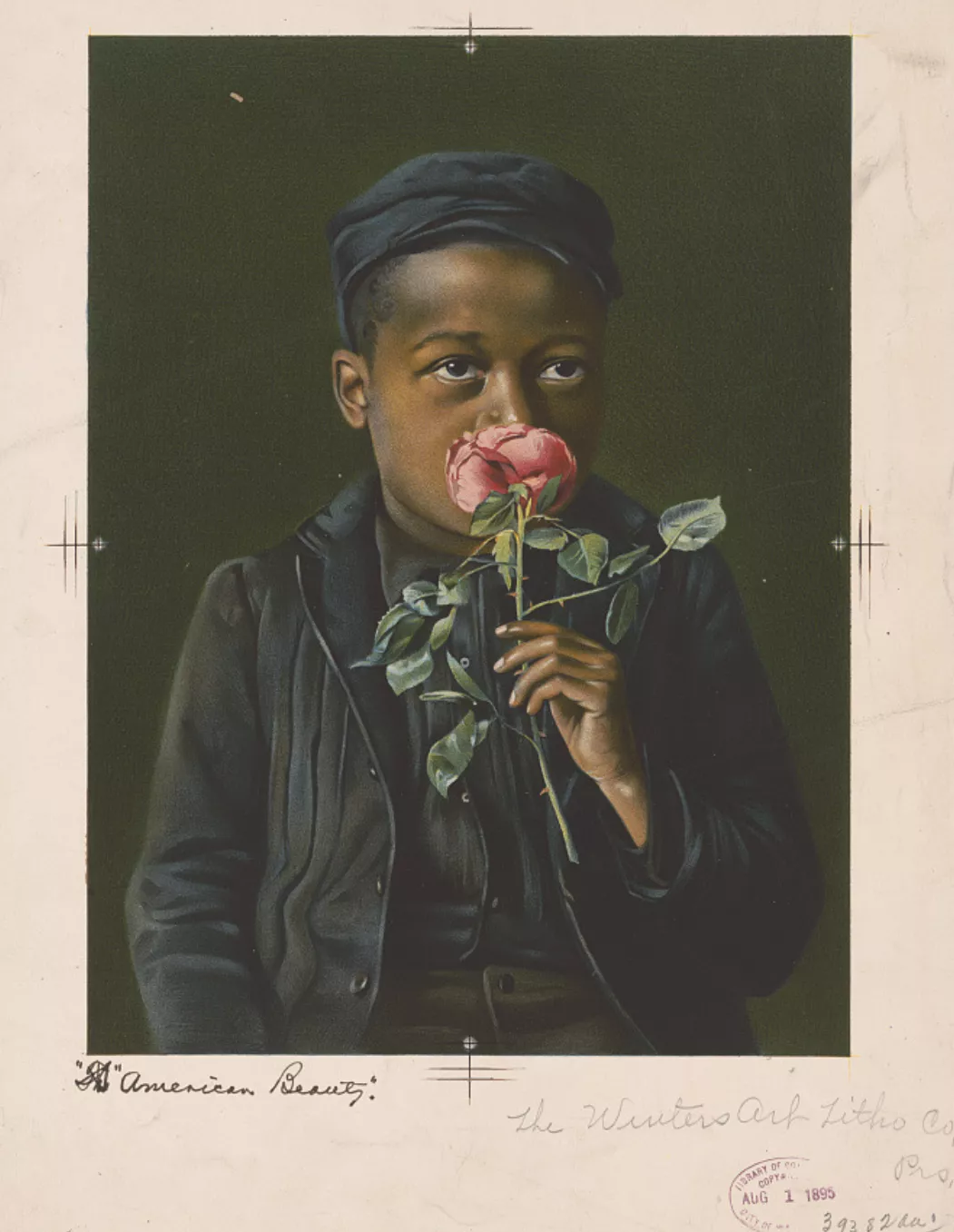
Focus on The Sunflower, E. A. Burbank
Burbank's imprint in a fractured America
Burbank's auction price
Recognizing Burbank's signature
Knowing the value of a work
Estimate in less than 24h
Discover in the same theme


The latest result for a Burbank work at auction, a world record


Frequently asked questions

