



Ratings and values of paintings by Ernfried Wahlqvist

Key takeaways
- Wahlqvist's oil-on-canvas paintings sell for between €140 and €9,670, with significant upside potential at auction.
- Seascapes range from €220 to €8,620, while landscapes fetch up to €9,670.
- In 1999, “Panorama of Stockholm” (1881) sold for €9,760, exceeding the initial estimate of €3,900 to €4,400.
If you own a work by Enfried Wahlqvist, and would like to know its value, our state-approved experts and auctioneers will offer you their appraisal services.
Our specialists will work to carry out a free appraisal of your work, and provide you with an accurate estimate of its value on the current market.
Then, should you wish to sell your work, we will direct you to the best possible arrangement to obtain the optimum price.
Rating and value of works by Ernfried Wahlqvist
Works by Ernfried Wahlqvist are highly prized items at auction. They are collected by bidders of all nationalities. Now, prices for these paintings can rise considerably under the auctioneer's hammer.
Oil paintings are particularly prized, by buyers from all over the world. The price at which they sell on the art market ranges from €140 to €9,670, at the moment, a substantial gap but one that says a lot about the value that can be attributed to these works.
In 1999, his oil on canvas Panorama of Stockholm, dating from 1881, was sold for €9,760, while it was estimated at between €3,900 and €4,400. The artist's works possess strong upside potential.
Order of value from a simple work to the most prestigious
Array type | Result |
|---|---|
Navy table | From €220 to €8,620 |
Landscape table | From €140 to €9,670 |
Estimate in less than 24h
Style and technique of artist Ernfreid Wahlqvist
Ernfried Wahlqvist's creations are imbued with impressionism and realism. His work closely resembles that of certain Russian realists and impressionists.
He draws his inspiration from multiple references, and depicts mainly landscape scenes as well as marine paintings. He has produced a few drawings, but most of his works are oil on canvas, the only medium almost exclusively found on the auction market.
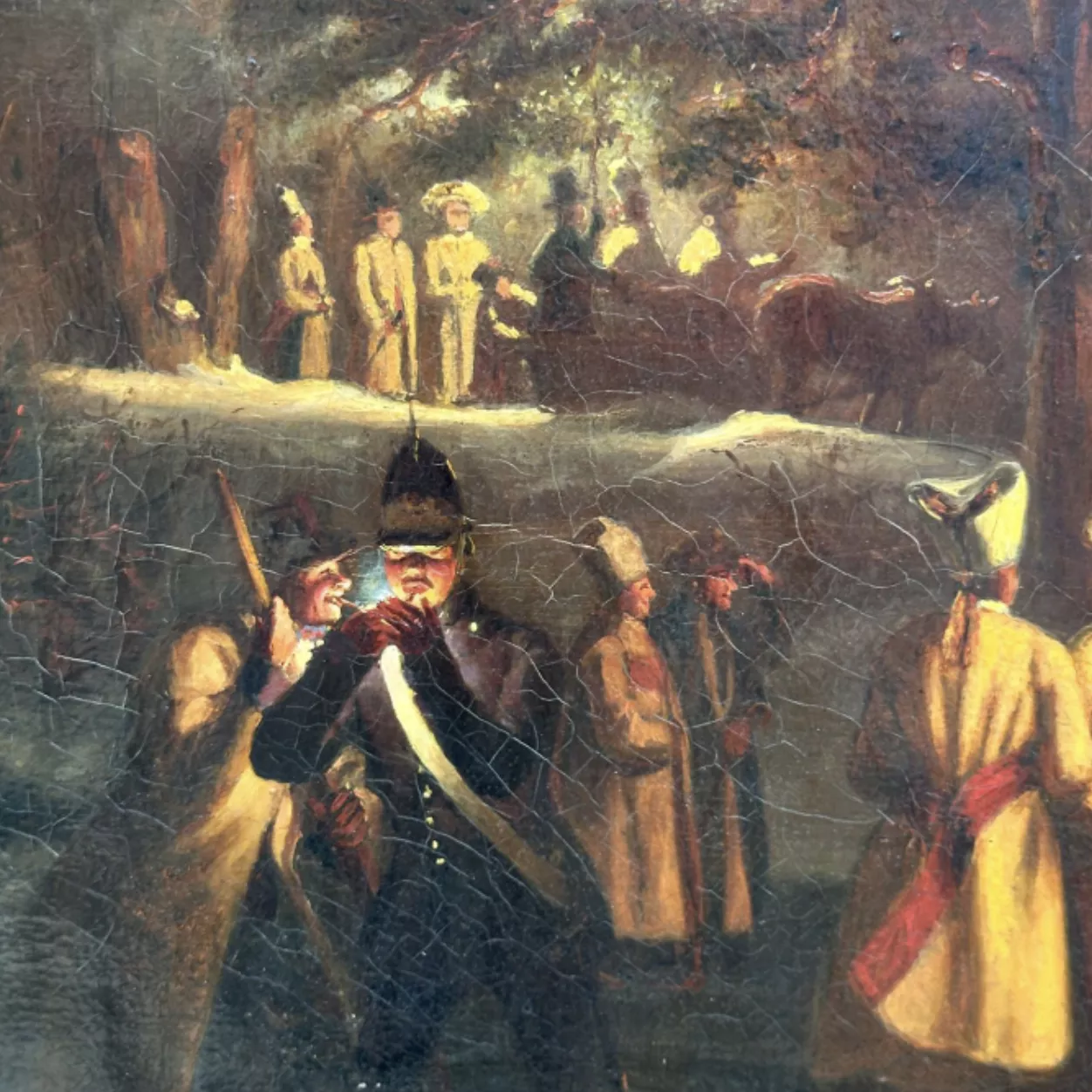
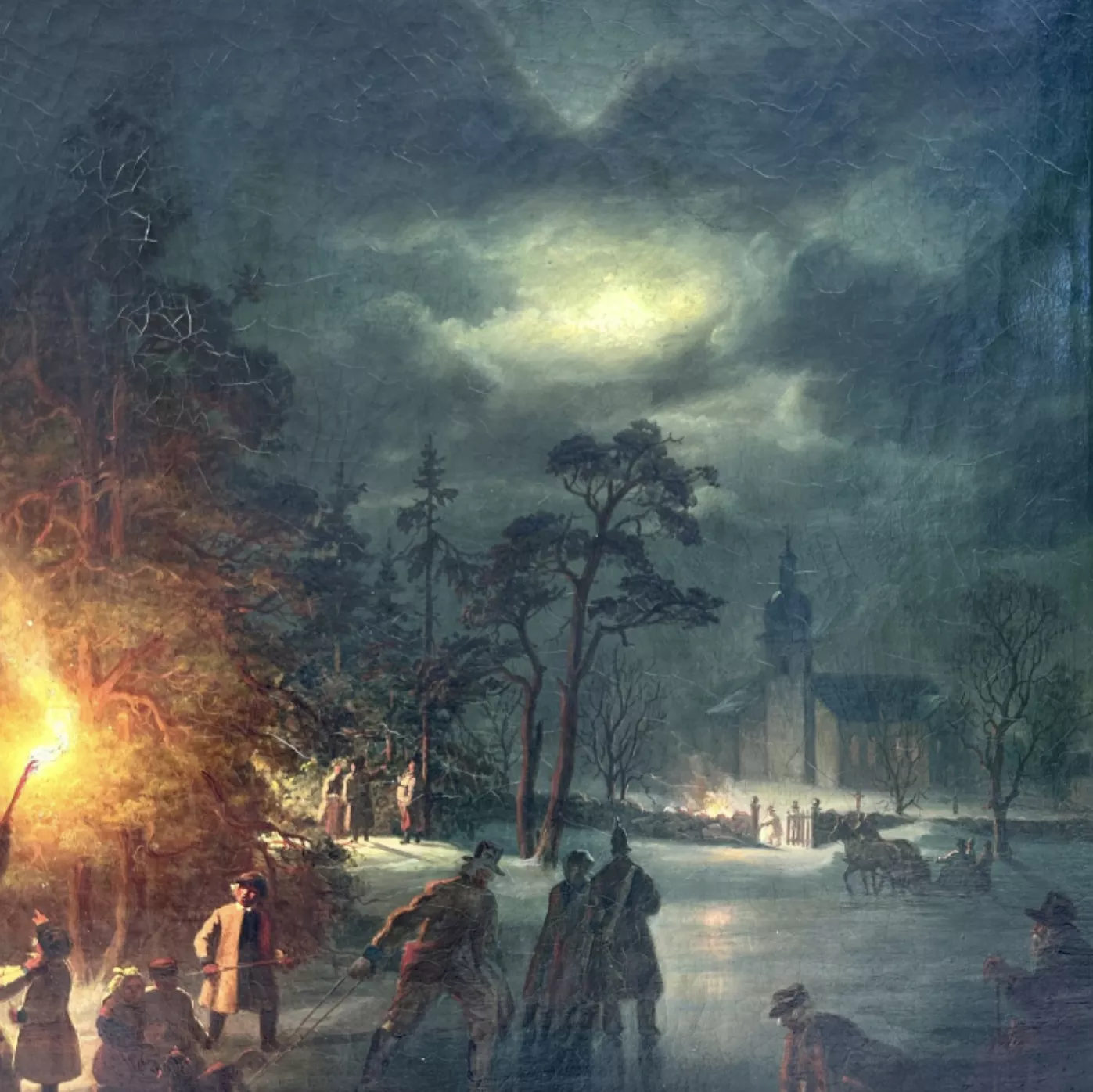
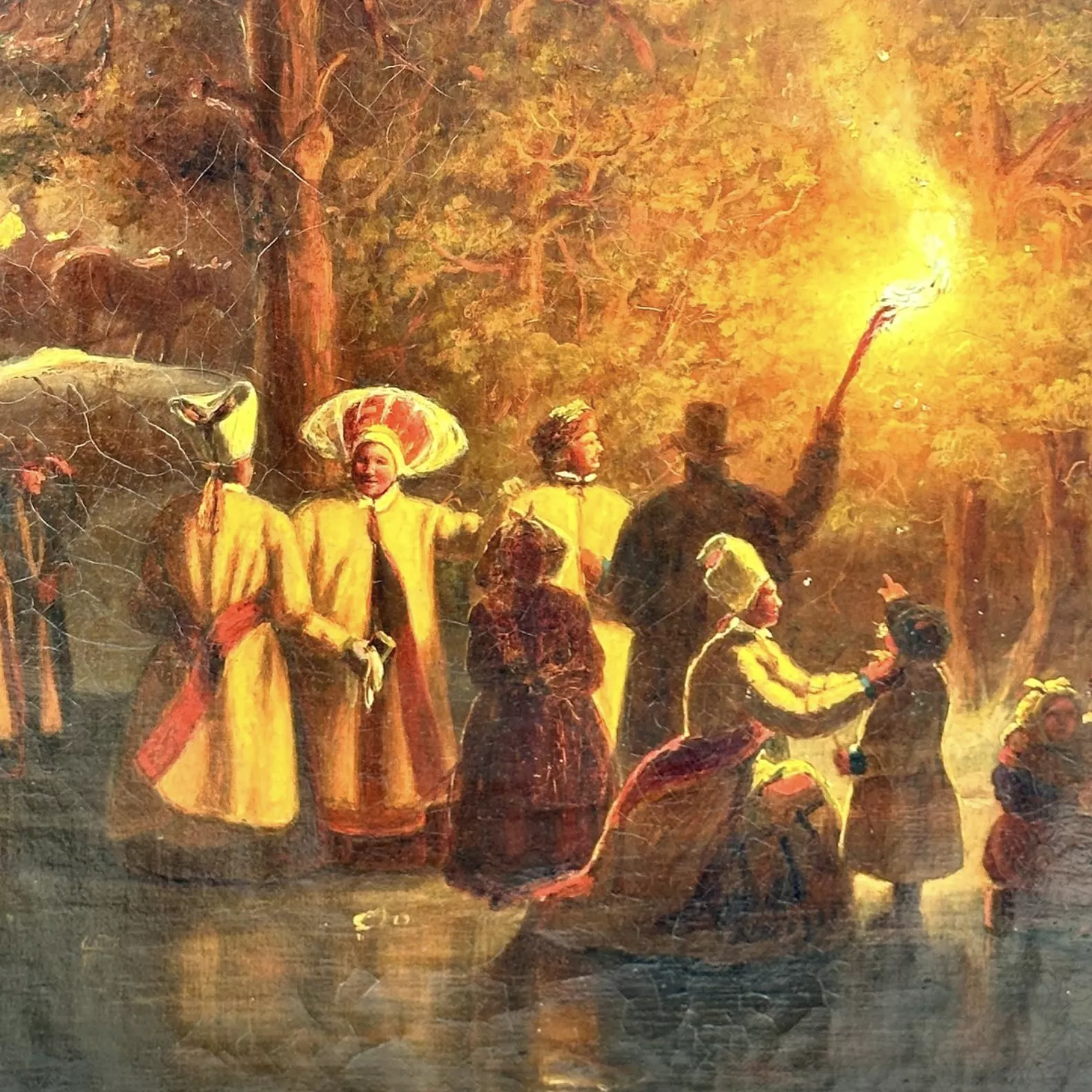
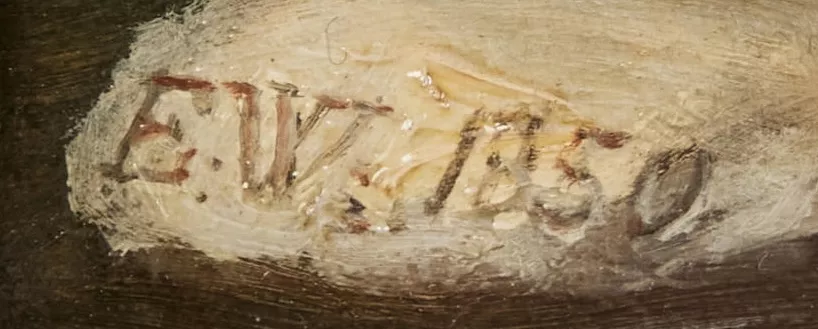
Ernfried Wahlqvist (1840 - 1918) was a Swedish realist painter, renowned for his ability to capture with remarkable fidelity the details of everyday life and the subtle beauty of Nordic landscapes. Born in Stockholm into a middle-class family, he grew up amid the rich landscapes of the Swedish countryside, which would profoundly influence his work. From an early age, he showed remarkable artistic sensitivity, which led him to enter the Royal Swedish Academy of Fine Arts. There, he received rigorous training under the tutelage of Carl Johan Fahlcrantz and was influenced by Scandinavian naturalism, which advocated the faithful representation of nature in all its truth. Wahlqvist continued his apprenticeship in Düsseldorf, at the time a major artistic center in Europe, where he came into contact with the great figures of European realism. There he perfected his technique, devoting himself to a meticulous search for detail and a scrupulous representation of light effects, which were to become central features of his work. His early works, largely influenced by his love of Swedish landscapes, are imbued with a gentle melancholy. His canvases capture the misty forests, sparkling rivers and vast coastal expanses of Scandinavia, translating the stark beauty of the north with almost photographic precision. Wahlqvist's realism doesn't stop at landscapes, however. He was also an accomplished portraitist, carefully immortalizing the Swedish bourgeoisie of the late 19th century. His portraits reveal great technical mastery and a keen sense of psychology, with every look, every expression rendered with remarkable depth. Besides the official and private commissions that make up a significant part of his oeuvre, Wahlqvist finds still life a space for artistic experimentation. His floral compositions, executed with meticulous attention to detail, are a vibrant tribute to nature's most ephemeral elements. Flowers, often the focus of his still lifes, are painted with a precision that reveals their fragility while capturing their radiance and delicacy. These works, imbued with realism but also poetry, bear witness to a unique sensitivity to the simple beauty of things. Despite the recognition his art has won him in Sweden and abroad, Wahlqvist remains a discreet man, deeply attached to his native land. He often prefers solitary retreats to his summer house near the Baltic Sea, where he can observe the infinite variations of light on the water, a subject he never tires of painting. Today, his works remain precious testimonies to his attentive view of the world, a view that, through the rigor of realism, managed to capture the very soul of nature and mankind. Swedish painting in the 19th century took place in a context of profound transformations, both social and artistic. This was a time when Sweden, while still rooted in its rural traditions, was beginning to open up to European influences, thanks in particular to artistic exchanges with Paris, Düsseldorf and Munich, nerve centers of the arts. Swedish artists, trained in local academies such as Stockholm's, gradually emancipated themselves from rigid classicism and turned to more modern currents, in tune with the continent's aesthetic upheavals. Scandinavian naturalism, advocating a sincere and faithful representation of nature, then emerged as a response to the Romantic idealism that had marked the first half of the century. Painters like Marcus Larsson or August Malmström sought to capture the raw majesty of Nordic landscapes, with their vast forests, glistening lakes and changing skies. The obsession with detail and the search for lighting effects characterize these works, where man, often reduced to an isolated silhouette, seems minuscule in the face of nature's grandeur. At the same time, the expanding Swedish bourgeoisie commissioned numerous portraits, encouraging the development of a portraitist tradition, in which artists such as Anders Zorn excelled. Portraiture became a way of celebrating social ascent, while showing a deep interest in the psychology of the models, captured in their most intimate individuality. It was also during this century that Swedish artists began to take an interest in scenes of everyday life. Painters like Carl Larsson, for example, stand out for their depiction of Swedish interiors, bathed in a luminous atmosphere, where everyday life is sublimated by an almost intimate sensibility. Swedish painting in the 19th century was thus marked by a dual dynamic: on the one hand, a quest for realism imbued with poetry in the depiction of nature and simple life, and on the other, a opening up to European influences that considerably enriched and diversified the palette of Swedish artists of the period. The talent of Wahlqvist and the exceptional quality of his works make him an essential draughtsman and painter of twentieth-century Swedish realist art, despite his very short career. The auction market itself plays a role. It offers a competitive setting where collectors and art enthusiasts can vie to acquire unique pieces. This can lead to overbidding and push prices upwards, contributing to the success of Wahlqvist's works. This painting by Wahlqvist immerses the viewer in a wintry night scene, where the flickering light of torches creates a striking contrast with the vast, silent Nordic landscape. The warmth of the flames illuminates the faces of the characters, who seem to vibrate with a unique vitality, while the darkness of the night intensifies around them. The composition, inspired by Roubaud's taste for historical and popular scenes, evokes a dynamic, lively atmosphere, where each figure, in motion, enlivens the stillness of the icy setting. In the background, the moon makes its way through the clouds, offering a cold glow that envelops the painting in a palpable mystery. A church looms in the distance, recalling the reassuring presence of tradition in this wintry landscape. The play of light and shadow, essential here, recalls the art of chiaroscuro, which Wahlqvist masters brilliantly to create an atmosphere both intimate and enigmatic. Like Westchiloff, Wahlqvist energizes the scene with a subtle use of light, where a group of colorful characters gather around a warm hearth, their features illuminated by the flames. In the distance, the church and silhouettes melt into the icy atmosphere, accentuating the solitude inherent in these landscapes, in the manner of Stoiloff, where man often seems small in the face of nature's grandeur. Wahlqvist, through his ability to capture the raw beauty of the Nordic winter, manages to marry this coldness with the warmth of human interaction, revealing a poetry of movement within the icy immobility that characterizes the painting. Ernfried Wahlqvist doesn't always sign his works. Here's an example of his signature on the work above. If you happen to own a work by Ernfried Wahlqvist, don't hesitate to request a free appraisal using our form on our website. A member of our team of experts and chartered auctioneers will contact you promptly to provide you with an estimate of the market value of your piece, as well as ad hoc information about it. If you wish to sell your property, you will also be accompanied by our specialists in order to benefit from alternatives for selling it at the best possible price, taking into account the inclinations of the market. Rating and value of works, paintings, drawings by Eva Gonzal... Eva Gonzalès is a 19th-century Impressionist painter. The price of her works is rising sharply. Learn more > Rating and value of works, paintings by Léon Lhermitte Léon Lhermitte was a 19th-century naturalist painter who produced drawings and oil paintings that are highly prized at auction. Learn more > Quote and value of sculptures, bronzes and lighting by Franz... Franz Xavier Bergmann was a 19th-century Austrian foundryman who produced works of great value at auction. Learn more > Estimated Between €800 and €1,500 Alexandre ROUBTZOFF (1884-1949), View of Notre Dame de Paris, oil on canvas Estimated Between €5,000 and €8,000 KRACHKOWSKY (1854-1914), Before the storm, oil on canvas Estimated 400 - 600 Pascal DAGNAN-BOUVERET (Paris 1852-1929 Quincey) La sieste du chat au seuil du grenier, Oil on cardboard Estimated 800 - 1.500 Pascal DAGNAN-BOUVERET (Paris 1852-1929 Quincey) Still life with apple and books, Oil on cardboard Estimated 2.000 - 4.000 Charles LACOSTE (1870-1959) Starry night, Oil on paper mounted on canvas Estimated 5.000 - 8.000 Robert PINCHON (1886-1943) View of a port on the banks of the Seine, Oil on canvas Secure site, anonymity preserved Auctioneer approved by the State Free and certified estimates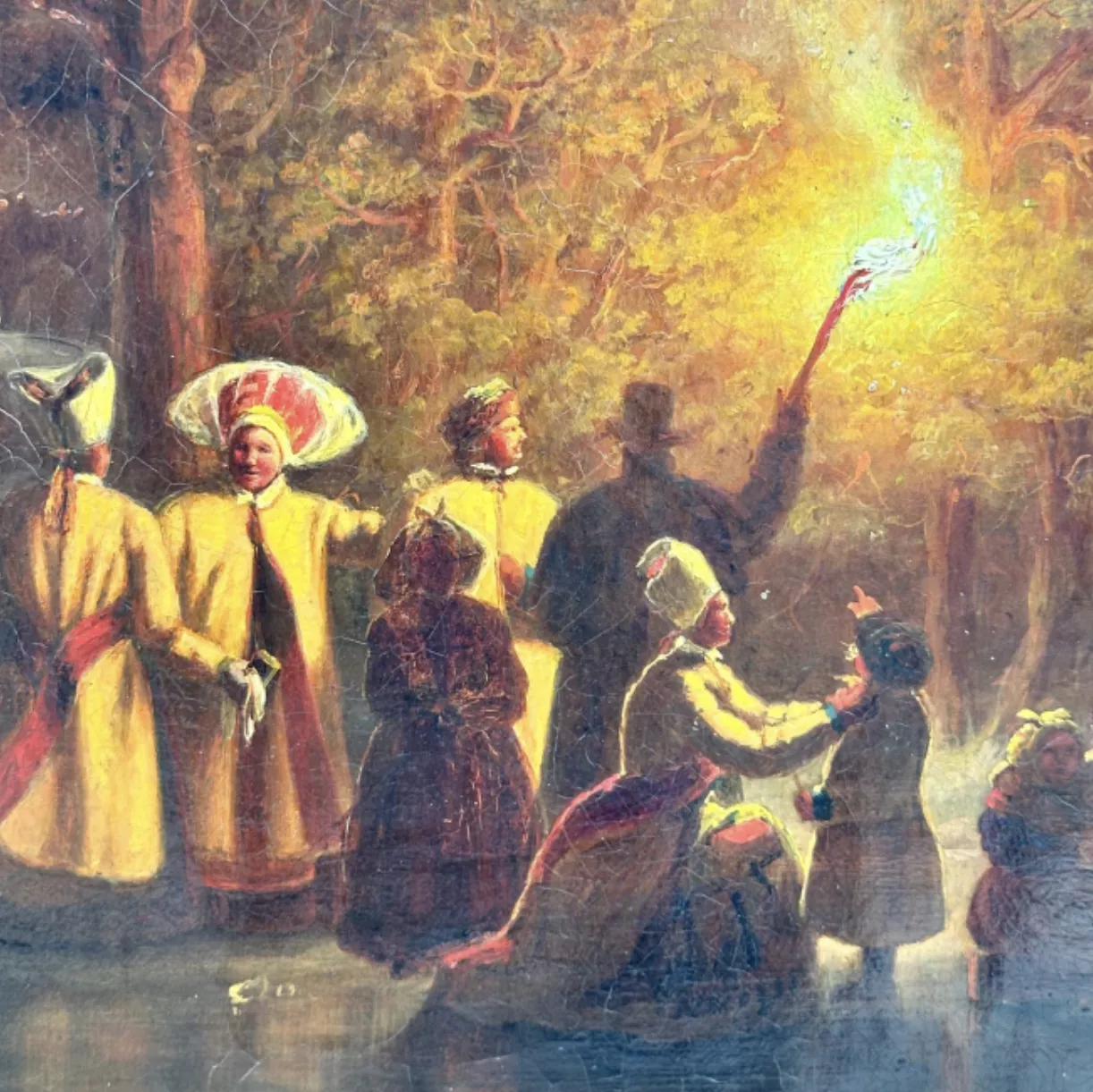
Ernfried Wahlqvist, 19th-century Swedish realist
Context : Swedish painting in the 19th century
The success of Ernfried Wahlqvist's works at auction
Focus : Stockholm on the frozen lake, E. Wahlqvist
Recognizing the artist's signature
Ask for the value of a work by Ernfried Wahlqvist
Estimate in less than 24h
Discover in the same theme


Similar works sold at auction


Frequently asked questions
