



Rating and value of paintings by Ferdinand Hart Nibbrig

Key takeaways
- Ferdinand Hart Nibbrig, a Dutch Luminist painter (1866–1915), has seen stable prices in recent years on the French, American, and Venezuelan markets.
- Medium-sized oil-on-canvas paintings sell for between €10,000 and €50,000, with a record price of €125,000 set by *Seaside View* in 2023.
- Prints, drawings, and watercolors range from €10 to €8,500 depending on the technique, while the condition and provenance strongly influence the value.
If you own a work by or based on the work of artist Ferdinand Hart Nibbrig and would like to know its value, our state-approved experts and auctioneers will guide you.
Our specialists will carry out a free appraisal of your work, and provide you with a precise estimate of its value on the current market.
Then, should you wish to sell your work, we'll direct you to the best possible arrangement to obtain the optimum price.
Rating and value of the artist Ferdinand Hart Nibbrig
Considered one of the leading Dutch luminist painters, Ferdinand Hart Nibbrig enjoyed a certain notoriety on the market during his lifetime. After his death, his value fell slightly, before rising and stabilizing in recent years.
Mostly present on the French, American and Venezuelan markets, the artist has established himself as a rising star on the art market.
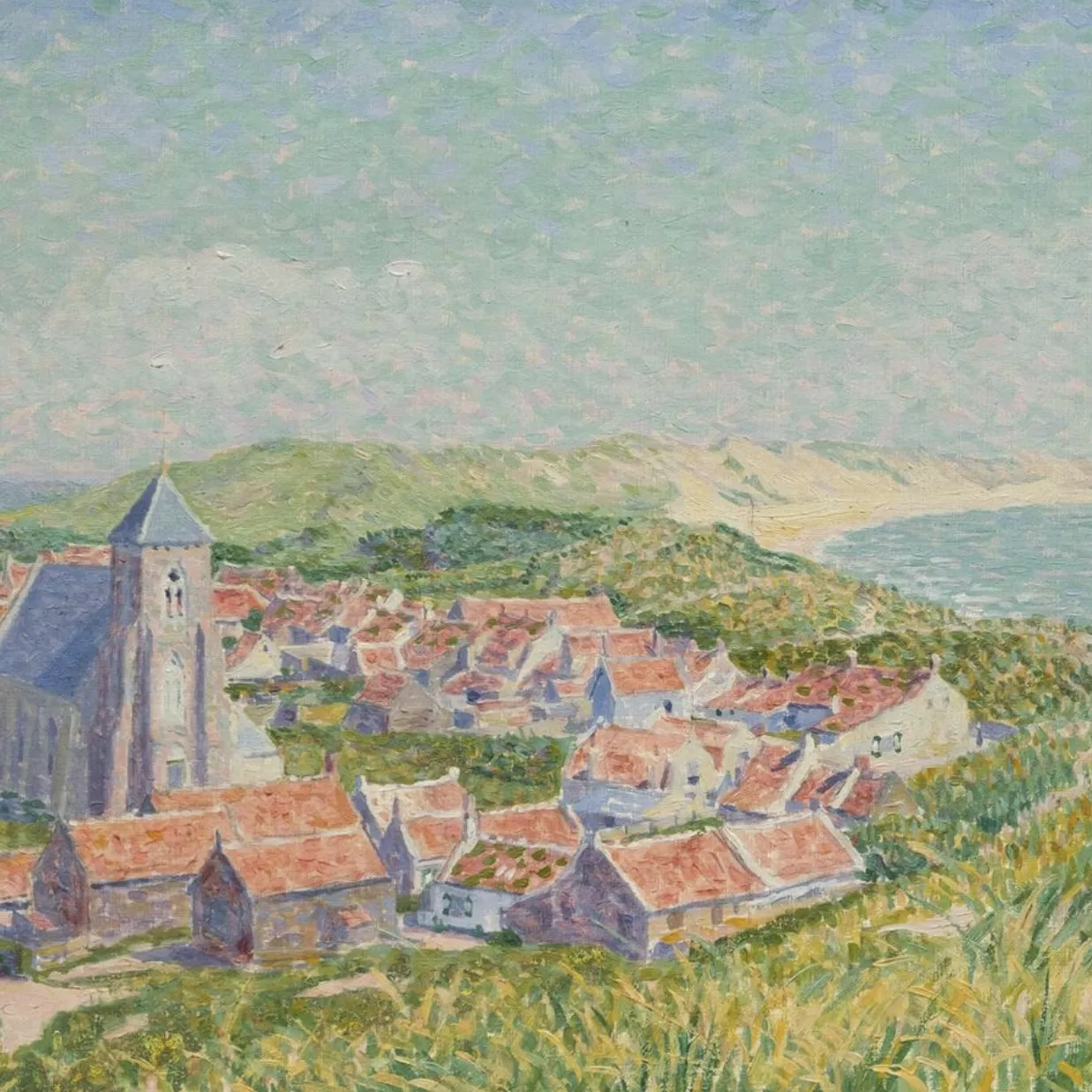
A work signed by him can fetch around a hundred thousand euros at auction. His oil on canvas Vue de bord de mer, dating from 1903 sold for €125,000 in 2023, whereas it was estimated at between €6,000 and €8,000.
Order of value from the most basic to the most prestigious
Technique used | Result |
|---|---|
Estamp - multiple | From €10 to €820 |
Drawing - watercolor | From 350 to 8 500€ |
Painting | From 180 to 136 130€ |
Estimate in less than 24h
Style and technique by artist Ferdinand Hart Nibbrig
Ferdinand Hart Nibbrig (1866 - 1915) was a Dutch artist influential in the transition from realism to luminism. Trained at the Amsterdam academy, then at the Beaux-Arts in Paris, he was influenced by French realism, notably by Jean-François Millet and the painters of Barbizon.
Reduced by the pointillism of Seurat and Signac, during his stays in France he adapted this technique to a brighter palette and typically Dutch subjects. His style evolves towards a form of Nordic luminism, where light becomes a subject in its own right, influenced also by Jan Toorop and symbolism.
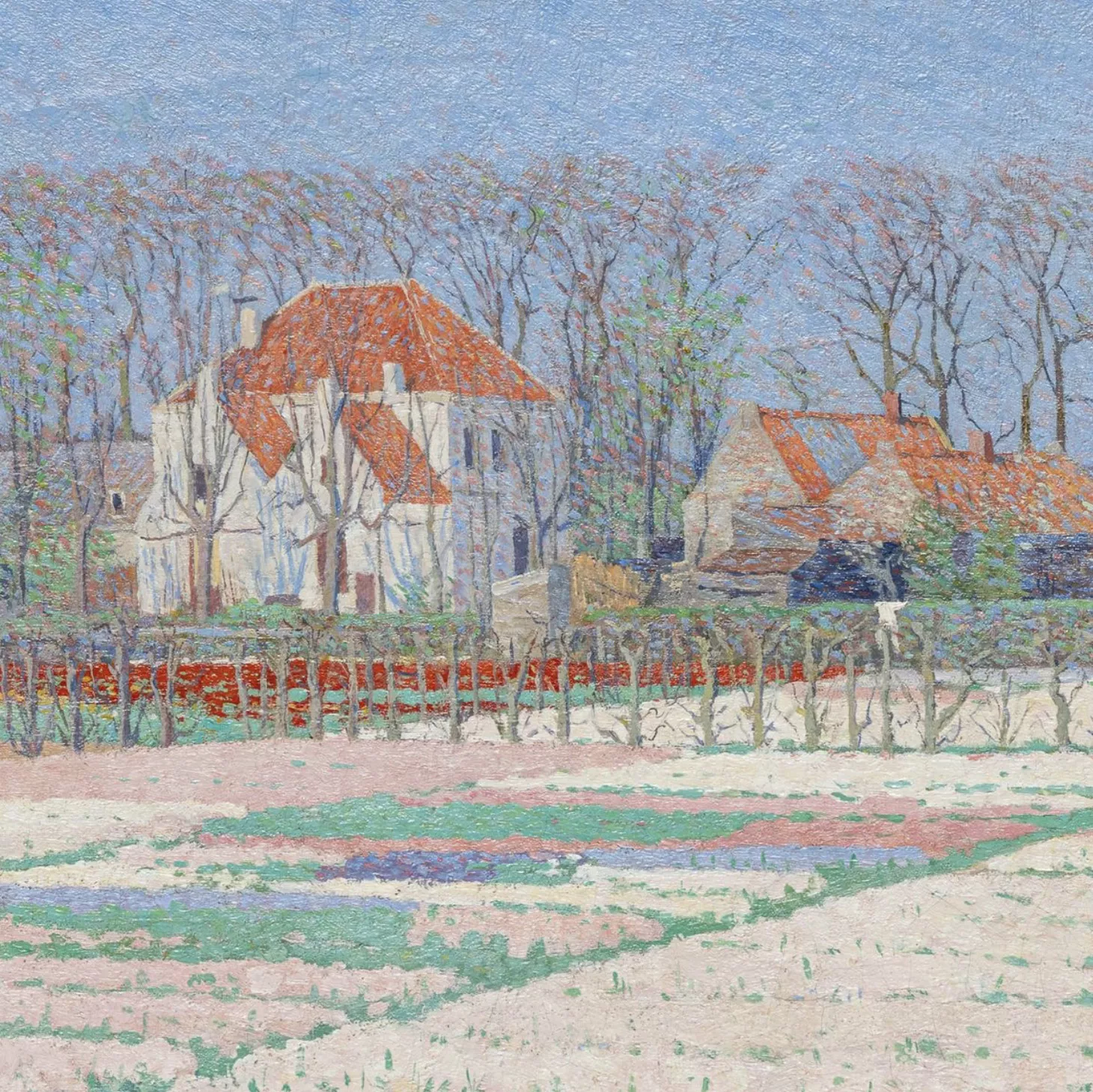
He employs a dotted or divided brushstroke, often more and less rigid than that of the French neo-impressionists. His palette is light, dominated by tones of yellow, white, pink and blue, which convey the brightness of daylight and the subtle interplay of shadows.
He works on medium-format canvas, sometimes on panel, favoring a light underlying drawing, almost effaced in the overall effect, and makes masterful use of atmospheric perspective, reinforced by chromatic transitions rather than linear depth.
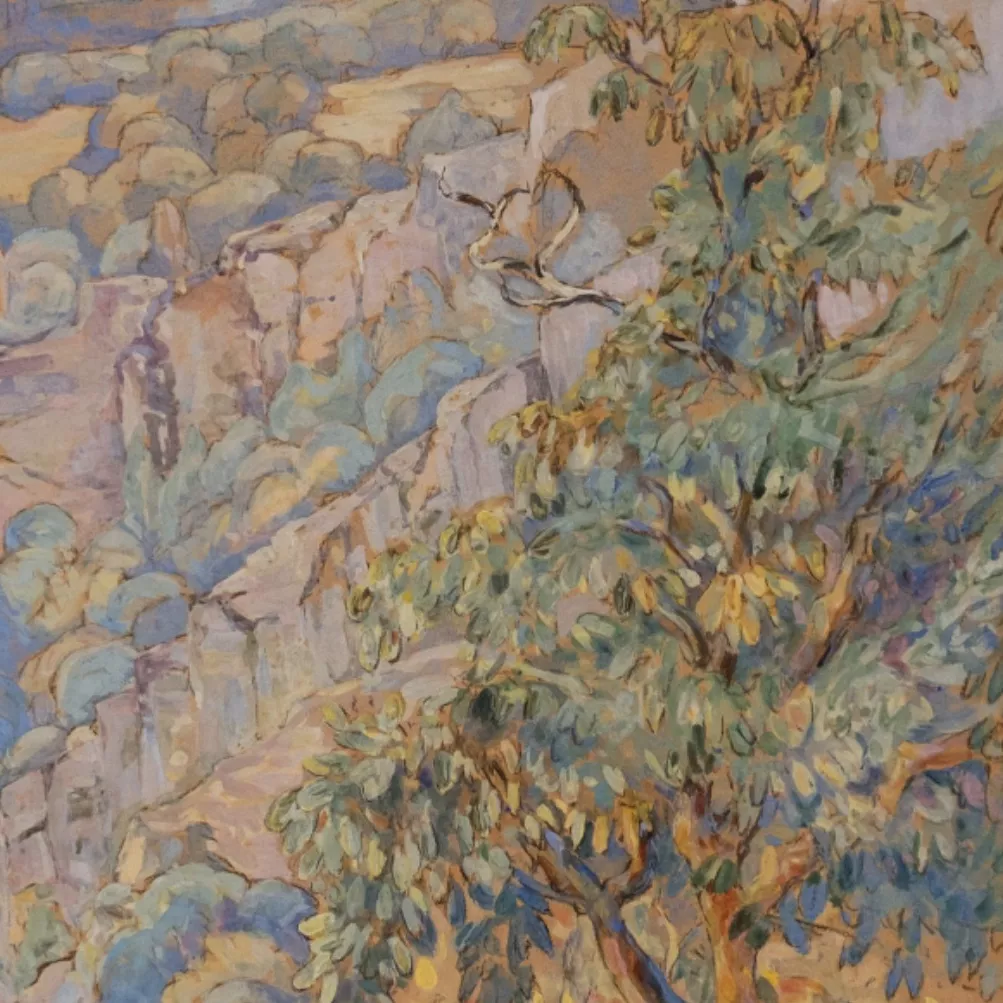
He also practiced drawing and engraving, but it was in oil painting that he achieved his greatest mastery, depicting Batavian landscapes (fields of flowers, dunes, rivers, village scenes, which are always bathed in daylight.
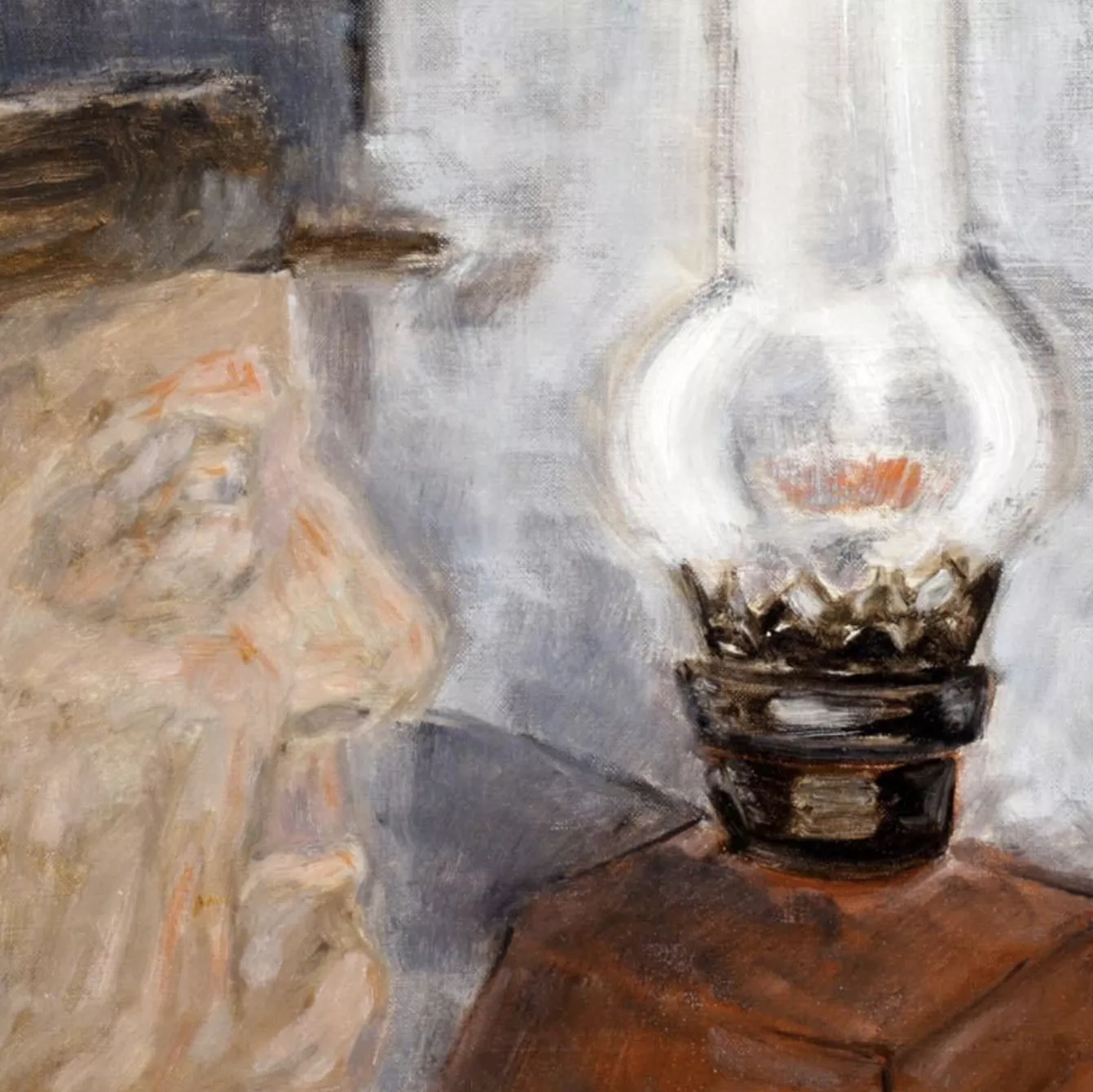
Nibbrig also depicts the modern city, sometimes interiors or genre scenes, but in a more decorative vein. Nature never stands still, but is animated by the breath of light, reflecting a spiritual relationship with the landscape.
Through his works, Ferdinand Hart Nibbrig achieves an original fusion between the scientific rigor of pointillism and Dutch luminous sensibility, inherited from old masters such as Vermeer or Van Goyen.
His style is distinguished from his contemporaries by a meditative, poetic yet constructed approach, bordering on decorative abstraction in some late works.
He occupies a singular place between Impressionist, Neo-Impressionist and Symbolist currents, while asserting a national pictorial identity.
Results for artist Ferdinand Hart Nibbrig
Works reported for sale by the artist range in price from under €200, for lithographs or minor drawings, to over €135,000 depending on format, technique and importance of subject matter.
Medium-sized oils on canvas (40 - 60 cm) often fetch between €10,000 and €50,000, or even more depending on quality. His Zoutelande painting, for example, fetched €40,000.
Prices are also influenced by format and subject : emblematic Dutch landscapes (bulb fields, Laren scenes, coastal views) are the most sought-after, particularly in the pointillist, luminist style characteristic of the artist at the turn of the 20th century.
Small formats and studies or his graphic pieces are often valued at between €1,500 and €5,000, such as the painting Voorjaar, estimated at €1,500 - €2,000, or Gleaners estimated at between €5,000 and €7,000.
Factors influencing the value of the artist's works are above all provenance, but also previous exhibition (inclusion in catalogs raisonnés or museum collections), and presence in reference galleries and editions such as the Singer Laren Museum or Colen & Willemstein publications notably increase the artist's rating.
A correct state of preservation, a legible signature and classic dimensions also reinforce interest in this artist. Thus, his major works (Dutch subjects, landscapes) are sold for between €20,000 and €50,000, with the most emblematic pieces averaging up to €60,000.
The life of Ferdinand Hart Nibbrig
Ferdinand Hart Nibbrig (1866 - 1915), was a Dutch painter at the crossroads of realism, luminism and symbolism. He was born in Amsterdam into a bourgeois Protestant family open to modern ideas. He studied at the Rijksakademie van beeldende kunsten in Amsterdam (Royal Academy of Fine Arts), then continued his training at the Académie Julian in Paris, where he discovered modern trends in painting.
He became familiar with French realism (notably Millet and Courbet) and opens up to the theories of Neo-Impressionism and the work of Seurat and Signac. He began with classically executed landscapes, influenced by the Dutch tradition, before turning to a more luminist, pointillist approach.
From 1892, he moved to Laren, an artists' village, where he joined the Laren School, a movement close to Barbizon but Dutch-style.
He became one of the leading exponents of Dutch luminism, with works that celebrated natural light, flat Dutch landscapes, tulip fields, dunes and silent interiors.
The artist also frequented Jan Toorop and theosophical circles, which would influence his artistic vision of a landscape bearing spiritual values.
In 1895, he married Lide Doorman, herself a painter, and the couple shared a simple, spiritually committed lifestyle. From 1900 onwards, he became close to the Theosophical movement, which influenced his perception of the world, his inner light and his view of nature.
Despite a discreet temperament, he took part in several exhibitions, notably at the Salon des Indépendants in Paris and in Dutch galleries.
The painter died in Amsterdam in 1915, aged 49. His work remains partially unknown internationally, but is regularly exhibited in the Netherlands (Singer Laren Museum and Kröller-Müller Museum). Today, he is regarded as an essential link between the Hague School, Impressionism and Dutch luminist modernism.
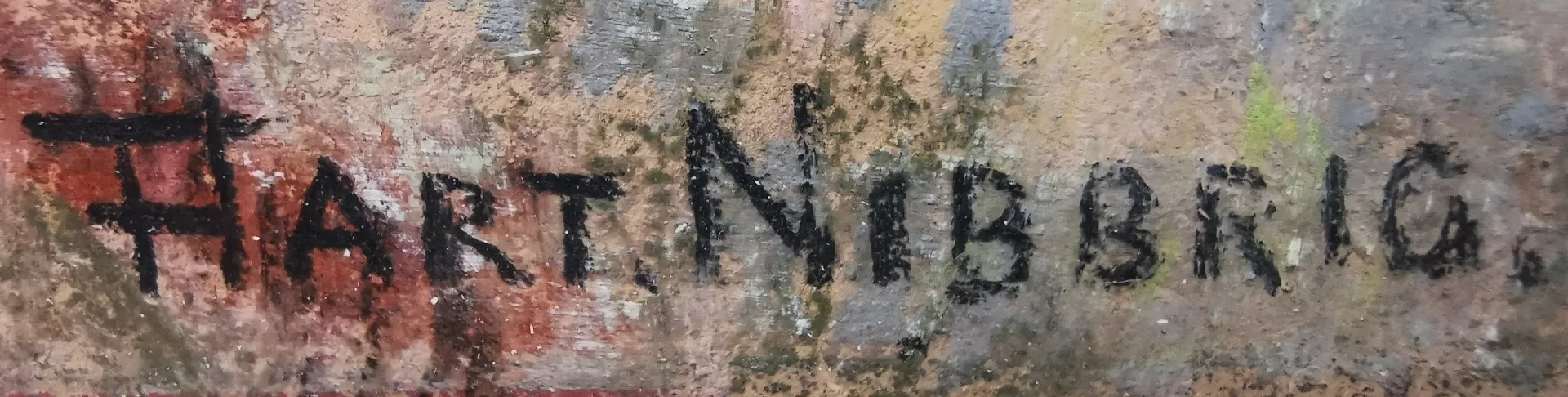
His signature
Not all of Ferdinand Hart Nibbrig's works are signed.
Although there are variations, here is a first example of his signature:
Expertise your property
If you own a work by Ferdinand Hart Nibbrig, don't hesitate to request a free appraisal by filling out our online form.
A member of our team of experts and certified auctioneers will contact you to provide an estimate of the market value of your work.
If you are considering selling your work, our specialists will also guide you through the various alternatives available to obtain the best possible price, taking into account market trends and the specific features of each work.
Estimate in less than 24h
Discover in the same theme

Rating and value of paintings by Louis Van Engelen
Louis Van Engelen is a 19th-century Flemish artist who produced paintings that are highly regarded and valued on the auction market.
Learn more >

Rating and value of Hiroshige prints and etchings
Hiroshige is a Japanese landscape engraver who produced prints that are highly valued at auction. Estimated in 24h.
Learn more >

Rating and value of paintings by Alphonse Osbert
Alphonse Osbert was a 19th-century Symbolist painter who produced paintings that are highly valued at auction.
Learn more >
D'autres tableaux impressionnistes vendus aux enchères

Estimated 6.000 - 8.000
Mikhail Markianovich GUERMACHEFF (1867 - 1930) House under the snow, oil on canvas

Estimated 2.000 - 4.000
Jean DUFY (1888-1964) Vase of anemones, Watercolor

Estimated 600 € - 800 €
Henri ZUBER (1844-1909), Bridge at Artemare. Oil on canvas.

Secure site, anonymity preserved

Auctioneer approved by the State

Free and certified estimates
Frequently asked questions
-
Who is Ferdinand Hart Nibbrig, and what is his artistic background?Ferdinand Hart Nibbrig (1866–1915) was an influential Dutch painter who blended realism, luminism, and symbolism. Trained in Amsterdam and at the École des Beaux-Arts in Paris, he drew inspiration from the Pointillism of Seurat and Signac, which he adapted to a luminous palette characteristic of Northern Europe. A member of the Laren School and closely associated with the Theosophical movement, he is considered a key link between Impressionism and Dutch Luminist modernism.
-
What are the values and market prices of Ferdinand Hart Nibbrig's works?Prices for Hart Nibbrig’s works vary considerably depending on the medium: prints range from €10 to €820, watercolors and drawings from €350 to €8,500, and oil paintings from €180 to €136,130. His medium-sized oil-on-canvas works (40–60 cm) generally sell for between €10,000 and €50,000, while his small-format works and studies range from €1,500 to €5,000. Iconic Dutch landscapes and works in the luminist pointillist style are the most sought-after.
-
How can I have a work by Ferdinand Hart Nibbrig authenticated and appraised?To authenticate and appraise a work by Hart Nibbrig, we recommend that you request a free appraisal from Auctie's by filling out our online form. A state-certified expert or auctioneer will contact you to provide an accurate estimate of your artwork’s market value, with no obligation on your part.
-
Is this the right time to sell a work by Ferdinand Hart Nibbrig?Yes, now is a good time to sell a work by Hart Nibbrig. After a decline in his market value following his death, the market has stabilized, and the artist is emerging as a rising star, particularly in France, the United States, and Venezuela. His Dutch luminist landscapes are attracting growing interest among contemporary collectors.
-
What factors influence the value of a work by Ferdinand Hart Nibbrig?Provenance, previous exhibition history (inclusion in catalogs raisonné, museum collections, or leading galleries such as the Singer Laren), and condition are the main factors. The subject matter (iconic Dutch landscapes such as tulip fields or coastal scenes), the characteristic pointillist technique, a legible signature, and standard dimensions also increase the artist’s value.
