



Rating and value of works, sculptures, bronzes by Chana Orloff

Key takeaways
- Works by Chana Orloff, a major 20th-century sculptor, sell for between €320 and €4,000, with her bronze sculptures fetching up to €210,850 at auction.
- Her iconic bronze sculpture “Torse,” sold in 2012, exceeded its low estimate by more than four times, demonstrating a steadily rising market value among collectors.
- Her creations, which combine refined minimalism, rounded forms, and emotional depth—and are particularly prized in France—require expert authentication to verify their authenticity, as she did not consistently sign her works.
If you own a work by or after the artist Chana Orloff, and would like to know its value, our state-approved experts and auctioneers will offer you their appraisal services.
Our specialists will work to carry out a free appraisal of your work, and will provide you with an accurate estimate of its value on the current market.
Then, if you wish to sell your work, we will direct you to the best possible arrangement to obtain the optimum price.
Rating and value of the artist Chana Orloff
Chana Orloff is an artist appreciated by collectors of modern art sculptures. Now, prices for her creations are rising at the auctioneers' gavel, especially her mythical " Torse " sculptures.
Her creations are particularly prized, especially by French buyers, and the price at which they sell on the art market ranges from €320 to €4,000, a significant delta but one that speaks volumes about the value that can be attributed to the artist's works.
In 2012, a bronze sculpture, Torse, was sold for €210,850, while it was estimated at between €54,500 and €78,000, almost four times the low estimate. Its value is on the rise.
Order of value from a single work to the most prestigious
Technique used | Result |
|---|---|
Drawing - watercolor | From €40 to €1,500 |
Estamp - multiple | From €100 to €2,600 |
Painting | From €300 to €35,000 |
Sculpture.- volume | From €100 to €210,850 |
Estimate in less than 24h
Style and technique of artist Chana Orloff
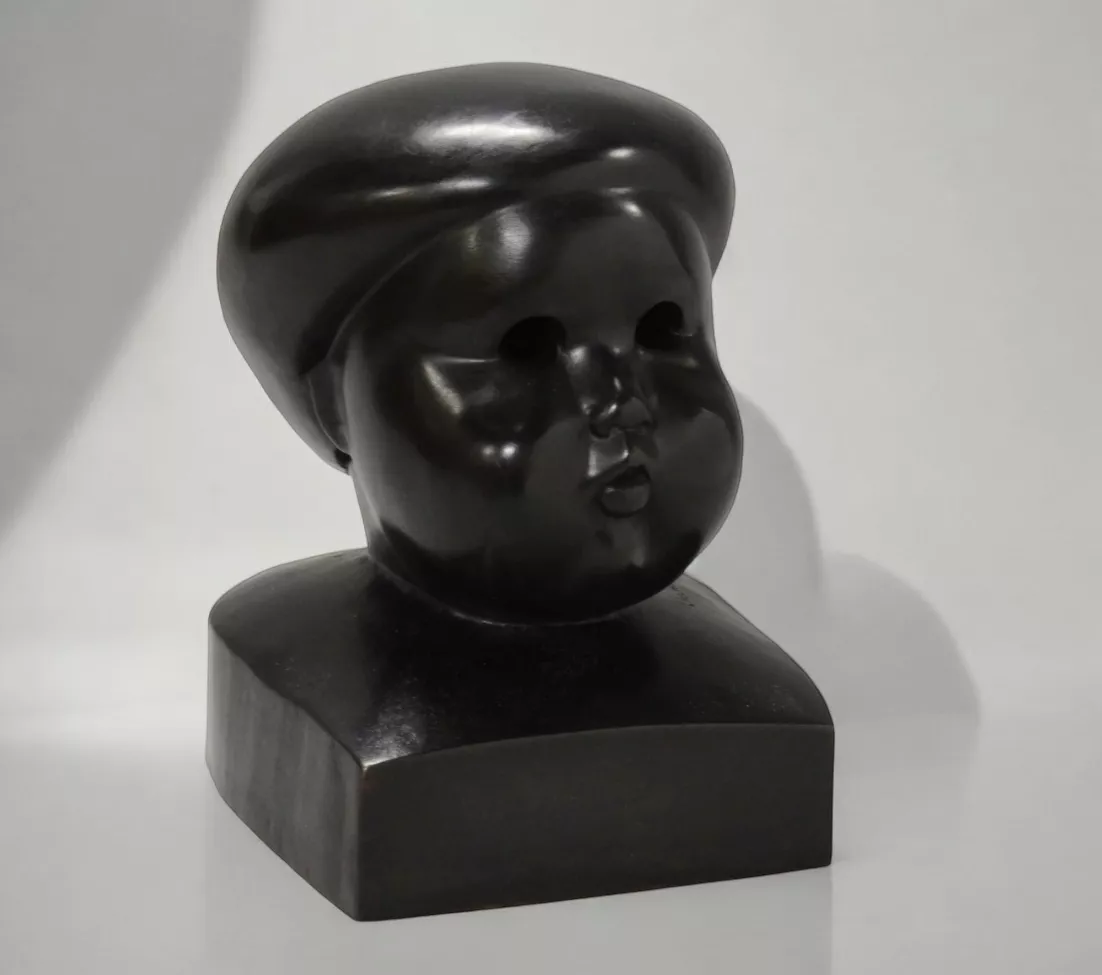
Chana Orloff, a major figure in modernist sculpture, is distinguished by a style imbued with simplicity and elegance, where softness of form is combined with powerful expressiveness.
Orloff, self-taught, developed a unique technique distinguished by its clean lines and an often soberbut deeply emotional rendering.
Her work, characterized by the depiction of human and animal figures, demonstrates great sensitivity, yet is marked by a certain modernity that defies classical conventions.
Chana Orloff's style is based on a form of minimalist elegance. Far from excessive detail or extreme realism, she favors fluid, often rounded lines that give her sculptures an impression of contained movement.
Her subjects, often female, are treated with a certain monumentality, even when they are small in size. She manages to capture the essence of the human figure with an economy of means, each form seemingly distilled to its simplest form, while retaining great expressive intensity.
Her technique is based on a subtle manipulation of materials, mainly bronze and stone, which she works with remarkable finesse. Orloff sculpts with a strong sense of proportion and harmony. Her figures, often stylized, show a perfect mastery of volume and curves.
In her sculptures, we find a sensuality and softness in the forms, particularly in the way she sculpts faces and bodies, which she strips of all superfluous detail to retain only the essential. It's this masterful minimalism that lends her works a particular timelessness, at once modern and classic.
One of the most notable aspects of her work is the serenity that emanates from her sculptures. Whether portraits of women, maternities or animals, Orloff always manages to transmit a gentle emotion, an almost meditative calm.
His maternities, for example, express the tenderness and complicity between mother and child with disarming simplicity. The mother's body is often depicted in full, rounded forms, while the child is gently curled up against her, in an almost sacred fusion.
Orloff also draws on a Symbolist and spiritual vein, influenced by her time and the artistic circles she frequented in Paris, notably the Jewish artists of the École de Paris.
Her sculptures, though rooted in a certain modernity, carry with them an emotional and symbolic depth, often evoking universal themes such as maternity, femininity and family life.
The artist's career and the world of Chana Orloff
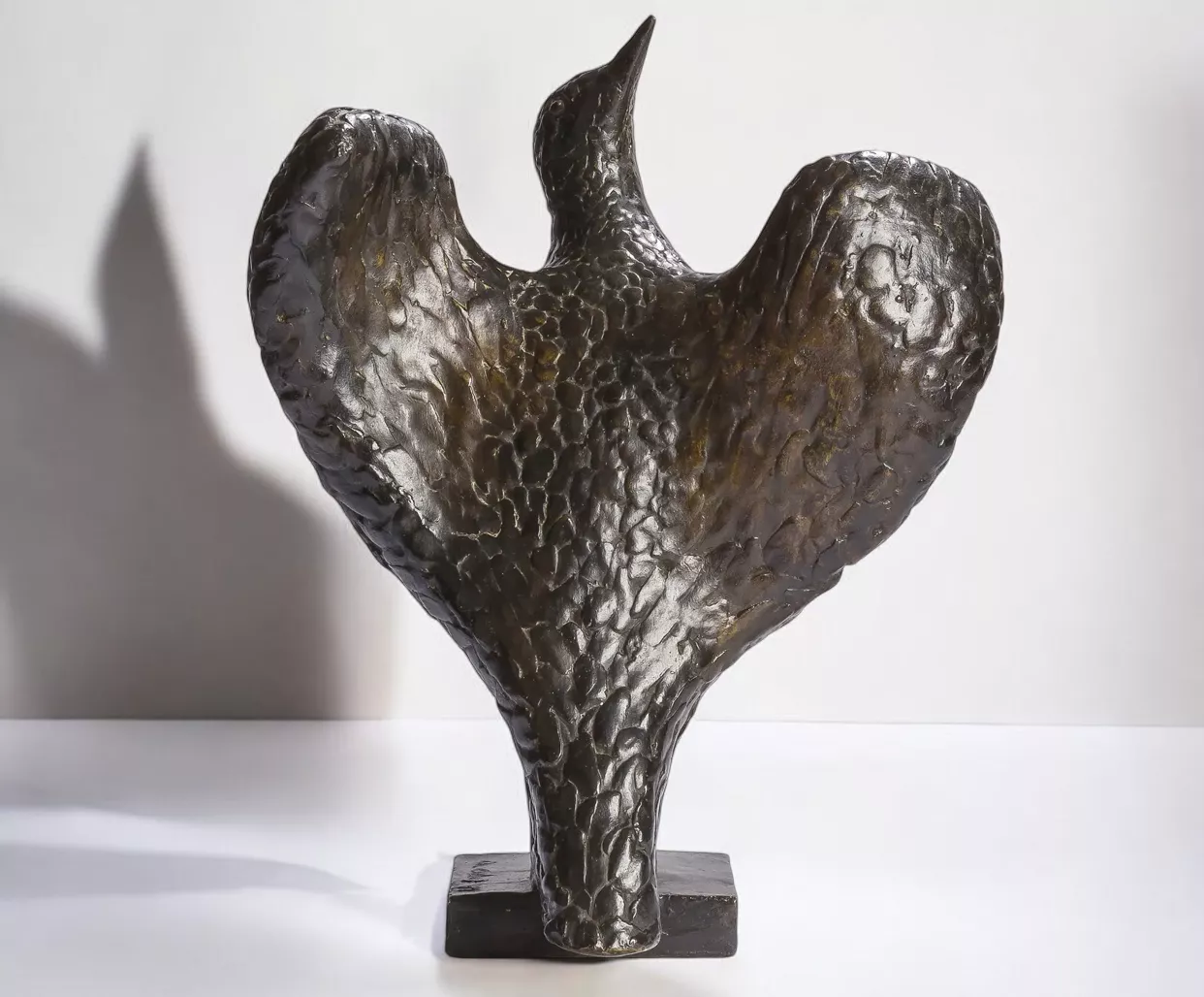
Chana Orloff (1888-1968) is an essential artist of the 20th century, whose life reflects a journey marked by resilience, innovation and creativity.
Born in a small town in Ukraine, then part of the Russian Empire, she was forced to emigrate with her family to Palestine in 1905 to escape anti-Semitic persecution. It was here that she discovered her interest in art, particularly drawing, but it wasn't until Paris, where she settled in 1910, that her destiny as an artist took shape.
Paris, at the time, was the nerve center of artistic modernity, and it was here that Chana Orloff found her way.
She attended the Académie de la Grande Chaumière and befriended the great names of the Parisian avant-garde, such as Modigliani, Picasso, and Soutine. Although largely self-taught, she quickly carved out a place for herself within this artistic community.
Sculpture became a favored means of expression for her, although she also painted, drew and etched, and she developed a unique style that combined simplicity of form with emotional depth.
During the 1920s, Orloff enjoyed rapid ascent and success. She exhibited her work at prestigious salons and gained recognition for her sculptures of female figures, maternities and portraits of artists.
Her ability to capture the essence of the people she sculpted, with clean lines and harmonious volumes, won her numerous commissions, including portraits of celebrities of the time.
Her personal life was marked by difficult times, including the loss of her husband, Ary Justman, to the Spanish flu pandemic in 1919, when they had just married and had a son.
Orloff, now a widow and mother, nevertheless continued to produce numerous works, the hardships she endured nourishing her work. This resilience is reflected in the gentleness and strength of her sculptures, where the themes of motherhood and family are recurrent.
World War II turned her life and career upside down. As a Jew, Orloff was forced to flee Paris in 1942 for Switzerland. During this period, she lost many of her works, which were destroyed or looted.
However, after the war, she returned to Paris and resumed her artistic activity with vigor and determination. She even managed to recreate some of her lost works, while continuing to explore new themes and approaches.
Chana Orloff spent her last years in Paris, where she continued to sculpt until her death in 1968. Her studio in Montparnasse became an emblematic place of creation, testifying to her dedication to art and her influence on the Parisian art scene.
Today, her work is celebrated around the world, and her sculptures, of great humanity and remarkable finesse, continue to inspire.
In this way, Chana Orloff's life reflects a complex era, marked by political and social upheaval, but also by a tireless artistic quest.
Through her creations, she has been able to transform her personal trials into a timeless work, full of sensitivity and grace.
Portrait of Chana Orloff by France Culture
Focus on Torso (bronze) by Chana Orloff
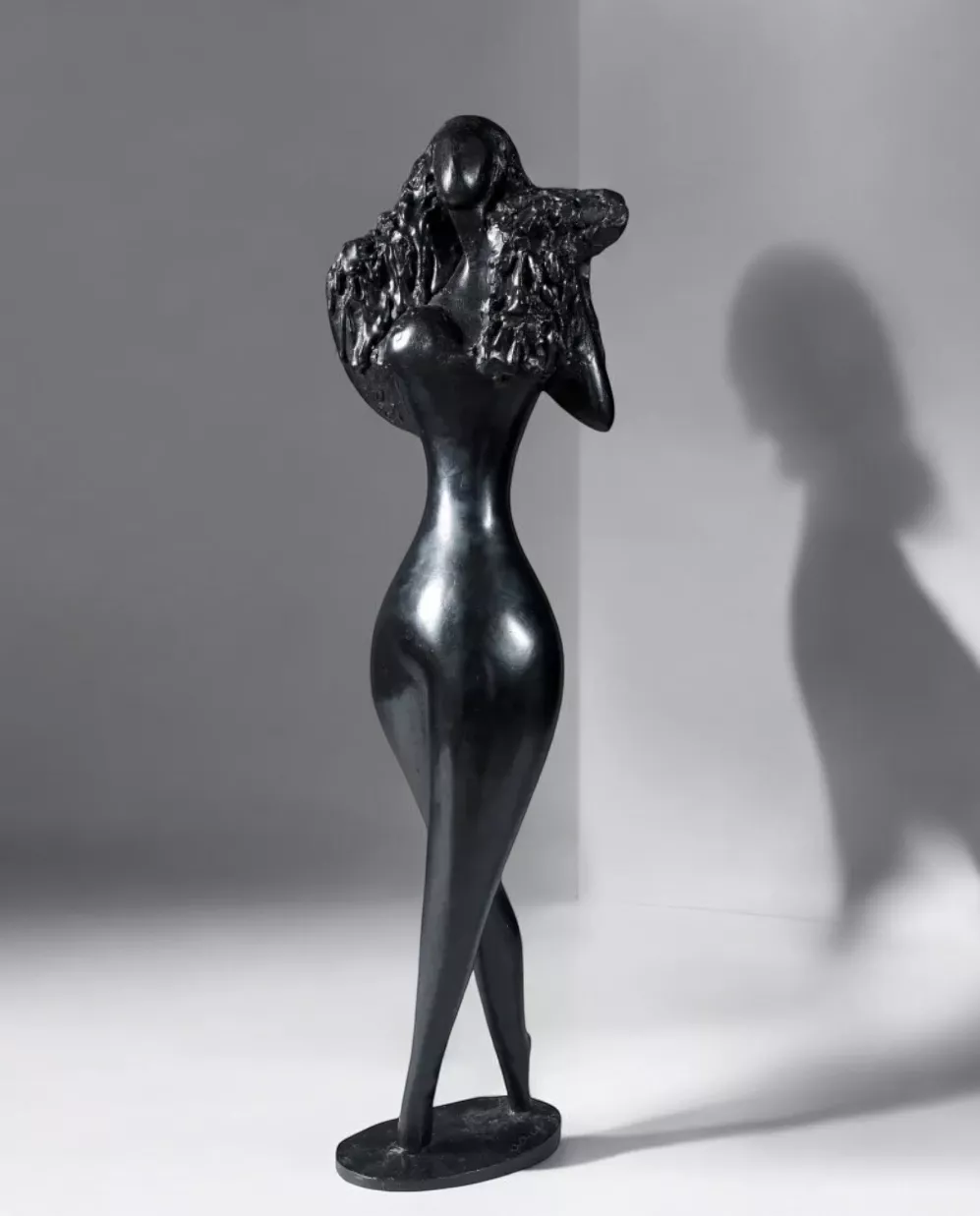
Chana Orloff's Torso is a work that perfectly embodies her style, which is both pared-down and imbued with gentleness. This sculpture, of great formal simplicity, nevertheless expresses remarkable depth.
Orloff succeeds, working with fluid lines and rounded volumes, in capturing the essence of the human figure while simplifying it. This Torse doesn't lose itself in detail, but on the contrary, says a lot with little.
The body, reduced to its most essential forms, exudes a quiet strength. We feel the almost palpable presence of matter, but also a surprising lightness.
The work with curves, so characteristic of Orloff, creates a soothing harmony, while remaining resolutely modern. This dialogue between full and empty, visible and absent, lends the work a fascinating balance.
It's interesting to see how this work celebrates the female body without being too realistic. It magnifies it, symbolizes it, yet retains a certain intimacy.
This Torse is above all a celebration of the universal beauty of the human body, a tribute to femininity in its purest, timeless form.
Chana Orloff's imprint on her period
Chana Orloff has made a significant contribution to art and culture, although she is not widely known to the general public. Her own works reflect the influence of the artistic movements of her time.
Her works are highly rated on today's art market, the value they achieve at auction is constantly rising, these are highly sought after by private collectors.
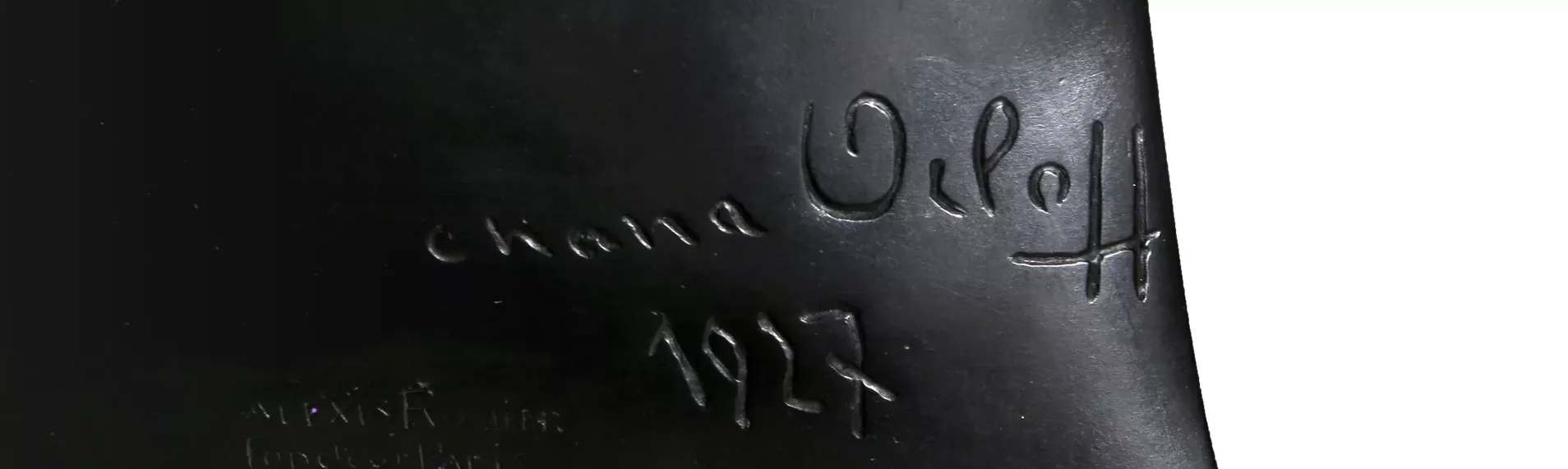
Recognizing the artist's signature
Chana Orloff does not necessarily sign her works. Copies may exist, which is why expertise remains important.
Knowing the value of a work
If you happen to own a work by or after Chana Orloff, don't hesitate to request a free appraisal using our form on our website.
A member of our team of experts and chartered auctioneers will contact you promptly to provide you with an estimate of the market value of your work, as well as ad hoc information about it.
If you are considering selling your work, you will also be accompanied by our specialists in order to benefit from alternatives for selling it at the best possible price, taking into account market inclinations.
Estimate in less than 24h
Discover in the same theme

Rating and value of works, drawings, paintings by Henry Emil...
HenriyEmile Vollet is a 20th-century Orientalist painter whose drawings and oil paintings are highly prized at auction.
Learn more >

Rating and value of works, sculptures and bronzes by Camille...
Camille Alaphilippe is a French sculptor who produced works in the Art Nouveau movement that are highly regarded and valued.
Learn more >

Rating and value of paintings, drawings and sculptures by Ni...
Nicolas Schöffer is a twentieth-century artist whose paintings and sculptures are highly prized at auction.
Learn more >
Similar works sold at auction

Estimated Between €1,500 and €3,000
Renato CARVILLANI (1896-1986), seated woman, gilded bronze print

Estimated Between €1,500 and €3,000
César BALDACCINI dit CESAR (1921-1998), Poule Cartier, bronze print

Estimated Between €10,000 and €20,000
Baltasar LOBO (1910-1993), female nude in bronze

Estimated Between €5,000 and €8,000
Jean MIOTTE (1926-2016), acrylic on canvas

Estimated 20.000 - 30.000
Chaffic ABBOUD (1926-2004) "La visite", Oil on canvas

Secure site, anonymity preserved

Auctioneer approved by the State

Free and certified estimates
Frequently asked questions
-
Who was Chana Orloff, and what was her artistic background?Chana Orloff (1888–1968) was a major figure in 20th-century modernist sculpture; she was born in Ukraine and settled in Paris in 1910. Although self-taught, she befriended leading figures of the Parisian avant-garde, such as Modigliani and Picasso, and developed a unique style characterized by simplified forms and emotional depth. She was part of the School of Paris and distinguished herself through her sculptures of female figures, maternity scenes, and portraits, which bear the mark of a symbolist and spiritual sensibility.
-
What are the prices and current market value of Chana Orloff's works?The prices of Chana Orloff’s works vary depending on the technique and the prestige of the piece: drawings and watercolors sell for €40 to €1,500, prints for €100 to €2,600, paintings from €300 to €35,000, and sculptures from €100 to €210,850. Her iconic “Torse” sculptures are particularly sought after. The artist’s market value is steadily rising, especially among French collectors.
-
How can you authenticate a work by Chana Orloff and determine its exact value?To authenticate a work of art and determine its exact value, we recommend that you request a free, no-obligation appraisal from Auctie's. Our team of experts and state-certified auctioneers will examine your artwork and provide you with a detailed estimate within 48 hours, along with relevant information about your item.
-
Is this a good time to sell a sculpture or artwork by Chana Orloff?Yes, this is an excellent time to sell a work by Chana Orloff. Her market value has been steadily rising in the art market, and her works are highly sought after by private collectors, particularly in France. Auction results confirm this positive trend, as evidenced by the 2012 sale of “Torse,” which sold for well above its estimate.
-
How does the sale of a work by Chana Orloff at Auctie's work?At Auctie's, the process is simple and transparent: you start with a free appraisal of your artwork by our experts, and then our specialists work with you to determine the best sales options to get the highest possible price. We guide you from the initial assessment through to the auction, taking into account market dynamics and collector preferences.
