



Rating and value of paintings by Pierre Paulus

Key takeaways
- Works by Pierre Paulus (1881–1959) sell for between €10 and €32,650 at auction, with his most highly valued paintings fetching high prices.
- Medium-sized (40–80 cm) Walloon industrial landscapes form the core of the market and offer the best balance between liquidity and value.
- Works from the 1920–1940 period are the most sought-after, characterized by monumental composition, a muted color palette, and good condition.
If you own a work by artist Pierre Paulus or based on his work and would like to know its value, our state-approved experts and auctioneers will guide you.
Our specialists will carry out a free appraisal of your work, and provide you with an accurate estimate of its value on the current market.
Then, should you wish to sell your work, we will direct you to the best possible arrangement to obtain the optimum price.
Artist's rating and value
Characterized by bold, luminous compositions, Pierre Paulus's works are a big hit with collectors. On the market, their value remains stable and high overall, especially in France.
At auction, the price at which his works sell ranges from €10 to €32,650, a considerable range but one that speaks volumes about the value that can be attributed to the works of Pierre Paulus.
Some of the artist's works, for example, can fetch thousands of euros at auction, as evidenced by his painting Tournant de la Sambre à Couillet, arrière-plan, église de Marcinelle,dating from 1910, which sold for €32,650 in 2016, whereas it was estimated at between €20,000 and €30,000.
Order of value from the most basic to the most prestigious
Technique used | Result |
|---|---|
Estamp - multiple | From €10 to €900 |
Drawing - watercolor | From €30 to €9,400 |
Painting | From €340 to €32,650 |
Estimate in less than 24h
The artist's works and style
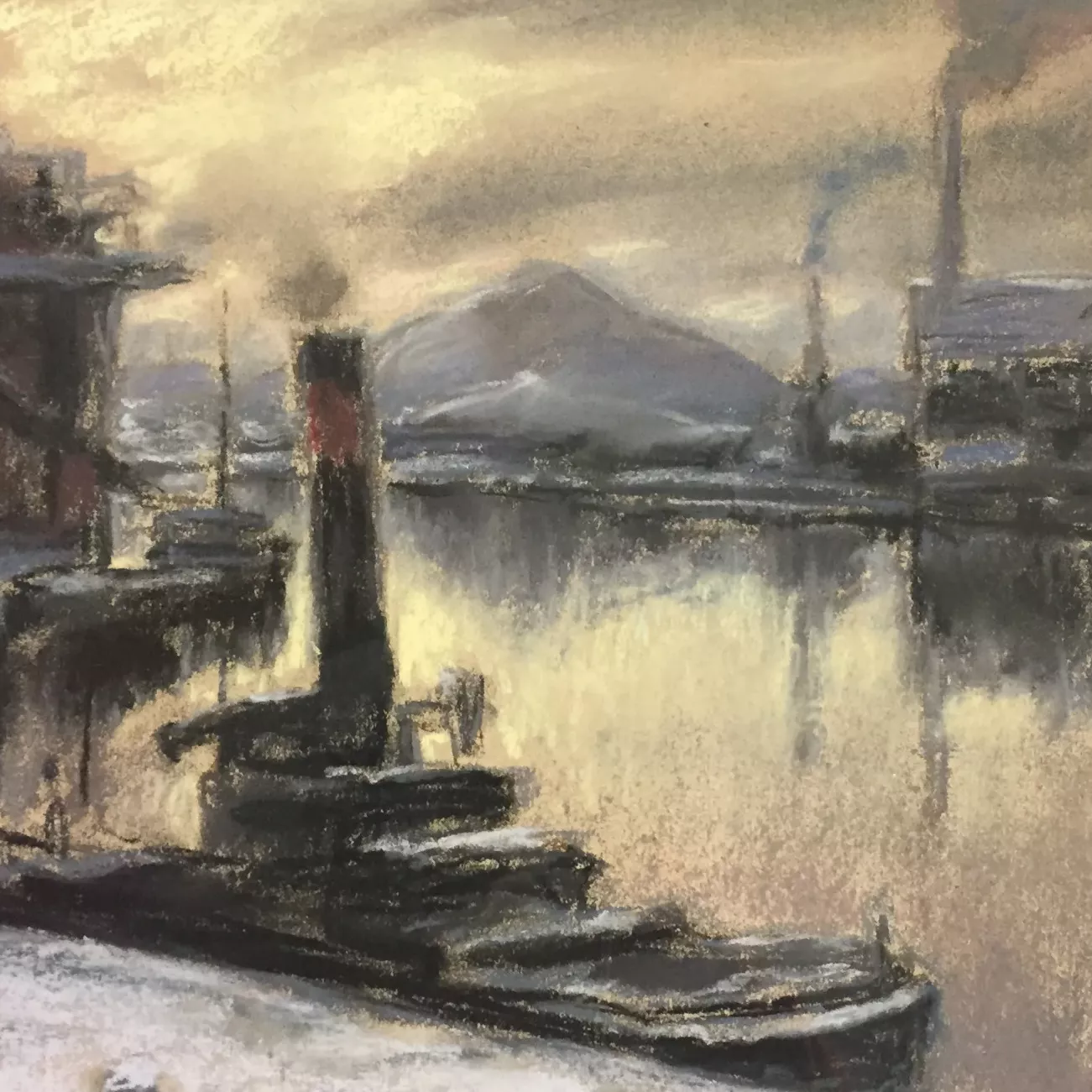
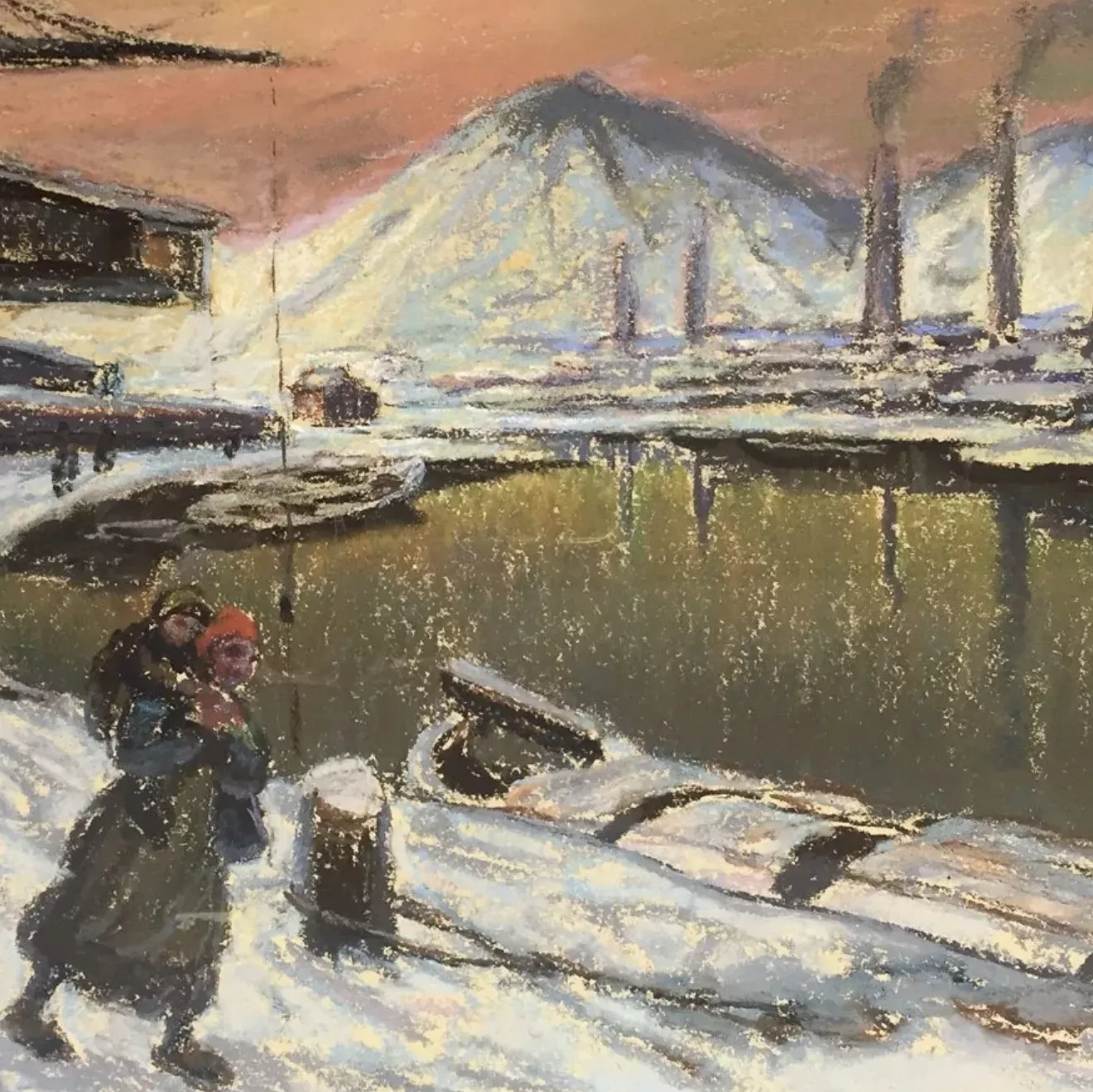
Pierre Paulus (1881-1959) was a Belgian painter associated with Regionalist Realism and Post-Impressionism, and a major figure in Walloon painting in the early 20th century. His work focuses on the representation of industrial and rural landscapes, with particular attention paid to the working class.
His style is at the crossroads of naturalism, social symbolism and modernized simplification of form. The dominant themes in his work are industrial landscapes, rural Walloon landscapes, working-class figures integrated into the landscape (often anonymous and monumentalized).
He sees the landscape as a social and human space, not as mere décor. His landscapes are structured by large geometric masses (hills, buildings, skies), with an important horizon line, often low or crushed, accentuating the monumentality of the sky or industrial structures. Details are reduced in favor of a synthetic, architectural reading.
The figures are robust, massive and integrated into the ground and architecture. There is no individual psychology; the worker becomes a collective, almost archetypal figure. Postures are simple, frontal or in profile, reinforcing the dignity and gravity of the subject.
The palette is deliberately restrained (browns, ochres, greys, muted greens, leaden blues). Matt colors, often earthy, are adapted to the representation of the industrial world. Contrasts are measured and used to structure the space rather than to create a decorative effect.
Light is diffused, often veiled, evoking industrial atmospheres and busy skies. There are few spectacular lighting effects, and priority is given to total unity and overall coherence. Skies are treated as pictorial surfaces in their own right, playing a major expressive role.
The compositions are stable, solidly constructed, akin to fresco or wall panel. He uses oil paint, with a dense but controlled substance, without excessive impasto. He applies it in relatively opaque layers, favoring structured flat tints.
The life of Pierre Paulus
Pierre Paulus was born in 1881 in Saint-Gilles (Brussels) into a modest background, marked by the Belgian industrial boom of the late 19th century. From an early age, he was aware of the urban and industrial landscapes that would shape his artistic imagination.
His work shows a deep attachment to Wallonia, a territory that would become the almost exclusive setting for his work. He studied at the Académie des Beaux-Arts in Brussels, where he received a solid academic training. He studied drawing and composition, as well as painting from life.
He discovered Belgian realist and symbolist currents, which had a lasting influence on his artistic direction. He began exhibiting at the beginning of the 20th century, and quickly turned his attention to depicting the working-class and industrial world, a theme that was not yet highly valued in Belgian painting at the time.
His early works bear witness to a sober naturalism, already marked by a desire for monumentality. In the years 1910-1920, he developed a personal, synthetic and powerful pictorial language. He specialized in Walloon industrial landscapes (blast furnaces, mines, slag heaps, factories).
He integrated the human figure as a structural element of the landscape, reinforcing the social dimension of his work. He quickly gained critical recognition in Belgium, and took part in numerous national and international exhibitions.
His work was acquired by Belgian museums, confirming his status as a major artist. His art contributes to the construction of a modern regional identity, based on work and industry. He continued to paint after the Second World War, without any major stylistic break. His work remained faithful to his founding themes until the end of his life.
He died in 1959, leaving a coherent body of work deeply rooted in Belgian history. Today, he is considered one of the great Belgian painters of the 20th century, and his work remains a major reference point in Walloon cultural history.
Market segmentation and artist's rating
The types of works circulating on the Pierre Paulus market are mainly oils on canvas (the central and most sought-after segment, notably Walloon industrial landscapes), oils on panels, which are fairly frequent and often of medium format, with good liquidity.
There are also drawings and studies (charcoal, pencil, ink) with an active secondary market and documentary and aesthetic interest, and posters, preparatory cartoons and decorative projects which constitute a more confidential segment, linked to Walloon cultural history.
Small formats under 40 cm with synthetic landscapes and studies of industrial sites constitute an accessible market. Medium formats (40 - 80 cm) are the heart of the market, highly sought-after for slag heaps, factories and structured landscapes.
Large formats over 80 cm are rare and constitute a high-end segment, often acquired by institutions or collectors. The most sought-after subjects are Walloon industrial landscapes, with blast furnaces, slag heaps, factories, mines, and constitute the most valued segment.
Walloon rural landscapes with hills, fields and villages are less highly rated but regular. Scenes with figures integrated into the landscape have a strong symbolic value with sustained demand. Emblematic works linked to Walloon identity are of greater institutional interest.
Valuation criteria are typicity, with a clear presence of the industrial world, monumental composition and a muted palette. Mature works (1920s - 1940s) are the most sought-after. Quality of construction is important, with solidity of composition, balance of mass and a structuring sky. The state of conservation is also important, with the stability of the pictorial layers, and the absence of heavy overpainting.
Liquidity is very good for medium-format industrial landscapes, good for typical rural landscapes, more selective for atypical drawings and works, and high for emblematic works linked to Walloon identity.
The market is stable and institutional, sustained by interest in European industrial history. We are witnessing a gradual revaluation of industrial landscapes in the Walloon heritage context. Demand is steady for works from the 1920-1940 period, considered the artist's stylistic apogee. He is prized alongside other Belgian artists of the same period (Georges Wantongerloo, Valerius de Saedeleer or Henry de Groux).
Pierre Paulus thus benefits from a stable and consistent quotation, mainly driven by his industrial landscapes. The market clearly distinguishes emblematic Walloon works, which concentrate the value. Medium formats represent the best compromise between liquidity and value. Large formats represent a heritage segment with long-term conservation and growth potential.
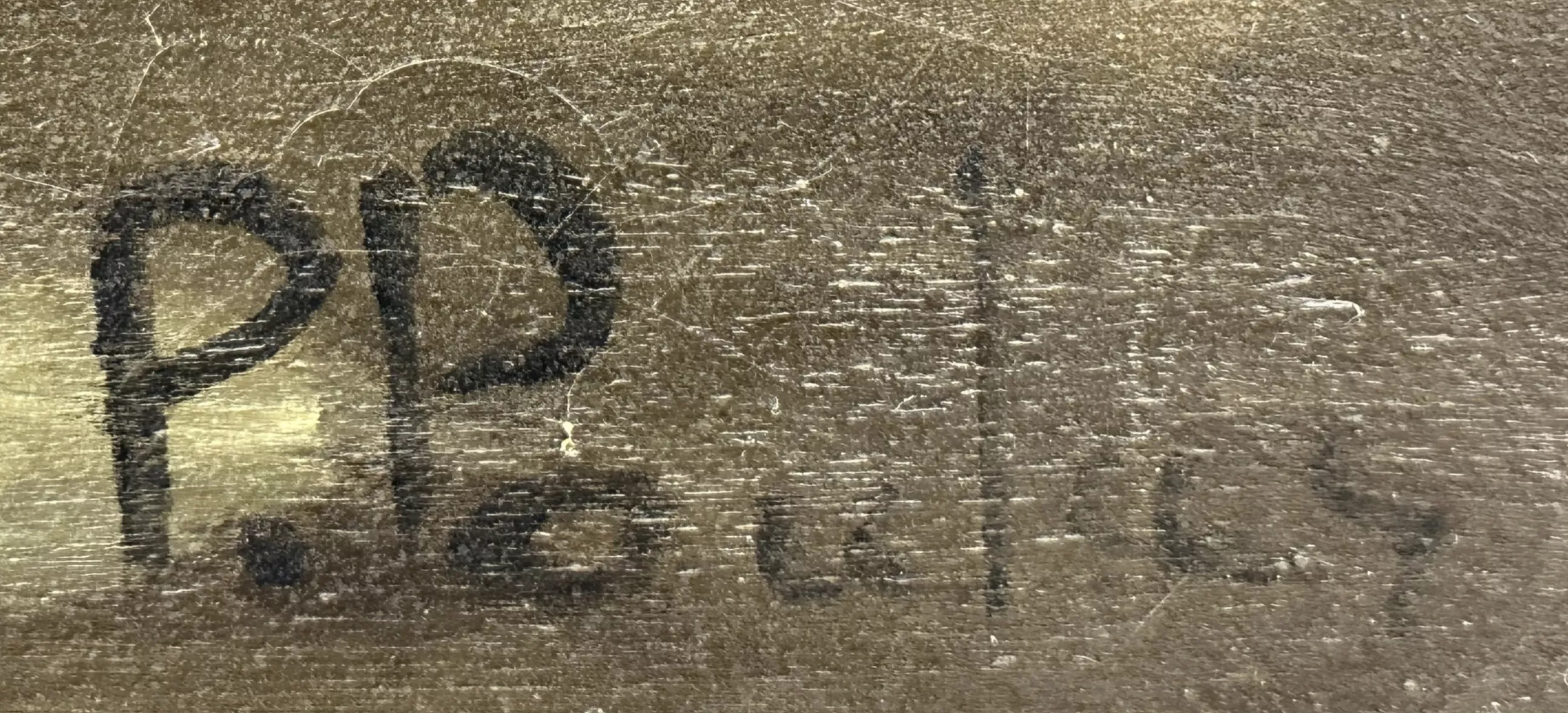
His signature
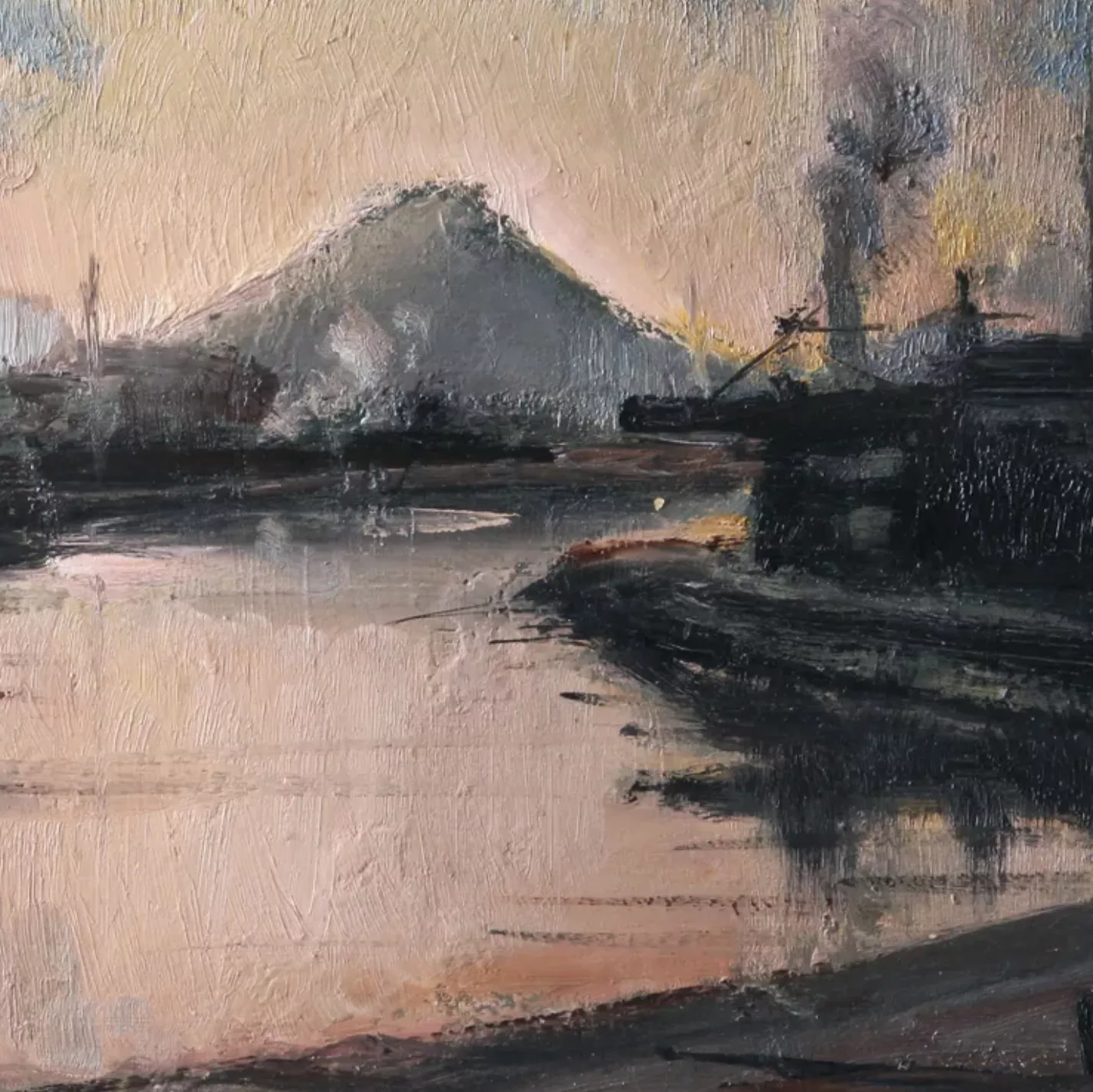
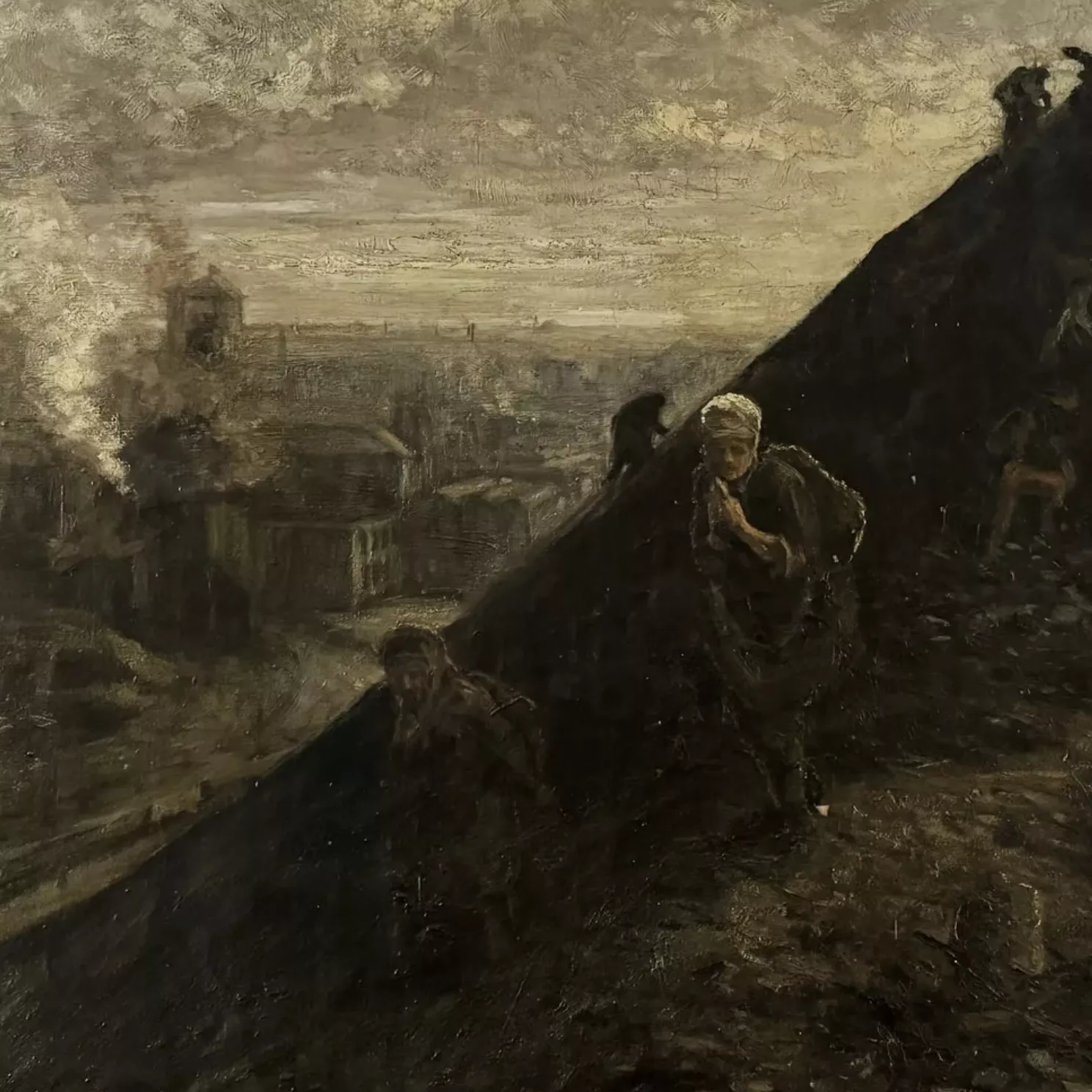
Not all of Pierre Paulus's works are signed.
Although there are variations, here's a first example of his signature:
Expertise your property
If you own a work by Pierre Paulus, don't hesitate to request a free appraisal by filling in our online form.
A member of our team of experts and certified auctioneers will contact you to provide an estimate of the market value of your work.
If you are considering selling your work, our specialists will also guide you through the various alternatives available to obtain the best possible price, taking into account market trends and the specific features of each work.
Estimate in less than 24h
Discover in the same theme

Rating and value of paintings by Pierre Grieud
Pierre Grieud is a painter of the first half of the 20th century, who worked with several currents. His works are listed at auction.
Learn more >

Rating and value of sculptures, bronzes and drawings by Jose...
Joseph Czaky is a twentieth-century Cubist artist whose works are highly valued and quoted on the auction market.
Learn more >

Rating and value of paintings by Tadeusz Makowski
Tadeusz Makowski is a twentieth-century Polish painter who produced works of considerable value at auction.
Learn more >
D'autres tableaux modernes figuratifs vendus aux enchères

Estimated 800 - 1.500
Jean Roger SOURGEN (1883-1978) Trees and dunes Oil on panel

Estimated 3.000 - 5.000
Georges LAPCHINE (1885-1951) The port of St Tropez Oil on canvas

Estimated 18.000 - 30.000
Charles CAMOIN (1879-1965) "Le Port de Marseille, 1928" Oil on canvas.

Estimated 1.500 - 3.000
Jean VANDEN EECKHOUDT (1875-1946), Basket of persimmons, Oil on canvas

Estimated 2.000 - 4.000
Charles LACOSTE (1870-1959) Starry night, Oil on paper mounted on canvas

Secure site, anonymity preserved

Auctioneer approved by the State

Free and certified estimates
Frequently asked questions
-
Who is Pierre Paulus, and what is his artistic background?Pierre Paulus (1881–1959) was a leading Belgian painter of the 20th century, associated with regionalist realism and Post-Impressionism. A founding figure of modern Walloon painting, he specialized in depicting industrial landscapes and the working-class world, becoming a major reference point in Walloon cultural history and Belgian regional identity.
-
What are the price ranges for works by Pierre Paulus?Auction prices for works by Pierre Paulus range from €10 to €32,650. Estimpes and multiples start at €10 to €900, drawings and watercolors at €30 to €9,400, and paintings at €340 to €32,650. Prices depend heavily on the subject matter (industrial landscapes command the highest prices), the format, and the period of creation (works from the 1920s–1940s are particularly sought after).
-
How do I have a work by Pierre Paulus authenticated and appraised?You can request a free, no-obligation appraisal from Auctie's by filling out our online form. A certified expert or auctioneer will contact you to provide an accurate estimate of your artwork’s market value, based on current market trends and the artwork’s specific characteristics.
-
Is this the right time to sell a work by Pierre Paulus?Yes, the market for Pierre Paulus is currently stable and promising. We are seeing a gradual revaluation of industrial landscapes within the context of Walloon heritage, as well as steady demand for works from his mature period (1920–1940). Growing interest in European industrial history is supporting prices.
-
How does the sale of a work of art work at Auctie's?Auctie's supports you from the appraisal stage through to the auction. After conducting a free appraisal of your artwork, our specialists will guide you through the available options to help you achieve the best possible price, taking into account market trends and the specific characteristics of each piece, before it goes up for auction.
