



Rating and value of paintings by Léon Zack

Key takeaways
- Léon Zack’s works are seeing rising prices, ranging from €20 to €48,200 depending on the medium and quality.
- His abstract paintings are the most sought-after, notably “Composition, Paris” (1958), which sold for €48,200, exceeding the initial estimate of €15,000–20,000.
- Zack has been practicing lyrical abstraction since 1950, a style characterized by transparency, glazing, and an absence of thick impasto, inspired by Russian Byzantine art.
If you own a work by artist Léon Zack or based on his work and would like to know its value, our state-approved experts and auctioneers will guide you.
Our specialists will carry out a free appraisal of your work, and provide you with an accurate estimate of its value on the current market. Then, if you wish to sell your work, we will direct you to the best possible arrangement to obtain the optimum price.
Artist's rating and value
Leon Zack's work is uncommon and fairly highly rated on the auction market. His works arouse interest among collectors and art lovers, particularly those who appreciate 20th-century Russian painting.
The quotation of his works is currently on the rise on the art market, and the price at which his works sell on the art market ranges from €20 to €48,200, at the moment, a considerable delta but one that speaks volumes about the value that can be attributed to the artist's works.
The most sought-after pieces are his abstract paintings. Thus, a work signed by Zack can fetch thousands of euros at auction, such as his work entitled Composition, Paris,dating from 1958 adjudged for €48,200, while it was estimated at between €15,000 and €20,000.
Order of value from the most basic to the most prestigious
Technique used | Result |
|---|---|
Estamp - multiple | From €20 to €1,200 |
Drawing - watercolor | From €25 to €3,500 |
Painting | From €70 to €48,200 |
Estimate in less than 24h
Style and technique of Léon Zack
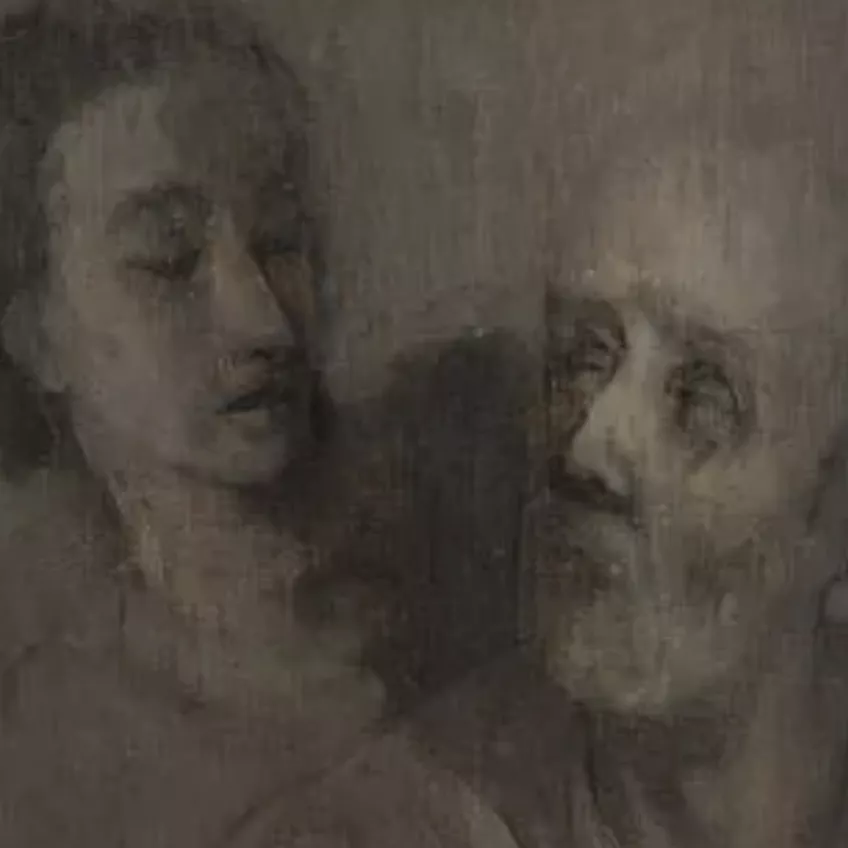
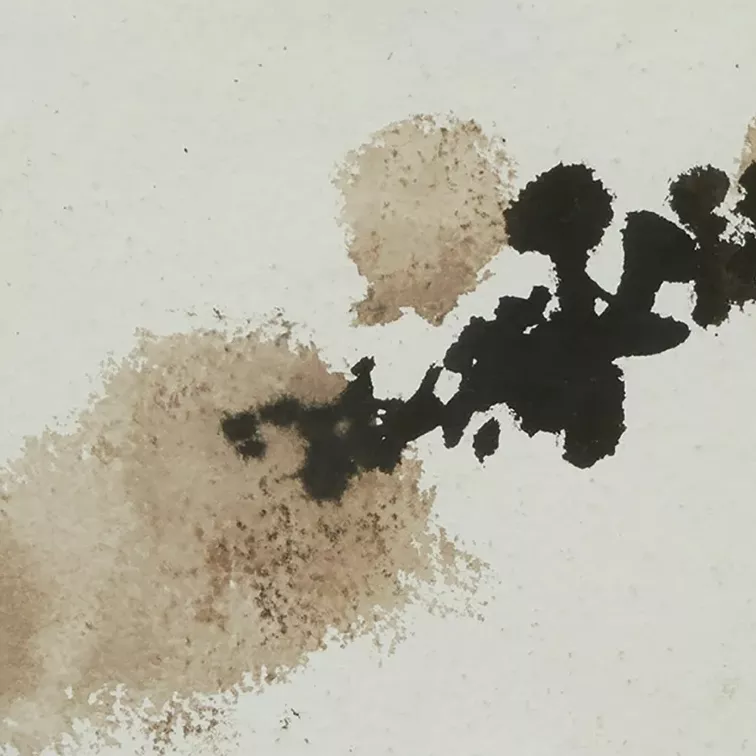
In 1950, Léon Zack resolutely committed himself to lyrical abstraction. With his compositions of muted nuances and canvases dominated by transparencies and superimposed glazes, he imposed a singular pictorial language.
This painting is a breathing space: the forms don't impose themselves, they flush out, as if suspended in a precarious equilibrium. One of the outstanding features of his work - of which several retrospectives remain! -
Zack works with light brushstrokes, in a restrained gesture where the touch, often light, avoids saturation. For with him, no thick matter or aggressive impasto: everything is based on a play of transparencies and successive erasures, where light becomes an active element in the composition.
We rarely dwell on this aspect of things. For this painting, all restraint and suggestion, seems to shun brutal affirmation, the spectacular gesture.
A form of classicism in short, in stark contrast to the gestural expressionism then in vogue. And yet, this discretion is deceptive: behind these patches of color, behind these diffuse whites, Zack engages in a profound dialogue with emptiness, transforming each canvas into a space of meditation.
The life of Léon Zack
In 1892, Léon Zack was born in Nizhny Novgorod, Russia. Born into a cultured family, he grew up in an environment where art and poetry played an essential role. At an early age, he took up writing and frequented Moscow literary circles.
But it was painting that he quickly turned to, studying at the Moscow School of Fine Arts, where he discovered the Russian avant-garde. Then came the Revolution. In 1920, he was forced into exile, leaving Russia, crossing Constantinople and Berlin before settling in Paris.
One of the most striking features of his career - of which several exhibitions remain - is the constant evolution of his style. First an illustrator, then a figurative painter inspired by Byzantine icons and the Russian tradition, he gradually moved towards a more pared-down expression.
In Paris, he frequented the artists of Montparnasse, exhibited at the Salon d'Automne and took part in the great movements of the interwar period. If Zack embraced modernity, he did so in his own way, in search of a balance between classicism and renewal.
Exile not only deprived him of his country, it also led him on an inner journey, to an increasingly spiritual painting. During the Second World War, he took refuge in Auvergne, escaping persecution.
Returning to Paris in 1945, he began a decisive mutation: figuration faded, forms dissolved, color became vibration. An exile's trajectory, in short, where art becomes territory, where abstraction becomes language.
In these mature canvases, what appeals to the viewer is this diffuse light, this floating space where emptiness takes its full place.
A quest for the essential that would culminate in the great religious compositions of the 1960s, where Zack, returning to his early influences, gave abstraction a sacred scope.
Focus on Composition, 1965, Léon Zack
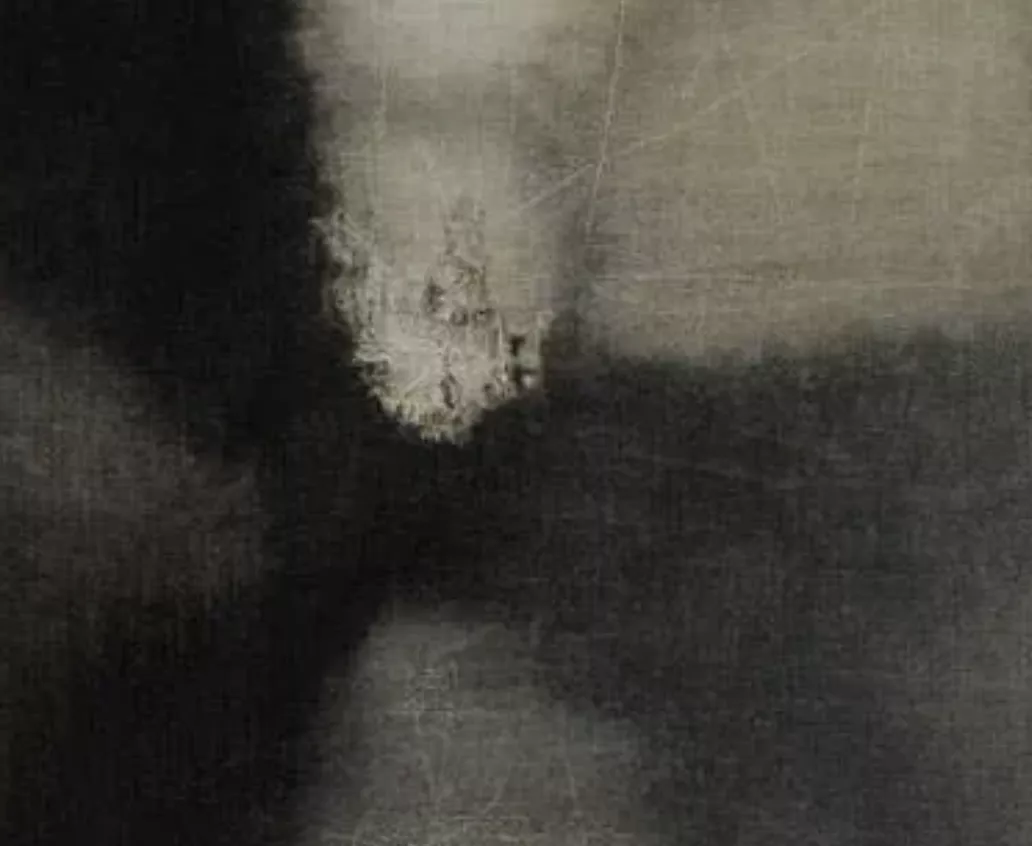
In 1965, Léon Zack created a canvas in which abstraction becomes vibration: Composition, a work in which space seems to breathe. With its diffuse forms and suspended colors, this painting does not seek to impose a motif, but to capture a state, a floating presence.
One of the striking features of this composition - of which several variants are known today - is this inner light, born of the superimposition of glazes and colored veils.
Zack doesn't work in flat, clear strokes, but in successive strokes, playing with subtle transparencies. This is an aspect of his work that has rarely been explored. For this painting, all restraint, seems to shun brilliance and demonstration.
No violent contrasts, no chromatic explosion: only a silent vibration, an airy, suspended matter. And it's true that in this work, even more than in others, Zack gives color an almost spiritual function.
These are not just hues placed on the canvas, but passages of light, breaths of silence. A meditative abstraction in short, where painting becomes the site of contemplation.
Léon Zack's imprint on his period
In the 1950s, Léon Zack established himself as a singular figure of lyrical abstraction. Neither theorist nor school leader, he charted a personal course, far removed from the gestural outbursts of a Mathieu or the chromatic tensions of a Soulages.
One of the key features of his influence - many of the works that bear witness to this are held by private collectors - is this approach to painting as an inner quest, where the image dissolves in favor of a space for contemplation.
His works, with their floating colors and indecisive contours, mark a shift towards a stripped-down, almost mystical abstraction.
In an artistic landscape where avant-gardes follow one another in rapid succession, Zack imposes a different temporality, a more meditative relationship to the canvas. Some will see in it an echo of the Russian icons, others a kinship with the research of an Estève or a Manessier.
And it's true that his work, with its gradual erasure of the subject, heralds certain trends in 1960s painting.
A discreet but profound imprint, which can be measured less in constituted schools than in lasting resonances, in this way that certain artists after him will have of making light and matter the true subjects of the painting.
The stylistic influences of Léon Zack
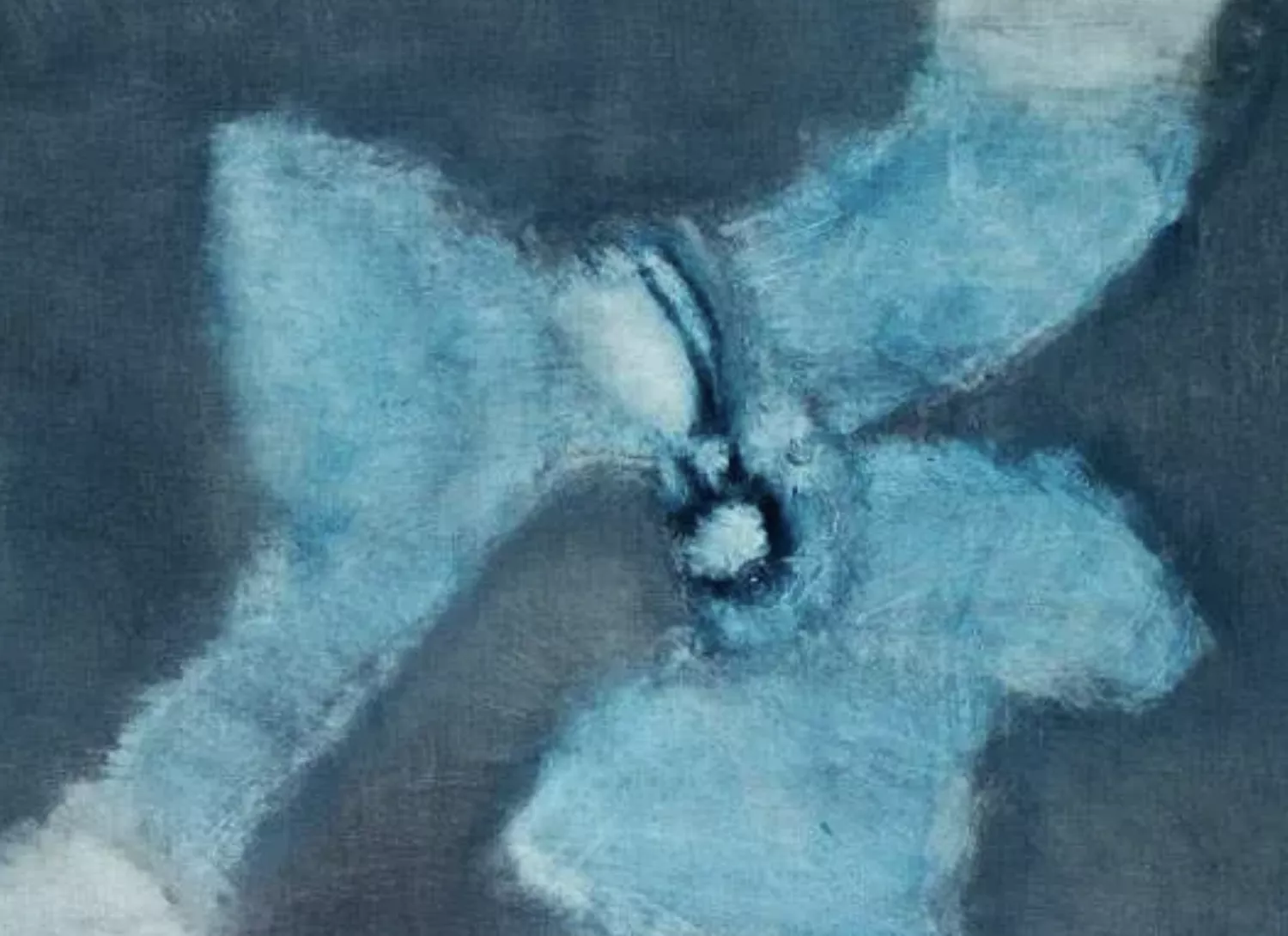
In 1920, Léon Zack left Russia and, with it, an entire artistic heritage. However, he took with him a sensibility shaped by Byzantine icons and Orthodox sacred art, an impregnation that left a lasting mark on his painting.
One of the most striking features of his influences - of which several reinterpretations remain today - is this tension between tradition and abstraction. In his early years in Paris, he rubbed shoulders with the avant-gardes, immersing himself in Cubism and Expressionism, but never locking himself into them.
The compositions of Rouault, with their vibrant contours and spiritual intensity, find an echo in his research. Matisse, with his simplification of forms and his taste for luminous flat tints, offered him another approach to color.
Later, in his abstract canvases, Rothko's influence seems to emerge, not through mimicry, but in this quest for a painting where light becomes substance. We could also mention affinities with Manessier or Estève, in this way of letting color breathe.
And it's true that Zack, while absorbing these influences, transforms them into a language of his own. He seeks neither brutal contrast nor rigid structure: everything is effleurage, apparition, dissolution.
An inhabited abstraction, where painting is not given as a rupture, but as a continuity, a gradual shift from the visible to the invisible.
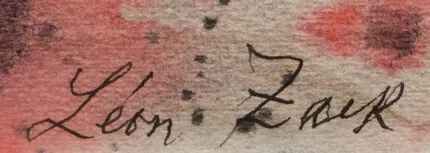
His signature
Not all Léon Zack's works are signed. It's also possible that they're copies or that the inscription has faded over time, which is why expertise is essential.
Expertise your property
If you own a work by Léon Zack, don't hesitate to request a free appraisal by filling in our online form.
A member of our team of experts and certified auctioneers will contact you to provide an estimate of the market value of your work.
If you are considering selling your work, our specialists will also guide you through the various alternatives available to obtain the best possible price, taking into account market trends and the specific features of each work.
Estimate in less than 24h
Discover in the same theme

Rating and value of Alice Colonieu's ceramics, vases and mir...
Alice Colonieu is a twentieth-century French ceramist who produced works that are appreciated and quoted on the auction market.
Learn more >

Rating and value of paintings and drawings by Léon Bazile Pe...
Léon Bazile Perrault is a French painter of firework art who produced numerous works of high value.
Learn more >

Rating and value of Baya Mahieddine's paintings and drawings
Baya Mahieddine is an Algerian artist who influenced Picasso and Matisse. She has produced a number of highly-prized works.
Learn more >
D'autres tableaux abstraits vendus aux enchères

Estimated 2.000 - 4.000
Serge POLIAKOFF (1900-1969), Composition en rouge et bleu. 1965, Lithograph

Estimated Between €5,000 and €8,000
Jean MIOTTE (1926-2016), acrylic on canvas

Estimated 3.000 - 5.000
Roberto MATTA (1911-2002), Composition, Gouache on canvas

Secure site, anonymity preserved

Auctioneer approved by the State

Free and certified estimates
Frequently asked questions
-
Who was Léon Zack, and what was his artistic background?Léon Zack (1892–1972) was a Russian painter who went into exile in Paris in 1920. Trained at the Moscow School of Fine Arts, he initially practiced figurative painting inspired by Byzantine icons before shifting, beginning in 1950, toward lyrical abstraction. He established himself as a unique figure of the 20th century, recognized for his meditative paintings characterized by subtle transparencies and diffused light.
-
What is the price range for Léon Zack's works at auction?Prices vary considerably depending on the technique and type of work. Prints range from €20 to €1,200, drawings and watercolors from €25 to €3,500, and paintings from €70 to €48,200. Abstract paintings are the most sought-after: a composition from 1958 sold for €48,200 at auction, far exceeding its initial estimate.
-
How can you authenticate a work by Léon Zack and determine its exact value?We recommend that you request a free, no-obligation appraisal from Auctie's. A certified expert or auctioneer will examine your artwork and provide you with an accurate estimate of its market value within 48 hours. This step is particularly important because not all of Zack’s works are signed, and the appraisal helps verify their authenticity.
-
Is this the right time to sell a work by Léon Zack?Yes, Léon Zack’s market value is currently on the rise. His work, which is relatively rare, is attracting growing interest among collectors and enthusiasts of 20th-century Russian painting, particularly for his abstract compositions. This is a favorable time to consider a sale.
-
How does the process of selling a work of art at Auctie's work?The process begins with a free, no-obligation appraisal by our experts and certified auctioneers. After the appraisal, if you decide to sell, we’ll guide you toward the best possible approach to achieve the highest price. Auctie’s supports you every step of the way, from the appraisal to the auction sale.
