



Rating and value of paintings by Gustave Loiseau

Key takeaways
- Prices for works by Gustave Loiseau range from €100 for drawings to €1,736,770 for prestigious oil-on-canvas paintings.
- The Post-Impressionist painter uses a distinctive latticework technique with crisscrossed hatching to create subtle atmospheric effects of season and light.
- Riverbank landscapes, Normandy cliffs, and village scenes are the most sought-after signature motifs on the market, with over 1,100 lots listed.
If you own a work by or based on the artist Gustave Loiseau and would like to know its value, our state-approved experts and auctioneers will guide you.
Our specialists will carry out a free appraisal of your work, and send you a precise estimate of its value on the current market.
Then, if you wish to sell your work, we will direct you to the best possible arrangement to obtain the optimum price.
Artist's rating and value
Post-Impressionist painter, Gustave Loiseau quickly acquired a reputation and a place in the world art market.
Today, Loiseau's works remain highly prized, making them a sure bet in auction rooms. Thus, the prices at which the artist's works sell range from €100 to €1,736,770, a considerable delta but one that speaks volumes about the value that can be attached to the artist's works.
His oil on canvas Le pont Henri IV, Notre Dame de Paris sous la neige was sold for €1,736,770.
Order of value from the most basic to the most prestigious
Technique used | Result |
|---|---|
Drawing - watercolor | From €100 to €18,000 |
Painting | From €690 to €1,736,770 |
Estimate in less than 24h
The artist's works and style
Gustave Loiseau is a 20th-century postimpressionist painter, who depicts many landscapes. The artist works mainly with drawing and oil on canvas, although he has produced a few drawings and watercolors.
His work is rooted in the observation of nature, the urban landscape and seasonal effects. He favors the motif of the open-air landscape (banks of the Oise, Pontoise, Normandy, harbors, cliffs) and scenes of Parisian streets or villages, which also makes him a visual witness to the urban and rural mutations of the late 19th and early 20th centuries.
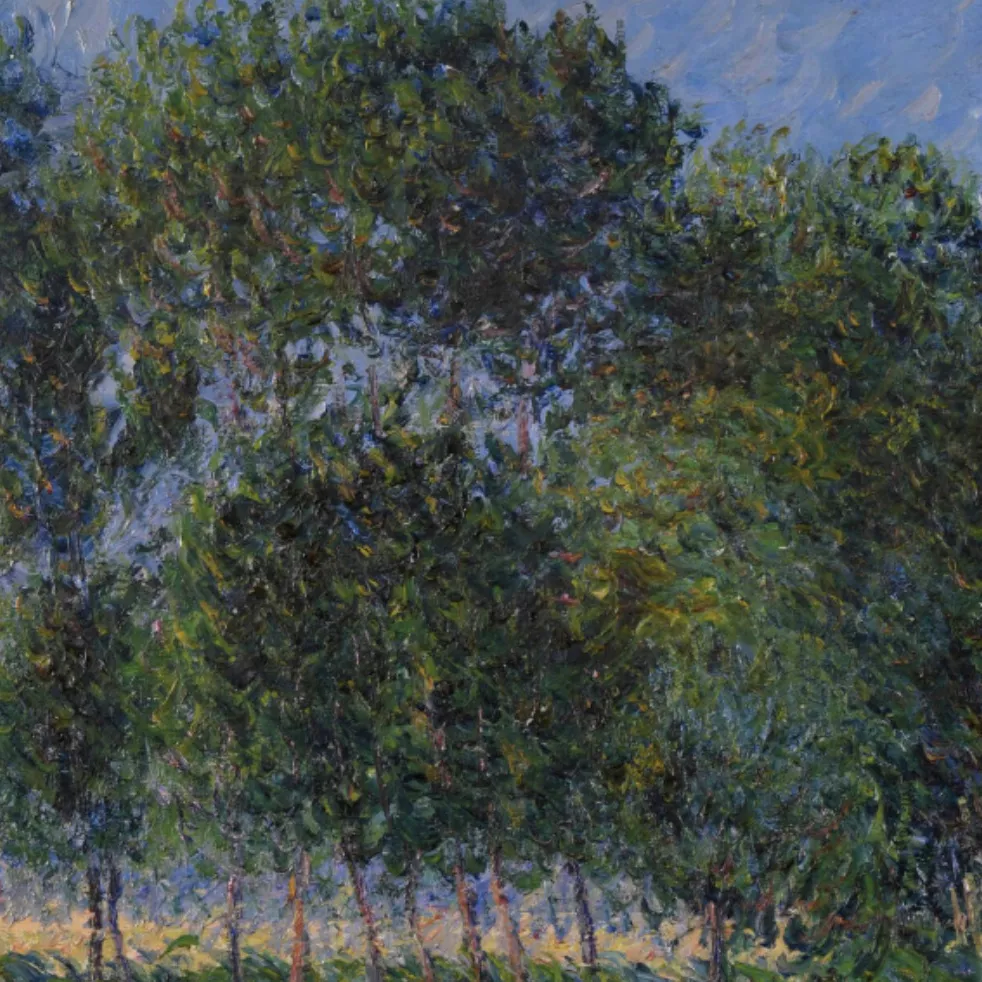
His palette is made up of relatively vivid but temperate colors, he avoids the dazzling light typical of some Impressionists and looks instead for a more subtle atmosphere (smoke, drizzle, overcast skies).
His pictorial construction blends observation and geometric organization, with Loiseau experimenting with repeating motifs (trees, houses, orchards, streets) over several seasons, creating a visual discourse on time and variation.
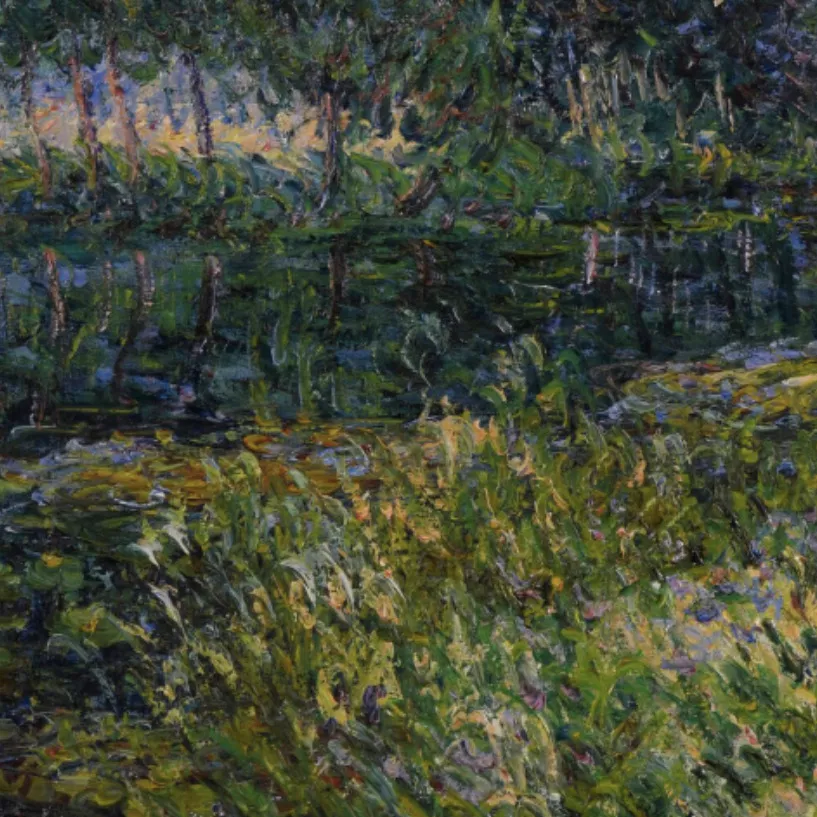
He develops a technical visual signature, called " technique en treillis " or " griffonnis ", through small touches or cross-hatching, which gives the pictorial surface a vibration and density of its own.
His predominant medium is oil on canvas or panel. Landscape series are often painted en plein air, which implies rapid, spontaneous but controlled work. Loiseau uses light impastos and favors visible brushstrokes, often cross-hatched or in " trellis ", which creates a texture made up of light streaks and crossings of color.
This is a method that allows him to suggest the atmosphere, the vibration of the landscape rather than its meticulous description. He doesn't look for strong, direct light, but rather the moderate effects of dawn, evening, rain and fog. These effects require a delicate variation in tone and surface treatment.
His subjects are treated in series, Loiseau liked to depict the same motif (orchard, garden, quay, village) at several times of the year, reflecting an approach that is not simply descriptive but exploratory of the motif.
We often observe an organization with planes (foreground, intermediate horizon line, sky) with vertical elements (trees, houses) that give rhythm to the space. The perspective is moderate, the angle is sometimes high, and the composition tended towards the pictorial surface rather than illusionistic depth.
The life of Gustave Loiseau
Gustave Loiseau was born into a modest family in Paris in 1865. He showed an early interest in art and began studying painting at an early age. He first studied at the École des arts décoratifs in Paris, where he learned the basics of painting and was exposed to various artistic influences of his time.
Loiseau was a self-taught artist to some extent, as he learned by studying the works of the great painting masters, as well as by observing nature and experimenting with different painting techniques. He was strongly influenced by the Impressionists, in particular Claude Monet, whose treatment of light and color he admired.
Early in his career, Loiseau was drawn to landscape painting, capturing the rural landscapes of France, particularly the Normandy and Brittany region. He liked to depict the changing light and seasons in his paintings, earning him a reputation as a meticulous landscape painter sensitive to the nuances of nature.
As his career progressed, Loiseau expanded his repertoire to include still lifes and urban scenes too. His style became more distinctive, with bold, expressive brushstrokes and a bright, vivid color palette.
Despite his limited recognition during his lifetime, Gustave Loiseau continued to paint with dedication throughout his life. It was only in the years following his death in 1935 that his work began to be more widely appreciated and recognized for its contribution to the French Post-Impressionist movement.
His work is akin to other artists such as Maxime Maufra, Paul Sérusier and Émile Bernard.
Gustave Loiseau's imprint on his period
Today, Gustave Loiseau's works are exhibited in many museums and galleries around the world, and he is considered one of the great landscape painters of his time, having made a significant contribution to French art history.

Market segmentation and artist's rating
Oils on canvas or panel constitute the main segment, but drawings, studies and small formats are also found on the artist's market, constituting the access segment. The most popular subjects are riverside landscapes (Oise, Eure), Normandy cliffs, village scenes and seasonal effects. These signature motifs are attracting increased interest from buyers.
The market is active in France, but also in the UK and the USA for major pieces. Valuation factors include date and quality of motif, format, legible signature, provenance, state of preservation and inclusion in the catalog raisonné.
Small formats or secondary subjects enter moderate ranges (a few thousand euros), and medium to large works with strong, well-documented motifs constitute a high-end segment.
The market accounts for over 1,100 lots for Loiseau. The range observed extends from €100 for drawings/studies to €1,700,000 for a prestige oil on canvas. Gustave Loiseau's value is solid and established. He is one of France's well-recognized post-impressionist painters, and his works achieve high sums in the upper segment.
However, the wide dispersion of values (from a few hundred to over €1 million) underlines that quality, format and documentation make a major difference.
His signature
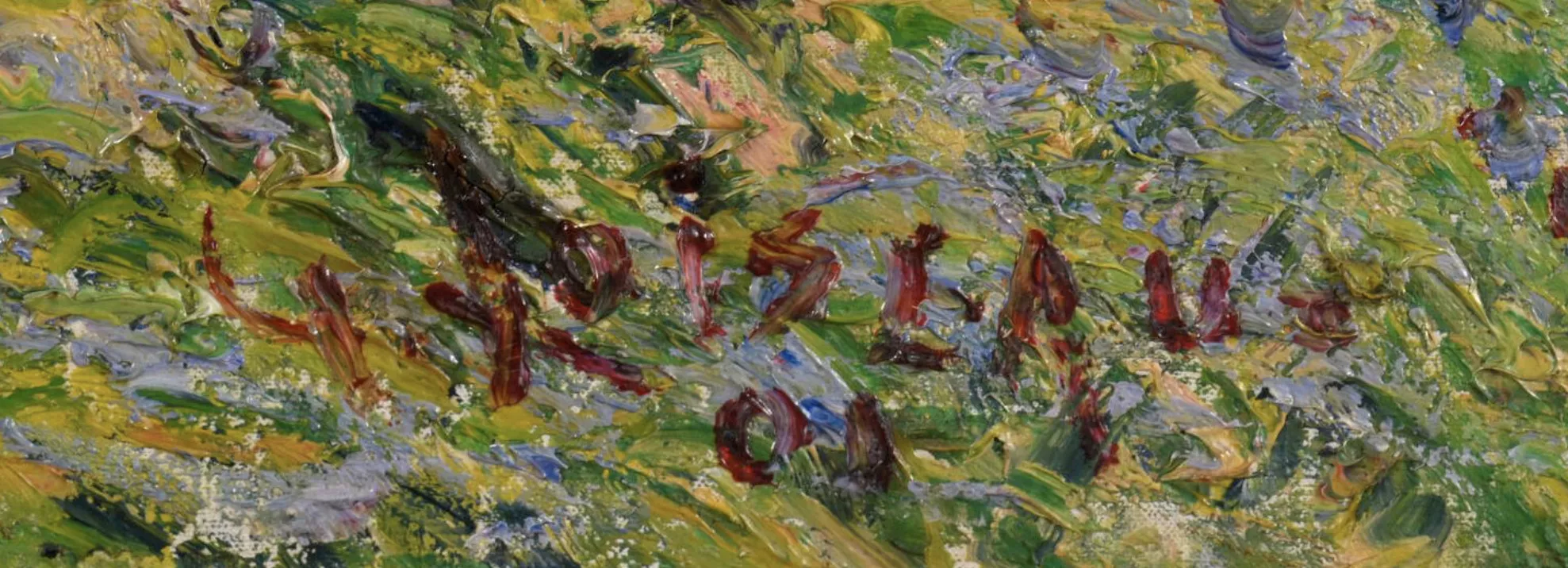
Not all of Gustave Loiseau's works are signed.
Although there are variations, here is a first example of his signature:
Expertise your property
If you own a Gustave Loiseau work, don't hesitate to request a free appraisal by filling in our online form.
A member of our team of experts and licensed auctioneers will contact you to provide an estimate of the market value of your work.
If you are considering selling your work, our specialists will also guide you through the various alternatives available to obtain the best possible price, taking into account market trends and the specific features of each work.
Estimate in less than 24h
Discover in the same theme

Rating and value of paintings by Michel Larionov
Michel Larionov is a Russian painter of the Rayon period who has produced works that are quoted and valued at auction. Estimated in 24h.
Learn more >

Market Value and Pricing of Henri Manguin's Paintings, Drawi...
Henri Manguin was a Fauvist painter of the early 20th century, whose paintings are highly valued at auction.
Learn more >

Rating and value of paintings by Marie Louise von Motesiczky
Marie Louise von Motesiczky is an Austrian New Objectivity artist. Her paintings are highly prized.
Learn more >
Works from the same period sold at auction

Estimated 3.000 - 5.000 €
Henri EPSTEIN (1892-1944), Place du sud de la France, Oil on canvas.

Estimated 8000 - 12000 €
Raymond THIBESART (1874-1968) Apple trees in blossom Oil on canvas.

Estimated Between €1,200 and €1,600
Camille HILAIRE (1916-2004), The apple tree in blossom, oil on canvas

Estimated 1.500 - 3.000
Henri MEGE (1904-1984), oil on canvas

Estimated 200€ - 300€
Jean-Louis PAGUENAUD (1876-1952) "Trinidad Island (West Indies)...

Estimated 800€ - 1500€
Victor LECLAIRE (1830-1885) The dog in front of the trees...

Secure site, anonymity preserved

Auctioneer approved by the State

Free and certified estimates
Frequently asked questions
-
Who is Gustave Loiseau, and what is his artistic background?Gustave Loiseau (1865–1935) was a French Post-Impressionist painter who specialized in painting landscapes en plein air. Strongly influenced by Claude Monet, he developed a distinctive style characterized by a cross-hatching technique (small, crisscrossing brushstrokes) and a muted color palette, favoring subtle effects of light (dawn, dusk, fog) rather than direct brilliance. His signature subjects include the banks of the Oise River, the cliffs of Normandy, and village scenes, often depicted in seasonal series.
-
What is the price range for Gustave Loiseau's works?Gustave Loiseau’s works range in price from €100 for drawings and watercolors to €1,736,770 for prestigious oil paintings on canvas. Smaller works and secondary subjects generally fall within a moderate price range of a few thousand euros, while medium- to large-scale works featuring strong motifs and thorough documentation constitute the high-end segment. This wide range underscores the critical importance of quality, size, and documentation.
-
How can you authenticate a work by Gustave Loiseau and determine its value?To authenticate and appraise a work by Gustave Loiseau, we recommend requesting a free appraisal from Auctie's by filling out our online form. A state-certified expert or auctioneer will contact you to examine the work and provide you with an estimate of its market value based on key factors: date, quality of the design, format, signature, provenance, condition, and inclusion in the catalogue raisonné.
-
Is this the right time to sell a work by Gustave Loiseau?Yes, now is a good time to sell a work by Gustave Loiseau. The market for this artist remains active and stable in France, the United Kingdom, and the United States, with more than 1,100 lots listed. Gustave Loiseau is one of the most well-known French Post-Impressionist painters, and his works—particularly his landscapes featuring signature motifs (the Oise River, Normandy, and villages)—are attracting growing interest from buyers.
-
How does the sales process work at Auctie's?The process is simple and non-binding: you start with a free appraisal of your artwork, which our experts will complete within 48 hours. Our specialists will then advise you on the best sales approach to achieve the highest possible price, taking into account market trends and the unique characteristics of your artwork. As a licensed auction house, Auctie's supports you every step of the way, from the appraisal to the final sale.
