



Rating and value of drawings by Othon Friesz

Key takeaways
- Othon Friesz’s works command prices that vary widely, ranging from €10 to €1,698,665 depending on the medium, with values having risen significantly since the 2000s.
- Watercolor drawings sell for between €25 and €80,035, while oil-on-canvas paintings fetch much higher prices, up to €1.7 million.
- More than 70% of Friesz’s sales take place in France, demonstrating collectors’ enduring interest in this major 20th-century Post-Impressionist and Fauvist painter.
If you own a work by or after the artist Othon Friesz, and would like to know its value, our state-approved experts and auctioneers will offer you their appraisal services.
Our specialists will carry out a free appraisal of your work, and provide you with a precise estimate of its value on the current market.
Then, if you wish to sell your work, we will direct you to the best possible arrangement to obtain the optimum price.
Rating and value of the artist Othon Friesz
A major postimpressionist painter of his time, Friesz leaves behind his own artistic identity.
This legacy consists mainly of drawings and paintings. At present, prices for his works are rising at auctioneers' gavels, his stock is on the rise.
His drawings and other works are particularly prized, especially by French, English and American buyers, and the price at which they sell on the art market ranges from €10 to €1,698,665, a considerable delta but one that speaks volumes about the value that can be attributed to Friesz's works.
One of his drawings entitled Paysage du Midi, dating from 1907, has already sold for €80,000, while it was estimated at between €25,000 and €30,000, more than twice its high estimate.
Order of value from a simple work to the most prestigious
Technique used | Result |
|---|---|
Drawing - watercolor | From €25 to €80,035 |
Estamp | From 10 to 800€ |
Oil on canvas | From 120 to 1,698,665€ |
Estimate in less than 24h
Style and technique of the artist Othon Friesz
Othon Friesz is part of the Post-Impressionist movement, exploring the expressive possibilities of color and line.
Influenced by Van Gogh, he adopted a lively touch and a taste for bold harmonies, while his friendship with Georges Braque led him to experiment with new pictorial structures.
His work, marked by bright hues and free gestures, reflects a quest for spontaneity and evocative power.
An essential figure of Fauvism, he participated in the affirmation of a painting style freed from academic conventions, where color becomes a language in its own right.
Throughout his career, he multiplied drawings and oils on canvas, striving to translate the energy of the landscapes and scenes he observed.
His work spans the twentieth century with modernity intact, testifying to an innovative eye that makes him a precursor of the artistic evolutions of his time.
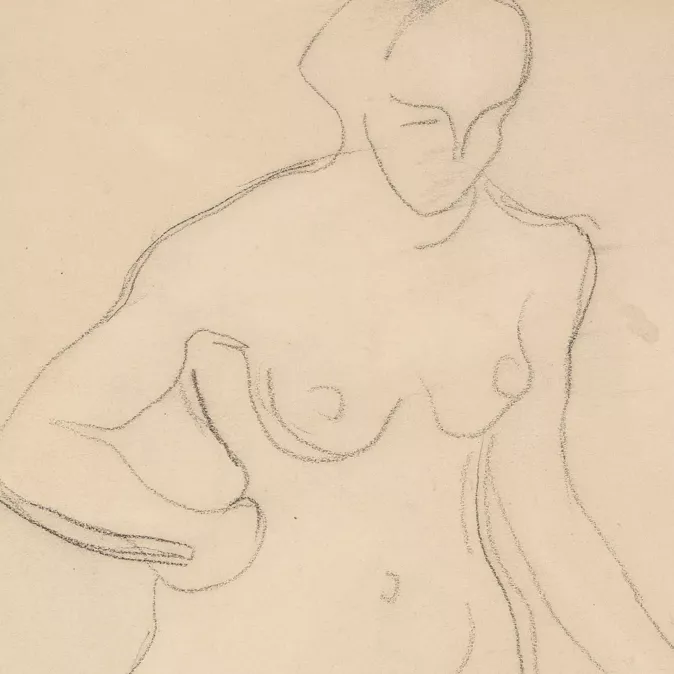
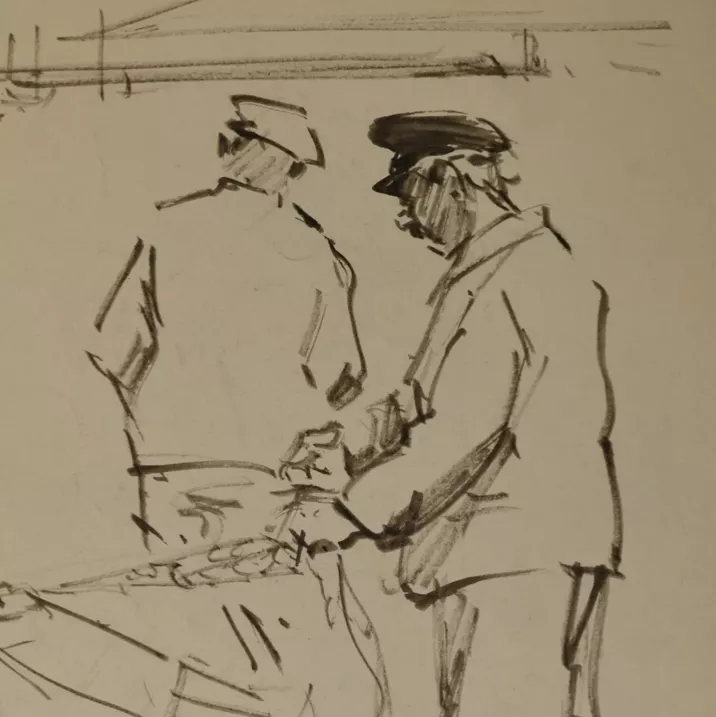
Othon Friesz, a major figure of the 20th
Achille Émile Othon Friesz (1879-1949) is a key figure in 20th-century French painting. Born in Le Havre into a family of sailors, he grew up in contact with the port and the sea, elements that would nourish his colorist's eye.
He studied with Braque and Raoul Dufy at the École des Beaux-Arts in Le Havre before winning a scholarship that enabled him to continue his training in Paris, under the guidance of Léon Bonnat.
However, it was at the Louvre that he felt he received his true education, exploring for himself the masters of the past.
Early on, he became enthusiastic about Impressionism, and even more so about the bold colors of Gauguin and Van Gogh.
He exhibited a few paintings in this vein at the Salon d'Automne, before joining the fauve circle, alongside Matisse, Derain and Vlaminck. Although he was a key member, his name was sometimes relegated to the background, overshadowed by his contemporaries.
Friesz often traveled with Georges Braque in search of new landscapes to paint, but he distanced himself from nascent Cubism, preferring to follow a path closer to Cézanne, where structure and naturalism retain their full place.
In 1921, he began teaching drawing at the Académie de la Grande Chaumière, an activity he was passionate about and which marked several generations of artists.
He produced a prolific body of work, varying techniques between oil, gouache, etching and drawing, while developing rigorous teaching. His studio on rue Notre-Dame-des-Champs became a meeting place for painting enthusiasts.
Recognized in intellectual circles, he appeared in Sacha Guitry's film Donne-moi tes yeux, where he played himself, testifying to his influence in the art world of the time.
But under the Occupation, he was banned from exhibiting following the purge carried out against certain artists. Temporarily excluded from the galleries, he nevertheless continued his work with the same fervor. He died in 1949, in his studio, faithful to his pictorial commitment to the end.
Focus on Paysage Méditerranéen, Othon Friesz (drawing)
In Paysage méditerranéen, Othon Friesz captures the warmth and vitality of the South with an economy of means that takes nothing away from the intensity of the scene.
His nervous, spontaneous brushstrokes trace the contours of a landscape bathed in light, where the hills form sweeping curves and the trees seem to undulate in the breeze.
The fluidity of the drawing reflects the rapidity of execution and the pleasure of gesture, the immediate energy that is the strength of his graphic work.
Here, Friesz does not seek meticulous detail, but an instinctive transcription of nature. His line, often accentuated by a variation in thickness, structures space without ever weighing it down.
A few lines are enough to suggest the relief of a hill or the twist of a tree trunk, as if the composition formed itself under the impulse of the pencil. This spontaneity recalls his attachment to Fauvism, where painting, and by extension drawing, must capture the essence of a subject rather than its strict resemblance.
The absence of color does not prevent a true sensation of light. The interplay of shadows and hatching lends volume to the elements of the landscape, while the spaces left in reserve create breath, a sensation of air and clarity.
Friesz knows when to stop, leaving it to the viewer's imagination to complete what the line suggests. This sketch-like approach is the strength of the drawing, which oscillates between description and evocation, between structure and freedom.
This landscape also testifies to the importance of travel in Friesz's work. A great lover of the Mediterranean, he found it an inexhaustible source of inspiration, attracted by the frank light and powerful forms of the southern shores.
In his drawings as in his paintings, he does not seek to retranscribe a precise place, but rather the atmosphere of a region, the vibration of the air and the intensity of contrasts.
With this drawing, Friesz proves once again that the essential thing is not the precision of a line, but his ability to bring a landscape to life in a few lines.
His approach, both structured and instinctive, reflects a conception of art where gesture takes precedence over detail, where emotion comes before perfection. Through this simple drawing, he reminds us that an artist's strength lies as much in what he shows as in what he suggests.
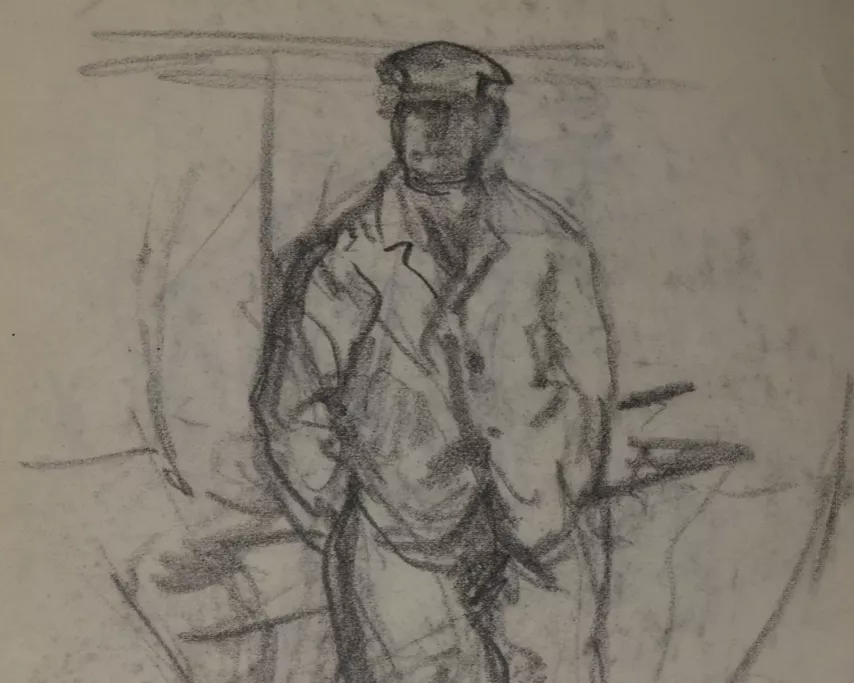
Othon Friesz's imprint on his time
Othon Friesz is a precursor and a major figure of twentieth-century art. An eminent member of the Fauvist group, he made his mark with his sense of color and his attachment to expressive painting, freed from academic drawing.
His influence extended far beyond his era, leaving a lasting mark on the generation of artists that followed him.
Through his teaching of drawing at the Académie de la Grande Chaumière, he passed on his knowledge to numerous pupils, helping to perpetuate a vision of painting where instinct and construction coexist.
Today, his works continue to seduce amateurs and collectors alike. His canvases, vibrant with light and energy, regularly find takers at auction, testifying to the persistent interest in his work.
While several museums in the USA and Europe preserve some of his major pieces, a significant proportion of his work remains in the hands of private collectors, who play an essential role in its preservation and rediscovery.
Today, his works have a fairly high rating on the auction market. Even though the latter peaked in the late 2000s, the art market is still receptive when works by the artist come up for sale.
More than 70% of sales are in France for this artist - even if it's not necessarily French buyers who win the bids every time.
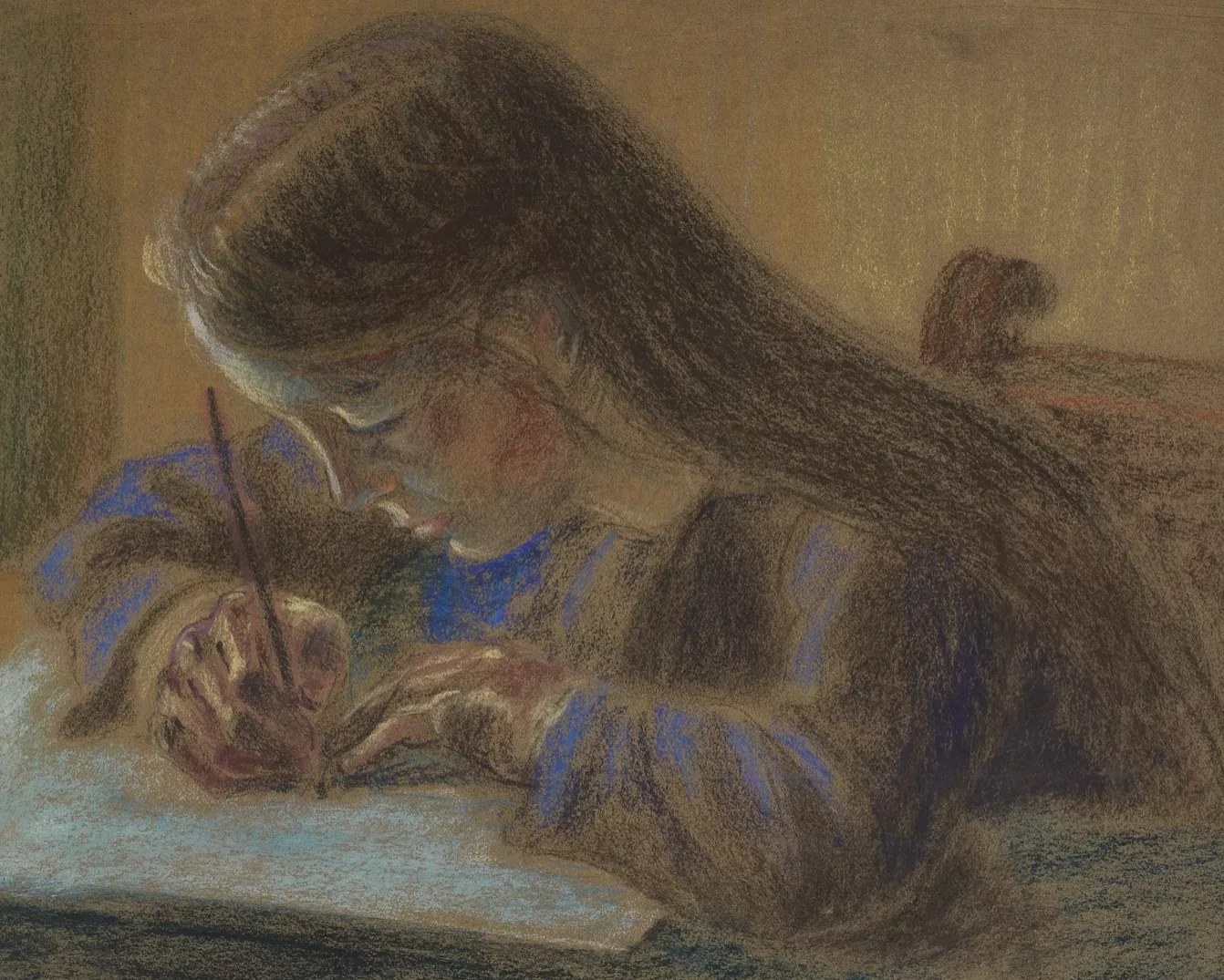
.
Recognizing the artist's signature
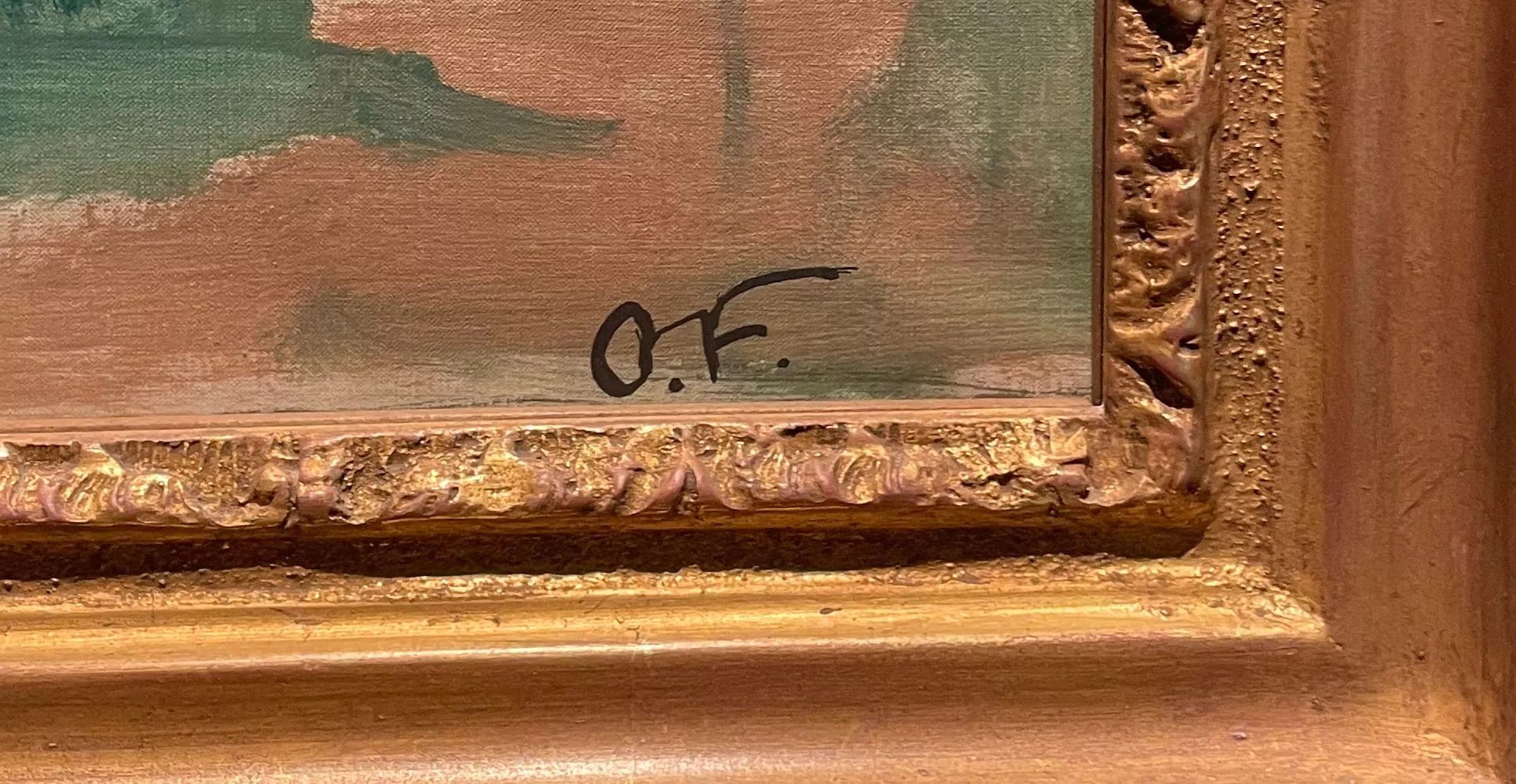
Othon Friesz sometimes signs his works, mostly at the bottom of the painting, in a color that sometimes contrasts with the background. However, there are a few copies, which is why expertise is essential.
Knowing the value of a work
If you happen to own a work by or after Othon Friesz, don't hesitate to request a free valuation using our form on our website.
A member of our team of experts and licensed auctioneers will contact you promptly to provide you with an estimate of the market value of your work, not forgetting to pass on ad hoc information about it.
If you are considering selling your work, you will also be accompanied by our specialists in order to benefit from alternatives for selling it at the best possible price, taking into account market inclinations.
Estimate in less than 24h
Works from the same period sold at auction

Estimated 600 € - 800 €
Henri ZUBER (1844-1909), Bridge at Artemare. Oil on canvas.

Estimated 4.000 - 6.000 €
EUGÈNE LEROY (1910-2000), Maison dans un sous bois, oil on canvas mounted on panel.

Estimated 15.000 - 20.000 €
Jacques MAJORELLE (1886-1962) - Fishermen embarking, Abidjan, Ivory Coast - Oil on canvas.

Estimated 4.000 - 6.000 €
GASTON CHAISSAC (1910-1964) Composition 1947, Gouache and Indian ink on paper.
Discover in the same theme

Rating and value of works, drawings, paintings by Pinchus Kr...
Pinchus Kremegne is a Russian artist of the Paris School who produced drawings and oils on canvas that are valued at auction.
Learn more >

Rating and value of François-Xavier Lalanne's ceramics and p...
François-Xavier Lalanne is a twentieth-century artist and ceramist who has produced works in porcelain that are quoted on the auction market.
Learn more >

Rating and value of paintings by Vera Molnar
Vera Molnar is a pioneering artist who developed digital art, and is highly regarded and valued at auction.
Learn more >

Secure site, anonymity preserved

Auctioneer approved by the State

Free and certified estimates
Frequently asked questions
-
Who is Othon Friesz, and what is his artistic background?Achille Émile Othon Friesz (1879–1949) was a major figure in 20th-century French painting and a key member of the Fauvist movement. Born in Le Havre, he studied in Paris under Léon Bonnat and embraced an expressive style of painting free from academic conventions, influenced by Van Gogh and Georges Braque. He also taught drawing at the Académie de la Grande Chaumière beginning in 1921, leaving a lasting impact on several generations of artists.
-
What is the price range for Othon Friesz's drawings?Othon Friesz’s drawings and watercolors generally range in price from €25 to €80,000, with significant variations depending on the technique, subject, and condition. For example, his 1907 drawing “Paysage du Midi” sold for 80,000 € at auction, exceeding its estimated reserve price of between 25,000 and 30,000 €. Oil-on-canvas works span a much wider price range, with major pieces fetching up to several million euros.
-
How can you authenticate a drawing by Othon Friesz?To authenticate a work by Othon Friesz, we recommend that you request a free appraisal from Auctie's by filling out our online form. Our state-certified experts and auctioneers will examine your artwork and provide you with an accurate estimate within 48 hours, with no obligation. This appraisal is essential because forgeries exist, and only a thorough analysis can confirm authenticity.
-
Is this a good time to sell a work by Othon Friesz?Yes, now is a good time to sell a work by Othon Friesz. Although the artist’s market value peaked in the late 2000s, the art market remains receptive when his works come up for sale, particularly among French, British, and American collectors. More than 70% of sales take place in France, demonstrating a continuing interest in his work.
-
How does the appraisal and sales process work at Auctie's?Appraisals at Auctie's are free and non-binding. Contact our team of experts and licensed auctioneers via our online form, and you’ll receive a response within 48 hours. If you’d like to sell your artwork, we’ll guide you through the process from the initial appraisal to the auction, offering you the best solutions to achieve the highest possible market price.
