



Leather goods rating: bag value - Auctie's

Key takeaways
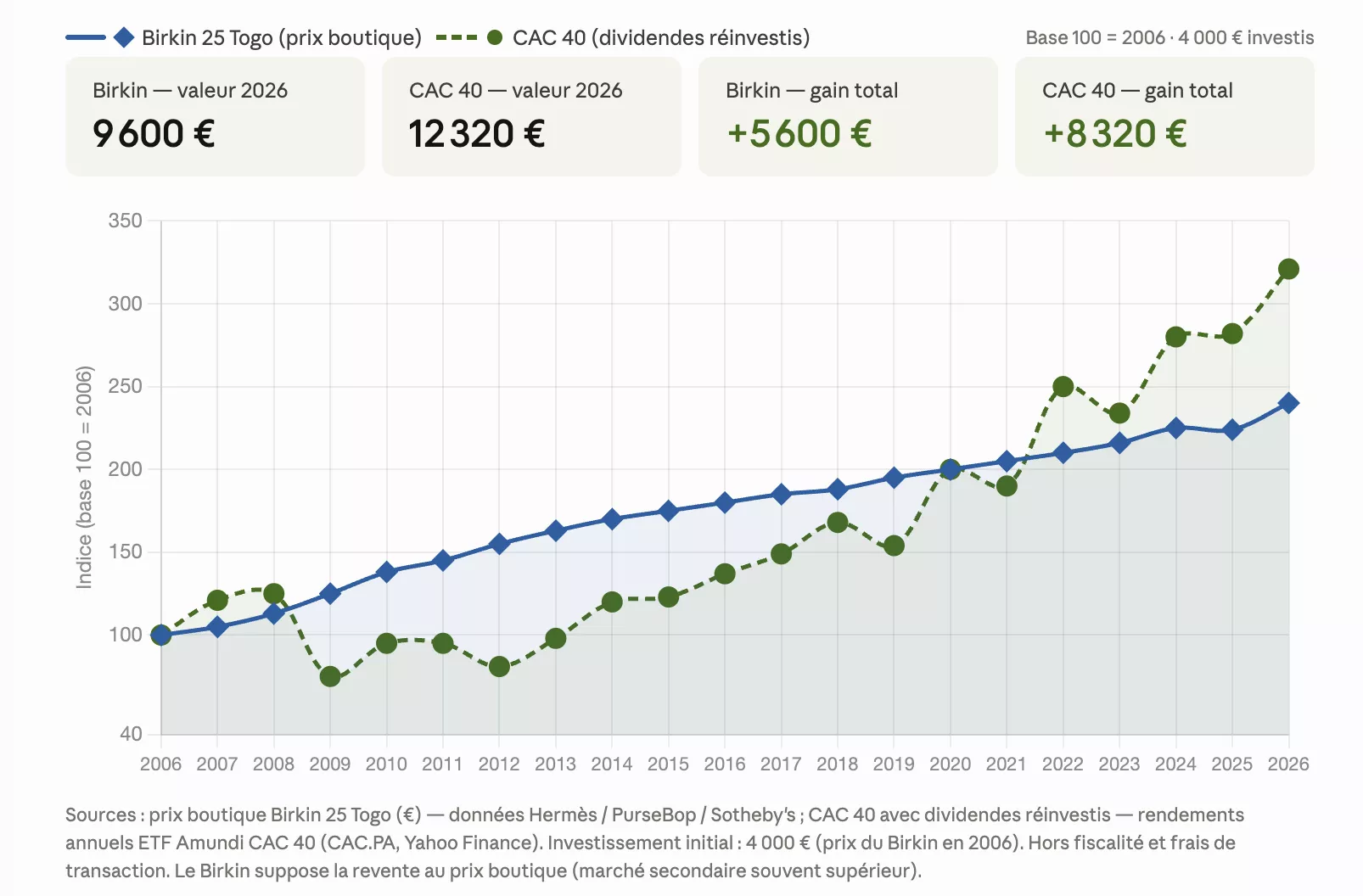
- The Hermès Birkin bag has appreciated by an average of 14% per year, outperforming gold and the CAC 40 over a ten-year period, with auction prices ranging from 8,000 to 100,000 euros.
- Exotic leathers (crocodile, ostrich, python) are worth 3 to 10 times more than standard leathers, while the material is the second most important factor in determining value after the brand and the model.
- The condition of the item reduces its value by 40 to 70% if it is heavily worn, and original accessories (padlock, keys, box) account for up to 15 to 20% of the total value.
What Is Luxury Leather Goods?
Artisanal Craftsmanship at the Heart of Its Value
A high-end leather goods piece is made entirely by hand by a single artisan: at Hermès, a Birkin or Kelly bag requires between 18 and 25 hours of work, from cutting the leather to finishing the seams with waxed linen thread.
Technical mastery (as a saddler and leatherworker trained for several years in the workshop) is a prerequisite for joining the major luxury houses. It ensures consistent stitching, even edges, and long-lasting durability of the seams.
The choice and selection of hides constitute the first level of differentiation, since only flawless hides, sorted by hand, make it into the workshops of major luxury houses, while the offcuts are resold to other luxury industries.
Exotic leathers such as Nile crocodile, ostrich, and python are subject to regulated sourcing (CITES) and specialized tanning. Their rarity and the technical expertise required to work with them justify auction prices that can be three to ten times higher than those of cowhide.
Artisanal craftsmanship is directly reflected in the resale value, since a piece bearing the hallmarks of meticulous craftsmanship (even saddle stitching, polished edges, engraved hardware) resells for significantly more than a piece with less precise finishes.
This link between artisanal production and heritage value distinguishes fine leather goods from luxury ready-to-wear: unlike fashion, a well-preserved piece of leather goods does not depreciate over time; on the contrary, it may actually appreciate in value.
The Major Houses and Their Signature Styles
At Hermès, the Irish saddle stitch is the quintessential hallmark, and the padlock clasp—along with the buckled straps inherited from equestrian saddlery—have defined the house’s aesthetic since 1837. The Birkin and Kelly models are the most sought-after expressions of this heritage.
The scarcity strategy is deliberate; limited production and the absence of online sales maintain pressure on supply, which structurally supports prices on the secondary market, while waiting lists fuel desirability.
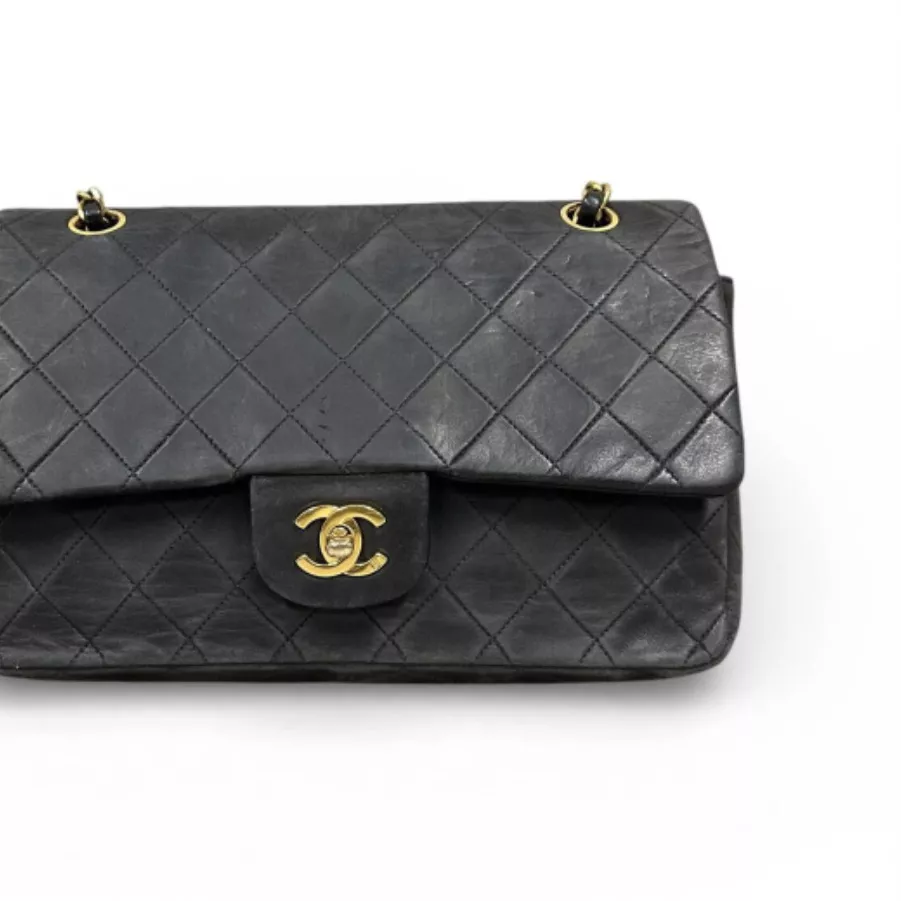
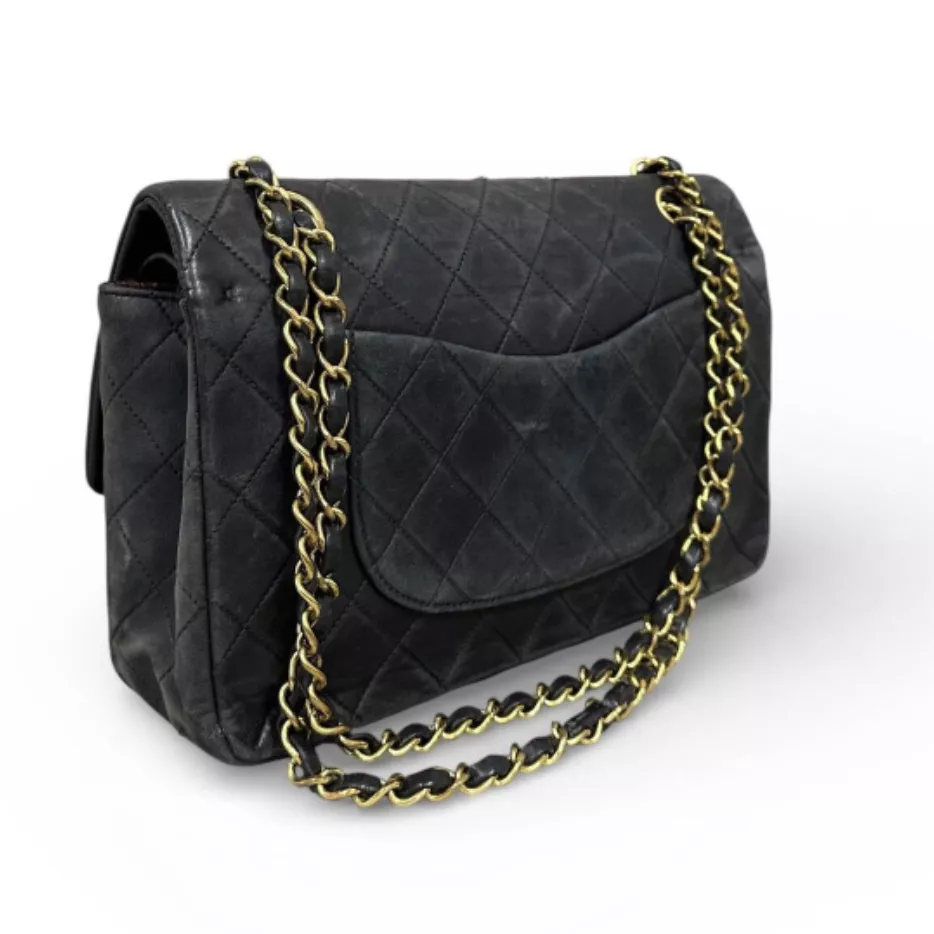
At Chanel, the visual codes are instantly recognizable; in particular, the diamond-quilted pattern, the gold chain interwoven with leather, and the double C have defined the house’s identity since the 2.55 bag created by Gabrielle Chanel.
Price increases have been regular and deliberate since 2020; Chanel’s pricing policy has significantly boosted the value of vintage pieces on the secondary market, with older leather models commanding an ever-increasing premium.
From Fashion Item to Safe-Haven Asset: Market Trends
Since the 2010s, luxury leather goods have established themselves as an asset class in their own right, driven by a scarcity of supply, the continuous rise in retail prices, and the globalization of demand.
According to several market studies, the Birkin has outperformed gold and the CAC 40 over a ten-year period. Its resale value increases by an average of 14% per year, provided the item is kept in good condition with its original accessories.
The luxury resale market is now worth several billion euros worldwide, with sustained growth driven not only by specialized platforms but also by auctions and an increasingly younger clientele.
Unlike ready-to-wear fashion, the great classics of leather goods (Birkin, Kelly, 2.55) do not experience seasonal price drops. Their value is structurally supported by the fact that these models remain in the catalog and never go out of style.
Going through a licensed auctioneer remains the most reliable way to obtain an estimate based on recent auction results and to avoid the sometimes significant discrepancies between prices listed on peer-to-peer platforms and the actual market value.
Iconic Models and Their Auction Prices
Birkin, Kelly, Constance: The Hermès Hierarchy
Model | Brand | Auction Price Range |
Birkin 25/30/35 | Hermès | €8,000 – €100,000+ |
Kelly 25/28/32 | Hermès | €6,000 – €80,000 |
Constance | Hermès | €4,000 – €30,000 |
2.55 / Boy Chanel | Chanel | €2,500 – €15,000 |
Lady Dior | Dior | €1,500 – €8,000 |
Speedy / Neverfull | Louis Vuitton | €300 – €3,000 |
Other luxury brands | Goyard, Prada, BV… | €200 – €10,000 |
The Birkin is the most sought-after model on the global secondary market; it was created in 1984 following a chance encounter between Jane Birkin and the CEO of Hermès. Prices range from 5,000 to several hundred thousand euros for a model made of Nilotic crocodile leather or a special edition.
The Kelly, created in 1935 as the “sac à dépêches,” was renamed the Kelly in 1956 after a photograph of Grace Kelly made it popular. Its rigid trapezoidal shape, padlock closure, and two carrying options (by hand or over the shoulder) make it the brand’s most versatile model.
Other bags have a lower value, such as the Constance, a structured crossbody bag created in 1969, recognizable by its H-shaped buckle and sleek silhouette.
This hierarchy can be disrupted by the material, color, and condition of the bag.
2.55, Boy, Lady Dior: the Chanel and Dior classics
The 2.55 is Chanel’s first crossbody bag, designed to free women’s hands. Its signature features are distinct: diamond-quilted pattern, burgundy lining, interior zippered pocket, and rectangular lock clasp.
Chanel’s Boy was introduced by Lagerfeld in 2011 and broke with the house’s feminine aesthetic: its lines are boxy, and it features a chain interwoven with thick leather. It quickly established itself as the second pillar of Chanel’s leather goods on the secondary market.
The Lady Dior was renamed in honor of Diana, Princess of Wales, who made it her favorite bag after receiving it as a gift from Bernadette Chirac in 1995. The quilted cannage pattern, gold letter charms, and handle are its instantly recognizable hallmarks.
Chanel enjoys a structurally higher valuation than Dior on the secondary market, driven by its regular boutique price increases and a more limited supply.
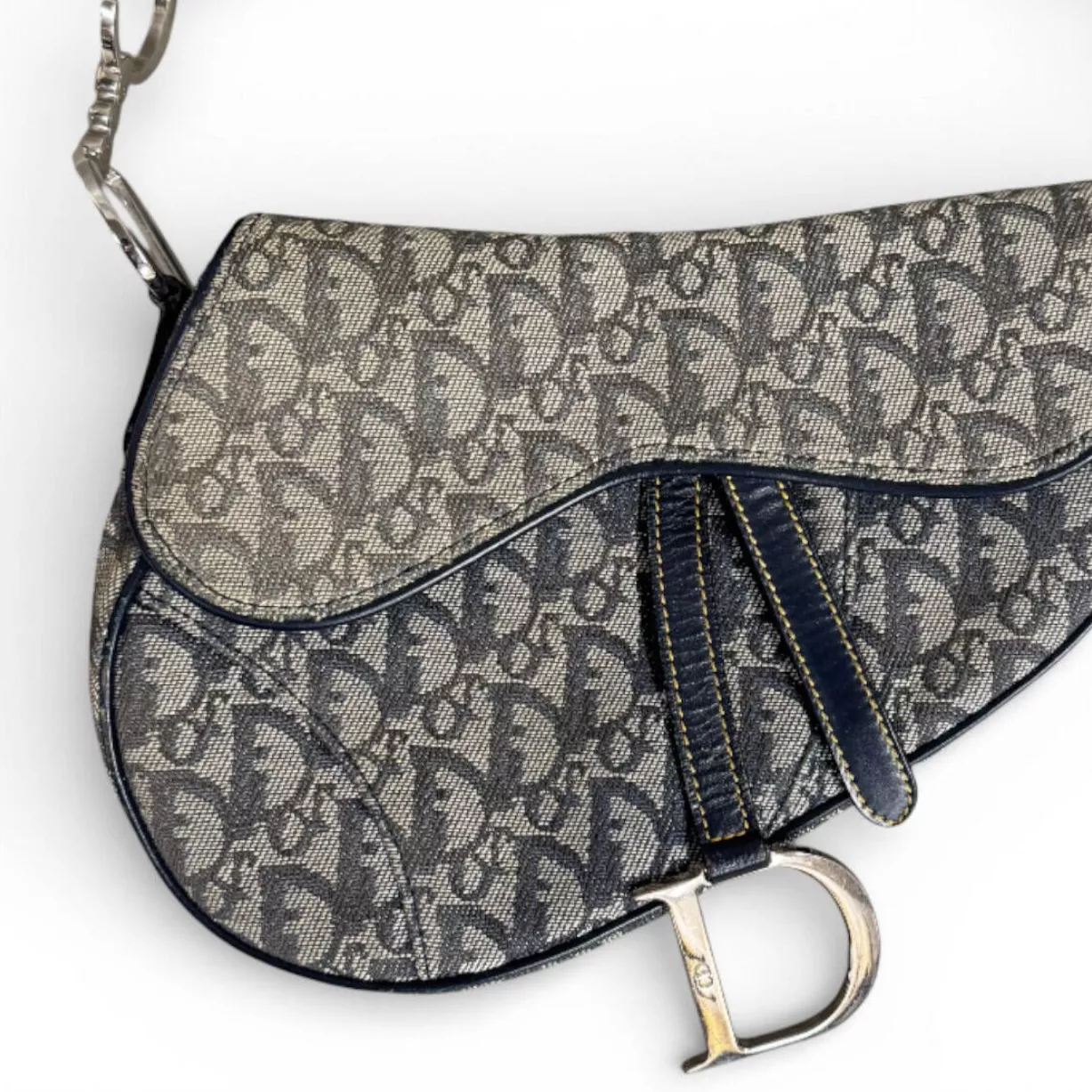
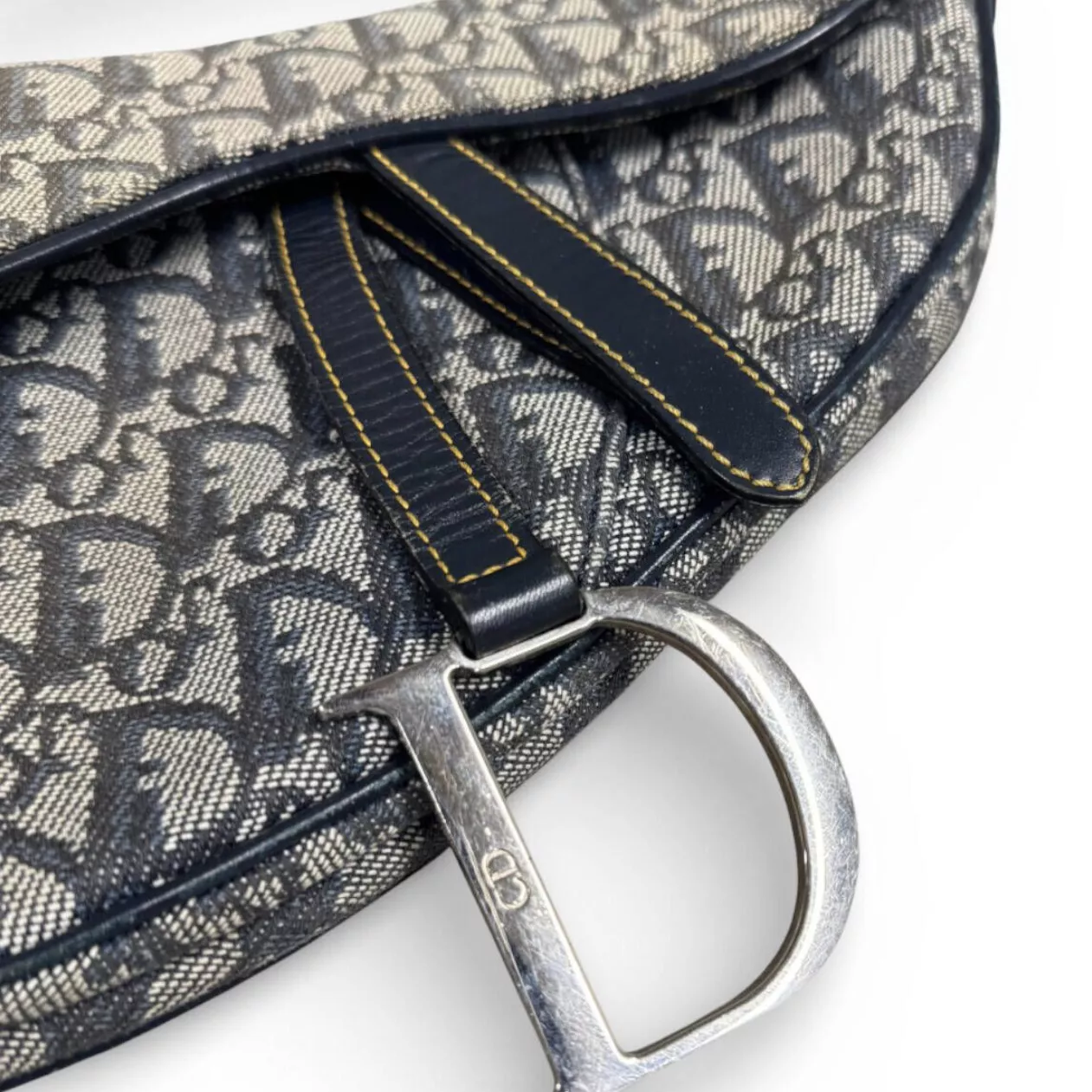
Speedy, Neverfull, Saddle: Other Market Favorites
Material | Examples | Impact on Value |
Exotic (crocodile, ostrich, python) | Crocodile Birkin, Ostrich Kelly | ×3 to ×10 vs. standard leather |
Togo / Epsom / Box leather | Classic Birkin, Kelly | Market benchmark |
Monogram canvas | Louis Vuitton, Goyard | Wide market, accessible entry |
Limited edition / collaboration | Hermès × artist, vintage Chanel | Variable rarity premium |
Factors influencing the value of a leather goods item
Brand, model, and size: the primary determinants of value
The brand of origin is the primary determinant of value; the hierarchy has remained stable in the secondary market for a decade. This hierarchy reflects three cumulative factors: production volume, in-store pricing policy, and the brand’s international recognition.
Within the same brand, the model can result in significant differences in value: at Hermès, a Birkin can be worth five to ten times more than a mass-market model from the same brand, even when the materials and size are identical.
Iconic models that remain permanently in the catalog benefit from a liquidity premium; they find buyers more quickly at public auctions than seasonal models or secondary lines, which facilitates and accelerates the sale process.
Material and Color: The Decisive Factors Affecting Value
Material is the second most important factor determining value after the brand and the model: a Birkin made of matte Niloticus crocodile leather can be worth 8 to 10 times more than an equivalent Birkin made of Togo leather, assuming the same size and color.
Neutral and classic colors (black, fawn, beige) command a liquidity premium: they find buyers more quickly at public auctions and retain their value over the long term, regardless of trends.
Hardware (gold, silver, or palladium-plated) constitutes the third parameter in the material/color combination: at Hermès, gold hardware has historically been the most sought-after, but palladium (silver) has been gaining ground on the secondary market since 2015.
The optimal combination for resale (black/gold in Togo or Caviar leather for Hermès and Chanel) is a key indicator of expertise that is systematically incorporated into the appraisal to position the piece relative to recent auction results.

Condition, Accessories, and Provenance
The condition of an item directly determines its final auction price: an item in excellent condition (intact corners, leather without patina, stain-free lining) can fetch 90 to 100% of the current retail price, while a heavily worn item may be discounted by 40 to 70%, depending on the model.
The presence of all original accessories is a valuation criterion in its own right: for a Birkin or a Kelly, the padlock, keys, shoulder strap, and original box can account for up to 15 to 20% of the total value of the item at public auction.
Selling a Luxury Leather Goods Item: Where to Start?
Putting a luxury leather goods item up for sale requires a methodical, step-by-step approach. The scarcity of qualified experts and the complexity of authentication necessitate a certain amount of preparation time that cannot be shortened.
Three main sales scenarios exist: estate sales, voluntary liquidation (collection consolidation), and strategic sales.
Estate, Inheritance, or Liquidation
The estate context introduces specific legal constraints: the work of art constitutes an asset of the estate, subject to tax reporting and valuation by a certified expert as part of the estate declaration (Article 764 of the CGI).
In the context of joint ownership of an estate, the sale of a work requires the consent of the co-owners or, failing that, judicial authorization—a frequent source of delays.
Voluntary liquidation (initiated by a collector wishing to reallocate their assets) offers greater flexibility in terms of timing and strategy: choosing the right market timing, selecting the auction house, and negotiating contractual terms.
Why use a licensed auctioneer?
Licensed auctioneers hold the legal monopoly on organizing public auctions in France, offering a guarantee of expertise and transparency: the auctioneer assumes civil and professional liability for the authenticity of the lots presented and the proper conduct of the sale.
The support service is comprehensive, including a preliminary appraisal, photographs, a catalog, and logistical management (transportation, insurance, and payment collection)—all services that significantly reduce the operational burden on the seller.
Get a free appraisal of your luxury leather goods
Estimate in less than 24h
Discover in the same theme

Free appraisal of furniture and objets d'art
Furniture and objets d'art have a long history, going back centuries. The advice of our experts will enable you to value them at their best.
Learn more >

Estimating the quality and value of your paintings
Paintings are the centerpieces of auctions, and sometimes very difficult to appraise. Call on our experts!
Learn more >

Impressionism rating: value of the works
Impressionist works are among the most highly valued on the market. Several key factors influence their value.
Learn more >
D'autres sacs de haute maroquinerie vendus aux enchères

Estimated 15000 - 20000 €
HERMES - Paris Birkin 30 handbag in black matte niloticus crocodile.

Estimated 1.500 - 3.000 €
HERMES, Constance Handbag in camel box leather.

Estimated Between €5,000 and €7,000
HERMES - Kelly in brown ostrich leather

Estimated 800 - 1200 €
CHANEL - TIMELESS bag in midnight-blue lambskin, 25 x 16 x 6 cm.

Estimated 3.000 - 6.000
CHANEL Jumbo 33 cm shoulder bag in black quilted velvet

Estimated 600 - 900 €
CHANEL - TIMELESS bag in grey and white tweed. Length: 25 cm.

Estimated 4000 - 6000 €
HERMES - Paris Birkin 35 handbag in black grained leather.

Secure site, anonymity preserved

Auctioneer approved by the State

Free and certified estimates
Frequently asked questions
-
What determines the value of a luxury handbag at auction?The value of a designer handbag depends on several cumulative factors: the brand (Hermès, Chanel, Dior), the model (Birkin, Kelly, 2.55), the material (exotic leathers such as crocodile are worth 3 to 10 times more than standard leather), the color, the condition, and the presence of original accessories. The optimal combination (black, gold, Togo leather) for Hermès and Chanel maximizes resale value.
-
What are the most popular bag styles, and what are their price ranges?The Hermès Birkin is the most sought-after model, ranging in price from 8,000 to 100,000 €, followed by the Kelly (6,000 to 80,000 €). The Chanel 2.55 ranges from €2,500 to €15,000, while the Lady Dior ranges from €1,500 to €8,000. These price ranges vary depending on the material, color, and condition of the bag.
-
How can you authenticate a luxury bag and get a reliable estimate?To authenticate and appraise a leather goods item, it is recommended that you consult a licensed auctioneer or a specialized expert. Auctie's offers a free, no-obligation appraisal conducted by auctioneers who are experts in leather goods, with a response within 48 hours.
-
Is this the right time to sell a luxury leather good?Yes, the secondary market for luxury leather goods has been structurally robust since the 2010s. The great classics (Birkin, Kelly, 2.55) remain ever-popular and benefit from regular price increases in stores, which supports their auction values. A piece in good condition with original accessories will find a buyer quickly.
-
How does the sale of a luxury bag work at Auctie's?Auctie's supports sellers from the free appraisal through to the auction: appraisal by a licensed auctioneer, professional photography, catalog listing, logistics management (transportation, insurance), and collection of proceeds. Sellers benefit from complete transparency and a significant reduction in administrative burden.
