



Baroque valuation: how to determine the value of your artworks?

Key takeaways
- The Baroque period (1600–1680) is characterized by movement, chiaroscuro, and opulence, attracting collectors and institutions with its emotional and intellectual dimensions.
- Baroque painting on canvas is the most active segment of the market, with prices ranging from a few thousand euros for an anonymous follower to tens of millions for a great master.
- Certified attribution, condition, original gilding, and documented provenance are the key factors that significantly influence the value of a Baroque work.
What is Baroque art, and why does its value fluctuate?
An artistic movement blending opulence and chiaroscuro
The Baroque is one of the most far-reaching artistic movements in the history of Western art. Originating in Italy in the late 16th century in the wake of the Catholic Counter-Reformation, it spread throughout Europe in less than a century, leaving its mark on painting, sculpture, architecture, and the decorative arts.
What characterizes it above all is movement: Baroque compositions seek to capture the moment, to depict bodies in tension, billowing drapery, and faces seized by emotion.
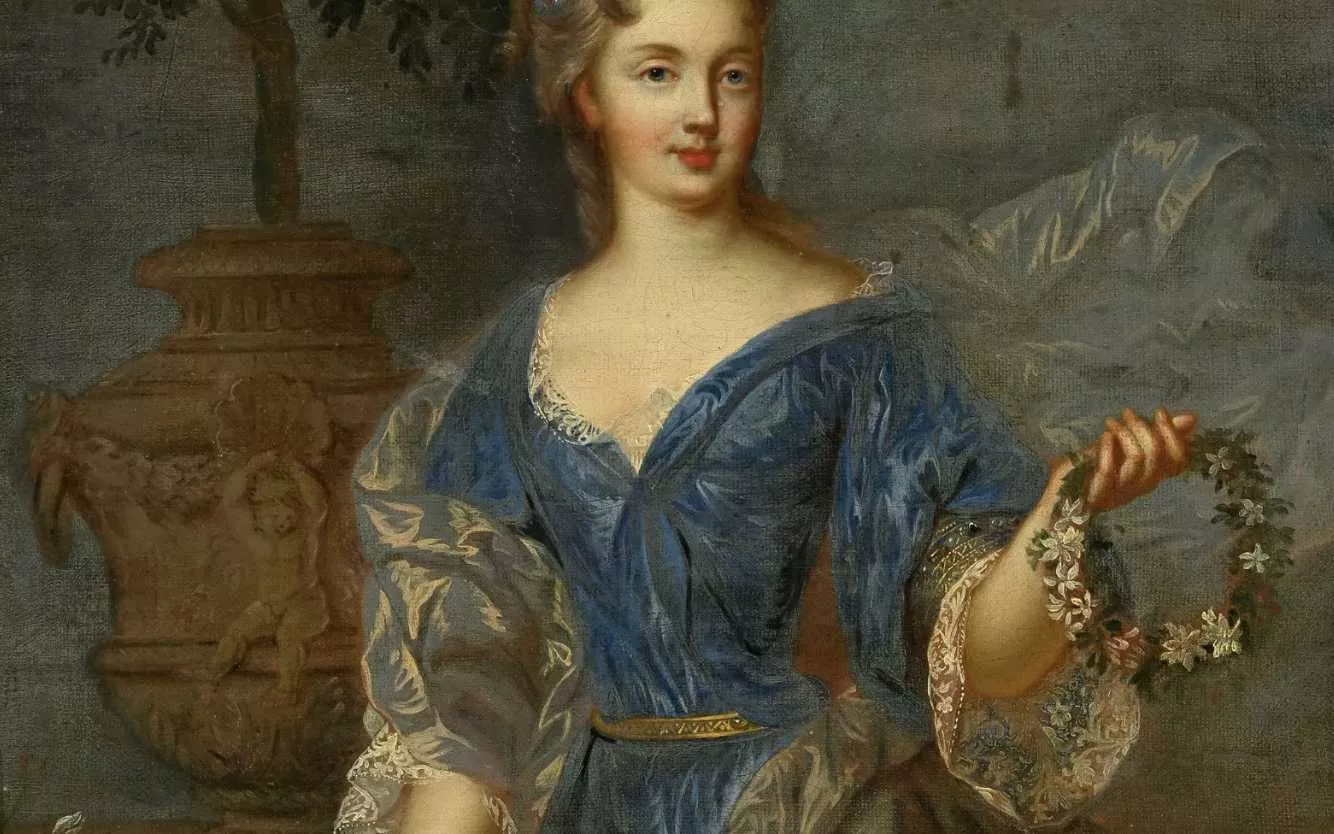
Chiaroscuro, brought to its peak by Caravaggio and then by his many disciples across Europe, is the most immediately recognizable stylistic tool of this aesthetic. Other, lesser-known artists, such as Simon Vouet, Nicolas de Largillière, and Jacques Fouquier, also contributed to the movement.
Opulence is the other central hallmark of the Baroque. Gilded details, abundant ornamentation, combinations of noble materials, and dizzying trompe-l’œil on church vaults: the Baroque asserts its power through formal excess, which is never gratuitous but always serves a theological or political message.
It is precisely this dimension—both sensory and intellectual—that explains the sustained interest of collectors and the art market in works from this period.
Artist | Country | Specialty |
Caravaggio (Michelangelo Merisi) | Italy | Painting; founder of Caravaggism and dramatic chiaroscuro |
Gian Lorenzo Bernini (Bernini) | Italy | Sculpture and architecture; creator of *The Ecstasy of Saint Teresa* |
Peter Paul Rubens | Flanders | Painting; monumental compositions, allegories, and portraits |
Rembrandt van Rijn | Netherlands | Painting and engraving; undisputed master of Northern chiaroscuro |
Johannes Vermeer | Netherlands | Painting; interior scenes of exceptional luminosity |
Diego Velázquez | Spain | Painting; official court painter to Philip IV |
Nicolas Poussin | France | Painting; representative of the French Classicist Baroque |
François Girardon | France | Sculpture; creator of the sculptures adorning the gardens of Versailles |
Johann Bernhard Fischer von Erlach | Austria | Architecture; major Baroque churches in Vienna |
Estimate in less than 24h
Painting, sculpture, altarpieces: media with distinct valuation systems
The Baroque period permeated all art forms with equal intensity, but each follows its own pricing logic.
Baroque painting on canvas is the most active category on the secondary market: accessible to a wide range of collectors, prices range from a few thousand euros for a work by an anonymous follower to tens of millions for a work certified as by a great master.
Baroque sculpture follows a different logic: large marble or bronze pieces are rare on the market and appeal to a handful of institutional or very wealthy buyers, while preparatory terracotta models, small bronzes, and ivory works circulate more frequently.
Altarpieces are a special case. As the quintessential piece of liturgical furnishings, they are rarely separated from their original context without legal and ethical complications, which explains their relative scarcity on the market.
When an altarpiece or a fragment of an altarpiece appears at public auction, it generally attracts considerable interest from museums and specialized collectors.
Baroque decorative objects—tortoiseshell boxes, mirrors with gilded frames, clocks with Boulle marquetry, and court furniture—constitute a highly sought-after category whose value has risen significantly over the past few decades.
Category | Market Presence | Buyer Profile |
Paintings on canvas | Very active | Broad spectrum, from private collectors to museums |
Drawing and Prints | Active | Specialized collectors, graphic arts galleries |
Marble or bronze sculpture | Rare, high auction prices | Institutions, major collectors |
Terracotta and ivory | Moderate | European collectors, active French market |
Altarpiece and liturgical fragment | Rare, heavily framed | Museums, foundations, specialists |
Baroque furniture and decorative arts | Well-supported | Interior designers, collectors of court art |
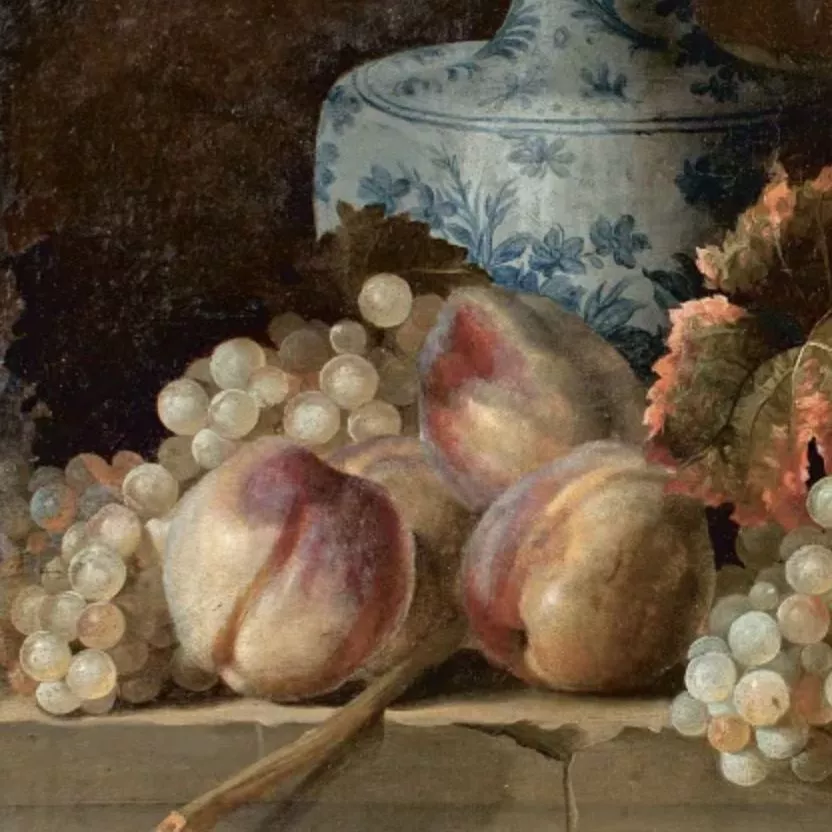
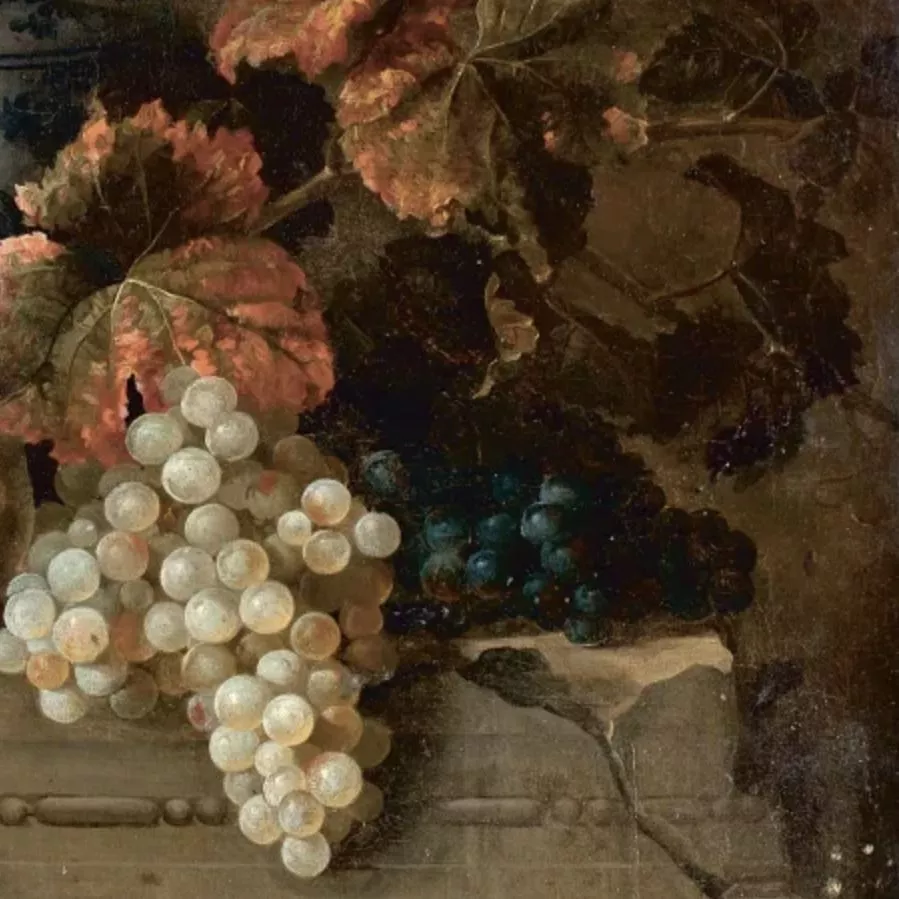
Baroque, Rococo, Classicism: What Are the Differences in the Art Market?
Baroque, Rococo, and Classicism are three artistic styles that are often confused, as they share the same historical period and a common taste for intricate detail. However, their market dynamics differ significantly.
Baroque in the strict sense, which reached its peak between approximately 1600 and 1680, is associated with the power of the Church and the great European monarchies: its works carry a strong theological and political message, which appeals to institutions as much as to private collectors.
Rococo, which succeeded it in the 18th century, adopted a lighter color palette, more delicate ornamentation, and more secular subjects. The works of Boucher, Fragonard, and Watteau illustrate this shift toward an aesthetic of festive revelry and pleasure, which was in high demand on the French and international markets.
French Classicism, a contemporary of Italian Baroque, prioritizes restraint, clarity, and order over exuberance: Poussin and Le Brun are its leading figures. These stylistic distinctions have a direct impact on market valuations, as they define communities of buyers with distinct tastes and budgets.
What factors influence the value of a Baroque artwork?
The artist, the period, and the authenticity of the work
The primary factor determining the value of a Baroque work is the identity of its artist. A painting definitively attributed to Caravaggio or Rembrandt no longer follows the same rules as the rest of the market: these are exceptional pieces whose auction prices reach tens or hundreds of millions of euros.
But the vast majority of Baroque works on the market are attributed to followers, pupils, or workshops, and this is where expertise becomes crucial: refining the attribution—even partially—can significantly increase a work’s value.
The period of creation also plays a role. Works from the first Baroque generation—those that defined the style rather than merely replicating it—are structurally rarer and more sought after.
Finally, authenticity is the sine qua non of any serious valuation. A work whose authenticity cannot be established with a sufficient degree of certainty cannot be offered for sale under favorable conditions, regardless of the apparent quality of its execution.
The Role of Gilding, Ornamentation, and Condition
In the decorative arts and Baroque furniture, gilding and ornamentation are integral components of value, not mere accessories.
An original gilded Baroque frame, a piece of furniture with intact marquetry, or an object made of blond tortoiseshell with its original gilded bronze fittings see their value significantly affected by the condition of these elements.
Clumsily redone gilding, missing ornamentation, or ornamentation replaced with a mismatched piece can significantly reduce an object’s value, even if its main structure is perfectly preserved.
For paintings, the state of preservation of the paint layer is the determining factor. A Baroque painting that has undergone extensive repainting, abrasive cleaning, or a botched relining may have lost a significant portion of its value, regardless of the initial quality of the execution.
Examination under raking light and ultraviolet light reveals these interventions and allows for an assessment of their impact on the appraisal value.
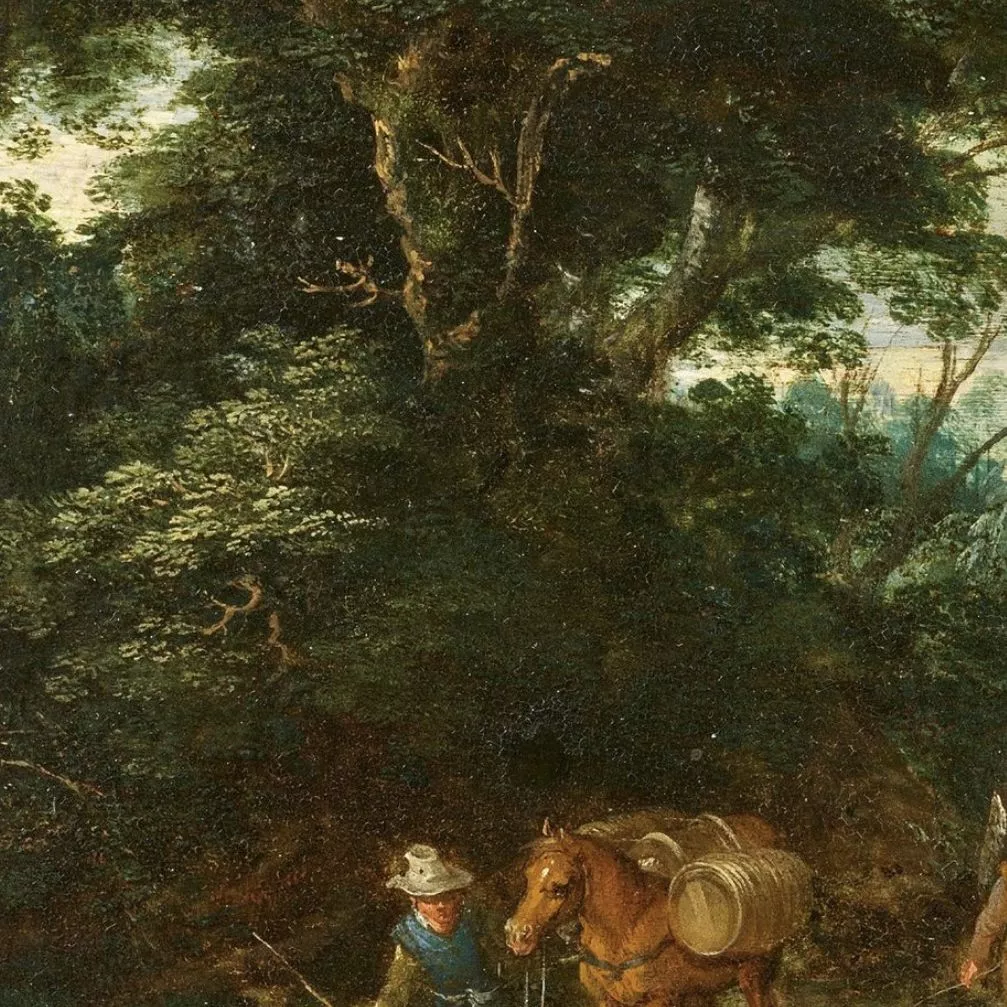
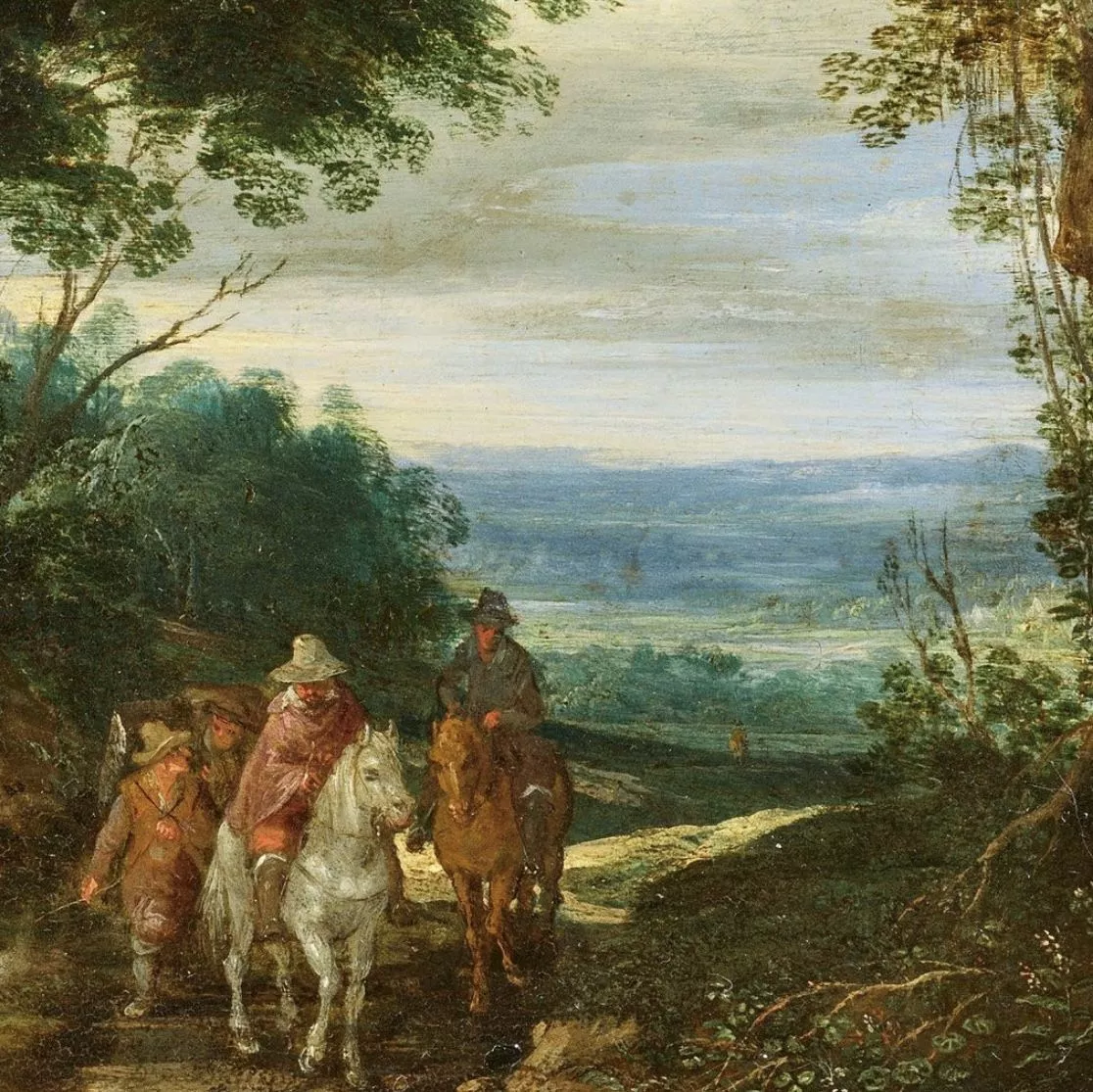
Provenance and context: castle, cathedral, or private collection
The provenance of a Baroque work is a significant factor in determining its value. A piece from a major historic private collection, a castle with a documented inventory, or a noble estate with a traceable chain of ownership enjoys additional legitimacy that buyers directly factor into their offers.
This added value is not purely sentimental: documented provenance reduces the legal risk associated with the work—particularly regarding cultural property—and strengthens confidence in its attribution.
Works originating from religious contexts—such as cathedrals, churches, and convents—raise specific questions related to heritage law and the legality of their sale.
The expertise of a licensed auctioneer helps ensure this legal aspect is addressed before any transaction takes place, specifically by verifying that the item is not classified as a historic monument or listed in registries of stolen property.
Factor | Impact on Value |
Certified attribution to a Grand Master | Very strong; auctions outside the standard market |
Attribution to an identified follower or student | Significant; value multiplied compared to an anonymous piece |
Original gilding and ornamentation intact | Strong for decorative arts and furniture |
Condition of the paint layer | A decisive factor for paintings; extensive repainting significantly reduces value |
Documented provenance (collection, castle) | Significantly enhances value, reduces legal risk |
Lack of traceable provenance | Increased uncertainty; negatively impacts buyer confidence |
How can I get a free appraisal of a Baroque artwork?
A free appraisal by a certified auctioneer
To have a Baroque artwork appraised, you need to consult someone who is well-versed in the art history of the period, the production techniques specific to the 17th century, and the current state of the market. A certified auctioneer possesses all three of these areas of expertise.
Their training and state certification confer an authority that informal appraisals—no matter how competent—cannot match: their appraisal is legally binding; it can be presented to a notary, a tax authority, or a court; and it is backed by their professional liability.
Auctie’s offers this appraisal free of charge, with no obligation to sell or achieve a specific result. Whether you simply want to know the value of an inherited painting, verify the need for appropriate insurance, or prepare an estate, the first step is the same: submit your artwork for appraisal by a professional who knows how to assess its value.
Online Appraisal in Less Than 24 Hours, No Obligation
Auctie’s online appraisal process is designed to be as simple as possible. Simply submit high-quality photographs of the artwork—front and back—along with its dimensions and any known provenance details, to receive an initial certified appraisal in less than 24 hours.
This appraisal is free, confidential, and non-binding: it does not obligate you to anything and will not result in any unsolicited sales pitches.
For items that require it—particularly those with uncertain attribution or whose condition raises questions—a physical examination can be arranged at a later stage.
This flexibility allows us to tailor the level of expertise to the nature of each work, without unnecessarily complicating the process for items whose value can be determined remotely.
Estimate in less than 24h
Selling a Baroque Artwork at Auction: What You Need to Know
Why Auctions Get You a Better Price for Your Baroque Pieces
Auctions are structurally the most favorable venue for high-quality Baroque works. They expose the piece to the entire market at a given moment: if several buyers are interested, their competition can drive the hammer price well beyond the initial estimate.
This is particularly true for Baroque works, which have a large but unevenly distributed global following, and whose value can vary significantly depending on whether they are sold in France, Germany, the United States, or Asia.
The transparency of the process is another decisive advantage. Unlike a private sale, in which the price is negotiated behind closed doors between two parties, an auction produces a public price, certified by a court officer, which serves as the official record in all contexts: tax, estate, and insurance.
For heritage works such as Baroque pieces, this certified value is often more useful than a simple sale price.
Method of Sale | Main advantage | Main limitation |
Public auction | Certified market price, competition among bidders | Timeframe for listing must be anticipated |
Private sale | Speed, complete discretion | Less transparent pricing, less competition |
Specialized consignment shop | Exposure to a targeted network of collectors | Variable timeline, sale not guaranteed |
Direct buyback | Immediate transaction | Price below market potential |
Auctie’s at Drouot: transparency and anonymity guaranteed
Auctie’s holds its auctions at the Hôtel Drouot, the leading auction venue in continental Europe.
For a Baroque work, Drouot offers unparalleled visibility: an audience of professional buyers and collectors who are among the most active in the French and European markets, complemented by online bidders participating in real time from abroad. The catalog is distributed well in advance of the auction, allowing specialized collectors to identify items and plan their bids.
The seller’s anonymity is fully preserved throughout the entire process. The consignor’s identity is never disclosed to buyers or third parties. This guarantee is particularly valuable for sellers who wish to sell items from an estate or a private collection without revealing their financial situation.
Auctie’s supports you from the initial appraisal through to the receipt of the sale proceeds, with the rigor of a licensed auctioneer and the discretion your financial decisions deserve.
Estimate in less than 24h
Discover in the same theme

Rating and value of sculptures and busts from the First Empi...
Busts from the First Empire are highly sought-after works at auction, and their value is on the rise.
Learn more >

Rating and value of Movado watches and chronographs
The Movado company, which mainly manufactures watches, is very successful on the auction market. Their value is on the rise.
Learn more >

Rating and value of Cartier gold lighters
Cartier gold lighters are luxury objects and accessories that can be highly valued on the auction market.
Learn more >
Nos records d'enchères à l'hôtel Drouot

Estimated 10.000 - 15.000 €
Ebridge Ayer BURBANK(1858-1949), Young African-American boy, Oil on panel.

Estimated 20.000 - 30.000
EXCEPTIONAL LARGE OVAL DISH IN VINCENNES SOFT PASTE PORCELAIN FROM THE "BLEU CÉLESTE" SERVICE OF KING LOUIS XV AT THE CHÂTEAU DE VERSAILLES

Estimated 20.000 - 30.000
MANUFACTURE ROYALE DE SÈVRES, 18th century "L'Empereur de la Chine" - Portrait of the Emperor Qianlong, Hard porcelain bisque, 1775

Estimated 1.500 - 3.000
HERMÈS, "Kelly" 32 saddle bag in black box calf

Estimated Between €5,000 and €8,000
KRACHKOWSKY (1854-1914), Before the storm, oil on canvas

Estimated 40.000 - 80.000
Alexandre ROUBTZOFF (1884-1949), Portrait of Arbia, oil on canvas

Secure site, anonymity preserved

Auctioneer approved by the State

Free and certified estimates
Frequently asked questions
-
What is the Baroque period, and what are its main characteristics?The Baroque is an artistic movement that originated in Italy in the late 16th century, characterized by movement, emotion, and dynamic compositions. Its most recognizable stylistic hallmarks are dramatic chiaroscuro (brought to its peak by Caravaggio) and ornamental opulence: gilding, combinations of precious materials, and trompe-l’œil. This movement spread throughout Europe in less than a century, influencing painting, sculpture, architecture, and the decorative arts.
-
How do authenticity and attribution affect the value of a Baroque work?The artist’s identity is the primary factor determining a work’s value. A certified attribution to a great master such as Caravaggio or Rembrandt can fetch tens or hundreds of millions of euros, while an attribution to an identified follower or student will command a much higher price than an anonymous work. Precise authentication is an absolute prerequisite for any serious valuation: a work whose authenticity cannot be established cannot be put up for sale under proper conditions.
-
What factors influence the value of decorative arts and Baroque furniture?For decorative arts (gilded frames, marquetry furniture, tortoiseshell objects), the condition of the original gilding and ornamentation is crucial and has a significant impact on value. An original gilded frame, intact marquetry, or well-preserved gilded bronze elements are key factors in determining the price, whereas clumsily restored gilding or missing ornamentation can significantly reduce the object’s value. For paintings, the condition of the paint layer is decisive: extensive repainting, abrasive cleaning, or poorly executed relining significantly reduce the value.
-
How can I get a free appraisal of a Baroque artwork at Auctie's?Auctie's offers a free, confidential, and no-obligation appraisal. Simply submit high-quality photographs of the artwork (front and back), its dimensions, and any known provenance details to receive an initial certified appraisal within 24 hours. For items requiring further examination (uncertain attribution, condition to be verified), a physical examination can be arranged at a later date.
-
Why is the provenance of a Baroque work important to its value?A documented provenance (a major historic private collection, a château, or a noble estate) significantly increases the work’s value and bolsters buyers’ confidence. It also reduces legal risk by confirming the legality of the transaction and the fact that the work is not classified as a historic monument. Conversely, the absence of a traceable provenance creates greater uncertainty and negatively impacts the confidence of potential collectors.
