



Rating and value of paintings by Balthasar van der Ast

Key takeaways
- Works by Balthasar van der Ast (1593–1657) sell for between €1,200 and €2,858,000, with a record price set in 2012 for a floral still life.
- A 17th-century Dutch painter specializing in floral and shell still lifes, his compositions are characterized by meticulous observation and a rigorous arrangement of objects.
- His market value has been growing steadily since the 1990s, driven by the rarity of his authentic works and the growing interest of international collectors and museums in the Golden Age.
If you own a work by or after the artist Balthasar van der Ast, and you'd like to know its value, our state-approved experts and auctioneers will offer you their appraisal services.
Our specialists will carry out a free appraisal of your work, and provide you with an accurate estimate of its value on the current market.
Then, should you wish to sell your work, we will direct you to the best possible arrangement to obtain the optimum price.
Rating and value of the artist Balthasar van der Ast
Balthasar van der Ast was a Dutch painter of the 17th century. A world-famous figure, there are relatively few works attributed to him on the art market, but these are extremely highly prized and well priced.
The bulk of his output revolves around painting, but a few drawings and engravings are also preserved.
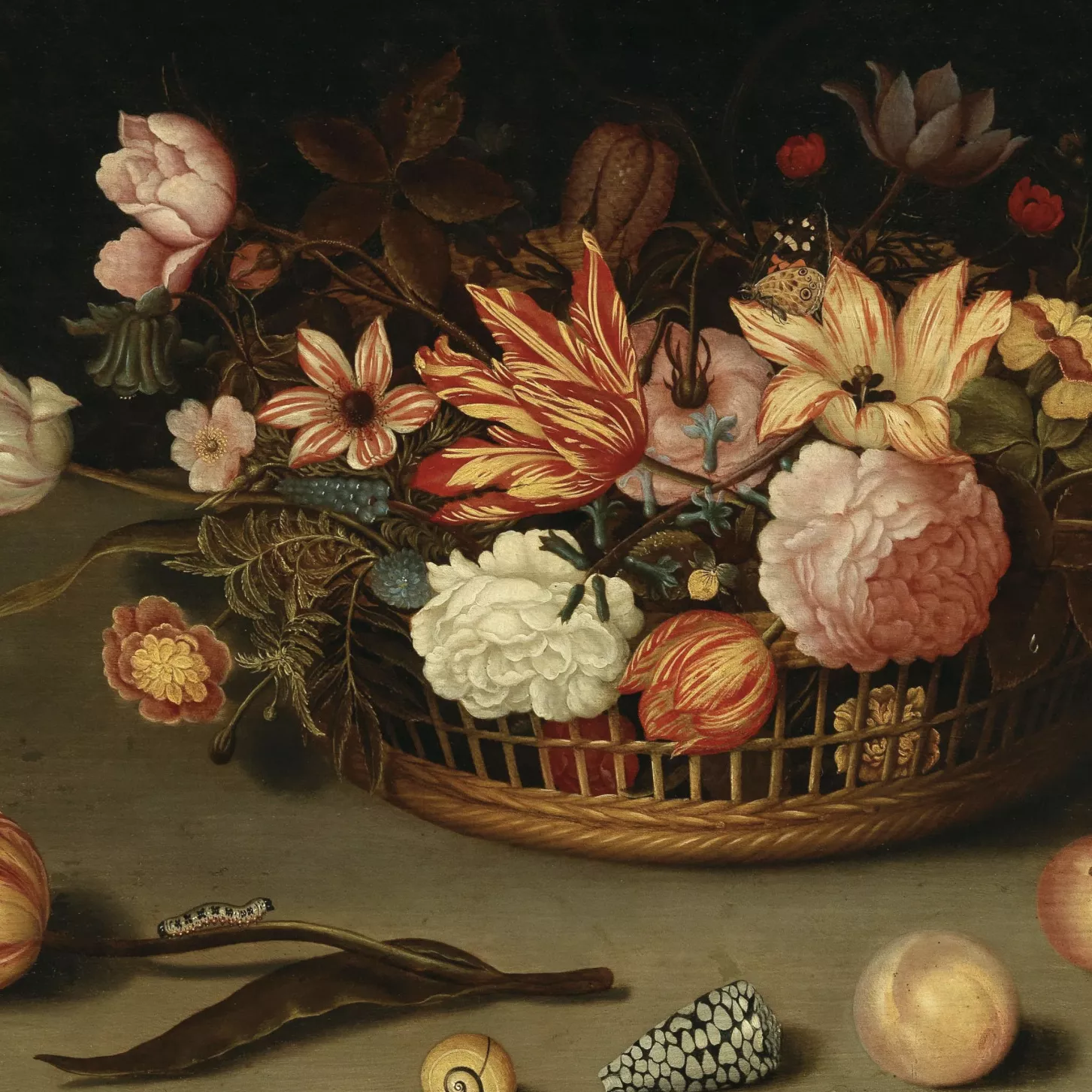
Works by Balthasar van der Ast are sold for between €1,200 and €2,858,000 (attributed to or studio of for the smaller results). In 2012, his oil on canvas Flowers, shells and insects on a stone ledge, sold for €2,858,000, against an estimate of €995,000 to €1,491,000.
Order of value from a simple work to the most prestigious
Technique used | Result |
|---|---|
Drawing - watercolor | From €1,200 to €18,000 |
Painting | From €3,000 to €2,858,000 |
Estimate in less than 24h
Market segmentation and artist's rating
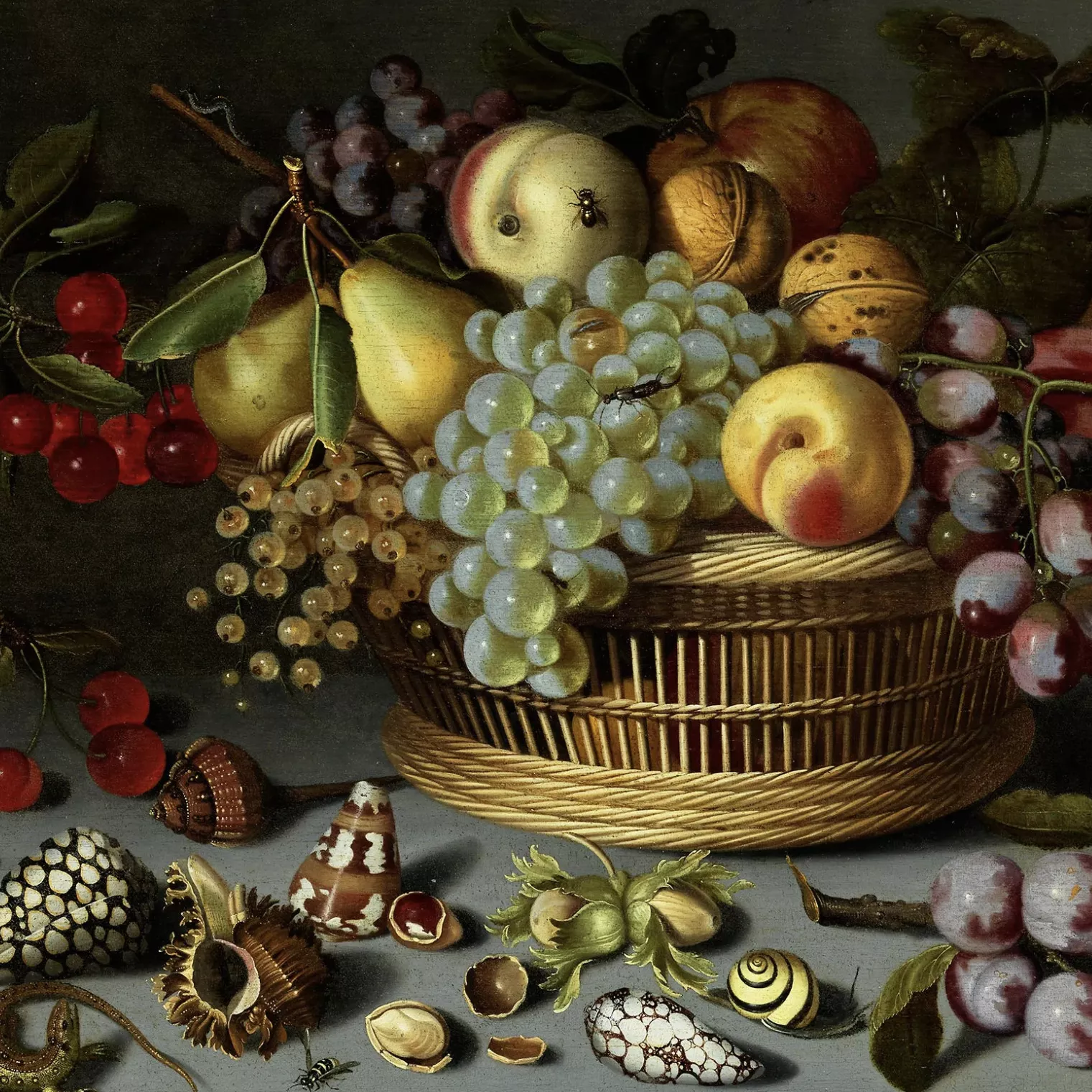
Balthasar van der Ast (1593 - 1657) was a 17th-century Dutch painter of the Middelbourg school. He excelled mainly in the still-life genre, with a predilection for floral compositions and still lifes with shells and exotic fruits, which are sometimes enriched with insects and lizards.
He is thus part of a long tradition that includes Anne Vallayer-Coster, Henri Fantin-Latour or Clara Peeters.
His work reflects a meticulous observation of reality, in the tradition of contemporary naturalists. He adopts a quasi-taxonomic approach, juxtaposing botanical or zoological species so as to emphasize their diversity and singularity.
His still lifes are characterized by a rigorous arrangement of objects on a frontal or slightly inclined plane, accentuating the legibility of each element. The pictorial space is tight, with no marked depth, which reinforces the tableau-table effect.
With regard to the treatment of light, Van der Ast masters a diffuse, lateral light, often from a single source, which enables fine modeling of volumes and accentuation of textures (petals, rough surfaces of fruit, pearly reflections of shells).
He uses a delicate, nuanced palette, with subtle work in pastel tones and glazes. Chromatic refinement serves an aesthetic of detail, emphasizing the translucence of petals or the brilliance of shells.
The function is symbolic : beyond descriptive realism, his works are part of a complex symbolic iconography that participates in the vanitas tradition through the presence of perishable elements (ripe fruit, insects, wilted flowers), and allegories of the passage of time.
He was a pupil and brother-in-law of Ambrosius Bosschaert, whose formal legacy he continued, while acting as a conduit to subsequent generations (notably Jan Davidsz de Heem), and contributing to the rise of Dutch floral still life.
The life of Balthasar van der Ast
Balthasar van der Ast was born around 1593 in Middelbourg, in the province of Zeeland, into a bourgeois, merchant milieu. He was trained in the studio of Ambrosius Bosschaert the Elder, a renowned painter of floral still lifes, whose brother-in-law he also became.
This family training played a crucial role in the transmission of iconographic models and technical methods. Middelbourg was the first place where he established himself professionally, an active cultural center in the early 17th century, benefiting from a merchant elite sensitive to artistic innovations and representations of naturalistic luxury.
After Bosschaert's death, he left Middelbourg for Utrecht in 1619, where he joined a circle of influential painters that included Roelandt Savery. This move marked a phase of openness to other stylistic currents and a diversification of his iconographic repertoire.
He then moved to Delft around 1632, where he became a member of the Saint Luke's guild. This stay was marked by a more refined production, a brighter palette and great descriptive precision.
Although poorly documented, his network of patrons probably included enlightened collectors and scholars. He is also appreciated for his skill in depicting rare and exotic species, which also testifies to a sensitivity to the scientific interests of his time.
Balthasar van der Ast died in Delft in 1657, leaving behind him a valuable body of work for the history of Dutch painting and for understanding the relationship between art, science and collecting in early modernity.
Market segmentation and artist's rating
Balthasar van der Ast is today one of the major painters of 17th-century Dutch still life. He enjoys a high-end positioning on the early art market, due to the rarity of his works, their museum quality and their often remarkable state of conservation.
The supply is limited, the corpus of autographed works is relatively small, with a limited number of paintings still in private hands. This induces a structural tension between supply and demand, which is conducive to continued valuation.
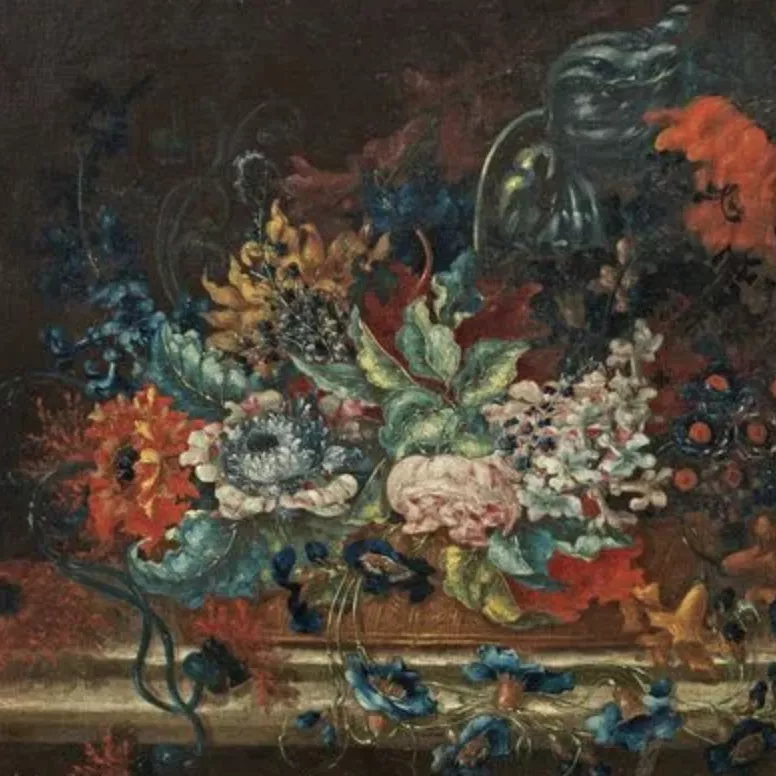
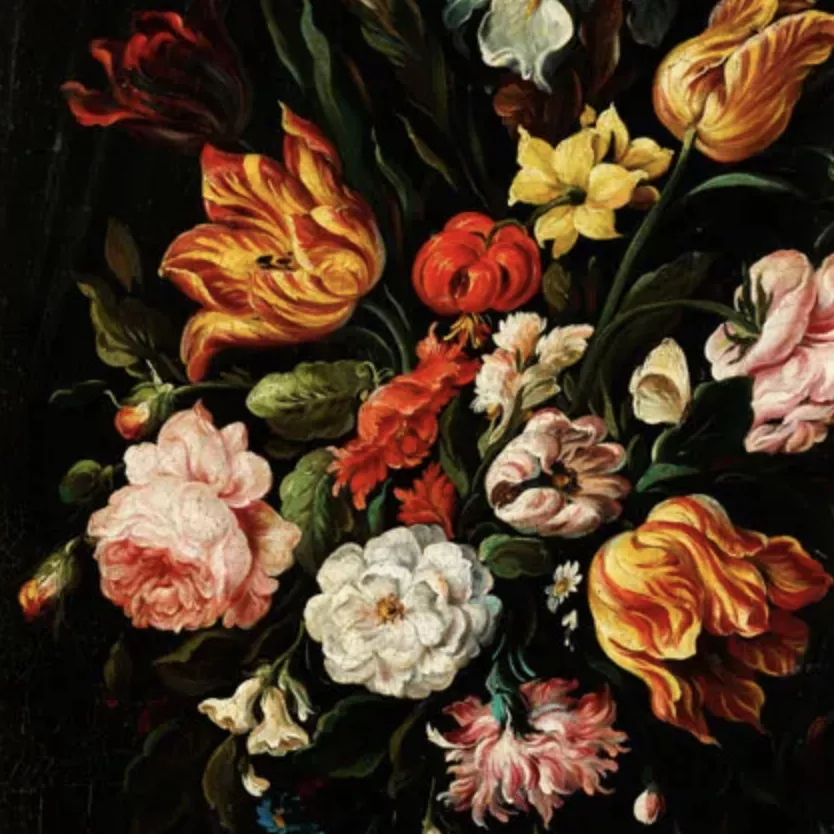
The market makes a clear distinction between floral still lifes, which are the most sought-after, and compositions with shells, fruit or insects, which are rarer but highly appreciated for their scientific and exotic character.
Small-format works, well preserved and signed, concentrate the highest bids. Paintings from prestigious collections or passed through museum institutions benefit from a legitimizing effect, reinforcing their attractiveness on the secondary market.
Van der Ast's quotation has grown steadily since the 1990s, sustained by renewed interest in Golden Age painters, both from private collectors and international museums, particularly Anglo-Saxon.
Several records were set, with major works regularly fetching in excess of one million euros, particularly those from his Utrecht period. Prices vary according to the presence of a signature, state of preservation, provenance and iconographic complexity.
The demand comes from a small core of collectors specializing in Nordic still lifes, often aware of the works' scientific and symbolic dimensions. The market also benefits from the growth of institutional purchases in the field of ancient art.
Balthasar van der Ast's standing is consolidated by a strong museum presence, with works held at the Rijksmuseum, the Mauritshuis, the Louvre and the Museum of Fine Arts, Boston, but also by an abundant scientific literature, which reinforces the artist's legitimacy in terms of heritage and intellect.
Recognizing the artist's signature
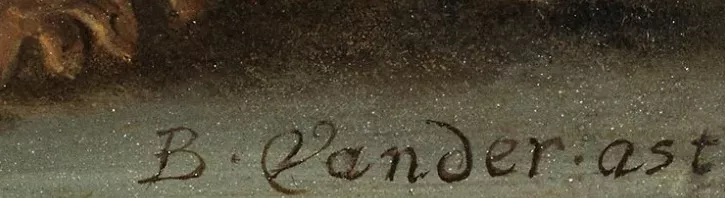
Balthasar van der Ast doesn't always sign his paintings and many on the market are attributed to his followers (this doesn't mean the paintings have no value). Whatever happens, for this artist, the intervention of a dedicated expert is mandatory.
Know the value of a work
If you happen to own a work by Balthasar van der Ast, request a free appraisal without further delay via our form on our website.
A member of our team of experts and auctioneers will contact you promptly to provide you with an estimate of the value of your work, as well as ad hoc information about it.
If you are considering selling your work, you will also be accompanied by our specialists in order to benefit from alternatives for selling it at the best possible price.
.Estimate in less than 24h
Discover in the same theme

Rating and value of works, drawings, paintings by Mathias St...
Mathias Stomer was a 17th-century Dutch painter influenced by Caravaggio. He produced highly prized oil paintings.
Learn more >

Rating and value of works, drawings, paintings by Gabriel Me...
Gabriel Metsu was a 17th-century Dutch painter whose oils on panel and drawings are highly sought-after at auction.
Learn more >

Rating and value of paintings by Alexander van Bredael
Alexander van Bredael is a 17th-century Flemish painter who produced paintings that are highly valued. 24h estimate.
Learn more >
D'autres natures mortes vendues aux enchères

Estimated 15.000 - 20.000
Anthony II CLAESZ (1616-1642), Still life of flowers, oil on canvas

Estimated 8.000 - 12.000
Guillaume FOUACE (1837 - 1895), Still life with lobster, oil on canvas

Estimated 8.000 - 15.000
Maurice de VLAMINCK (1876-1958), Still life with jugs and leeks, oil on canvas

Estimated 4.000 - 6.000
Guillaume FOUACE (1837-1895), Still life with Roquefort cheese, Oil on canvas

Estimated 12.000 - 15.000
Paul AIZPIRI (1919-2016), Still life of flowers, Oil on canvas

Estimated 800 - 1.500
Pascal DAGNAN-BOUVERET (Paris 1852-1929 Quincey) Still life with apple and books, Oil on cardboard

Secure site, anonymity preserved

Auctioneer approved by the State

Free and certified estimates
Frequently asked questions
-
Who is Balthasar van der Ast, and what is his significance in art history?Balthasar van der Ast (1593–1657) was a major 17th-century Dutch painter and a world-renowned figure in Dutch still-life painting. A student and brother-in-law of Ambrosius Bosschaert, he is best known for his floral compositions and still lifes featuring seashells, exotic fruits, and insects, characterized by meticulous observation of reality and a complex symbolic dimension. His work influenced subsequent generations and is prominently represented in major museums around the world (the Rijksmuseum, the Louvre, and the Museum of Fine Arts in Boston).
-
What is the price range for works by Balthasar van der Ast?Works by Balthasar van der Ast are selling for between €1,200 and €2,858,000. Drawings and watercolors generally range from €1,200 to €18,000, while paintings range from €3,000 to €2,858,000. Major works, particularly those from his Utrecht period, regularly exceed one million euros. Prices depend on the signature, condition, provenance, and iconographic complexity.
-
How can a work attributed to Balthasar van der Ast be authenticated?Authenticating a work by Balthasar van der Ast requires the expertise of a specialist, as the artist did not consistently sign his paintings and many works are attributed to his followers. We recommend that you request a free appraisal from Auctie’s via our online form: an auctioneer or expert will contact you shortly to examine the work and provide you with a precise attribution.
-
Is this the right time to sell a work by Balthasar van der Ast?Yes, the market for works by Balthasar van der Ast has been growing steadily since the 1990s, driven by a renewed interest in Golden Age painters. Supply remains limited, as the body of authentic works is small, creating a favorable balance between supply and demand. Specialized collectors and museums are actively seeking his still lifes, particularly those that are well-preserved and small in size.
-
How does the process of selling a work of art at Auctie's work?Auctie's guides you from the appraisal to the auction. First step: Request a free, no-obligation appraisal using our form. An expert will respond within 48 hours with an accurate appraisal. If you decide to sell, our specialized auctioneers will advise you on the best sales strategies to get the highest possible price at auction.
