



Rating and value of works, paintings by Louis Léopold Boilly

Key takeaways
- Louis Léopold Boilly’s works range in price from €5 to €2,836,000, with oil-on-canvas paintings being the most highly valued and sought-after segment.
- The artist’s characteristic trompe-l’œil paintings and small-format works are in very high demand, with high rarity and exceptional liquidity.
- Miniature portraits, drawings, and watercolors form an active and specialized market that has been prized by French and American collectors since the Neoclassical period.
If you own a work by or after Louis Léopold Boilly, and would like to know its value, our state-approved experts and auctioneers will offer you their appraisal services.
Our specialists will carry out a free appraisal of your work, and provide you with a precise estimate of its value on the current market.
Then, should you wish to sell your work, we will direct you to the best possible arrangement to obtain the optimum price.
Rating and value of the artist Louis Léopold Boilly
Louis Léopold Boilly leaves behind a very singular body of work, in the neoclassical movement. Prices for his works are now rising under the auctioneer's hammer. His paintings are particularly prized, especially by French and American buyers.
The price at which they sell on the art market ranges from €5 to €2,836,000, a substantial range but one that says a lot about the value that can be attributed to Boilly's works.
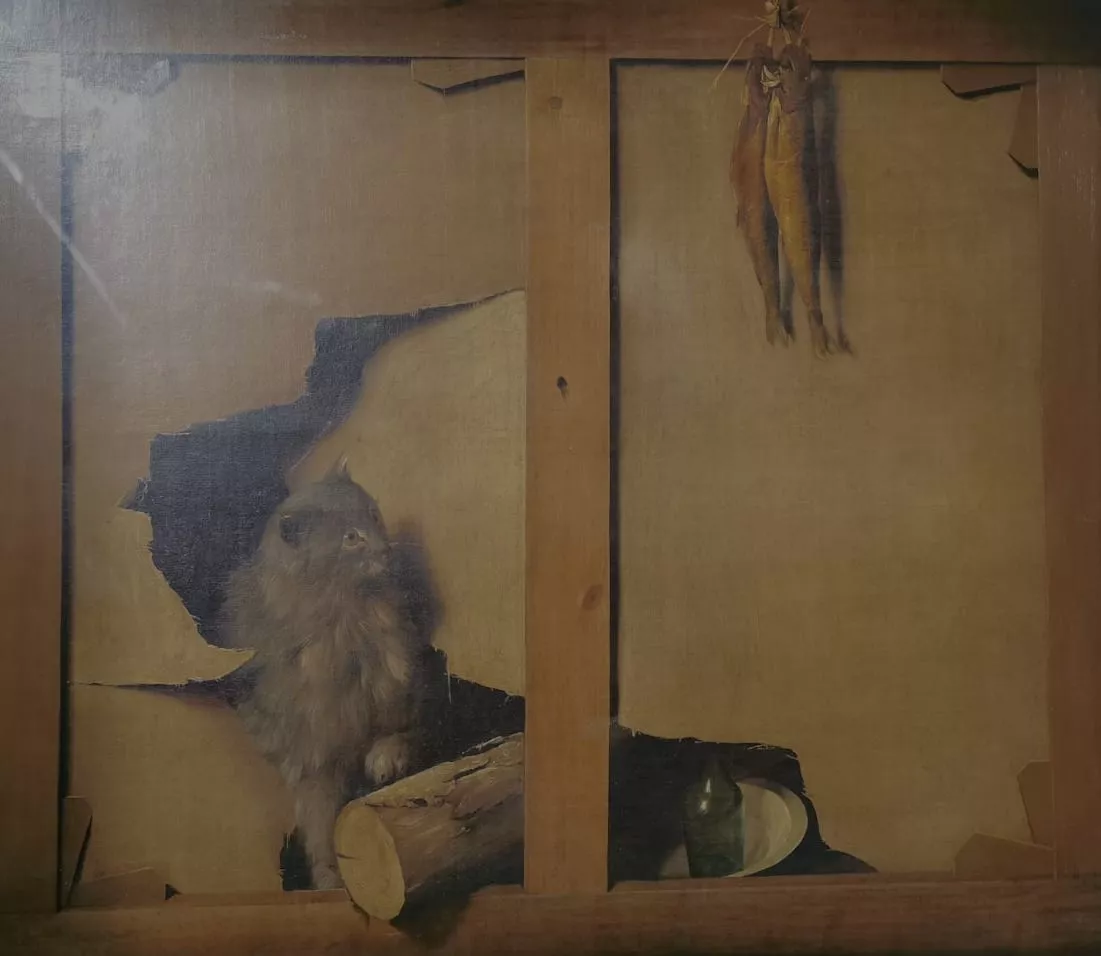
In 2017, his trompe-l'œil oil on canvas depicting a crucifix sold for €624,300, while it was estimated at €459,000 to €734,000.
Order of value from a simple work to the most prestigious
Technique used | Result |
|---|---|
Estamp | From €5 to €24,400 |
Drawing - watercolor | From €50 to €289,650 |
Oil on canvas | From €350 to €2,836,000 |
Estimate in less than 24h
Style and technique of Louis Léopold Boilly
Louis Léopold Boilly was part of the neoclassical movement, painting mainly genre scenes and portraits. He was trained in trompe-l'œil with the oil-on-canvas technique and was influenced by the Dutch masters.
His style oscillates between meticulous illusionism, the heritage of the 18th century and pre-photographic realism heralding the 19th century. His iconogrpahy focused on bourgeois portraits, artists, actors and musicians, urban scenes, public celebrations and domestic interiors.
He often produced small, anecdotal, often humorous paintings, with a remarkable ability to capture gestures, attitudes and psychological expressions. The scenes are carefully structured, often in small or medium formats.
The composition is dense, with a multiplicity of figures, fine interactions and an almost theatrical organization. He shows an interest in optical effects and illusionist devices, in the continuity of the trompe-l'œil masters.
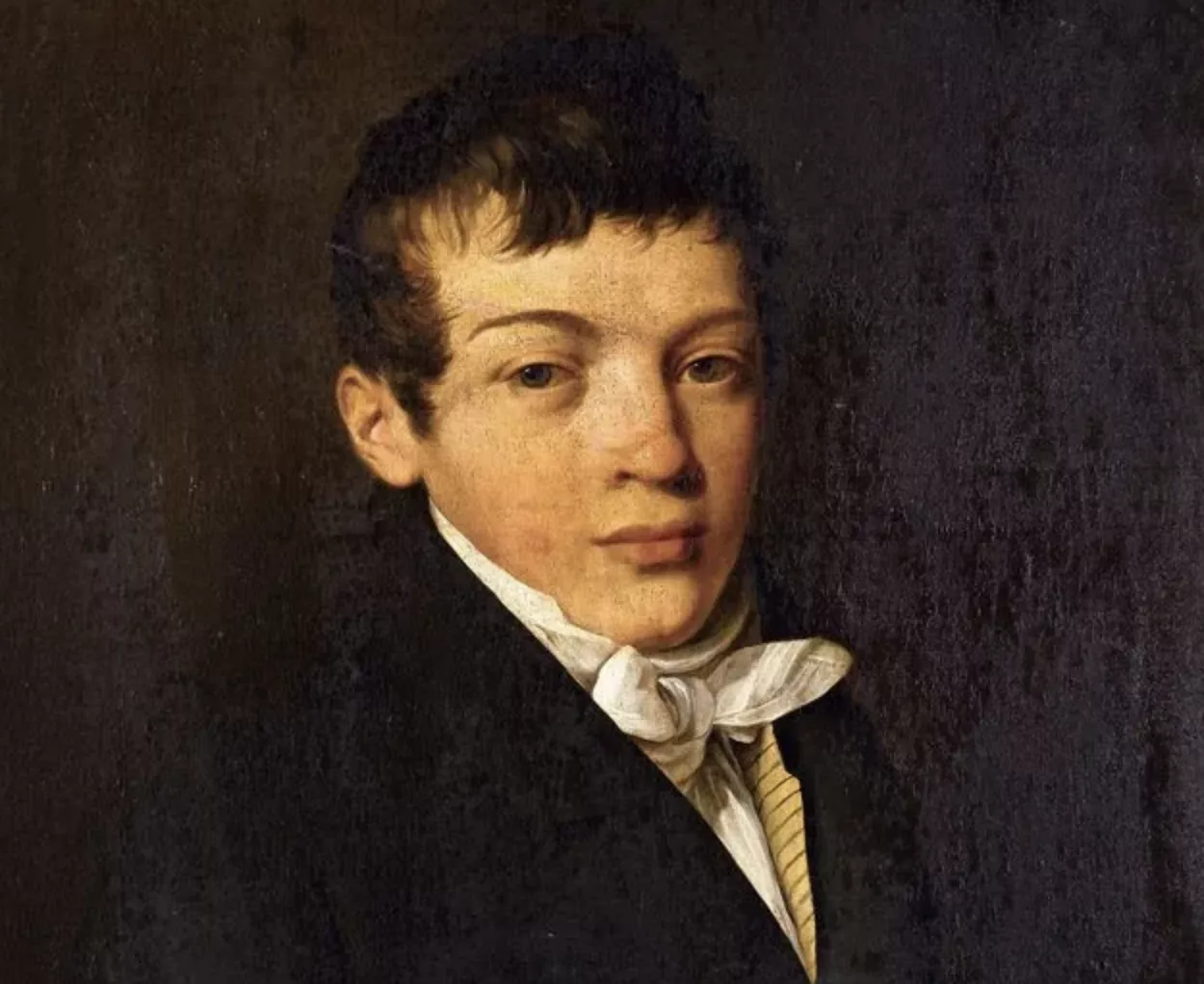
His portraits are meticulously precise, particularly with regard to skin, lighting, reflections, textures and textiles. A keen eye is paid to micro-expressions (smiles, irony, embarrassment, intensity of gaze). His depiction is faithful but not idealizing, with a tendency towards descriptive realism.
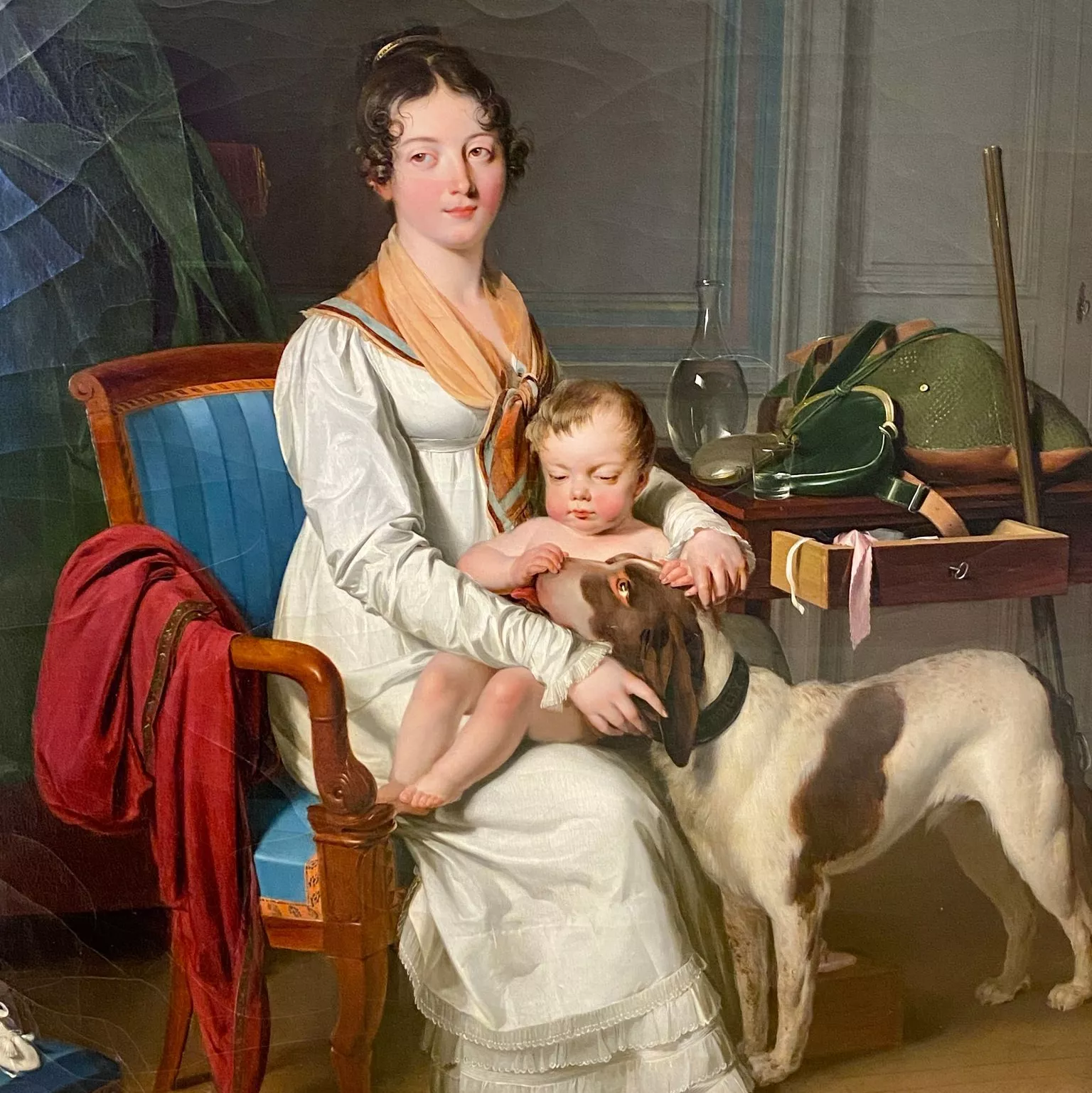
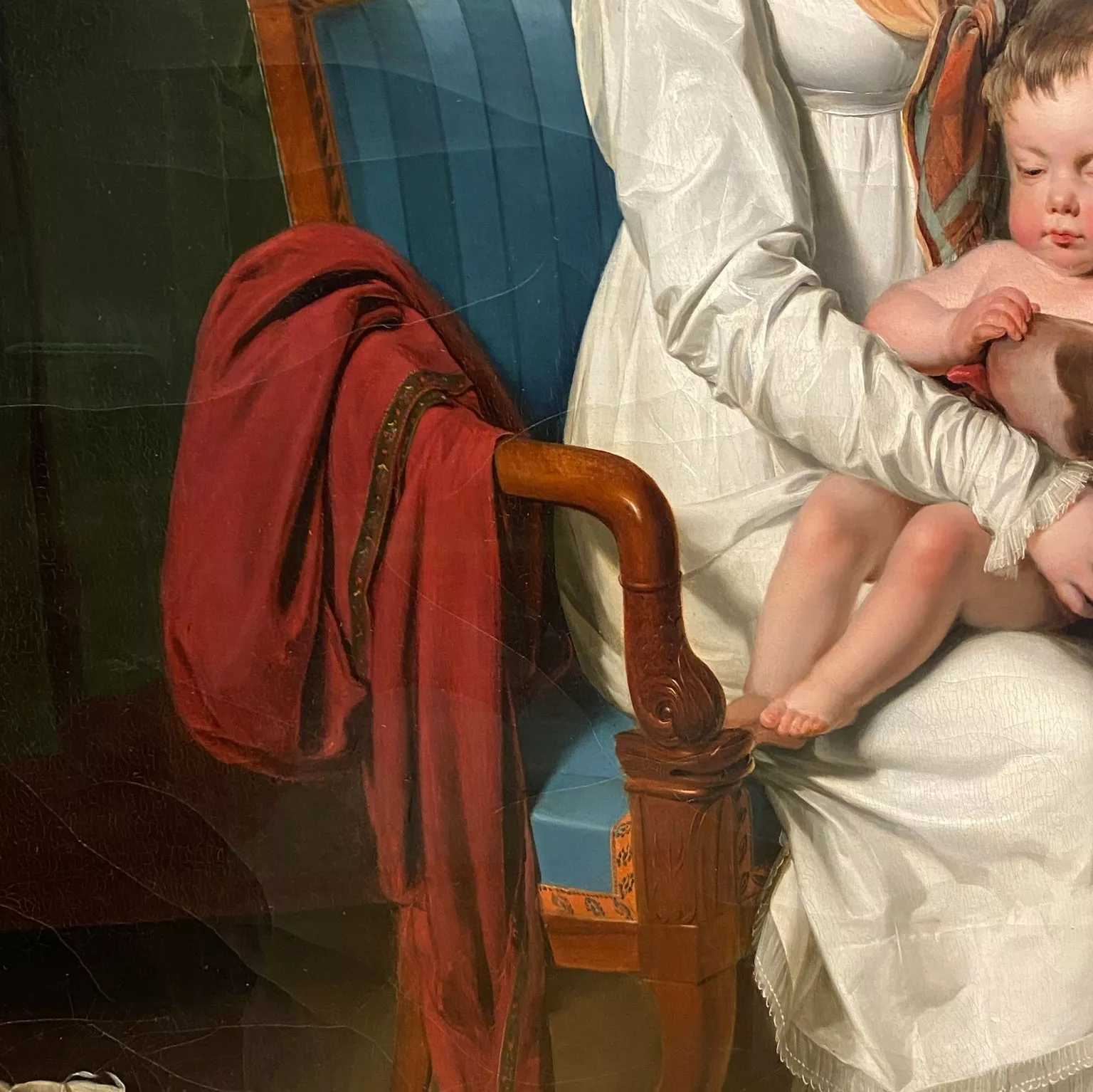
His palette is clear and inherited from the 18th century, with delicate shades of flesh, browns, bluish-greys and ochres. The colors are precise, laid down in thin layers, favoring the sharpness of contours and the legibility of details. He makes subtle use of chromatic contrasts to hierarchize planes.
His execution is extremely meticulous and smooth, with no visible brush marks. He works in oil in thin layers, with successive glazes and transparent superimpositions that reinforce the illusion of depth. He shows a highly advanced mastery of trompe-l'œil, particularly in miniature portraits and " pocket portraits ".
His work shows above all a taste for humorous and anecdotal scenes (social satire, keen observation of human foibles) and a quasi-documentary approach in views of post-revolutionary Paris.
He is a precursor of the modern representation of urban life and a major reference for the visual sociological study of revolutionary, imperial and restored France.
Louis Léopold Boilly, trompe-l'oeil painter
Louis Léopold Boilly (1761 - 1845) was a French neoclassical painter. He was born in Douai, near Lille. His father was a woodcarver, and he came from a modest background.
His first master was Collet. He then studied at Dominique Doncre's workshop in Arras, before moving to Paris, where he painted portraits. At the age of 30, he exhibited at the Salon and became known to the public and critics alike for his portraits and trompe-l'œil.
The Salut Public committee, which defended the interests of the Republic, threatened him with obscenity. Boilly was in fact not a republican, and opposed democracy.
To defend himself against these attacks, he produced a series of paintings supposedly in defense of the regime, including a Triomphe de Marat, a subject in vogue at the time. He painted many genre scenes between the revolutionary events and the Restoration. He also produced satirical lithographs.
He became a member of the Institut de France after the Restoration, the controversies surrounding his political opinions no longer being topical.
He painted almost exclusively genre scenes, not getting involved like François Gérard or Jean-Antoine Gros in the political propaganda of the first half of the 19th century.
Louis Léopold Boilly's imprint on his era
Louis Léopold Boilly marked his era as one of the few to master trompe l'oeil in oil on canvas. His posterity is not great today with the general public, but his work is remarkable and much appreciated by collectors.
Market segmentation and artist rating
The works in circulation are primarily oil paintings (genre scenes, portraits, trompe-l'œil), which constitute the most sought-after and valued segment. Drawings (pen-and-ink, graphite and chalk) are also abundant, with an active and specialized market.
Gouaches and watercolors are often very fine, and form an intermediate segment between drawing and painting. Portrait miniatures are highly prized in a stable market. Prints extend into a wider market, but with moderate value.
Boilly's typical small formats are highly sought-after, as they are representative of his minitature virtuosity. Medium-sized fomats constitute the core market for genre scenes. Large formats are rarer and belong to a premium segment.
Trompe-l'œil are in very strong demand, with high rarity. Quality portraits have good liquidity, especially for identified models or those from prestigious collections. His drawn sheets are very accomplished, with studies of heads, portraits in black stone and characteristic features.
Valuation criteria are documented authenticity, state of preservation, provenance, signature and mention in the catalog raisonné, as well as quality of execution. The liquidity is very high for portraits and drawings, exceptional for trompe-l'œil (rare and sought-after), solid for complete genre scenes and moderate for minor works.
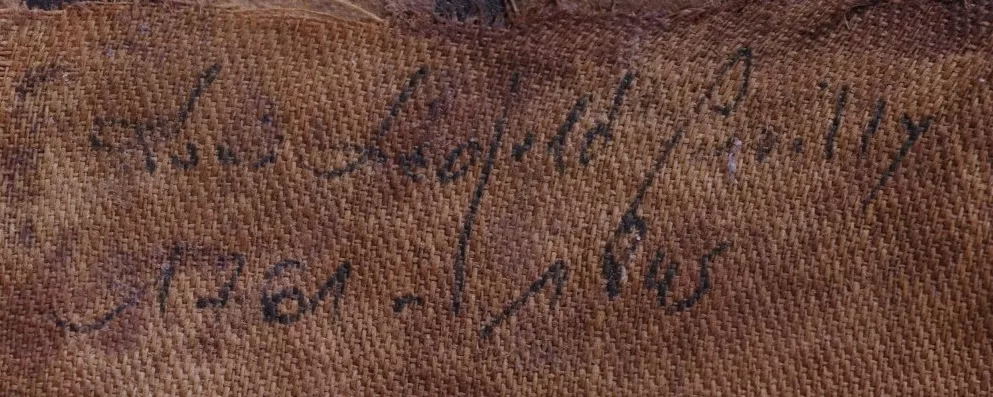
Recognizing Boilly's signature
Louis Léopold Boilly's works are generally signed. However, with or without a mention, it is important for you to have the work appraised to ensure its originality and to be able to date it. What's more, there are naturally many copies.
Knowing the value of a work
If you happen to own a work by Boilly or after the artist, don't hesitate to request a free appraisal using our form on our website.
A member of our team of experts and certified auctioneers will contact you promptly to provide you with an estimate of the market value of your work, as well as ad hoc information about it.
If you wish to sell your work, you will also be accompanied by our specialists in order to benefit from alternatives for selling it at the best possible price, taking into account market inclinations.
Estimate in less than 24h
Discover in the same theme

The value of Jacob Petit porcelain
Jacob Petit, a 19th-century porcelain artist, left a considerable and varied output that is highly valued. Estimate in less than 24h.
Learn more >

Rating and value of still lifes by Guillaume Fouace
Guillaume Fouace is a 19th-century painter who produced many still lifes that are highly valued at auction.
Learn more >

Rating and value of sculptures, bronzes and marbles by Édoua...
Édouard Drouot is a figurative sculptor on the border between the 19th and 20th centuries, who produced many highly-prized works.
Learn more >
Similar works sold at auction

Estimated 2000€ - 5000€
French school circa 1820, entourage of François, baron...

Estimated 1500€ - 2000€
French neoclassical school, circa 1800 Head of expression of...

Estimated 4000€ - 8000€
French school circa 1800, follower of Joseph Vernet...

Estimated 500€ - 800€
Dutch school circa 1800, follower of David Teniers...

Estimated 3000€ - 5000€
François Reynaud (Marseille 1825-1909 Paris) Neapolitan dances in...

Estimated 300€ - 500€
Henri Pille (Essômes-sur-Marne 1844-1897 Paris) Joyful company in...

Estimated 150€ - 300€
COROT Jean-Baptiste Camille (1796-1875) Reading under the...

Secure site, anonymity preserved

Auctioneer approved by the State

Free and certified estimates
Frequently asked questions
-
Who is Louis Léopold Boilly, and what is his historical context?Louis Léopold Boilly (1761–1845) was a French Neoclassical painter born in Douai. Trained in studios in Arras and Paris, he distinguished himself as one of the few masters of trompe-l’œil in oil on canvas. He left his mark on his era by painting genre scenes, portraits, and views of Parisian urban life, providing a nuanced documentation of French society during the Revolution, the Empire, and the Restoration.
-
What are the price ranges for works by Louis Léopold Boilly?Prices for Boilly’s works range from €5 to €2,836,000, depending on the medium and subject matter. Oil paintings on canvas, the most prestigious category, fetch between €350 and €2,836,000. Drawings and watercolors range from €50 to €289,650, while prints range from €5 to €24,400. Trompe-l’œil works are in exceptionally high demand due to their rarity.
-
How can you authenticate a work by Louis Léopold Boilly?To authenticate a work by Boilly, we recommend requesting a free appraisal from Auctie's via our online form. A certified expert or auctioneer will examine the work, verify its authenticity, provenance, and conformity with the catalog raisonné. Although the works are generally signed, this appraisal is essential because there are many copies.
-
Is this the right time to sell a work by Louis Léopold Boilly?Yes, this is a good time. The market for Boilly’s works is currently thriving, with growing demand from both French and American collectors. Prices are rising steadily at auction, particularly for high-quality works, trompe-l’œil paintings, and portraits of identified models, which enjoy very good liquidity.
-
How does the appraisal process work at Auctie's?The appraisal is free and non-binding. You fill out an online form with photos of your artwork. A state-certified expert or auctioneer will contact you within 48 hours to provide you with an accurate estimate of its market value. If you wish to sell, our specialists will work with you to determine the best sales strategy and maximize your price.
