



Rating and value of works, paintings and drawings by Baron Jean-Antoine Gros

Key takeaways
- Gros’s oil paintings sell for between €120 and €1,752,840, with the majority of purchases made in France.
- An official Neoclassical painter of the Empire (1771–1835), his works have exceeded estimates, such as *David Playing the Harp*, which sold for €300,000 in 2021.
- Watercolor drawings range from €275 to €360,000, while prints range from €300 to €700.
If you own a work by or after Baron Jean-Antoine Gros, and would like to know its value, our state-approved experts and auctioneers will offer you their appraisal services. Our specialists will carry out a free appraisal of your work, and provide you with a precise estimate of its current market value. Then, if you wish to sell your work, we will guide you towards the best possible arrangement to obtain the optimum price.
Rating and value of the artist Jean-Antoine Gros
The artist Jean-Antoine Gros left behind a very singular body of work, in the neoclassical movement, he was an official painter of the Empire and was famous and reclaimed during his lifetime. From then on, prices for his works rose under the auctioneers' hammer. His paintings are particularly prized, especially by French buyers. The price at which they sell on the art market ranges from €120 to €1,7,52,840, a substantial gap but one that says a lot about the value that can be attributed to Gros's works. In 2021, David Playing the Harp for King Saul sold for €300,000 while it was estimated at between €100,000 and €150,000.
Order of value from a simple work to the most prestigious
Technique used | Result | Drawing - watercolor | From 275 to 360 000€ |
|---|---|
Estamp | From 300 to 700€ |
Oil on canvas | From 120 to 1 752 840€ |
Estimate in less than 24h
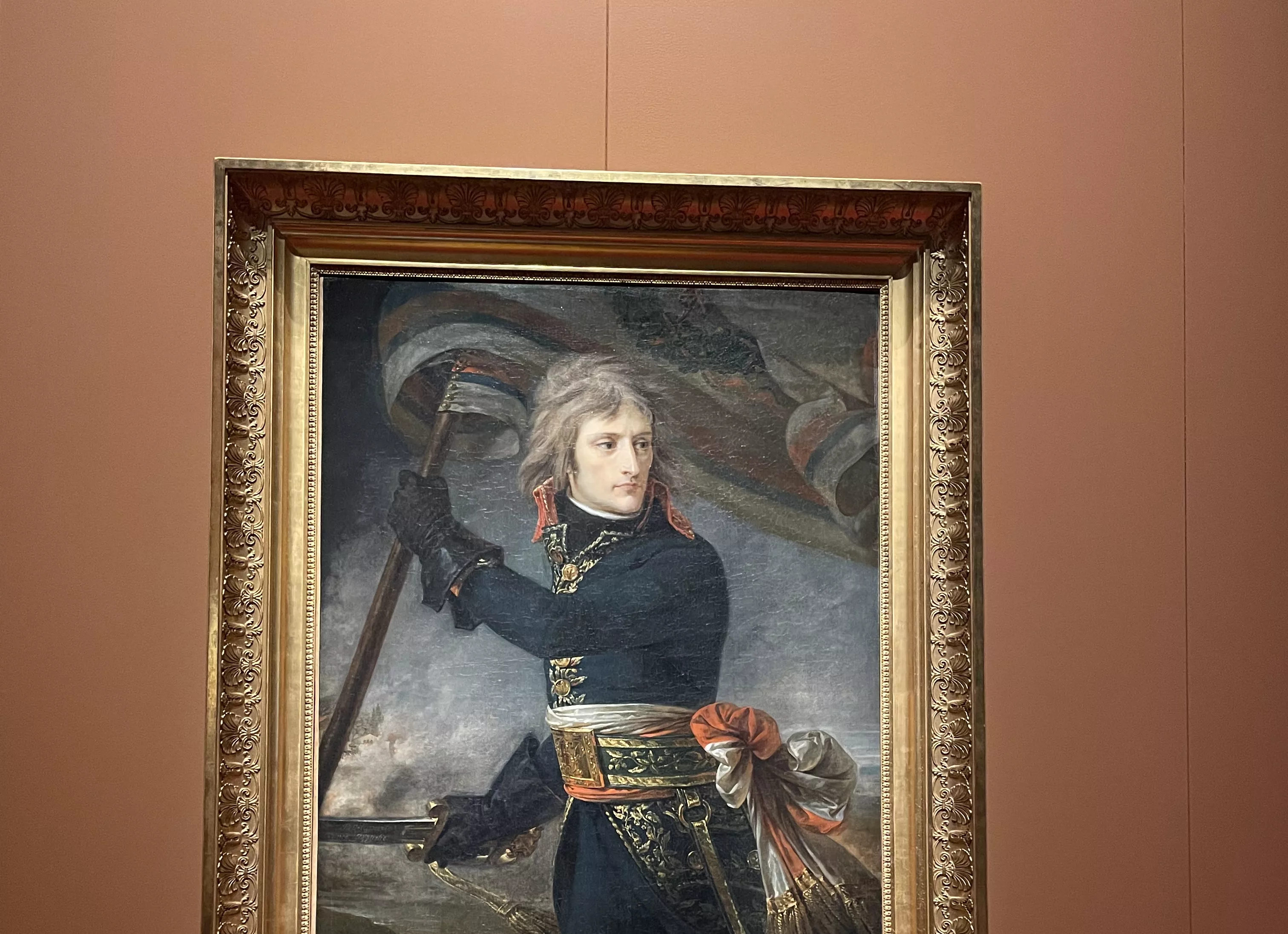
Style and technique by Baron Gros
Baron Gros was part of the neo-classicism movement, which followed the return to Antiquity during the reign of Louis XVI. He thus adopted the canons of classicism, like Jacques-Louis David and Baron Gérard, the leading exponent of this movement. His compositions are very Raphaelian, sometimes borrowing pastel colors from Mannerism. He is also described as a pre-romantic, having produced compositions that as early as the First Empire had romantic touches, in the image of Chateaubriand in literature.
Le Baron Gros, de l'académie de Rome à la propagande de l'Empire
Jean-Antoine Gros was a French painter born on March 16, 1771 in Paris and died on June 25, 1835 in Meudon, France. He is known as one of the leading exponents of Neoclassicism in early 19th-century French painting.
Gros studied under the tutelage of Jacques-Louis David and was strongly influenced by his master. Early in his career, Gros painted mainly historical subjects and mythological scenes, drawing inspiration from the events of the French revolutionary era. However, his style evolved towards a more romantic and dramatic approach, particularly after traveling to Italy and discovering the works of artists such as Titian and Raphael. His later paintings were characterized by brighter colors, lighting effects and more expressive staging.
One of his most famous works is Napoleon Bonaparte Aiming at the Pestiferous of Jaffa, which depicts the Emperor of the French as a thaumaturge ruler. This work reinforced Gros's reputation as a history and war painter. Like Baron Gérard, he was to be a painter of the Empire, producing numerous paintings extolling Napoleon's poise and courage.
Although Gros enjoyed success during his lifetime, his pre-romantic style was out of step with the prevailing neoclassical tastes of the time. He was therefore criticized and marginalized by some art critics. Despite this, his influence on nineteenth-century French painting was significant, and his dramatic style influenced many later artists.
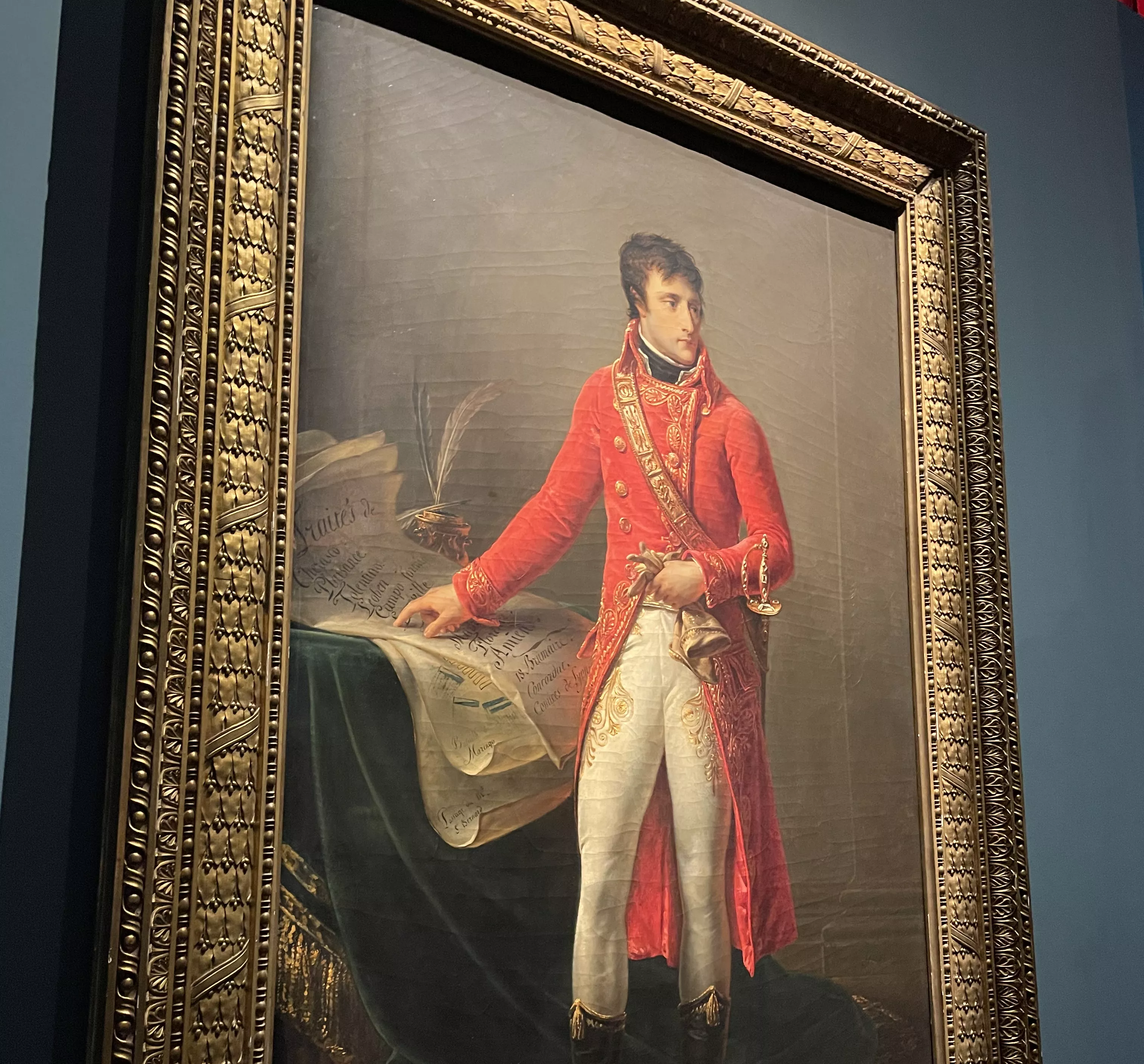
A painter between two currents
After the fall of the Empire, Gros moved away from the neoclassical style and was influenced by the Romantic movement in painting, which he developed to be a precursor. He spent his last years in Italy, where he continued to create works turned more towards the expression of feelings.
Jean-Antoine Gros left an important legacy in art history, both for his neoclassical achievements and for his transition to Romanticism.
How to recognize Baron Gros's signature
The works of Baron Gros are generally signed. However, with or without a mention, it is important for you to have the work appraised to ensure its originality and to be able to date it. In addition, there are of course many copies.
Knowing the value of a work
If you happen to own a work by or after Jean-Antoine Gros, don't hesitate to request a free appraisal using the form on our website. A member of our team of experts and certified auctioneers will contact you promptly to provide you with an estimate of the market value of your work, as well as any relevant information about it. If you wish to sell your work, you will also be accompanied by our specialists in order to benefit from alternatives to sell it at the best possible price, taking into account the inclinations of the market.
Estimate in less than 24h
Similar works sold at auction


Discover in the same theme

The value of Joseph Chinard's works and sculptures
Rating, history, value of works and sculptures by Joseph Chinard. Get a free appraisal from state-approved experts
Learn more >

Rating and value of paintings by Marguerite Gérard
Marguerite Gérard is a painter and engraver, a pupil of Fragonard. Today, her works are highly valued.
Learn more >

Rating and value of paintings by Jean-Baptiste Siméon Chardi...
Jean-Baptiste Siméon Chardin is a French still-life painter who produced many works of great value.
Learn more >

Secure site, anonymity preserved

Auctioneer approved by the State

Free and certified estimates
Frequently asked questions
-
Who was Baron Jean-Antoine Gros, and what artistic movement was he associated with?Jean-Antoine Gros (1771–1835) was a leading French painter of the Neoclassical period and a forerunner of Romanticism. A student of Jacques-Louis David, he served as an official painter of the Empire and distinguished himself through historical compositions and works of Napoleonic propaganda, notably “Napoleon Bonaparte Aiming at the Plague Victims of Jaffa.” His style gradually evolved toward a more dramatic and expressive approach, influenced by Italian masters such as Raphael and Titian.
-
What is the price range for Baron Gros's works?Prices vary considerably depending on the medium and the size of the work: prints range from €300 to €700, watercolor drawings from €275 to €360,000, and oil paintings on canvas from €120 to €1,752,840. This range reflects the diversity of subjects and periods. For example, “David Playing the Harp for King Saul” sold for €300,000 in 2021, exceeding its initial estimate of €100,000 to €150,000.
-
How can you authenticate a work by Baron Gros and verify its authenticity?Although Gros’s works are generally signed, it is essential to have the work appraised to ensure its authenticity and date of creation, as there are many copies. Auctie's offers a free, no-obligation appraisal: contact us via our online form, and a certified expert or auctioneer will respond within 48 hours with an accurate valuation based on a detailed analysis.
-
How do I sell a work by Baron Gros through Auctie's?Auctie's supports you every step of the way: after a free appraisal conducted by our experts and certified auctioneers, we guide you toward the best sales strategy to maximize the price of your artwork. Our specialists take into account market trends and buyer preferences, particularly those of French collectors, who have a special appreciation for Gros’s paintings.
-
Is this the right time to sell a work by Gros?Yes, this is a favorable time: prices for Gros’s works are rising steadily at auction, and his paintings enjoy steady demand, particularly among French collectors. His status as a history painter and a precursor of Romanticism continues to fuel interest in his works on the art market.
