



Rating and value of Maximilien Fiot's sculptures, bronzes and marbles

Key takeaways
- The works of Maximilien Fiot (1886–1953), a French animal sculptor, sell for between €20 and €37,000 at auction, with bronzes cast by the Susse Frères foundry being the most sought-after.
- His bronze sculptures depict animals in motion (big cats, birds, dogs) with a modern, stylized approach characteristic of Art Deco, often mounted on marble or glass bases.
- Prices remain stable and on the rise in the French and Belgian markets, driven by the appeal of early 20th-century animal sculpture; expert appraisal is recommended to verify provenance and signature.
If you own a work by or after the artist Maximilien Louis Fiot, and would like to know its value, our state-approved experts and auctioneers will offer you their appraisal services.
Our specialists will carry out a free appraisal of your work, and provide you with a precise estimate of its value on the current market.
Then, if you wish to sell your work, we will direct you to the best possible arrangement to obtain the optimum price.
Rating and value of the artist Maximilien Louis Flot
Considered an important artist of animal sculpture and a pupil of Prosper Lecourtier, Maximilien Louis Fiot leaves behind a unique artistic repertoire, within which bronze works occupy a prominent place.
At present, prices for his works are rising enormously under the auctioneers' hammer. His creations are particularly prized, and the price at which they sell on the art market ranges from €20 to €37,000, a considerable gap but one that speaks volumes about the value that can be attributed to Fiot's works.
His bronze statue, Compagnie de trois sangliers, sold for €37,000, while it was estimated at €4,000 to €5,000.
Order of value from a simple work to the most prestigious
Technique used | Result |
|---|---|
Greenhouse - books | From €100 to €2,400 |
Sculpture - volume | From €20 to €37,000 |
Estimate in less than 24h
The artist's style and technique
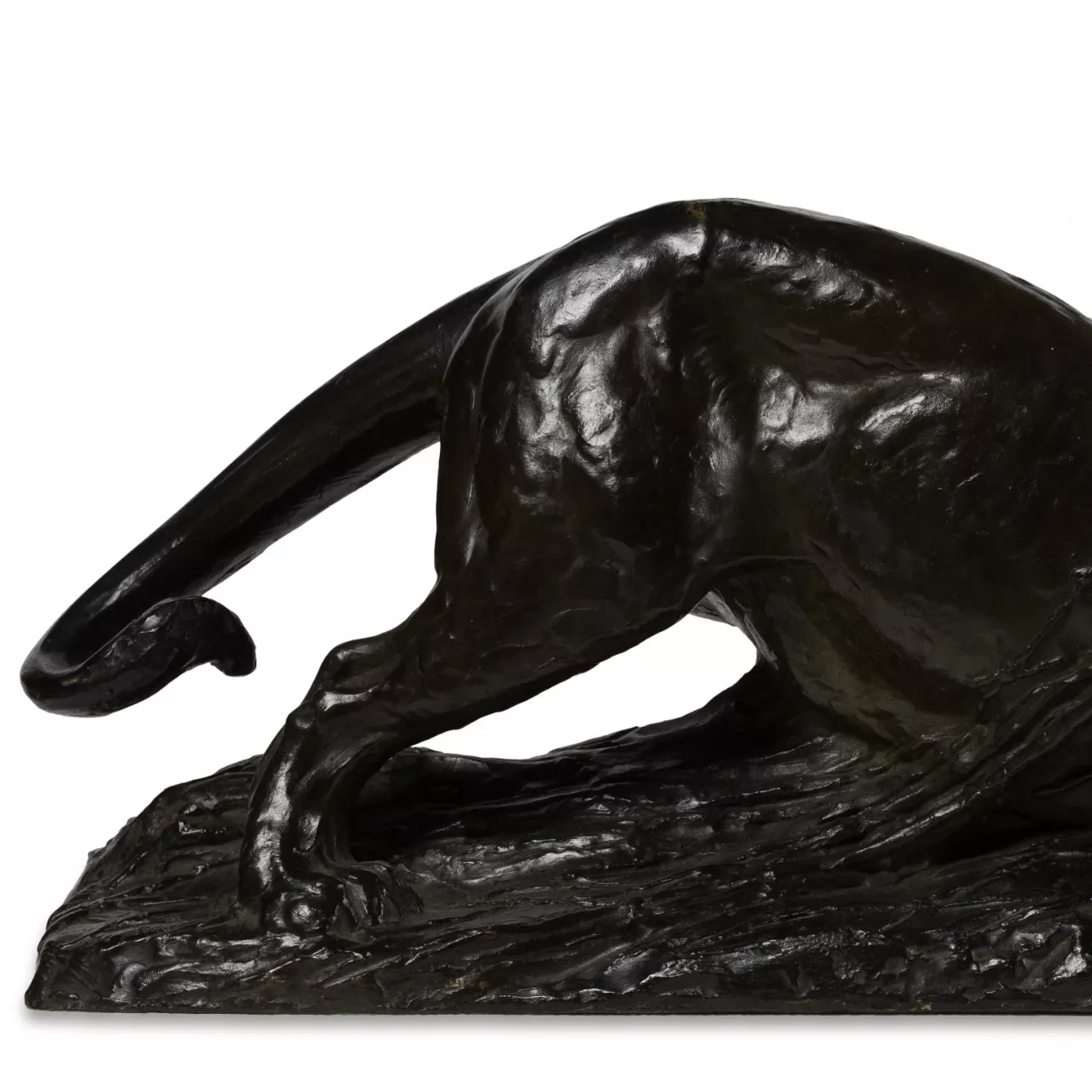
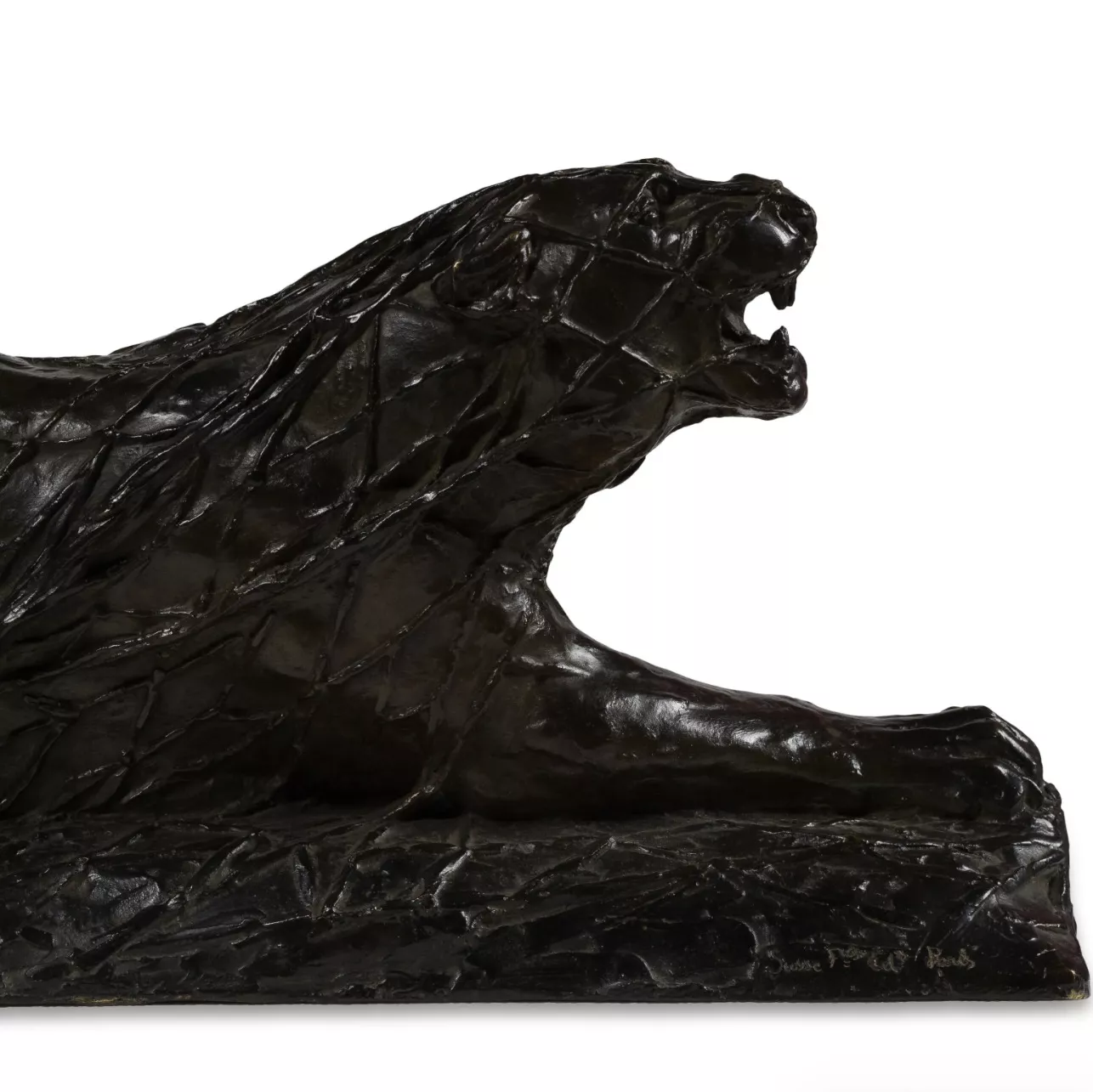
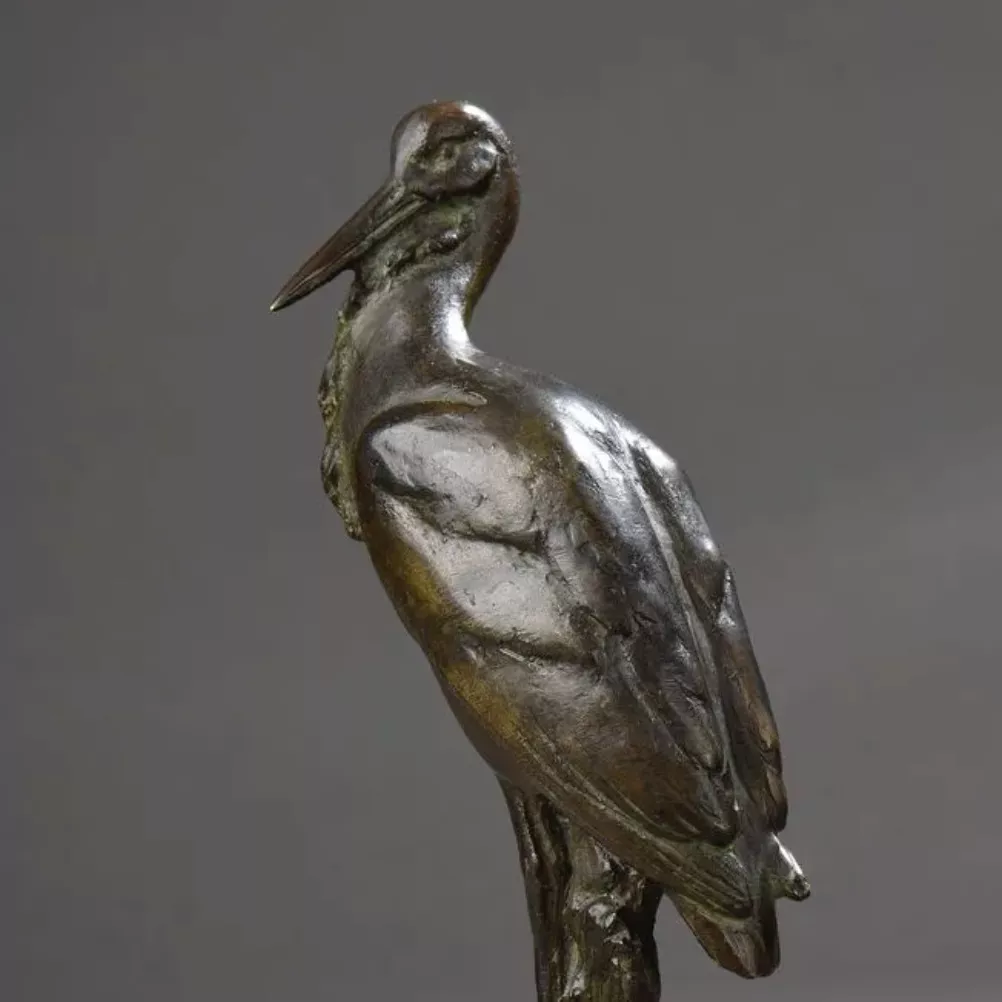
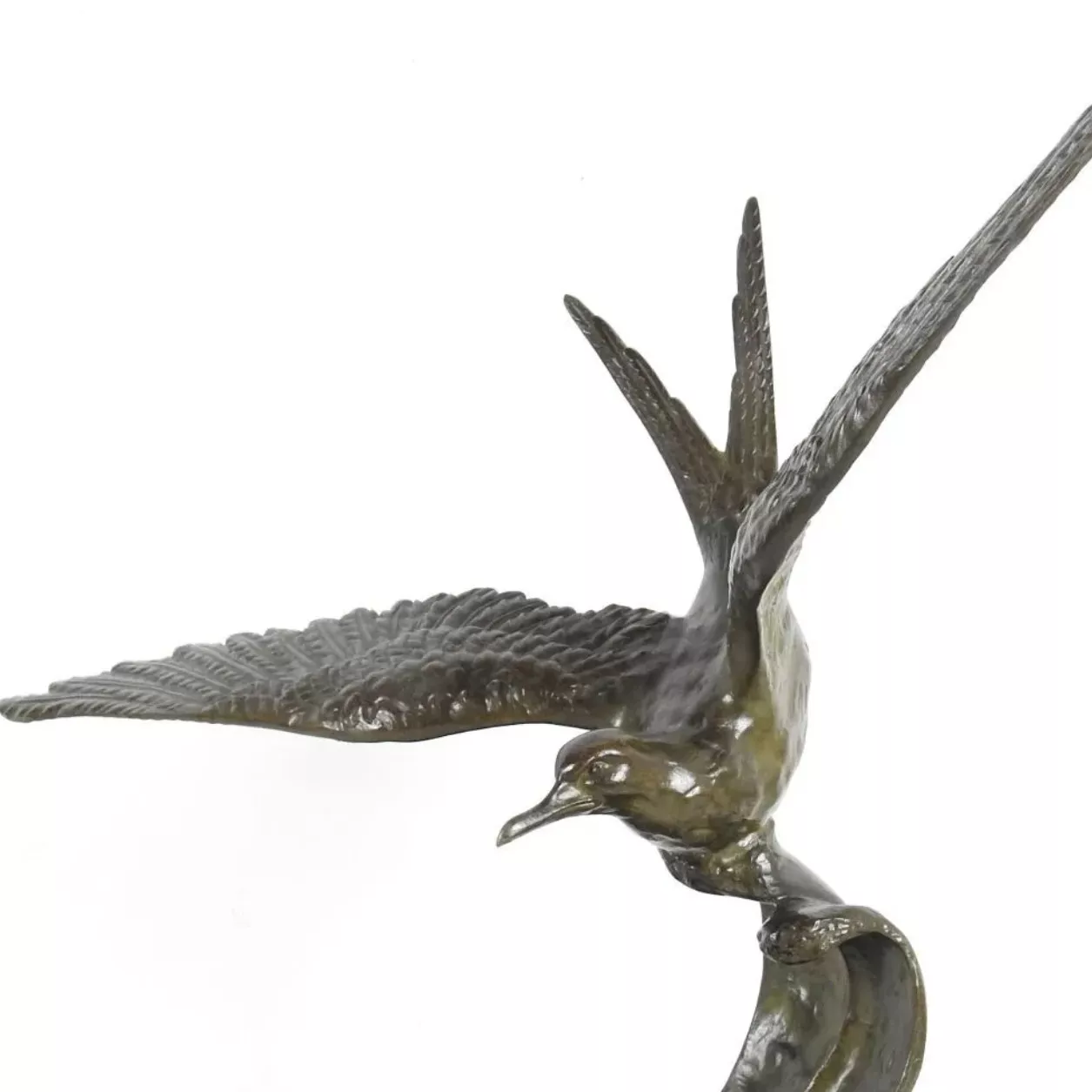
Maximilien Fiot favors an animal approach to sculpture. His works exclusively feature animals (birds in flight, deer, panthers, dogs) that are captured in motion rather than static posture.
His style is distinguished by a fluid dynamic : animals appear with tension and momentum, often in compositions where movement is implicit (birds taking flight, panthers hunting).
The aesthetic is modern but faithful to the naturalist tradition : Fiot does not resort to extreme stylization but keeps the anatomy legible while introducing a formal simplification and elegance proper to the interwar period.
Some works feature a worked base (rock, wavelet) that enlivens the animal's placement, reinforcing the impression of " pièce d'art décor " (e.g. geese or ducks in flight on a glass or etched glass base).
The main material is bronze with a patina (often reddish-brown or dark brown) frequently cast with lost-wax by the Susse Frères foundry (the stamp Susse Frères Éditeurs Paris can be seen).
The artist accords care to surfaces, notably paying attention to the muscles, fur and feathers of his animals, which are rendered with finesse, but without seeking descriptive hyper-realism, the emphasis is more on the effect of life and immediacy.
The composition uses oblique lines and controlled imbalances, as well as elements suggestive of flight or running. For example, a bronze of ducks clearly shows an arc of trajectory.
The works are sometimes mounted on glass or marble bases to enhance the decorative, modern effect. His works allow us to study the transition from the strictly naturalistic sculpture of the 19th century to the more decorative, mobilized approach of the 20th.
The life of Maximilien Fiot
Maximilien Fiot (1886 - 1953) was a sculptor born in Indre-et-Loire. He was a pupil of Prosper Lecourtier, who introduced him to animal sculpture. He began exhibiting at the Paris Salon from 1910 until the outbreak of World War I.
He won the 3rd medal in 1911, then the 2nd medal in 1913 at the Salon des artistes français. Between the wars, he also created war memorials, for example for the town of La Ferté-Alais in 1930.
The main subjects of his works would remain animals (dogs, cats, birds, big cats) throughout his career, and he stood out for his depiction of movement and vitality in bronze.
Fiot belongs to the French tradition of animal sculpture, but with a more modern approach than some of his predecessors : he places great importance on dynamism, momentum and posture in motion. However, he follows in the footsteps of Barye, Cain and Guyot.
His career falls within the transition period between the end of the 19th century and the first third of the 20th century, a time when animal sculpture evolved towards more stylized and decorative forms.
Biographical information on the artist is still sketchy, however, which suggests that we should be cautious about attributions and carefully check the provenance and signature for Fiot's works.
Market segmentation and artist's rating
The types of work present at auction for Maximilien Fiot are animal bronzes (main segment), period editions cast by Susse Frères, and rare stone or plaster studio pieces (marginal segment).
Small bronzes (20 - 30 cm) are the entry-level segment for novice collectors. Medium formats (30 - 60 cm) form the core of the market, with strong demand, particularly for felines and birds.
Major works and dynamic groups (under 60 cm) make up the upper segment. The most sought-after subjects are felines (panthers, lions, tigers), birds in flight (ducks, geese), hunting dogs and pieces depicting marked movement on worked bases.
The market is mainly in France and Belgium, with a good presence in sales specializing in Art Deco and animal sculpture. The market is fluid for medium-sized bronzes, and slower for rare models or very large formats (low volume of supply).
Fiot's quotation is solid and stable in the early 20th century animal sculpture segment. Works with the Susse Frères foundry and a well-preserved antique patina consistently achieve the best results.
The market dynamic is based on the appeal of Art Deco and modern animal figures, a segment supported by an international audience. Growth potential remains measured but positive, as Fiot benefits from a clear positioning, a strong stylistic identity and an active international market.
The price differential between an everyday bronze and a large prestige model is significant, underlining the need for strict selection on quality, provenance, patina and casting.
Recognizing Maximilien Fiot's signature
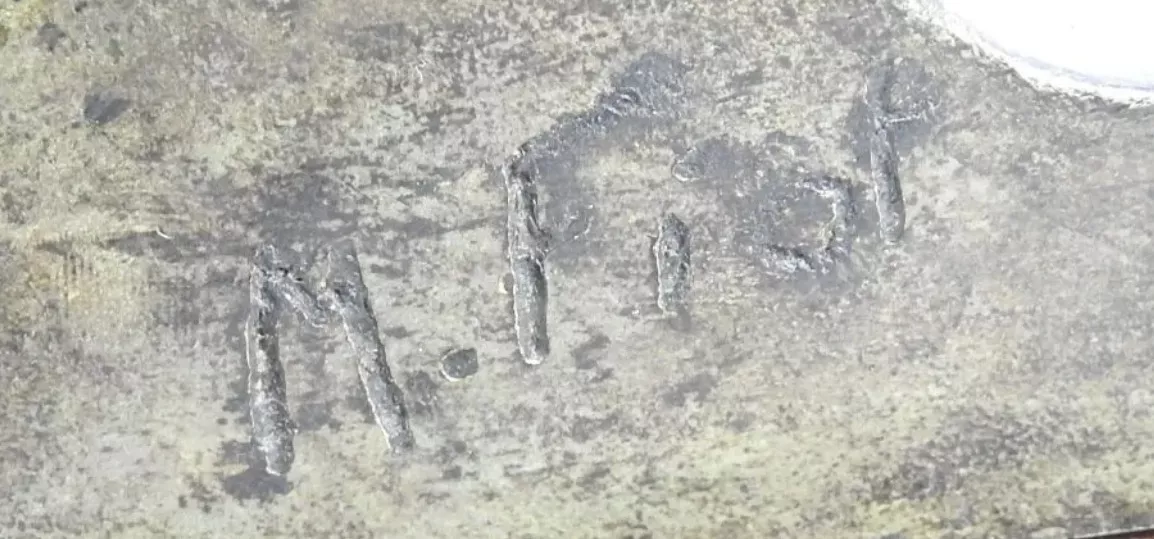
It's not always easy to decipher or even be lucky enough to come across a work signed by Maximilien Fiot, which is why expertise is important. Works are often signed " M. Fiot " or " Maximilien Fiot " and bear the foundry's mark, which is a guarantee of edition and quality.
Moreover, copies may exist.
Knowing the value of a work
If you happen to own a work by Maximilien Fiot, request a free appraisal without further delay via our form on our website.
A member of our team will contact you promptly to provide you with an estimate of the value of your work, not forgetting to send you ad hoc information about it.
If you are considering selling your work, you will also be accompanied by our specialists in order to benefit from alternatives for selling it at the best possible price.
.Estimate in less than 24h
Discover in the same theme

Rating and value of paintings by Ferdinand Holder
Ferdinand Holder was a 19th-century Swiss painter who became famous for his Symbolist works. His works are valued and quoted.
Learn more >

Rating and value of works, paintings by Jean Antoine Watteau
Jean-Antoine Watteau was a founding painter of the Rococo movement, who produced many oil on canvas paintings, which are highly prized at auction. Est...
Learn more >

Rating and value of drawings and paintings by Achille Laugé
Achille Laugé is a Neo-Impressionist painter whose paintings and drawings command high prices at auction.
Learn more >
D'autres bronzes anciens vendus aux enchères

Estimated Between €5,000 and €8,000
Agathon LEONARD (1841-1923), Dancer with scarf, bronze lamp, ed. Susse frères

Estimated 3.000 - 5.000
Raoul LARCHE (1860-1912) The fisherman, Bronze with green patina

Estimated 600 - 800
Hercules Farnese, bronze, reproduction after Glycon of Athens

Estimated 1.500 - 3.000
Jules FRANCESCHI (1825-1893) Hébé et l'aigle de Jupiter, gilded bronze

Estimated 800 - 1.500
Henry Étienne DUMAIGE (1830-1888), bronze print

Estimated 1.500 - 3.000
Antoine Louis BARYE (1796-1875) Eagle and heron, bronze print with shaded brown-green patina

Secure site, anonymity preserved

Auctioneer approved by the State

Free and certified estimates
Frequently asked questions
-
Who is Maximilien Fiot, and what is his artistic background?Maximilien Louis Fiot (1886–1953) was a French sculptor who specialized in animal sculpture and was a student of Prosper Lecourtier. He exhibited at the Paris Salon beginning in 1910 and won the third prize in 1911, followed by the second prize in 1913. His work bridges the gap between 19th-century naturalism and the more stylized and decorative approach of Art Deco, following in the tradition of sculptors such as Barye, Cain, and Guyot.
-
What is the price range for Maximilien Fiot's sculptures and bronzes?The prices of Maximilien Fiot’s works range from €20 to €37,000, depending on size, technique, and quality. Bookends range from €100 to €2,400, while three-dimensional sculptures (bronze animal figures) command the highest prices. This significant variation depends in particular on provenance, condition, the Susse Frères foundry, and the subject matter (big cats and birds in flight are particularly sought after).
-
How can you authenticate a work by Maximilien Fiot?To authenticate a work by Fiot, an appraisal by a specialist is recommended, as biographical information about the artist remains incomplete. It is important to verify the signature (“M. Fiot” or “Maximilien Fiot”), the presence of the stamp from the Susse Frères Éditeurs Paris foundry, the provenance, and the condition of the work. Auctie's offers a free, no-obligation appraisal by state-certified experts and auctioneers, with a response within 48 hours.
-
Is this a good time to sell a work by Maximilien Fiot?Yes, this is a good time to sell a work by Fiot. The artist’s market value is solid and stable within the early 20th-century animal sculpture segment, with sustained demand, particularly for medium-sized bronzes cast by Susse Frères. The potential for appreciation remains positive, driven by international interest in Art Deco and modern animal sculptors.
-
How does the appraisal process work at Auctie's, and how do I sell my artwork?Appraisals at Auctie's are free and non-binding: simply submit a request using the form on our website, and an expert will contact you promptly and provide you with an appraisal within 48 hours. If you’d like to sell, our specialists will then guide you through the entire process—from the appraisal to the auction—to help you find the best solution for achieving the highest possible price.
