



Rating and value of Fabergé objets d'art

Key takeaways
- The prices of Fabergé pieces vary considerably, ranging from €40 for modern reproductions to €300,000 for stone sculptures.
- The Rothschild Egg, a masterpiece from 1902, sold for $18.5 million in 2007, setting a record for Fabergé pieces.
- The imperial eggs created between 1885 and 1917 for the Russian tsars combine precious materials, guilloché enamel, and secret mechanisms; only 43 of the 50 produced have been located.
If you own a work of art created by or after Pierre-Karl Fabergé, and would like to know its value, our state-approved experts and auctioneers will offer you their appraisal services.
Our specialists will carry out a free appraisal of your work, and provide you with a precise estimate of its value on the current market.
Then, should you wish to sell your work, we will direct you to the best possible arrangement to obtain the optimum price.
Rating and value of the artist Pierre-Karl Fabergé
Pierre-Karl Fabergé leaves behind an important body of work for his century. Now, prices for his works can be high under the auctioneer's hammer.
His paintings are highly prized, especially by French buyers. The price at which they sell on the art market ranges from €40 to €2,710, a fairly substantial range but one that speaks volumes about the value that can be attributed to Fabergé's works.
In 2002, a silver scallop shell sold for €56,000. It was estimated at between €5,000 and €10,000. Its value is high and stable.
Order of value from a simple work to the most prestigious
Technique used | Result |
|---|---|
Modern productions | From €80 to €500 |
Drawing - watercolor | From €530 to €1,500 |
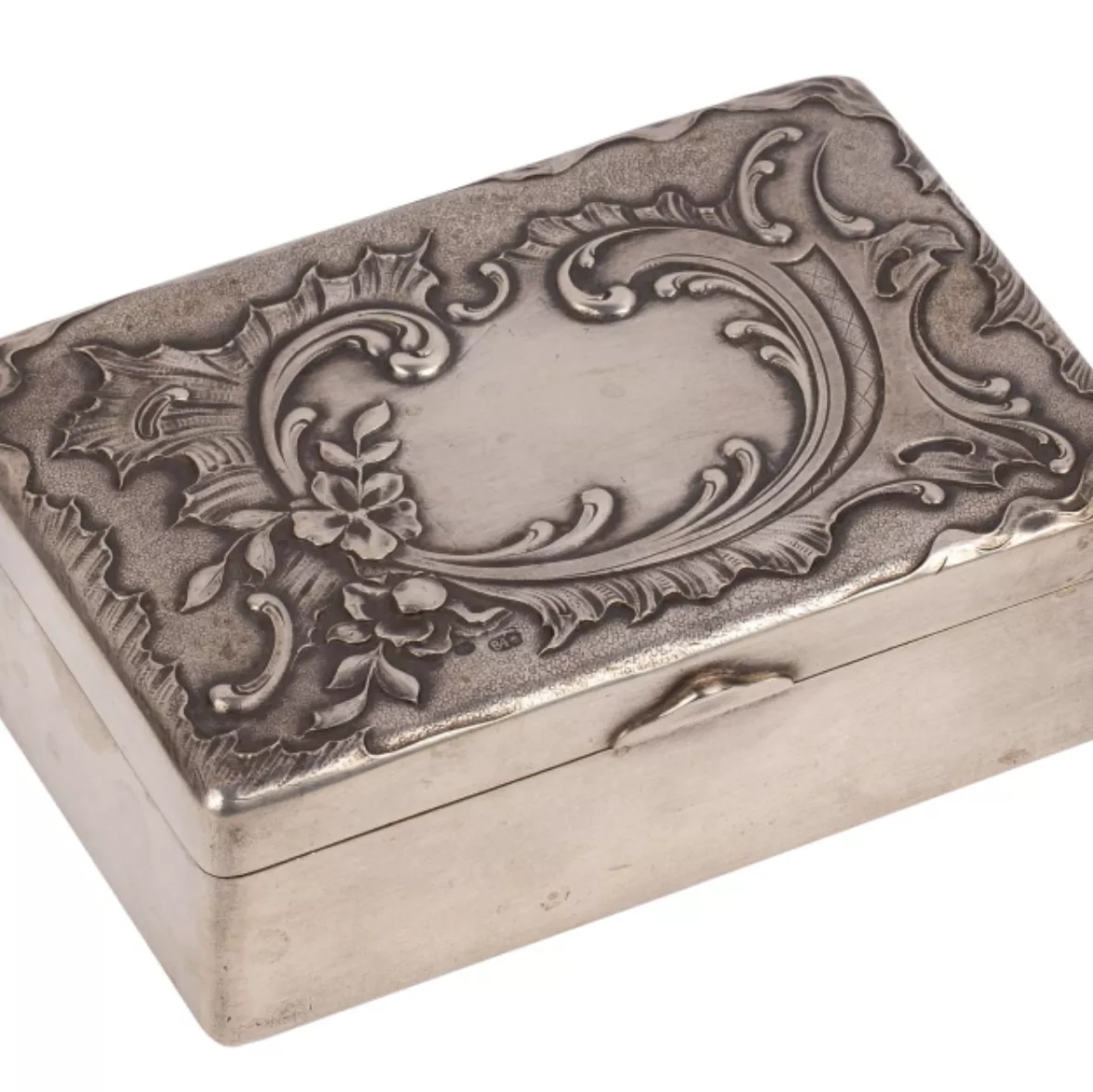
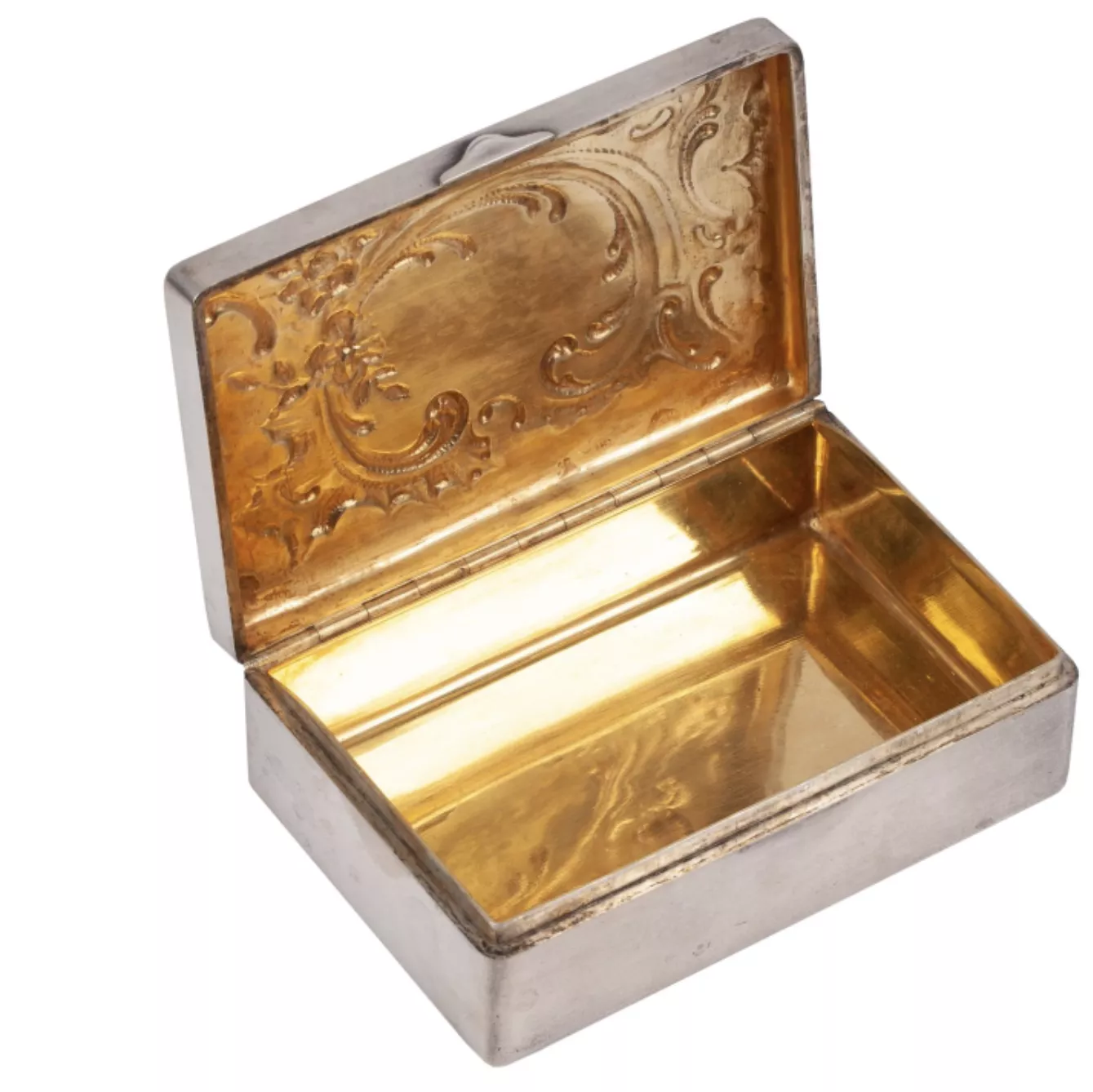
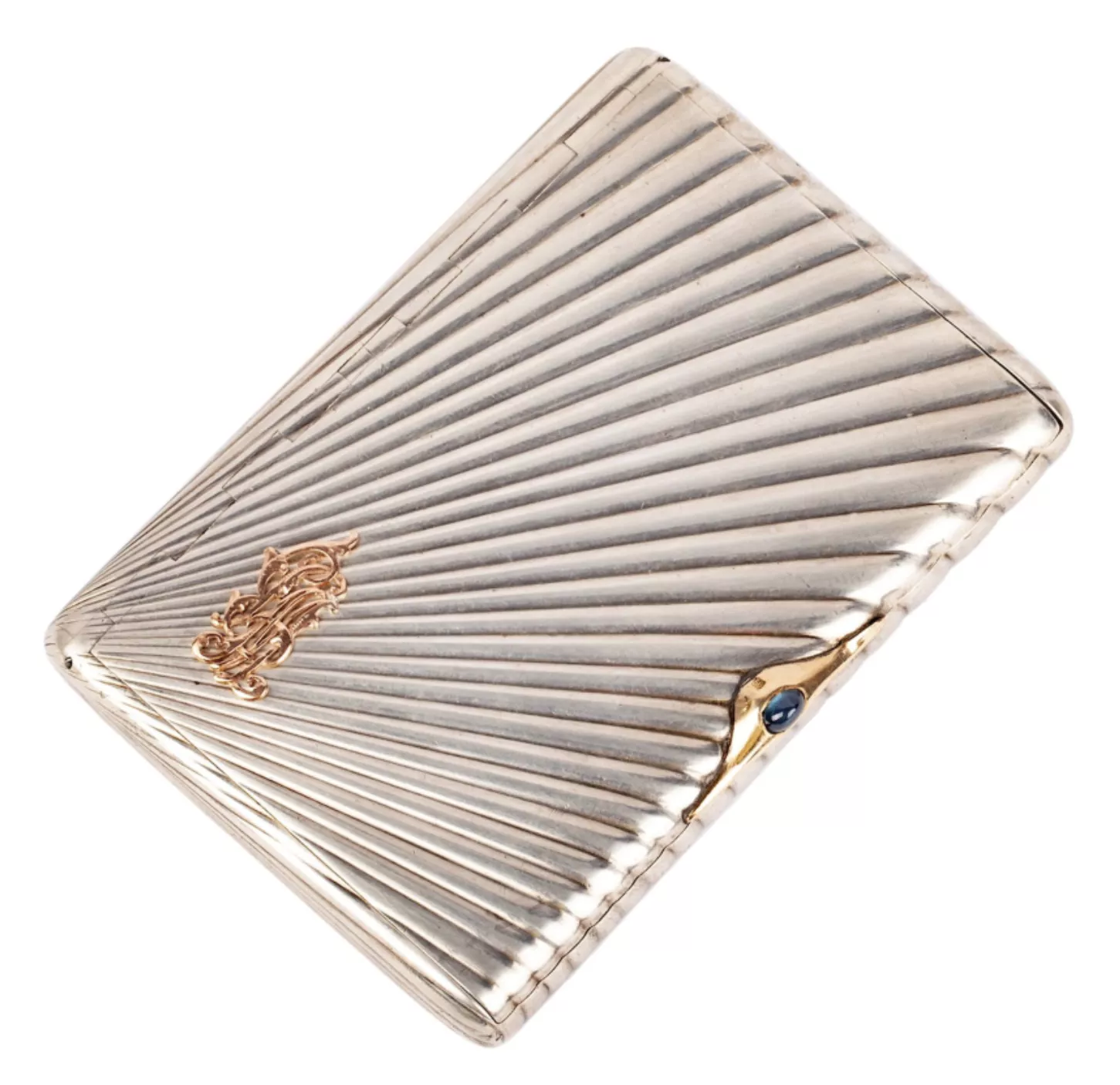
Silver objects | From 500 to 8 300€ |
Egg after Karl Fabergé | From 18,000 to 20,000€ |
Glass objects | From 90 to 56,000€ |
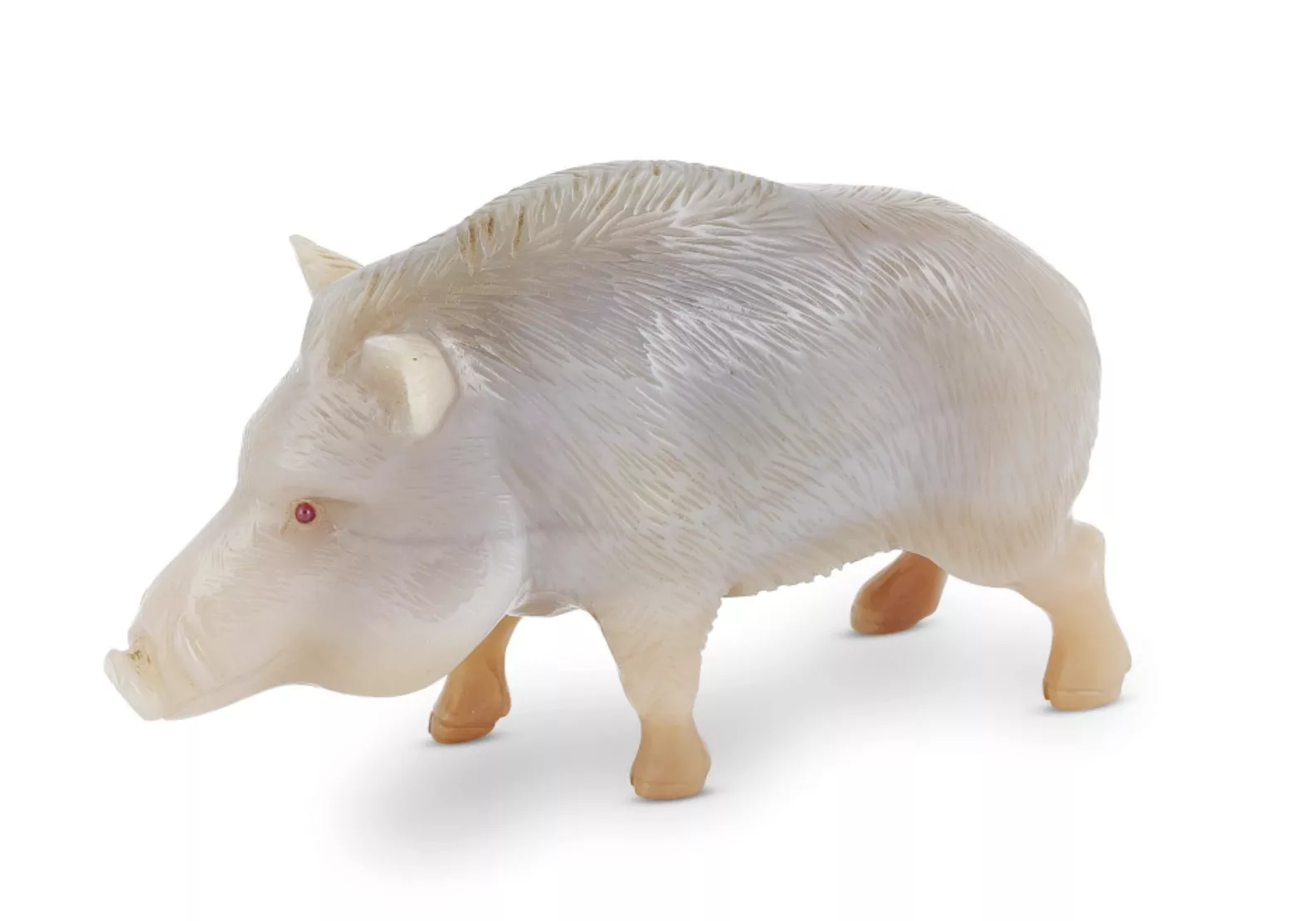
Stone sculpture | From €20,000 to €300,000 |
Estimate in less than 24h
Style and technique of artist Karl Fabergé
Karl Fabergé embodies an emblematic figure in goldsmithing, combining exceptional technical mastery with a rare artistic sensibility.
His works, notably the famous imperial eggs, bear witness to an art that sublimates precious matter, combining gold, silver, fine stones and enamel in compositions of great elegance.
Inspired by the classical forms and ornaments of Art Nouveau, Fabergé reinvented floral and organic motifs with a delicacy that belonged uniquely to him, favoring fluid lines and details of infinite precision.
The Fabergé workshop, a place of innovation and know-how, is distinguished by a constant quest for perfection in complex techniques such as cloisonné enamel or invisible setting, which give each creation a special sparkle.
But what truly sets Fabergé apart is his playful, ingenious approach: his pieces often feature secret mechanisms or miniature surprises, revealing an almost narrative dimension.
In an era marked by the pomp of European courts, he transcended simple ornamentation to achieve an aesthetic where luxury became a timeless, universal art of living.
The history of the House of Fabergé
The House of Fabergé, founded in St. Petersburg in 1842 by Gustav Fabergé, quickly established itself as a symbol of jewelry excellence.
It was under the leadership of his son, Karl Fabergé, that the company reached its apogee, becoming official supplier to the Russian imperial court. Born in 1846, Karl Fabergé inherited not only his father's talent, but also an innovative artistic vision.
After studying in Europe, he returned to Russia with a perfect mastery of Western jewelry traditions, which he adapted to a unique style blending refinement, boldness and technical innovation.
The history of the House of Fabergé is written in the glow of imperial commissions, notably with the famous Easter eggs, sumptuous creations that combine complex engineering and sumptuous aesthetics.
These pieces, often featuring secret mechanisms, became emblems of an era when the wealth of the Romanov court rivaled artistic ingenuity.
But the revolution of 1917 disrupted this golden age: the house was nationalized, and Karl Fabergé, forced into exile, died in Switzerland in 1920. Nevertheless, his legacy lives on, embodying the essence of timeless luxury and the quintessence of exceptional craftsmanship.
His career, marked by regular exhibitions and belated recognition, spans almost six decades. Blanchard has combined a technical mastery inherited from the ancients with a discreet modernity imbued with introspection.
Through his compositions, he bequeaths a vision of the sublimated everyday, where every object, every shadow finds its place in a space both intimate and universal.
Today, some of Fabergé's works are just as highly prized as those of twentieth-century goldsmiths such as Goudji, Jean Desprès or Jean Mahie.
Focus on Fabergé's Rothschild Egg
Fabergé's Rothschild Egg, an absolute masterpiece of imperial jewelry, is a shining example of the consummate artistry and technical daring of the House of Fabergé.
Created in 1902 for the Rothschild family, this translucent pink enamel egg rests on a finely chased yellow gold pedestal, punctuated with delicate arabesques and brilliant-cut diamond inlays.
Beneath the apparent sobriety of its floral decoration lies a fascinating mechanical feat: at the top of the egg, a rooster set with diamonds, polychrome enamel and rose gold spouts out at set times, animating the jewel with unexpected life.
Rubies and emeralds, which punctuate the motifs of the base, offer a striking contrast to the brilliance of the pavé gemstones, magnifying the chromatic balance of the whole.
This treasure, both clock and objet d'apparat, embodies the perfect alliance between functionality and sumptuousness.
Fabergé doesn't just sublimate precious metals, but pushes goldsmithing to extreme refinement, mastering the art of guilloché enamel with a virtuosity that lends incomparable depth and light to every detail.
More than just an object, the Rothschild egg bears witness to an era when wealth translated into a sophisticated artistic language, uniting science and beauty in perfect harmony.
Success and fame of Fabergé works
Fabergé eggs owe their fame and exceptional value to a rare combination of technical virtuosity, exclusivity and imperial history.
Created between 1885 and 1917 for Tsars Alexander III and Nicholas II, these objets d'art embody the ultimate luxury, commissioned to celebrate defining moments in the Romanov dynasty.
Each egg, unique in its design, reveals extreme refinement: precious materials such as gold, platinum, diamonds, rubies or pearls combine with guilloché enamels of unrivalled transparency and brilliance.
Beyond their opulence, these creations conceal complex and ingenious mechanisms, meticulously crafted surprises - miniatures, automata, or even jewels - that reinforce their enigmatic and fascinating character.
The House of Fabergé, under the direction of Karl Fabergé, elevated these works to an almost mythical status, combining artistic innovation and unrivalled jewellery-making techniques.
Moreover, their rarity adds to their prestige: of the fifty imperial eggs made, only forty-three are located today, making each example a priceless historical relic.
Finally, their association with the lost splendor of Imperial Russia and the tragic fall of the Romanovs lends these objects a romantic, nostalgic aura, captivating collectors and art lovers the world over.
Functionality and aesthetics of Fabergé eggs
The history of Fabergé eggs is littered with anecdotes revealing both their symbolism and technical ingenuity, but one of the most striking episodes remains the creation of the Rothschild egg.
Commissioned in 1902 to celebrate the engagement of Beatrice Ephrussi de Rothschild, this object alone is a lesson in jewelry virtuosity.
Realized in pink gold and pale pink translucent enamel, it is punctuated with brilliant-cut diamonds and topped by an automaton cockerel in multicolored enamel, driven by an extremely precise watchmaking mechanism.
This miniature rooster, springing up at regular intervals to flap its wings and crow, illustrates the combination of mechanical meticulousness and decorative splendor that characterizes Fabergé's creations.
The use of precious materials - gold, enamel, gemstones - is accompanied here by an exceptional mastery of guillochage, a subtle technique that gives the enamel a shimmering textured effect, varying according to the lighting.
But this masterpiece, like so many others, owes its fame to more than just its aesthetic appeal. The Rothschild egg also testifies to the central role these objects played in the aristocratic ostentation of the late 19th century.
In offering such a gift, the Rothschilds were part of a tradition of lavish patronage, comparable to that of the Romanovs.
In 2007, the Rothschild egg resurfaced at an auction where it fetched a record $18.5 million, becoming one of the most expensive art objects ever sold.
This astronomical price illustrates the extent to which these creations transcend their initial function, becoming symbols of prestige, rarity and know-how that has now disappeared.
This is why these objets d'art are so mythical, famous and admired the world over.
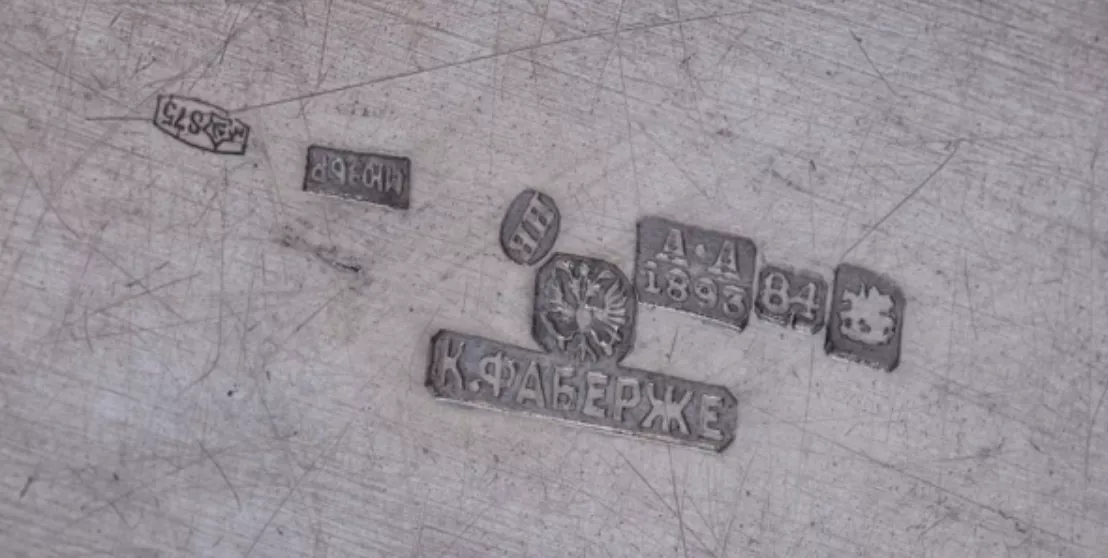
Fabergé signature and hallmarks
Fabergé creations are always signed and hallmarked. They are, however, widely counterfeited.
Knowing the value of a work
If you happen to own a work by or after Pierre-Karl Fabergé, don't hesitate to request a free appraisal using our form on our website.
A member of our team of experts and chartered auctioneers will contact you promptly to provide you with an estimate of the market value of your work, as well as ad hoc information about it.
If you wish to sell your work, you will also be accompanied by our specialists in order to benefit from alternatives for selling it at the best possible price, taking into account the inclinations of the market.
.Estimate in less than 24h
Discover in the same theme

Rating and value of works, drawings, paintings by Emile Fria...
Emile Friant was a late 20th-century artist, close to Degas. He produced drawings and oils on canvas that are highly regarded and quoted at auction.
Learn more >

Ratings and values of paintings by Armand Guillaumin
Armand Guillaumin was a 19th-century Impressionist painter who produced drawings and oil paintings that are highly prized on the auction market.
Learn more >

Rating and value of paintings by Louis Van Engelen
Louis Van Engelen is a 19th-century Flemish artist who produced paintings that are highly regarded and valued on the auction market.
Learn more >
Similar works sold at auction

Estimated 300 - 500 €
Luxurious Russian bear hunting knife. Green nephrite handle.

Estimated 600 - 800 €
Russian Shashka saber. Mounted in nielloed silver with chased plant decoration and strings of pearls.

Estimated 1.000 - 2.000
RUSSIA, Guardian Angel icon, 1890

Estimated 1.000 - 2.000
RUSSIA, 91 zolotniks silver Kovch (947 thousandths) of traditional form with enamelled decoration

Estimated 800 - 1.200
MEISSEN Rare rectangular plaque with polychrome decoration depicting the main entrance to the Royal Orangery of the Zwinger Palace in Dresden

Estimated 600 - 800
RUSSIA Gold (583 thousandths) and enamel military cross of the Order of Saint Vladimir, 4th class

Secure site, anonymity preserved

Auctioneer approved by the State

Free and certified estimates
Frequently asked questions
-
Who is Pierre-Karl Fabergé, and what is his historical context?Pierre-Karl Fabergé (1846–1920) was a Russian master jeweler and the founder of the Fabergé house in Saint Petersburg. Having become the official supplier to the Russian imperial court, he is famous for his creations that combine exceptional craftsmanship with refined aesthetics, notably the imperial eggs commissioned by Tsars Alexander III and Nicholas II. His legacy, cut short by the 1917 Revolution, embodies the essence of timeless luxury and exceptional jewelry craftsmanship.
-
What is the price range for Fabergé items based on their type?Prices vary considerably depending on the technique and the nature of the object: modern works range from 80 to 500€, drawings and watercolors from 530 to 1,500€, silver objects between €500 and €8,300, Fabergé-style eggs between €18,000 and €20,000, and stone sculptures can reach between €20,000 and €300,000. In an exceptional case, the Rothschild egg sold for $18.5 million in 2007.
-
How can you authenticate a Fabergé piece and verify its authenticity?Fabergé pieces are always signed and hallmarked, but they are frequently counterfeited. To authenticate your piece and determine its true value, we recommend requesting a free appraisal from Auctie's by filling out our online form. A certified expert or auctioneer will contact you to confirm the authenticity and provide you with an accurate estimate.
-
Is this the right time to sell a Fabergé piece?Yes, now is a good time to sell a Fabergé piece. The market recognizes the exceptional rarity of these pieces—only 43 of the 50 imperial eggs have been located—and there is sustained demand from collectors worldwide, drawn to the unique combination of technical virtuosity, imperial history, and timeless prestige. Our experts will help you get the best possible price.
-
How does the appraisal and sale of a work of art take place at Auctie's?The appraisal is free and non-binding: simply fill out an online form with the details of your artwork, and a certified expert or auctioneer will contact you to provide an estimate of its market value within 48 hours. If you wish to sell, our specialists will then guide you through the process—from choosing the sales method to the auction—to help you achieve the best possible price.
