



Rating and value of works, drawings and sculptures by Jules Pascin

Key takeaways
- Jules Pascin (1885–1930), a Bulgarian painter of the School of Paris, is known for his expressive drawings depicting Parisian nightlife and his melancholic portraits.
- Auction prices for his works vary considerably, ranging from €20 (prints) to €407,400 (paintings), with his oil painting “La petite actrice” fetching over €400,000 at Sotheby’s in 1990.
- His paintings and copperplate engravings are the most sought-after by collectors, while his watercolor drawings and etchings remain more affordable at lower prices.
Bulgarian-born painter and draughtsman, a member of the Paris School, Jules Pascin (1885-1930) is noted for his erotically inclined drawings depicting Parisian nightlife.
If you own a work by or based on the artist Jules Pascin and would like to know its value, our state-approved experts and auctioneers will guide you.
Our specialists will carry out a free appraisal of your work, and provide you with a precise estimate of its value on the current market.
Then, if you wish to sell your work, we will direct you to the best possible arrangement to obtain the optimum price.
Artist's rating and value
Thanks to his prolific artistic output, Jules Pascin is commonplace in auction rooms. A listed expressionist artist of the École de Paris, his works sell for significant amounts on the auction market.
Today, the prices at which his works sell on the auction market range from €20 to €407,400, a considerable delta but one that speaks volumes about the value that can be attributed to Jules Pascin's works.
Coveted by collectors, works by Jules Pascin can fetch hundreds of thousands of euros at auction, as evidenced by his oil on canvas La petite actrice, sold for over €400,000 at Sotheby's in 1990.
Order of value from the most basic to the most prestigious
Technique used | Result |
|---|---|
Sculpture - volume | From €3,500 to €6,600 |
Estampings | From €20 to €15,000 |
Drawing - watercolor | From 30 to 120,610€ |
Painting | From 150 to 407,400€ |
Estimate in less than 24h
Style and technique of the artist Jules Pascin
First a painter, then a draughtsman, Jules Pascin offers a varied palette of works. Pascin's paintings are present in museums, but rare in auction rooms.
His iconic portraits, often imbued with a gentle melancholy, feature delicate figures with expressive features and eyes charged with humanity.
These works are highly sought-after, fetching tens of thousands of euros at auction for drawings, while his oils on canvas can exceed millions of euros.
As rare as his paintings, Pascin's illustrations are also prized. The artist explored a variety of techniques, including charcoal, watercolor and etching.
His works on paper are often multiple, but those produced in more complex mediums, such as copperplate etching, are considered exceptional pieces. Their prices can easily exceed the million euro mark, testifying to the sustained interest of collectors in this uniquely sensitive artist.
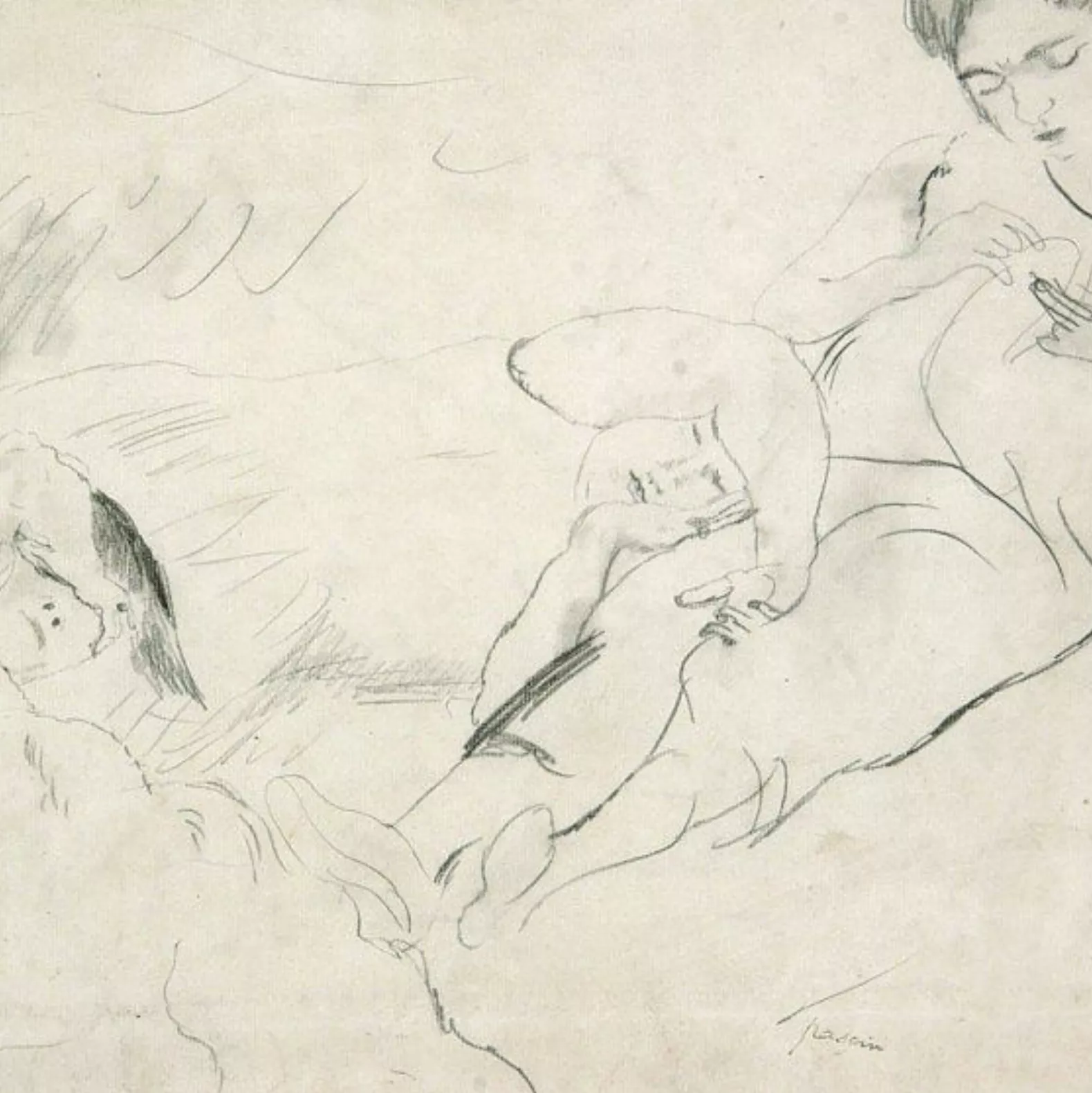
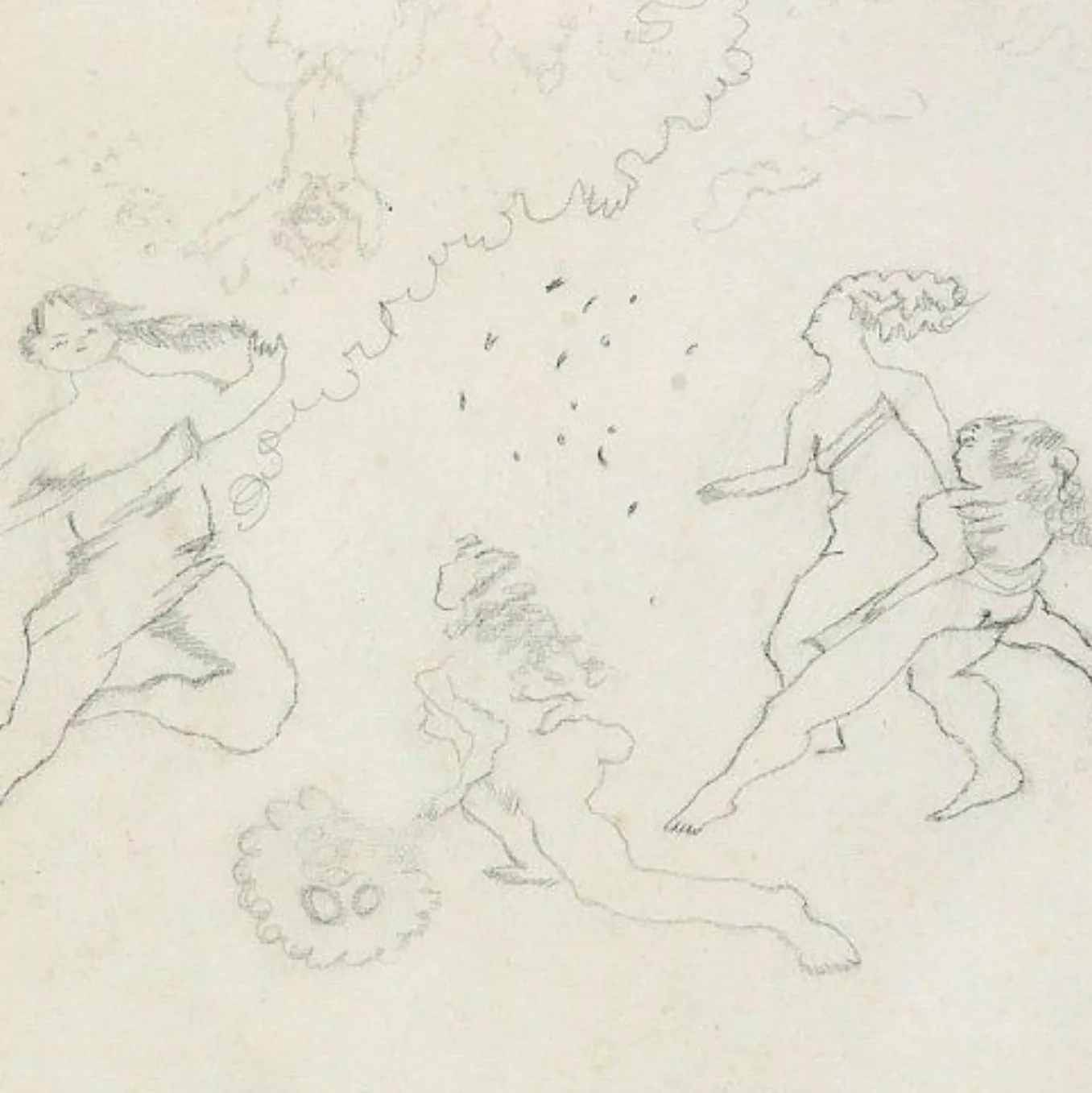
Pascin, one of the most highly regarded artists of the École de Paris
Bulgarian by birth, Jules Pascin was born into a Jewish family in Varna in 1885. From an early age, he revealed a sensitive temperament, shaped by a childhood marked by travel and a move to Paris, where he immersed himself in the bohemian life of the capital.
His mother, who encouraged his passion for drawing, played an essential role in his artistic development, supporting him in his ambitions from an early age.
Legend has it that Pascin discovered his artistic vocation in a moment of deep introspection, as he navigated between melancholy and dreams of grandeur. He began by drawing portraits, a genre that was to occupy a central place in his work, both in painting and in printmaking.
Barely a teenager, he took drawing classes at the École des Beaux-Arts in Paris, defying family expectations that would have preferred him to choose a more conventional path.
Rapidly, he distinguished himself among his peers, absorbing the influences of the artists around him. His encounters with emblematic figures of the time, such as Impressionist painter Édouard Vuillard and sculptor Henri Matisse, nurtured his style.
Pascin soaked up the nuances of Parisian life, while retaining a fascination for the human body, which he explored with particular delicacy and sensuality.
His training was marked by an intense life, often associated with Parisian bohemia, where he befriended artists from all horizons, ranging from Expressionism to Surrealism. The discovery of cafés and cabarets, meeting places of the art scene, became a second school for him.
His works, imbued with nostalgia and poetry, reveal his penchant for depicting women and scenes of everyday life, cultivating an inimitable style that enabled him to make a name for himself in the École de Paris.
In his creations, Pascin skilfully combined the heritage of his roots with contemporary influences, while maintaining a critical eye on society. His artistic trajectory, punctuated by experimentation, left its mark on art history and placed him among the most prominent figures of his era.
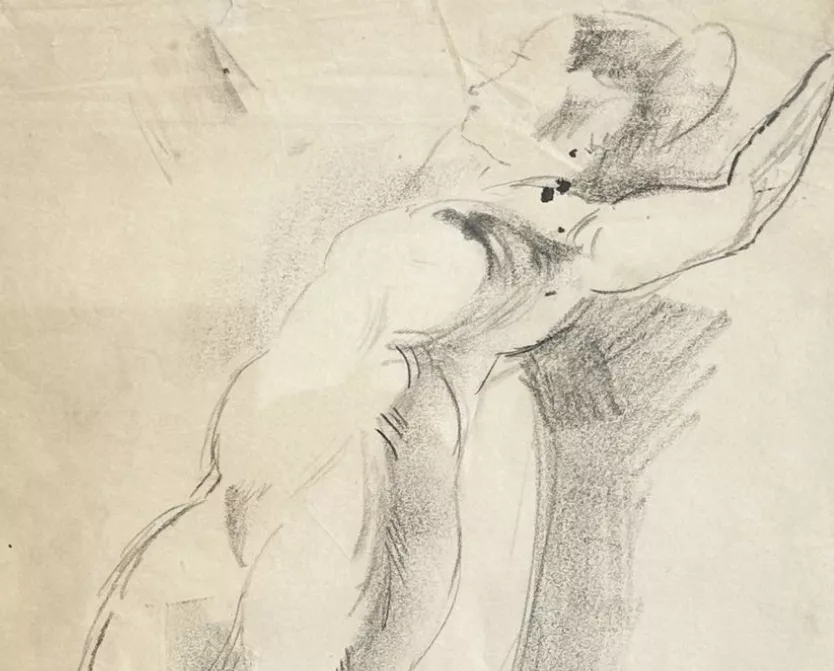
The portrait of Hermine David by Jules Pascin (1907)
The portrait of Hermine David, painted by Jules Pascin in 1907, is part of a period in which the artist revealed his mastery of portraiture within the École de Paris.
Bulgarian by birth, Pascin captures in this work the essence of his model, an emblematic figure in the artistic life of the time.
Hermine David, a painter herself and muse to many creators, is depicted with a delicacy that reveals both her beauty and her psychological depth. The choice of soft, nuanced colors creates an intimate atmosphere that invites introspection.
The treatment of light in this portrait testifies to Pascin's skill in playing with shadows to accentuate his subject's features. The brushstrokes, both light and expressive, breathe dynamism into the work, transforming the simple portrait into an exploration of emotions.
The artist manages to capture not only Hermine's appearance, but also her aura, making the viewer an accomplice in this visual encounter.
Beyond simple representation, this painting illustrates the relationship between artist and model, an interaction marked by complicity and admiration. Hermine David becomes more than a subject; she embodies an inspiring muse, a figure who crystallizes the spirit of the avant-garde of the time.
The influence of Impressionism is palpable in the choice of colors and in the light that dances across Hermine's face. This approach is the result of a dialogue between Pascin and his contemporaries, notably artists such as Édouard Manet and Henri Matisse, whose research into color and form had a profound influence on modern art.
The portrait of Hermine David thus stands out as a major work in Pascin's career. It evokes both the beauty of the modern woman and the quest for authenticity in art. Painting becomes a means of expressing not only outward appearance, but also the complexities of female identity.
Today, this portrait remains a poignant testament to Pascin's artistic universe, where sensitivity and expressivity meet to bring iconic figures to life.
Jules Pascin, with this work, confirms his status as an essential artist of his time, and Hermine David rises to the rank of timeless muse, still captivating the attention of art lovers.
Pascin by Joann Sfar
Jules Pascin's Imprint in Modern Art
Jules Pascin's Imprint in Modern Art reveals itself as a poignant testimony to Parisian bohemian life at the beginning of the 20th century. Of Bulgarian origin, Pascin was born in Vidin in 1885 and moved to Paris in 1904, attracted by the creative abundance of the French capital.
He frequented the artistic circles of Montparnasse, where he rubbed shoulders with such iconic figures as Amedeo Modigliani and Chaïm Soutine.
His work is characterized by an airy lightness, where the intimacy of portraits and scenes from everyday life is accentuated by fluid, expressive brushstrokes.
Pascin excels in the representation of femininity, approaching her models with a rare sensitivity, translating complex emotions through delicate expressions. His style, at once romantic and realistic, places him as a pivotal figure between Post-Impressionism and Expressionism.
Themes of solitude and melancholy are recurrent in his work, lending it an emotional depth that resonates with his own personal journey, marked by struggles with depression.
His works, imbued with a melancholy atmosphere, reveal a fascination with nightlife and the stories of those around him, ranging from artists to cabaret models.
Pascin's impact transcends his era, inspiring contemporary artists who see him as a precursor in the expression of human emotions through portraiture.
Artists such as Pierre Ambogriani, Charles Atamian and Raymond Guerrier are inspired by his approach to infuse their own vision with a touch of intimacy and vulnerability.
Today, Jules Pascin is celebrated as a master of subtle expression and intimate representation. His legacy endures, and his work continues to evoke deep emotions, captivating the attention of art lovers around the world.
His signature
Not all of Jules Pascin 's works are signed.
Although there are variations, here's a first example of his signature:
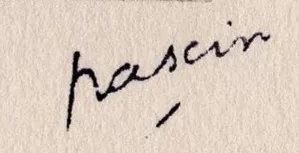
Our team remains at your disposal to identify your works.
Expertise your property
If you own a work by Jules Pascin, don't hesitate to request a free appraisal by filling in our online form. A member of our team of experts and chartered auctioneers will contact you to provide an estimate of the market value of your work signed by Jules Pascin.
If you are considering selling your work, our specialists will also guide you through the various alternatives available to obtain the best possible price, taking into account market trends and the specific features of each object.
Estimate in less than 24h
Similar works sold at auction


Discover in the same theme

Alix Aymé Drawings - Value, rating, artist
Alix Aymé is a 20th-century painter of drawings, oil on canvas and lacquer from Vietnam. His value is exploding at auction.
Learn more >

Rating and value of paintings and drawings by Gérard Sekoto
Gérard Sekoto is a South African painter of the Paris School who has produced works that are highly rated and valued at auction.
Learn more >

Rating and value of paintings by Bart van der Leck
Bart van der Leck is a 20th-century artist who researched abstraction and produced works in a variety of media.
Learn more >

Secure site, anonymity preserved

Auctioneer approved by the State

Free and certified estimates
Frequently asked questions
-
Who was Jules Pascin, and what was his artistic background?Jules Pascin (1885–1930) was a painter and draftsman of Bulgarian origin and a leading member of the École de Paris. After settling in Paris in 1904, he immersed himself in the bohemian life of Montparnasse and distinguished himself through his delicate portraits and erotically charged drawings depicting Parisian nightlife. His style, at the crossroads of Post-Impressionism and Expressionism, is characterized by a rare sensitivity and a poetic exploration of human emotions.
-
What is the price range for Jules Pascin's works at auction?Prices for Jules Pascin’s works vary considerably depending on the medium: prints sell for between €20 and €15,000, drawings and watercolors between €30 and €120,610, sculptures between €3,500 and €6,600, and paintings between €150 and €407,400. The most prestigious oil-on-canvas works, such as his portraits, can fetch several hundred thousand euros, or even exceed one million euros for exceptional pieces.
-
How can I have a work by Jules Pascin authenticated and appraised?To authenticate and appraise a work by Jules Pascin, we recommend that you request a free, no-obligation estimate from Auctie's. Our experts and state-certified auctioneers will examine your artwork and provide you with an accurate estimate of its market value within 48 hours. This appraisal is an essential prerequisite before any sale.
-
Is this the right time to sell a work by Jules Pascin?Yes, now is a good time to sell a work by Jules Pascin. The artist remains highly sought after by collectors around the world, and his works—particularly his portraits and drawings—continue to be in high demand on the auction market. Pascin’s prolific output and his recognition as a major figure of the École de Paris support stable and attractive prices.
-
How does the sale of a work of art work at Auctie's?At Auctie's, we support you every step of the way: after a free appraisal by our experts, we offer you the best options for selling your artwork based on its nature and current market trends. We handle the entire sales process—from preparing the item for sale to promoting it and through to the auction—to ensure you get the best possible price for your artwork.
