



Rating and value of drawings and paintings by René Seyssaud

Key takeaways
- René Seyssaud’s works sell for between €150 and €53,000 at auction, with a record set by “Les ramasseurs de lavandes” in 1898.
- A pioneer of Fauvism, Seyssaud (1867–1952) is known for his vibrantly colored Provençal landscapes and his unique approach to color.
- Oil-on-canvas paintings are the most sought-after on the market, while graphic works (gouaches, pastels, watercolors) sell for between €80 and €3,500.
René Seyssaud’s paintings and drawings sell for up to €53,000 at auction. An appraisal allows us to accurately determine the current market value of your René Seyssaud artwork and, if applicable, optimize the sale of the piece.
If you own a work by René Seyssaud and would like to know its value, our state-certified auctioneers will provide a free appraisal based on authenticity, market rating, and recent market results.
Market Value and Reputation of the Artist René Seyssaud
Considered one of the pioneers of Fauvism, René Seyssaud quickly established himself in 20th-century art. His body of work consists of various pieces, primarily oil-on-canvas paintings, including landscapes.
Currently, prices for his works are rising sharply at auction. His oil-on-canvas paintings are particularly sought after, and their prices on the art market range from €150 to €53,000—a considerable spread that speaks volumes about the value that can be attributed to Seyssaud’s paintings.
An oil on canvas titled *The Lavender Pickers*, dating from 1898, sold for €53,000, while it had been estimated at between €30,000 and €50,000.
A range of values from a simple work to the most prestigious
Technique used | Result |
DA | From €10 to €5,300 |
EM | From €5 to €170 |
Cityscape | From 150 to 53,000€ |
Estimate in less than 24h
Placing the Artist in Context
Period
René Seyssaud (1867–1952) was a painter born in Marseille, originally from the Vaucluse region, who settled in Saint-Chamas, near L’Estaque and Martigues. His career spanned the Belle Époque, both world wars, and the postwar period, thus encompassing all the major shifts in French artistic modernity.
He belonged to the transitional generation that, having turned its back on naturalism, sought to free itself from the Impressionist obsession and was driven by a desire for modernity.
Artistic Movements
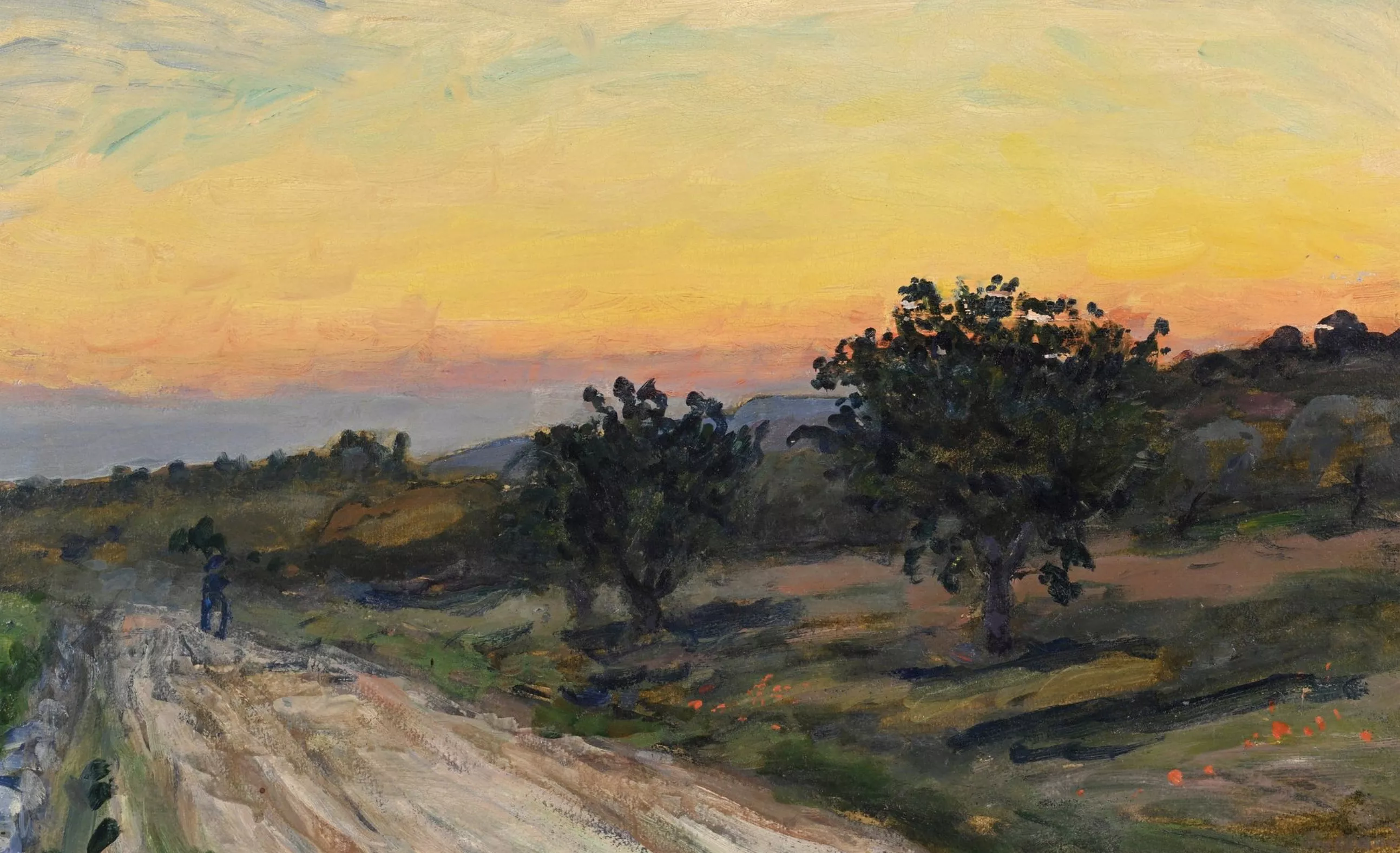
Seyssaud is described as a maverick of Fauvism: he embraced color reduced to its purest form, in harmony with light, in an approach driven entirely by sensation and instinctive impulse, without ever formally joining the Fauvist group centered around Matisse.
His place in art history is that of an independent pioneer: he is considered the father of Fauvism by some critics, a distinction that highlights his chronological precedence over the major Fauvist exhibitions of 1905.
His artistic influences were diverse and well-documented: thanks to the Nabis and Gauguin, he redefined artistic inquiry by combining lines and colors. He discovered a new freedom of drawing in Japanese woodblock prints.
The Life of René Seyssaud
Cultural Context
Born in Marseille, he spent his childhood in the family home in Villes-sur-Auzon, at the foot of Mont Ventoux—a fundamental geographical anchor that shaped his entire body of work featuring laborers, peasants, and Provençal landscapes.
Without wealth or a family tradition in the fine arts, yet steeped in a spontaneous Provençal culture, he embodied a type of self-taught southern artist who stood in stark contrast to the Parisian academic circles.
He belongs to a transitional generation that, having turned its back on naturalism, sought to free itself from the Impressionist obsession and to redefine artistic inquiry on new foundations—inspired by the Nabis and Gauguin—by combining lines and colors.
Intellectual and Artistic Circle
At age 13, with his father’s support, he left school and enrolled at the École des Beaux-Arts in Marseille, where, starting at age 16, he mingled with the writers and artists of the Groupe des Jeunes journal and met Guigou, Gouirand, and Lauzet.
In 1885, he enrolled at the École des Beaux-Arts in Avignon, in the studio of Pierre Grivolas, who immediately supported his bold artistic vision.
In 1895, he met François Honnorat, an art dealer in Marseille and a passionate collector of Monticelli’s work, who became his financial backer and dealer for 25 years—an exceptional relationship of local patronage that ensured him complete artistic freedom.
Market Segmentation and Artist Rankings
Prices of Works
The market for Seyssaud’s paintings shows a very wide price range depending on the medium and subject: A painting by René Seyssaud sells for between €150 and €53,000, while his graphic works (gouaches, pastels, and watercolors) fetch between €80 and €3,500 for the most sought-after pieces.
The all-time record is held by *Les ramasseurs de lavandes*, which sold for €53,000. Medium-sized canvases regularly find buyers at affordable price points.
Factors Influencing Value
The artist’s status as a precursor to Fauvism is the primary driver of the work’s critical and market legitimacy: an artist who exaggerates color while remaining faithful to nature is considered a precursor to Fauvism.
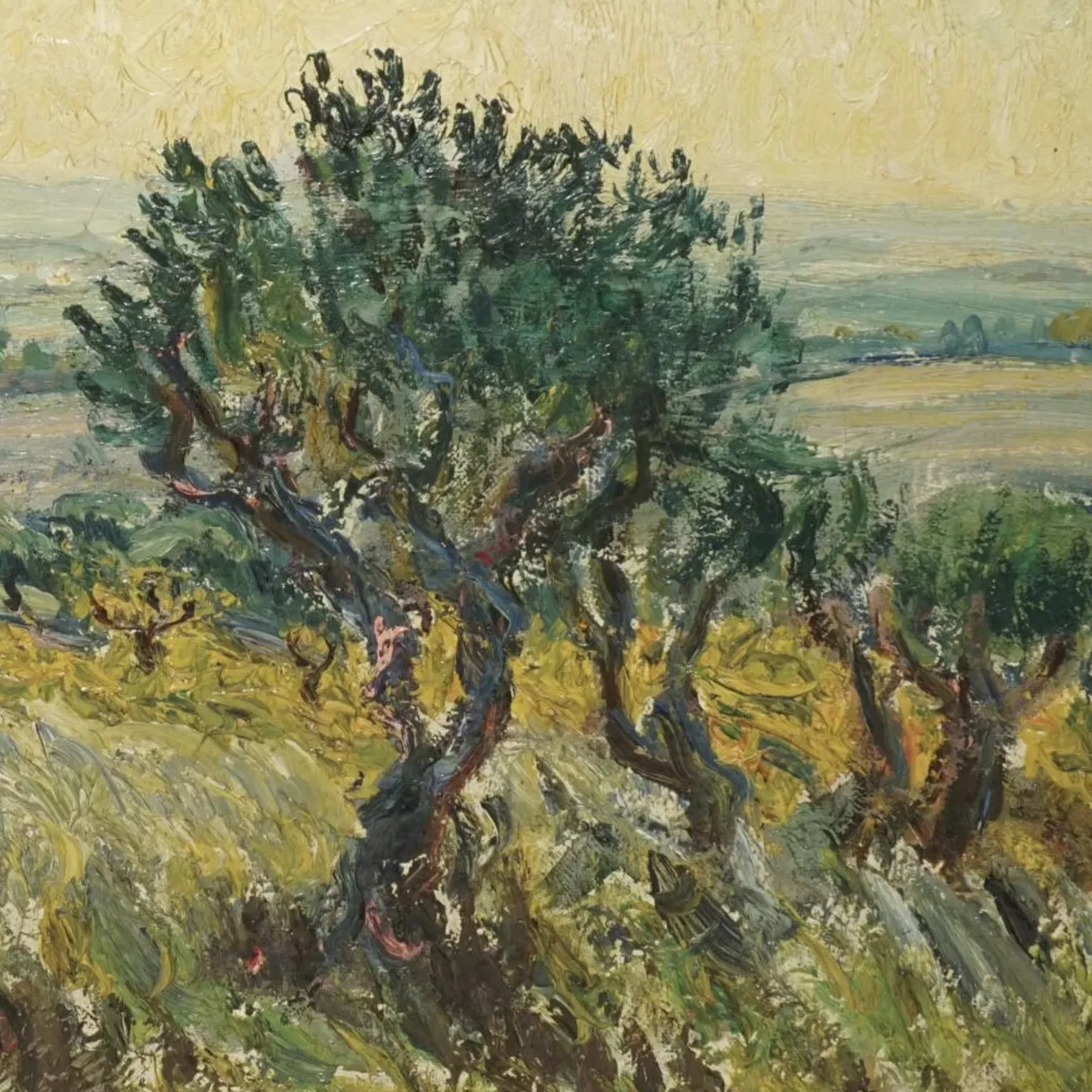
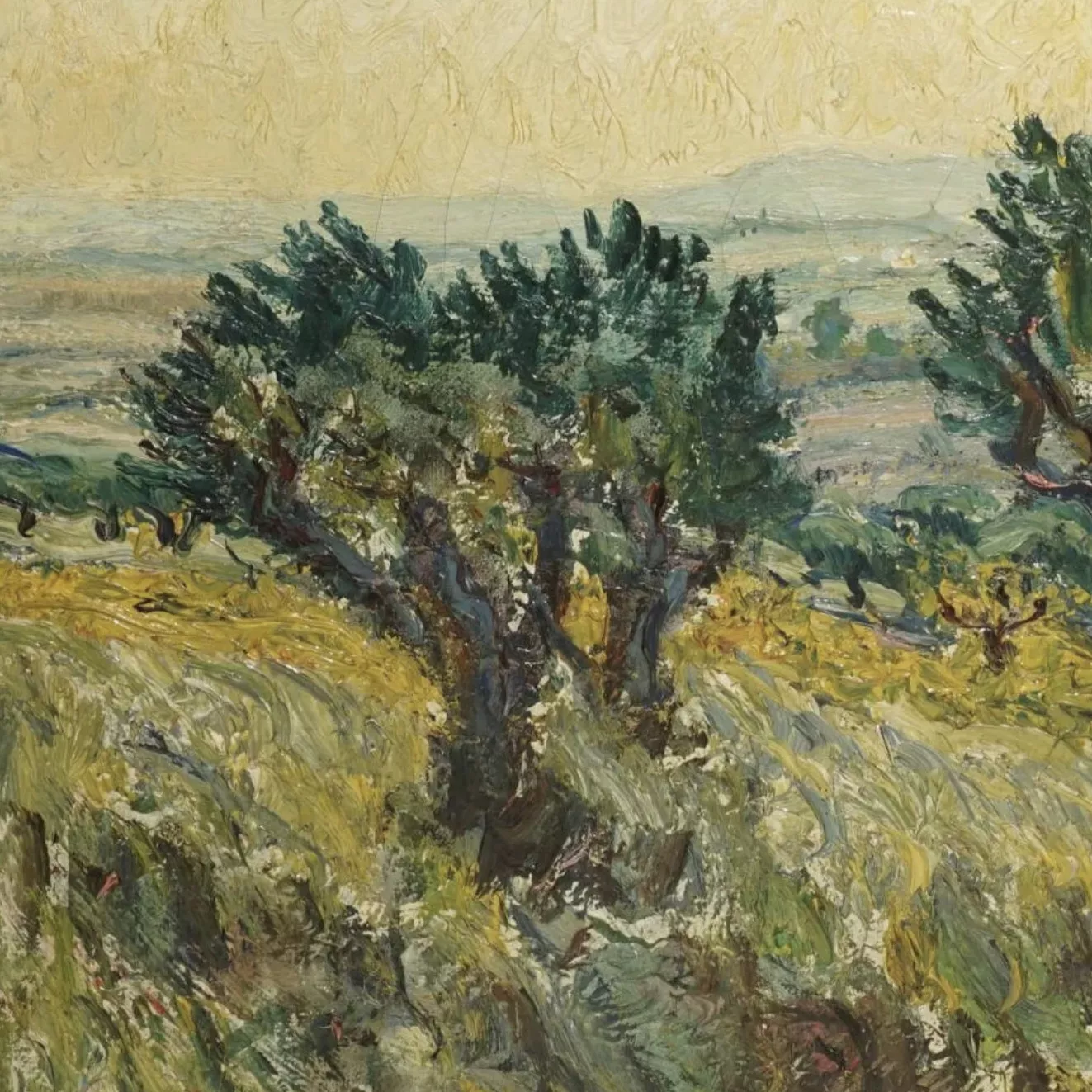
The work’s stylistic singularity—a unified style described as “almost wild and brutal”—which earned the artist the nickname “black fauve”—gives his paintings an immediately recognizable visual identity, a guarantee of desirability in a market of collectors drawn to the chromatic vigor of Southern Post-Impressionism.
His specific geographic roots also generate sustained demand for local art among Provençal collectors and local cultural institutions, ensuring structural liquidity for his works in the art markets of southern France.
FAQ – How do you appraise a work by René Seyssaud?
1) Which of René Seyssaud’s subjects are most sought after by collectors?
Seyssaud is best known for his still lifes, landscapes, and depictions of peasant life. The market hierarchy is roughly as follows: large-scale scenes of peasants at work are at the very top. Next come identifiable landscapes, followed by still lifes.
2) What are Seyssaud’s immediately recognizable stylistic characteristics?
Seyssaud is renowned as a master of color. He uses a vivid palette of strong colors, combining primary and secondary colors to build a sense of depth and layering in his compositions.
His dynamic compositions often view the subjects from above, positioning the horizon very high with only a narrow strip of sky, and employ strong diagonals and complex perspectives.
3) Is the condition of a work a decisive factor in its valuation?
Seyssaud’s thick impasto and pure colors are sensitive to excessive cleaning and yellowed varnishes, which can alter the chromatic intensity that defines the work’s value. A canvas on its original stretcher, with a uniform patina and no major restoration, will be valued significantly higher than a retouched piece.
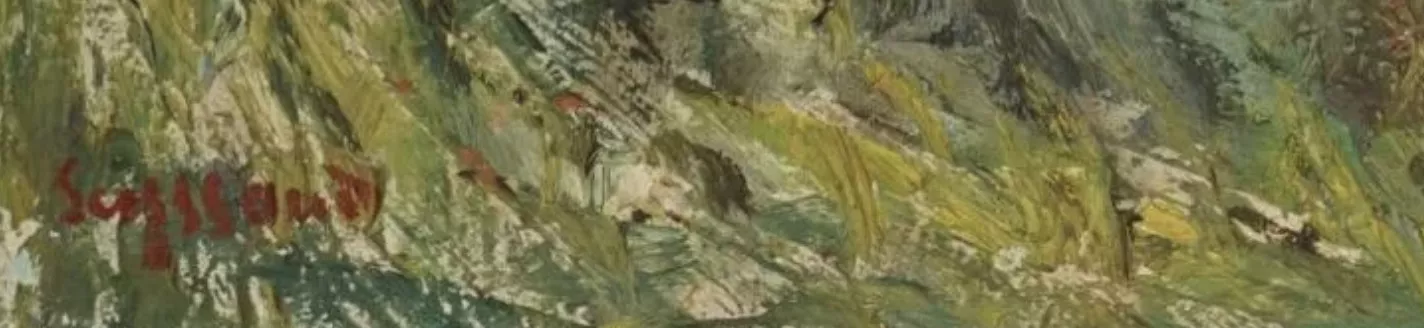
Recognizing the Artist’s Signature
René Seyssaud’s works are often signed, though his signature may vary from year to year. Here is an example.
Get Your René Seyssaud Artwork Appraised
If you own a work by René Seyssaud, an appraisal will help you determine its current market value.
Using our online form, our experts and certified auctioneers will conduct a free appraisal and provide you with a reliable estimate of your artwork’s market value.
If you’re considering selling it, we’ll guide you through the process to ensure you get the best possible price.
Estimate in less than 24h
D'autres tableaux de fauvistes vendus aux enchères

Estimated 8.000 - 15.000
Maurice de VLAMINCK (1876-1958), Still life with jugs and leeks, oil on canvas

Estimated 18.000 - 30.000
Charles CAMOIN (1879-1965) "Le Port de Marseille, 1928" Oil on canvas.

Estimated 200€ - 400€
André DERAIN (1880-1954) Decorative project, black ink (insolation),...

Estimated 2.000 - 4.000
Jean DUFY (1888-1964) Vase of anemones, Watercolor

Estimated 2.000 - 4.000
Jean DUFY (1888-1964) Vase of anemones, Watercolor
Discover in the same theme

Value and quotation of works, paintings by Eugène Leroy
Eugène Leroy, a 20th-century painter, produced a singular body of work appreciated and quoted on the auction market. Estimated in less than 24h.
Learn more >

Rating and value of works, sculptures by Auguste Rodin
Auguste Rodin is a major 20th-century artist, considered one of the masters of modern sculpture. His auction value is very high.
Learn more >

Rating and value of works, drawings, paintings by Eugène Fro...
Eugène Fromentin was a twentieth-century Orientalist painter who produced drawings and oils on canvas that are highly prized on the auction market.
Learn more >

Secure site, anonymity preserved

Auctioneer approved by the State

Free and certified estimates
Frequently asked questions
-
Who is René Seyssaud, and what is his significance in art history?René Seyssaud (1867–1952) was a painter from Marseille considered a precursor of Fauvism and described by critics as a “maverick of Fauvism.” A self-taught artist from the south of France, he established himself as a major figure of the 20th century by combining a palette of pure, vibrant colors with Provençal subjects—particularly landscapes and rural scenes—while remaining independent of the Parisian academic art circles.
-
What is the price range for René Seyssaud's works at auction?René Seyssaud’s oil-on-canvas paintings sell for between €150 and €53,000 depending on the subject and size, while his graphic works (gouaches, pastels, watercolors) sell for between €80 and €3,500. The all-time record is held by “Les ramasseurs de lavandes” (1898), which sold for €53,000, and medium-sized canvases regularly find buyers at affordable price points.
-
How can you authenticate and appraise a work by René Seyssaud?To authenticate and appraise a work by René Seyssaud, we recommend that you submit your item via our online appraisal form. Our state-certified auctioneers will provide a free, no-obligation appraisal based on the item’s authenticity, market value, and recent market results, with a response sent within 48 hours.
-
What factors influence the value of a work by Seyssaud?The value of a work by Seyssaud depends primarily on its subject matter (scenes of peasants at work are the most sought-after), its condition (a painting on its original stretcher without major restoration will be valued higher), and the preservation of its characteristic chromatic intensity. His Provençal roots also generate sustained demand among regional collectors.
-
Is this the right time to sell a work by René Seyssaud?Yes, now is a good time to sell a work by René Seyssaud. Prices for his paintings are rising at auction, and his market value remains strong, thanks in particular to his growing recognition as a pioneer of Fauvism and to steady demand from Provençal collectors and cultural institutions. Auctie's guides you from the appraisal to the final sale to ensure you get the best possible price.
