



Rating and value of drawings and paintings by Blanche Augustine Camus

Key takeaways
- Blanche Augustine Camus’s paintings sell for between €200 and €2,840, with her paintings commanding significantly higher prices than her drawings (€200–300).
- A Neo-Impressionist artist (1884–1968) who specialized in flower gardens and intimate landscapes, she carried on Monet’s exploration of light and color.
- Her work is characterized by a vibrant, fragmented brushstroke, a light, luminous palette, and the absence of strict outlines, reflecting atmospheric variations.
Blanche Augustine Camus’s paintings and drawings sell for up to €2,840 at auction. An appraisal allows us to accurately determine the current market value of your Blanche Augustine Camus artwork and, if applicable, optimize the sale of the piece.
If you own a work by Blanche Augustine Camus and would like to know its value, our state-certified auctioneers will provide a free appraisal based on authenticity, market rating, and recent market results.
Artist’s Market Value and Reputation
Although little known in her own time, Blanche Augustine Camus, a Neo-Impressionist artist, is now highly sought after on the market. Her oil-on-canvas paintings and watercolors have earned her renown and constitute the bulk of her artistic output.
The prices at which they sell on the auction market range from €200 to €2,840.
Her oil on canvas, *Young Girl in the Countryside*, sold for €2,840, while it had been estimated at between €2,600 and €2,300.
Ranking by value, from the most basic to the most prestigious
Technique used | Result |
|---|---|
Drawing | €200 to €300 |
Painting | From 485 to 2,840 € |
Estimate in less than 24h
Placing the Artist in Context
Period
Blanche Augustine Camus (1884–1968) was a Neo-Impressionist artist active in the late 19th century and the first half of the 20th century. Her artistic career developed as an extension of Impressionism, at a time when the movement was gaining widespread popularity in the early 20th century.
She worked within a context of both continuity and adaptation of Impressionist traditions during a period marked by the diversification of the avant-garde movements.
Artistic Movements
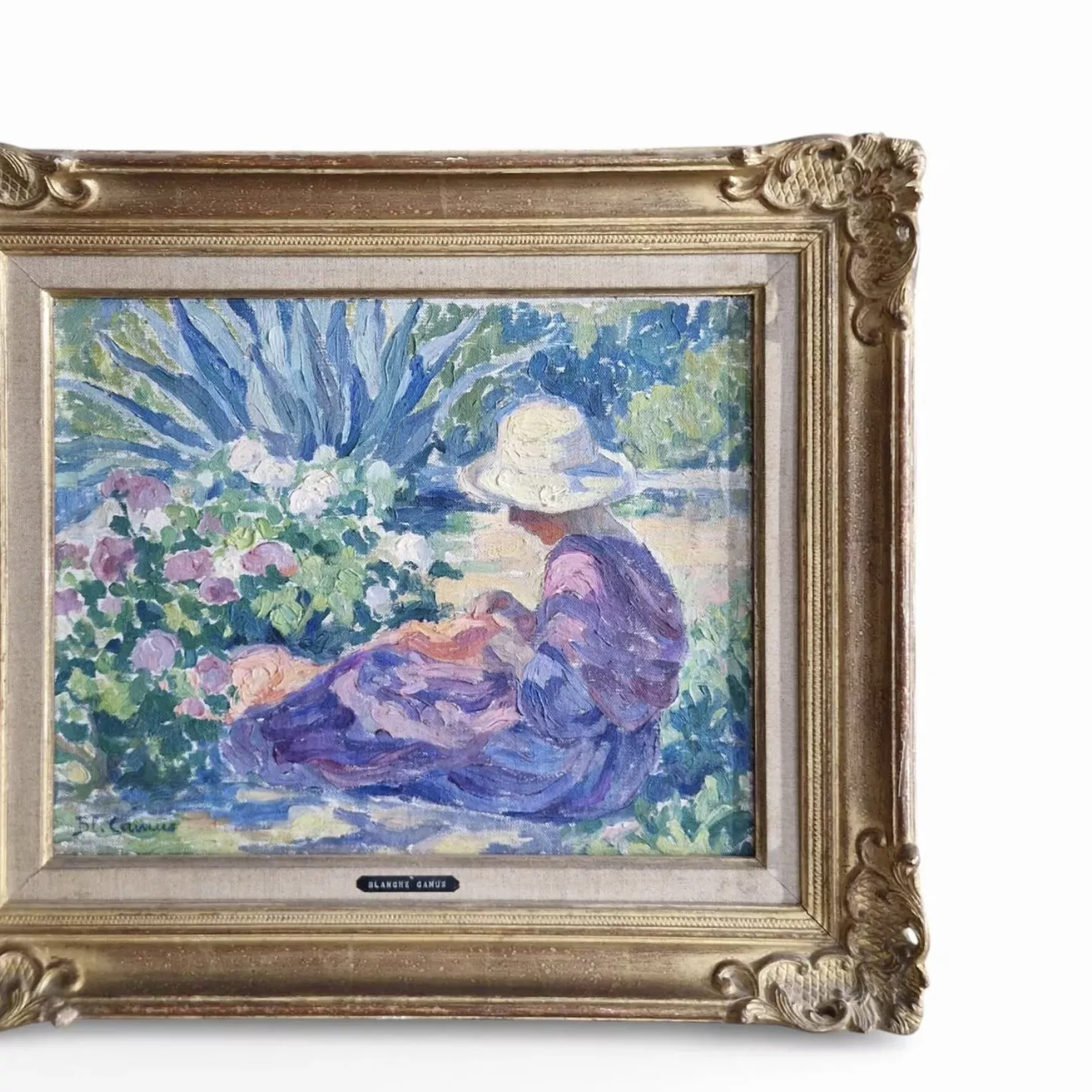
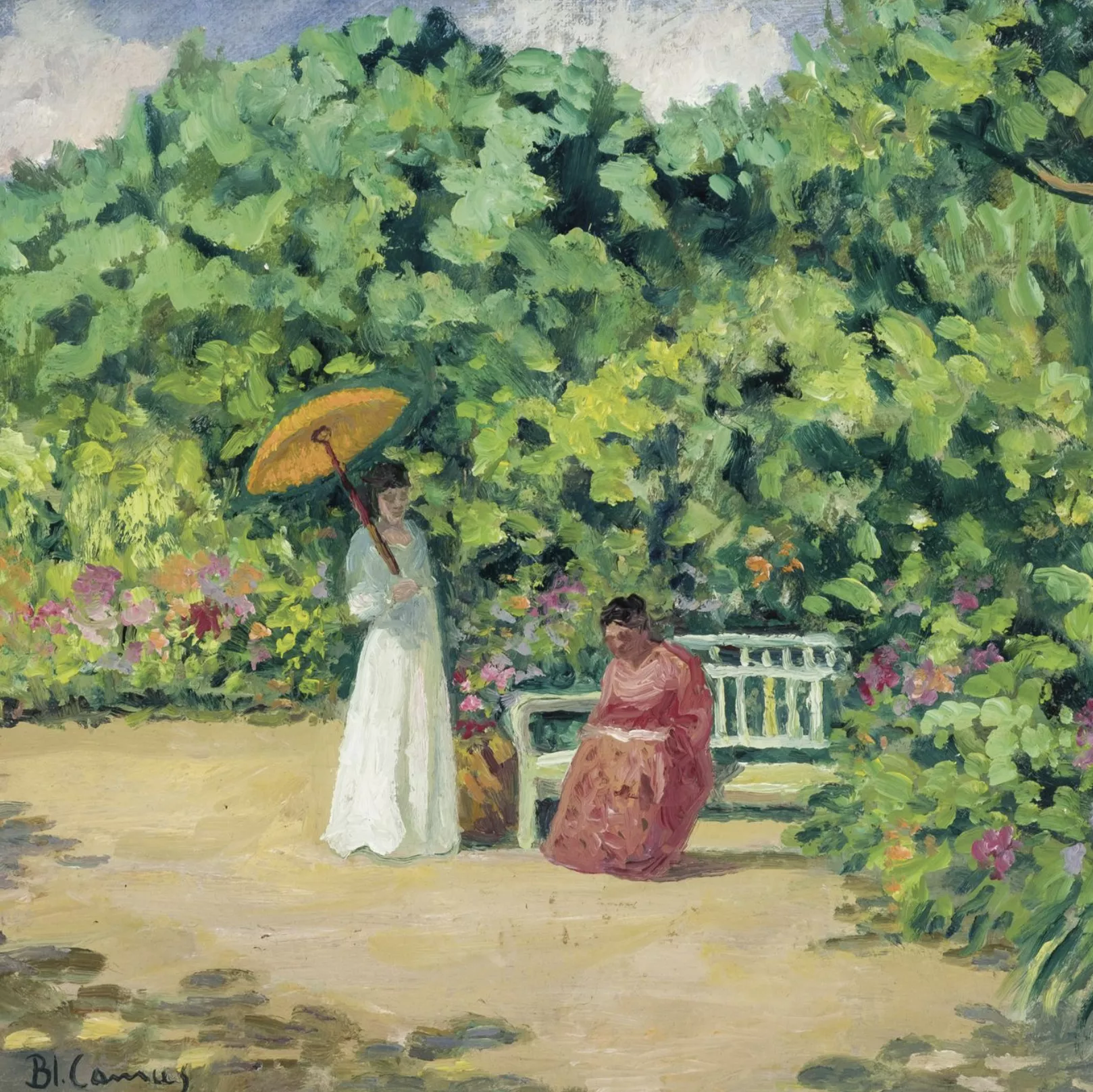
She was part of the late Impressionist movement, continuing the exploration of light, color, and fragmented brushstrokes as applied to intimate subjects. She primarily produced garden and landscape paintings, with a preference for outdoor scenes, particularly flower-filled gardens.
She treats these subjects with particular attention to variations in light and color. She is part of the atmospheric figurative tradition, with a representation of the subject based on immediate visual perception and the rendering of sensory impressions.
Blanche Camus follows in the footsteps of artists such as Claude Monet and Pierre-Auguste Renoir, while developing a personal style characterized by a luminous palette and a taste for floral subjects.
The Life of Blanche Augustine Camus
Cultural Context
Blanche Augustine Camus was born in 1884 and developed her body of work within the context of early 20th-century French painting, which was shaped by the legacy of Impressionism and its Post-Impressionist offshoots.
She was trained in Paris and was part of a painterly tradition focused on light, color, and the depiction of landscapes, particularly in their seasonal and atmospheric variations. Her work focuses on intimate subjects (gardens, interiors, domestic scenes), rendered with a luminous palette and a soft brushstroke inherited from Impressionism.
The artist developed a body of work characterized by a delicate chromatic sensibility and a decorative approach to composition, contributing to the spread of late Impressionism in the 20th century.
Her work reflects a stylistic continuity with Impressionist explorations, while incorporating more personal concerns related to intimacy and the perception of everyday life.
Artistic and Intellectual Circle
Blanche Camus was a student of Tony Robert-Fleury and Adolphe Déchenaud, whose academic instruction shaped her early training. Her work builds upon the explorations of Monet and the Impressionists, particularly in the treatment of light and color.
She participated in salons and exhibitions that helped disseminate her work within the 20th-century French art scene, contributing to the recognition of late Impressionist painting.
The Artist's Techniques
The Style of Blanche Augustine Camus
Blanche Augustine Camus is a French painter associated with Post-Impressionism, building on the exploration of light and color that began in the late 19th century. She focuses on intimate subjects—gardens, interiors, and domestic scenes—rendered in a calm and luminous atmosphere.
Her brushwork is fragmented and vibrant, capturing the variations of natural light on surfaces. Her palette is light and colorful, favoring luminous harmonies and subtle contrasts between warm and cool tones. She constructs space through color rather than through a strictly geometric perspective.
The influence of Impressionists such as Marie Louise Breslau, Berthe Morisot, and Blanche Hoschedé Monet is particularly evident in her depictions of gardens. She seeks to evoke an immediate visual sensation, where perception takes precedence over detailed description.
Spotlight on a Key Work
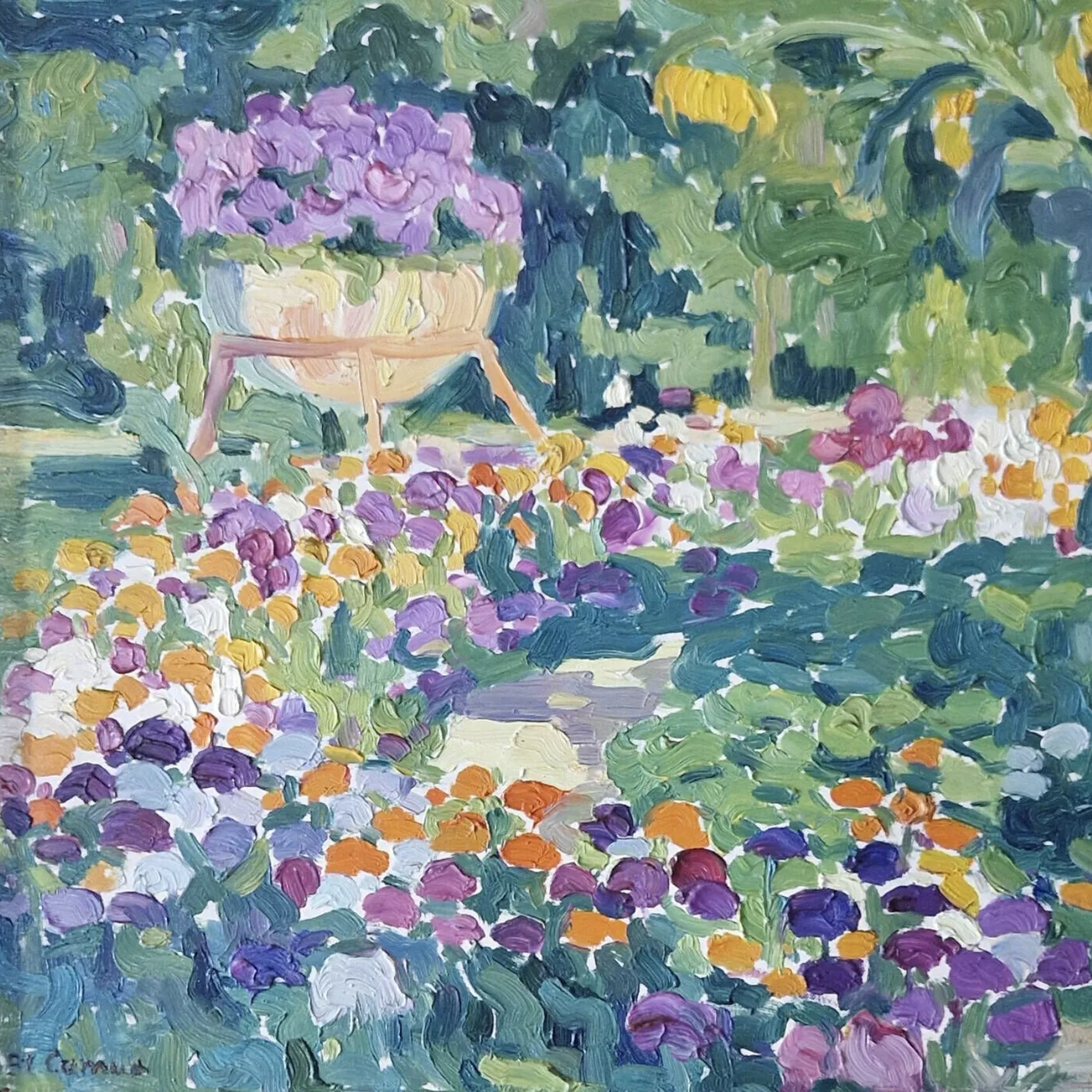
Garden in Bloom, early 20th century
This composition is structured by masses of vegetation and color, organizing the space without strict reliance on perspective. The brushwork is visible and fragmented, creating an effect of luminous vibration.
Her palette is rich and dominated by greens, pinks, and yellows, reflecting the diversity of the flowers. There are no strict outlines; forms are defined by the juxtaposition of colored brushstrokes. The atmosphere is serene and contemplative, centered on the sensory experience of the garden.
This work is representative of an intimate form of Post-Impressionism, in which color becomes the primary vehicle for pictorial composition.
FAQ – How do you appraise a work by Blanche Augustine Camus?
1) What stylistic criteria specific to Blanche Augustine Camus are key?
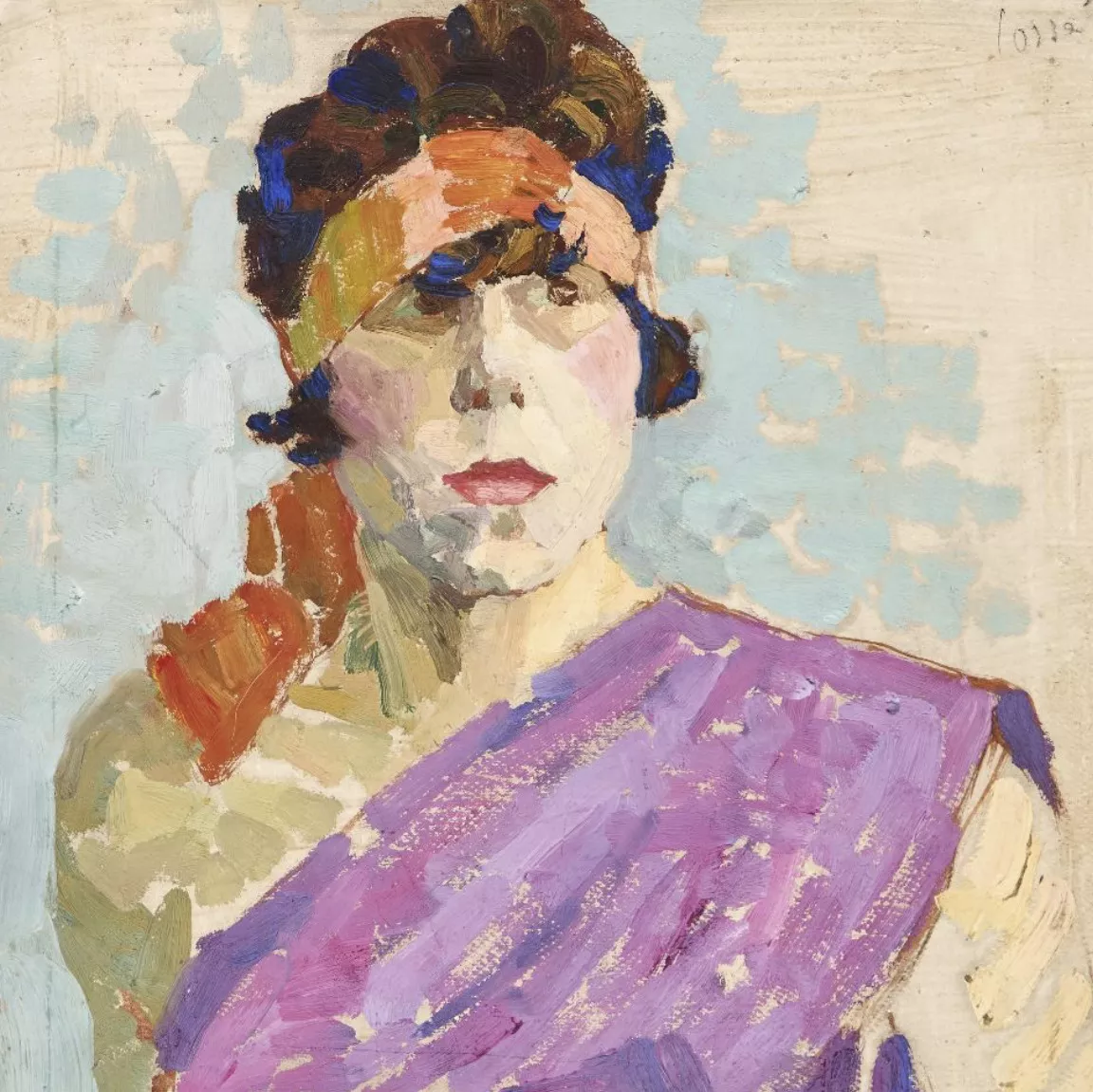
For Blanche Camus, the analysis focuses on her luminous brushwork, light color palette, and depictions of garden scenes, landscapes, or female figures in natural settings—characteristics of a late, intimate style of Impressionism.
2) How important are the quality of the light and the composition?
Particular attention is paid to the treatment of natural light, chromatic vibrancy, and compositional balance—essential elements for appreciating the pictorial quality of the work.
3) How does the market influence the estimate?
The estimate is based on a comparative analysis of the results of public auctions of the artist’s works, taking into account the relative rarity of his paintings on the market, the quality of their execution, and the renewed interest in independent figures of the French avant-garde, though the value remains indicative and subject to change.
Her Signature
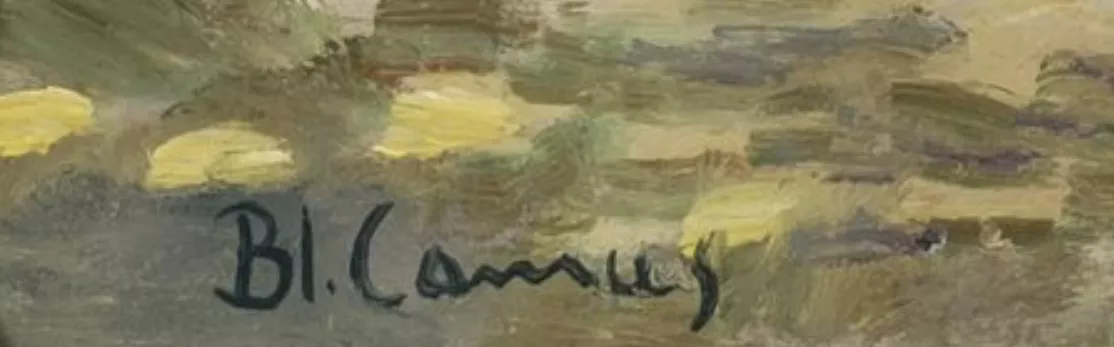
Not all of Blanche Augustine Camus’s works are signed.
Although there are variations, here is an example of her signature:
Get Your Blanche Augustine Camus Artwork Appraised
If you own a work by Blanche Augustine Camus, an appraisal will help you determine its current market value.
Using our online form, our experts and certified auctioneers will conduct a free appraisal and provide you with a reliable estimate of your artwork’s market value.
If you’re considering selling it, we’ll guide you through the process to ensure you get the best possible price.
Estimate in less than 24h
Discover in the same theme

Rating and value of works, drawings, paintings by Marc Chaga...
Marc Chagall is a twentieth-century artist who leaves behind a substantial body of work, including drawings and paintings that are highly prized at au...
Learn more >

Rating and value of Robert Picault's ceramics, services and...
Robert Picualt is a 20th-century ceramist who worked in Vallauris. He is the author of an important and valuable production.
Learn more >

Ratings and values of paintings by Elisabeth Chaplin
Elisabeth Chaplin is a Franco-Italian artist who has produced works that are highly valued at auction. 24h estimate.
Learn more >
D'autres tableaux impressionnistes vendus aux enchères

Estimated 6.000 - 8.000
Mikhail Markianovich GUERMACHEFF (1867 - 1930) House under the snow, oil on canvas

Estimated 2.000 - 4.000
Jean DUFY (1888-1964) Vase of anemones, Watercolor

Estimated 600 € - 800 €
Henri ZUBER (1844-1909), Bridge at Artemare. Oil on canvas.

Secure site, anonymity preserved

Auctioneer approved by the State

Free and certified estimates
Frequently asked questions
-
Who was Blanche Augustine Camus, and which artistic movement did she represent?Blanche Augustine Camus (1884–1968) was a French painter associated with Neo-Impressionism and late Post-Impressionism. Trained in Paris under Tony Robert-Fleury and Adolphe Déchenaud, she carried on the Impressionist tradition, particularly in her treatment of light and color. She specialized in intimate scenes: flower-filled gardens, landscapes, and female figures set against natural backdrops.
-
What is the price range for works by Blanche Augustine Camus on the auction market?Blanche Augustine Camus’s paintings and drawings sell for between 200 and 2,840 euros, depending on the medium and quality. Drawings generally range from €200 to €300, while oil paintings and watercolors range from €485 to €2,840. These prices reflect the renewed interest in this once-little-known artist.
-
How can I authenticate a work by Blanche Augustine Camus and determine its exact value?To authenticate a work of art and determine its exact value, we recommend requesting a free appraisal from Auctie's. Our state-certified auctioneers analyze the work’s authenticity, technique, and condition, and compare it to recent market results. The appraisal is non-binding, and you’ll receive a reliable estimate within 48 hours.
-
Is this a good time to sell a work by Blanche Augustine Camus?Yes, the market conditions are favorable. Blanche Augustine Camus, who was long overlooked, is now enjoying renewed interest in the art market. Her paintings and watercolors are sought after by collectors, particularly due to the rediscovery of independent artists associated with the French avant-garde and intimate Post-Impressionism.
-
How does the appraisal process work at Auctie's, and how do I sell my artwork afterward?The appraisal is free and non-binding: simply fill out an online form with photos of your artwork, and our experts will provide you with an appraisal within 48 hours. If you decide to sell, Auctie’s, an auction house, will guide you from the appraisal to the auction, helping you maximize the value of your artwork among a qualified clientele.
