



Rating and value of bronzes, sculptures and drawings by Anne-Marie Profillet

Key takeaways
- Anne-Marie Profillet, a leading 20th-century sculptor, creates animal bronzes that sell for between €135 and €21,000.
- Her bronze "Crowned Crane" (1928) exceeded estimates by selling for €21,000 in 2025, revealing strong upside potential.
- Her minimalist approach emphasizes the purity of lines and the balance of forms, eschewing textural effects in favor of classical rigor.
If you own a work by or after the artist Anne-Marie Profillet, and would like to know its value, our state-approved experts and auctioneers will offer you their appraisal services.
Our specialists will carry out a free appraisal of your work, and provide you with an accurate estimate of its value on the current market.
Then, should you wish to sell your work, we will direct you to the best possible arrangement to obtain the optimum price.
Rating and value of the artist Anne-Marie Profillet
Anne-Marie Profillet is an important artist of animal sculpture in the 20th century. She worked mainly with bronze, sculpting animals from all horizons.
At present, the prices of her works are soaring exponentially under auctioneers' gavels.
Her bronzes are particularly prized, and the price at which they sell on the art market ranges from €135 to €21,000, a considerable delta but one that speaks volumes about the value that can be attributed to the works of Anne-Marie Profillet.
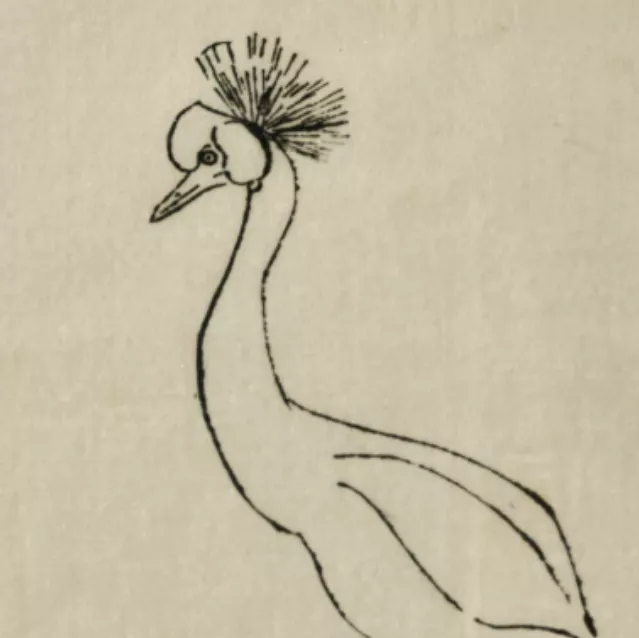
In 2025, the bronze Grue couronnée n°1, dating from 1928 sold for €21,000, while it was estimated at between €800 and €1,200, suggesting strong upside potential for the artist's works.
Order of value from a simple work to the most prestigious
Technique used | Result |
|---|---|
Drawing - watercolor | From €200 to €2,300 |
Sculpture - volume | From €135 to €21,000 |
Estimate in less than 24h
Style and technique of artist Anne-Marie Profilet
In 1997, a retrospective at the Musée des Arts Graphiques was devoted to the engraved work of Anne-Marie Profillet. With almost one hundred and fifty plates on show, it highlighted a body of work which, while remaining in the tradition of metal engraving, renewed its perspectives.
This exhibition was an event: never before had the whole of her sculptural work been presented on such a scale. One of its merits - of which a remarkable catalog remains! - was to underline the singularity of his language.
This singularity is first and foremost technical: for the most part, it is a line drawing, in black and white (few drawings were presented at auction, but the results are very encouraging.
Little recourse to textural effects, no spectacular aquatints or expressive bites: with Profillet, everything rests on the precision of the line, on its tension and rigor.
Little attention has been paid to this aspect of his work. Yet this is precisely where the interest of her approach lies: in contrast to contemporary research, which favours a mixture of techniques, she adopts a deliberately pared-down approach.
This refusal of overly visible effect brings her closer in a sense to classical sculptors, who sought discipline and measure in carving. Some of her contemporaries, seduced by colored inks or collages, called for a more pictorial sculpture.
Profillet, on the contrary, takes a more austere path, where black and white suffice to structure space. This choice is not the result of asceticism, but of a desire to bring sculpture back to its essence: an imprint, a pure line, stripped of all overload.
In his bronzes, the line is both supple and rigorous. Sometimes nervous, sometimes lightened by a diffuse vibration, it plays on the nuances of the line to suggest, rather than illustrate.
This process is reminiscent of certain 18th-century drypoints, where we find this taste for the spontaneity of gesture. But where a Helleu favored the charm of the moment, Profillet prefers the rigor of a skilfully constructed composition.
This seemingly simple sculpture thus reveals a science of rhythm and balance, where each stroke seems weighed, thought out, articulated in a subtle dialogue between empty and full.
This is where her work remains singular: through a seemingly traditional technique, she manages to create a language where restraint becomes strength, where the silence of white dialogues with the incision of bronze.
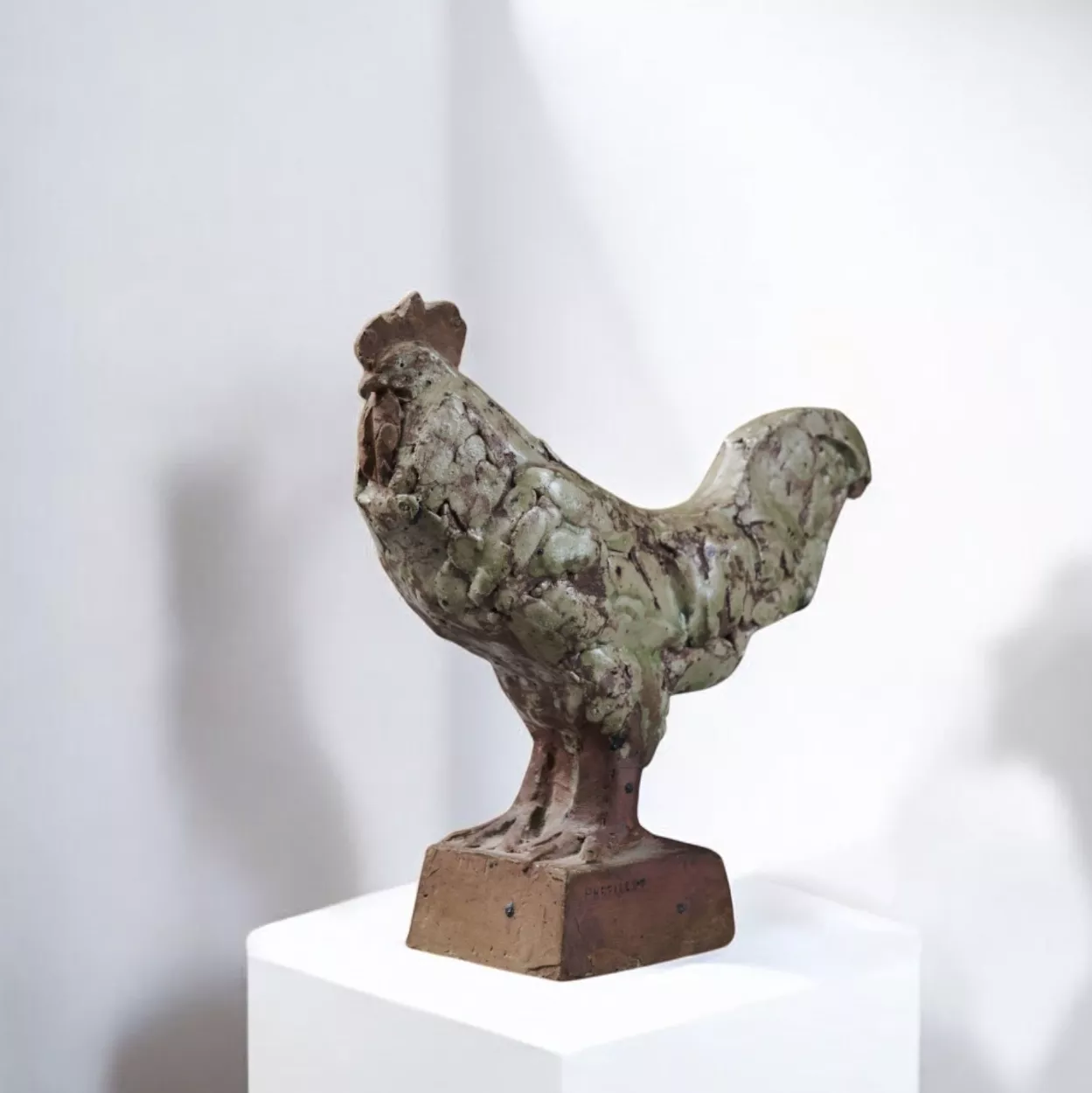
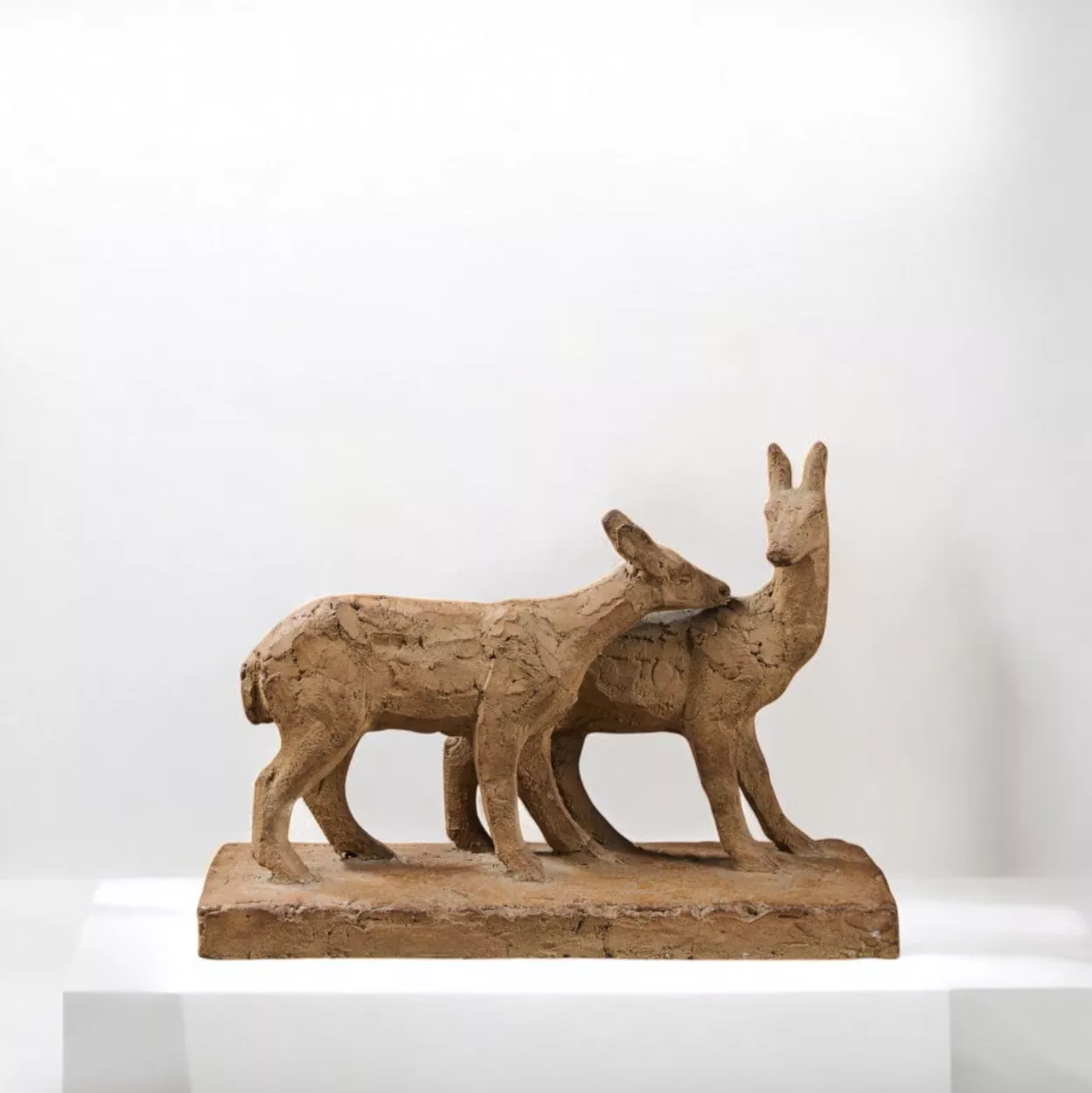
The life of Anne-Marie Profillet
Anne-Marie Profillet belongs to that generation of sculptors for whom form prevails over effect. Trained at the Beaux-Arts in Paris, she quickly turned to a refined language, favoring the clarity of volumes over any search for immediate expressiveness. A rigor that excludes neither sensitivity nor subtlety.
Her work, essentially in bronze and stone, is characterized by a search for balance. No lyrical élan or violent contrasts: the material is mastered, subjected to a strict order.
Direct carving in stone, which she practices with particular attention to the purity of lines, places her in a classical filiation where the economy of gesture merges with the very essence of sculpture.
Such an approach is reminiscent of the sculptors of the early 20th century, attached to a certain monumentality, but without ostentation.
At Profillet, simplicity becomes a structuring principle. Each surface seems thought out in relation to the light, each volume finds its right place in space.
His work, which was rarely exhibited during his lifetime, remains a reference for anyone interested in modern sculpture at its most essential.
There is a taste for simplicity, a controlled tension between fullness and emptiness, which links his work to the great formal research of the last century.
Focus on Figure assise, Anne-Marie Profillet
One of Anne-Marie Profillet's most significant works, Figure assise, perfectly illustrates the quest for simplicity and balance that runs through her entire production.
Here, no superfluous details or ostentatious material effects: the figure is reduced to elementary volumes, subtly articulated, where each line seems weighed with rigor.
The sitting, stable but without heaviness, lends the whole a silent, almost meditative presence. The modelling, of exemplary sobriety, captures the light with controlled gentleness, playing on minute variations in planes.
Nothing disturbs this harmony. There's a form of restraint here that recalls certain sculptures by Bourdelle or Maillol, a desire to retain only the essential, far from any anecdote.
This pared-down approach does not exclude emotion. On the contrary, it is in this economy of means that the intensity of the work is played out. A restrained tension, a palpable interiority, a dialogue between form and space that lends this figure a singular, almost timeless presence.
.
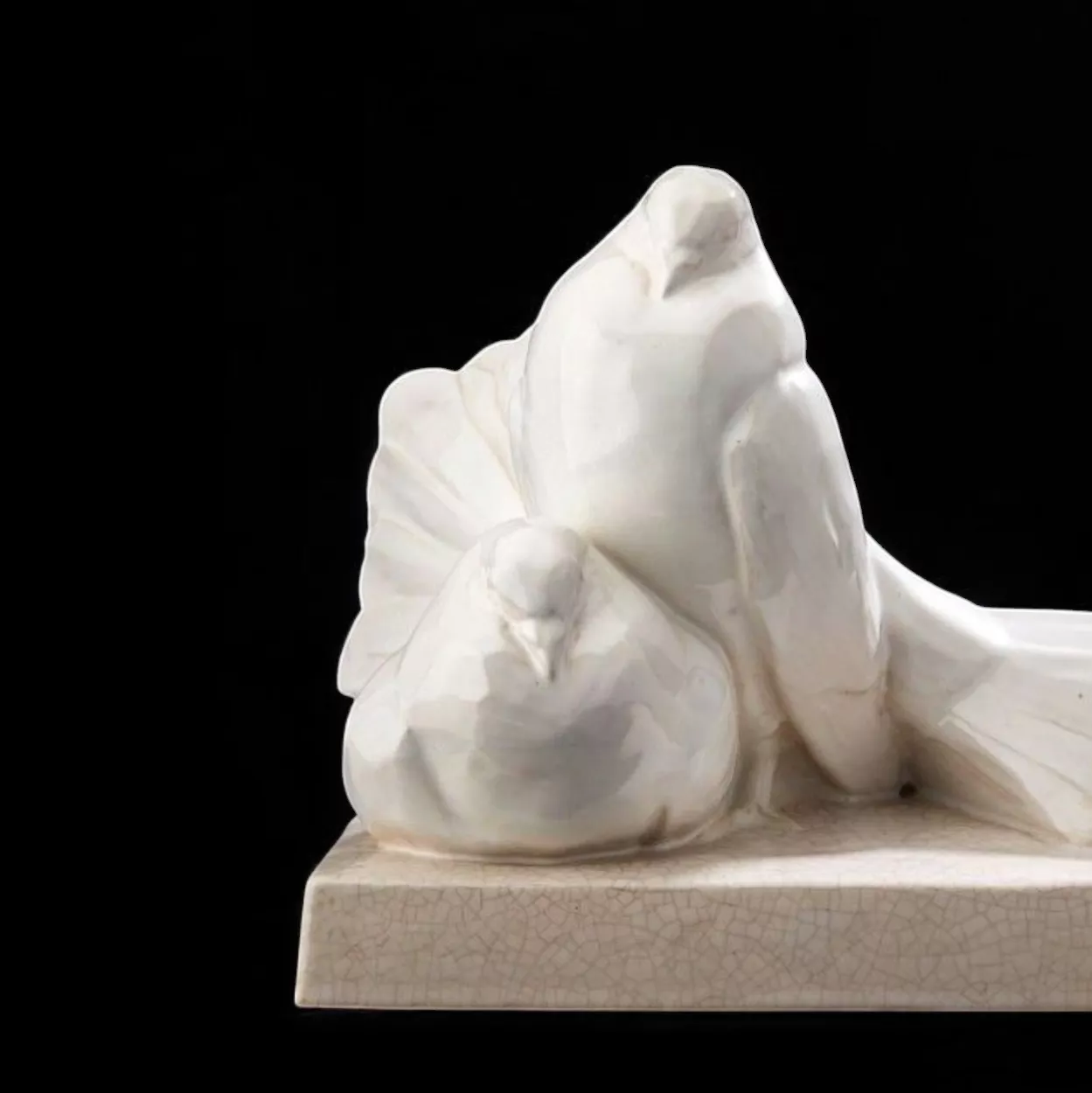
Anne-Marie Profillet's imprint on her time
In 1995, a retrospective devoted to Profillet was held at the Musée d'Art Moderne de la Ville de Paris. Featuring some one hundred sculptures and drawings, this exhibition gave us a broad perspective of the artist's work.
An exhibition of this scale and scope had never been staged before. One of the great merits of this retrospective - and the catalog proves it - was to highlight the unity and coherence of Profillet's work.
This unity is asserted first and foremost in a quest for pure form. The artist distinguishes herself by her sober use of materials, which she manipulates with a mastery that borders on simplicity.
This aspect of her approach has not been sufficiently emphasized. For, at first glance, the purity of her sculptures might seem devoid of surprise.
But this is one of Profillet's strengths: her work, in its apparent simplicity, conceals a rare power of expression.
Her sculptures seem to be reduced to the essential, yet they contain a richness and depth that is difficult to grasp at first glance. You have to take the time to observe them, to understand their language.
Profillet doesn't hesitate to evoke geometric forms, sometimes close to abstraction, but always at the service of the idea she seeks to express.
It's not just a question of style, but a real language, a way of translating her own view of the world. The lines and volumes she creates seem to belong to a space both familiar and distant.
Today, she remains a sought-after artist on the art market, and her stock and value are rising drastically, just like other female artists of the 20th (Germaine Richier for example).
Some of her works are held by the Centre Pompidou, with no guarantee of being exhibited in the coming years given the circumstances. However, private collectors play the greatest role in the preservation of her work.
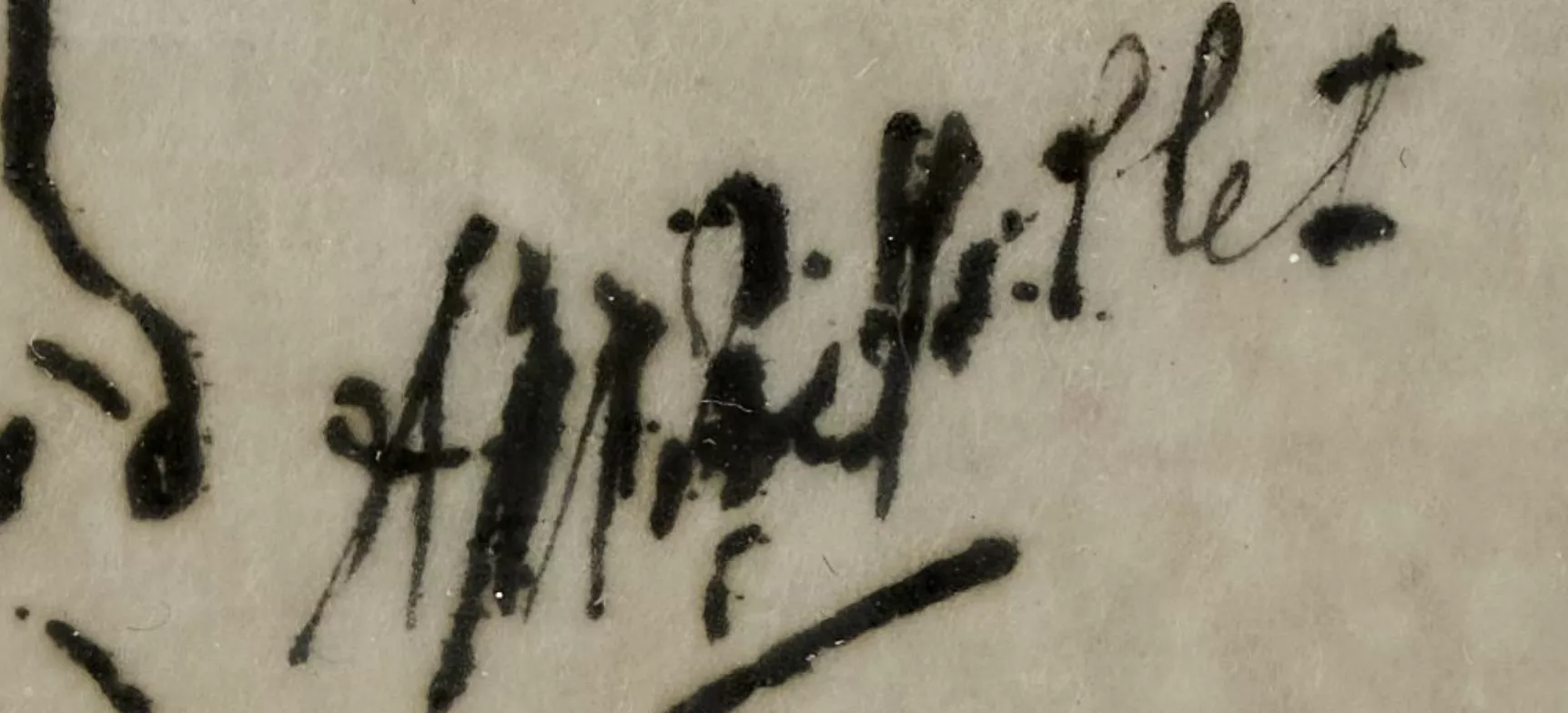
Recognizing Anne-Marie Profillet's signature
The artist often signs " AM Profillet " in small, on the base of her sculptures. Copies may exist, so expertise remains important.
Knowing the value of a work
If you happen to own a work by or after Anne-Marie Profillet, don't hesitate to request a free appraisal using our form on our website.
A member of our team of experts and certified auctioneers will contact you promptly to provide you with an estimate of the market value of your work, as well as ad hoc information about it.
If you are considering selling your work, you will also be accompanied by our specialists in order to benefit from alternatives for selling it at the best possible price, taking into account market inclinations.
Estimate in less than 24h
Discover in the same theme

Rating and value of twentieth-century war paintings and draw...
War paintings have had a lasting impact on twentieth-century art history. They are sought-after pieces, prized by collectors.
Learn more >

Rating and value of paintings, drawings and lithographs by J...
Joan Mitchell is an American Expressionist artist who has produced paintings and other works that are highly rated at auction. Estimate in 24h
Learn more >

Rating and value of Russian Orientalist paintings by Alexand...
Alexander Iacovleff was a Russian Orientalist painter who produced numerous paintings that are highly valued at auction.
Learn more >
D'autres bronzes modernes vendus aux enchères

Estimated Between €2,000 and €4,000
Edouard Marcel SANDOZ (1881-1971) curly stingray, bronze print

Estimated Between €1,500 and €3,000
Renato CARVILLANI (1896-1986), seated woman, gilded bronze print

Estimated Between €1,500 and €3,000
César BALDACCINI dit CESAR (1921-1998), Poule Cartier, bronze print

Estimated Between €10,000 and €20,000
Baltasar LOBO (1910-1993), female nude in bronze

Estimated 5.000 - 8.000
Igor MITORAJ (1944-2014), Bust of Asclepius, Green patina bronze sculpture

Secure site, anonymity preserved

Auctioneer approved by the State

Free and certified estimates
Frequently asked questions
-
Who is Anne-Marie Profillet, and what is her artistic background?Anne-Marie Profillet is a leading figure in 20th-century animal sculpture, having trained at the École des Beaux-Arts in Paris. Her work is characterized by a minimalist approach that emphasizes the clarity of forms, the purity of lines, and classical rigor. She follows in the tradition of the great sculptors of the early 20th century, such as Bourdelle and Maillol, and her work remains a benchmark for modern sculpture in its most essential form.
-
What are the market prices for Anne-Marie Profillet's bronzes and sculptures?Anne-Marie Profillet's bronze sculptures sell for between €135 and €21,000, depending on the size, age, and quality of the work, while her drawings and watercolors range from €200 to €2,300. These prices are rising exponentially: the bronze *Crowned Crane No. 1* (1928) sold for €21,000 in 2025, well above its initial estimate (€800–1,200), demonstrating strong potential for appreciation.
-
How can you authenticate a work by Anne-Marie Profillet?To authenticate a work by Anne-Marie Profillet, we recommend that you request a free appraisal from Auctie's. Our auctioneers and certified experts will examine the work, verify the signature (often “AM Profillet” on the base), assess its authenticity, and provide you with an accurate, no-obligation estimate within 48 hours.
-
Is this the right time to sell a work by Anne-Marie Profillet?Yes, now is an excellent time to sell a work by Anne-Marie Profillet. Her market value is rising sharply, just like that of other 20th-century female artists such as Germaine Richier. Demand from private collectors is growing, particularly given the relative scarcity of her works on public display.
-
How does the appraisal and sales process work at Auctie's?At Auctie's, appraisals are free and non-binding: simply fill out an online form or contact us directly. An expert or auctioneer will get back to you within 48 hours with an accurate valuation of your artwork. If you’d like to sell, our specialists will guide you through the process from start to finish, exploring the best options for selling your artwork at the optimal price based on current market trends.
