



Rating and value of drawings and paintings by Albert André

Key takeaways
- Albert André’s works sell for between €20 and €130,000 at auction, with major oil paintings fetching between €20,000 and €150,000 depending on their significance.
- His intimist paintings, interiors, and portraits of women from the years 1900–1925 are the most highly valued, commanding prices 1.5 to 2 times higher than those of his later works.
- A Post-Impressionist painter (1869–1954) associated with Renoir and the Nabi circle, his work is characterized by a synthetic composition, a luminous palette, and decorative arrangements.
Albert André’s paintings and drawings sell for up to €130,000 at auction. An appraisal allows us to accurately determine the current market value of your Albert André artwork and, if applicable, optimize the sale of the piece.
If you own a work by Albert André and would like to know its value, our state-certified auctioneers will provide a free appraisal based on authenticity, market rating, and recent market results.
Artist’s Market Value and Reputation
A Post-Impressionist painter, Albert André quickly established a reputation and a place in the French art market. Today, his works maintain a very high market value, making him a safe bet at auction.
As such, the prices at which the artist’s works sell range from €20 to €130,000—a considerable spread that speaks volumes about the value that can be attributed to his works.
For example, his oil-on-canvas painting *Still Life and Statue* sold for €86,400, while it had been estimated at between €30,700 and €46,000.
Ranking of value from the most basic to the most prestigious
Technique used | Result |
|---|---|
Print - multiple | From €10 to €250 |
Drawing - watercolor | From 20 to 9,500 € |
Painting | From 250 to 130,000€ |
Estimate in less than 24h
Placing the Artist in Context
Period
Albert André (1869–1954) developed his career within the context of Post-Impressionism and its offshoots. His career took shape at the turn of the century, a transitional period between Impressionism, Synthetism, and the early modern avant-garde movements.
He was part of an art scene shaped by the legacy of the Nabis and the evolution of intimist painting.
Artistic Movements
He is classified within Post-Impressionism, characterized by a synthetic structuring of composition, a simplification of forms, and an autonomous use of color. He maintained close ties with the Nabis, sharing an affinity for decorative aesthetics, the use of flat areas of color, and the primacy of the pictorial surface.
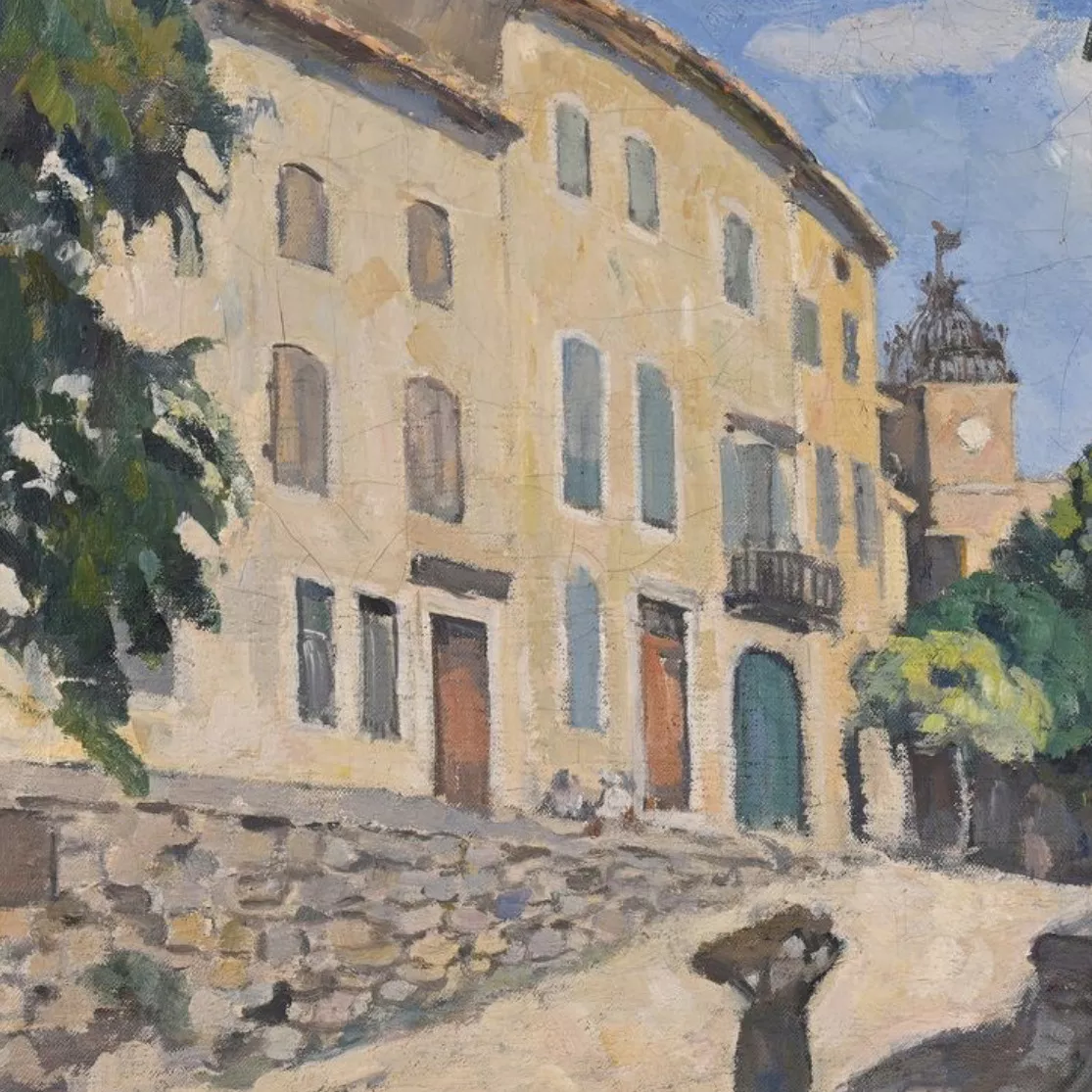
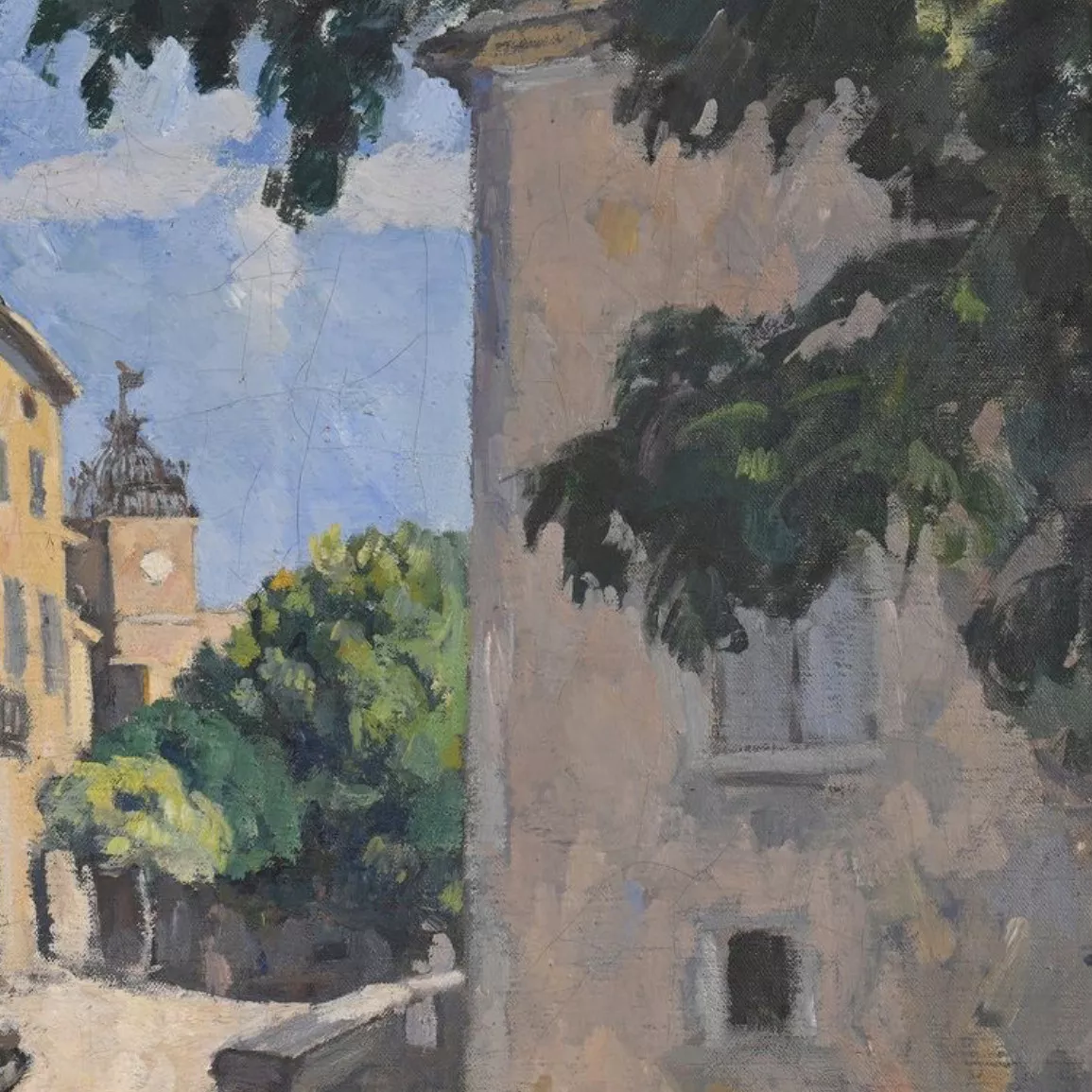
He shows a predilection for domestic scenes, female figures, and interiors, rendered in a sensitive and subdued style. His figurative art is decorative, balancing the depiction of the subject with the ornamental organization of the composition.
Albert André drew on the legacy of French modernism, aligning himself with artists such as Pierre Bonnard and Édouard Vuillard, while developing a softer and more chromatically harmonious style.
The Life of Albert André
Cultural Context
Albert André was born in 1869 and developed his body of work within the context of French Post-Impressionism, a movement characterized by explorations of color, light, and the decorative simplification of forms. Trained in Paris, he contributed to the evolution of modern painting in the late 19th century, while remaining committed to an intimate and sensitive style of figurative art.
His work focuses on interior scenes, female figures, landscapes, and still lifes, rendered in a luminous palette and with refined chromatic composition. His painting is characterized by a synthetic brushstroke, a simplification of forms, and a decorative sensibility that place him within the tradition of Post-Impressionism.
His work embodies a moderate modernity in which the exploration of color remains central without a radical break from figurative art.
Artistic and Intellectual Circle
His career was deeply shaped by his friendship with Pierre-Auguste Renoir, whose influence was decisive on both the artistic and personal levels. He was close to the Nabis circle and engaged with the artistic explorations of Bonnard and Denis, particularly in the decorative treatment of color.
His work as a curator at the museum in Bagnois-sur-Cèze also contributed to the preservation and promotion of Renoir’s work, reinforcing his role in the artistic networks of his time.

Market Segmentation and Artist Rankings
Prices of Works
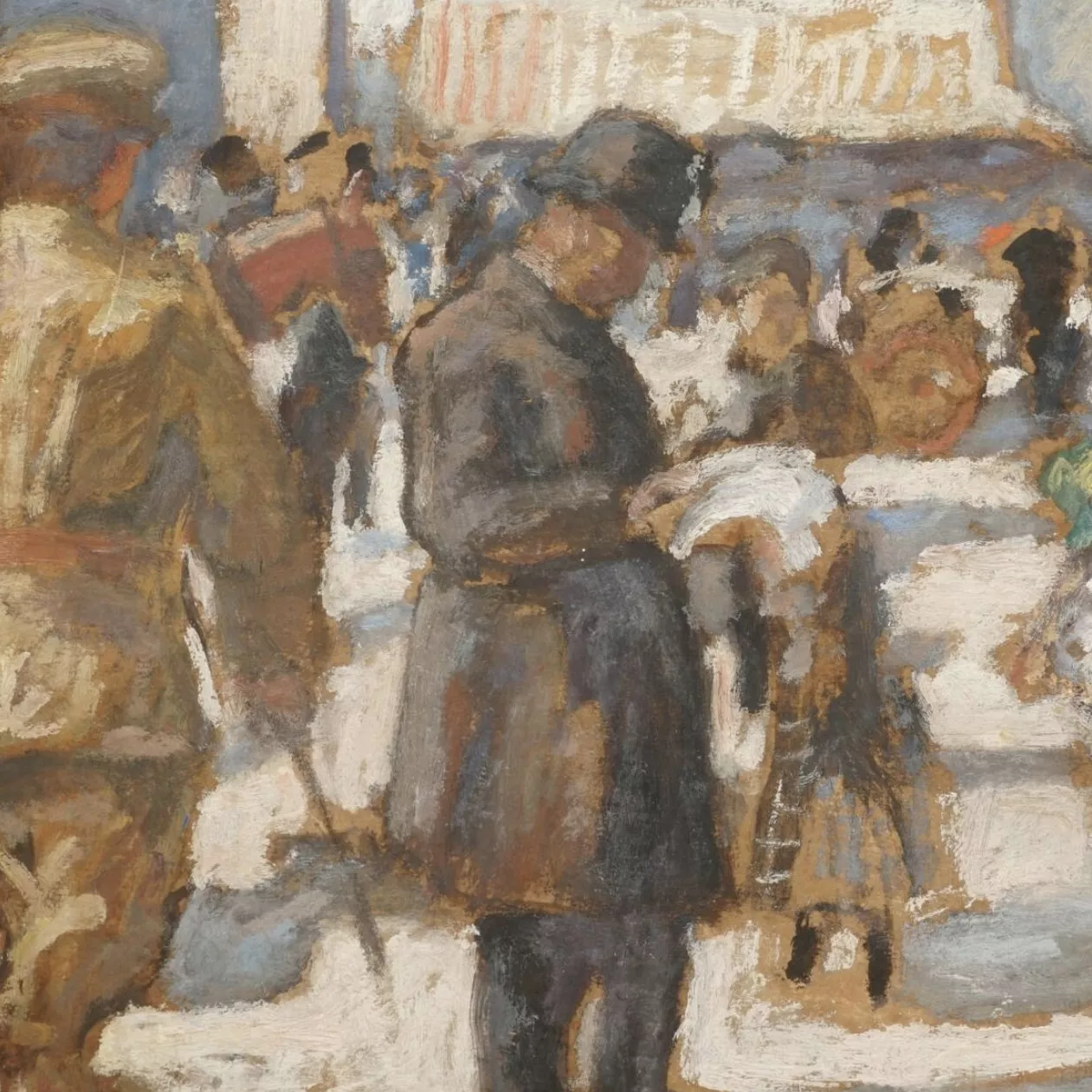
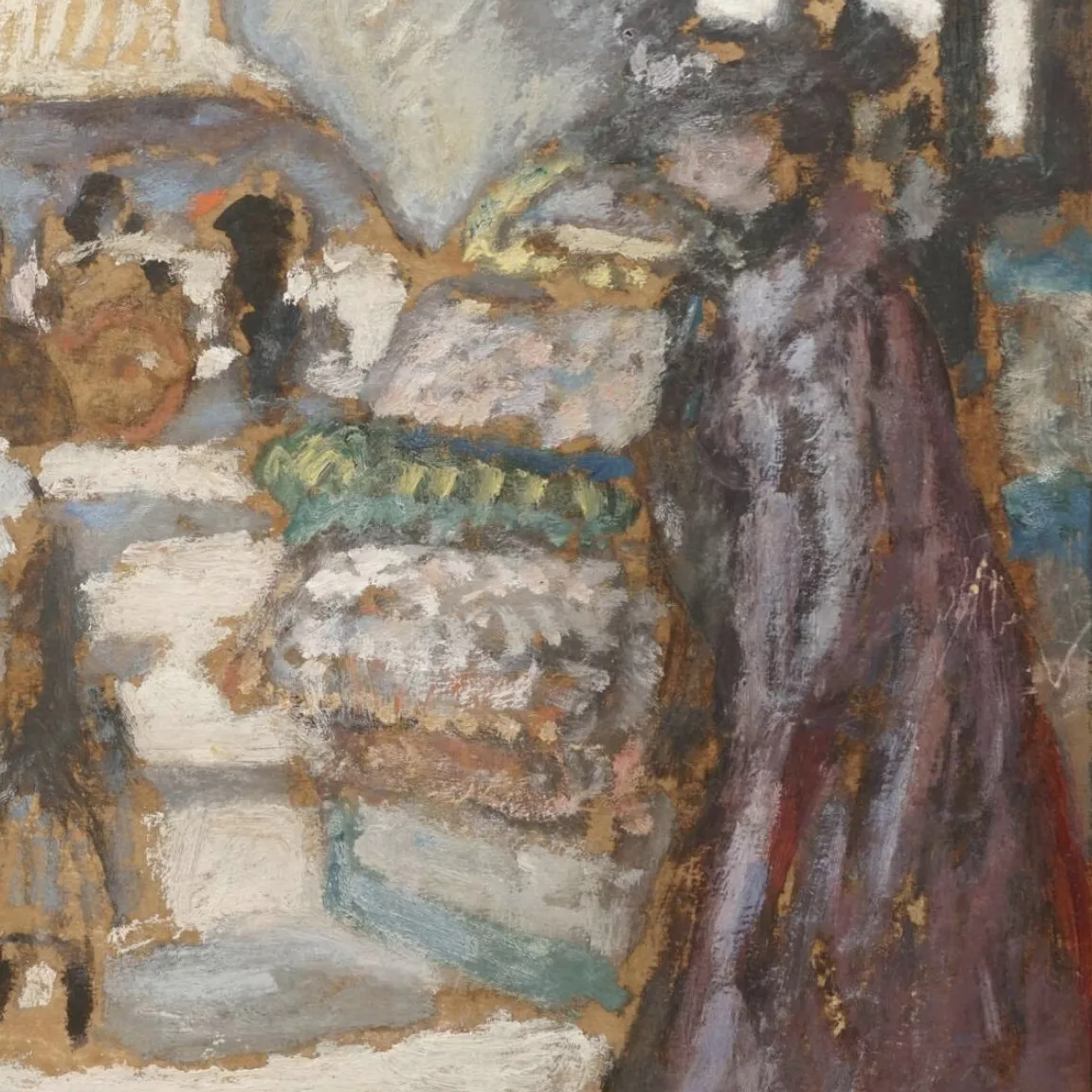
Works are segmented by type. Major oil paintings (interiors, nudes, intimate scenes) generally fetch hammer prices ranging from €20,000 to €150,000, with higher peaks for top-tier works.
Medium-sized works and landscapes constitute the core segment of the market, with prices ranging from approximately €8,000 to €50,000. Drawings, watercolors, and pastels are part of a mid-range market with prices between €1,500 and €12,000.
Factors Affecting Value
Works from the years 1825–1925, characterized by the Nabi influence and a synthetic color palette, can fetch prices 1.5 to 2 times higher than those of later works. There is a marked premium for interior scenes, portraits of women, and intimate compositions, which form the core of demand.
More conventional landscapes generally command lower prices. The market is relatively active in France, with regular appearances at public auctions and decent liquidity for museum-quality works. A moderate upward trend has been observed since the 2000s.
FAQ – How do you appraise a work by Albert André?
1) What is the first step in appraising a work by Albert André?
The appraisal begins with the precise identification of the medium (oil on canvas, drawing, watercolor, or pastel), along with an examination of the support, dimensions, signature, date, and condition, in order to place the work within the artist’s various creative periods.
2) What stylistic criteria specific to Albert André are key?
The analysis focuses primarily on the luminosity of the color palette, the intimate composition, and the fluidity of the brushwork—characteristics of a Post-Impressionist sensibility influenced by his association with Renoir and the Nabi circle.
3) What role do the period of creation and provenance play?
Particular attention is given to works from the early decades of the 20th century, which are highly sought after, while documented provenance, exhibition history, or mentions in specialized publications further enhance the work’s value.
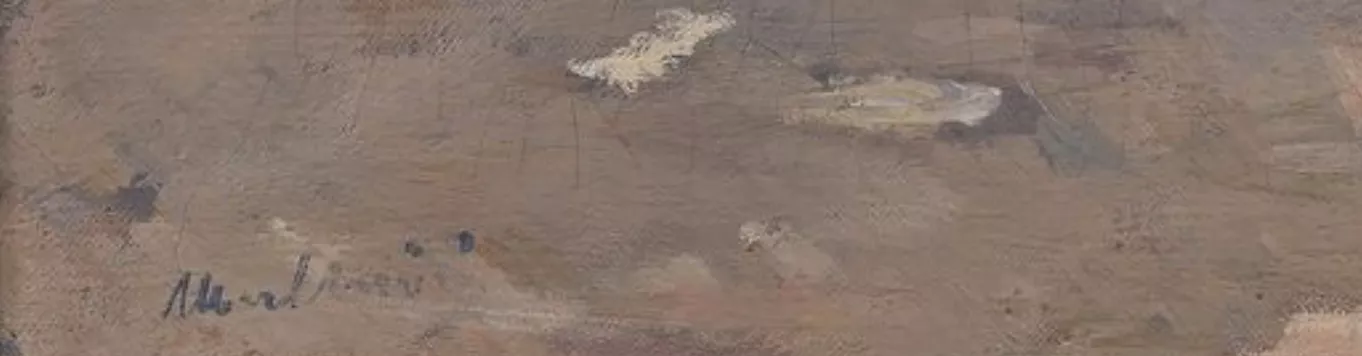
His signature
Not all of Albert André’s works are signed.
Although there are variations, here is an example of his signature:
Get Your Albert André Artwork Appraised
If you own a work by Albert André, an appraisal will help you determine its current market value.
Using our online form, our experts and certified auctioneers will conduct a free appraisal and provide you with a reliable estimate of your artwork’s market value.
If you’re considering selling it, we’ll guide you through the process to ensure you get the best possible price.
Estimate in less than 24h
D'autres tableaux impressionnistes vendus aux enchères

Estimated 6.000 - 8.000
Mikhail Markianovich GUERMACHEFF (1867 - 1930) House under the snow, oil on canvas

Estimated 2.000 - 4.000
Jean DUFY (1888-1964) Vase of anemones, Watercolor

Estimated 600 € - 800 €
Henri ZUBER (1844-1909), Bridge at Artemare. Oil on canvas.
Discover in the same theme

Rating and value of works, paintings, drawings by Moïse Kisl...
Moïse Kisling is an artist of the Paris School who produced drawings and oils on canvas that are highly regarded at auction. Estimated in 24h.
Learn more >

Rating and value of works, drawings, paintings by Marcel Cos...
Marcel Cosson is a twentieth-century postimpressionist painter who produced drawings and oil on canvas that are valued at auction.
Learn more >

Rating and value of paintings by Chaïm Soutine
Chaïm Soutine is a twentieth-century Russian Expressionist painter whose paintings are highly prized at auction.
Learn more >

Secure site, anonymity preserved

Auctioneer approved by the State

Free and certified estimates
Frequently asked questions
-
Who is Albert André, and what is his artistic background?Albert André (1869–1954) was a French Post-Impressionist painter whose work flourished at the turn of the 20th century. Close to Pierre-Auguste Renoir and the Nabis circle, he embraced a moderate modernism characterized by a refined exploration of color, a decorative simplification of forms, and a predilection for interior scenes and female figures rendered in a luminous and harmonious palette.
-
What is the price range for Albert André's works?Albert André’s works sell for between €20 and €130,000, depending on the medium and period. Major oil paintings (interiors, nudes, intimate scenes) generally fetch between €20,000 and €150,000, while drawings, watercolors, and pastels range from €1,500 to €12,000, and prints from €10 to €250.
-
How do I have a work by Albert André authenticated and appraised?Contact Auctie's for a free, no-obligation estimate. Our state-certified auctioneers will examine the authenticity, technique, dimensions, signature, date, and condition of your artwork, and then provide you with a reliable estimate based on recent market results within 48 hours.
-
What factors influence the value of a work by Albert André?The period in which a work was created is a decisive factor: works from the 1880s–1925, marked by the Nabi influence and a synthetic color palette, command prices 1.5 to 2 times higher than those of his later works. Interior scenes, portraits of women, and intimate compositions form the core of the market demand. Documented provenance, exhibition history, or mentions in specialized publications also enhance an artist’s value.
-
Is this a good time to sell a work by Albert André?Yes, the market for Albert André has been experiencing a moderate upward trend since the 2000s and remains relatively active in France, with decent liquidity for museum-quality works. Auctie's guides you from the appraisal to the auction to ensure you get the best value for your artwork.
