



Here's why Boucheron jewelry prices are skyrocketing at auction

Key takeaways
- Boucheron jewelry sales are projected to rise by 36% between 2020 and 2025, outpacing global growth in the jewelry sector (+15%).
- The median price per lot reached €105,000 in 2024; 62% of pieces sell above the high estimate, indicating sustained market demand.
- Belle Époque and Art Nouveau jewelry dominate with a premium of +80%; the contemporary segment is growing rapidly (+22% in two years) thanks to heritage reissues.
The Boucheron jewelry boom at auction
Between 2020 and 2025, Boucheron jewelry will record an average +36% increase in auction value, according to Art Tactic Jewerly Report 2025 and Christie's Luxury Sales Data. This increase outstrips the average growth of the global jewelry segment (corresponding to +15% over the same period).
The recovery of Boucheron's quotation is in line with the trend towards the patrimonialization of historic brands, where value rests as much on cultural charge as on gemmological quality.
The integration of Boucheron into the Kering group since 2000, has enabled a revaluation strategy focused on heritage transparency, the re-edition of iconic models and museum communication.
Fine price increases result from a triple dynamic : material rarity, through recognition of Boucheron's style (exhibitions and publications). Symbolic capital is renewed, with the brand's diffusion in the contemporary luxury imaginary.
The median price per Boucheron lot (2024) reaches €105,000, compared with €85,000 for Chaumet and €120,000 for Van Cleef & Arpels, positioning the house in the ascendant category of collectible jewelers.
Sales are mostly concentrated in Geneva (45%) and Paris (30%), but Asian markets are also emerging rapidly.
Boucheron embodies an experimental jewelry art, based on light structures and formal modernity (use of rock crystal, airy settings, open frames).
The house is historically distinguished by its technical breakthrough (introduction of platinum, exploration of translucent materials and architecture-inspired design).
Boucheron's identity is built on the dialogue between art and engineering, producing an aesthetic of light rather than mere ornament.
The point is therefore to explain that Boucheron's market value no longer lies solely in the gem, but also in the artistic translation of know-how, transforming jewelry into an aesthetic and cultural investment object.
Market structure and Boucheron's competitive position
The global fine jewelry auction market represents 2025 (UBS Art Market report 2025). This segment remains anti-correlated to financial cycles, functioning as a patrimonial safe-haven.
The house occupies around 10% of the French signed jewelry market, behind Cartier (33%), and Van Cleef & Arpels (28%) and ahead of Chaumet (12%). In addition, the company boasts the most consistent growth in the sector (+14% per annum over five years).
Geneva accounted for 45% of auctions, comprising mainly Art Nouveau and naturalistic pieces. Paris accounted for 30%, a significant share of the market, boosted by the return of interest in historic French houses. Hong Kong and New York account for 25%, buoyed by the rise of international collecting.
Boucheron's overall sales rate in 2024 was 97%, one of the highest in the segment. 62% of lots were sold above their high estimate, indicating a tense market. The average price per lot is €105,000, up +26% since 2020.

If we segment chronologically :
- Period Belle Époque - Art nouveau (1890 - 1910) is the best-performing segment, with an average premium of +80% on the high estimate.
- Art Deco period (1920 - 1939) : jewelry is a strong market but supply is restricted.
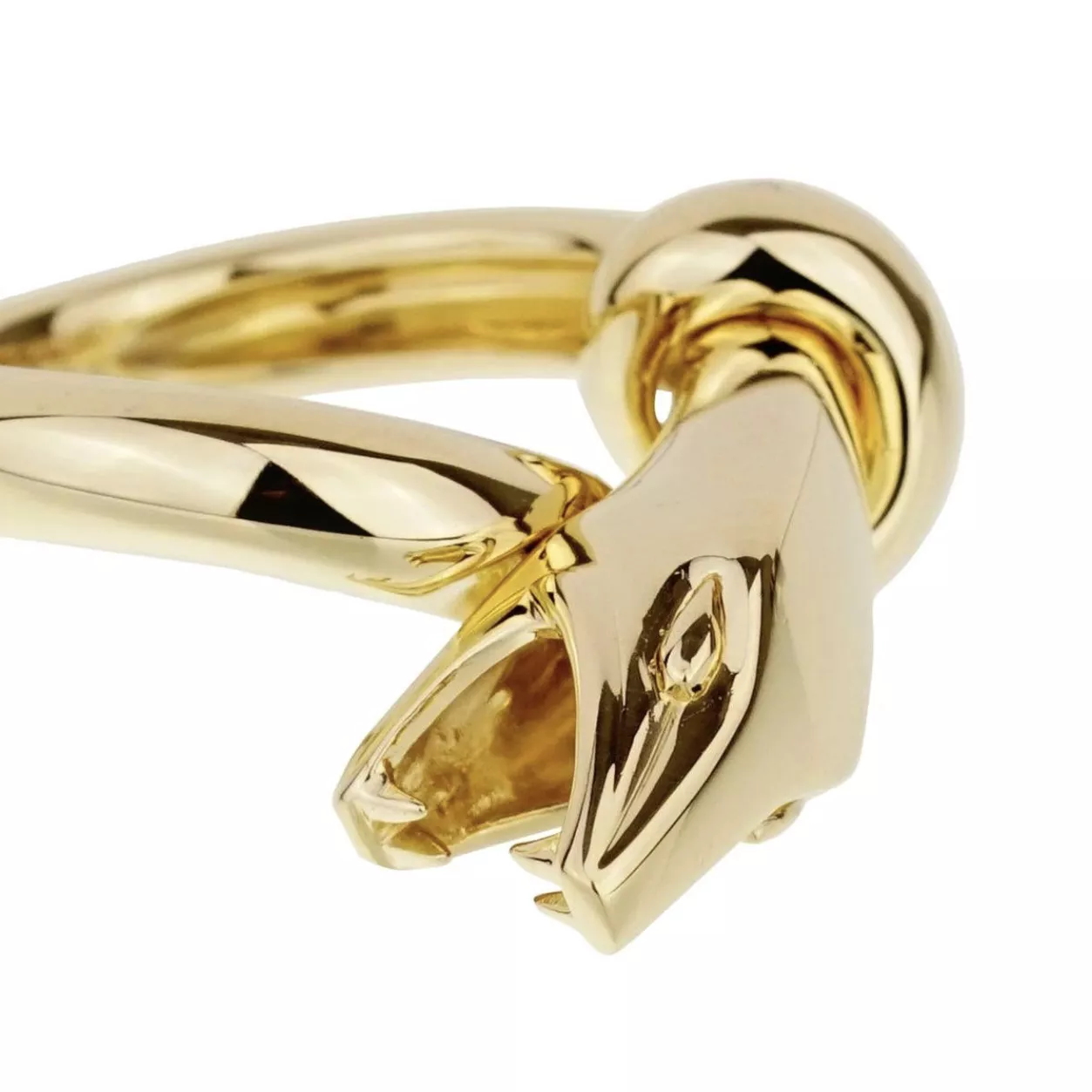
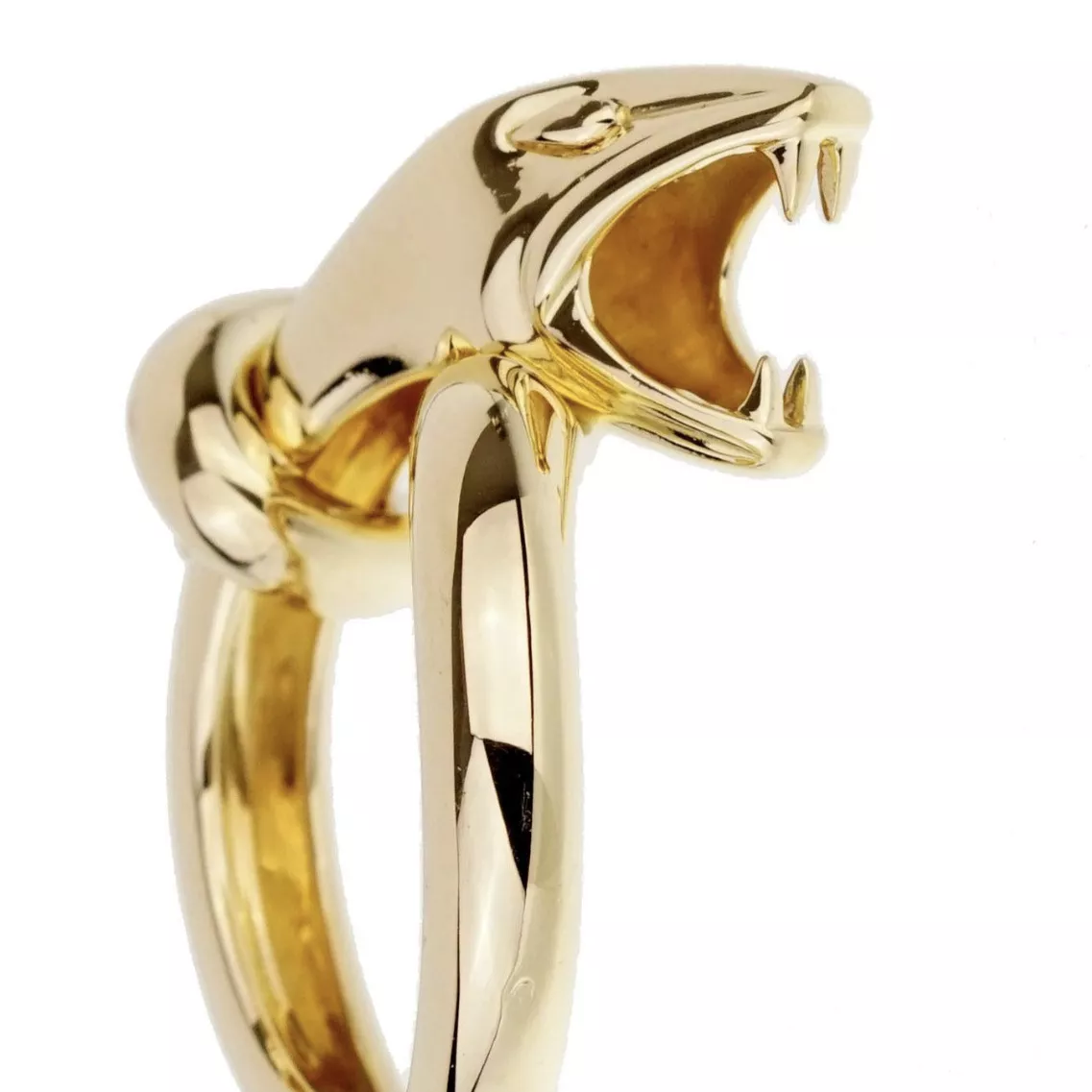
- Contemporary creations (post 2000) : rapid growth (+22%) in two years, driven by heritage reissues and limited editions (Quatre, Serpent Bohème).
If we segment stylistically :
- Naturalist jewelry (feathers, snakes, flowers) : 40% of amounts auctioned.
- Architectural and geometric pieces Art deco : 35%
- Rock crystal and platinum pieces : 25%, this is a rapidly expanding segment.
The profile of buyers corresponds to 55% private collectors with high cultural capital, 30% heritage investors and 15% institutions and museums. There is a strong presence of female collectors (40% of active bidders on Boucheron, according to Sotheby's in 2024).
The Kering Group plays a key role in structuring the heritage strategy (renovation at Place Vendôme, opening of the digital archive, loan of works to museums).
Boucheron's stock price is characterized by low price elasticity: rising estimates do not affect the rate of sales, indicating that demand is structurally greater than supply. The correlation between stock market fluctuations and selling prices confirms the defensive function of heritage jewelry (r=0.28).
These data demonstrate that Boucheron is establishing itself as a highly liquid niche value that combines innovation, heritage and symbolic reliability, underpinning its outperformance at auction since 2020.
Valuation factors and prospects for the Boucheron market
The rise in Boucheron jewelry prices can be explained by a systemic interaction between rarity, innovation and museum legitimization, in a logic of symbolic economy.
The volume of old production is limited, with lots widely dispersed in private collections. The turnover rate is extremely low, with fewer than 80 historic Boucheron pieces passing through the global auction circuit each year.
This scarcity creates lasting market tension, accentuated by the museum conservation of many masterpieces (Louvre, MAD, V&A).
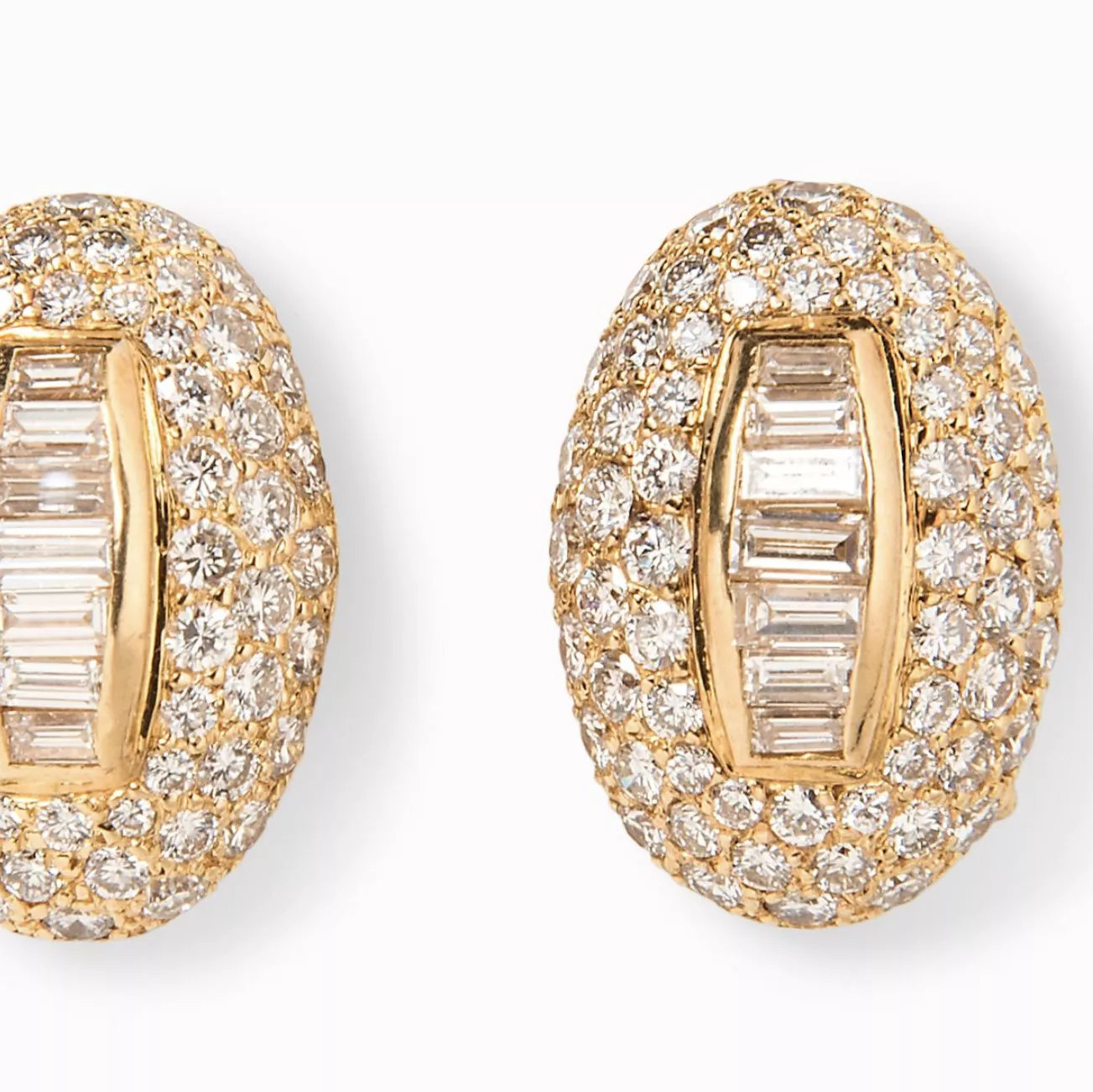
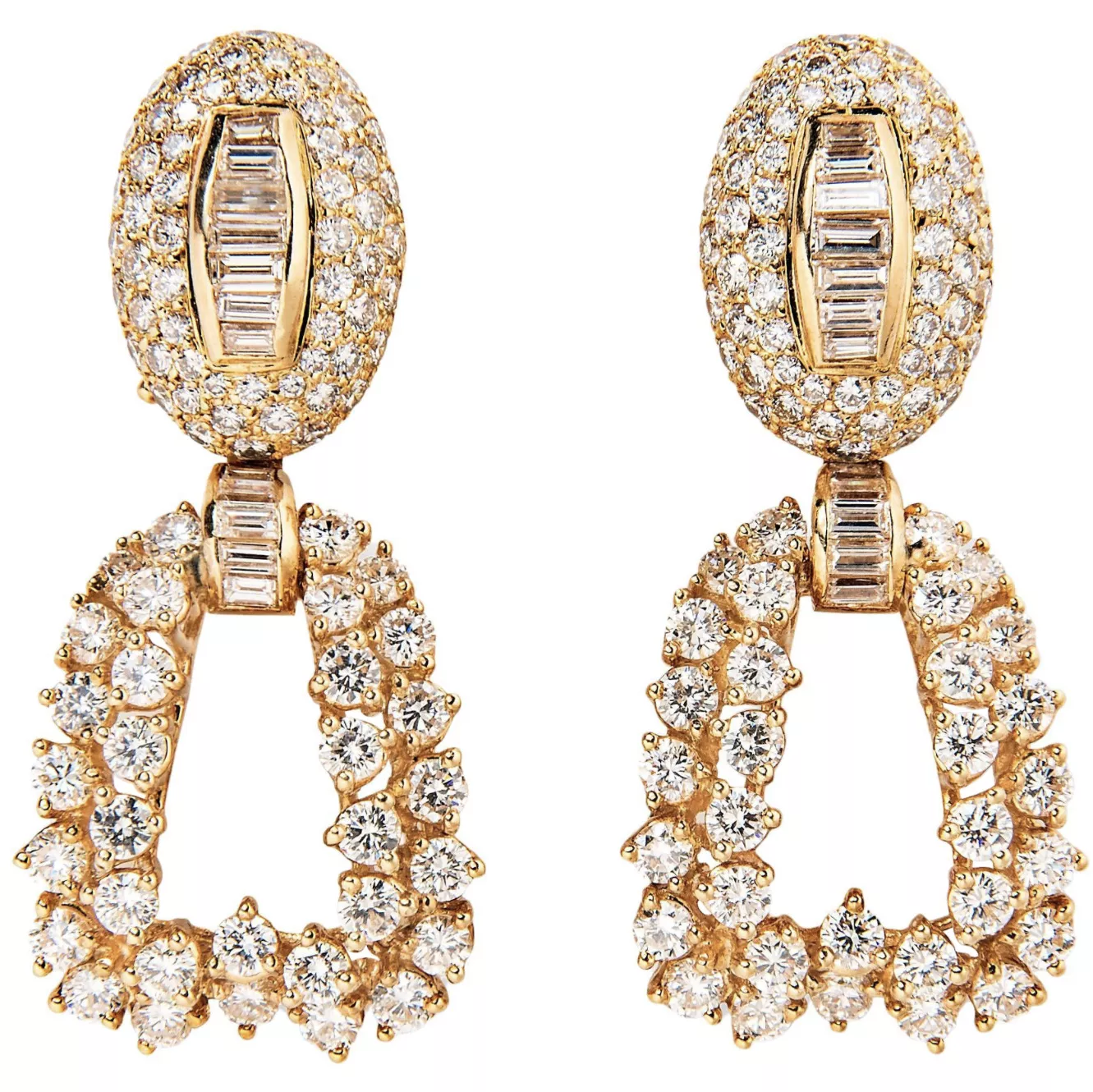
Boucheron is renowned for its material experimentation with openwork settings, mobile mounts and pioneering use of rock crystal and platinum as early as 1890. These innovations are perceived as attributes of artistic value, triggering an average premium of +25 to +40% on auctions.
Design is equated with an intellectual approach, giving jewelry a quasi-conceptual status in the hierarchy of luxury objects. Pieces from private or royal commissions (Orleans, Romanov, Windsor families) benefit from 60 to 100% premium prices, with provenance acting as narrative capital and guarantee of authenticity.
Boucheron jewelry is perceived as a cultural diversification asset, with an average resale yield estimated at +8% per year over ten years. The market is small and supply is heterogeneous, limiting the depth of the segment.
Growth to 2025 - 2030 is projected at +9% per annum, driven by Asian demand and the museumization of historic houses. Boucheron jewelry belongs to the category of hybrid cultural assets, somewhere between art, design and heritage.
Boucheron's soaring prices reflect not one-off speculation but the institutionalization of aesthetic value. The company has established itself as the laboratory of French jewelry taste, where innovation, memory and rarity create lasting symbolic capital.
In the hierarchy of contemporary luxury, Boucheron illustrates the conversion of jewelry into a cultural investment object.
Estimate in less than 24h
Discover in the same theme

Here's why female artists are going through the roof
Impeccable provenance, historical reintegration, institutional attention: women artists have never been so present on the market.
Learn more >

Here's why French cubists are back on the market in style
French Cubists were long forgotten by the art market. Today, they are back on the market in great numbers. 24h estimate.
Learn more >

Why is fine jewelry exploding at auction?
Haute joaillerie is a sector that has exploded at auction over the last five years. Cartier, Van Cleef & Arpels, Boucheron, Chaumet; analysis.
Learn more >
D'autres pièces de haute joaillerie vendues aux enchères

Estimated 10.000 - 15.000 €
BOUCHERON - "Ava" - White gold necklace set with a brilliant-cut diamond (1.56 cts)

Estimated 2.000 - 4.000
CARTIER, 18K (750 e) gold opening bangle bracelet

Estimated 1.500 - 3.000
CARTIER PARIS, Trinity, 2-tone 18k (750e) gold clip brooch

Estimated 3.000 - 5.000
CARTIER, Love, Wedding band in 18k white gold (750e)

Estimated 2.000 - 4.000
CARTIER Love model Pendant necklace in 18K (750e) white gold

Estimated 1.500 - 2.000
CHAUMET, Ring in platinum (850th), set with an oval faceted ruby

Secure site, anonymity preserved

Auctioneer approved by the State

Free and certified estimates
Frequently asked questions
-
Why are Boucheron jewelry prices rising faster than the global jewelry market?Boucheron jewelry is projected to grow by an average of +36% between 2020 and 2025, compared with +15% for the global jewelry sector. This outperformance stems from three key factors: material scarcity (fewer than 80 historic pieces come up for auction each year), recognition of the Boucheron style through museum exhibitions and publications, and the symbolic capital revitalized by Kering since 2000. The house has established itself as the laboratory of French jewelry taste, where technical innovation, heritage, and provenance create lasting aesthetic value.
-
What is the average price of a Boucheron piece of jewelry at auction?The median price per Boucheron lot in 2024 reached €105,000, up 26% since 2020. This positioning places the house in the rising category of collector’s jewelers, between Chaumet (€85,000) and Van Cleef & Arpels (€120,000). Pieces originating from royal commissions or prestigious collections (the Romanov, Windsor, and Orléans families) command additional premiums of 60 to 100%.
-
How do you authenticate and appraise a piece of Boucheron jewelry?To authenticate and appraise a piece of Boucheron jewelry, we recommend that you submit a request for a free appraisal with Auctie's. Our team of auctioneers and jewelry experts will examine the piece from every angle: provenance, period, materials, signature, and condition. The estimate is non-binding, and you will receive a response within 48 hours.
-
Is this the right time to sell a piece of Boucheron jewelry?Yes, this is an excellent time to sell. The Boucheron market recorded a 97% sell-through rate in 2024, with 62% of lots selling above their high estimate, indicating strong market demand. Demand structurally exceeds supply, annual growth is projected at +9% through 2030, and Asian markets are emerging rapidly, broadening the buyer base.
-
How does the appraisal and sales process work at Auctie's?Auctie's supports sellers throughout the entire process: a free, no-obligation appraisal by an expert within 48 hours; a detailed assessment of the item’s condition, authenticity, and provenance; professional cataloging to maximize visibility among international collectors; and finally, listing for auction. Our sales rate for Boucheron jewelry exceeds 95%, and our lots find buyers in the major markets: Geneva (45%), Paris (30%), and Asian markets (25%).
