



Impressionism rating: value of the works

Key takeaways
- Claude Monet dominates the Impressionist market with large-format works fetching tens of millions of euros, while smaller works remain affordable, ranging from €5,000 to €80,000.
- Large-format oil on canvas is the most highly valued medium; pastels and drawings offer entry points ranging from €3,000 to €150,000 and €500 to €20,000, respectively.
- A certified attribution to a master of the group can increase the value ten- to one-hundredfold compared to a work by a follower; belonging to an identified series (Water Lilies, Haystacks) commands a significant market premium.
What is Impressionism?
A movement born out of Parisian modernity
Impressionism emerged in the 1860s in Paris as a reaction to the dominant academic classicism and the constraints of the official Salon des Beaux-Arts. The defining break came with the 1863 Salon des Refusés, where works rejected by the official jury were exhibited, including Manet’s *Luncheon on the Grass*.
The group’s first independent group exhibition took place in 1874, in photographer Nadar’s studio in Paris; this marked the movement’s founding as an autonomous entity.
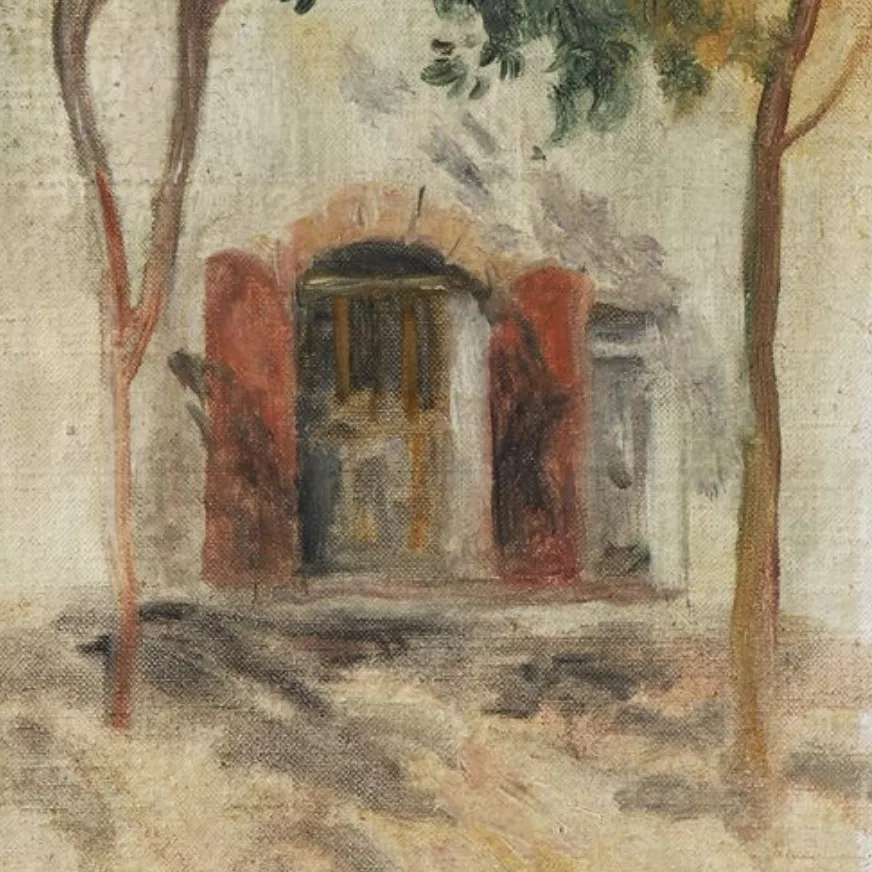
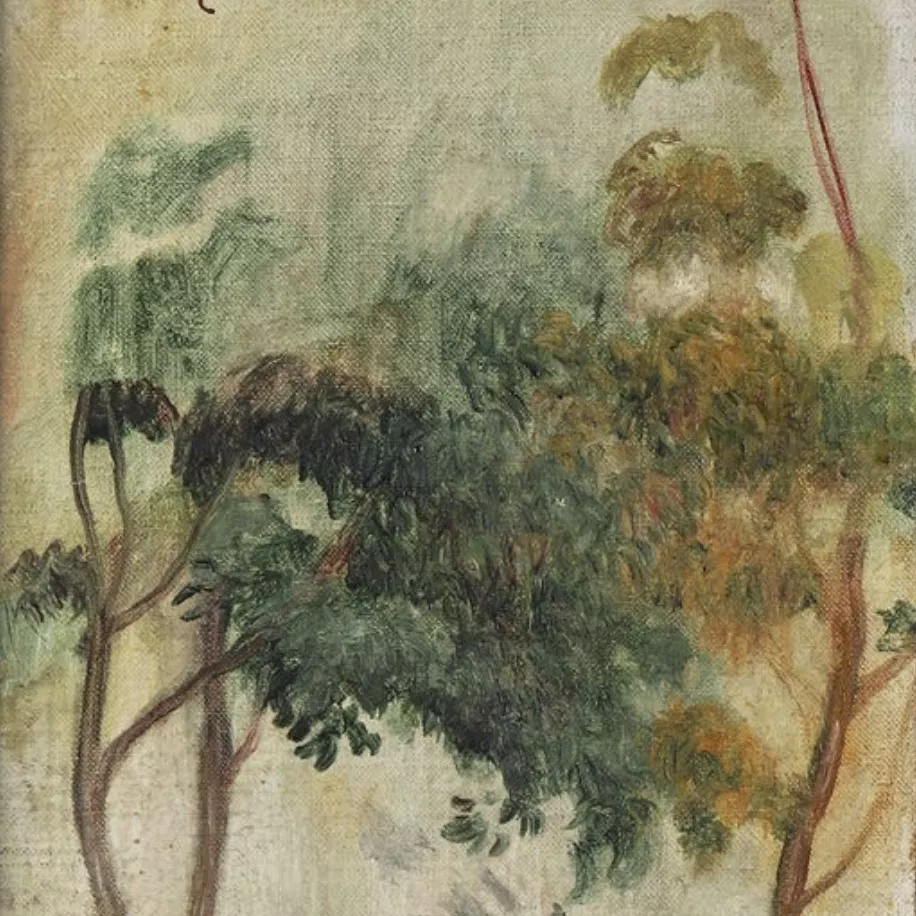
Painting en plein air became systematized thanks to portable paint tubes (invented in 1841), and light and its instantaneous variations became the central focus of the painterly gaze.
Academic drawing was abandoned in favor of a broken, visible brushstroke; the painterly texture ceased to be concealed and instead became a vehicle for movement in its own right.
The critical reception was hostile at the first exhibition (1874). The term “Impressionism” was coined ironically by the critic Louis Leroy, based on Monet’s *Impression, Sunrise*. The group later adopted it as their own.
The broken brushstroke and light: hallmarks of the movement
The Impressionists abandoned glazing and the academic finish; the brushstroke now remained visible, short, and discontinuous, rendering the visual impression rather than the exact form.
Pure colors are applied side by side without being mixed on the palette; the blending occurs from a distance, in the viewer’s eye. Complementary colors are used systematically to intensify the play of light without resorting to black.
Natural light became the true subject of the painting: its variations depending on the time of day, season, and weather dictated the composition. Shadows were rendered in colorful monochromes rather than shades of gray.
From the Salon des Refusés to Museums Around the World
The 1863 Salon des Refusés, authorized by Napoleon III in response to the exceptional number of rejected works, revealed a radically new form of art to the public and crystallized the break with the academic establishment.
Eight independent exhibitions took place between 1874 and 1886: the group gradually established its legitimacy outside official channels, foreshadowing the model of modern private galleries.
The works were quickly acquired by public collections; Caillebotte’s bequest to the French government (1894), though partially rejected, marked Impressionism’s official entry into national museums. Today, these works are on view in the world’s greatest museums (Orsay, MoMA, etc.)
Impressionist Artists and Their Auction Values
Artist | Specialty | Auction Price Range |
Claude Monet | Landscapes, series (water lilies, haystacks, etc.) | €50,000 – several million euros |
Pierre-Auguste Renoir | Portraits, figures, genre scenes | €10,000 – €500,000 |
Dancers, pastels, sculptures | €20,000 – several million euros | |
Rural and Urban Landscapes | €5,000 – €300,000 | |
Portraits of Women, Intimacy | €8,000 – €200,000 | |
Landscapes of the Île-de-France Region | €3,000 – €150,000 | |
Impressionist School (followers) | Landscapes, Various Scenes | €500 – €10,000 |
Monet is the leading figure of the movement, the artist behind the painting that gave Impressionism its name. His series (haystacks, cathedrals, water lilies) make him the highest-valued artist in the group.
His auction prices rank among the highest in art history: his large-scale works regularly fetch tens of millions of euros, while his smaller pieces remain more affordable.
Renoir specializes in human figures and scenes of bourgeois leisure. Degas is a unique figure; he favors pastels and drawings alongside oil paintings. His dancers, horse races, and café scenes are the most sought-after subjects at auction.
Pissarro, Sisley, and Morisot command more affordable prices but still have an active market. Artists associated with the Impressionist school (Boudin, Guillaumin, Lépine) offer entry points ranging from €500 to €10,000.
Paintings, pastels, engravings: order of value by technique
Technique | Price range |
Oil on canvas (large format) | €20,000 – several million euros |
Oil on canvas (small format) | €5,000 – €80,000 |
Pastel | €3,000 – €150,000 |
Drawing / watercolor | €500 – €20,000 |
Engraving / Print | €200 – €5,000 |
Sculpture (Degas, posthumous cast) | €10,000 – €500,000 |
Oil on canvas is the benchmark medium and the most highly valued: a large-format work signed by a master of the group can fetch several million euros, while a small study sells for between €5,000 and €80,000.
The size, subject, and period of creation are key factors: a figure composition or a landscape from a series (water lilies, haystacks) consistently commands a higher price than a preparatory study or an early work.
Pastel is the second most valuable medium and is particularly associated with Degas, but the fragility of the medium and the condition of the work strongly influence the estimate.
Drawings fall within an intermediate range of €500 to €20,000; preparatory drawings and watercolors offer an accessible entry point into the Impressionist market.
Factors Influencing the Value of an Impressionist Work
Attribution, authenticity, and school of origin
The primary factor determining value is a work definitively attributed to a master of the movement (Monet, Renoir, Degas), which can be worth ten to one hundred times more than a canvas of the same formal quality attributed to a follower or the school.
A handwritten signature is an indicator but not a guarantee. A certificate of authenticity issued by a recognized committee (such as the Wildenstein Committee for Monet) is now essential for any public auction above a certain value threshold.
There are three levels of valuation: a work by the master himself, a studio work (executed under his direction), and a work of the school (in his style, but with no direct connection).
Subject and series: landscape, figure, outdoor scene
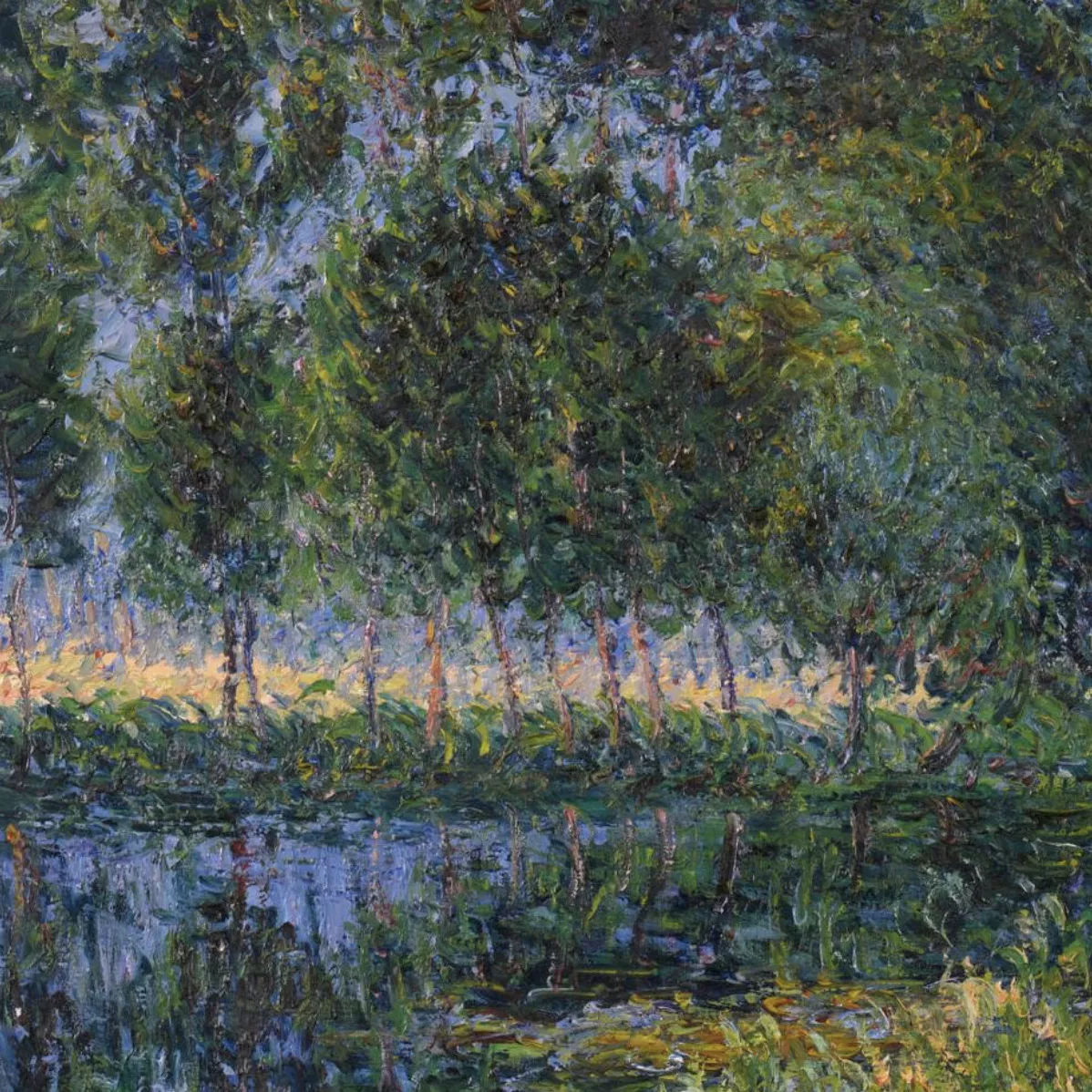
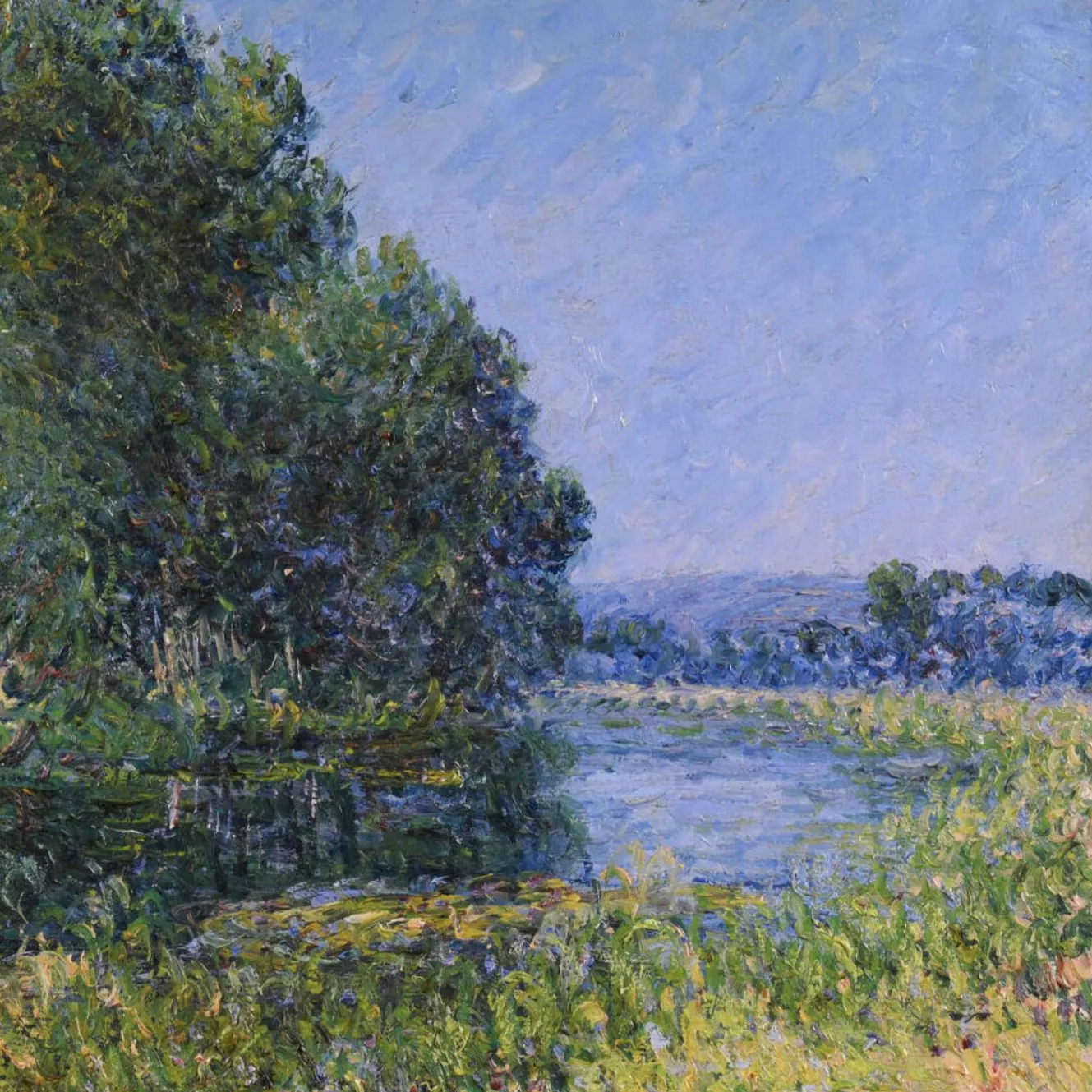
The subject matter is a criterion for valuation in its own right, independent of the format: scenes featuring lively figures (dances, regattas, cafés) consistently command higher prices than studies of vegetation or generic urban views.
Works belonging to an identified series (Water Lilies, Haystacks, etc.) command a significant market premium. Their inclusion in a documented body of work reinforces their historical legitimacy and desirability among institutional collectors.
A landscape painted en plein air at a specific location (Giverny, Argenteuil, Pontoise) is worth more than a generic landscape. The identification of the site through archives or a catalogue raisonné is a key point of expertise to highlight.
Condition and Provenance
Condition is an immediate factor in determining a discount or premium: deep cracks, extensive repainting, or a weakened canvas can reduce a work’s value by 30 to 70 percent compared to a piece in impeccable condition.
Previous restorations must be disclosed and documented. A prestigious and traceable provenance (a well-documented former private collection, a recorded public auction history, or museum exhibition) significantly boosts buyer confidence and supports the final hammer price.
An unbroken chain of ownership dating back to the artist (ideally attested by invoices, letters, exhibition labels, or entries in the catalogue raisonné) can add value to the artwork.

Selling an Impressionist Work: Where to Start?
Putting an Impressionist work up for sale requires a methodical, step-by-step approach. The scarcity of qualified experts and the complexity of authentication necessitate a certain amount of preparation time that cannot be shortened.
Three main sales scenarios exist: estate sales, voluntary liquidation (collection consolidation), and strategic sales.
Estate, Inheritance, or Liquidation
The estate context introduces specific legal constraints: the artwork constitutes an asset of the estate, subject to tax reporting and valuation by a certified expert as part of the estate declaration (Article 764 of the CGI).
In the context of joint ownership of an estate, the sale of a work requires the consent of the co-owners or, failing that, judicial authorization—a frequent source of deadlock.
Voluntary liquidation (initiated by a collector wishing to reallocate their assets) offers greater flexibility in terms of timing and strategy: choosing the right market timing, selecting the auction house, and negotiating contractual terms.
Why use a licensed auctioneer?
Licensed auctioneers hold the legal monopoly on organizing public auctions in France, offering a guarantee of expertise and transparency: the auctioneer assumes civil and professional liability for the authenticity of the lots presented and the proper conduct of the sale.
The support service is comprehensive, including a preliminary appraisal, photographs, a catalog, and logistical management (transportation, insurance, and payment collection)—all of which significantly reduce the operational burden on the seller.
Estimate in less than 24h
Discover in the same theme

Get a free appraisal of your antique weapons & historical me...
Do you have antique guns or rifles, historical memorabilia, and would like to know their value?
Learn more >

Free appraisal of vintage fashion and leather goods
Vintage fashion and leather goods are constantly evolving, with unique creations to be appraised by accredited experts.
Learn more >

Rating and value of marine paintings
Marine paintings are relatively unknown to the general public, yet are highly prized at auction. Many collectors seek them out.
Learn more >
D'autres tableaux impressionnistes vendus aux enchères

Estimated 6.000 - 8.000
Mikhail Markianovich GUERMACHEFF (1867 - 1930) House under the snow, oil on canvas

Estimated 2.000 - 4.000
Jean DUFY (1888-1964) Vase of anemones, Watercolor

Estimated 600 € - 800 €
Henri ZUBER (1844-1909), Bridge at Artemare. Oil on canvas.

Secure site, anonymity preserved

Auctioneer approved by the State

Free and certified estimates
Frequently asked questions
-
What is Impressionism, and when did it begin?Impressionism is an artistic movement that emerged in Paris in the 1860s as a reaction against academic classicism. It established itself as an independent movement during the group’s first independent group exhibition in 1874 at the studio of the photographer Nadar. The movement is characterized by a departure from academic drawing, the use of visible, broken brushstrokes, and the depiction of natural light as the central subject of the painting.
-
Which Impressionist artists fetch the highest prices at auction?Claude Monet is the leading figure of the movement, with some of the highest market values in art history; his works fetch several million euros. Pierre-Auguste Renoir, Edgar Degas, Camille Pissarro, Berthe Morisot, and Alfred Sisley offer more affordable prices ranging from €3,000 to €500,000, depending on the artist and the medium. Artists associated with the Impressionist school offer entry-level prices ranging from €500 to €10,000.
-
How do you authenticate an Impressionist painting before selling it?Authenticating an Impressionist work requires the expertise of a qualified specialist, particularly for acquisitions exceeding a certain value threshold. Auctie's offers a free, no-obligation appraisal that connects you with specialized auctioneers and experts. These professionals examine the attribution, verify the signature, consult catalogs raisonné, and, if necessary, request a certificate of authenticity from recognized committees (such as the Wildenstein Committee for Monet).
-
Is this the right time to sell an Impressionist painting?Yes, because the Impressionist art market remains active and in high demand. Public and private collections are constantly seeking authenticated and well-documented works. The optimal time depends on your personal situation (estate, voluntary liquidation, collection consolidation) and market strategy: Auctie’s helps you identify the right timing and the best auction house based on your artwork.
-
How does the appraisal process work at Auctie's?Appraisals at Auctie's are free and non-binding. Once you submit photographs and information about the artwork, an expert auctioneer will examine its attribution, condition, provenance, and comparable market value. You’ll receive a detailed response within 48 hours. If you wish to proceed, Auctie’s will guide you from the appraisal through to the auction, handling authentication, professional photography, catalog preparation, and all logistical arrangements.
