



Rating and value of works, paintings, drawings by John Constable

Key takeaways
- Works by John Constable (1776–1837), an English Romantic painter, sell for between €10 and €24.8 million, depending on the medium and rarity.
- Oil-on-canvas paintings command the highest prices, notably “The Lock,” which sold for 24.8 million euros, while watercolor drawings range from 90 to 655,000 euros.
- Appraisals assess authenticity, provenance, condition, and historical significance to determine the precise market value of each work.
If you own a work by or after John Constable, and would like to know its value, our state-approved experts and auctioneers will offer you their appraisal services.
Our specialists will carry out a free appraisal of your work, and provide you with a precise estimate of its value on the current market.
Then, if you wish to sell your work, we will direct you to the best possible arrangement to obtain the optimum price.
Rating and value of the artist John Constable
The artist John Constable leaves behind a body of work characteristic of Romantic painting, he is famous for his canvases and drawings. Now, prices for his works are rising under auctioneers' gavels.
His paintings are particularly prized, especially by English buyers. The price at which they sell on the art market ranges from€10 to €24,852,000, a substantial range but one that says a lot about the value that can be attributed to Constable's works.
The Lock, an oil on canvas depicting a landscape was sold for €24,852,000, amounting to its low estimate.
Order of value from a simple work to the most prestigious
Technique used | Result |
|---|---|
Estamp | From €10 to €4,750 |
Drawing - watercolor | From €90 to €655,445 |
Oil on canvas | From €10 to €24,852,000 |
Estimate in less than 24h
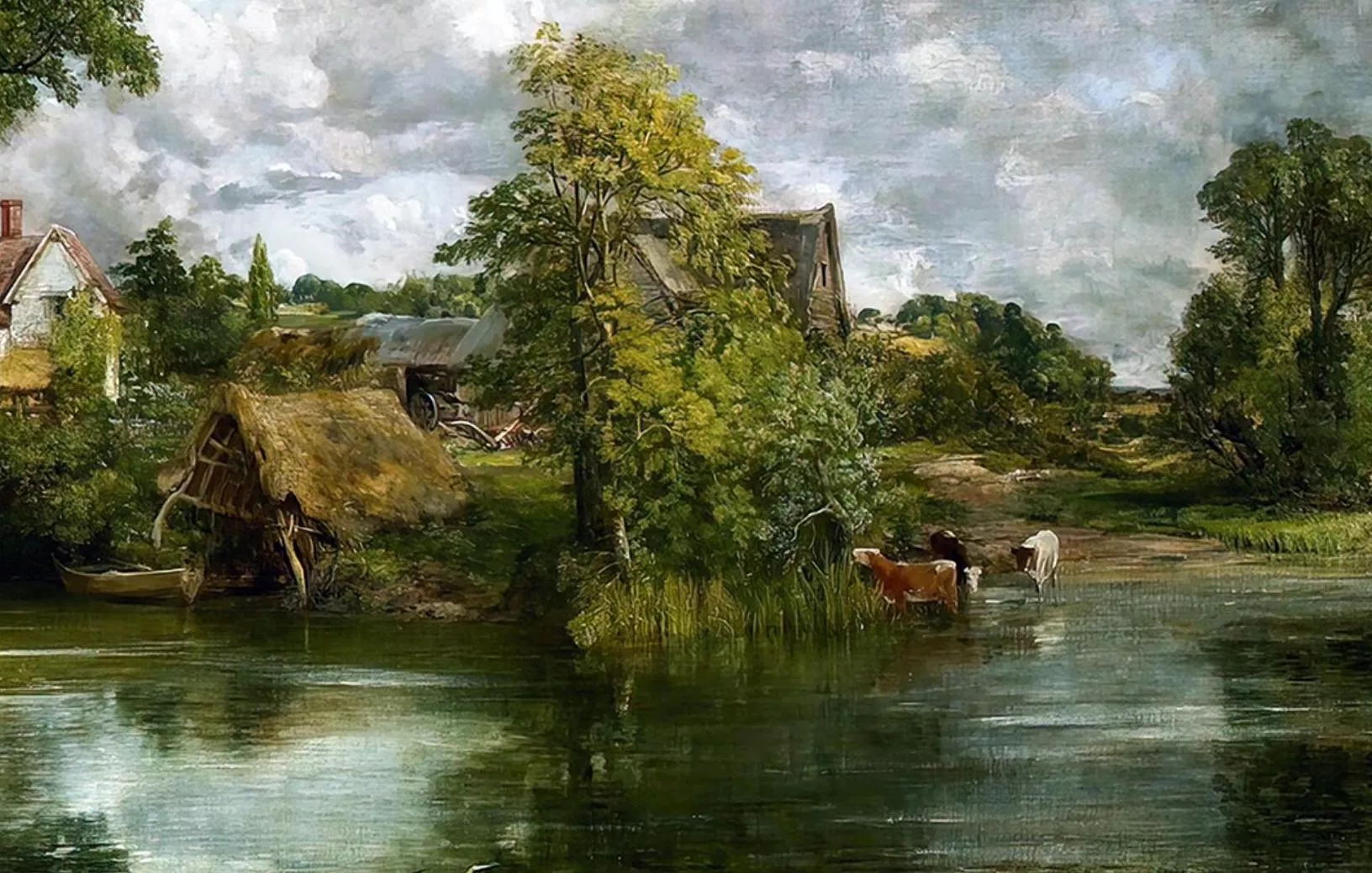
Style and technique of artist John Constable
John Constable was a 19th-century painter who was part of the Romantic movement.
He is particularly famous for his landscape paintings and marine paintings, which depict war scenes but also the everyday life of sailors in peacetime. He produced engravings, drawings and oils on canvas.
John Constable, father of English painting
John Constable (1776-1837) was an English painter born in East Bergohlt.
His family was very well-to-do, and the area where he lived was even called the " country of Constable ". His father intended him to join the orders, but eventually asked him to take over the family business from his older brother.
In 1975, his father agreed to his moving to London to study at the Royal Academy. There he met Joseph Farington, who was to become his teacher throughout his early career.
He was also influenced by Benjamin West, who gave him advice on the representation of light and shadow in painting. He studied the compositions of Turner, Rembrandt and Rubens extensively.
He is greatly influenced by the old Dutch paintings. From 1810, he exhibited his work at the Royal Academy on a fairly regular basis. Ten years later, he became an associate member of the Academy.
He moved to London in 1817, where he produced very large formats. The White Horse, one of his large-format works, earned him election to the Royal Academy.
He uses the same process as Théodore Géricault, namely to elevate the genre scene to history painting (the highest category in the hierarchy of genres), through the dimensions of his painting.
The latter, along with Delacroix, would become interested in Constable's painting. His success in France also contributed to his fame in England.
Maria, his wife, died of tuberculosis after giving birth to seven children in 1828. Immediately afterwards, he made some bad investments, which ruined him. He continued to paint throughout his life, however, and today is considered a major figure in English painting.
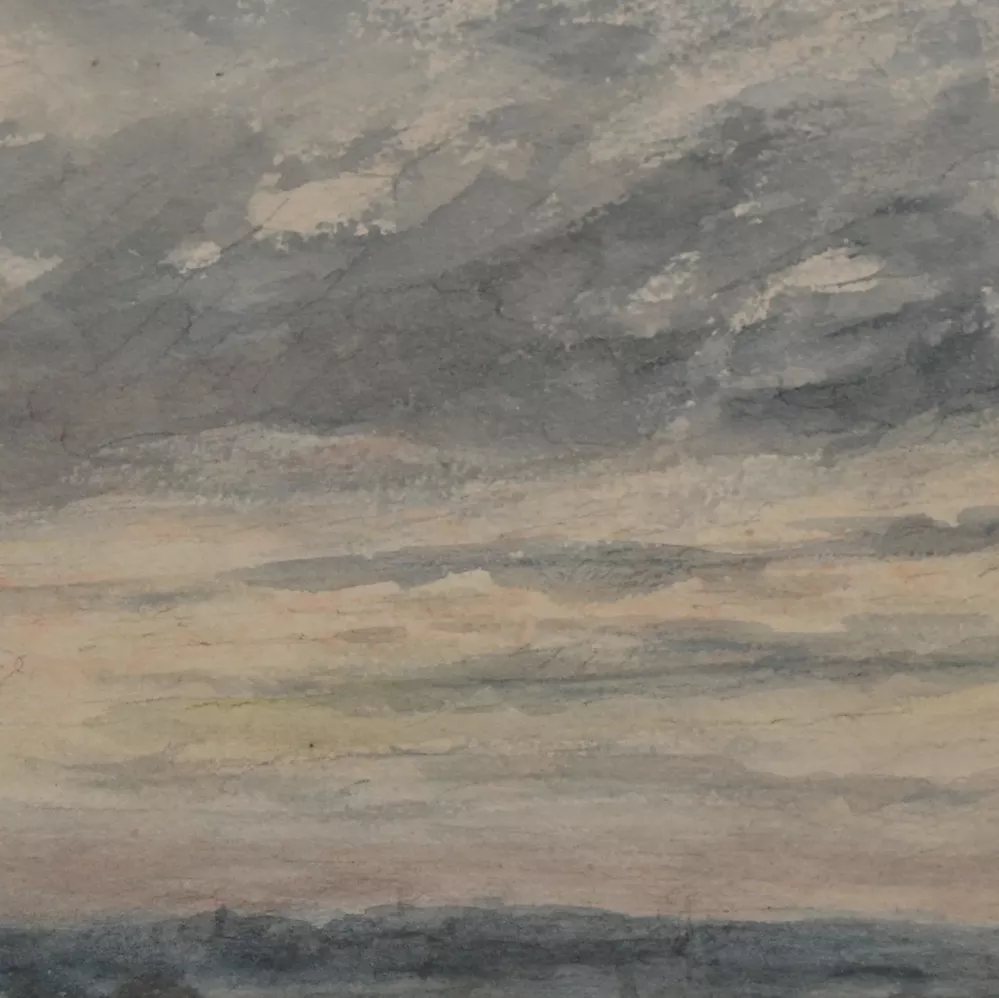
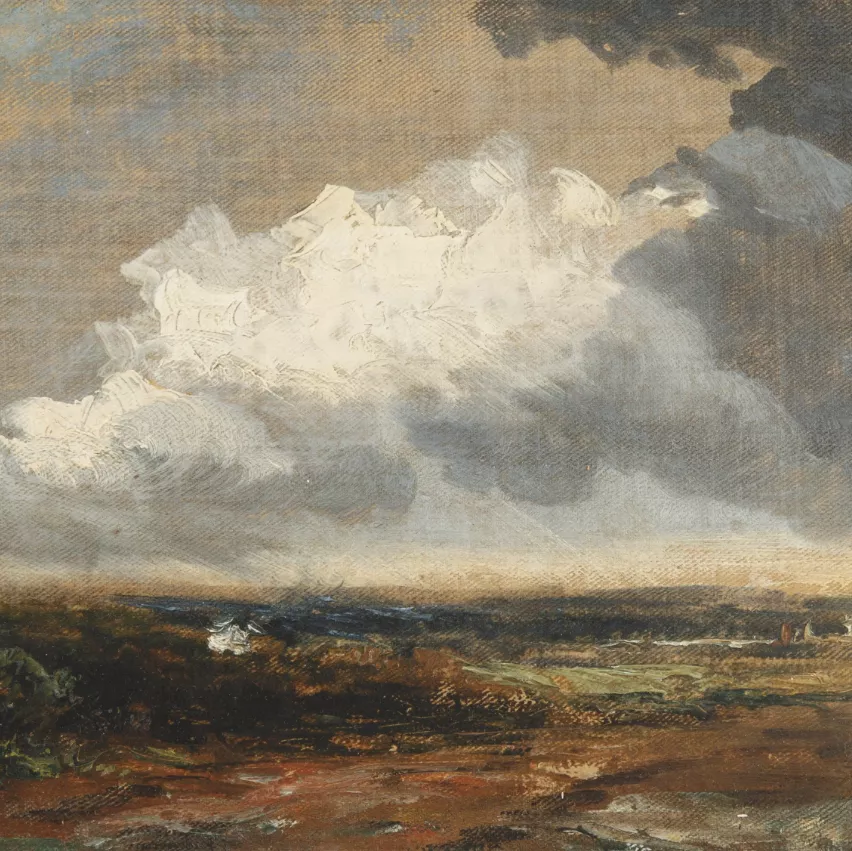
Marine paintings
Marine paintings, whether period or more contemporary, captivate with their ability to immortalize the grandeur of the oceans and the lives of sailors.
These works, often imbued with realism or romanticism, reflect not only scenes of navigation, storms or naval battles, but also moments of calm and serenity at sea.
Naval painters have captured the essence of maritime adventure, with canvases that can evoke both the solitude of the sailor and the majesty of tall ships.
To own a marine painting is not only to offer yourself a window onto a fascinating world, but also to acquire a piece of history, which, depending on the artist and the period, can be of great value.
Collectors and art lovers find in these works timeless representations of the sea, where naval history and artistic expression intersect.
Whether your painting is signed by an acknowledged master or a lesser-known painter, a thorough appraisal is essential to assess its value on the market, and perhaps, discover a hidden treasure.
Understanding how your paintings are appraised
Paintings, whether antique or contemporary, represent highly sought-after collectibles on the art market. Their value can often exceed owners' expectations, depending on a variety of complex criteria that only a qualified expert can assess.
Auctions offer a unique opportunity to acquire authentic works of art, sometimes otherwise inaccessible, at prices potentially lower than those on the traditional market.
In addition, these auctions are an opportunity to expand a collection with rare pieces, backed by expertise that guarantees their authenticity and value.
Each week, paintings are put up for sale in auction houses such as Drouot, allowing buyers to see the works on display before making their choice.
The motivations for buying a painting at auction can vary, including a crush, enriching a collection, decorative needs, or even investments.
The estimation of a painting usually begins with the identification of the artist. If a name cannot be established with certainty, the painting may be attributed to a school or workshop.
Expressions such as "attributed to" or "in the taste of" are then used to indicate a probable link with a particular artist or style, but without absolute guarantee. If the artist remains unknown, the period of creation, as well as the artistic movement to which the work belongs, are essential in estimating its value.
The work's historical and artistic influence, its contribution to art history, and its recognition in museum circles are also crucial criteria.
The evaluation of a painting also includes its aesthetics and composition: the balance of proportions, perspective, the use of colors, light and shadows.
These elements are subjective, but play a key role in understanding the painter's artistic approach and in assigning the work's value.
The technical aspects are also decisive. The technique used (oil, watercolor, charcoal, etc.) and the support (canvas, wood, paper) are elements that influence the description and valuation of the painting.
Specific techniques such as impasto or sfumato can affect the conservation of the work, as can the frame, which, if it is period and well made, adds value to the whole.
Thestate of conservation of the paintingis another key factor. Restorations, alterations or wear due to storage conditions (humidity, excessive light) can diminish the work's value.
A poor restoration can irreparably alter the painting's essence and therefore its value.
Finally, authenticity and provenance play a central role in appraisal. The traceability of the painting, the history of its owners, and previous sales greatly influence its value.
An authentic signature or royal provenance, for example, can multiply the value of a painting. Recent sales of famous collections such as those of Hubert de Givenchy or Alain Delon show the extent to which these factors can lead to record amounts at auction.
In short, valuing a painting is a complex process that requires in-depth knowledge of the art, rigorous technical expertise, and careful attention to historical and aesthetic details to guarantee a fair and optimal valuation of the work on the art market.
John Constable deciphered by the National Gallery
Constable's imprint on his time
Constable painted landscape and marine scenes throughout his career, and his works are today held in some of the world's museums and art collections. He leaves behind an important legacy as a marine and landscape painter.
He will have influenced many artists after him, including Richard Parkes Bonnington, Eugène Louis Gillot, Eugène Isabey or Alfred Sisley.
Today, private collectors play a major role in preserving his work.
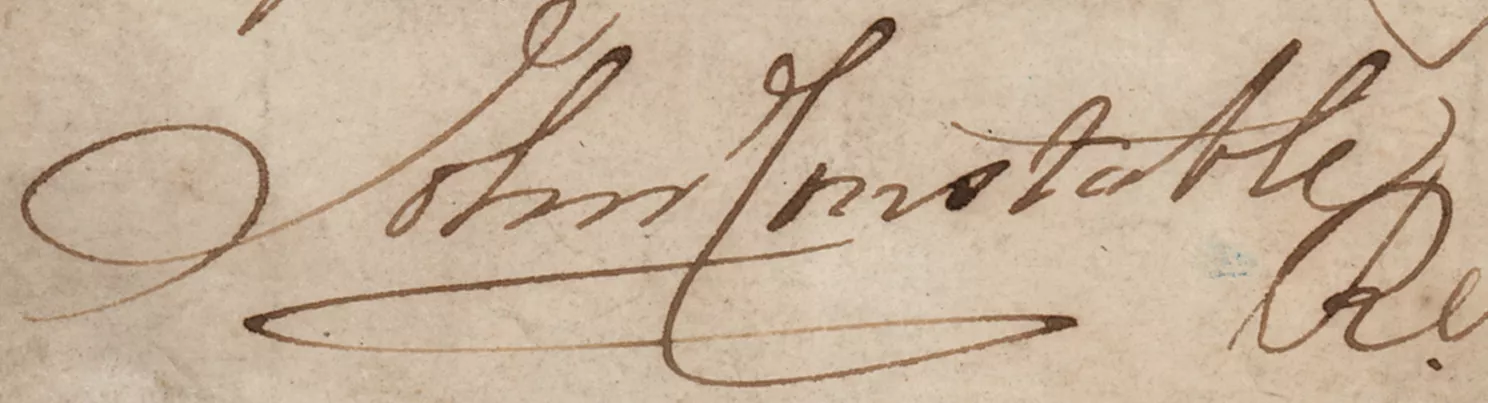
Recognizing the artist's signature
Not all the painter's works are signed. However, with or without a mention, it's important for you to have the work appraised to ensure its originality and to be able to date it. And of course, copies do exist.
Knowing the value of a work
If you happen to own a work by or after John Constable, don't hesitate to request a free valuation using our form on our website.
A member of our team of experts and licensed auctioneers will contact you promptly to provide you with an estimate of the market value of your work, not forgetting to send you ad hoc information about it.
If you wish to sell your work, you will also be accompanied by our specialists in order to benefit from alternatives to sell it at the best possible price, taking into account market inclinations.
Estimate in less than 24h
Works from the same period sold at auction

Estimated 2 000 € - 3 000 €
Delphin ENJOLRAS (1857-1945) "A Midsummer Night's Dream", Oil on canvas

Estimated 600 - 800 €
Alexandre Gabriel DECAMPS (1803-1860) Two children reading.

Estimated 9 000 - 12 000 €
Guillaume FOUACE (1837-1895) Pheasant and hare.

Estimated 600 € - 800 €
Henri ZUBER (1844-1909), Bridge at Artemare. Oil on canvas.

Estimated 8000 - 12000 €
Raymond THIBESART (1874-1968) Apple trees in blossom Oil on canvas.
Discover in the same theme

Rating and value of sculptures, bronzes and marbles by Alber...
Carrier-Belleuse was a 19th-century painter and sculptor who produced bronzes and marbles that are valued at auction.
Learn more >

Rating and value of paintings by Georges Hyon
Georges Hyon was a 19th-century painter of military scenes who produced works that are highly rated and have value at auction.
Learn more >

Rating and value of sculptures and paintings by Alfred Bouch...
Alfred Boucher was a 19th-century painter and sculptor who produced a variety of works that are highly valued at auction.
Learn more >

Secure site, anonymity preserved

Auctioneer approved by the State

Free and certified estimates
Frequently asked questions
-
Who was John Constable, and what was his contribution to art history?John Constable (1776–1837) was a leading English painter of the Romantic movement, recognized as a founding figure of English painting. Specializing in landscapes and seascapes, he influenced many artists who came after him by elevating genre painting to the status of history painting through his large-scale works. His success in France during the 19th century contributed to his international fame, and his works are now housed in major museums and collections around the world.
-
What is the price range for John Constable's works?Prices for Constable’s works vary considerably depending on the medium and the size of the piece. Prints range from €10 to €4,750, drawings and watercolors from €90 to €655,445, while oil paintings on canvas show the widest range, from €10 to over 24 million euros, as illustrated by the sale of “The Lock” for over 24 million euros.
-
How can you authenticate a work by John Constable?Although some of Constable’s works are unsigned, it is essential to have your painting appraised to verify its authenticity and date. Auctie's offers a free, no-obligation appraisal by its experts and certified auctioneers, who will examine the provenance, technique, condition, and signature to confirm the work’s authenticity.
-
What factors determine the value of a Constable painting?The artist's authenticity, the technique used (oil, watercolor, print), the dimensions, the condition, the aesthetics, and the composition all play a crucial role. The provenance and ownership history, the work’s historical and artistic influence, and its recognition by museums are also key factors in assessing its market value.
-
What is the process for selling a Constable painting at Auctie's?Auctie's offers a free, no-obligation appraisal of your artwork by its experts and certified auctioneers, with a response within 48 hours. If you’re interested in selling, our team will guide you through the process from appraisal to auction, exploring the best options to achieve the highest possible price while taking current art market trends into account.
