



Rating and value of Cartier jewelry by Jeanne Toussaint

Key takeaways
- Jeanne Toussaint, Cartier’s artistic director since 1933, has created jewelry pieces whose prices range from €400 to €140,400, depending on the type and rarity.
- The bracelets and necklaces in her collection command the highest prices, with a “Chimères” bracelet selling for €140,400 in 2023, compared to an initial estimate of €30,000–40,000.
- His creations are characterized by sculptural animal forms (most notably the panther), crafted in gold, diamonds, and contrasting gemstones, designed as statement pieces for a prestigious clientele.
If you own a work by or after the artist Jeanne Toussaint, and would like to know its value, our state-approved experts and auctioneers will offer you their appraisal services.
Our specialists will work to carry out a free appraisal of your work, and will provide you with an accurate estimate of its value on the current market.
Then, should you wish to sell your work, we will direct you to the best possible arrangement to obtain the optimum price.
Rating and value of artist Jeanne Toussaint
Jeanne Toussaint is an artist well known to jewelry collectors, having served as Creative Director at Cartier. Now, prices for her creations are rising at the auctioneers' gavel.
Her brooches are particularly prized, especially by French buyers, and the price at which they sell on the art market ranges from €400 to €140,400, a significant delta but one that speaks volumes about the value that can be attributed to the designer's work.
In 2023, a bracelet " chimères ",in rubies, diamonds and 18k (750)gold was sold for €140,400, while it was estimated at €30,000 to €40,000. Its value is exploding.
Order of value from a simple work to the most prestigious
Type of jewel | Result |
|---|---|
Spindle | From €9,700 to €30,000 |
Ring | From €400 to €38,000 |
Earrings | From €10,000 to €60,000 |
Clip | From €9 100 to €86,000 |
Collar | From €700 to €124 800€ |
Bracelet | From 4,600 to 140,400€ |
Estimate in less than 24h
Style and technique of designer Jeanne Toussaint
Jeanne Toussaint (1887 - 1976) was a jewelry designer who signed numerous Cartier pieces. Her creative direction was based on a breakthrough modernity, aiming for liisble, powerful and immediately identifiable forms, within the framework of haute joaillerie Cartier.
She was appointed director of haute joaillerie in 1933. The idea of taste was more important to her than autograph drawings, according to the testimonials and historical symtheses published on her role within the house.
She built a structuring iconogrpahy with a bastiary that became canonical at Cartier, dominated by the panther. She expanded it to include other animals (birds, insects, felines) within a coherent jewelry menagerie.
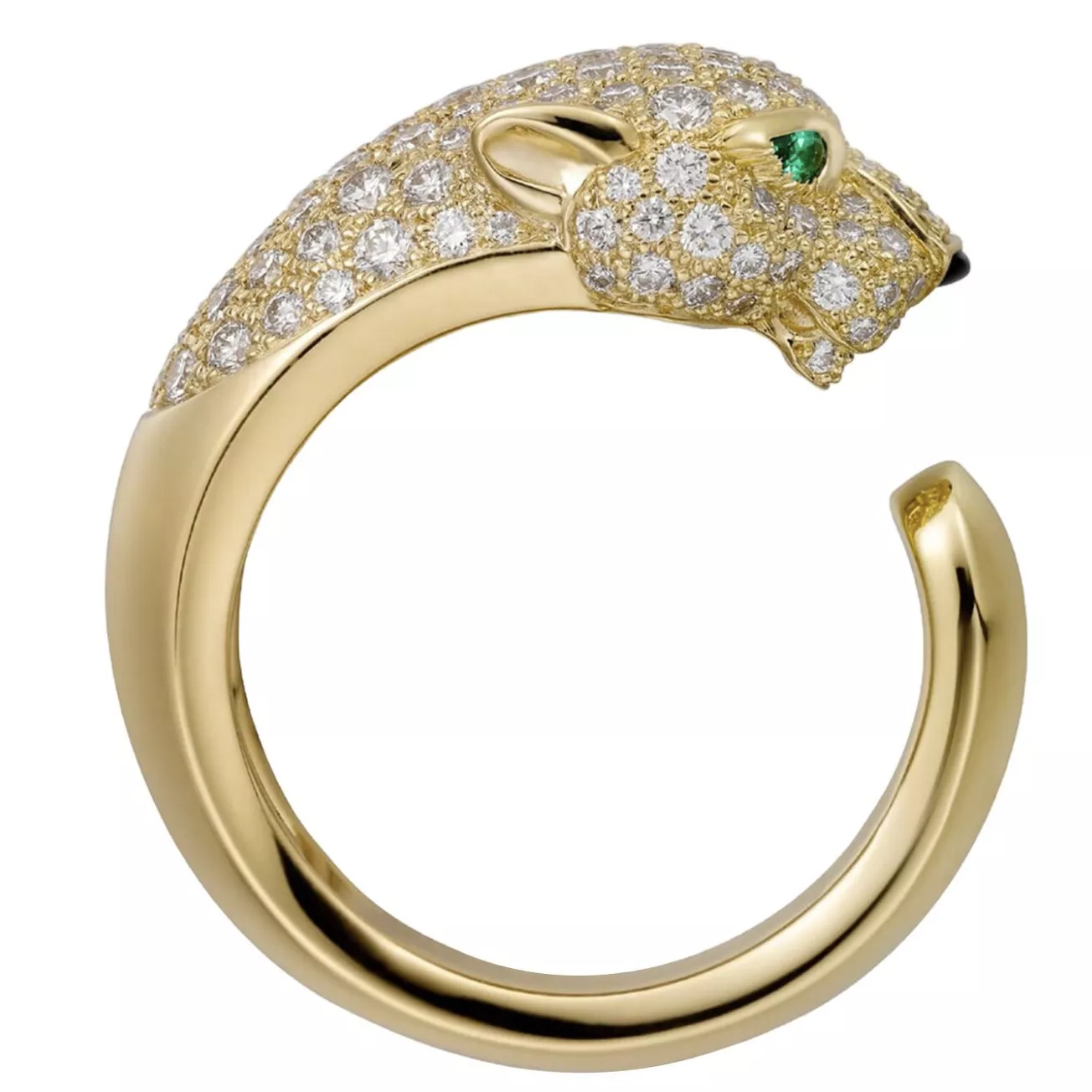
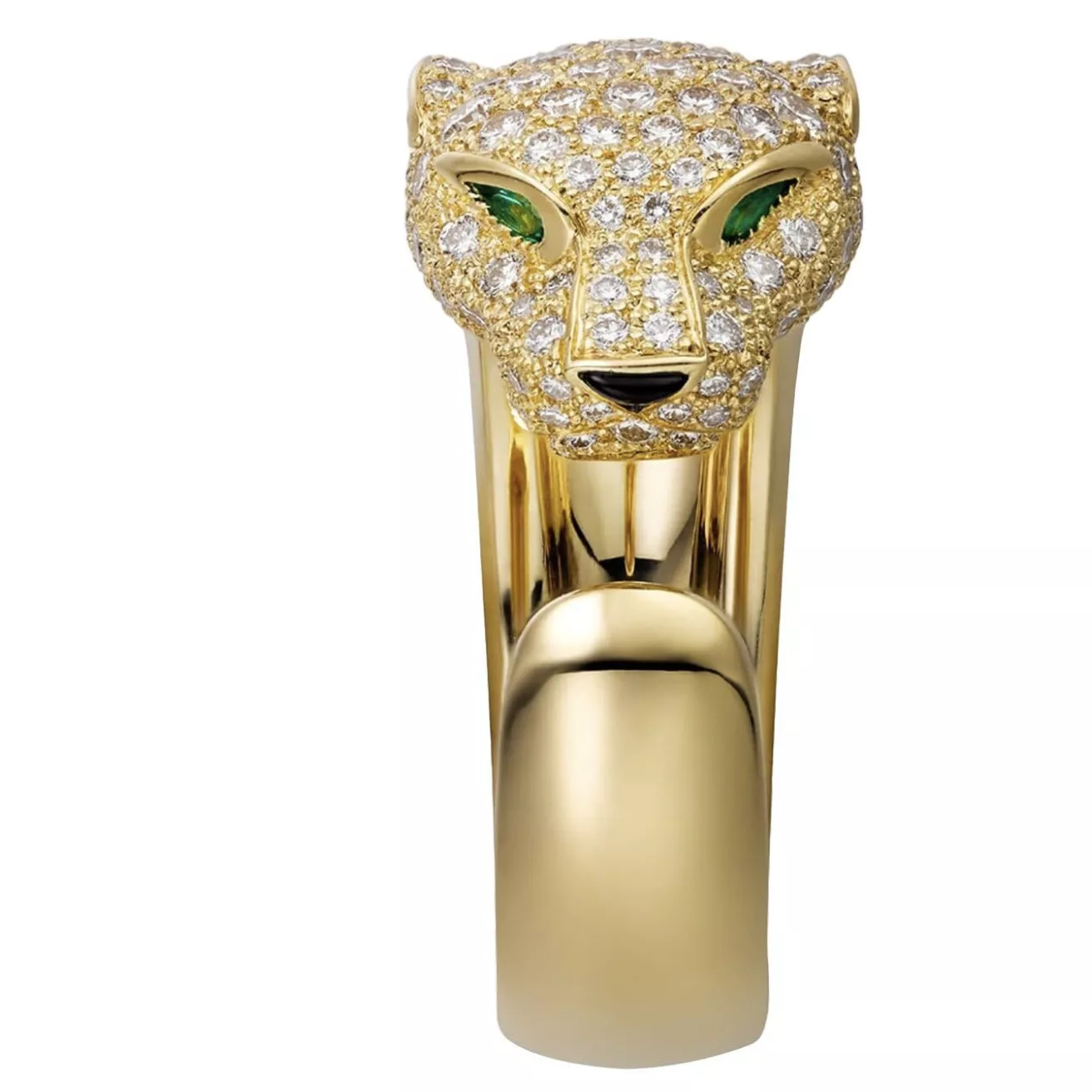
It moved from primarily decorative use (panther appearing as early as 1914 in the Cartier universe) to a panther conceived as an autonomous subject and signature motif. The 1940s were a turning point with a more sculptural, three-dimensional panther, associated with settings in diamonds, onyx and emeralds (notably for the Duchess of Windsor from 1948).
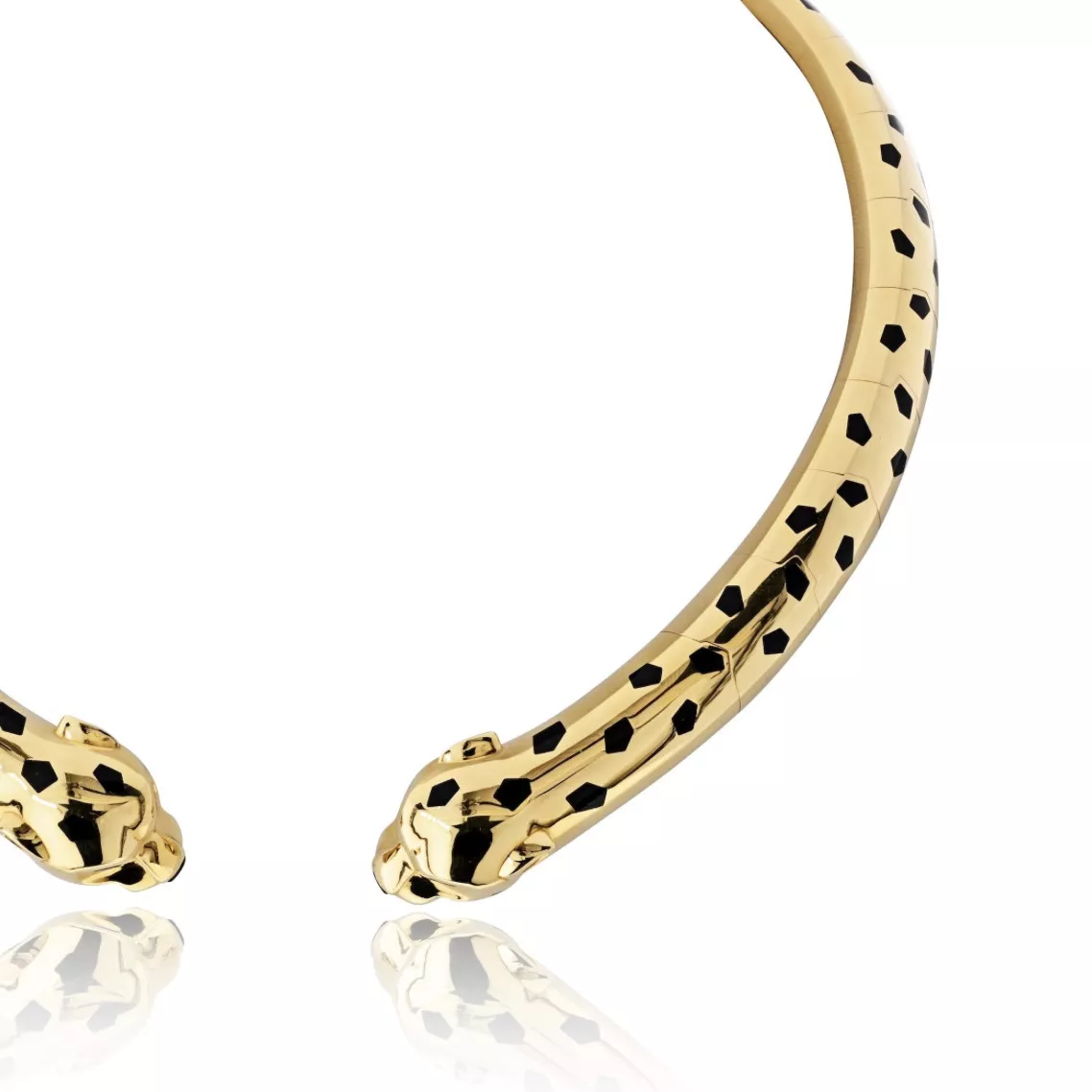
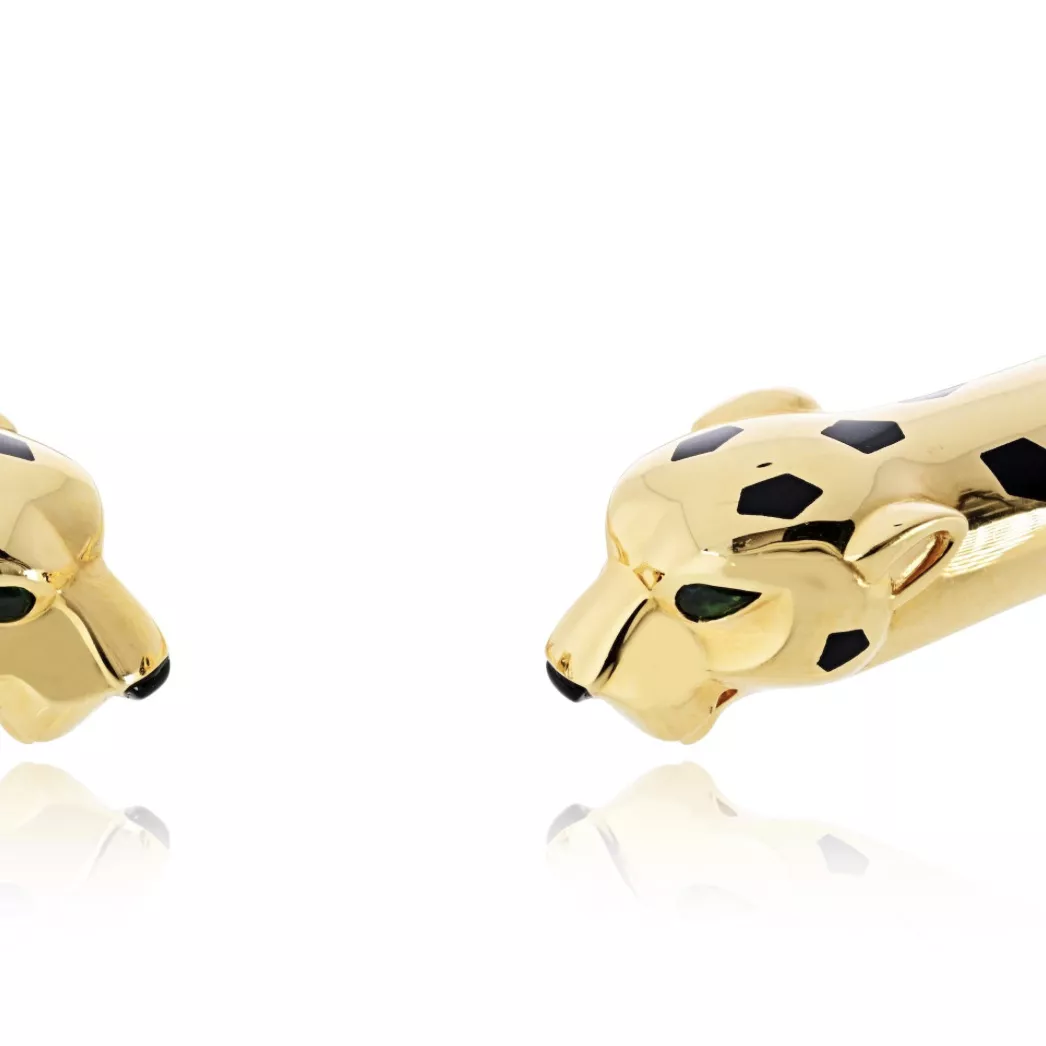
She sought a volumetric presence (animal posed, in motion or in tension, as opposed to a simple applied motif, with a taste for sharp contrasts and legibility at a distance, particularly in black/white opposition and chromatic accent.
She develops animal pieces that require high-precision implementation, with sculptural body modeling, articulation and fine adjustments for ergonomics. The setting is dense, combined with contrast stones for spots and volumes.
She implements an assertive strategy of " manifesto pieces ", aimed at very high-profile customers such as the Duchess of Windsor, who plays a cultural amplification role for the panther.
His interest is marked by creations inspired by the jewelry traditions of Mughal India and the maharajas, incorporating a logic of learned borrowing and adaptation to the vocabulary Cartier.
Her artistic direction is structured by a totemic motif (panther) that she declines in variants (graphic, naturalistic, sculptural), a clear hierarchization of visual impact, and maximum exploitation of the workshop's technical resources to produce objects " emblems ".
The artist's career and the world of Jeanne Toussaint jewelry
Jeanne Toussaint (1887 - 1976) is one of the greatest jewelry designers of the 20th century. Born in Charleroi, Belgium, she came from a cultivated middle-class family with a keen interest in art and fashion.
She moved to Paris at the beginning of the 20th century, and quickly became part of Parisian artistic and social circles. She developed a keen sense of style, elegance and modernity. Her meeting with Louis Cartier in the 1910s was decisive.
Jeanne Toussaint became close to the Cartier family circle. Her taste, aesthetic intuition and personality had a profound impact on the company. She gradually joined the House of Cartier as an informal style consultant.
At first, she exerted an influence without an official title, through her eyes and judgment. She was nicknamed " La Panthère " by Louis Cartier for her independent character, assertive elegance and freedom of tone. Her personality was strong, authoritative and visionary.
She was officially appointed Director of Cartier Haute Joaillerie in 1933, the first woman to hold such a position in a major jewelry house. Her role is central to the aesthetic direction of the house.
The designer oversees the creation of Cartier's most iconic jewels and works closely with designers, modelers and workshops in Place Vendôme. She prioritizes visual impact, legibility and iconic strength.
She develops close ties with an exceptional international clientele, including the great American fortunes and the European aristocracy. She has a keen understanding of the commission and symbolic power of jewelry.
She is a central figure in Cartier's 20th-century history, considered the architect of the house's modern jewelry myth. Her influence extends far beyond her personal production. She embodies the rise of the role of the artistic director.
Market segmentation and piece ratings
The market reasons in terms of Cartier pieces, Paris, circa 1930-1960, with a hierarchy by provenance and typology.
Historic Windsor and manifesto pieces make up the absolute premium segment. These are orders and purchases linked to the Duke and Duchess of Windsor, who structure panther mythology (brooches 1948-1949, bracelet 1952).
The market is ultra-selective, with competition between collectors, institutions and Cartier, with active patrimonialization.
Panthers and vintage Cartier bestiary (1940s - 1960s) with animal pieces in platinum and gold, diamonds, onyx, emeralds, sapphires, constitute a B segment, with high modeling quality, articulation (moving heads) and density of paving and contrast between onyx and diamonds.
Post-1970 and contemporary Cartier panthers are part of a wider market, a very active and sometimes very high C segment, but the price logic is more about the Cartier house and panther iconogrpahy than Toussaint attribution.
Recognizing the artist's signature
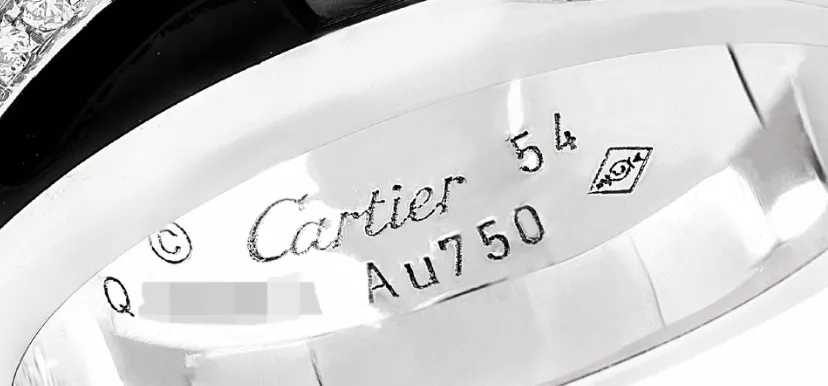
As Cartier's director of jewelry design (officially from 1933, in fact from the 1920s), her creations were the collective work of the house and marketed exclusively under the Cartier signature.
The pieces produced under her influence therefore bear the house's usual hallmarks and signatures (Cartier, workshop numbers, title hallmarks), but never the mention "Jeanne Toussaint".
Knowing the value of a work
If you happen to own a piece of Cartier jewelry by Jeanne Toussaint or after the artist, don't hesitate to request a free appraisal using our form on our website.
A member of our team of experts and licensed auctioneers will contact you promptly to provide you with an estimate of the market value of your work, as well as ad hoc information about it.
If you are considering selling your work, you will also be accompanied by our specialists in order to benefit from alternatives for selling it at the best possible price, taking into account the inclinations of the market.
.Estimate in less than 24h
Discover in the same theme

Rating and value of Van Cleef & Arpels jewels - Zip collecti...
What are the famous Van Cleef & Arpels jewels worth? Rings, necklaces and bracelets are all unique creations that have stood the test of time.
Learn more >

The value of Jean Mahie jewelry and creations
Jean Mahie, designer of luxury jewelry, is very much in vogue with collectors. His stock is rising and his jewels are not losing value.
Learn more >

Cote et valeur des bijoux, bracelets, rings Cartier - Love c...
Cartier jewels are timeless, sought-after pieces with extremely high auction values.
Learn more >
D'autres pièces de haute joaillerie vendues aux enchères

Estimated 10.000 - 15.000 €
BOUCHERON - "Ava" - White gold necklace set with a brilliant-cut diamond (1.56 cts)

Estimated 2.000 - 4.000
CARTIER, 18K (750 e) gold opening bangle bracelet

Estimated 1.500 - 3.000
CARTIER PARIS, Trinity, 2-tone 18k (750e) gold clip brooch

Estimated 3.000 - 5.000
CARTIER, Love, Wedding band in 18k white gold (750e)

Estimated 2.000 - 4.000
CARTIER Love model Pendant necklace in 18K (750e) white gold

Estimated 1.500 - 2.000
CHAUMET, Ring in platinum (850th), set with an oval faceted ruby

Secure site, anonymity preserved

Auctioneer approved by the State

Free and certified estimates
Frequently asked questions
-
Who is Jeanne Toussaint, and what is her role at Cartier?Jeanne Toussaint (1887–1976) was a Belgian designer who became director of fine jewelry at Cartier in 1933, the first woman to hold this position at a major jewelry house. Nicknamed “La Panthère” by Louis Cartier for her independent spirit and elegance, she left her mark on the house’s history through her visionary artistic leadership, particularly through the development of the panther motif and the animal-themed collection that define Cartier’s signature style of the 20th century.
-
How much do Cartier jewelry pieces designed by Jeanne Toussaint cost?The prices of Toussaint jewelry vary considerably depending on the type and rarity: brooches range from €9,700 to €30,000, rings from €400 to €38,000, earrings from €10,000 to €60,000, hair clips between €9,100 and €86,000, necklaces between €700 and €124,800, and bracelets between €4,600 and €140,400. The “iconic” pieces associated with the Duchess of Windsor and the sculpted panthers from the 1940s–1960s make up the premium segment with the highest estimates.
-
How can you authenticate a piece of Cartier jewelry attributed to Jeanne Toussaint?To authenticate a piece of Cartier jewelry designed by Jeanne Toussaint, we recommend that you request a free appraisal from Auctie's using our online form. One of our experts or certified auctioneers will contact you shortly to examine the piece, verify the Cartier hallmarks, assess its historical context, and provide you with an accurate, no-obligation estimate.
-
Is this the right time to sell a piece of Cartier jewelry designed by Jeanne Toussaint?Yes, now is an excellent time to sell a piece of Cartier jewelry from that era. The value of Jeanne Toussaint’s designs is steadily rising at auction, particularly for vintage pieces (from the 1940s to the 1960s) and historic Windsor pieces, with sustained demand from international collectors and a growing trend toward treating these works as cultural heritage.
-
How does the appraisal and sale of jewelry work at Auctie's?Appraisals at Auctie's are free and non-binding: simply fill out an online form with photos of your jewelry, and an expert or auctioneer will contact you within 48 hours to provide you with an accurate estimate of its market value. If you decide to sell, our specialists will then guide you every step of the way to determine the best terms of sale and maximize the final hammer price for your piece.
