



Value of Picasso Madoura ceramics, plates and vases

Key takeaways
- Picasso created more than 3,600 ceramic pieces at the Madoura studio beginning in 1946, in collaboration with Suzanne Ramié.
- The ceramics are valued between €2,200 and €524,000, while the terracotta pieces range from €400 to €36,400.
- The works feature anthropomorphic and zoomorphic forms (owls, fish, goats) that honor Provençal tradition while exploring new artistic dimensions.
If you own a work by or after the artist Pablo Picasso in collaboration with the Madoura studio, and would like to know its value, our state-approved experts and auctioneers will offer you their appraisal services. Our specialists will carry out a free appraisal of your work, and provide you with a precise estimate of its current market value. Thereafter, if you wish to sell your work, we will guide you towards the best possible arrangement to obtain an optimal price.
Rating and value of Picasso Madoura ceramics
The works born of the Pablo Picasso and Suzanne Ramié collaboration were produced in the Madoura studio from 1938 onwards. Most of these works are in ceramic, but there are also a number in terracotta and earthenware. Together, the two artists created everyday objects such as vases, dishes, pitchers and plates, as well as a number of sculptures, even though there are relatively few of these on the art market, all in the Provencal tradition. These works sold for between €1,150 and €524,049. A ceramic vase known as " vase deux anses haute, le roi ", anthropomorphic and engraved with a knife sold for €32 000 in 2020.
Order of value from a simple work to the most prestigious
Estimation | Ceramics | €2,200 - 524,000 |
|---|---|
Terracotta | 400 - 36 400€ |
Tiles | 250 - 327 750€ |
Estimate in less than 24h
Style and technique of Picasso Madoura
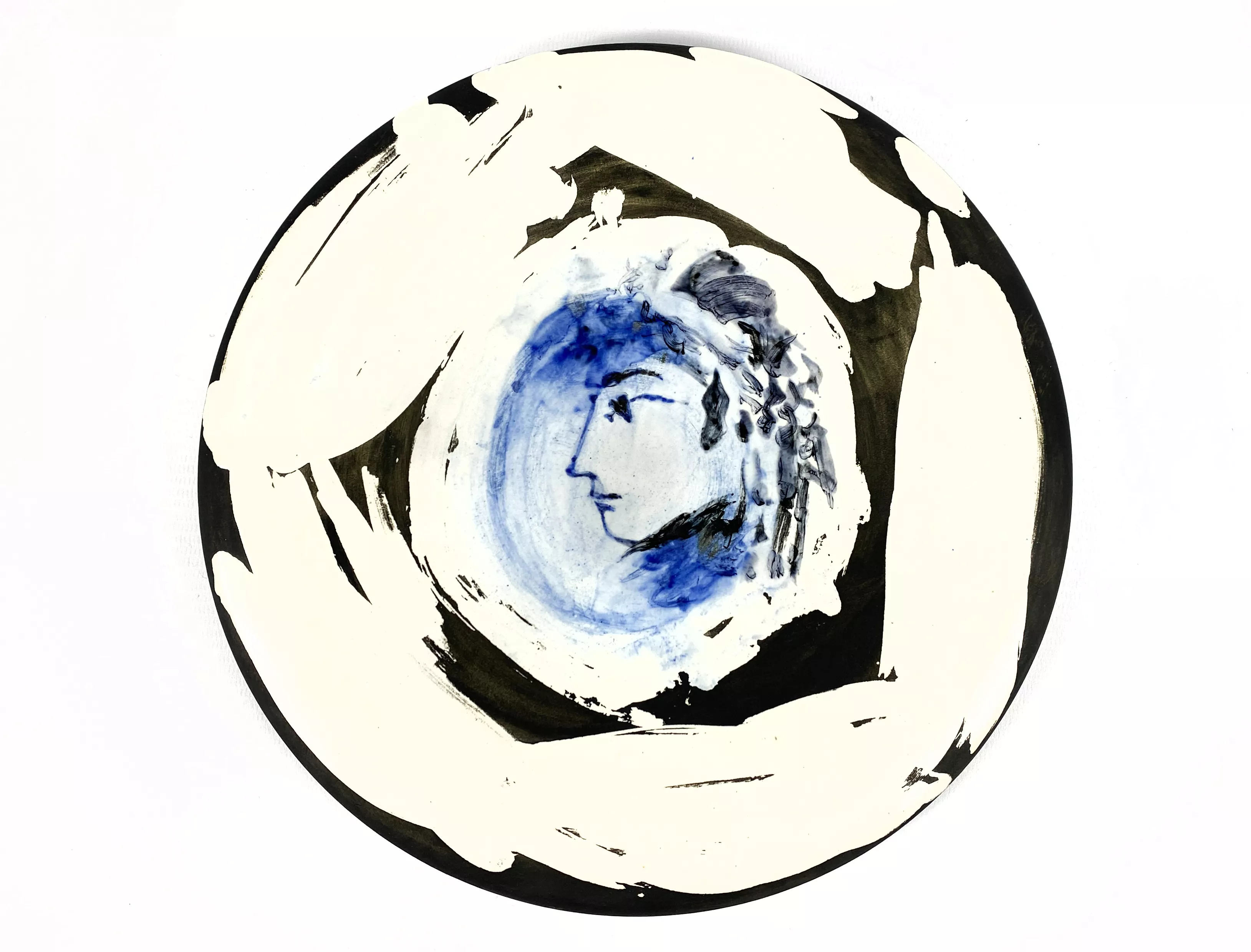
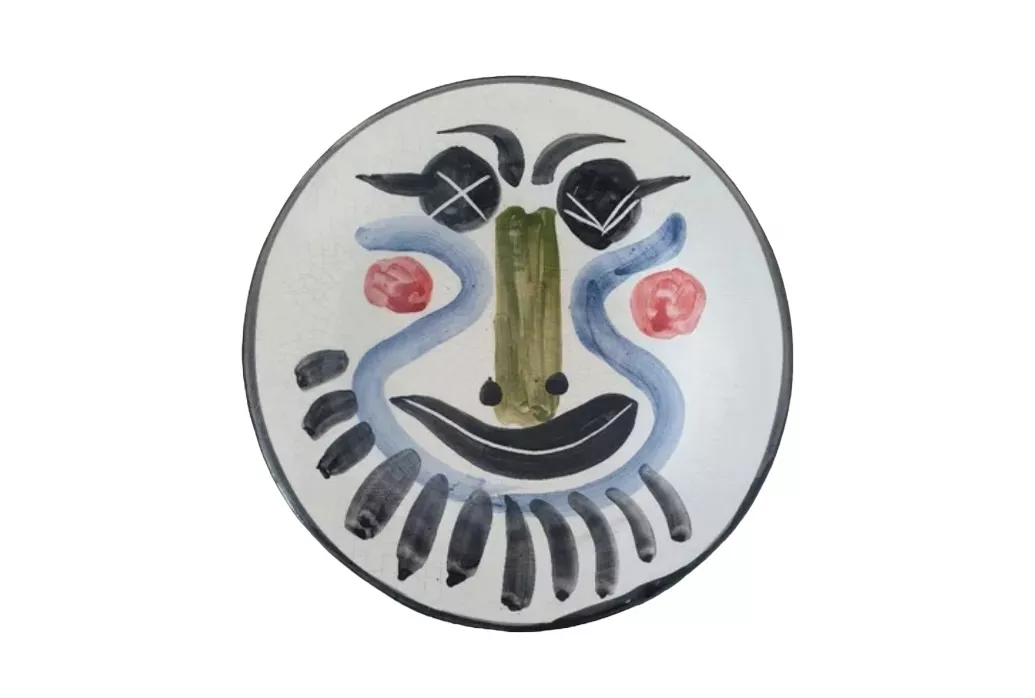
At the Madoura workshop, Picasso and Suzanne Ramié explore anthropomorphic and zoomorphic forms with fascination. They fashion a myriad of creatures, from hieratic owls and majestic birds to owls, fish and white doves. Goats and fish, more or less stylized, come to life under Picasso's brush. He captures the essence of humanity with panache, depicting particularly expressive faces. From time to time, picturesque landscapes punctuate the surfaces, like the plate Toros separated into two registers with bulls in a meadow. Both artists also willingly integrate the worlds of bullfighting and corrida.
What is the Madoura workshop?
Madoura, is a pottery workshop created in 1938 by the couple Suzanne and Georges Ramié, in Vallauris, nestled in the heights between Antibes and Cannes. During a summer vacation in 1946, in the company of Françoise Gilot, painter and writer, Suzanne Ramié took Pablo Picasso on his first tour of the admirable Madoura pottery workshop. He was amazed. The Ramié couple diligently encouraged him to model Madoura clay, serving up on a silver platter to the illustrious artist a new way to exercise his dazzling creativity.
Picasso's Madoura works have marked their era
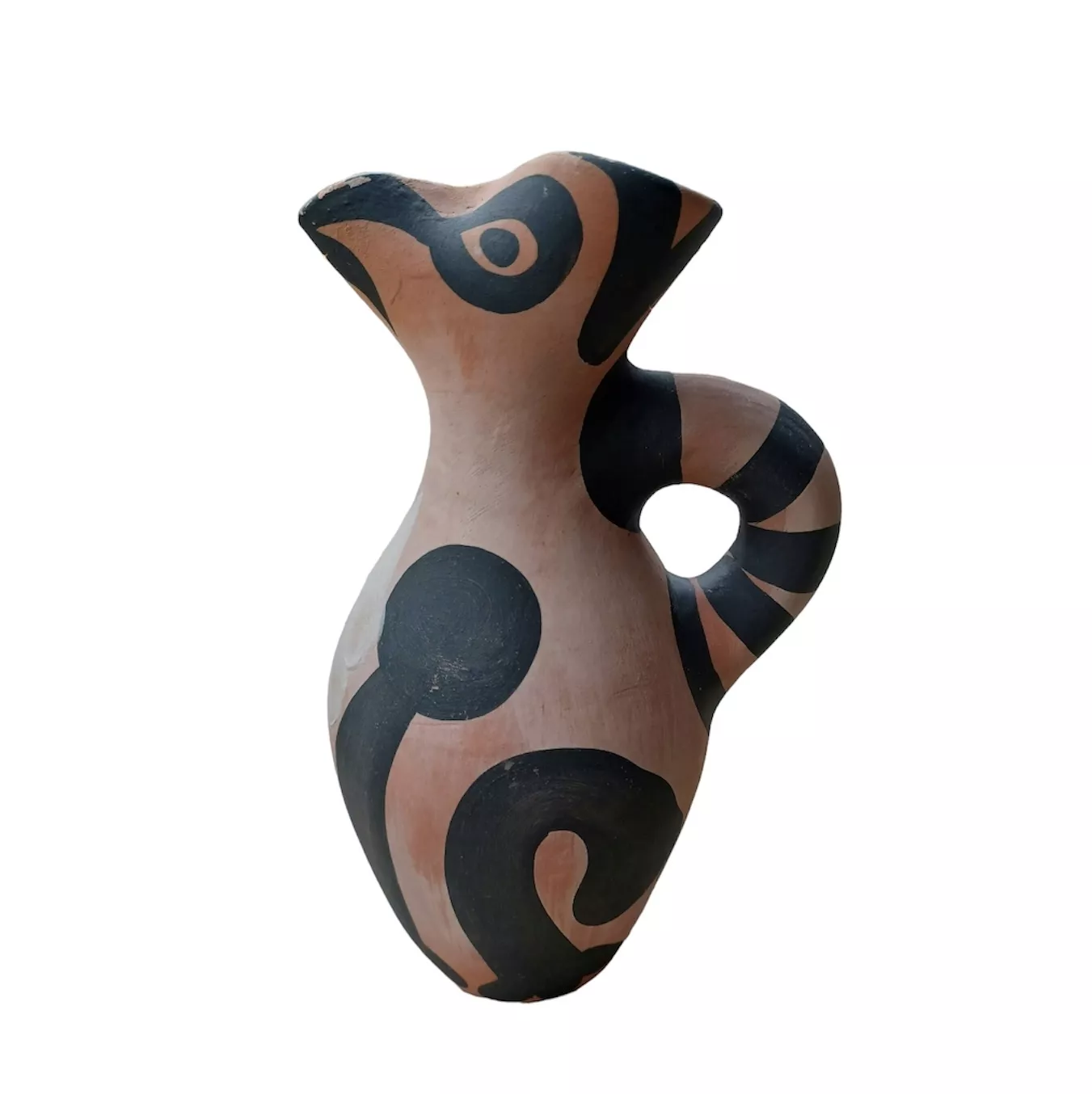
Picasso produced over 3 600 ceramic pieces at the Madoura workshop, the fruit of the encounter between Suzanne Ramié and Picasso. Picasso's ceramics reveal reckless exploration and creative spontaneity. He relentlessly investigates the use of ceramics, both the secrets of its technique and its aesthetics. Picasso succeeded in creating new artistic formalisms, which he had already been trying to approach since his Cubist period, by combining sculpture, painting and printing techniques. Through their third dimension, ceramic objects confer a new playground for the artist, attributing semantic and conceptual significance through his remarkable use of surface and volume.
In this way, he conveys in three dimensions what he had hoped to communicate through his painted canvases, in this case without perspective, laws or academic rules. Moreover, these ceramics require great skill to be able to paint it without knowing the final rendering, appearing once the firing is complete. Picasso offered his art to a new public who could own a work by the artist thanks to more accessible prices. Between 1950 and 1960, numerous artists such as Marc Chagall, Victor Brauner, Foujita and Matisse took their turn at La Poterie Madoura. The studio enjoyed such renown that in 1953, Suzanne Ramié was awarded the title of Chevalier de la Légion d'Honneur.
How to recognize the signature on Picasso Madoura ?
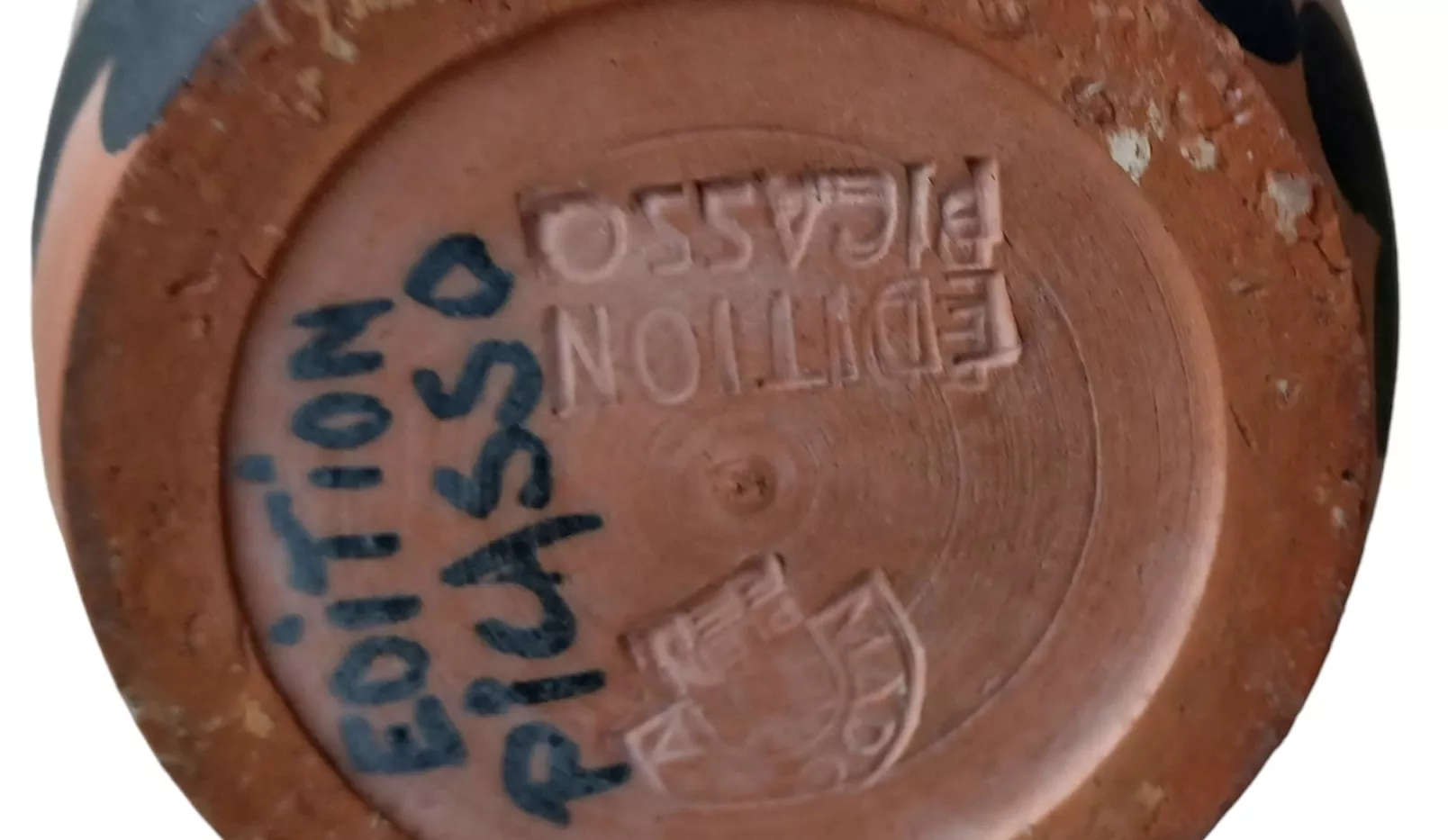
It's important to have your work appraised, as there are unfortunately many counterfeits out there. The stamp (" édition Picasso Madoura ") and the serial number provide information on the authenticity of the work. Then the decoration reveals whether the ceramic is consistent with the model referenced in our archives.
How to find out the value of a Picasso Madoura ceramic?
If you happen to own a work signed " Picasso Madoura ", don't hesitate to request a free appraisal via our "Free Estimate" form. An Auctie's member will contact you promptly with an estimate of the value of your ceramic, and will provide you with all the relevant information. If you're considering selling your work, our specialists will also be on hand to help you find alternative ways of selling it at the best possible price.
Estimate in less than 24h
Discover in the same theme

Value and quotation of works by Vassillew Slavik
Slavik is a 20th-century interior decorator, sculptor, cartonnier and painter. His works are highly prized at auction. Estimate in 24h
Learn more >

Rating and value of paintings by Michel Larionov
Michel Larionov is a Russian painter of the Rayon period who has produced works that are quoted and valued at auction. Estimated in 24h.
Learn more >

Rating and value of paintings by Vartan Makhokhian
Vartan Makhokhian is an Armenian marine painter who has produced works that are highly rated and valued at auction. Estimate in 24h.
Learn more >
Our auction result


Secure site, anonymity preserved

Auctioneer approved by the State

Free and certified estimates
Frequently asked questions
-
Who is Picasso Madoura, and what is the story behind this collaboration?Picasso Madoura refers to the works created by Pablo Picasso in collaboration with Suzanne Ramié at the Madoura studio, founded in 1938 in Vallauris. Picasso discovered this studio in 1946 and produced more than 3,600 ceramic pieces there, exploring anthropomorphic and zoomorphic forms while staying true to Provençal tradition. This collaboration left its mark on 20th-century art and attracted other great artists such as Chagall, Matisse, and Foujita.
-
What is the price range for Picasso Madoura ceramics?Picasso Madoura ceramics sell for between €1,150 and €524,049. Estimates vary depending on the material: ceramics between €2,200 and €524,000, terracotta pieces between €400 and €36,400, and earthenware pieces between €250 and €327,750. These variations depend on the size, decoration, rarity, and condition of each piece.
-
How can you authenticate a Picasso Madoura ceramic and avoid counterfeits?It is crucial to have your artwork appraised, as there are many counterfeits in circulation. Authenticity can be verified by the “Picasso Madoura Edition” stamp, the serial number, and the consistency of the design with the referenced models. We recommend requesting a free appraisal from Auctie’s: an expert auctioneer will examine your piece with no obligation and provide you with their analysis within 48 hours.
-
How can I get a free appraisal of my Picasso Madoura ceramic piece?Fill out our online “Free Estimate” form or contact Auctie’s directly with photos and details about your piece. A certified auctioneer will contact you promptly to appraise your ceramic and provide you with an estimate of its value, with no obligation on your part. You’ll typically receive our response within 48 hours.
-
How can I sell my Picasso Madoura ceramic piece for the best price?After a free appraisal at Auctie's, our specialists will work with you to determine the best sales strategy and maximize the price of your piece. Auctie's, an auction house, guides you from the appraisal through to the final bid, showcasing your ceramics to collectors around the world to ensure you receive the highest possible value.
