



Rating and value of World War II and Holocaust paintings

Key takeaways
- Paintings from World War II sell for between €55 and €36,448,000, with significant variations depending on the artist and artistic movement.
- Expressionist paintings command the highest prices (up to €36,448,000), while academic paintings remain more affordable (€55 to €147,300).
- A free appraisal helps identify the artist and determine the market value, which is essential for unsigned paintings or those of uncertain attribution.
If you own a World War II painting, and would like to know its value, our state-approved experts and auctioneers will offer you their appraisal services. Our specialists will carry out a free appraisal of your object, and provide you with a precise estimate of its value on today's market. Then, if you wish to sell your painting, we will guide you towards the best possible means of obtaining the best possible price. The price of the painting can vary greatly depending on the artist's identification, its state of preservation, the school of the painting or the subject depicted.
Rating and value of World War II paintings
World War II paintings are sought after by collectors. The price at which they sell on the art and auction market ranges from €55 to €36,448,000, a considerable delta but one that speaks volumes about the value that can be attributed to your paintings. They are prized by buyers of all nationalities, and are of interest to some collectors because they are sometimes less expensive than masterpieces when the artist is not identified. Max Beckmann's oil on canvas Holle der Vögel, for example, fetched €36,448,000.
Order of value from the simplest to the most prestigious painting
Type of painting | Result |
|---|---|
Academic tables | From €55 to €147,300 | Post-Impressionist paintings | From €120 to €1,698,660 |
Figurative paintings | From 230 to 7 487 350€ |
Expressionist paintings | From 230 to 36 448 000€ |
Estimate in less than 24h
Reasons to have a painting from this era appraised at auction
If you own a painting depicting the Second World War conflict, you may be unaware of its value. Indeed, even if the painting is not signed, it is possible in some cases to identify the artist. If it is listed on the auction market, then the price could rise very quickly. It is also possible that the artist is not identifiable and that we can only know the school of the painting.
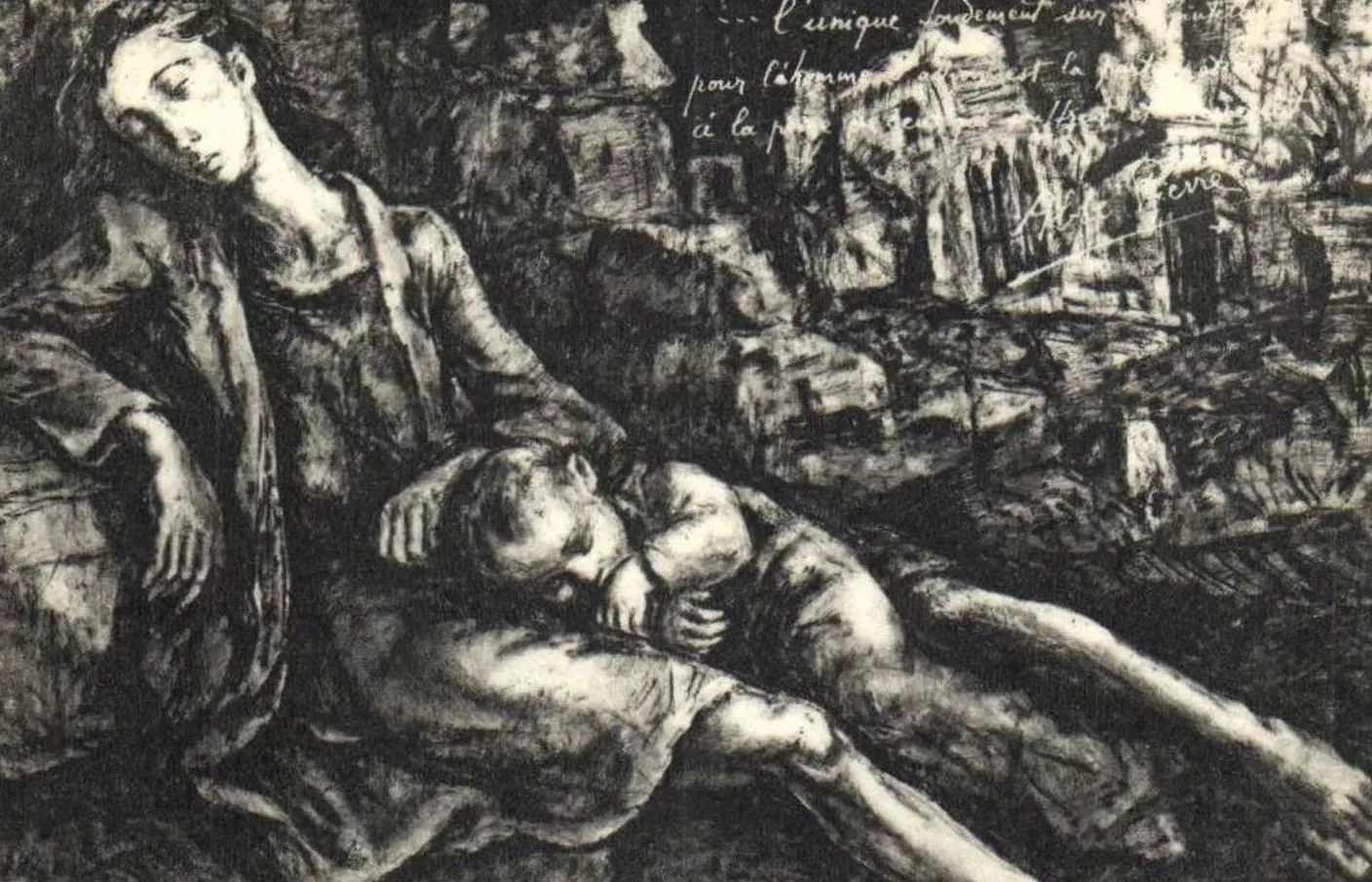
Defining a war painting
A war painting is a work often painted on a flat surface, which will in most cases be produced using the oil-on-canvas technique. Some works, however, are produced using drawing, etching, charcoal, oil on bristol or other techniques. These are no longer, as in the 19th century and notably as in the First Empire paintings representing battle scenes and History paintings in the academic sense. Works associated with the Second World War were more likely to depict the historical consequences of the conflict.
Artists took advantage of the new artistic currents emerging at the beginning of the 20th century, and ceased to conform to the material and stylistic constraints of the Académie. All currents were put to good use. Some, such as Academism, Impressionism and the paintings of the Nabis, had fallen into disuse by the time the Second World War came around. Expressionism, particularly German Expressionism, and Figuratism now dominate the scene.
Representing the Second World War and the Holocaust
The twentieth century was marked by two major wars that had a major influence on the history of art.
During and after the Second World War, art reflected the pain and horror of six years of conflict and deportation in Europe. It was a need and a necessity for artists and audiences alike. Expressionism, emerging before the First World War, was the driving force behind this category of paintings. Two Expressionist groups existed in Germany: Die Brücke (the Bridge), whose members included Ernest Ludwig Kirchner. The other group, Die Blau Reiter (the Blue Rider), included Kandinsky, Franz Marc and Auguste Macke, among others. These two groups were to exert a major influence on the works produced during the Second World War.
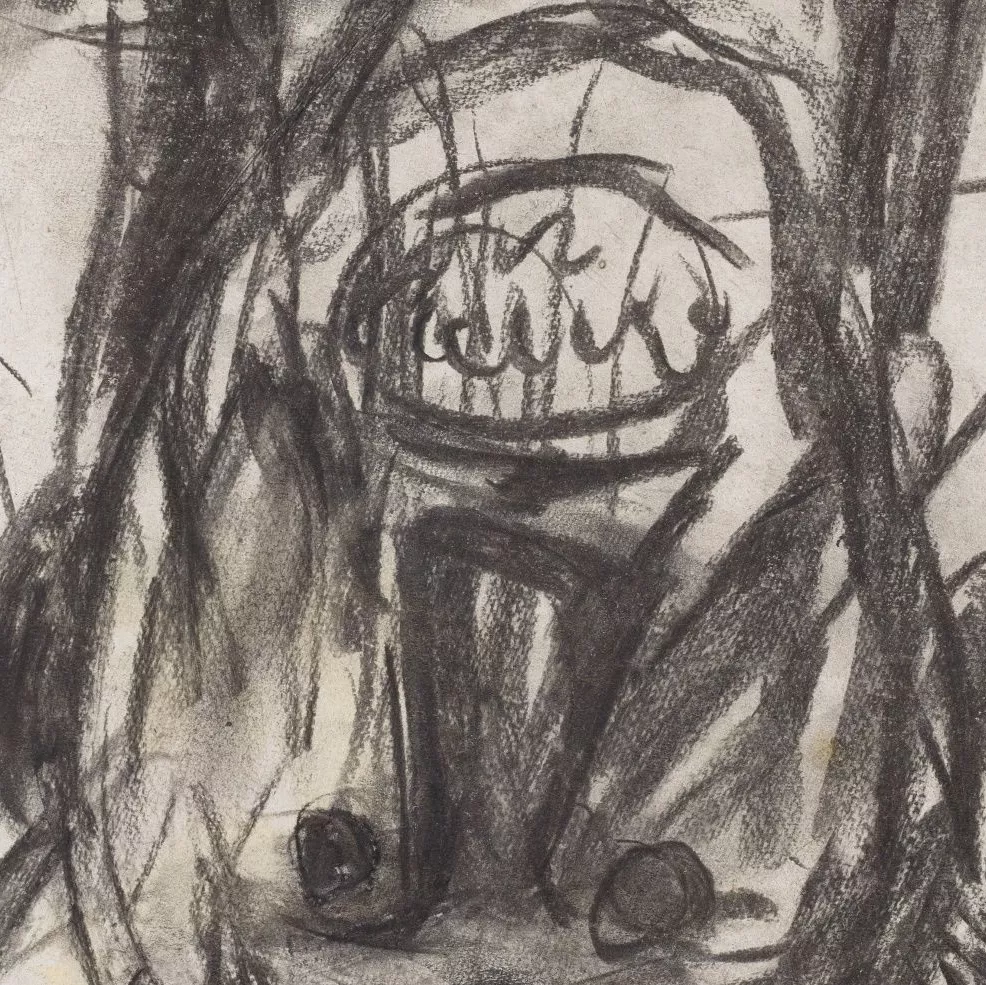
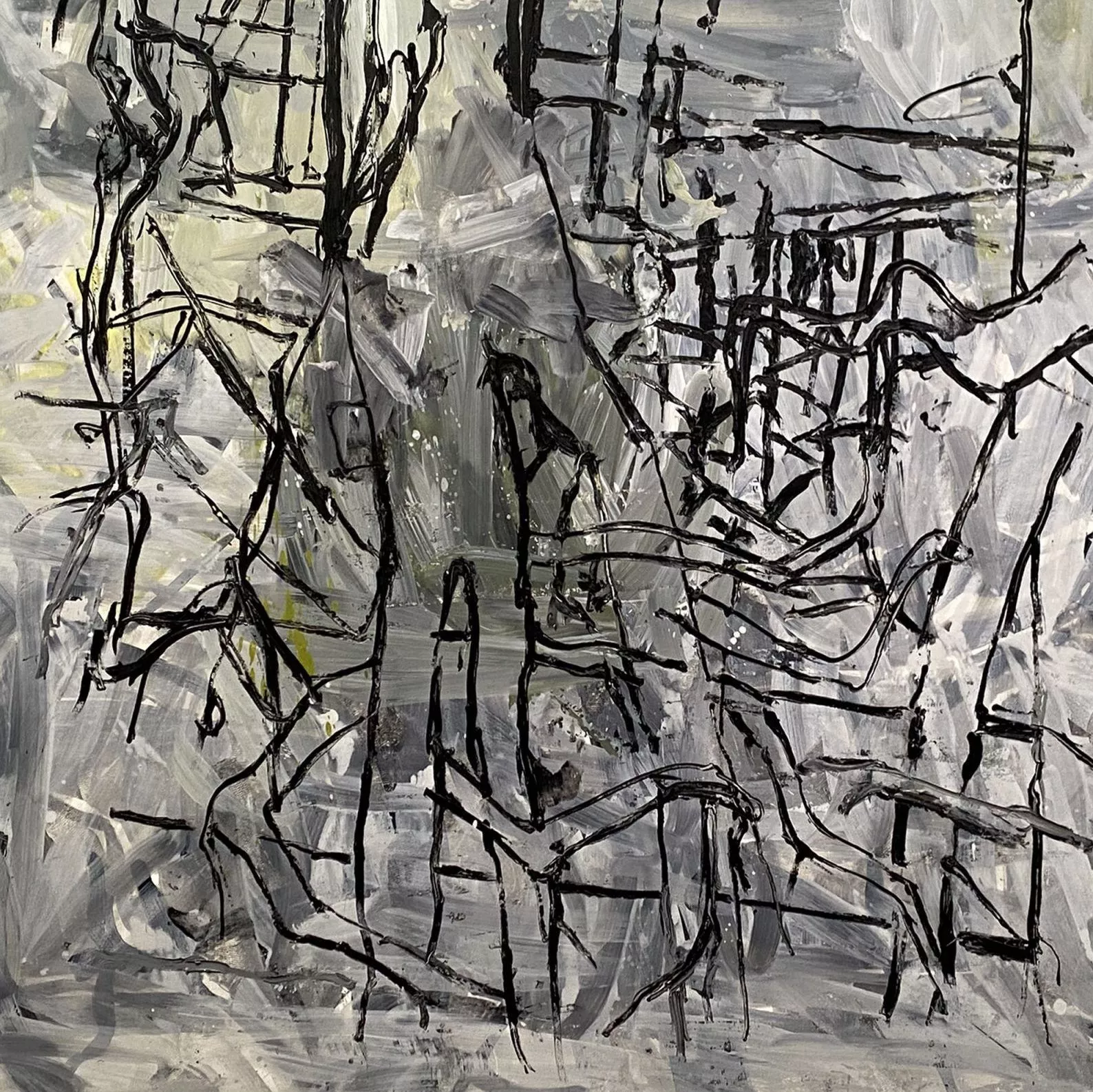
Many artists, such as Zoran Music, lived through the concentration camps and used art to externalize their emotions and leave an artistic trace of the Holocaust. The result is striking, like the works of Primo Levi or Jeorge Semprun. Today, his works have become true historical witnesses, as important as the manuscripts recovered from this period and later literature.
Other artists lived through these tragic events vicariously. This was the case for Maurice Mendjisky, who lost part of his family and saw the Polish ghettos with his own eyes. Like Marguerite Duras in La douleur, he externalizes his suffering in his work.
Younger artists, such as Georg Baselitz, also depicted the consequences of this war in their own way. For his part, he expressed above all through his works life within his fractured country.
The signing of paintings
Some war paintings from the Second War are not signed, and neither are the backs of their frames. That's why it's important to have your work appraised.
Know the definite value of your painting
If you happen to own a painting from this period, whatever the school, or think you might, don't hesitate to request a free appraisal using our form on our website. A member of our team of experts and chartered auctioneers will contact you promptly with an estimate of the market value of your painting, and will provide you with all the relevant information. If you wish to sell your product, you will also be accompanied by our specialists in order to benefit from alternatives to sell it at the best possible price, taking into account the inclinations of the market.
Estimate in less than 24h
Works from the same period sold at auction

Estimated 15.000 - 20.000 €
Alfred Auguste Janniot (1889-1968) attributed to : Very large bas-relief

Estimated 15 000 - 20 000 €
Jean HENNINGER (1916-1994) Hunting scene.

Estimated 15.000 - 20.000 €
Jacques MAJORELLE (1886-1962) - Fishermen embarking, Abidjan, Ivory Coast - Oil on canvas.

Estimated 10.000 - 15.000 €
Ebridge Ayer BURBANK(1858-1949), Young African-American boy, Oil on panel.

Estimated 4.000 - 6.000 €
GASTON CHAISSAC (1910-1964) Composition 1947, Gouache and Indian ink on paper.
Discover in the same theme

Rating and value of works, drawings, paintings by Eugène Fro...
Eugène Fromentin was a twentieth-century Orientalist painter who produced drawings and oils on canvas that are highly prized on the auction market.
Learn more >

Rating and value of works, drawings, paintings by Gen Paul
Gen Paul is a twentieth-century Cubist artist who produced drawings, paintings and oil on canvas that are appreciated and quoted at auction.
Learn more >

Rating and value of paintings by Alexander Deineka
Alexander Deineka is a Russian artist who has produced engaged art, and works that are highly rated and valued at auction. 24h estimate
Learn more >

Secure site, anonymity preserved

Auctioneer approved by the State

Free and certified estimates
Frequently asked questions
-
What are the dominant artistic trends in paintings of World War II?The most prominent movements are Expressionism—particularly German Expressionism—and Figurative Art. Expressionism, which emerged in the early 20th century with groups such as Die Brücke and Der Blaue Reiter, exerted a major influence on works created during and after World War II. These movements allowed artists to break free from academic constraints in order to depict the pain and horror of the conflict.
-
What is the price range for World War II paintings at auction?The value of paintings from this period varies considerably: from €55 for simple academic paintings to €36,448,000 for prestigious Expressionist works. Post-Impressionist paintings range from €120 to €1,698,660, while figurative paintings range from €230 to €7,487,350. This wide range reflects the importance of the artist’s identity, their school, the work’s condition, and the subject depicted.
-
How do I have a World War II painting authenticated and appraised?Auctie's offers a free, no-obligation appraisal conducted by state-certified experts and auctioneers. Simply submit your painting using the form on our website, and a member of our team will contact you promptly to provide an accurate estimate of your artwork’s market value—even if the painting is unsigned.
-
Is this the right time to sell a painting from World War II?Yes, paintings from World War II are currently sought after by collectors of all nationalities. They are of particular interest to buyers because they serve as important historical records, just as significant as manuscripts or literature from that era. Auctie's works with sellers to help them take advantage of the best market conditions and achieve the optimal price.
-
How does the sale of a work of art work at Auctie's?Auctie's guides you from the free appraisal all the way through to the auction. After evaluating your painting, our specialists will help you choose the best sales approach based on market conditions and your preferences. Throughout the process, you’ll benefit from the expertise of our auctioneers to maximize the final sale price of your artwork.
