



Rating and value of works and vases by Aristide Colotte

Key takeaways
- Aristide Colotte's vases sell for between €200 and €15,200; the *Vase au doryphore* (1957) fetching €15,200 in 2014 despite an initial estimate of €1,500–2,000.
- This French artist (1885–1959) revolutionized 20th-century glass art with his sculptural direct-cutting technique and the play of light on polished surfaces, distinguishing his approach from that of Émile Gallé or René Lalique.
- Simple glass pieces are valued at €200 to €6,100, while his prestigious vases can fetch up to €20,000 depending on their technique, style, and documented provenance.
If you own an object by or after Aristide Colotte, and would like to know its value, our state-approved experts and auctioneers will offer you their appraisal services.
Our specialists will carry out a free appraisal of your work, and will provide you with an accurate estimate of its value on the current market.
Then, should you wish to sell your work, we will direct you to the best possible arrangement to obtain the optimum price.
Rating and value of works by Aristide Colotte
Aristide Colotte is a French artist who is fairly well known to crystal enthusiasts. If you own one of his works, it may be worth more than you think. On the art market, prices for Colotte's works can be very high at the auctioneer's hammer.
His glass vases are particularly prized by French and American buyers, and the price at which they sell on the art market ranges from €200 to €15,200, a fairly substantial range, but one that says a lot about the value that can be attributed to Aristide Colotte's works.
In 2014, the Vase au doryphore dating from 1957 sold for €15,200 while it was estimated at between €1,500 and €2,000.
Order of value from a simple work to the most prestigious
Technique used | Result |
|---|---|
Glass objects. Glass | From €200 to €6,100 |
Vase | From €550 to €20,000 |
Estimate in less than 24h
Style and technique of Aristide Colotte
Aristide Colotte (1885-1959) was a designer whose approach to glass embodied a veritable revolution in twentieth-century glass art.
Working with an undeniable mastery of the material, he redefined glass as a living material, capable of capturing light and evoking emotion, rather than as a mere decorative element.
His work is in continuity with the great glassmaking traditions while introducing formal innovation, particularly marked in his sculptural objects.
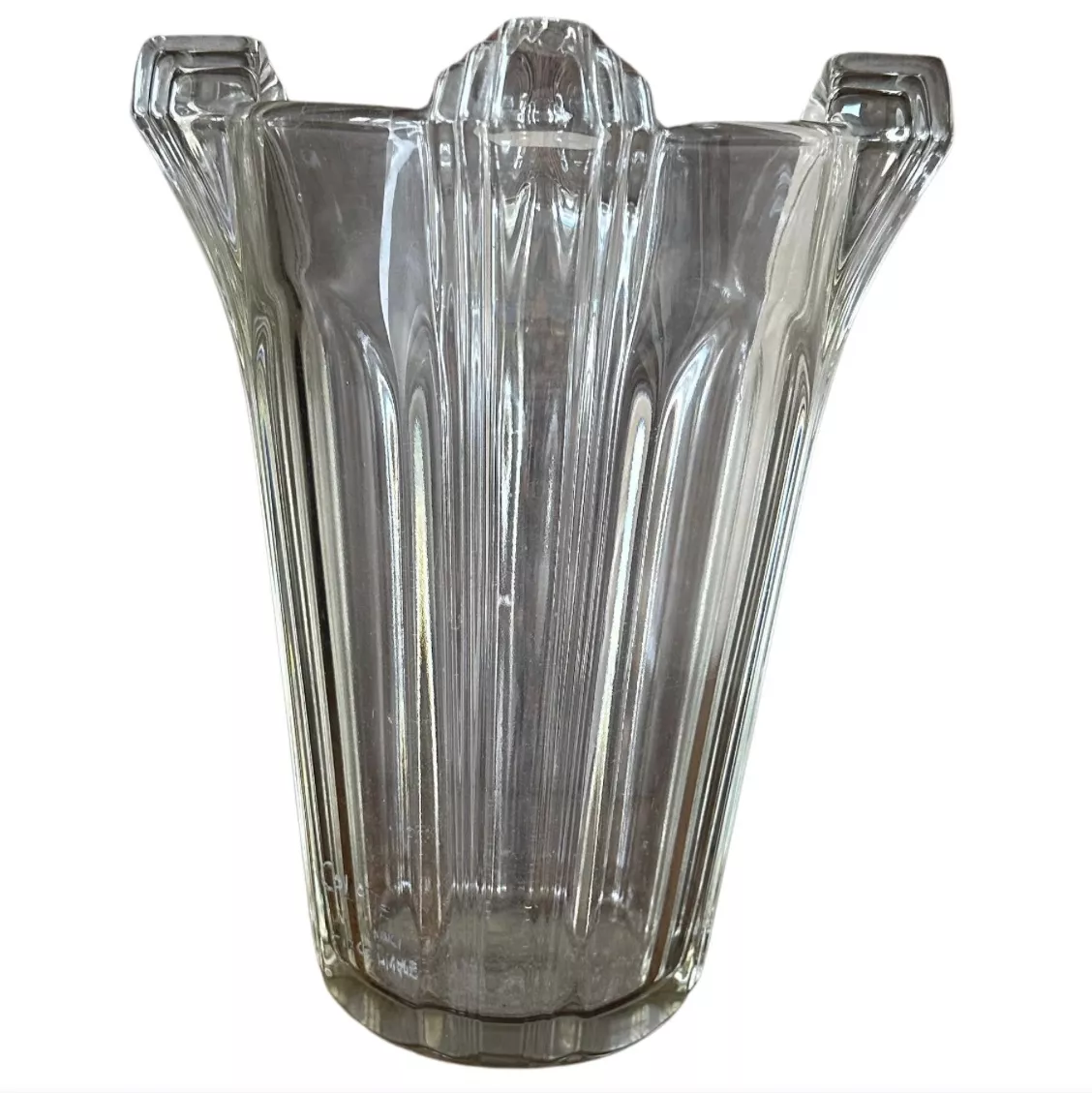
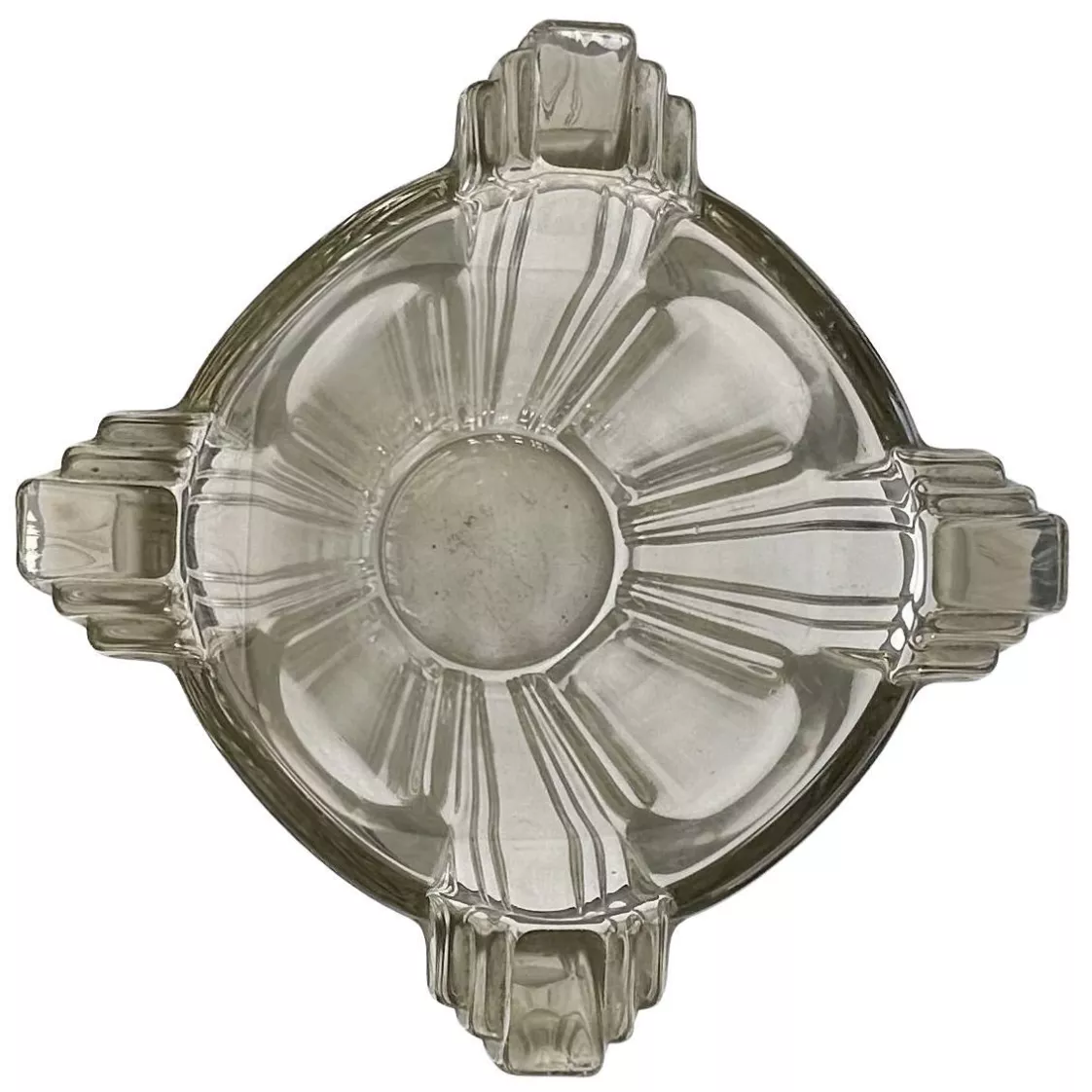
While imbued with Art Deco aesthetics, Colotte manages to create a dialogue between texture and color, making each piece almost organic in its appearance.
His visual vocabulary is characterized by a subtle use of reliefs and polished surfaces, creating unique plays of light that transform the object into a vibrant work of art.
This treatment of the surface is particularly marked in his vases, lamps and sculptures, where every curve and facet is meticulously thought out to give the work a living, changing dimension, following the variations of light in the space.
Through his work, Colotte succeeds in infusing glass with a new sensibility, making it almost as fluid as the light it captures.
Artist and technician, Colotte established himself as a key figure in twentieth-century art glass, influenced by the Art Deco movement, while adding a personal touch of great expressive power.
The life of Aristide Colotte
Aristide Colotte (1885-1959), born in Paris, was an artist whose career was marked by a search for the purest expression through glass.
At a very young age, he showed an interest in the decorative arts, training in the glass trades at the great Parisian schools and workshops.
This early career in technique and ornamental creation soon led him to collaborate with renowned master glassmakers, where he developed a pronounced taste for experimentation.
His encounter with Art Deco was to prove decisive: he immersed himself in this movement, which favors elegance and aestheticism while emphasizing geometric shapes and the interplay of textures.
From then on, his work became a veritable dialogue between tradition and modernity, seeking to push back the boundaries of glass while honoring its history.
Colotte, influenced by the great names of the decorative arts of his time, but with a sensibility of his own, quickly established himself as one of the greatest glass craftsmen.
Settling permanently in Paris after several stays abroad, he developed a prolific production, giving birth to decorative objects, sculptures, vases and lamps that marked an era.
His reputation grew, but it was beyond the simple creation of utilitarian objects that he distinguished himself, turning glass into a true art in its own right.
Recognized for his skill and technique, Aristide Colotte left an indelible legacy in the world of glass, a testament to his ability to sublimate the material and offer it a new aesthetic dimension.
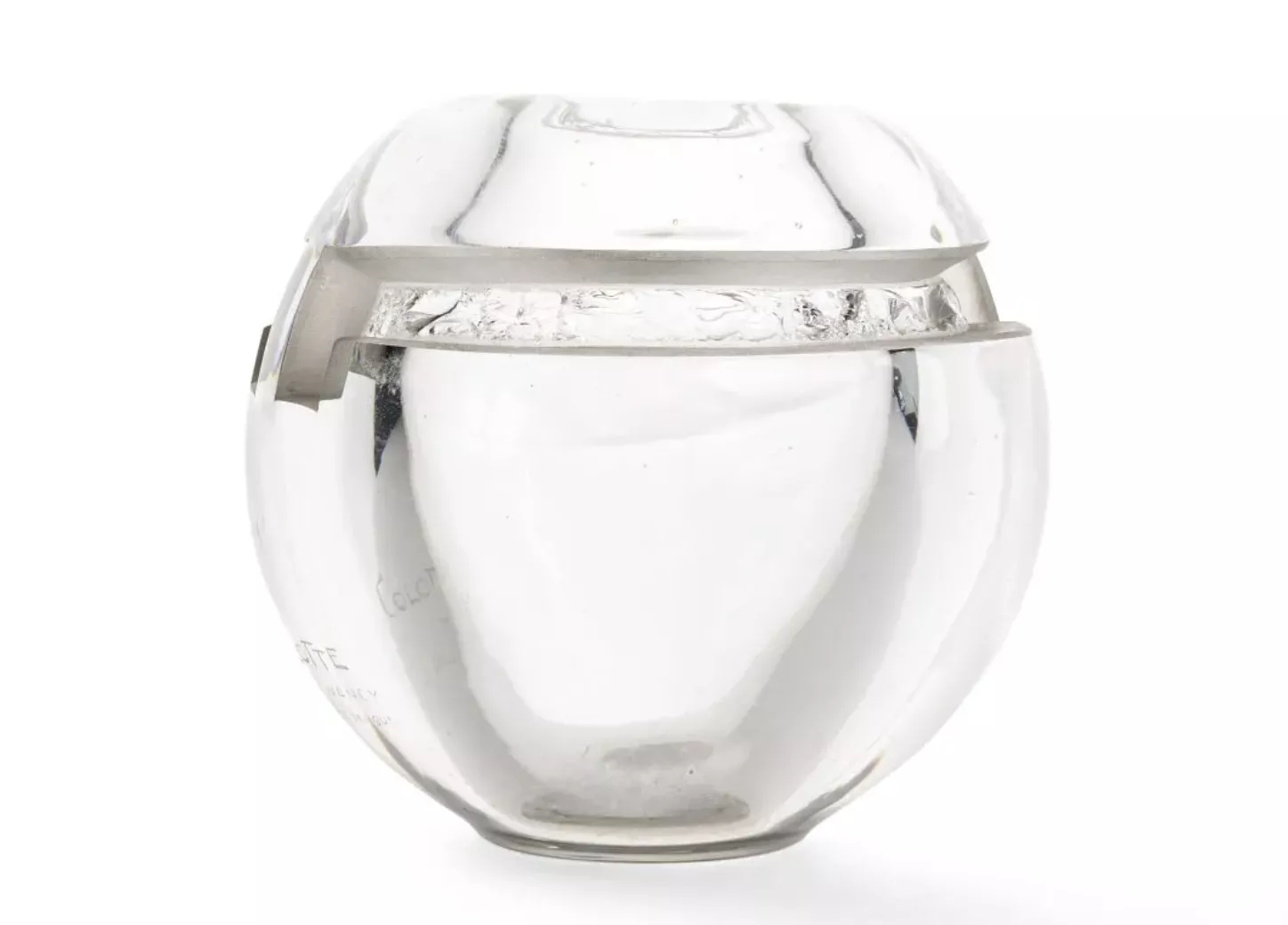
Focus on Vase au doryphore, 1957
One of the most representative pieces of Aristide Colotte's talent is his sculpted glass vase, where the material seems cut with the precision of a lapidary.
Playing on the contrasts between polished surfaces and deliberately rough areas, he lends the work a particular, almost tactile dynamism that catches the light in unexpected ways.
The geometric rigor of the design, inherited from Art Deco, blends with a freer approach to form, giving rise to a subtle balance between structure and fluidity.
The artist doesn't just model glass, he makes it vibrate under the effect of his deep cuts, which sometimes evoke stone sculpture.
This treatment of the surface, characteristic of his work, reinforces the play of shadows and reflections, giving new depth to transparency.
With this work, Colotte demonstrates his ability to transcend the material, imposing his own language on it while revealing its intrinsic fragility.
This vase, both functional and sculptural, thus testifies to his ambition: that of elevating the art of glass to the rank of a major discipline, where the artist's hand dialogues with light to compose a work where technical rigor serves a profoundly aesthetic vision.
Aristide Colotte's imprint on his period
Aristide Colotte stands out as a singular figure in twentieth-century glass art, pushing back the limits of the material with an unprecedented sculptural approach.
At a time when glass was still largely perceived as a decorative or utilitarian medium, he gave it a plastic and expressive dimension that brought it closer to modern sculpture.
His direct-cut work, inherited from the lapidaries, introduced a new radicality to the field, influencing a generation of glass artists and craftsmen keen to explore the material beyond the traditional techniques of blowing or casting.
In a context marked by the rise of Art Deco, then by the evolution towards a more refined aesthetic after the war, Colotte infused glass with a formal rigor in which light became a structuring element of the work.
His influence can also be seen in the gradual recognition of cut glass as an artistic field in its own right, a status he helped to legitimize through the demands of his technique and the strength of his compositions.
Although his name is sometimes overshadowed by those of the great glassmakers, his influence is very real: by rehabilitating cut glass as a sculptural mode of expression, he opened the way to a new perception of glass, where the artist's hand dialogues with the material to reveal all its tensions and subtleties.
Aristide Colotte's stylistic influences
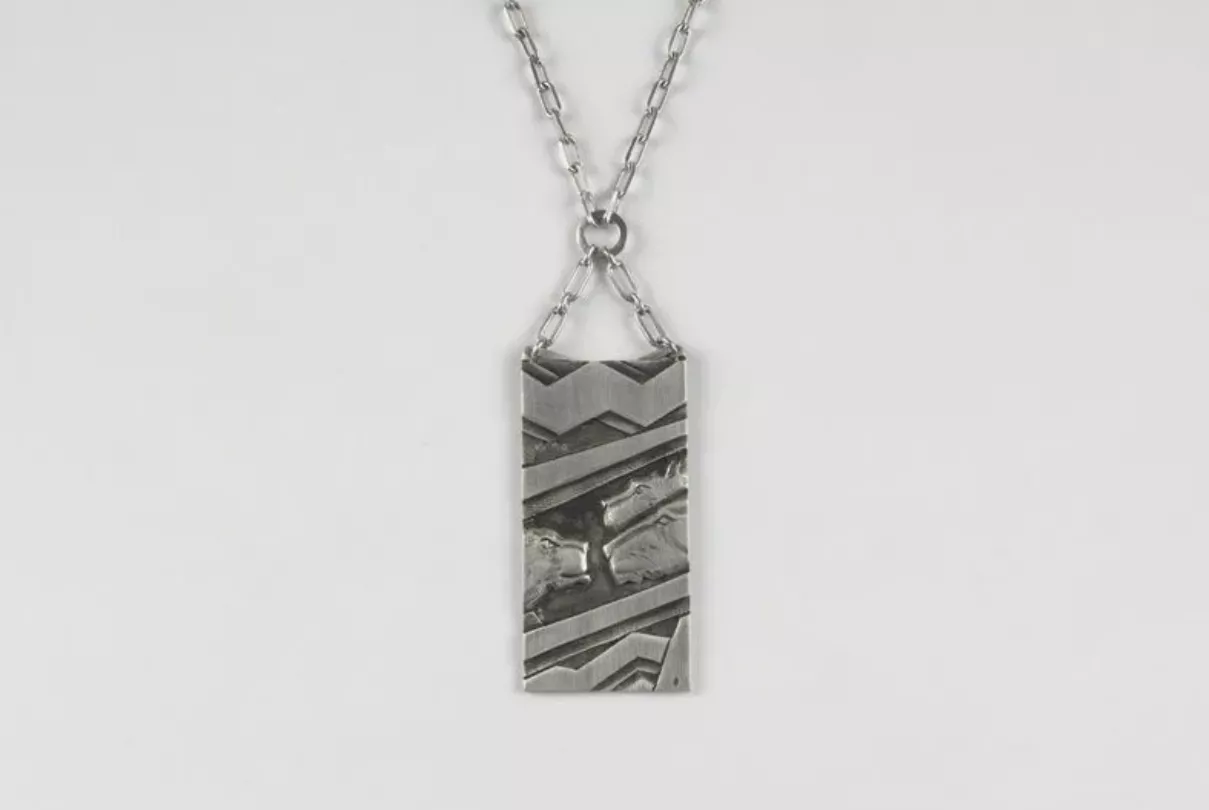
Aristide Colotte is part of a tradition in which glass, long confined to the decorative arts, emancipates itself to become a sculptural medium in its own right.
His approach owes much to the heritage of lapidaries and stone engravers, whose principles he transposes to a material that is more fragile but just as capable of capturing light.
In this way, he sets himself apart from the great glassmakers of his day, such as Émile Gallé or René Lalique, who favor blow-molding, marquetry or acid etching, asserting an aesthetic based on direct cutting and alternating polish.
This geometric rigor, which sometimes evokes the precision of Baccarat or Saint-Louis crystal works, is also in the wake of Art Deco, a movement to which it brings a more raw, sculptural dimension.
His work dialogues with that of contemporaries such as Maurice Marinot, who also explores the materiality of glass by playing on the effects of texture and transparency.
But with Colotte, light doesn't just animate the surface: it is a structuring element, sculpted as much as revealed by the cut.
It's also worth noting the influence of mineral forms and chiseled volumes found in certain trends in modern sculpture, notably in Brancusi or Zadkine, whose quest for simplification dovetails with his quest for purity and balance.
By reinterpreting these influences in the language specific to glass, Colotte frees himself from decorative canons to impose an aesthetic where the material dictates its own rhythm, between geometric rigor and luminous expressiveness.
Recognizing Aristide Colotte's signature
Not all objects produced by Aristide Colotte are signed. That's why it's important to have your pieces appraised.
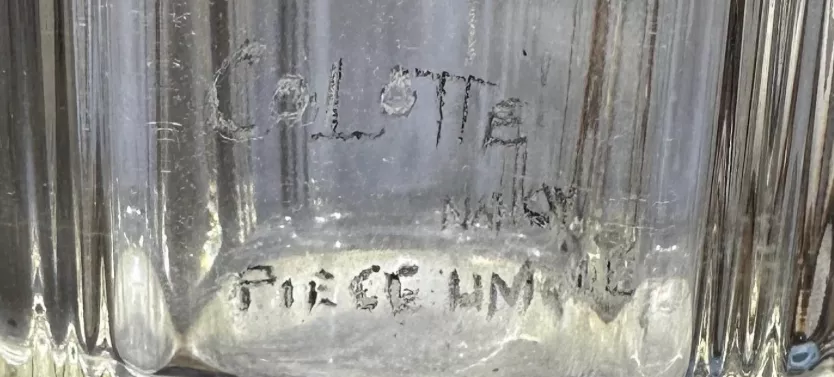
Knowing the value of a work
If you happen to own a work by or after Aristide Colotte, don't hesitate to request a free valuation using our form on our website.
A member of our team of experts and certified auctioneers will contact you promptly to provide you with an estimate of the market value of your work, as well as ad hoc information about it.
If you are considering selling your work, you will also be accompanied by our specialists in order to benefit from alternatives for selling it at the best possible price, taking into account market inclinations.
Estimate in less than 24h
Discover in the same theme

Rating and value of Warren Platner furniture, chairs, tables
Warren Platner is a 20th-century American designer and architect whose stock is rising. His works are highly prized at auction.
Learn more >

Rating and value of paintings by Gaston Balande
Gaston Balande is a French landscape painter who produced works that are highly valued at auction. Estimate in 24h.
Learn more >

Rating and value of paintings, drawings and engravings by Ar...
Arthur-Luiz Piza is a Brazilian abstract artist who has excelled in the medium of printmaking but has also produced other highly-regarded works.
Learn more >
Other works sold at auction

Estimated 6.000 - 8.000 €
Maurice MARINOT (1882-1960), Quadrangular bottle in black and white glass, made in 1934.

Estimated 2.000 - 3.000
BACCARAT Harcourt cut-crystal glass set

Estimated 600 - 1.200
Charles SCHNEIDER (1881-1953) CHARDER LE VERRE FRANÇAIS "Myrtilles", model created circa 1927-28

Estimated 800 - 1.200
René LALIQUE (1860-1945) Suite of six Savergne crystal glasses

Estimated 1.000 - 2.000
DAUM France, Butterflies, Pair of wall lights in pâte de verre

Estimated 800 - 1.200
Amalric WALTER (1869-1959) and JEAN ADNET (1900-1995), Glass paste bowl with high-relief decoration

Secure site, anonymity preserved

Auctioneer approved by the State

Free and certified estimates
Frequently asked questions
-
Who is Aristide Colotte, and what is his artistic style?Aristide Colotte (1885–1959) was a leading French artist in 20th-century art glass, known for revolutionizing the approach to glass by treating it as a living, sculptural material. His style, influenced by Art Deco, is characterized by direct glass cutting, subtle plays of light, and the alternation of polished and rough surfaces, which distinguishes his approach from that of contemporary glassmakers such as Gallé and Lalique.
-
What is the price range for Aristide Colotte's vases?Aristide Colotte's vases generally sell for between €550 and €20,000, with exceptional pieces fetching much higher prices. For example, the 1957 “Vase with the Colorado Potato Beetle” sold for €15,200 at auction, well above its initial estimate of €1,500 to €2,000.
-
How can you authenticate a work by Aristide Colotte?Since not all items produced by Aristide Colotte are signed, it is important to have your pieces appraised by an expert. Auctie's offers a free, no-obligation appraisal request through its certified auctioneers and experts, who will provide you with a reliable valuation and comprehensive information about your piece within 48 hours.
-
Is this the right time to sell a work by Aristide Colotte?Yes, now is a good time to sell. Aristide Colotte’s vases and glass objects are in steady demand, particularly among French and American buyers, and market prices for his creations remain stable or are rising, thanks in large part to the growing recognition of cut glass as a major artistic discipline.
-
How does the appraisal and sale process work at Auctie's?The appraisal is free and non-binding: simply fill out a form on the website, and an expert will contact you shortly and provide you with a market valuation within 48 hours. If you’d like to sell, Auctie’s will guide you from the appraisal to the auction, offering you the best options for selling your artwork at the best price based on market trends.
