



Rating and value of paintings by Othon Coubine

Key takeaways
- Othon Coubine, a pioneer of Fauvism and Cubism, has works valued between €10 and €274,000, depending on the technique used.
- Oil-on-canvas paintings represent the most valuable segment, ranging from €180 to €274,000, compared to €10 to €2,900 for prints.
- In 2020, the Cubist painting “Prophet” sold for €274,000, exceeding its initial estimate of €200,000 to €220,000.
If you own a work by or after the artist Othon Coubine, and would like to know its value, our state-approved experts and auctioneers will offer you their appraisal services.
Our specialists will carry out a free appraisal of your work, and provide you with an accurate estimate of its value on the current market.
Then, if you'd like to sell your work, we'll point you in the right direction to get the best possible price for it.
Rating and value of the artist Othon Coubine
Considered one of the pioneers of fauvism and cubism, Othon Coubine quickly made his mark on twentieth-century art. This legacy is made up of various creations : engravings, drawings, but above all oils on canvas.
At present, the prices of his works are rising enormously under the auctioneers' hammer.
His creations are particularly prized and the price at which they sell on the art market ranges from €10 to €274,000, a considerable gap but one that speaks volumes about the value that can be attributed to Coubine's works.
In 2020, a Cubist painting entitled Prophet, sold for €274,000 while it was estimated at between €200,000 and €220,000.
Order of value from a simple work to the most prestigious
Technique used | Result |
|---|---|
Estamp - multiple | From €10 to €2,900 |
Drawing - watercolor | From €25 to €4,200 |
Sculpture - volume | From 700 to 29 000€ |
Oil on canvas | From 180 to 274 000€ |
Estimate in less than 24h
Style and technique of artist Othon Coubine
Othon Coubine was an essential figure on the early 20th-century art scene, influenced by Cubism and Fauvism, but also by all the new theories on colorimetry.
His style, marked by bold colors and luminous hues applied in broad strokes, broke with the pictorial traditions of his time.
Like his contemporaries, he abandoned the precision of drawing in favor of the emotion conveyed by color - in keeping with the approach orchestrated by the cage aux fauves at the 1905 Salon.
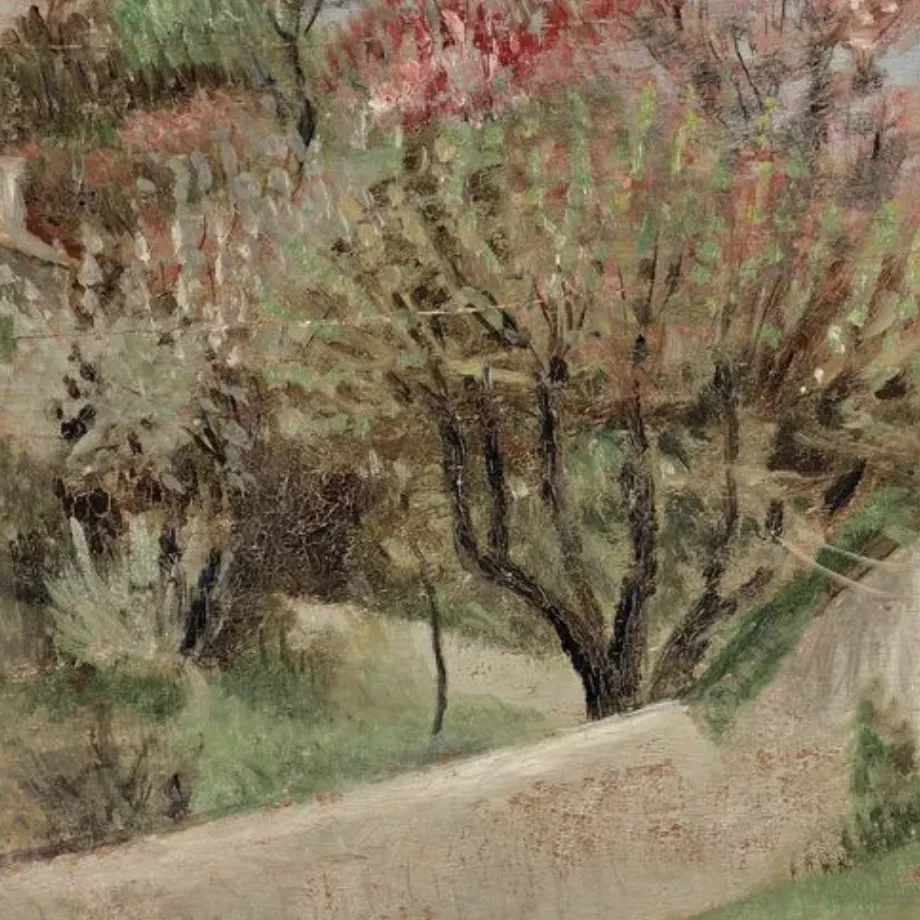
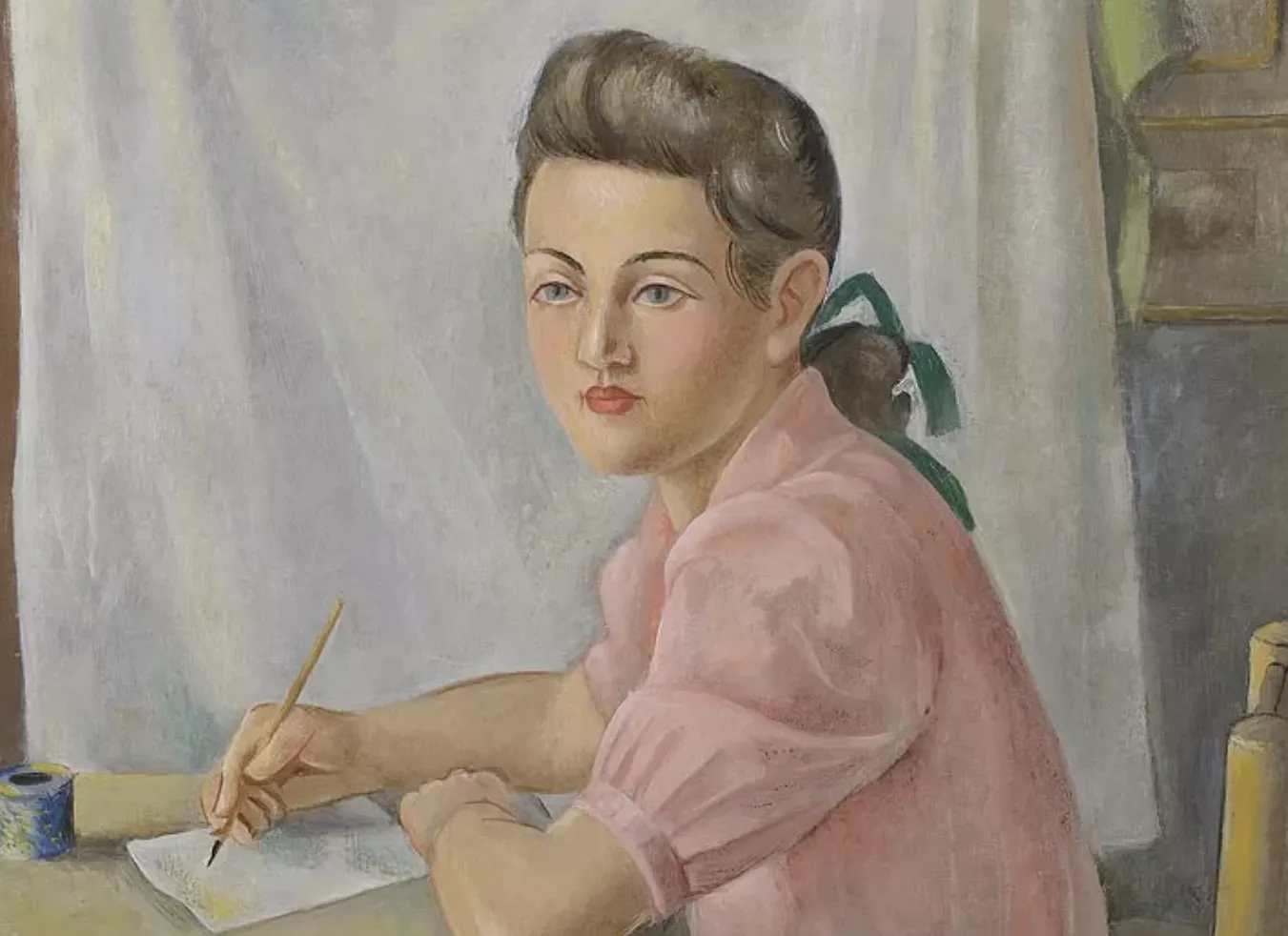
In addition to his landscapes of southern France, Coubine painted still lifes, portraits and rural scenes. His Provençal landscapes, with their warm, sunny tones, testify to his attachment to Mediterranean light.
However, some of his works reveal a darker dimension, evoking a certain nostalgia in the face of societal transformations.
Although he has explored different styles, Othon Coubine has always maintained a vigorous technique, with dense matter and an instinctive approach to gesture.
His canvases, animated by a sincere energy, reflect a deep connection with nature, while hinting at a touch of melancholy in the face of the upheavals of his time.
Othon Coubine: the quest for pure light
Othon Coubine, whose real name was Othon Kubín (1883-1969), became a fairly important figure within the Fauvist and Cubist groups.
Born in Bohemia, he spent a large part of his career in France, where he met many emerging artists eager to shake up conventions and revolutionize modern painting.
He draws inspiration from artists such as Maurice de Vlaminck, Jacques Villon or Louis Valtat.
Rapidly, he made a name for himself with a luminous, vibrant style of painting that broke with the academic traditions of his native country.
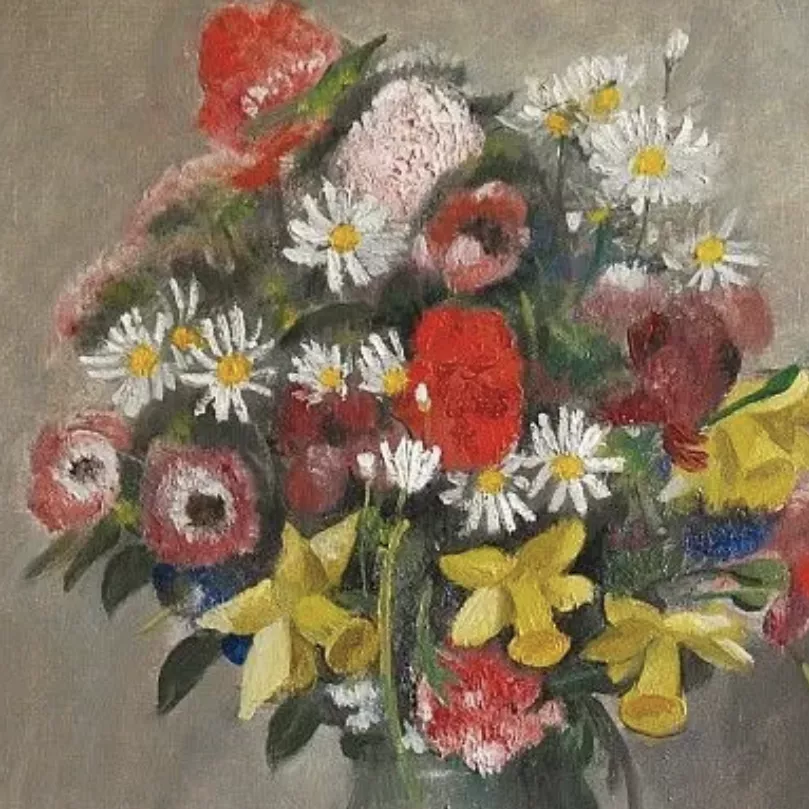
While best known for his Provencal landscapes, Coubine also explores still lifes, capturing the warmth and texture of everyday objects with a vibrant palette.
He briefly turns his attention to ceramics, a discipline he experiments with passionately, but which remains little known to the general public.
Coubine owes some of his initial recognition to his exhibitions in Bohemia, which quickly attract the attention of European critics. However, it was his encounter with the light of southern France that marked a decisive turning point in his work.
Alongside painting, he devoted himself to photography, documenting the Mediterranean landscapes that inspired him.
His marriage to a Frenchwoman, Mathilde Faucon, coincided with the beginning of his notoriety in France, although his first significant sales were slow in coming.
It was in Provence, alongside artists such as André Lhote and Albert Marquet, that he fully developed his style. His landscapes, bathed in light, reflect his fascination with color and his desire to capture the unique atmosphere of the Midi.
In 1925, Coubine took part in the Salon des Indépendants in Paris, where he exhibited with the Post-Impressionists and Fauves, artists who shared his quest for pure color.
His work attracted the attention of dealers such as Paul Guillaume, who supported his career and introduced him to prestigious galleries.
His career was disrupted by the rise of Nazism in Europe, however, and he returned to Bohemia during the Second World War. After the war, he settled permanently in Provence, where he continued to paint despite the turbulence of the times.
In his final years, Othon Coubine remained faithful to his vision of light and color, refusing to follow contemporary trends.
His work, marked by a delicate touch and sunny tones, reflects a constant quest for beauty and harmony in the face of a changing world.
Analysis of La Baigneuse by Othon Coubine
La Baigneuse by Othon Coubine is a landmark work in his exploration of the human body and the light of the South.
This painting, set in the luminous, warm world of the Midi, perfectly illustrates the artist's quest to capture the essence of color and light in the representation of the human body.
At first glance, the viewer is struck by the intensity of the warm tones that envelop the figure of the bather.
The body is bathed in yellows and oranges, treated with a thick paste of paint that lends the whole an almost tactile texture.
Coubine does not seek a realistic representation, but rather a vibrant interpretation of the human form, where every curve and contour is accentuated by pure color.
The bather's skin, far from approximating a natural complexion, becomes the object of a bold play of contrasts. The deep blue that unfurls around the figure seems to be an extension of the Mediterranean light, bright and fascinating.
These gesturally applied touches of color are part of an instinctive approach to painting, true to Coubine's spirit, which seeks above all to capture the atmosphere of a moment, not to render an exact reality.
The background, with its subtle shades of sand and green, evokes the sea and sky, but remains sufficiently blurred to let the figure at the center of the painting stand out like a living organism, vibrating under the effect of light.
Coubine's treatment of paint
Othon Coubine's treatment of paint is equally characteristic of his style. The brushstrokes are broad, supple and visible, giving the work a fluid texture and immediacy reminiscent of the liveliness of the painterly gesture.
There's a certain lightness to the way Coubine applies paint, a fluidity that can be seen in the rapidity of movement and the energy that emanates from it.
This spontaneous, almost instinctive approach is one of the distinctive features of his work, where color is applied directly, without thinners, in visible, powerful layers.
The body, although treated in a range of soft colors, nevertheless retains a striking expressiveness. Curves are shaped by warm, luminous colors, creating a sense of movement and life.
Shadows, almost imperceptible, are rendered with subtle touches, bringing depth without weighing down the whole.
Coubine does not seek to reproduce an exact physical reality, but rather to convey an impression of light and fluidity, an almost unreal presence of the model.
The background, in harmony with the figure, is composed of bright, nuanced colors, which blend with the subject, blurring the boundary between it and its surroundings. Unlike traditional portraits, where the background is often discreet, Coubine fills it with colors that seem to vibrate with the subject, an approach that accentuates the impression of fusion between the model and her frame.
The painting thus embodies the essence of Coubine's work, which favors a fluid, luminous approach to painting.
With this work, he succeeds in capturing the emotion of the moment, capturing the beauty of the body in soft, radiant light, while blurring the boundaries between subject and environment.
The legacy of Othon Coubine
Othon Coubine is an artist whose work evolves in harmony with the changes that mark his time.
He participates, alongside the modern artists of his time, in redefining the contours of contemporary art, particularly through a bold use of color and a desire to break free from the constraints of academic realism.
His career, which spanned several decades, was enriched over time by an ever-increasing search for expressionism, a sensibility exacerbated by the social and artistic upheavals of the 20th century.
Like many artists of his time, he attached paramount importance to color, seeing it as a powerful emotional vector, far more than a mere tool of representation.
His works reflect a desire to liberate color from its traditional limits, in the manner of the great precursors of abstraction, while cultivating a pictorial approach in which form and matter unite to convey a raw, sincere emotion.
The most sought-after Coubine canvases today, marked by bright, luminous hues, perfectly illustrate this quest for harmony between the subject and its chromatic treatment.
His compositions, where the fluidity of gesture meets the luminosity of color, continue to seduce collectors and art lovers alike, testifying to his central role in the evolution of modern art and his lasting influence on the art scene.
Recognizing the artist's signature
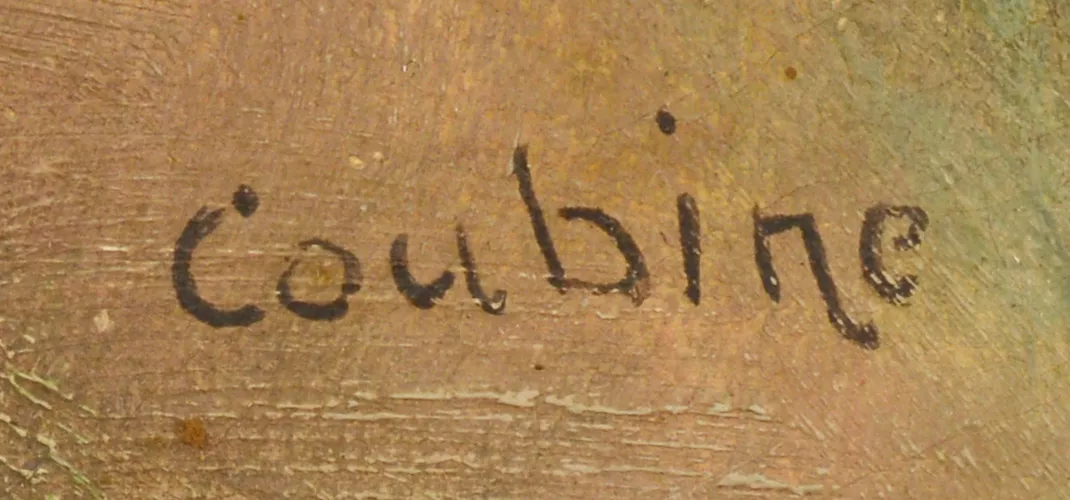
Not all of Othon Coubine's works are signed, and copies may exist. Here's an example of his signature.
Knowing the value of a work
If you happen to own a work by Othon Coubine or after the artist, don't hesitate to request a free valuation using our form on our website.
A member of our team of experts and licensed auctioneers will contact you promptly to provide you with an estimate of the market value of your work, not forgetting to send you ad hoc information about it.
If you are considering selling your work, our specialists will also help you to find alternatives for selling it at the best possible price, taking into account market inclinations.
Estimate in less than 24h
Discover in the same theme

Rating and value of works, sculptures by René Coutelle
René Coutelle is a twentieth-century contemporary artist who has produced refined sculptures that can be valuable at auction.
Learn more >

Rating and value of works, drawings, paintings by Pierre Eug...
Pierre Eugène Montezin is a twentieth-century Impressionist artist who produced drawings and oil paintings with a high auction value.
Learn more >

Rating and value of paintings by Anna Boch
Anna Boch is an Impressionist artist who produced paintings that are highly rated and valued at auction. 100% free estimate
Learn more >
D'autres tableaux expressionnistes vendus aux enchères


Secure site, anonymity preserved

Auctioneer approved by the State

Free and certified estimates
Frequently asked questions
-
Who is Othon Coubine, and what is his role in the history of modern art?Othon Coubine (1883–1969), born in Bohemia as Othon Kubín, is considered one of the pioneers of Fauvism and Cubism. Having settled in France, where he flourished in Provence, he revolutionized 20th-century painting through his bold use of color and his break with academic traditions. His work, characterized by luminous landscapes and a constant quest for pure color, continues to influence collectors and art lovers.
-
What is the price range for works by Othon Coubine?Prices for works by Othon Coubine vary considerably depending on the medium and quality: multiple prints range from €10 to €2,900, watercolor drawings from €25 to €4,200, sculptures between €700 and €29,000, and oil-on-canvas paintings—the most prestigious—between €180 and €274,000. In 2020, the Cubist painting “Prophet” notably exceeded its estimate, selling for €274,000.
-
How can you authenticate a work by Othon Coubine and determine its true value?To authenticate a piece of art and determine its exact value, we recommend that you request a free appraisal from Auctie's. Our team of experts and state-certified auctioneers will examine your piece and provide you with a detailed assessment of its current market value, with no obligation on your part.
-
Is this the right time to sell a work by Othon Coubine?Yes, now is a good time to sell a work by Othon Coubine. Prices for his works are rising steadily on the art market, and his pieces—particularly his oil-on-canvas paintings depicting Provençal landscapes or figurative scenes—are increasingly sought after by collectors. The market is increasingly recognizing the importance of this pioneer of Fauvism and Cubism.
-
How does the appraisal process work at Auctie's, and how do I sell an item?Appraisals at Auctie's are free and non-binding: simply fill out a form on our website, and an expert will contact you shortly with an accurate valuation. If you decide to sell, our team of specialists will guide you every step of the way, from the appraisal to the auction, to ensure you get the best possible price based on current market trends.
