



Colonial Art: Appraisal and Auction

Ebony furniture, ivory, and works from mixed-style schools: the value of colonial art varies greatly depending on the piece’s origin, material, and age.
Below you’ll find all our valuation guides dedicated to colonial art—colonial furniture, ivory, paintings from colonial art schools, and curios. Each guide details the price ranges observed at auction and the factors that determine a work’s value before you entrust it to our state-certified auctioneers.
Guides on this art movement
See all guides >
Rating and value of paintings by Marie Aimée Lucas Robiquet
Marie Aimée Lucas Robiquet is an Orientalist artist who produced a large body of work that is highly valued and appreciated.
Learn more >

Tableaux Alix Aymé - Value, quotation, artist
Alix Aymé is a 20th-century French artist. Her drawings and paintings are successful and highly prized at auction.
Learn more >
Understanding the Value of Colonial Art
What Is Market Value in the Colonial Art Market?
The market value of a colonial artwork refers to the benchmark value assigned to it by the secondary market at a given moment, based on the artist’s identity, the geographic region depicted, the subject matter, its condition, the strength of the documentation, and current demand.
This market encompasses a highly diverse body of work, created from the 18th to the mid-20th century by European artists stationed in the colonies, or by local artists trained alongside them, and which documents the landscapes, societies, and customs of the territories then under colonial administration.
Today, this market calls for a particularly careful approach, one that is both historical and ethical. Colonial artworks constitute valuable visual sources on a complex historical period, but their perspective—often shaped by the assumptions of the time—is subject to constant critical reevaluation by art historians.
This aspect does not preclude active demand from collectors, who are drawn to the pictorial quality of certain works, their documentary value, or their connection to a particular family or regional history; however, it calls for rigorous expertise that situates each piece within its exact historical context.
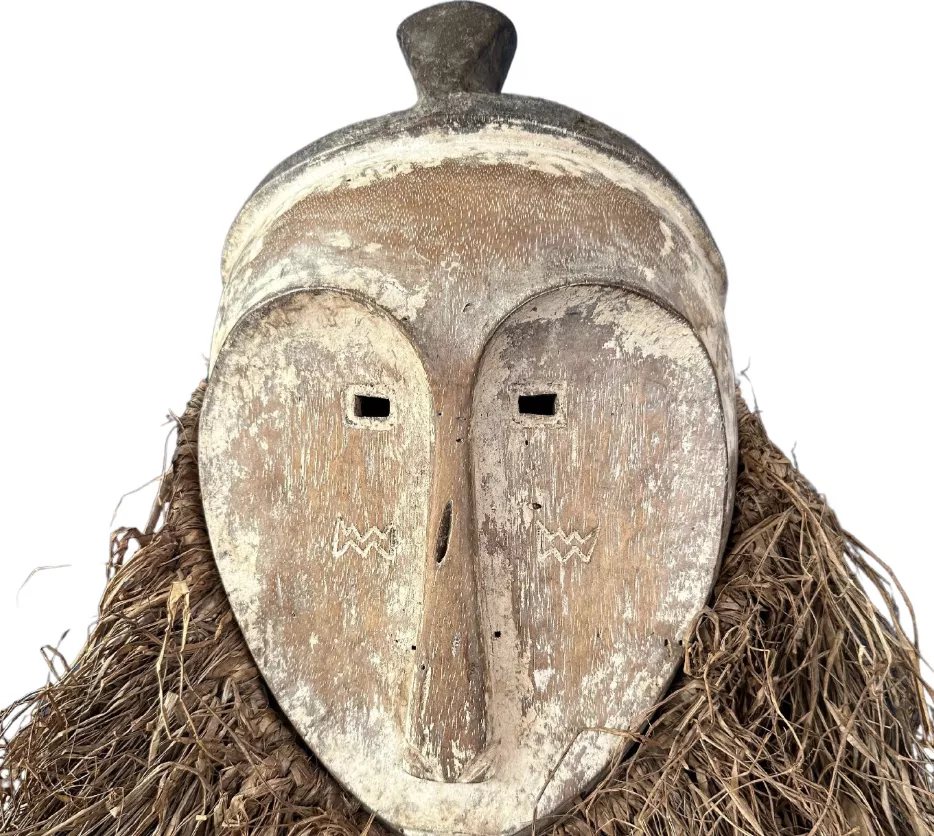
Why Colonial Art and Exotic Painting Appeal to the Market
Colonial art and exotic art in the broadest sense appeal to collectors with a variety of motivations: an interest in the history of former French colonies, a personal or family connection to a specific region—such as the West Indies, North Africa, Indochina, Madagascar, or simply a taste for the luminosity and exoticism of these compositions, which share with Orientalism a fascination for geographically and culturally distant lands.
The Caribbean market, in particular, benefits from specific and active demand, driven notably by collectors and institutions in the relevant departments and territories, eager to rediscover and promote this visual heritage.
Major colonial exhibitions, particularly the one held in Paris in 1931, marked periods of intense production and dissemination for this type of work, as many artists were specifically commissioned to document the overseas territories for that occasion.
This exhibition-related body of work, often of high technical quality, now constitutes a distinct and sought-after collection, whose documentary value regarding the history of colonial representations complements its purely pictorial interest.
Geographic Scope | Period | Key Themes | Market Demand Level |
French West Indies | 1800–1950 | Market scenes, Creole portraits, tropical landscapes | Active market, specific demand from the Antilles |
North Africa (colonial context) | 1830–1950 | Landscapes, scenes of daily life (close to Orientalism) | Robust, overlaps with the Orientalist market |
French Indochina | 1880–1945 | Landscapes, scenes of daily life, portraits (see also Indochinese School) | Very active, distinct niche market |
Sub-Saharan Africa (colonial context) | 1880–1950 | Scenes of daily life, portraits, landscapes | Moderate, specialized collectors |
Madagascar and the Indian Ocean | 1880–1950 | Landscapes, genre scenes, portraits | Moderate, niche market |
Works produced for colonial exhibitions (notably 1931) | 1900–1940 | Official compositions, decorative panels | Active, high documentary value |
Estimate in less than 24h
The Criteria That Determine the Value of a Colonial Artwork
The market value of a colonial artwork is determined by a hierarchy of criteria that the auctioneer carefully weighs.
The artist’s identity is paramount when it is well-documented: some painters who worked within the colonial context went on to develop recognized careers that extended beyond that strict framework, which supports their market value regardless of the colonial subject matter of the work in question.
The quality of execution and the documentary accuracy of the subject—including costumes, architecture, and vegetation—are also decisive factors, as some collectors particularly value the ethnographic dimension of these depictions.
The price ranges observed on the secondary market illustrate the breadth of this diverse market. A drawing or watercolor of average quality by an undocumented artist can range from 300 to 3,000 euros.
A medium-sized oil on canvas signed by an identified artist—depicting a Caribbean scene, a North African landscape, or an Indochinese landscape—ranges from 2,000 to 30,000 euros, depending on the quality and rarity of the subject.
Exceptional pieces—such as decorative panels from colonial exhibitions or works by artists who are also highly regarded in other segments of the art market—can exceed 50,000 or even 100,000 euros.
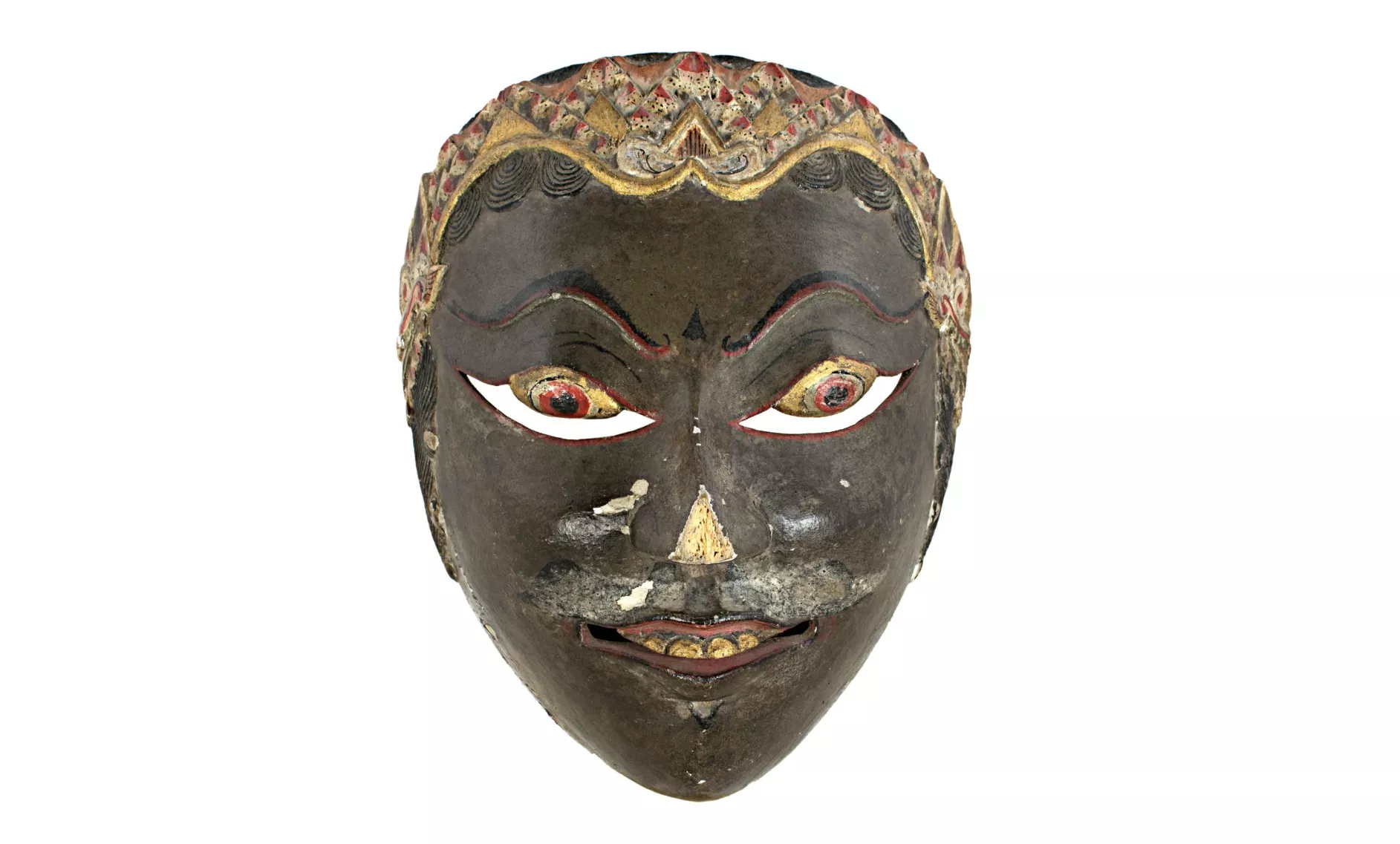
Caribbean Painting, Creole Portraits, and Island Landscapes
Caribbean painting and island scenes
Caribbean painting documents, often with affection, the daily life, landscapes, and inhabitants of the French West Indies—particularly Martinique and Guadeloupe—from the 19th century through the mid-20th century.
Lively and colorful market scenes, views of ports and plantations, and tropical mountain landscapes constitute the most consistent iconographic repertoire of this body of work, which often blends French pictorial influences with a particular sensitivity to the light and colors unique to these territories.
This market is now enjoying renewed attention from collectors and institutions in the Antilles and metropolitan France, all of whom are committed to documenting and promoting this regional visual heritage.
Works whose provenance can be traced to a historic Caribbean family or institution are of particular interest, as this traceability reinforces the piece’s heritage value beyond its mere aesthetic worth.
Creole Portraits and Colonial Iconography
Portraits of Creole figures—whether they depict identifiable notable figures or anonymous types intended to document the social and cultural diversity of colonial societies—constitute a sensitive and sought-after category in this market.
Their value depends heavily on the quality of the execution and the precision with which the subject’s costume and social attributes are rendered, as these details now hold ethnographic value recognized by historians and specialized collectors.
Category | Characteristics | Approximate Price Range | Market Demand |
Market scene or scene of daily life in the Caribbean (documented artist) | Vibrant colors, dynamic composition, recognizable subject | €3,000 — €30,000 | Active, specific Caribbean subject matter |
Creole portrait (identified figure or documented type) | Accurate depiction of traditional attire, ethnographic value | €2,000 — €25,000 | Strong demand, specialized collectors |
Island or tropical landscape (renowned artist) | Lighting, vegetation, balanced composition | €2,000 — €20,000 | Active market, broad buyer base |
Decorative panel from a colonial exhibition (notably 1931) | Official production, high technical quality | €10,000 — €80,000 | Active market, strong documentary value |
Travel sketch or watercolor (artist unknown) | Travel sketchbook, varying quality | €300–3,000 | Moderate, accessible |
Colonial-inspired sculpture or decorative object | Workshop-made, varying quality | 500–10,000 € | Moderate, niche market |
Island Landscapes and Exotic Painting
Tropical and island landscapes—whether depicting the Caribbean, sub-Saharan Africa, Madagascar, or Pacific territories under colonial administration—share a common focus on the distinctive light of these regions: palm trees, turquoise waters, and stormy skies—which artists have sought to capture using a palette that is often more vibrant than that of traditional European landscape painting.
This exotic painting, in the historical sense of the term, appeals to a collector’s audience drawn as much by the visual exoticism as by the unique pictorial quality of each work.
The boundary between colonial painting in the strict sense and Orientalism—or, more broadly, 19th- and 20th-century travel painting—remains porous, as many artists explored several regions of the colonized world over the course of their careers.
This blurring of boundaries requires the expert to have extensive knowledge of these different market segments in order to precisely situate each work and apply the most appropriate interpretive framework to it.
Estimate in less than 24h
Get a Free Appraisal of Your Colonial Art
A certified appraisal by a licensed auctioneer in less than 24 hours
Appraising a work of colonial art requires a thorough understanding of the history of this diverse body of work, its various geographic regions, and their distinct artistic characteristics, as well as a close examination of the precise historical context of each piece—a prerequisite for an accurate and informed assessment.
A certified auctioneer possesses this interdisciplinary expertise, which enables them to precisely situate a piece within its context and assess both its aesthetic and documentary value.
Auctie’s offers this expertise free of charge, with a certified response within 24 hours.
Whether you’ve inherited a painting brought back from the West Indies or another colonial territory, wish to have a travel sketch appraised, or are considering compiling a heritage inventory, the process is the same: submit your item to a trained expert capable of accurately assessing its value.
What you need to provide for an online appraisal
For a painting, please provide clear photographs of the front and back of the work, a photo of the signature if visible, the precise dimensions of the composition, and any known provenance information: an old purchase receipt—especially if the piece was acquired directly in the region depicted—a collection label, or a reference in an auction catalog or specialized publication.
Any information regarding the context in which the work was created—such as an official commission, a colonial exhibition, or a documented stay by the artist—should be provided, as it can significantly enhance the appraisal.
For drawings and watercolors—often from travel sketchbooks—the condition of the paper must be documented: pinholes, foxing, creases, and tears. In case of doubt regarding attribution or the context of creation, a physical examination of the piece will be offered before any steps are taken to put it up for sale.
Provenance, dating, and authenticity: the pillars of valuation
Authentication and Attribution to a Painter
The authentication of a colonial artwork is based on a combined examination of the signature (when present), the style and technique of execution, and the historical context of its creation.
For documented artists who developed a career recognized beyond the strictly colonial context, comparison with their works listed in catalogs or monographs allows for a reliable attribution.
For the many anonymous or lesser-known works that make up the bulk of this market, expertise relies more heavily on stylistic and material analysis—including the support, pigments, and technique—which allows the piece to be placed within an approximate time period and geographic area.
Consulting archives related to major colonial exhibitions—particularly the 1931 exhibition, whose documentation has been extensively studied by art historians—and catalogs of specialized art fairs from that era can help identify and document certain works presented at these events.
This research process significantly enhances the value and credibility of a piece when it leads to a positive identification.
Level of Documentation | Impact on the appraisal |
Work by a documented artist, listed in a monograph or catalog | Maximum assurance; significant premium on value |
Work identified as having been exhibited at a historic colonial exhibition | Strong documentary impact; significant increase in value |
Work accompanied by a written appraisal from a recognized specialist in the period | Good guarantee; provides reassurance to the buyer and facilitates the sale |
Work with a legible signature and documented provenance | Solid foundation; reliable valuation possible |
Anonymous work with approximate context of creation | Conservative estimate; based on the quality of execution and the subject matter |
Work with no documentation or identifiable context | Increased uncertainty; estimate based solely on stylistic analysis |
Provenance, colonial exhibition history, and condition
The provenance of a colonial artwork is a key factor in establishing trust and determining value in this market.
A piece whose direct acquisition within the depicted territory—by a colonial official, a military officer, or a traveler—and subsequent preservation within the same family can be traced benefits from a documentary legitimacy that collectors value highly.
Having been displayed in a documented historical colonial exhibition also serves as valuable evidence of provenance and dating.
The condition of the work requires particular attention, as these pieces have often traveled long distances and been exposed to contrasting climatic conditions between their place of creation and their current location.
Cracks caused by fluctuations in humidity, discoloration due to prolonged exposure to intense light, and past restorations—which may have been poorly executed—must be carefully examined before any serious appraisal can be made.
Artists, Art Fairs, and Exhibitions That Are All the Rage
Painters and Art Salons of the Colonial Era
Several artists who worked within the colonial context have gained recognition that now extends beyond that narrow framework; their market value benefits from broad demand among collectors interested in their body of work as a whole rather than solely in colonial subjects.
The Salon des artistes coloniaux, founded in Paris in the 1900s and which, until its decline after World War II, brought together numerous painters specializing in the depiction of overseas territories, serves as an institutional benchmark; its mention in an edition’s catalog can significantly enrich the documentation of a work.
From the Colonial Salon to Museum Collections
Several museums in France and its overseas territories now hold significant collections of colonial art, which contributes to the scholarly structuring of this field and the gradual establishment of reliable documentary references.
This institutional momentum, combined with art historians’ growing interest in this period, is contributing to a better understanding of the body of work and, for the best-documented pieces, is fostering increasingly precise and well-reasoned estimates on the auction market.
Sell a piece of colonial art at auction with Auctie's
From the reserve price to the final bid: how the price is determined
Auctions are a suitable method of sale for well-documented colonial artworks, in a market where the match between a high-quality piece and a specialized collector—particularly in the Caribbean or Indochinese segments—can generate targeted demand.
The reserve price, set in consultation with the seller, must be determined with particular attention to the work’s specific geographic region and creative context, on which a significant portion of its value in this diverse market depends.
For the best-documented pieces—particularly those linked to a historic colonial exhibition or a renowned artist—auction dynamics can lead to results exceeding initial estimates. The auctioneer plays a vital role in facilitating the process by engaging networks of specialized collectors in each relevant geographic region.
Hôtel Drouot and Online Auctions: Reaching the Right Bidders
Auctie’s holds its auctions at Hôtel Drouot, the leading auction house in continental Europe, founded in 1852, which regularly features sales dedicated to colonial art and overseas arts.
For a piece of colonial art, Drouot offers visibility among specialized collectors and institutions, complemented by online promotion that extends the reach of each auction beyond metropolitan borders.
A collector from Martinique or Guadeloupe seeking to preserve the visual heritage of the Antilles, a Vietnamese art lover looking for a work documenting colonial Indochina, or an art history researcher compiling documentation on this period can bid from their home country.
For colonial art, where the most active collectors are often tied to a specific territory, this international and regional dimension is often decisive.
Estimate in less than 24h
Estate Planning, Inheritance: Valuing Inherited Colonial Art
Inventory and Distribution of an Estate
Colonial artworks frequently appear in the estates of families with ties to French colonial history—descendants of civil servants, military personnel, or travelers who resided in overseas territories.
These pieces, sometimes kept without their current owners knowing their precise value or the exact context of their creation, can represent an estate asset; a thorough appraisal helps prevent any disputes over the division of the estate.
Auctie’s regularly works alongside notaries to compile comprehensive estate inventories that include colonial artworks.
Each item is appraised individually: identification of the geographic region and the artist (if possible), a description of its condition, and an estimate of its market value as of the reference date. The resulting report is an official document that can be included in the estate file without reservation.
Confidentiality and Anonymity Preserved
The circumstances leading to the appraisal of inherited colonial art are often personal: discovery within a family inheritance linked to colonial history, reorganization of a collection, or a decision to sell after a long period of ownership.
Auctie’s handles each case with absolute discretion. The owner’s identity is never disclosed to third parties without their explicit consent, and items may be offered for sale under complete anonymity if the owner so desires.
This confidentiality is a core commitment of Auctie’s, applicable at every stage of the relationship, from the initial contact through to the receipt of the proceeds from the sale.
Entrust the appraisal of your colonial art to Auctie’s
A work of colonial art deserves an appraisal that reflects the geographic and historical diversity of this body of work. The wide range of regions involved—the West Indies, Africa, Indochina, and Madagascar; the particular sensitivity required by the historical interpretation of these representations; and the decisive importance of provenance and the context of creation—these are all factors that only a licensed auctioneer, well-versed in the specificities of this segment, can assess with the rigor they demand.
Auctie’s guides you from the initial appraisal through to the final auction, offering the expertise of a state-certified appraiser and the discretion your financial decisions deserve. The appraisal is free, confidential, and non-binding, and you’ll receive a response within 24 hours.
Discover in the same theme
Rating and value of paintings by Marie Aimée Lucas Robiquet
Marie Aimée Lucas Robiquet is an Orientalist artist who produced a large body of work that is highly valued and appreciated.
Learn more >
Tableaux Alix Aymé - Value, quotation, artist
Alix Aymé is a 20th-century French artist. Her drawings and paintings are successful and highly prized at auction.
Learn more >
Estimate in less than 24h
Frequently asked questions
-
Quelles sont les fourchettes de prix pour l'art colonial selon le type d'œuvre ?Les prix varient considérablement selon l'artiste, la matière et l'ancienneté. Un dessin ou une aquarelle de qualité courante d'artiste non documenté se situe entre 300 et 3 000 euros. Une huile sur toile signée d'un artiste identifié oscille entre 2 000 et 30 000 euros. Les pièces exceptionnelles, notamment les panneaux des expositions coloniales ou œuvres d'artistes reconnus, peuvent dépasser 50 000 à 100 000 euros.
-
Comment faire authentifier une œuvre d'art colonial ?Auctie's propose une expertise gratuite et sans engagement par un commissaire-priseur agréé. Il suffit de soumettre des photographies nettes du recto et verso, la signature, les dimensions précises, et tout élément de provenance (factures anciennes, étiquettes de collection, références catalographiques). Une réponse certifiée vous sera communiquée en moins de 24 heures.
-
Est-ce le bon moment pour vendre une œuvre d'art colonial ?Oui, le marché de l'art colonial bénéficie actuellement d'une demande active et renouvelée. Les collectionneurs et institutions, notamment dans les régions concernées (Antilles, Indochine, Afrique), manifestent un intérêt particulier pour la valorisation de ce patrimoine visuel. La demande est notamment forte pour les peintures antillaises, les paysages exotiques et la production des grandes expositions coloniales.
-
Quels critères déterminent la valeur d'une œuvre d'art colonial ?La valeur est déterminée par l'identité et la reconnaissance de l'artiste, la qualité d'exécution, la précision documentaire du sujet (costumes, architecture, végétation), l'état de conservation, la provenance traçable, et la demande marchéale actuelle. L'aire géographique représentée (Antilles, Indochine, Afrique du Nord) influence également significativement la cote.
-
Comment se déroule la vente d'une œuvre chez Auctie's ?Auctie's vous accompagne de l'estimation à l'adjudication. Après une estimation gratuite par un expert commissaire-priseur agréé, vous décidez librement de confier votre œuvre. La maison de ventes prend alors en charge le catalogage, la promotion auprès des collectionneurs spécialisés, et l'organisation de la mise aux enchères, en vous conseillant à chaque étape du processus.
