



Rating high jewelry - Expertise auctioneer - Auctie's

Key takeaways
- The appraisal value of a piece of jewelry is its market value as estimated by a certified appraiser, distinguishing between insurance value, replacement value, and market value depending on the context.
- Key factors include the type of metal (gold, silver, platinum), the quality of the gemstones, the brand (Cartier, Van Cleef & Arpels), the condition, and the rarity.
- The prices of 18-karat gold (750‰), sterling silver (925‰), and platinum (950‰) fluctuate daily on international markets, directly influencing the intrinsic value of the jewelry.
- Auctie’s offers a free, no-obligation appraisal within 24 hours, along with auctions at Drouot for high-quality pieces and comprehensive appraisal services for estates.
What Is the Value of a Piece of Jewelry?
Definition and Principles of Jewelry Valuation
A piece of jewelry’s appraisal value refers to its estimated market value at a given moment, taking into account all the factors that make each piece unique. Unlike a simple visual assessment, jewelry valuation is based on a rigorous methodology conducted by a certified expert or auctioneer, whose professionalism combines knowledge of materials, market expertise, and the ability to authenticate pieces.
Appraising a piece of jewelry means assigning it a reference value (insurance value, replacement value, or market value) depending on the context in which the appraisal is conducted: estate settlement, resale, donation, or a simple asset inventory.
These three concepts are not interchangeable, and confusing insurance value with market value can lead to significant errors, whether it involves underestimating an inheritance or overestimating a lot intended for sale.
Factors That Influence a Piece of Jewelry’s Value
Several factors come into play when determining a piece of jewelry’s value. The first is the nature and quality of the raw materials used in its creation: precious metal, gemstone, natural pearl, or cultured pearl. The second is the piece’s overall condition—including wear, alterations, and restorations—which can significantly increase or decrease its value.
The maker’s signature also plays a decisive role. A piece of jewelry bearing the hallmark of a renowned house commands a premium based on its reputation, which often exceeds the intrinsic value of the materials alone.
Conversely, a beautiful anonymous piece, no matter how skillfully crafted, will be valued solely on its material merits. Finally, rarity, the period of creation, and alignment with art market trends round out the equation.
Criterion | Impact on Value |
Type and fineness of the metal | Determines the base material value |
Quality and weight of the gemstones | Significant impact, particularly for diamonds and colored gemstones |
Signature or maker’s mark | Reputation premium, which can sometimes be very significant |
Condition | Wear, restorations, and alterations can reduce the piece’s value |
Rarity and period of creation | Art Deco, Belle Époque, and Art Nouveau pieces are highly sought after |
Market trends | International demand influences prices on a cyclical basis |
Estimate in less than 24h
The Price of Precious Metals in the Value of a Piece of Jewelry
Prices of Gold, Silver, Platinum, and Palladium
The intrinsic value of a piece of jewelry is directly tied to the market prices of the precious metals it contains. Gold, silver, platinum, and palladium are commodities quoted in real time on international markets, and fluctuations in their prices automatically influence the estimated value of any piece of jewelry.
Gold remains the benchmark metal in jewelry. Its price, expressed in euros or dollars per troy ounce, varies daily depending on geopolitical tensions, central bank monetary policy, and global demand.
A piece of 18-karat gold jewelry—containing 750 parts per thousand of pure metal—will therefore see its material value fluctuate over the course of weeks. The same is true for silver—often underestimated but very common in antique jewelry—as well as for platinum and palladium, two rare metals whose prices can fluctuate dramatically at times.
Metal | Common Purity Standards in Jewelry | Characteristics |
Gold | 18 karat (750‰), 14 karat (585‰), 9 karat (375‰) | Standard metal, widely traded, resistant to oxidation |
Silver | 925‰ (sterling), 800‰ | Widely used in antique jewelry, more volatile market price |
Platinum | 950‰, 900‰ | Rarer and denser than gold, highly prized in fine jewelry |
Palladium | 500‰, 950‰ | A metal in the platinum group; prices have risen sharply in recent years |
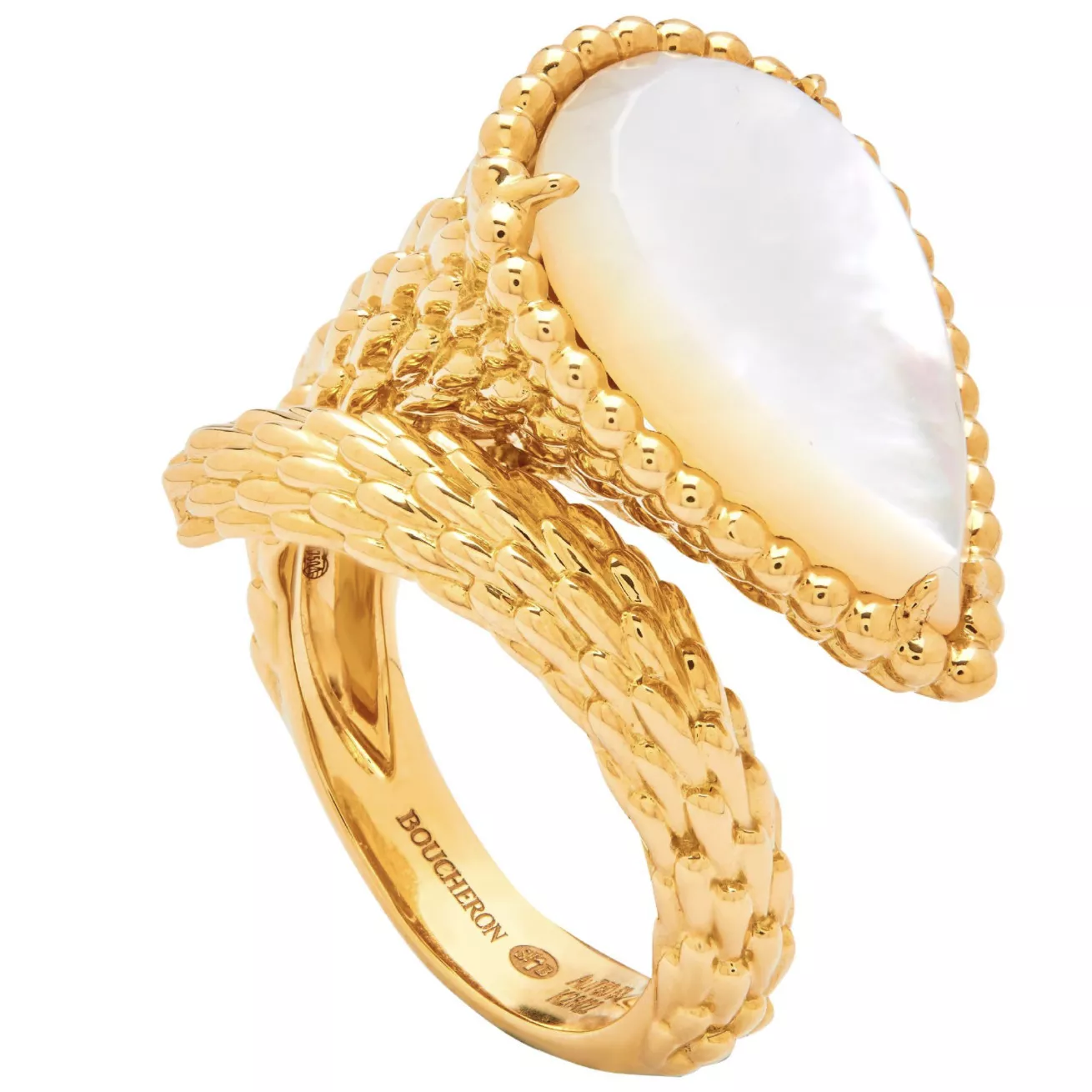
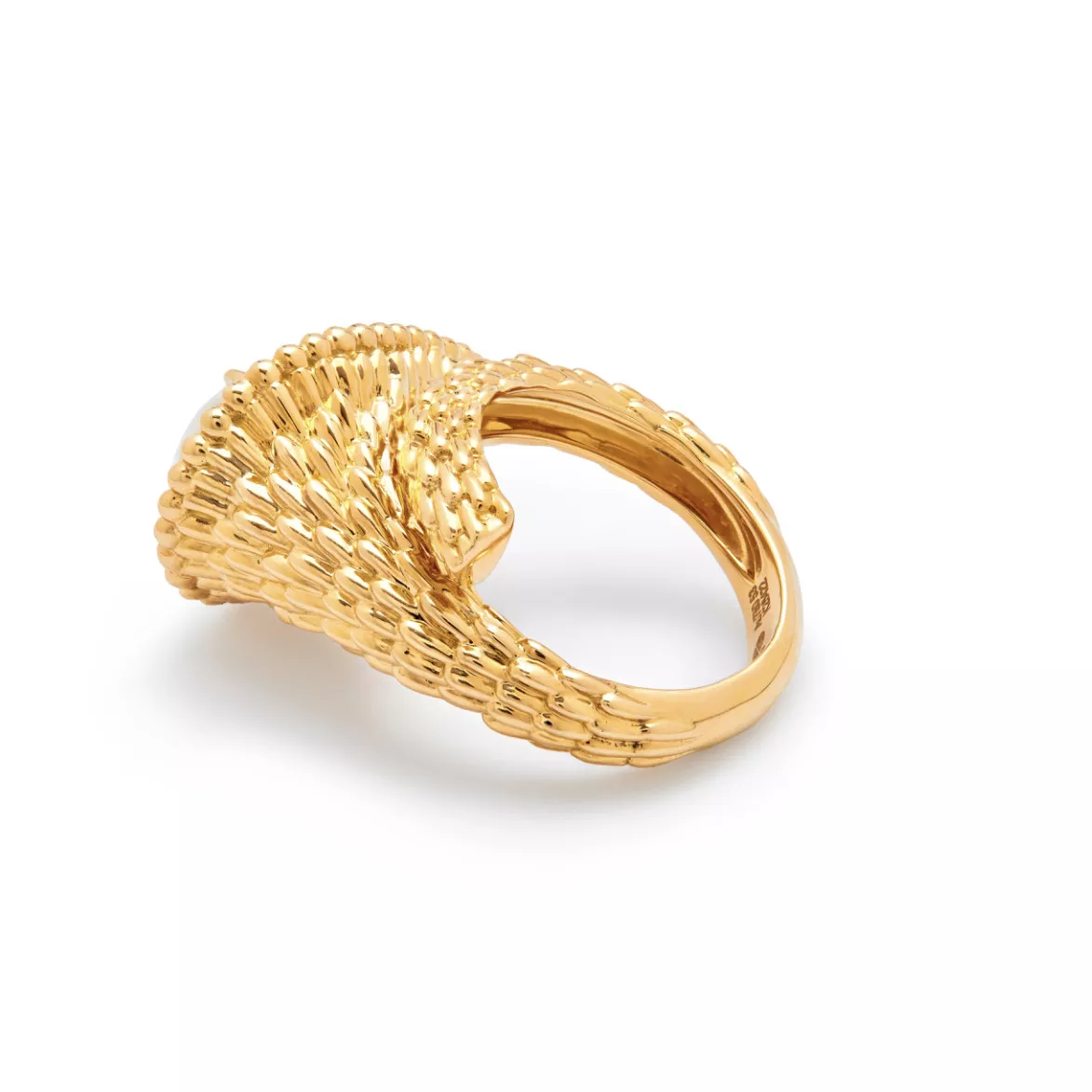
From Gold Ingot to Jewelry: Refining, Melting, and Valuation
To understand how a piece of jewelry is valued, it is important to distinguish between two concepts: intrinsic value and market value. Intrinsic value corresponds to the weight of pure metal contained in the piece, calculated based on its fineness and the spot price of the metal on the day of the appraisal.
This is the base value—the amount one would receive by melting down the piece of jewelry to extract the raw metal, prior to refining.
Market value, on the other hand, also takes into account labor costs, the piece’s history, its rarity, and its desirability on the secondary market. A finely crafted antique piece of 18-karat gold jewelry can thus be worth several times its simple material value—or, conversely, less, if its setting is outdated and its gemstones unremarkable. It is precisely to navigate between these two extremes that a professional appraisal is essential.
Get a Free Jewelry Appraisal with Auctie's
Brooches, pendants, earrings: all your jewelry appraised
Auctie's appraises all types of jewelry, regardless of shape, style, or era. Antique brooches, Art Deco pendants, contemporary earrings, complete sets, or individual pieces: each piece is examined individually, with the same high standards whether it’s a high-value solitaire or a piece of costume jewelry with a rich family history.
The certified auctioneer conducting the appraisal possesses dual expertise: knowledge of the market, which he monitors continuously, and an understanding of the object itself, which he can analyze down to the finest details—hallmarks, settings, gemstone cutting techniques, and discreet signatures.
This combined analysis allows for the establishment of a certified, legally binding, and well-documented valuation, regardless of the nature of the piece presented.
A certified valuation in less than 24 hours, with no obligation
Auctie’s offers a free, confidential, and no-obligation appraisal, with a guaranteed response in less than 24 hours. Simply submit a photograph and a brief description of your jewelry via the online form to receive an initial evaluation conducted by a certified expert.
This process does not obligate you in any way. It simply provides you with an objective basis for deciding what to do next: keep it, insure it, sell it, or pass it on. Your anonymity is fully protected throughout the process, and no personal information is shared without your explicit consent.
Get your free estimate: response in less than 24 hours
Estimate in less than 24h
Heritage Jewelry and Collectibles
Antique, signed, and designer jewelry from leading jewelry houses
Heritage jewelry constitutes a category unto itself in the world of fine jewelry. These pieces—whether they date from the 19th century, the Belle Époque, the Art Nouveau period, or the postwar era—embody a value that far exceeds their mere metal and gemstone content.
They bear witness to craftsmanship, an era, and sometimes an illustrious provenance, and it is precisely this historical and aesthetic significance that determines their value on the art market.
Jewelry from major jewelry houses is in steady demand, both in France and internationally.
Cartier, whose panthers and Trinity pieces are among the most sought-after items on the secondary market; Van Cleef & Arpels, whose Alhambra motif and floral sets regularly fetch remarkable auction prices; Chaumet, heir to a court tradition dating back to the First Empire; Boucheron, whose Place Vendôme creations embody two centuries of French excellence; Mauboussin, Mellerio (known as Meller), Poiray, Fred, Bulgari, and Tiffany & Co.
For these international houses, these are all signatures that confer on a piece a value distinct from that of its materials alone. Their market value is closely tracked by collectors and institutions, and can fluctuate significantly depending on the results of major global auctions.
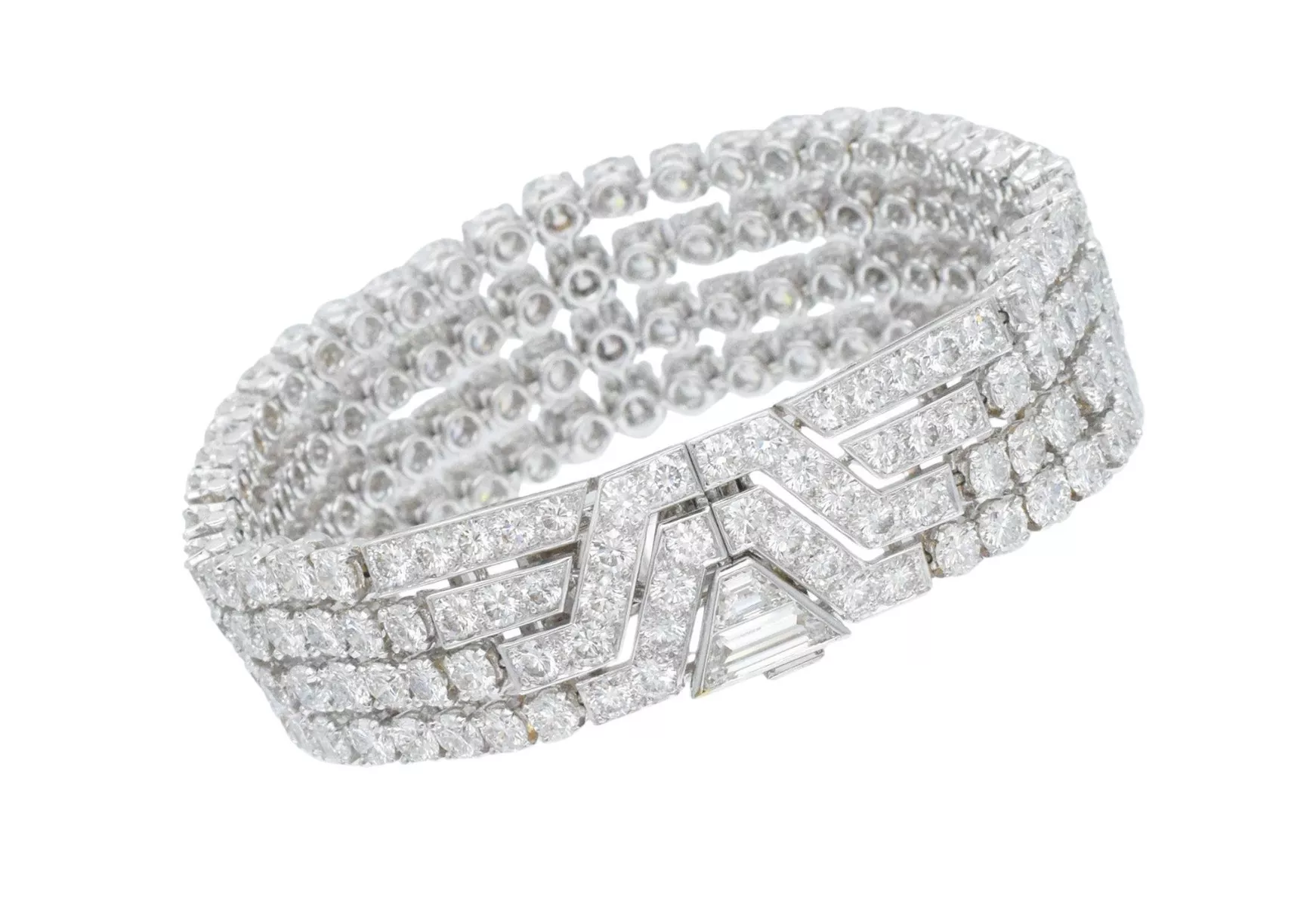
How to Tell a Replica from an Authentic Piece of Jewelry
The issue of authenticity is central to heritage jewelry. The secondary market is filled with numerous reproductions—some of which are old themselves, while others are more recent—that can fool the untrained eye.
Distinguishing an authentic piece of jewelry from a reproduction requires meticulous analysis: examining hallmarks and verifying their consistency with the claimed periods, studying assembly techniques, analyzing metals and gemstones, and reviewing the brand’s archives when available.
Auctie’s has the expertise and tools necessary to conduct this analysis with rigor. In cases of serious doubt, additional tests—such as gemological and metallurgical analyses—may be requested to definitively determine a piece’s authenticity before any decision to sell or transfer ownership is made.
Selling Your Jewelry for the Best Price
Auctions, consignment, or jewelry buyback: What’s the difference?
When you want to sell your jewelry, you have three main options, and the choice between them depends on your priorities: speed, selling price, or administrative simplicity.
Jewelry buyback is the quickest solution. A professional buys your piece directly, offers a fixed price, and the transaction is completed in a single step. The trade-off is that the price offered is generally lower than what the market might yield, since the buyer includes their margin in the offer.
Consignment involves entrusting your jewelry to a third party—such as a gallery or auction house—which offers it to customers on your behalf in exchange for a commission on the sale price. The outcome may be better, but the timeline varies and a sale is not guaranteed.
An auction is generally the most favorable option for high-quality pieces. It exposes your jewelry to competition from motivated buyers, which can drive the bidding well above the initial estimate. However, it involves a lead time before the sale and auction fees that must be anticipated.
Auction at the Hôtel Drouot with Auctie’s
Auctie’s organizes auctions at the Hôtel Drouot, a mecca of the Parisian art market and a global leader in the sale of jewelry, paintings, and collectibles.
Entrusting your jewelry to Auctie’s for a Drouot auction means benefiting from the maximum visibility offered by this institution, combined with personalized support from an auctioneer who advocates for your interests at every stage: appraisal, starting bid, presentation in the auction room, and post-auction follow-up.
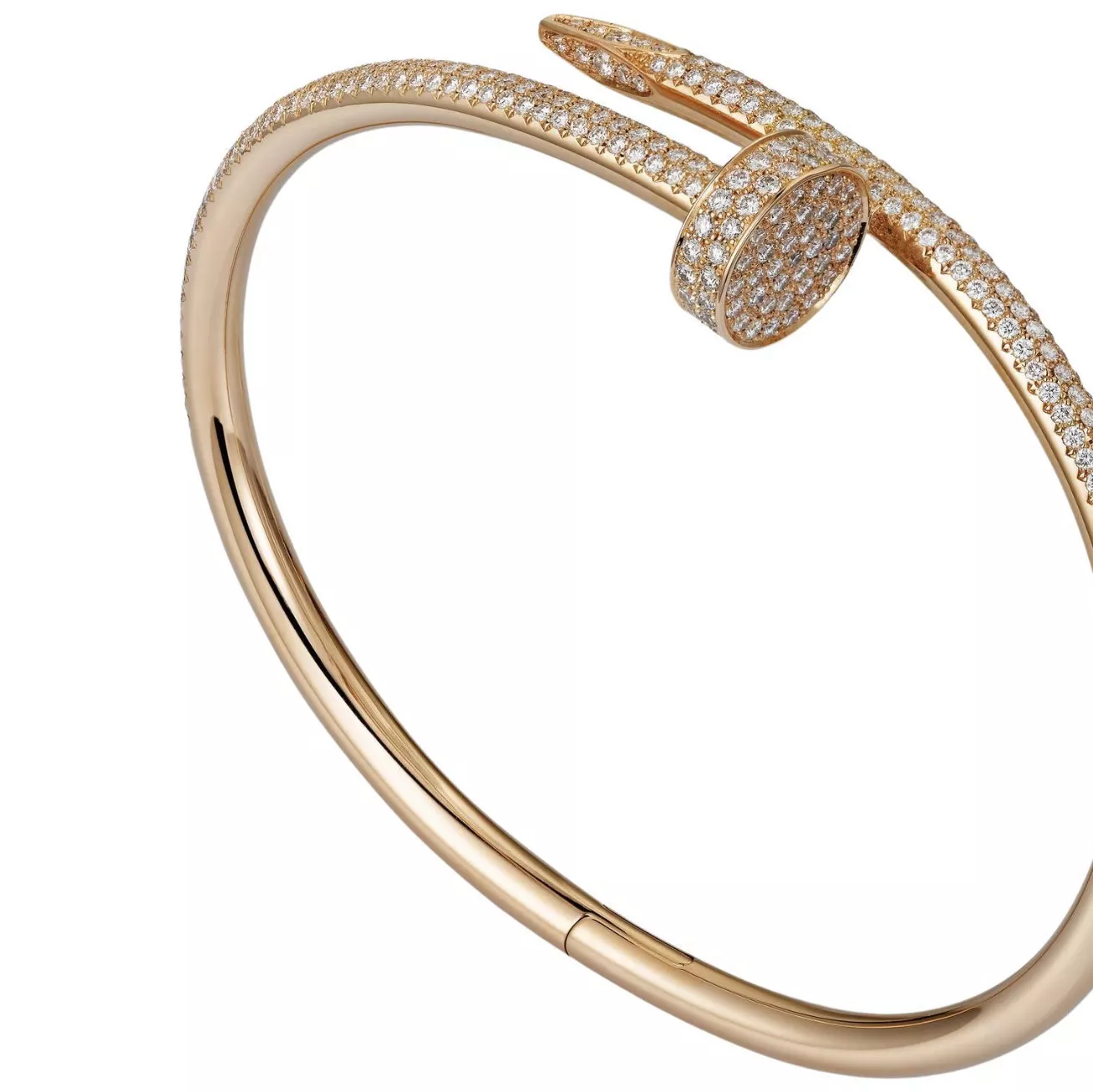
Estate Planning, Inheritance, Estate Settlement: Get Your Jewelry Appraised
Inventory and Distribution of an Estate
In the context of an estate, appraising jewelry is not optional: it determines the fair distribution of assets among heirs and ensures compliance with reporting requirements to the tax authorities. Each piece must be inventoried, described in detail, and appraised at its market value as of the date of death.
Auctie’s regularly works alongside notaries and families to compile comprehensive jewelry inventories, piece by piece. This process is conducted methodically and impartially, in accordance with the deadlines set by the probate process. The resulting appraisal report serves as an official document and may be submitted to any competent authority.
Confidentiality and Anonymity Preserved
The circumstances that lead to having jewelry appraised—such as inheritance, divorce, financial difficulties, or estate reorganization—are often personal and sensitive. Auctie’s is committed to handling each case with absolute discretion. The owner’s identity is never disclosed—neither to potential buyers, nor to third parties, nor to the media—unless you explicitly instruct us otherwise.
This guarantee of anonymity is a fundamental commitment of Auctie’s, not merely a sales pitch. It allows you to proceed with confidence through the appraisal process and, if applicable, the sale, without fear that your financial situation will be exposed.
Jewelry Valuation Glossary
Term | Definition |
Appraisal | The process of evaluating a piece of jewelry to determine its market value at a given time, based on material, aesthetic, and market criteria. |
Carat | A unit of measurement for the purity of a precious metal (18-karat gold corresponds to 750 parts per thousand of pure gold) or the weight of a gemstone (1 carat = 0.2 grams). |
Hallmark | An official mark affixed to a piece of jewelry by a regulatory body, certifying the precious metal content and, where applicable, the identity of the manufacturer or importer. |
Gold price | The price of gold on international markets, expressed in euros or dollars per troy ounce, updated continuously based on global supply and demand. |
Refining | An industrial or artisanal process used to purify a precious metal to extract the pure metal, particularly when melting down jewelry for recycling. |
Consignment | A method of sale in which an owner entrusts their jewelry to a third-party agent who sells it on the owner’s behalf, in exchange for a commission calculated as a percentage of the sale price. |
Market Value | The value at which an item could reasonably be sold on the market as of the date of the appraisal, between a willing and informed seller and a willing and informed buyer. |
Insurance Value | The value used to cover the cost of replacing a piece of jewelry with a new one in the event of a loss; generally higher than the market value. |
Entrust the appraisal of your jewelry to Auctie’s
Your jewelry deserves an appraisal that matches its value. Whether it’s a single piece or an entire collection, an unsigned family heirloom or a piece of fine jewelry, Auctie's supports you with the rigor of a certified auctioneer and the responsiveness of a company that respects your time.
The appraisal is free, confidential, and non-binding, and you’ll receive a response in less than 24 hours.
Get your free appraisal: response in less than 24 hours
Estimate in less than 24h
Discover in the same theme

Rating and value of First Empire paintings
Antique paintings from the First Empire are often presented at auction, and are very successful. Their value is stable and high.
Learn more >

Rating neoclassicism : free estimation - Auctie's
Get a free appraisal of your neoclassical artworks with Auctie's, a licensed auctioneer. Certified response in less than 24 hours.
Learn more >

Market value and appraisal of antique fans
Depending on their category, antique fans are sometimes sought-after items at auctions and, depending on the model, can be quite valuable.
Learn more >
D'autres pièces de haute joaillerie vendues aux enchères

Estimated 10.000 - 15.000 €
BOUCHERON - "Ava" - White gold necklace set with a brilliant-cut diamond (1.56 cts)

Estimated 2.000 - 4.000
CARTIER, 18K (750 e) gold opening bangle bracelet

Estimated 1.500 - 3.000
CARTIER PARIS, Trinity, 2-tone 18k (750e) gold clip brooch

Estimated 3.000 - 5.000
CARTIER, Love, Wedding band in 18k white gold (750e)

Estimated 2.000 - 4.000
CARTIER Love model Pendant necklace in 18K (750e) white gold

Estimated 1.500 - 2.000
CHAUMET, Ring in platinum (850th), set with an oval faceted ruby

Secure site, anonymity preserved

Auctioneer approved by the State

Free and certified estimates
Frequently asked questions
-
What determines the value of a piece of jewelry?The value of a piece of jewelry depends on several factors: the nature and quality of the raw materials (precious metals, gemstones), its condition, the presence of a signature or hallmark from a renowned house, its rarity and the period in which it was created, as well as trends in the art market. A piece of jewelry signed by Cartier, Van Cleef & Arpels, or Chaumet, for example, often commands a significant premium based on its brand recognition compared to its intrinsic material value.
-
How can I get a free appraisal of a piece of jewelry at Auctie's?Auctie's offers a free, confidential, and no-obligation appraisal. Simply submit a photo and a brief description of your jewelry via the online form to receive a guaranteed response within 24 hours from a licensed auctioneer. This process is non-binding and provides you with an objective basis for deciding how to proceed.
-
What is the difference between the material value and the market value of a piece of jewelry?The material value corresponds to the weight of pure metal contained in the piece, calculated based on its fineness and the spot price of the metal on the date of the appraisal; this is the minimum value obtained by melting down the jewelry. The market value also takes into account the craftsmanship, the piece’s history, its rarity, and its desirability: a finely crafted antique piece of jewelry can thus be worth several times its simple material value—or less, if its setting is outdated.
-
Is now a good time to sell my antique jewelry?Yes. Heritage jewelry—particularly pieces from the Art Nouveau, Belle Époque, and Art Deco periods, as well as creations from the major houses (Cartier, Van Cleef & Arpels, Chaumet, Boucheron)—is currently in high demand both in France and internationally. An auction exposes your piece to competition from motivated buyers, which can drive the bidding well above the initial estimate.
-
How does a jewelry auction work at Auctie's?Auctie's organizes auctions at the Hôtel Drouot, a world-renowned venue for jewelry auctions. The process includes a free appraisal, a competitive starting price, a live auction presentation with maximum visibility, and personalized support from the auctioneer, who looks out for your best interests at every stage, from the appraisal through the post-auction period.
