



Rating and value of First Empire paintings

Key takeaways
- Paintings from the First Empire sell for between €5 and €2,836,000, with prices varying depending on the artist, the condition of the work, and the technique used.
- Oil-on-canvas paintings command the highest prices (€380 to €2,836,000), while prints remain more affordable (€5 to €24,500).
- Identifying the artist is crucial: an unsigned portrait of Bonaparte sold for over €100,000 in 2017, doubling its initial estimate.
If you own a painting from the First Empire, and would like to know its value, our state-approved experts and auctioneers will offer you their appraisal services. Our specialists will carry out a free appraisal of your object, and provide you with a precise estimate of its value on today's market. Then, if you wish to sell your painting, we will guide you towards the best possible means of obtaining the best possible price. The price of a painting can vary greatly depending on the artist's identification, its state of preservation, the school of painting or the subject depicted.
Rating and value of a First Empire painting
First Empire paintings are appreciated and sought after by collectors. The price at which they sell on the art and auction market ranges from €5 to €2,836,000, a considerable delta but one that speaks volumes about the value that can be attributed to your paintings. They are prized by buyers of all nationalities, and interest some collectors because they are sometimes less expensive than master paintings when the artist is not identified. In 2017, a simple portrait of the Consul Bonaparte done in pencil on paper fetched €100,000 while it was estimated at between €30,000 and €50,000.
Order of value from the simplest to the most prestigious painting
Technique used | Result |
|---|---|
Estamp | From €5 to €24,500 |
Drawing | From €20 to €360 000€ |
Oil on canvas | From 380 to 2 836 000€ |
Estimate in less than 24h
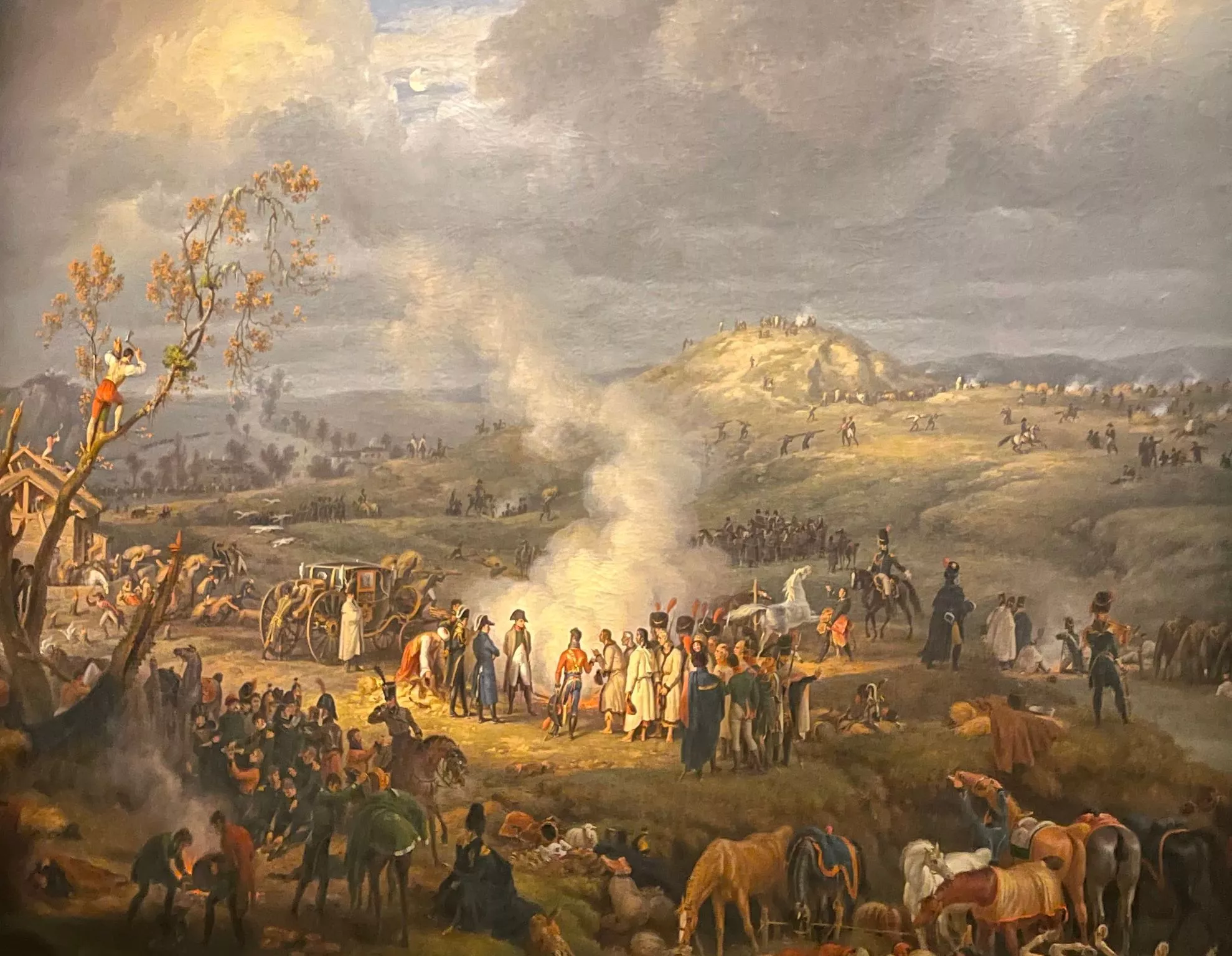
Reasons to have a First Empire painting appraised at auction
If you own a First Empire painting, you may be unaware of its value. Indeed, even if the painting is not signed, it is possible in some cases to identify the artist. If it's listed on the auction market, then the price could rise very quickly. It is also possible that the artist is not identifiable and that we can only know the school of the painting.
Defining a First Empire antique painting
An antique painting is a work of art painted on a flat surface, usually canvas, wood panel or metal plate, and dating back several centuries. These works are the result of the work of often talented artists who, through the ages, have sought to illustrate historical figures, wars and important moments of their time. Depending on the period and the country, the iconography and subjects can be very different. The 19th century is a pivotal period, and late academic figurative paintings can be considered antique, but with care. Paintings from the First Empire are generally considered to be antique, as the period is highly representative of neoclassicism, which was the last pictorial movement to adopt all the academic canons. These later fell into disuse.
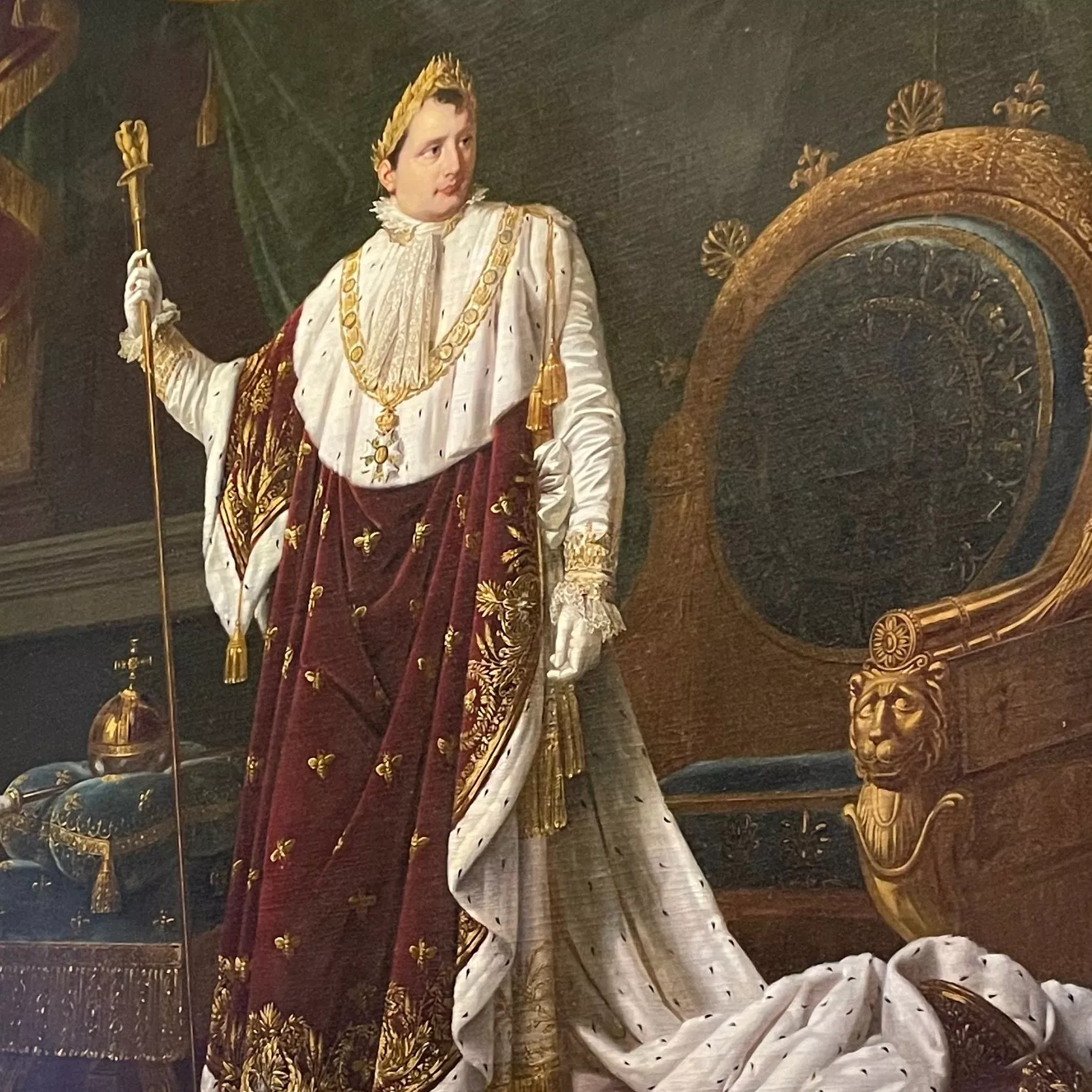
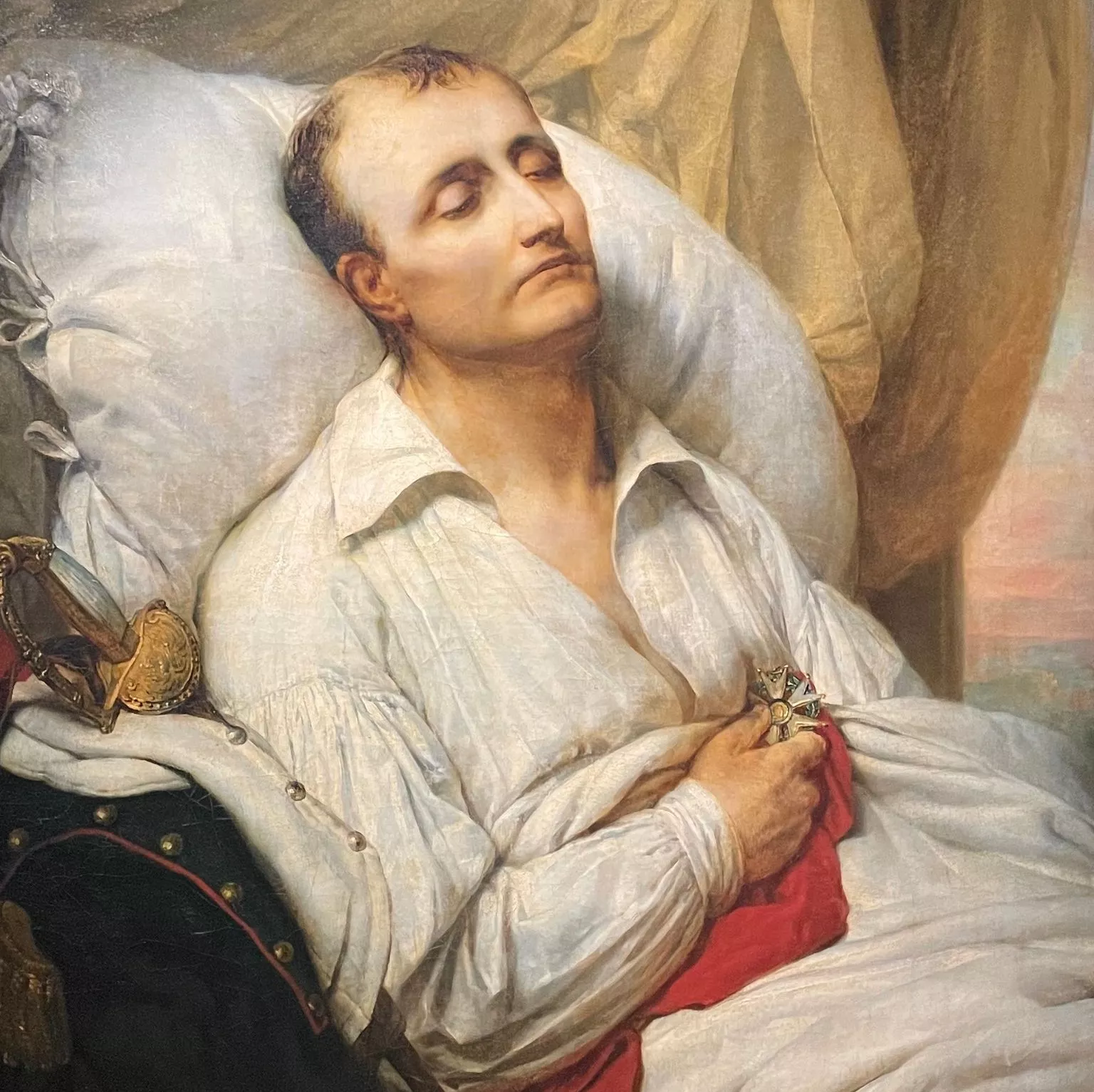
Paintings of the First Empire, a survival of the academic canons
After the tumult of the French Revolution and the upheaval it engendered in art history, the Consulate and First Empire were to be a period of artistic renewal marked by political propaganda and a return to classical painting. During the revolutionary period, many works, particularly historical paintings, were burned. However, the academic canon survived these events. After the coup d'état of 18 Brumaire, carried out on Talleyrand's advice, Napoleon Bonaparte became First Consul and commander of the French Army. He quickly realized that the historical paintings, war scenes and portraits produced of him and his military victories would serve his reputation and help build the Napoleonic myth. He soon surrounded himself with the greatest painters. Ingres painted his portrait as First Consul, and Antoine Gros did the same. The Constitution of An VIII comes into force, foreshadowing what is to come. The Battle of Marengo strengthened the legitimacy of the Consul, who was crowned Emperor on December 2, 1804. By then, he had already organized enormous propaganda around his power, the culmination of this control of the arts being David's painting of the coronation.
However, he commissioned paintings with a powerful political message long before his coronation in 1804, Baron Gros completedBonaparte visiting the plague-stricken of Jaffa. This work depicts him as a thaumaturge sovereign, capable of curing lepers. He is depicted successively as a god or a king, in imperial garb, having debauched the most talented painters of his day in order to build his legend.
Estimate in less than 24h
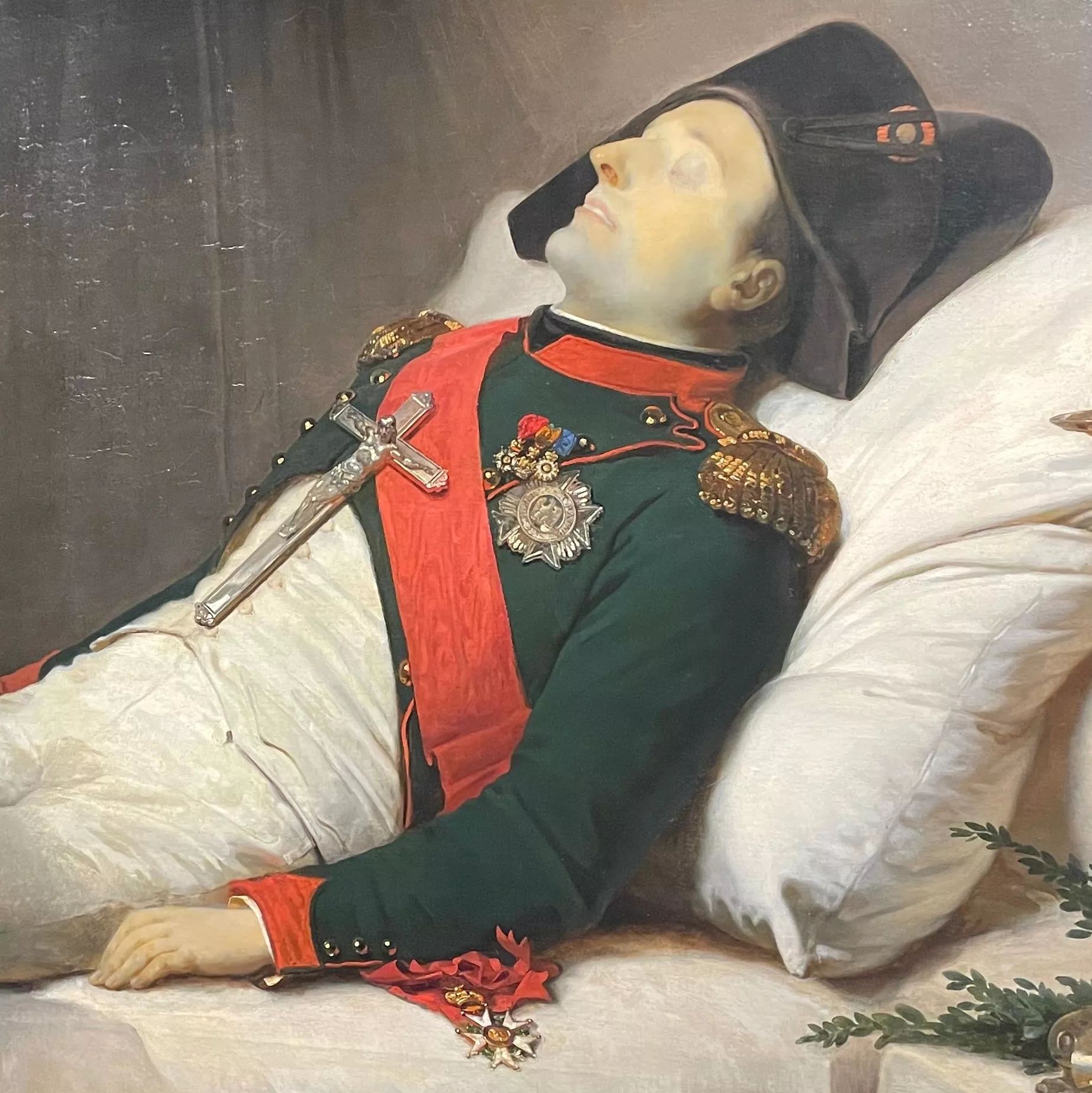
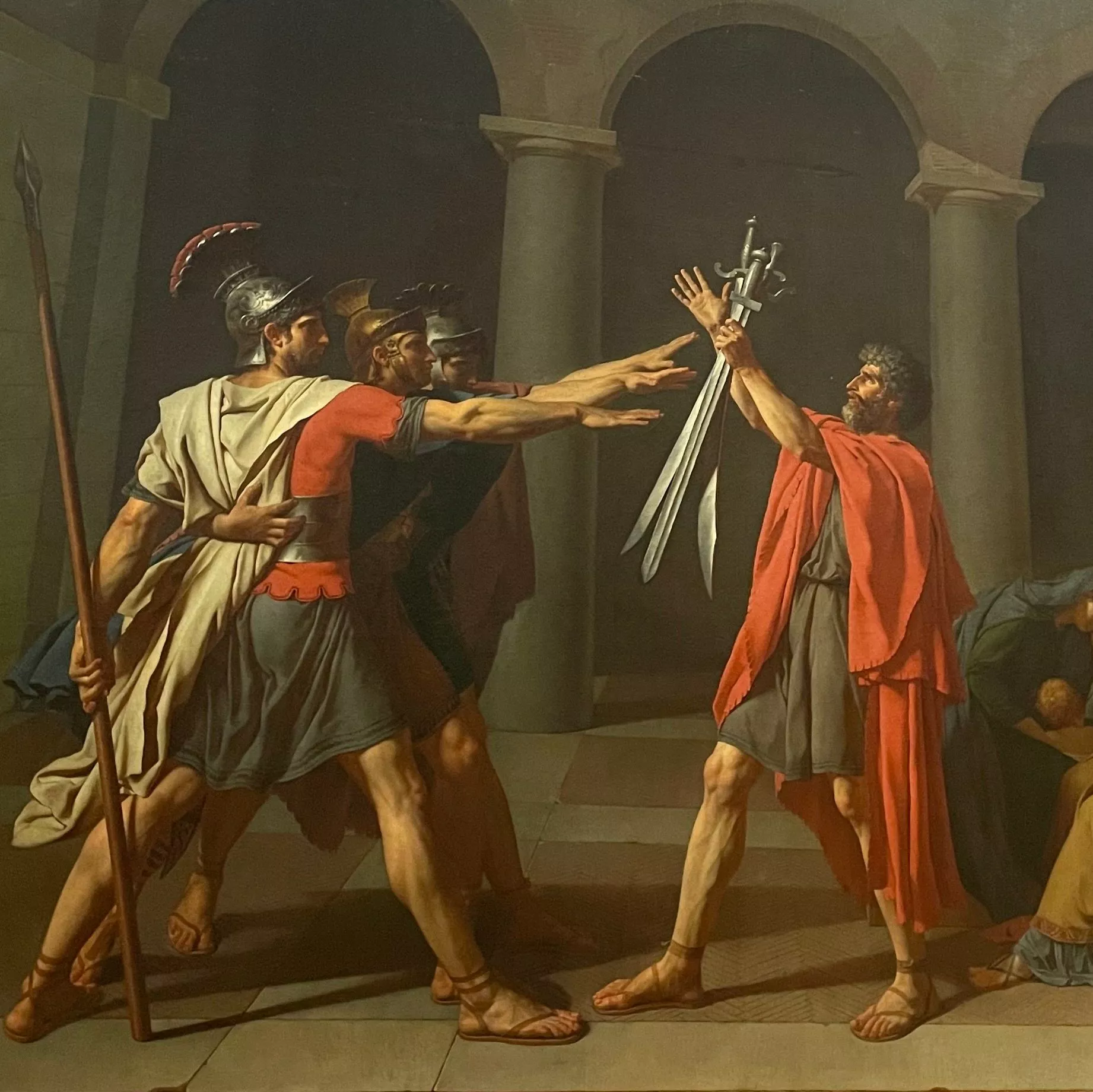
Art production under the Empire
Once the great painters of the time were in his service, all the less important and less recognized painters copied David, Gérard, Gros, Ingres and the others to keep up with the times. This is why so many paintings and other works from the First Empire are often presented at auction - the production is immense. Although many works are kept in museums, most remain in the hands of private collections, given the sheer quantity of works produced.
Many collectors seek out works from this historical period, as it is highly appreciated by many and is very rich in terms of pictorial technique and subjects represented (history paintings, war scenes, subjects from Antiquity). In some works, we can discern the first romanticism, notably in Antoine Gros, which would signal the end of respect for academic guidelines.
Painting signatures
Many paintings from the First Empire are not signed, and neither are the backs of their frames. That's why it's important to have your work appraised.
Knowing the definite value of your painting
If you happen to own a First Empire painting, whatever the school, or think you might, don't hesitate to request a free appraisal using our form on our website. A member of our team of experts and chartered auctioneers will contact you promptly with an estimate of the market value of your painting, and will provide you with all the relevant information. If you wish to sell your product, you will also be accompanied by our specialists in order to benefit from alternatives to sell it at the best possible price, taking into account the inclinations of the market.
Estimate in less than 24h
Works from the same period sold at auction


Discover in the same theme

Free appraisal of furniture and objets d'art
Furniture and objets d'art have a long history, going back centuries. The advice of our experts will enable you to value them at their best.
Learn more >

Rating and value of classical and Stradivarius violins
Violins are a common sight in auction rooms, with prices varying from one model to another. Stradivarius violins are particularly valuable.
Learn more >

Estimating the quality and value of your ceramics
Ceramics are art objects that are highly collectible and sought-after on the art market. They require a high level of expertise.
Learn more >

Secure site, anonymity preserved

Auctioneer approved by the State

Free and certified estimates
Frequently asked questions
-
What is a First Empire painting, and why are they sought after?First Empire paintings are works created between 1799 and 1815, characterized by Neoclassicism and often influenced by Napoleonic political propaganda. They are highly sought after by collectors worldwide because they represent a pivotal period in art history, combining academic standards with the earliest signs of Romanticism, and offer a wealth of historical subjects and painting techniques.
-
What is the price range for First Empire paintings at auction?Prices vary considerably depending on the technique and quality: prints sell for between €5 and €24,500, drawings between €20 and €360,000, and oil paintings on canvas between €380 and €2,836,000. This wide range depends, in particular, on the artist’s reputation, the work’s condition, the artistic school to which the painting belongs, and the subject depicted.
-
How can I get a free appraisal of a First Empire painting at Auctie's?You can request a free, no-obligation estimate using the form available on the Auctie's website. A state-certified expert or auctioneer will contact you within 48 hours to appraise your painting and provide you with an accurate estimate of its current market value.
-
Is this the right time to sell a painting from the First Empire?Yes, now is a good time to sell a painting from the First Empire, as there is strong demand for works from this historical period among collectors of all nationalities. The market for these works remains vibrant, especially since many are still held in private collections and buyers are seeking high-quality acquisitions.
-
How does the sale of a painting from the First Empire take place at Auctie's?Auctie's supports you every step of the way: after a free appraisal by an expert, you’ll receive personalized advice to determine the best sales strategy. Our specialists will then guide you through the auction process, taking market trends into account to maximize the sale price of your artwork.
