



Rating and value of René Boivin's jewels, brooches and bracelets

Key takeaways
- René Boivin (1864–1917), a Parisian goldsmith, created sculptural jewelry that broke with the Belle Époque style and influenced modern Art Deco.
- Prices for Boivin’s pieces range from €420 to €235,000, with a 1937 starfish brooch selling for €235,000 in 2020.
- Brooches command the highest auction prices (up to €235,000), while rings and bracelets range from €450 to €81,250 depending on their complexity.
If you own a work by or after René Boivin, and would like to know its value, our state-approved experts and auctioneers will offer you their appraisal services.
Our specialists will carry out a free appraisal of your work, and provide you with an accurate estimate of its value on the current market.
Then, should you wish to sell your work, we'll direct you to the best possible arrangement to obtain the optimum price.
René Boivin works of art
René Boivin is a goldsmith of the 19th / early 20th century. Now, the prices of his creations can rise considerably under the auctioneers' gavels. Their vases and other jewels are particularly prized, by buyers from all over the world.
The price at which they sell on the art market ranges from €420 to €235,000, at the moment, a consequent gap but one that says a lot about the value that can be attributed to these creations.
In 2020, a yellow gold starfish brooch dating from 1937 sold for 235,000 while it was estimated at between €80,000 and €120,000.
Order of value from a simple work to the most prestigious
Technique used | Result |
|---|---|
Clips - earrings | From €500 to €70,000 |
Bracelet | From €450 to €80,600 |
Ring | From €520 to €81,250 |
Necklace | From €600 to €89,000 |
Brooch | From €420 to 235,000€ |
Estimate in less than 24h
Style and technique by René Boivin
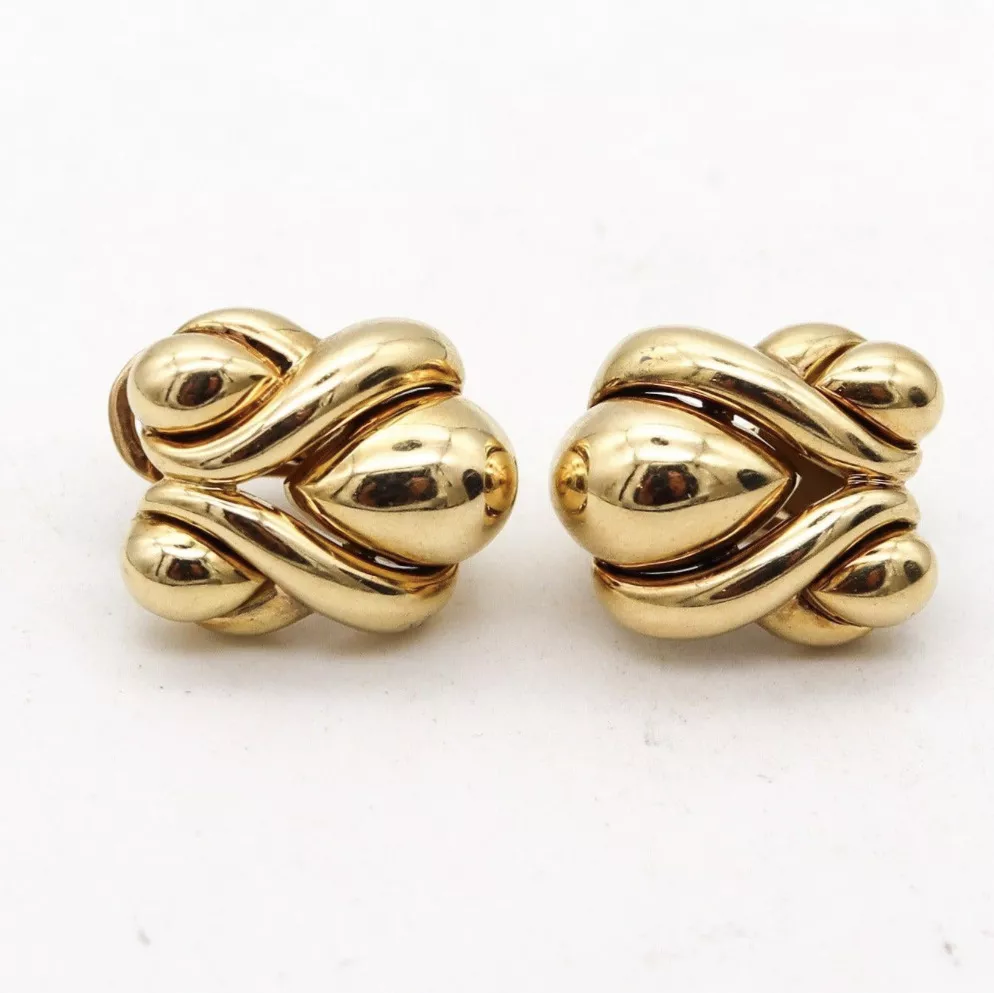
René Boivin (1864 - 1917) was a Parisian jeweler whose house marked the history of French jewelry. He mainly used yellow, pink and white gold, sometimes combined in the same piece to create subtle contrasts.
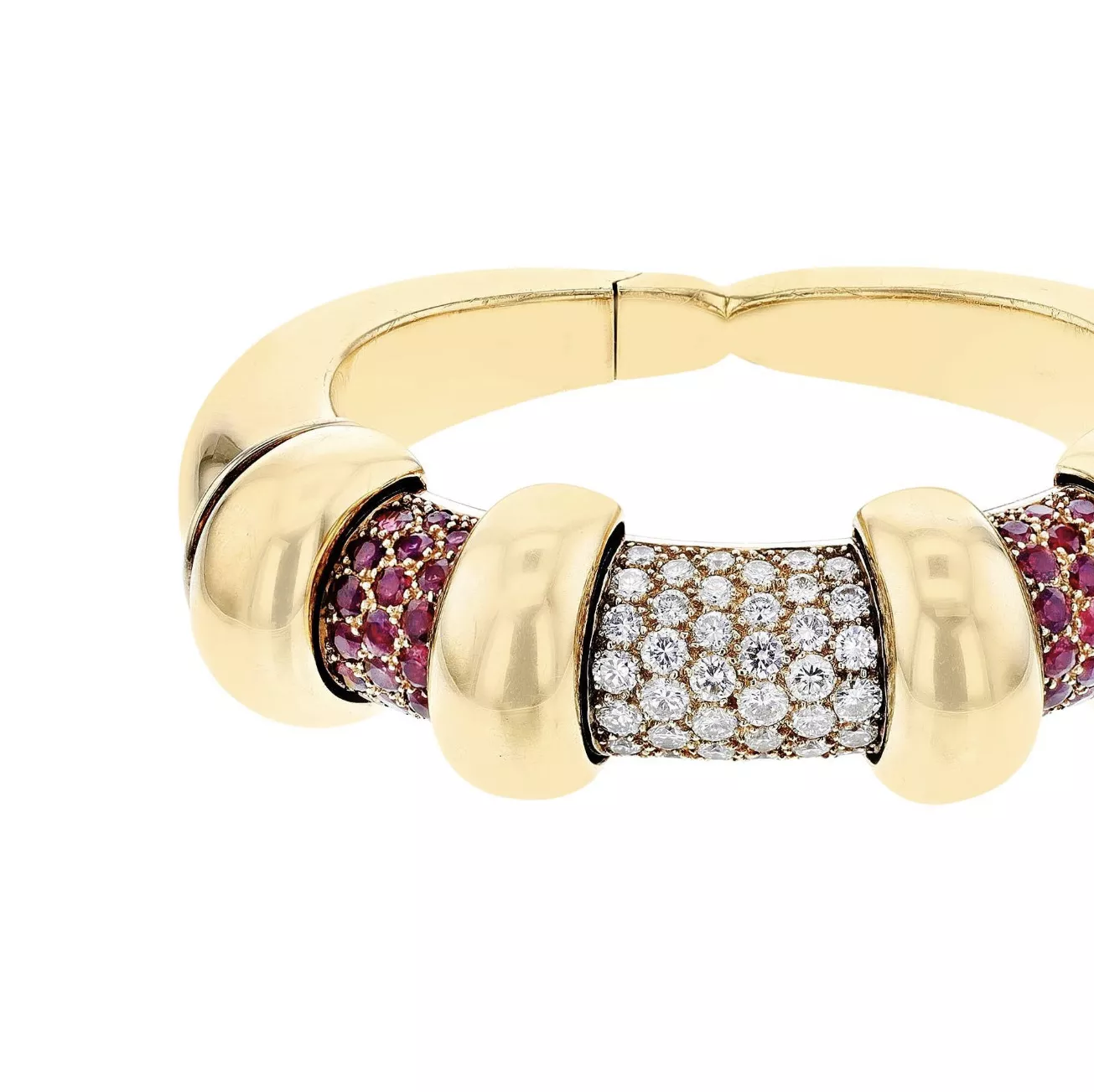
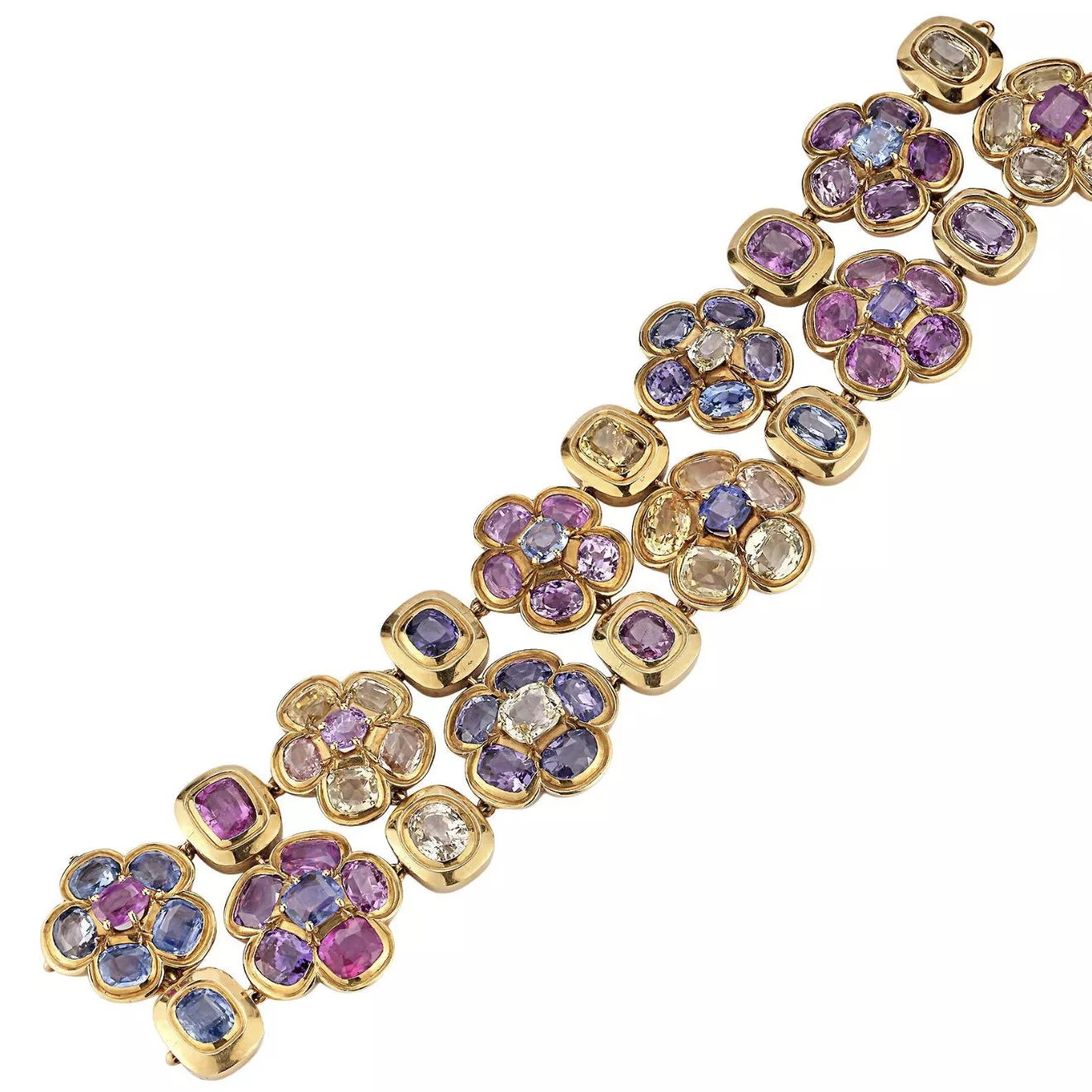
He used classic gemstones (diamonds, rubies, emeralds, sapphires) combined with semi-precious and ornamental stones (citrine, quartz, chalcedony, carnelian). Boivin introduced materials that were unprecedented for the time (precious woods, ivory, shells), reinforcing the boldness of his formal language.
The goldsmith's work is technically rigorous, with extreme precision in setting and cutting the stones. He demanded both solidity and suppleness from the frames, prioritizing wearing comfort as much as aesthetic effect.
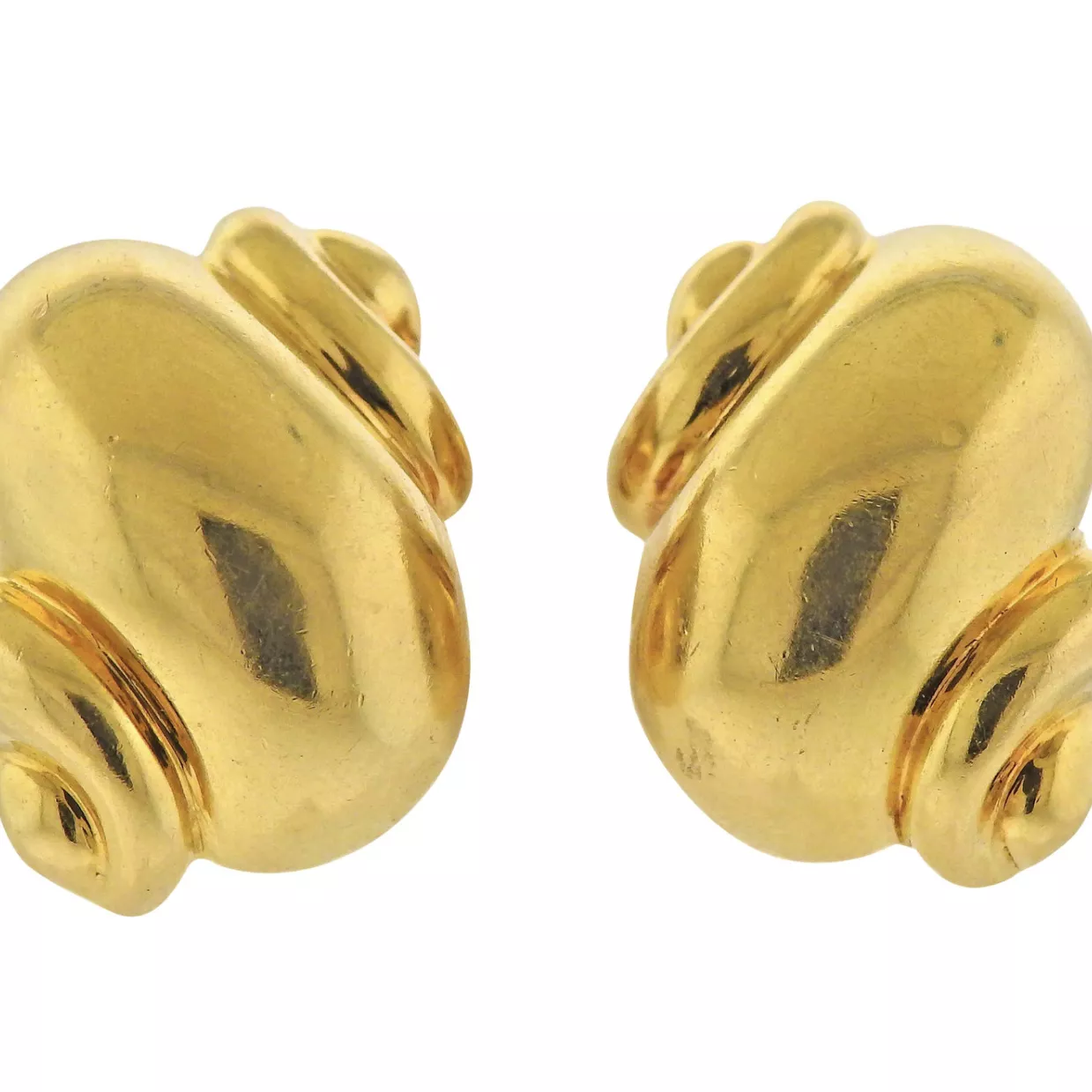
René Boivin worked closely with his workshops, where he encouraged formal and technical experimentation. He pronounced a taste for voluminous, sculptural forms, breaking with the delicate jewelry of the 19th century.
His jewelry is thought of as architectural objects, with powerful, balanced lines. He draws recurrent inspiration from naturalistic motifs, with flowers, fruit, animals, shells and coral, which are often stylized and monumentalized.
The compositions are structured in assertive, sometimes asymmetrical geometric shapes. His language is marked by a formal and decorative power, at odds with Belle Époque jewelry.
Suzanne Belperron and Art Deco
In his corpus, he anticipates the Art Deco style with assertive volumes, geometric lines and simplified motifs. He succeeded in marrying naturalness and abstraction, transforming organic elements into almost architectural forms.
Jewelry is therefore no longer a simple ornament, but a piece of character that affirms the personality of its wearer. He experiments with the cutting and engraving of stones, sometimes sculpted rather than simply set.
He uses numerous colored enamels and innovative settings to reinforce chromatic density, and develops volumes by superimposing gold plates and stones, creating relief effects. His work in metal is akin to sculpture, with gold becoming a living, textured material.
René Boivin thus stands at the crossroads between traditional jewelry-making and the decorative modernity of the early 20th century. His workshop, which was taken over after his death by his wife, Jeanne Boivin, and later by Suzanne Belperron, became a laboratory of modernity in the history of jewelry.
His technique and style laid the foundations for a bold, avant-garde sculptural jewelry style that would influence Art Deco and the post-war period.
.
The career of René Boivin
René Boivin (1854-1917) was born in Paris and trained at the École des Arts Décoratifs, where he acquired a solid grounding in drawing and ornament. He completed his apprenticeship with Parisian jewelers and goldsmiths, which enabled him to familiarize himself with the traditional techniques of haute joaillerie.
He soon set up on his own and collaborated with established goldsmiths, which enabled him to acquire a reputation. He quickly developed a personal style that broke away from the delicacy of the Belle Époque.
Boivin earned a reputation as an innovator thanks to his sculptural and architectural approach to jewelry, and became a respected designer. His creations stand out for their powerful shapes, in contrast to the slender, graceful jewelry dominant at the time.
He married Jeanne Boivin, who would play a decisive role in the continuity of the house after his death. His workshop is located on rue de la Paix, in the heart of the haute joaillerie district.
Market segmentation and the artist's rating
Jewelry from René Boivin's era (pre-1917) is extremely rare, with few pieces preserved. His style is still marked by the transition between the Belle Époque and modernity.
Values are high due to their historical rarity, between €50,000 and €200,000, and even higher for museum pieces. Jewelry from the Jeanne Boivin period (1917 - 1940) is also highly sought-after, with bold creations inspired by nature.
Values are sustained for this segment, between €30,000 and €150,000, depending on complexity and condition. Iconic pieces such as starfish brooches can exceed €200,000.
Jewelry designed by Suzanne Belperron for Boivin (1920s - 1932) is also extremely sought-after, as it marks the junction between the Boivin spirit and Belperron's modernism. This is a niche market, but one capable of setting records, with several auctions over €300,000 for emblematic pieces.
Later pieces (1940s - 1970s), from the Boivin workshop without Belperron, constitute a more variable market, with jewelry that is often less innovative but beautifully crafted. Prices are lower, between €10,000 and €50,000 at auction, except for iconic pieces (animals and shells), which remain sought-after.
Today, he is among the most sought-after silversmiths of his era, alongside Georges Lenfant and Jean Desprès.
Recognizing the artist's signature
René Boivin most of the time signs his jewelry, but Suzanne Belperron does not. That's why if you own or think you own a piece of jewelry by the house, it's essential to have it appraised.
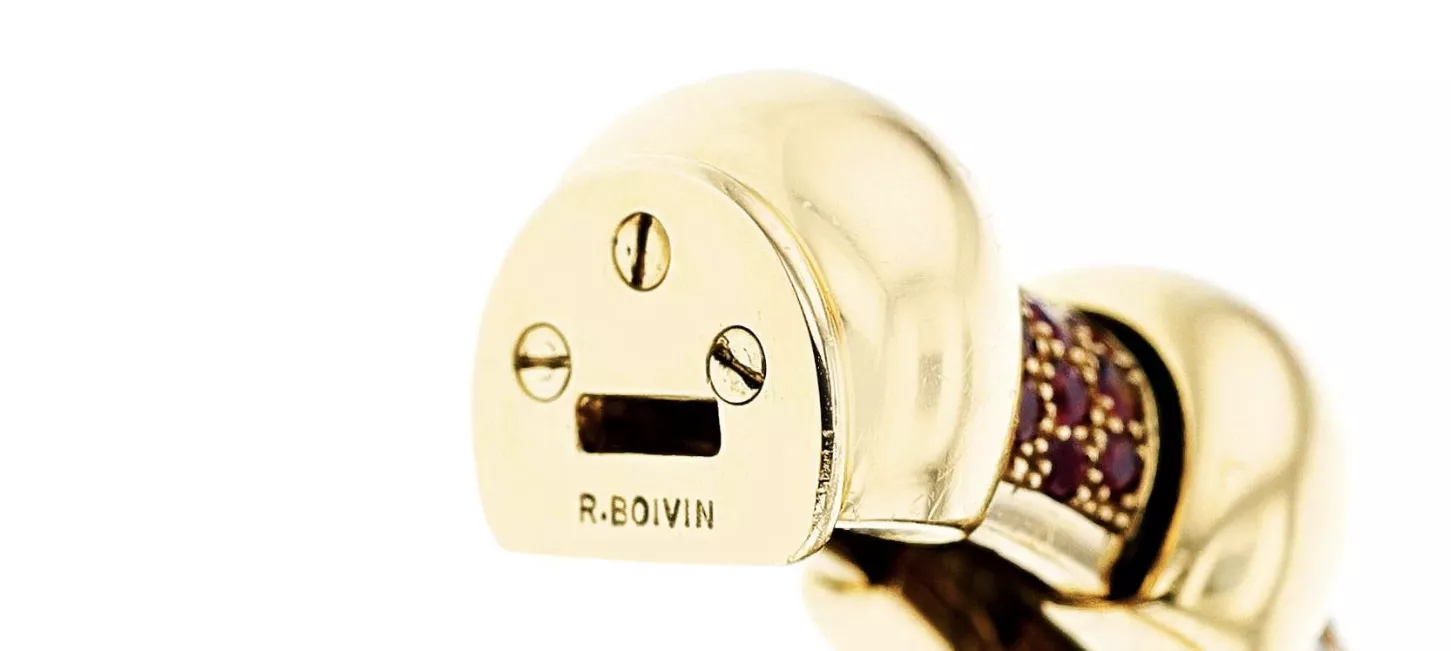
Knowing the value of a work
If you happen to own a René Boivin work, or think you might, don't hesitate to request a free appraisal using our form on our website.
A member of our team of experts and chartered auctioneers will contact you promptly to provide you with an estimate of the market value of your piece, as well as ad hoc information about it.
If you wish to sell your property, you will also be accompanied by our specialists in order to benefit from alternatives for selling it at the best possible price, taking into account the inclinations of the market.
.Estimate in less than 24h
Discover in the same theme

The value of Jean Mahie jewelry and creations
Jean Mahie, designer of luxury jewelry, is very much in vogue with collectors. His stock is rising and his jewels are not losing value.
Learn more >

Rating and value of jewelry, brooches, combs from the Vever...
Vever jewelry is a rare Art Nouveau collector's item, highly prized at auction. They are highly prized and valued.
Learn more >

Rating and value of Jean Mahie necklaces, bracelets and ring...
Jean Mahie is a haute-jouaillerie house that produces gold jewelry that is appreciated and highly sought-after on the auction market.
Learn more >
D'autres pièces de haute joaillerie vendues aux enchères

Estimated 10.000 - 15.000 €
BOUCHERON - "Ava" - White gold necklace set with a brilliant-cut diamond (1.56 cts)

Estimated 2.000 - 4.000
CARTIER, 18K (750 e) gold opening bangle bracelet

Estimated 1.500 - 3.000
CARTIER PARIS, Trinity, 2-tone 18k (750e) gold clip brooch

Estimated 3.000 - 5.000
CARTIER, Love, Wedding band in 18k white gold (750e)

Estimated 2.000 - 4.000
CARTIER Love model Pendant necklace in 18K (750e) white gold

Estimated 1.500 - 2.000
CHAUMET, Ring in platinum (850th), set with an oval faceted ruby

Secure site, anonymity preserved

Auctioneer approved by the State

Free and certified estimates
Frequently asked questions
-
Who is René Boivin, and what is his significance in the history of jewelry?René Boivin (1864–1917) was a leading Parisian jeweler who revolutionized French jewelry by developing a sculptural and architectural style that broke with the delicacy of the Belle Époque. Trained at the École des Arts Décoratifs, he foreshadowed Art Deco with voluminous forms, bold geometric lines, and the innovative use of novel materials. His workshop, taken over after his death by his wife Jeanne Boivin and later by Suzanne Belperron, became a laboratory of modernity that would have a lasting influence on the history of jewelry.
-
What is the price range for René Boivin jewelry on the current market?The prices of René Boivin jewelry vary considerably depending on the period and the type of piece, ranging from €420 to €235,000. Brooches are particularly sought after (€420 to €235,000), while necklaces range from €600 to €89,000. Pieces from René Boivin’s early period (before 1917) are the rarest and are valued between €50,000 and €200,000, or even more for exceptional pieces. The designs created by Suzanne Belperron at Boivin (1920s–1932) are among the most sought-after, with several record prices exceeding 300,000 €.
-
How can you authenticate a piece of jewelry by René Boivin?René Boivin generally signs his jewelry, which is a primary indicator of authenticity. However, Suzanne Belperron’s pieces do not bear her signature, making an appraisal essential. We recommend requesting a free, no-obligation appraisal from our state-certified auctioneers and experts, who will examine the piece in detail and provide you with an accurate authentication within 48 hours.
-
Is this the right time to sell a piece of jewelry by René Boivin?Yes, now is a good time to sell: René Boivin’s jewelry ranks among the most sought-after pieces by goldsmiths on the art market, alongside those by Georges Lenfant and Jean Desprès. Global demand is strong, particularly for iconic brooches, pieces from the historic house, and creations by Suzanne Belperron. Prices for these pieces are rising steadily at auction, offering a favorable opportunity for sellers.
-
How does the appraisal and sale process work at Auctie's?The appraisal is free, with no obligation, and is conducted by our experts and state-certified auctioneers. After you complete our online form, a member of our team will contact you to provide you with an accurate appraisal of your item. If you’d like to sell, we’ll guide you through the entire process—from the appraisal to the auction—as an auction house, offering you the best options to achieve the highest possible price based on current market trends.
