



Rating and value of 16th century European armor

Key takeaways
- 16th-century European armor sells for between €30 and €5,100, depending on its type, authenticity, and condition.
- 16th-century metal armor fetches the highest prices, ranging from €2,400 to €5,100, particularly if it features engraved or gilded decorations.
- An appraisal by a certified auctioneer is essential to accurately date the armor and estimate its market value prior to an auction.
If you own a piece of 16th century armor, and would like to know its value, our state-approved experts and auctioneers will offer you their appraisal services. Our specialists will carry out a free appraisal of your property, and provide you with a precise estimate of its current market value. Then, if you wish to sell your piece, we'll guide you towards the best possible device to obtain the optimum price. The price of armor can vary depending on the period, the person to whom it belonged, and its state of preservation.
Rating and value of a European suit of armor
European suits of armor are valuable historical objects, which are very successful at auction. They are collected by buyers of all nationalities, although Europeans are the first to seek out this type of historical souvenir. The price at which they sell on the art and auction markets ranges from €30 to €5,100, a considerable difference but one that speaks volumes about the value that can be attributed to European armor. In 2018, a suit of armor in mesh rib and metal, with a helmet and cuirass, in sculpted steel and decorated with flower scrolls sold for €5,100, a sale made in Paris.
Order of value from classic armor to the most sought-after
Type of armor | Result |
|---|---|
Metal armor gauntlet | From 30 to 100€ |
Miniature armor | From 70 to 950€ |
Metal XVI-style armor | From €550 to €1,300 |
Revival XVI-style armor in metal | From €2,400 to €5,100 |
Estimate in less than 24h
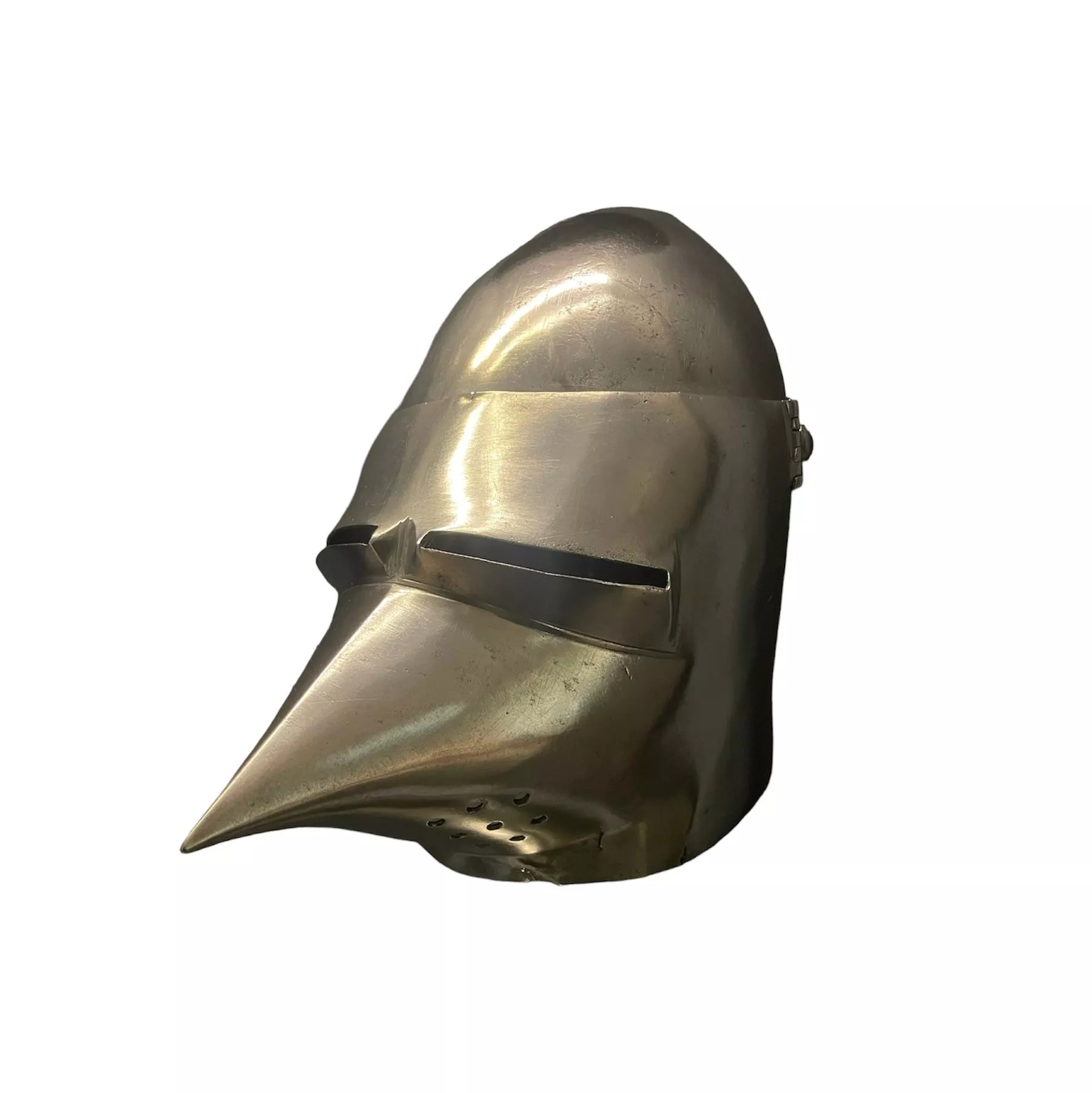
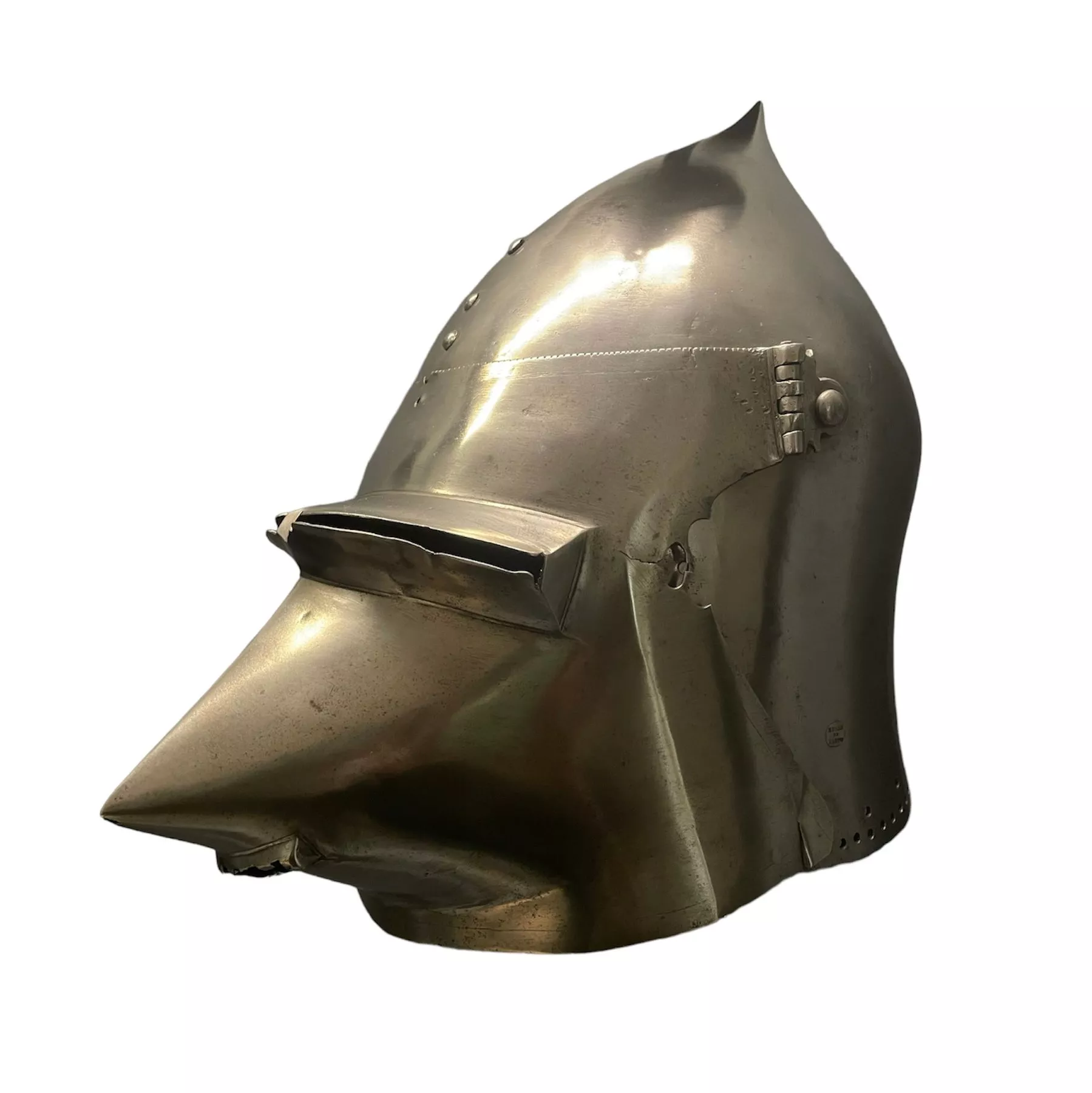
European armor, introduction and definition
In every country in the world, wars have forced civilizations to equip themselves with weapons and armor. In the West, armor was excessively heavy, particularly in the 16th century. Their natural purpose was to protect the wearer's body; they were defensive equipment worn directly on the body. They are world-famous for their unrivalled decorations.
History and composition of European armor
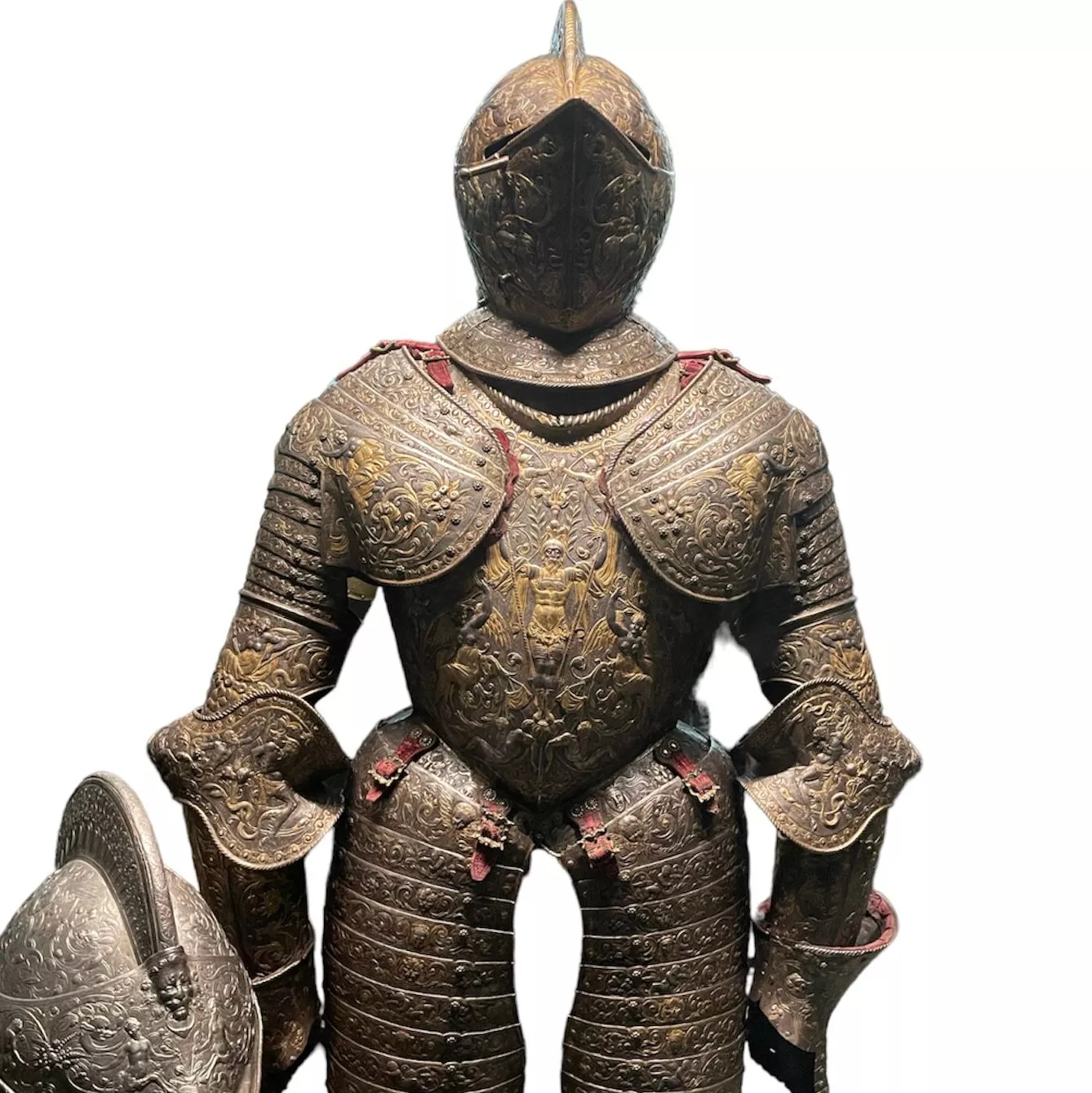
European armor of the 16th century was a functional work of art, meticulously designed to offer optimum protection while displaying the wealth and social status of its wearer. Primarily made from iron and steel, these armors were composed of multiple interconnected metal plates, offering considerable flexibility and mobility despite their weight. The manufacturing process involved forging and tempering to enhance the strength of the steel, while decoration, such as engraving and gilding, added an aesthetic dimension. Armor from this period varied in style, from the imposing Gothic armor with its angular forms to the more elegant Italian armor, characterized by its curves and intricate details. These pieces of armor were not only symbols of power and prestige, but also crucial elements of personal protection for the knights and nobles of the time.
Some of these suits of armor have become world-famous historical items, such as François I's intricately acid-decorated armor with lions, or the armor of the dauphin Henri II, which features steel engravings all over the armor.

Have your armor appraised
European armor is a complex collectible, whose value and period are difficult to estimate. That's why it's vital to have your armor appraised by experts who can accurately date the period in which the armor was made and used.
Know the value of your property
If you happen to own a European suit of armor, or think you might, don't hesitate to request a free appraisal using our form on our website. A member of our team of experts and certified auctioneers will contact you promptly to provide you with an estimate of the market value of your bag, as well as any relevant information about it. If you wish to sell your property, you will also be accompanied by our specialists in order to benefit from alternatives to sell it at the best possible price, taking into account market inclinations.
Estimate in less than 24h
More military collectibles at auction

Estimated 3000 € - 5000 €
Flintlock general's or admiral's pistol, Vendémiaire an XII model

Estimated 18.000 - 20.000 €
Hugo Borchardt patent C93 pistol, with original wood and leather stock.

Estimated 20.000 - 30.000 €
Present or ceremonial sword of the Cinquedea type. Northern Italy circa 1490-1510.

Estimated 3.000 - 5.000 €
Japanese armor. Japan, Meiji era.

Estimated 5.000 - 7.000 €
Ear dagger in the style of Diego Caias. Mounted in damascened iron, ivory and silver.
Discover in the same theme

Rating and value of miniature cannons
Miniature cannons are popular collectors' items. Auction prices vary according to the object.
Learn more >

Rating and value of German military helmets
German military helmets are sought-after collectibles at auction. Their market value can be very high.
Learn more >

Rating and value of Spanish military orders and decorations
Spanish military orders and decorations are prized collectors' items, with high prices and values at auction.
Learn more >

Secure site, anonymity preserved

Auctioneer approved by the State

Free and certified estimates
Frequently asked questions
-
What factors influence the value of 16th-century European armor?The value of a 16th-century suit of armor depends primarily on its exact date, its provenance (particularly if it belonged to a notable historical figure), and its condition. Armor decorated with engravings, gilding, or intricate designs—such as Francis I’s “Lion Armor”—commands much higher prices than standard armor. Authenticated period pieces sell for between €2,400 and €5,100, while 16th-century-style reproductions remain less expensive.
-
How do you have a suit of armor appraised to determine its authenticity and value?Auctie's offers a free, no-obligation appraisal conducted by state-certified experts and auctioneers. Simply submit a request using the form on the website: a member of our team will contact you shortly to examine your armor and provide you with an accurate assessment of its market value, along with detailed information on the piece’s date and authenticity.
-
What is the current price range for 16th-century European armor at auction?16th-century European armor sells for between €30 and €5,100, depending on the type and quality. A metal gauntlet sells for between €30 and €100, a miniature suit of armor for between €70 and €950, while an authentic 16th-century suit of armor can fetch between €2,400 and €5,100. A notable example: a suit of chain mail armor with a helmet and breastplate, decorated with floral scrollwork, sold for €5,100 in Paris in 2018.
-
Is this the right time to sell a piece of 16th-century European armor?Yes, now is a good time to sell 16th-century armor. These historic pieces are in high demand at auctions among collectors of all nationalities, particularly Europeans. Auctie's can help you determine the best sales strategy to achieve the highest possible price based on current trends in the art market.
-
How does the sale of a suit of armor work at Auctie's?The process begins with a free appraisal conducted by our experts, with no obligation on your part. If you decide to sell, our specialists will guide you through every step of the process—from preparation and listing for auction to the final sale—ensuring you receive the best possible price for your item.
