



Rating and value of drawings and paintings by Kazuo Shiraga

Key takeaways
- Kazuo Shiraga's works sell for between €100 and €7.6 million, with his paintings commanding the highest prices.
- As a founding artist of the Gutai movement of the 1950s, he practiced a form of performance painting in which he used his body as a tool, notably by painting with his feet.
- His works from the 1950s and 1960s, created during his active participation in the Gutai group, are particularly sought after for their historical significance in gestural abstraction.
Order of value from a simple work to the most prestigious
Estimation | |
Painting | 617 - 7 600 000€ |
Drawing - Watercolor | 223 - 240 000€ |
Estamp | 86 - 22 080€ |
Estimate in less than 24h
Style and technique of Kazuo Shiraga
To bring his abstract paintings to life, Shiraga flies over the canvas, his feet coated with paint, rocking back and forth in a pendulum motion, and smears the canvas on the floor with his footprints. While he admires the aesthetic rendering of Jackson Pollock's dripping, Shiraga gives texture and depth to his splashes and swirls. In so doing, he explores the relationship between the body and paint.

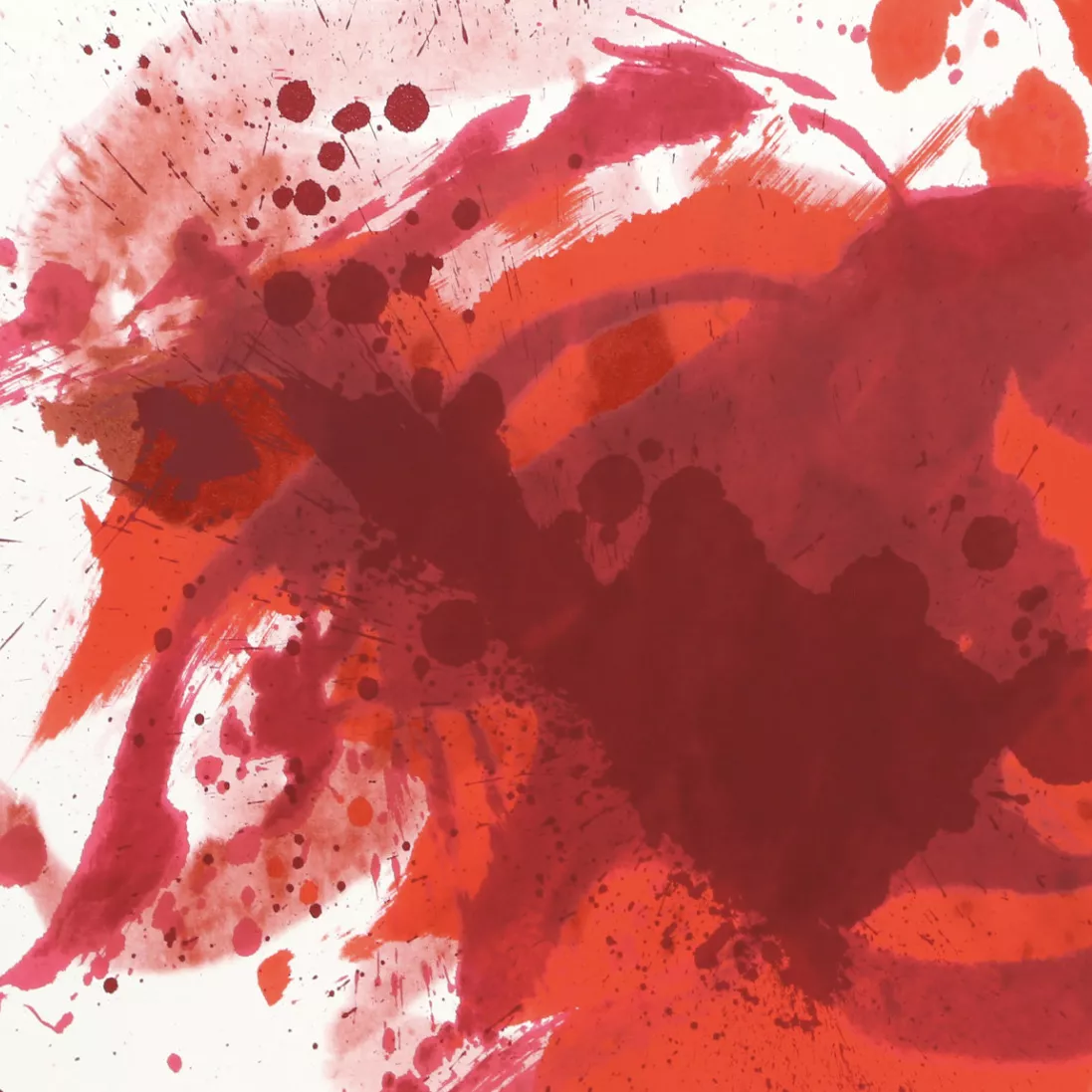
" The Japanese man who painted with his feet "
Kazuo Shiraga was born in Amagasaki in 1924. Under the guidance of his father, he developed a passion for painting from an early age. He began training as a painter at the age of thirteen and discovered an encouraging talent. However, in 1944, Shiraga was forced to abandon his brushes to go and fight the Allies in the Second World War to serve his homeland. The climax of the war in Japan came when the country was set on fire by the explosion of atomic bombs on Hiroshima and Nagasaki in August 1945.
After this seismic catastrophe, Shiraga continued his artistic studies at the Kyoto Professional Painting School and returned safely to his canvases. In a grief-stricken Japan trying to rebuild, Shiraga nevertheless escaped death from severe pneumonia. In 1952, he founded the Zero-Kai movement with his friends Saburô Murakami, Akira Kanayama and Atsuko Tanaka.
These four artists displayed a libertarian style that played with conventions, approaching an ever more corporeal and conceptual painting.
.
How Shiraga made his mark
Originally, Shiraga painted with a palette knife, then transited to using his fingernails, and finally, he found his singular style by painting canvases with his feet.
In 1955, the Zero-Kai movement took the name " Gutai ", a term derived from "gutaiteki" in Japanese, which can be translated as "concrete". This paradigm shift can be seen as a refusal to be affiliated with abstract art. While Shiraga paints with his own body, we now know where the Cohen brothers got their inspiration for the Maude Lebowski character. Shiraga was spotted by French critic Michel Tapié during an exhibition, who suggested he join the movement to which he belonged, Art Informel. This meeting between the two artists, each overseeing the artistic movement to which they belonged, was to be decisive in the spread and renown of Gutaï on the international art scene.
He also organized mud jousts, always in this desire to mark his supports with his bodily imprints. What counts for Shiraga is less the final result of the work than the path and process of creation, the essence of his art, which becomes a form of catharsis. In 1971, Shiraga withdrew to a Buddhist monastery, which had a profound influence on his painting, tinting it with a resolutely spiritual tone. He retains his unique technique of painting with his feet, but no longer takes to the stage, abandoning the performance and public scene that characterized Gutai. He now paints at home with his wife.
FAQ – How do you appraise a work by Kazuo Shiraga?
1) What stylistic criteria specific to Kazuo Shiraga are key?
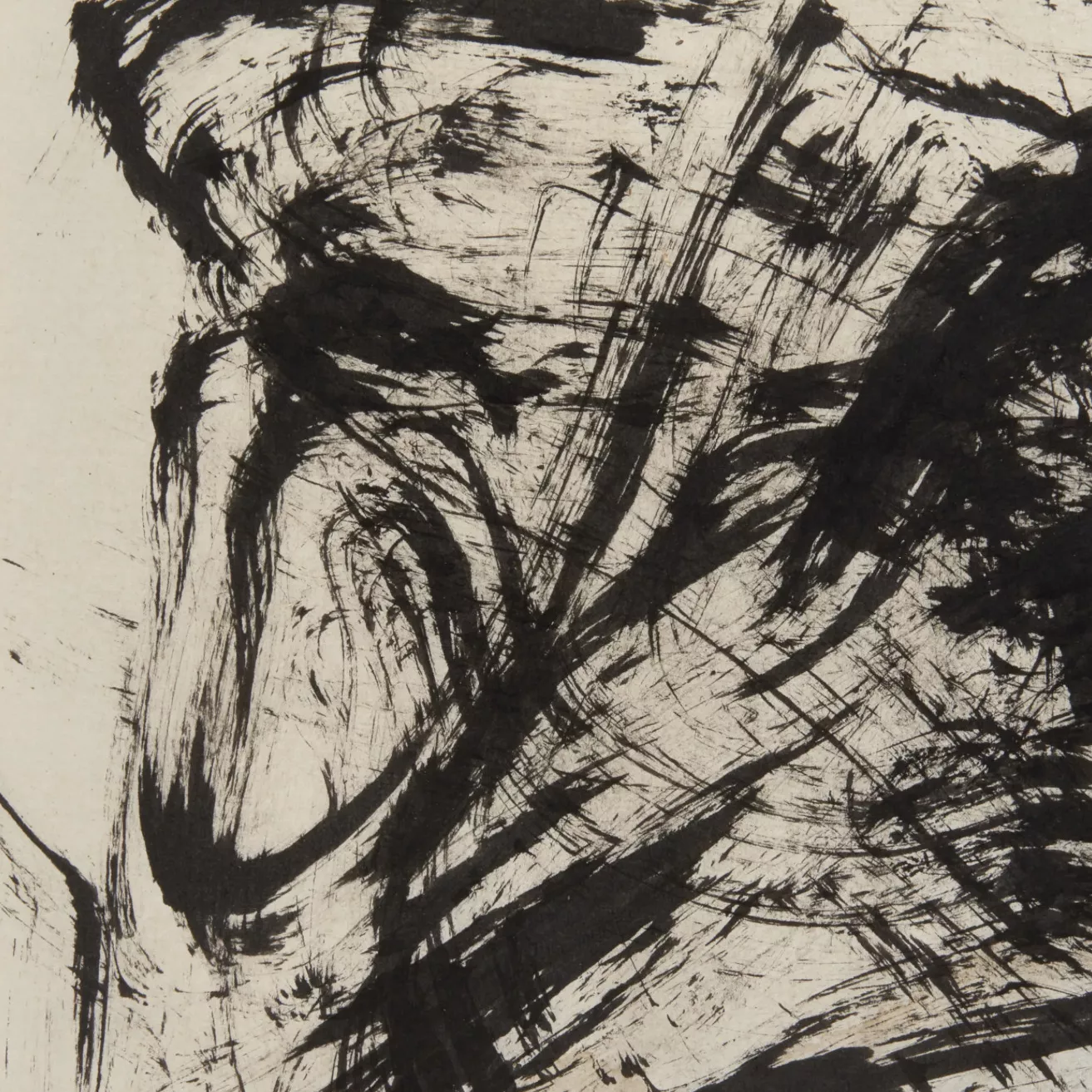
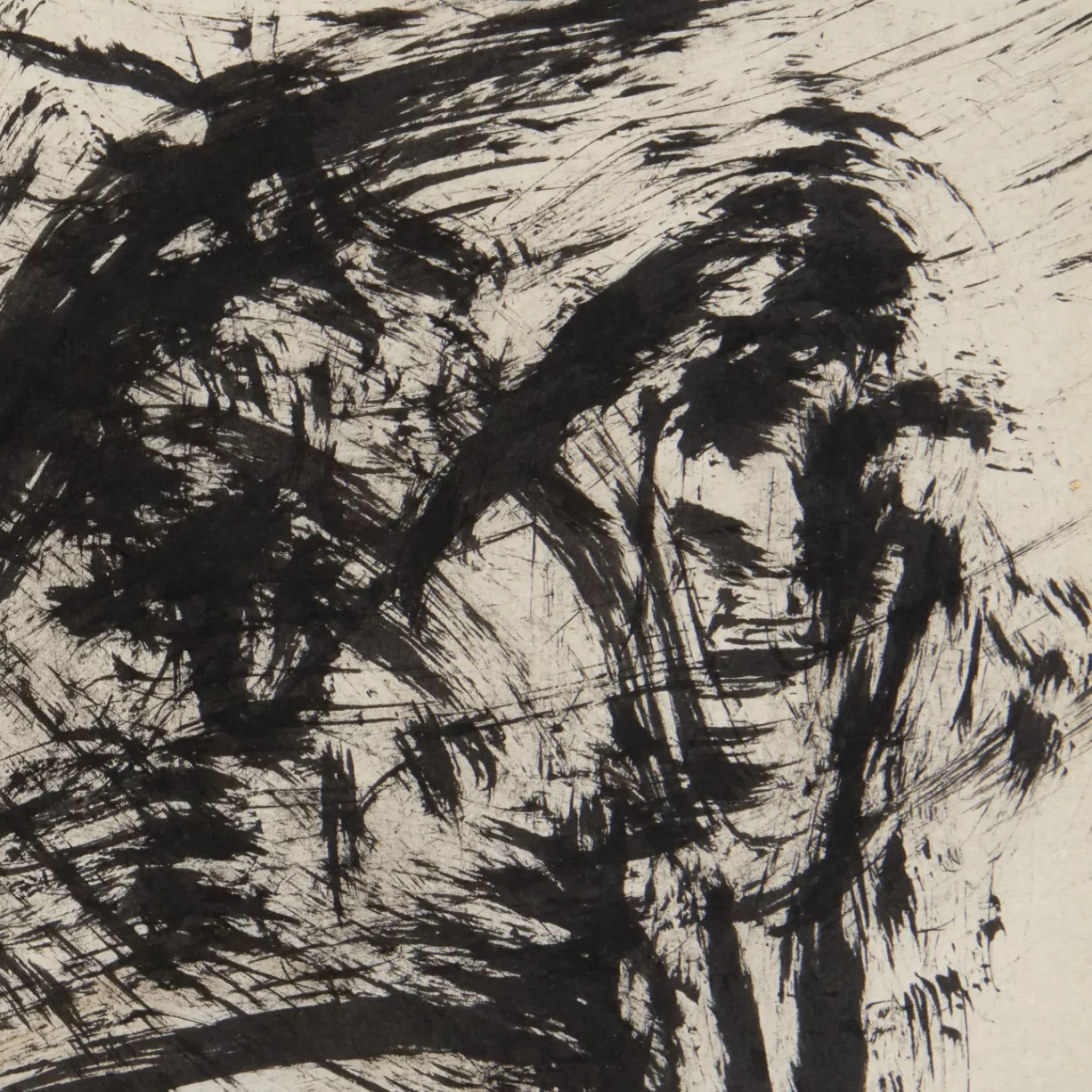
For this artist, the analysis focuses on the dynamics of the gesture, the thickness of the paint, and the traces of the body in the painting, as the artist is known for his floor-based compositions, which are characteristic of the Gutai movement.
2) How important is the Gutai period in determining value?
Works from the 1950s and 1960s, corresponding to Shiraga’s active participation in the Gutai group, are particularly sought after due to their historical significance in the emergence of gestural abstraction in Japan.
3) How does the condition of the work influence its valuation?
The condition of the painting’s surface (cracks, lifting of paint, deterioration of the support) is particularly important given the thickness and experimental nature of the materials used.
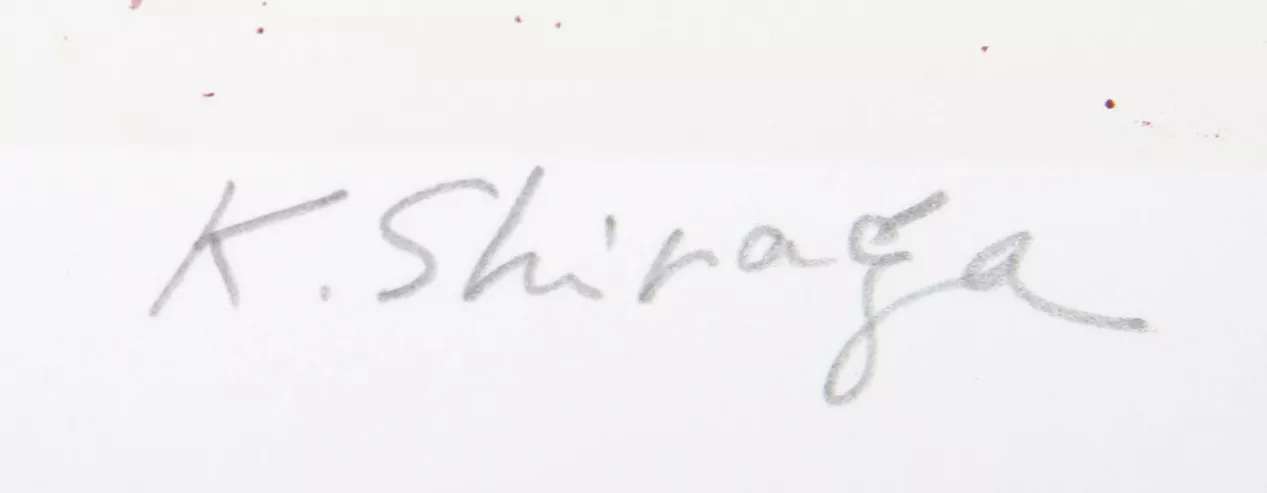
How to recognize Kazuo Shiraga's signature
Shiraga signs most of the time at the bottom right of his paintings, sometimes in Japanese character, sometimes in Western character and sometimes even both.
How to find out the value of a work by Kazuo Shiraga
If you happen to own a work by Kazuo Shiraga, don't hesitate to request a free appraisal via our form on our website. An auctie's member will contact you promptly with an estimate of the value of your work, as well as providing you with all the relevant information. If you are considering selling your work, you will also be accompanied by our specialists in order to benefit from alternatives for selling it at the best possible price.
Estimate in less than 24h
Discover in the same theme

Rating and value of ceramic mirrors by Mithé Espelt
Mithé Espelt is a renowned 20th-century ceramist who has produced a number of highly-rated mirrors that are valued on the auction market.
Learn more >

Market Value and Price of Jules Laurens' Paintings
Jules Laurens was a realist and Orientalist painter who produced paintings that are highly valued at auction. Estimate in 24
Learn more >

Market Value and Pricing of Georges Malissard's Bronzes and...
Georges Malissard is a twentieth-century French animal sculptor whose works are highly valued at auction.
Learn more >
Nos records d'enchères à l'hôtel Drouot

Estimated 10.000 - 15.000 €
Ebridge Ayer BURBANK(1858-1949), Young African-American boy, Oil on panel.

Estimated 20.000 - 30.000
EXCEPTIONAL LARGE OVAL DISH IN VINCENNES SOFT PASTE PORCELAIN FROM THE "BLEU CÉLESTE" SERVICE OF KING LOUIS XV AT THE CHÂTEAU DE VERSAILLES

Estimated 20.000 - 30.000
MANUFACTURE ROYALE DE SÈVRES, 18th century "L'Empereur de la Chine" - Portrait of the Emperor Qianlong, Hard porcelain bisque, 1775

Estimated 1.500 - 3.000
HERMÈS, "Kelly" 32 saddle bag in black box calf

Estimated Between €5,000 and €8,000
KRACHKOWSKY (1854-1914), Before the storm, oil on canvas

Estimated 40.000 - 80.000
Alexandre ROUBTZOFF (1884-1949), Portrait of Arbia, oil on canvas

Secure site, anonymity preserved

Auctioneer approved by the State

Free and certified estimates
Frequently asked questions
-
Who is Kazuo Shiraga, and what is his artistic background?Kazuo Shiraga (1924–2008) was a leading Japanese artist of the Gutai movement, founded in the 1950s. He is known for his performance-based painting, in which he used his body as a creative tool, notably by painting with his feet suspended above the canvas. His work is part of the postwar Japanese avant-garde and engages with Western Abstract Expressionism, particularly Action Painting.
-
What is the price range for Kazuo Shiraga's works?Kazuo Shiraga's paintings and drawings sell for between €100 and €7,600,000 at auction. Paintings command the highest prices (€617 to €7,600,000), while drawings and watercolors range from €223 to €240,000, and prints from €86 to €22,080.
-
How can you authenticate a work by Kazuo Shiraga?To authenticate a work by Kazuo Shiraga, we recommend submitting a request for a free appraisal with Auctie's. Our state-certified auctioneers and experts examine the authenticity, analyze distinctive stylistic criteria (dynamic brushwork, thickness of the material, traces of the artist’s body), verify the signature, and assess the condition of the work.
-
Is this a good time to sell a work by Kazuo Shiraga?Yes, now is a good time to sell a work by Kazuo Shiraga. The market for this artist remains strong, particularly for works from the 1950s and 1960s—his active Gutai period—which are of major historical significance in the emergence of gestural abstraction in Japan.
-
How does the appraisal process work at Auctie's?The appraisal is free and non-binding. Simply fill out our online form with photos and information about your artwork. Our experts and certified auctioneers will conduct a thorough appraisal and provide you with a reliable estimate within 48 hours, based on authenticity, market value, and recent market results.
