



Rating and value of sculptures, marbles and bronzes by Joseph Antoine Bernard

Key takeaways
- Joseph Bernard (1866–1931), a French Symbolist sculptor, created works whose prices range from €60 to €130,000 depending on the type and quality.
- His bronze and marble sculptures are particularly sought after, especially his refined female figures and allegorical works, with strong demand in France and the United States.
- The market places a higher value on polished marble and bronzes from renowned foundries, while smaller pieces (20–40 cm) serve as an entry point into the market.
If you own a work by or after the artist Joseph Bernard, and would like to know its value, our state-approved experts and auctioneers will offer you their appraisal services.
Our specialists will carry out a free appraisal of your work, and provide you with an accurate estimate of its value on the current market.
Then, should you wish to sell your work, we will direct you to the best possible arrangement to obtain the optimum price.
Rating and value of the artist Joseph Bernard
Jospeh Bernard is an artist from the Symbolist group. His legacy consists of paintings and drawings. At present, the prices of his works are exploding at the auctioneers' gavel.
His sculptures are particularly prized especially by French and American buyers, and the price at which they sell on the Art market ranges from €60 to €130,000, a considerable delta but one that speaks volumes about the value that can be attributed to Bernard's works.
A bronze sculpture, Porteuse d'eau, sold for €130,000 whereas it was estimated at between €60,000 and €80,000. The artist's quotation is high and varies according to the quantity of works present on the auction market.
Order of value ranging from a single work to the most prestigious
Technique used | Result |
|---|---|
Drawing | From €60 to €1,650 |
Sculpture - volume | From €300 to €130,000 |
Estimate in less than 24h
Style and technique of the artist Joseph Antoine Bernard
Joseph Antoine Bernard is a French sculptor in the tradition between symbolism, modernized classicism and art deco aesthetics. He sought formal simplification with uncluttered volumes, calm lines and a rejection of overly descriptive naturalism.
His work is characterized by a poetics of purity, the forms are essential, with an absence of anecdote and a serene monumentality. Female figures are idealized, often standing, draped or semi-nude, with lanky silhouettes. Postures are stable, with an assertive verticality, measured gestures and an absence of excessive twisting.
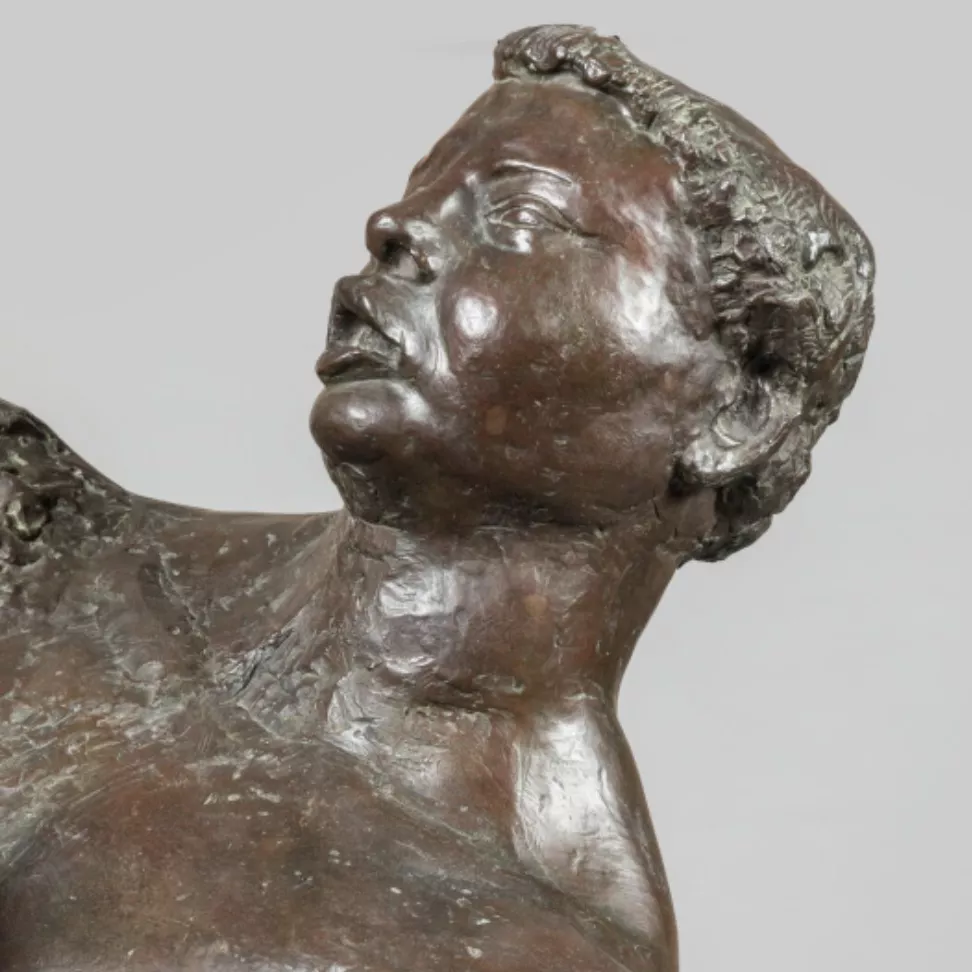
The faces he depicts are serene, with softened features and restrained expression, and a refusal of dramatic emphasis. He has a keen sense of gentle geometrization, with continuous curves, simplified contours and an economy of detail.
The modeling is broad, smooth and deliberately quiet. The transitions are very seamless between planes, with an absence of breaks and a uniform skin effect. The sculpture aims for plastic harmony rather than strict anatomical exactitude.
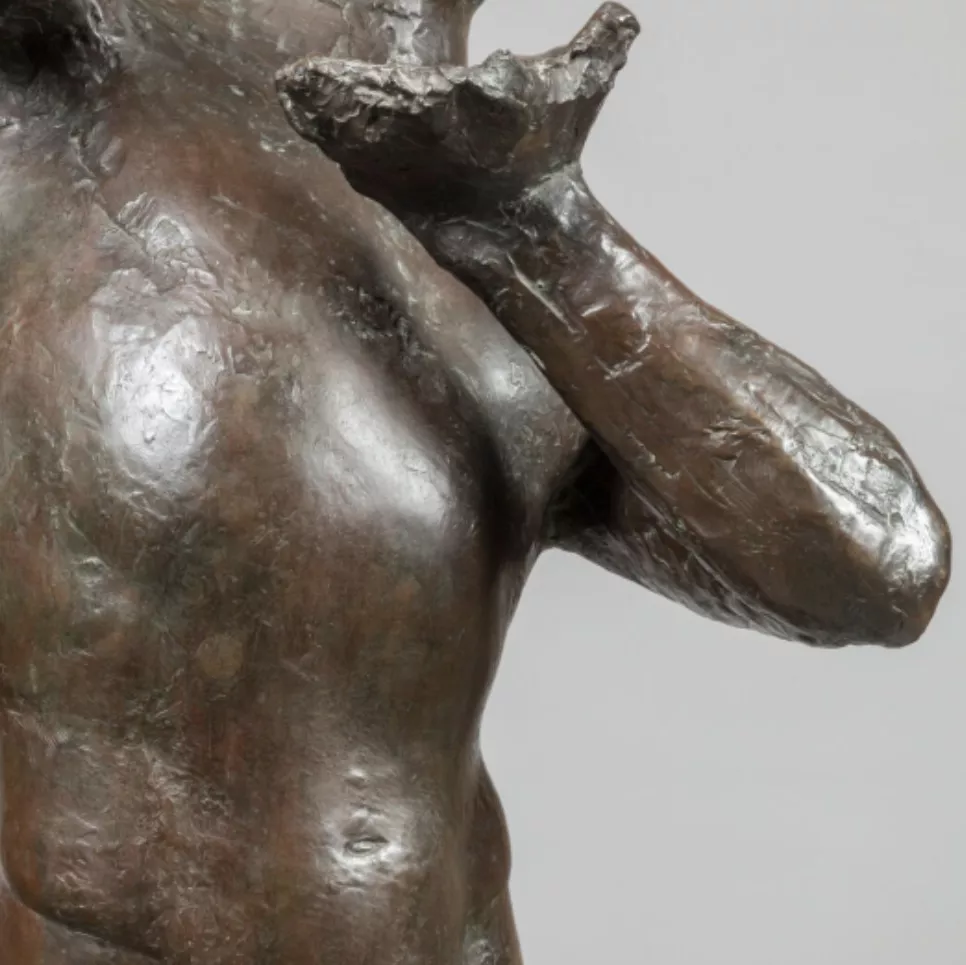
He makes frequent use of drapery as a rhythmic element, with simplified folds and softened volumes. He works in conjunction with marble and bronze, marking a dual aesthetic : the marbles have a polished, satin-finished surface, giving an almost timeless dimension to the figure.
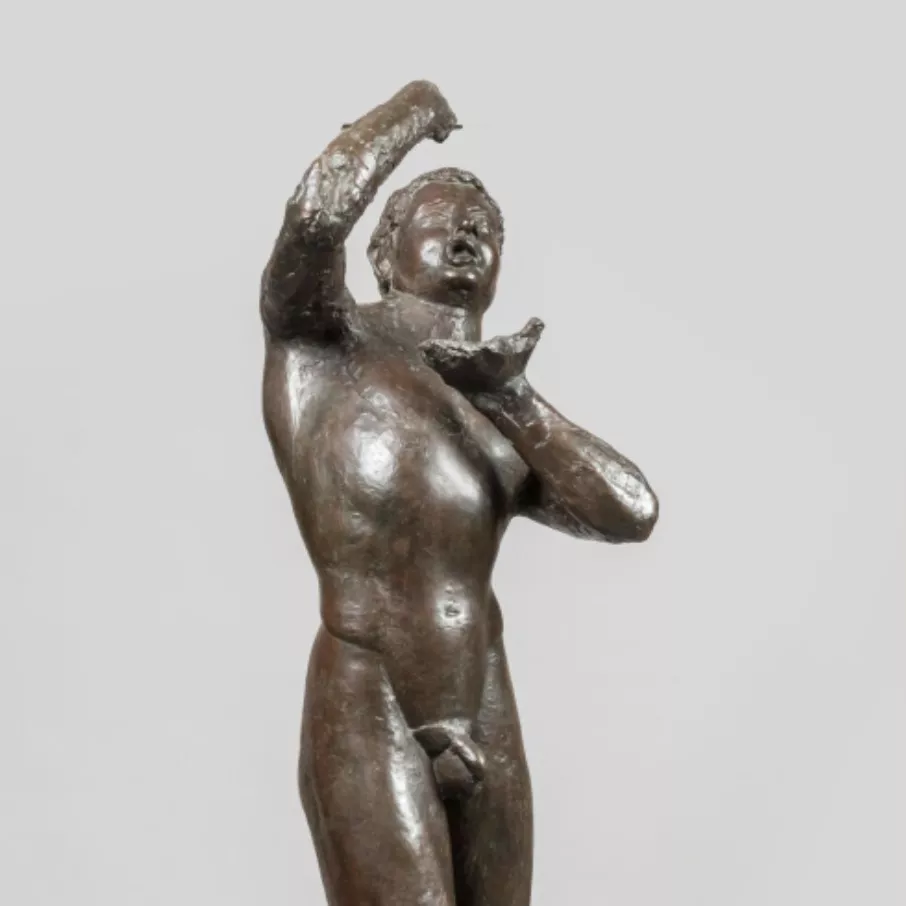
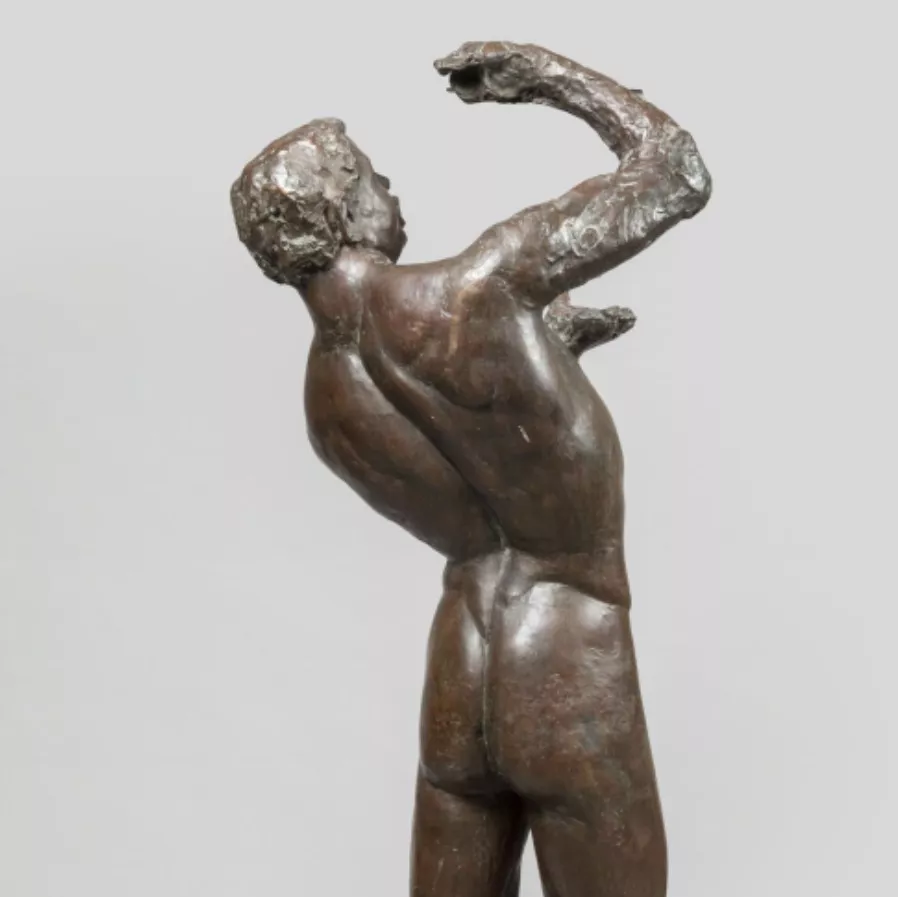
As for the bronzes, they have a sober patina, favoring warm-toned browns and discreet greens. The preparatory plaster casts are also meticulously crafted, with a focus on pure form before cutting or casting.
Bernard's work lies midway between late Symbolism and early Art Deco. He is close to the contemporary research of Bourdelle but with a purer, less dramatic aesthetic. His work prefigures the sculpture of monumental calm to be found in Maillol or Despiau.
The life of Joseph Bernard
Joseph Antoine Bernard (1866 - 1931) was a sculptor born in Vienne, Isère. He entered the École des Beaux-Arts de Lyon in 1881, and later joined the École des Beaux-Arts de Paris, in the studio of Pierre-Jules Cavelier, then Louis-Ernest Barrias.
He acquired a solid academic training, but quickly moved towards a formal simplification that distanced him from the prevailing descriptive naturalism. His debut was noticed at the Salon de la Société Nationale des Beaux-Arts, and he won several prizes in the 1890s, enabling him to receive official commissions.
He established himself as a rising figure in French Symbolist sculpture, and completed numerous commissions for the State and municipalities (monuments, allegorical statues, female figures for public spaces).
He was an active participant in the Parisian Salons, where he exhibited works in plaster, marble and bronze every year. He frequently collaborated with architects on decorative integrations (facades, gardens and monumental ensembles).
In the 1900s, his style was still marked by symbolism, dreamy figures and supple forms. In the 1910s - 1920s, he made the transition to a modernized classicism, simplifying volumes and purifying lines.
He developed a highly personal sculptural language, with uncluttered female figures, serene poses and calm monumentality. Stylistically, he is closer to Aristide Maillol, while retaining a more decorative softness.
He also teaches sculpture and influences a generation of young artists, seeking a compromise between tradition and modernity. His studio became a highly sought-after training ground in the 1920s.
Market segmentation and artist rating
Marbles are the most sought-after and rare segment, with high prices and strong institutional demand. Bronzes are the main market segment, with wider distribution and variable values depending on foundry and patina.
Plasters are more of an accessible study segment aimed at specialized collectors. Monumental works or monumental projects are very rare on the market and are often kept in institutions or communities.
Small formats (20 - 40 cm) are the entry-level market, especially bronzes and plasters. Medium formats (40 - 80 cm) are at the heart of the liquidity, especially refined female figures. Large figures over 80 cm constitute a restricted market, with a much higher valuation.
The most sought-after subjects are idealized female figures, allegories (meditation, thought, draped young woman), purely modeled marbles close to the pre-Art Deco aesthetic, and bronzes from renowned foundries.
Valuation criteria include provenance (official salons, historical collections), quality of foundation (old editions, original patina), legible signature and reference to a well-known model.
The market is located mainly in France (Paris, Lyon), with regular visits to Belgium and the UK. The international market is limited but solid, driven by collectors of Art Deco, Symbolism and modernized Classicism.
Joseph Bernard occupies a high-end position in early 20th-century French sculpture. The stylistic coherence of his work and the rarity of his major pieces make his price stable.
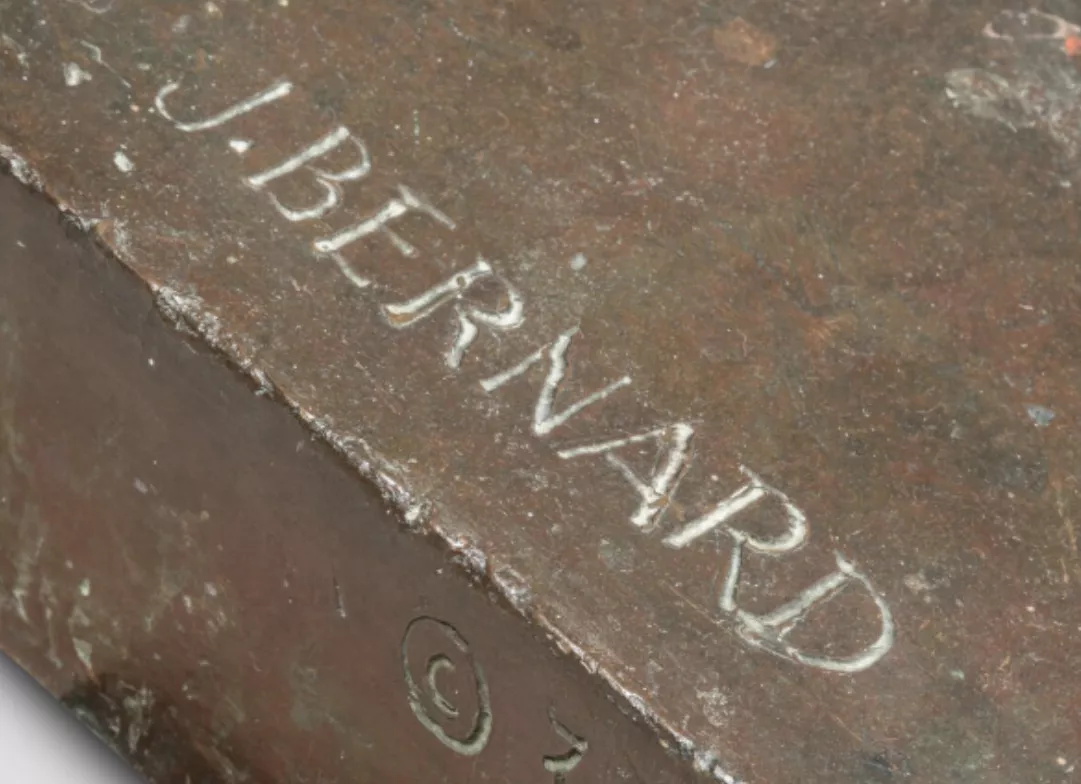
Recognizing Joseph Bernard's signature
The artist doesn't always sign his works. If you think you own one, it's best to have it appraised. The signature may differ depending on the type of work: sculpture, drawing or other. There are also copies, which is why expertise is important.
Knowing the value of a work
If you happen to own a work by or after Joseph Bernard, don't hesitate to request a free appraisal using our form on our website.
A member of our team of experts and certified auctioneers will contact you promptly to provide you with an estimate of the market value of your work, as well as ad hoc information about it.
If you are considering selling your work, you will also be accompanied by our specialists in order to benefit from alternatives for selling it at the best possible price, taking into account the inclinations of the market.
.Estimate in less than 24h
Discover in the same theme

Rating and value of works, sculptures, bronzes by Charles Va...
Charles Valton was a 19th-century animal sculptor who worked with Barye, producing works that are quite highly rated at auction.
Learn more >

Rating and value of works, paintings, drawings by Alfred Rol...
Alfred Roll was a 19th-century realist painter of landscape scenes and portraits. His works have a stable, high rating.
Learn more >

Rating and value of works, paintings and drawings by Albert...
Albert Maignan was a 19th-century neoclassical painter who produced mainly history paintings, which are sought-after at auction. Estimated in 24h.
Learn more >
D'autres bronzes anciens vendus aux enchères

Estimated Between €5,000 and €8,000
Agathon LEONARD (1841-1923), Dancer with scarf, bronze lamp, ed. Susse frères

Estimated 3.000 - 5.000
Raoul LARCHE (1860-1912) The fisherman, Bronze with green patina

Estimated 600 - 800
Hercules Farnese, bronze, reproduction after Glycon of Athens

Estimated 1.500 - 3.000
Jules FRANCESCHI (1825-1893) Hébé et l'aigle de Jupiter, gilded bronze

Estimated 800 - 1.500
Henry Étienne DUMAIGE (1830-1888), bronze print

Estimated 1.500 - 3.000
Antoine Louis BARYE (1796-1875) Eagle and heron, bronze print with shaded brown-green patina

Secure site, anonymity preserved

Auctioneer approved by the State

Free and certified estimates
Frequently asked questions
-
Who is Joseph Antoine Bernard, and what is his artistic background?Joseph Antoine Bernard (1866–1931) was a leading French sculptor of the Symbolist movement and the early Art Deco period. Trained at the École des Beaux-Arts in Paris, he quickly made a name for himself with his refined style, characterized by simplified forms, clean lines, and idealized female figures. His aesthetic lies between late Symbolism and modernized Classicism, bringing him closer to artists such as Maillol, with a serene monumentality and an absence of descriptive naturalism.
-
What are the prices for Joseph Bernard's sculptures?Prices for Joseph Bernard’s sculptures vary considerably depending on size, material, and provenance: they range from €300 to €130,000. Marble sculptures—the rarest and most sought-after category—and medium- to large-scale bronzes form the core of the market. Small-scale works in bronze or plaster offer more accessible entry-level prices, while major pieces and monumental works command the highest estimates.
-
How can you authenticate a sculpture or marble work by Joseph Bernard?To authenticate a work by Joseph Bernard, it is essential to seek professional expertise, as the artist does not always sign his works and copies exist. Auctie's offers a free, no-obligation appraisal: fill out the form on our website, and a certified auctioneer will contact you within 48 hours to provide you with the authentication and valuation of your item.
-
What factors determine the value of a work by Joseph Bernard?The value of a sculpture by Joseph Bernard depends on several criteria: provenance (official exhibitions, historic collections), material (high-quality marble, bronze from a renowned foundry), the quality of the original patina, a legible signature, the size (small, medium, or large), and the subject matter (streamlined female figures, pure allegories). Marble sculptures with clean lines reminiscent of the pre-Art Deco aesthetic and early edition bronzes are particularly sought after.
-
How can I sell a work by Joseph Bernard for the best price?Auctie's guides you from appraisal to auction: after requesting a free appraisal, our experts will suggest the best options for selling your artwork, taking current market trends into account. The market for Joseph Bernard remains strong and stable, particularly in France and among collectors of Art Deco and Symbolism, creating a favorable environment for the sale.
