



Rating and value of Napoleonic sabres (From the Consulate to 1870)

Key takeaways
- Napoleonic sabers sell for between €50 and €200,000 depending on the model and condition, with the exception of Napoleon’s own saber, which sold for €4,700,000.
- The “briquet” saber (€50 to €56,000) is the most common type, found in all units of the Napoleonic Army with engravings identifying the regiment.
- Sabres belonging to officials of the Second Empire (1852–1870) are the most sought-after at auctions due to their meticulous craftsmanship and superior condition.
If you own a Napoleonic sword, and would like to know its value, and if you don't know, the era and model of the sword, our state-approved experts and auctioneers will offer you their appraisal services. Our specialists will carry out a free appraisal of your sword, and provide you with a precise estimate of its value on today's market. Thereafter, if you wish to sell your saber, we will direct you to the best possible device to obtain an optimal market price.
Rating and value of Napoleonic sabers
Napoleonic sabers are among the most sought-after collectible weapons on the auction market.However, price differences can be considerable depending on the model, the state of preservation, the person to whom it belonged, the number of examples produced, as well as other criteria. Now, prices for these weapons can rise considerably under the auctioneer's hammer. Buyers from all over the world are interested in sales of certain rare pieces. The price at which they sell on the art market ranges from €50 to €200,000, at the moment, a consequent discrepancy but one that says a lot about the value that can be attributed to Napoleonic sabers. The Emperor's saber itself sold for €4,700,000 at auction, but this was an exceptional case. A look back at past auctions and more details on these weapons.
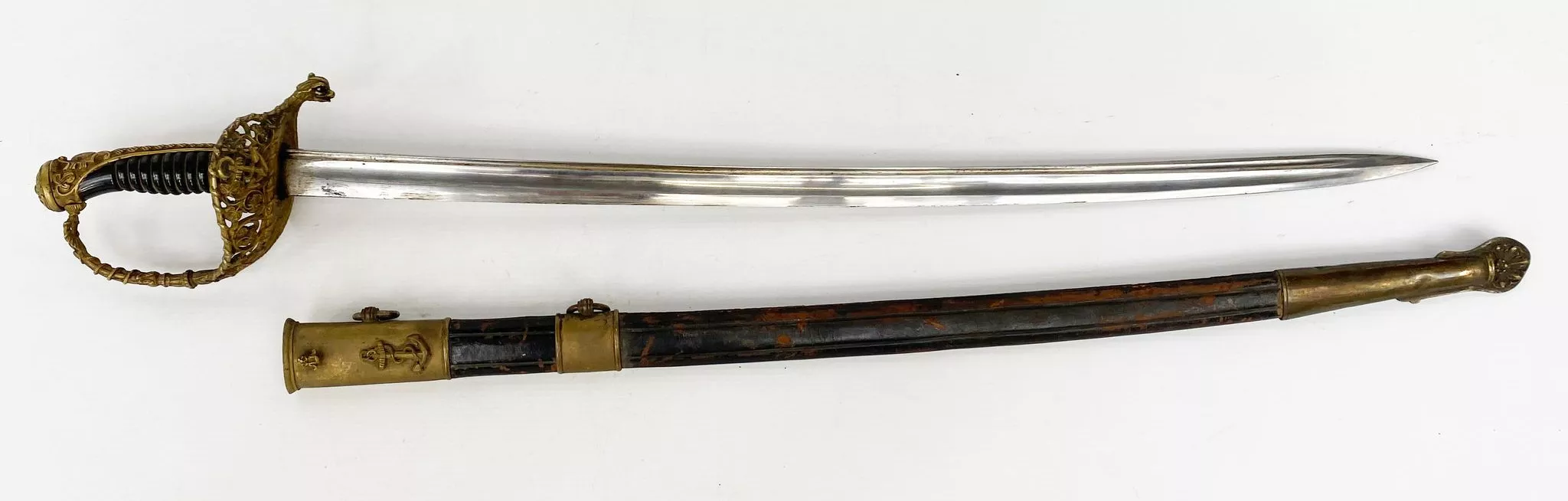
Order of value ranging from a simple sabre to the most prestigious (from the Consulate to the Second Empire)
Type of sabre | Result |
|---|---|
Lighter sabre | From €50 to €56,000 |
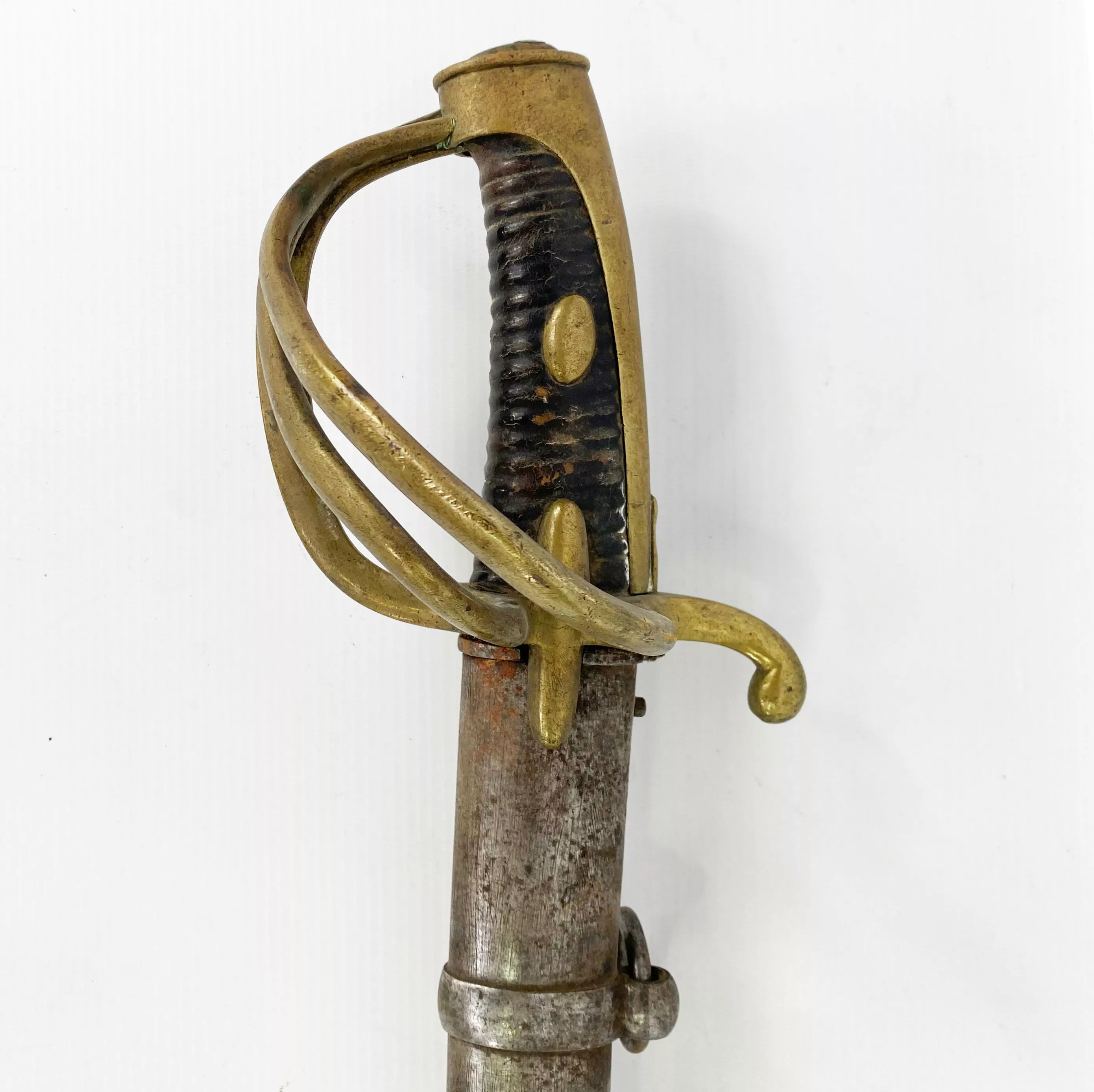
Cavalry sabre de cavalerie | From €80 to €200,000 |
Sabre de cuirassier- carabinier | From 150 to 155,000€ |
Mamluk-style sabre | From 500 to 40,000€ |
Estimate in less than 24h
Back to the history of the French saber (pre-Consulate)
Sabers first appeared in medieval times, evolving in different ways according to fashion and geographical influences. At the end of the 17th century, a hundred years before the French Revolution, the King of France, Louis XIV at the time, decided to regulate their manufacture. De La Maison du Roi sabers (the King's bodyguard, made up of the nobility) made their appearance and were among the first to be included in the regulations. Bladed weapons such as sabers were imported from Germany and assembled in France. Then, in 1730, Louis XV issued letters patent authorizing their manufacture, first in Alsace, then at the Châtellerault factory.
.
Sabers of the Consulate and First Empire (Napoleon Bonaparte)
1799 - 1815
French sabers were mostly modified during the Consulate and First Empire. Napoleon I needed them more to equip the Grande Armée. His nephew, Louis Napoléon-Bonaparte (Napoléon III), saw far less combat than he did.
The Army corps for which sabers were most adapted was the cavalry, and technical advances in bladed weapons were applied to the artillery, navy, Imperial Guard and other soldiers.
There are 5 known categories of saber for the period :
- The Mamluk saber : Not a French invention, soldiers of the Grande Armée brought this weapon back after the Egyptian campaign and continued to use it. It is characterized by a fairly broad, curved and long blade.
- The saber known as " bancal "in 1822, inspired by previous sabers, is intended for heavy and line cavalry. The blade is more curved, and it will be used during the Restoration, but also during the Second Empire.
- The sabre latte : It too is available for the various army corps and is inspired by the sword. It is, however, thinner and lighter. Its distinctive feature is its very straight, thin blade. It is used by artillery and cavalry, but sailors will also use them.
- The lighter saber : This is the most common and widely used. It was declined to all corps of the Napoleonic Army, including the Imperial Guard. There are details on each saber to identify the Army corps and sometimes the soldier's rank. Briquet saber blades are often engraved with a name, initials or the imperial coat of arms. The blade is very slightly curved, quite thin and the arrow is pointed. It has been used extensively in the infantry, cavalry (notably by mounted grenadiers) and navy. There is a vast variety of models for this saber.
- The boarding saber : As its name suggests, it is used by sailors to cut various ropes on board ships. The blade is broad and rather short.
Sabers of the Second Empire (Napoleon III)
1852 - 1870
During the Second Empire, the French Army was much less at war than at the beginning of the century. Soldiers, imperial guards and high-ranking state officials nevertheless carried sabres. This weapon became a symbol of French power and pride.
The types of sabers remained the same, but were to undergo an evolution.
- Concerning lighter sabers, other models were created, but they did not undergo any significant evolution.
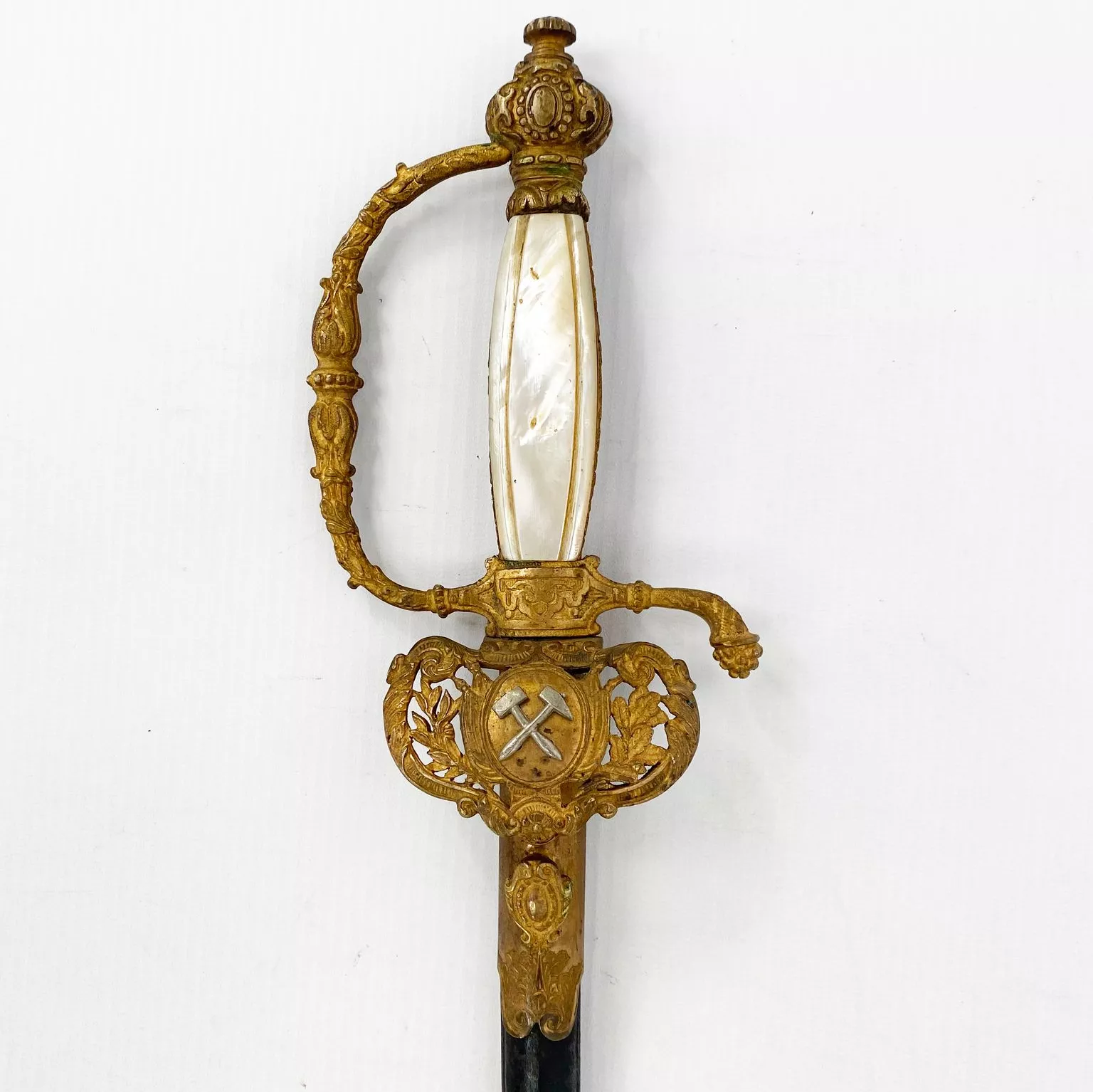
- As for sabres lattes, they remain in use for soldiers but will be improved for high state officials, with gilding, a mother-of-pearl hilt as well as a coat-of-arms often carved on the bottom of the hilt.
- Boarding sabers were to undergo an evolution in terms of the handle : in 1833, the regulations changed and the handle was round, they were called " spoon à pot " at the time.
It is the swords of civil servants that are most appreciated at auction during the Second Empire, as they are aesthetically well cared for and, having generally not been used in combat, are often in a better state of preservation.
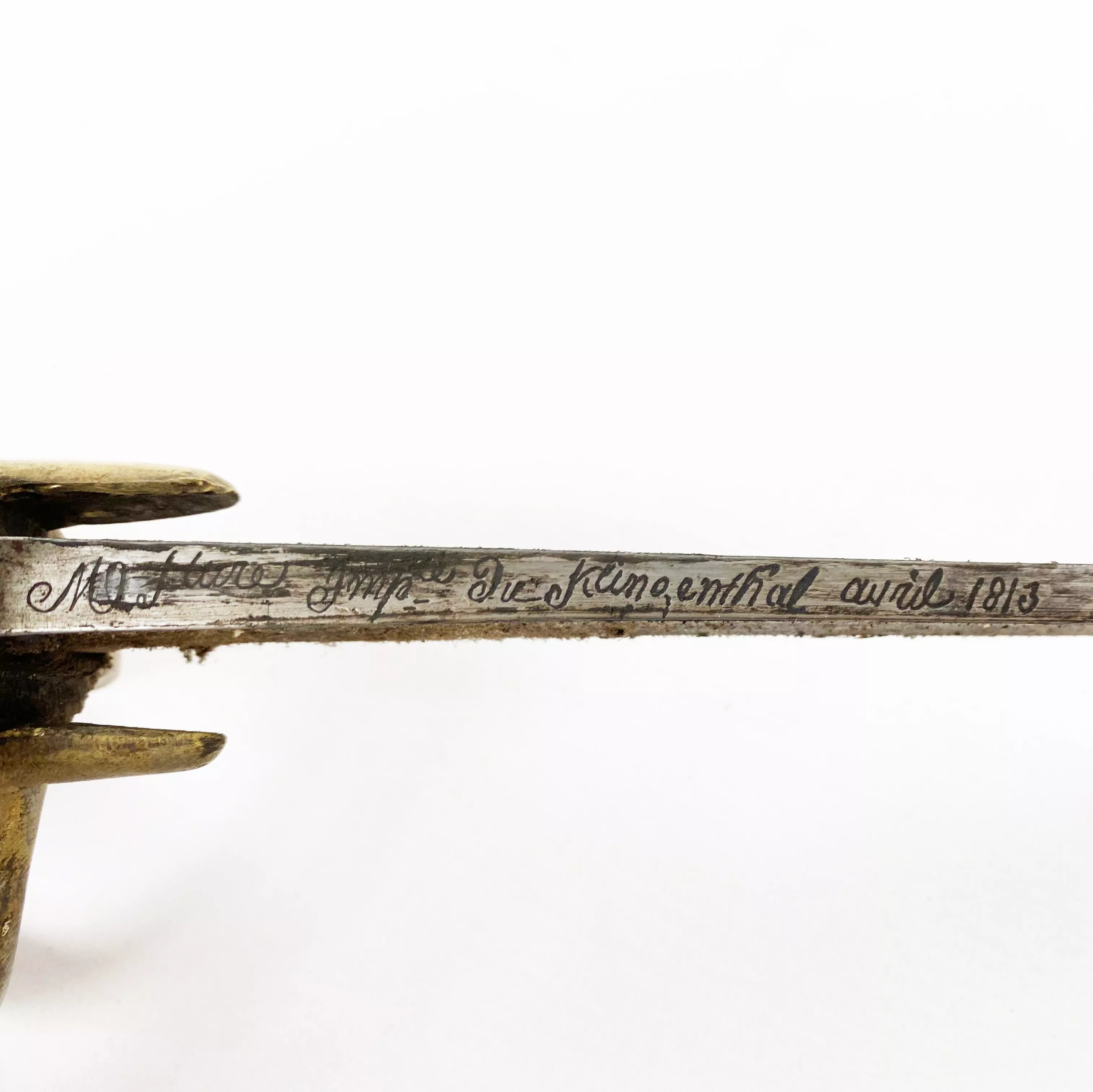
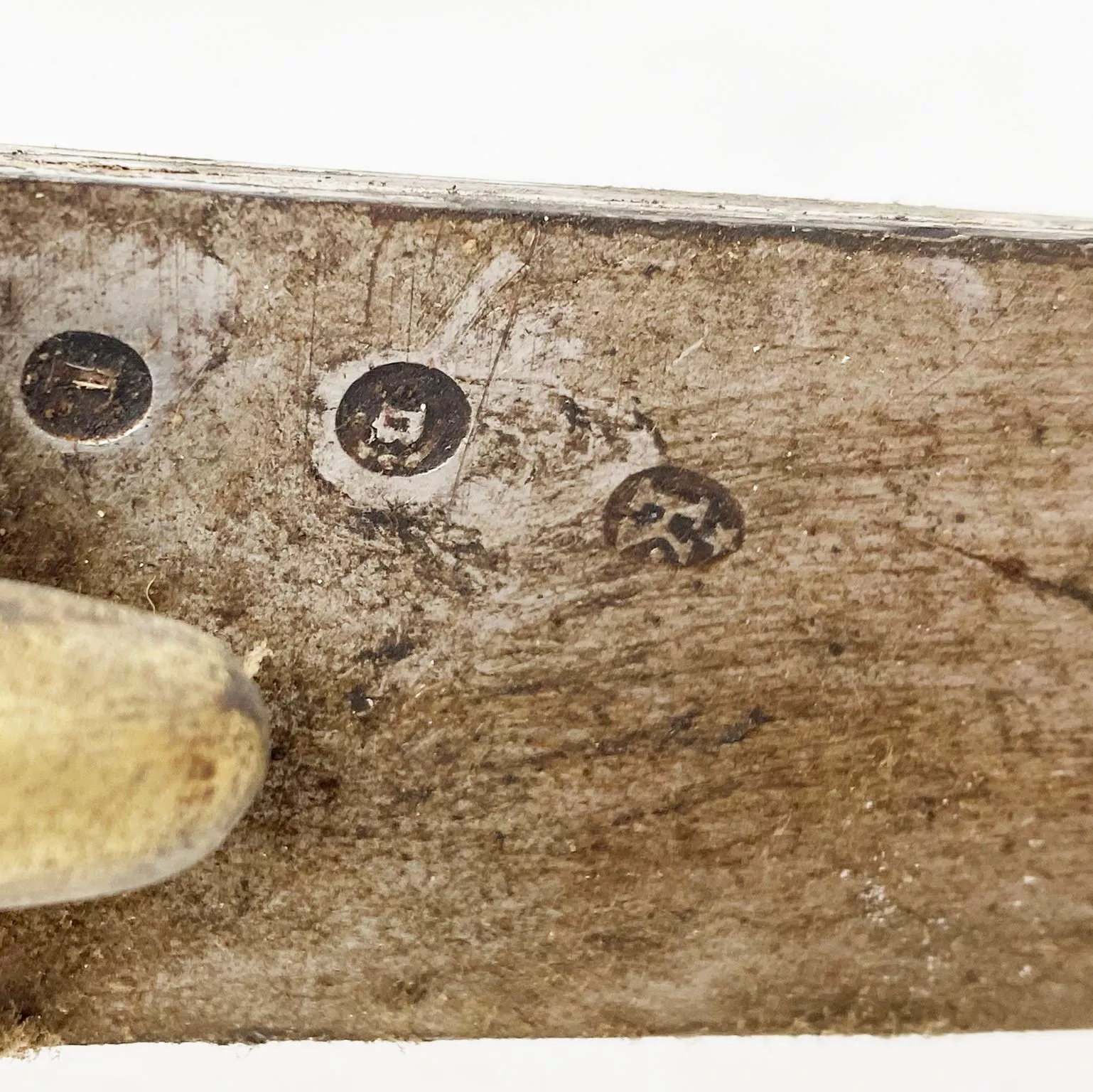
Knowing the value of a Napoleonic sword
If you happen to own a First or Second Empire sword(s), and would like to know its value, don't hesitate to request a free appraisal by filling in our form on our Auctie's website. A member of our team of state-approved experts and auctioneers will contact you promptly with an estimate of your item's market value, and will also provide you with historical information. If you wish to sell your property, you will also be accompanied by our specialists in order to benefit from solutions to sell it at the best possible price, taking into account market inclinations.
Estimate in less than 24h
Other similar pieces sold at auction

Estimated 300 - 500 €
Luxurious Russian bear hunting knife. Green nephrite handle.

Estimated 600 - 800 €
Russian Shashka saber. Mounted in nielloed silver with chased plant decoration and strings of pearls.

Estimated 18.000 - 20.000 €
Hugo Borchardt patent C93 pistol, with original wood and leather stock.

Estimated 20.000 - 30.000 €
Present or ceremonial sword of the Cinquedea type. Northern Italy circa 1490-1510.

Estimated 1.000 - 2.000 €
Napoléon Bonaparte (1769-1821), Manuscript in pen and ink on paper.
Discover in the same theme

Rating and value of 1st Empire roller pistols
1st Empire spinning-wheel pistols are highly prized historical weapons at auction. Their high value makes them highly prized.
Learn more >

Rating and value of Italian spinning-wheel pistols
Italian spinning-wheel pistols are highly collectible antique firearms that are much sought-after at auction. They are highly prized and fetch very go...
Learn more >

Rating and value of sabres with guard
Guarded sabres are highly sought-after antique collector's items at auction, and their value can be very high.
Learn more >

Secure site, anonymity preserved

Auctioneer approved by the State

Free and certified estimates
Frequently asked questions
-
What are the different types of Napoleonic swords, and how can you identify them?There are five main categories: the Mamluk saber (wide, curved blade, brought back from Egypt), the bancal saber (pronounced curve, used by heavy cavalry), the latte saber (straight, thin blade, used by the artillery and cavalry), the briquet saber (the most common, slightly curved, used by all units), and the boarding saber (wide, short blade, used by the navy). Each model has distinctive details that identify the branch of the army to which it belonged.
-
What is the price range for Napoleonic swords at auction?Prices vary considerably depending on the type and condition: briquet sabers sell for between 50 and 56,000 euros, cavalry sabers between €80,000 and €200,000, cuirassier-carabinier sabers between €150,000 and €155,000, and Mameluke sabers between €500 and €40,000. These price ranges reflect the influence of factors such as the model, condition, age, and provenance.
-
How can I get an estimate of the value of a Napoleonic saber that I own?Auctie's offers a free, no-obligation appraisal conducted by its experts and state-certified auctioneers. Simply fill out the appraisal form on our website: a member of our team will contact you promptly to appraise your item and provide you with its current market value as well as detailed historical information.
-
Is this a good time to sell a Napoleonic saber?Yes, Napoleonic sabers are among the most sought-after collectible weapons on the current auction market. Buyers from around the world are interested in these pieces—particularly Second Empire official sabers in good condition—creating favorable conditions for sales.
-
What factors influence the value of a Napoleonic saber?Several key factors influence the price: the model and type of saber, its condition, its historical provenance and previous owner, as well as the rarity of the model (the number of examples produced). Swords belonging to officials of the Second Empire—particularly those adorned with gilding or mother-of-pearl and never used in combat—are generally more highly prized by collectors.
