



Free appraisal of your furniture and objets d'art

Key takeaways
- Antique furniture (dating from before the 20th century) varies considerably in price: a Louis XV chest of drawers costs between 5,000 and 10,000 euros, while a Rococo chair sells for between 2,000 and 5,000 euros.
- Free appraisals by certified auctioneers evaluate furniture based on its condition, provenance, hallmarks, and history to determine its true market value.
- The major styles of antique and modern furniture span from the Renaissance (1450) to the present day, including Louis XV, Empire, Art Nouveau (1895–1920), and contemporary furniture made with innovative materials.
Furniture and objets d'art
Furniture and objets d'art have a long history, going back centuries. They have been created in different styles, eras, and evoke fashions thanks to different recognizable forms, with varied materials (wood, metal, bronze, plaster, Plexiglas...). Evolution is marked by successive rulers and political regimes. Let's explore the different types of antique and designer furniture, as well as examples of famous artists and the prices associated with these pieces.
Styles of furniture and objets d'art
Furniture and objets d'art can include tables, chairs, chests of drawers, cabinets, sculptures, vases, porcelain objects and bronze objects. They can be made from a variety of materials, such as solid wood, glass, leather, bronze, porcelain, marble and many others. Styles can also vary considerably, from antique styles to contemporary, Louis XV or Empire furniture.
Characteristics of the different eras
Renaissance furniture (Ranging from 1450 to1630)
Renaissance furniture is known for being richly decorated, with detailed carvings. They are inspired by ancient architecture and use special symbols (figures, bearded men and the like...) to show the wealth and status of the people who own them.
(not to be confused with Neo-Renaissance Henri II furniture dating from the second half of the 19th century).
Louis XIV furniture (from 1640 to 1725)
Furniture from the Louis XIV period is characterized by its majestic, elegant style. They are richly decorated with detailed carvings and symmetrical motifs. These furnishings reflect the grandeur and power of King Louis XIV, with elements such as claw feet and gilded ornamentation (à la Bérain, Boulle...).
Louis XV furniture (Ranging from 1730 to 1770)
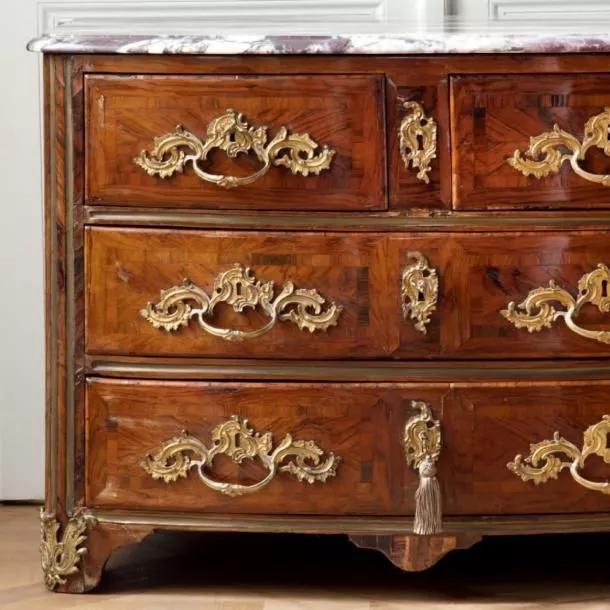
Furniture from the Louis XV period is distinguished by its charming, delicate style. They are often adorned with fine carvings and plant motifs such as acanthus leaves and shells. These furnishings reflect a lighter, more elegant taste, with curved shapes and delicate details, creating a more refined, intimate ambience.
Transition Furniture (Ranging from 1765 to 1775)
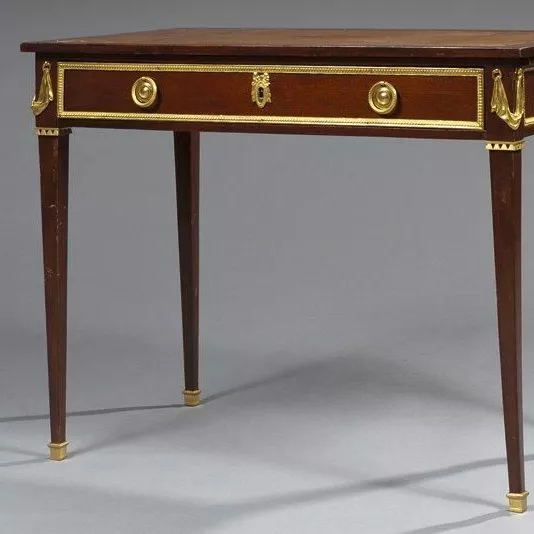
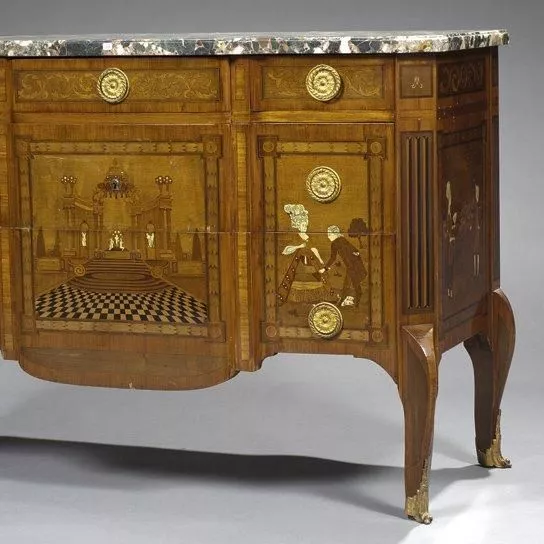
Transition-period furniture combines both classical and modern elements. They feature a harmonious blend of straight lines (the beginnings of the Louis XVI style) and curves (the end of the Louis XV style), with simpler ornamentation and less exuberant details. This furniture marks a period of transition between the Louis XV style and more contemporary trends (Louis XVI).
Louis XVI furniture (From 1770 to 1793)
Furniture from the Louis XVI period is characterized by its restrained elegance and refined simplicity. They emphasize straight lines and symmetrical forms, with delicate ornaments such as garlands and ribbons (Marie-Antoinette influence). These furnishings reflect a lighter, sleeker style inspired by classical antiquity (rediscovery of Pompeii and other archaeological sites) , with materials such as light wood, marble and silk fabrics to create an atmosphere of grace and harmony.
Empire furniture (Ranging from 1804 to 1820)
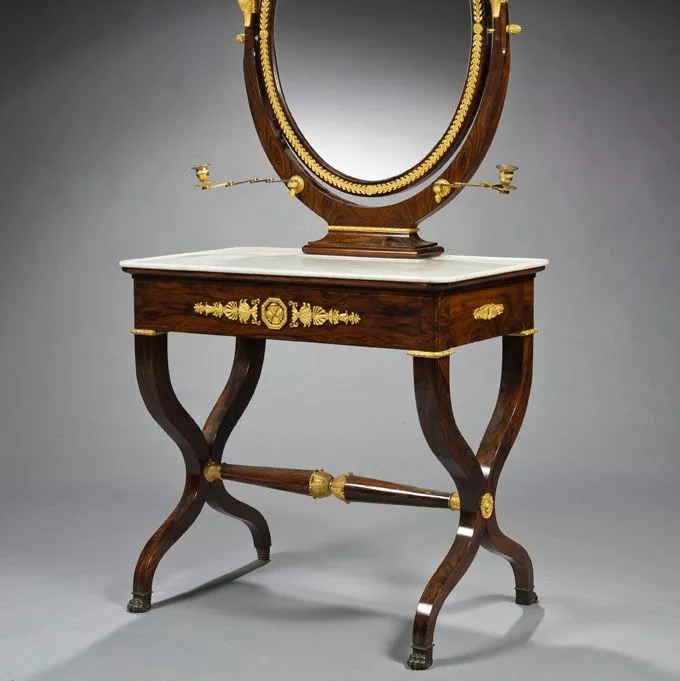
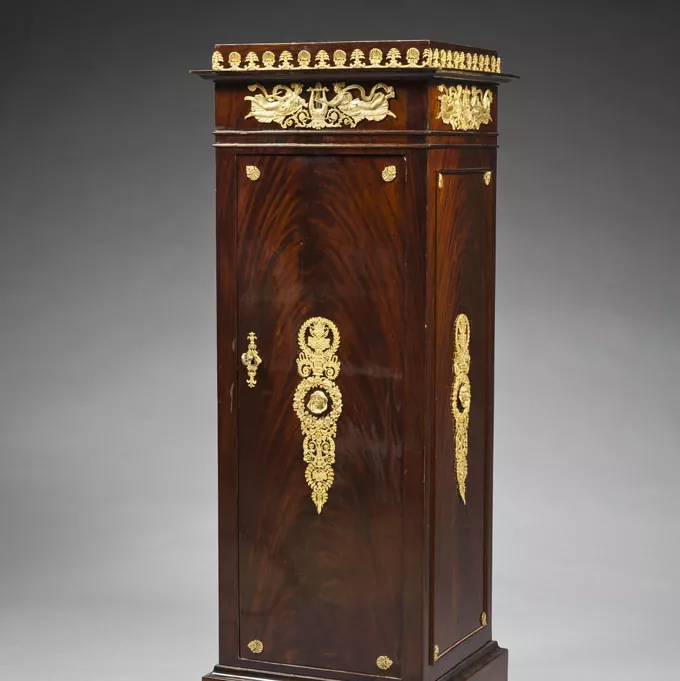
Empire period furniture is characterized by its imposing appearance. They are marked by straight lines, solid forms and generous proportions. Empire furniture often features ornamentation inspired by Roman Antiquity (Roman Empire), such as columns, laurel motifs and gilded bronze lions' heads. These furnishings reflect a majestic, imperial style, using rich materials such as dark wood (mahogany) and gilding to create an ambience of grandeur and power.
Napoleon III furniture (Ranging from 1852 to 1880)
Napoleon III period furniture is distinguished by its eclectic style and mix of influences from the period. They combine elements of the Empire, Louis XVI, Louis XV and Louis XIV styles with other contemporary styles influenced by Japan and China. These pieces often feature curved lines, floral motifs and inlays of precious woods, mother-of-pearl and many other precious materials. Above all, they reflect a taste for luxury and opulence, all stemming from a period rich in cultural and commercial exchange.
Art Nouveau furniture (Ranging from 1895 to 1920)
Art Nouveau furniture is characterized by its organic style and flowing forms inspired by nature. They feature mainly elegant curved lines, floral and plant motifs. Art Nouveau furniture emphasizes the harmony between art and craftsmanship, with materials such as wood, glass (pâte de verre) and wrought iron. This style attempted to reflect over a short period of time, an innovative and artistic style, seeking to create a unique aesthetic and break with traditional conventions.
Art Deco furniture (Ranging from 1920 to 1940)
Art Deco furniture is distinguished by geometric patterns creating a modern elegance. They feature straight lines, angular shapes and bold geometric patterns. Art Deco furniture often uses luxurious materials such as lacquered wood, chromed or hammered metal and glass (pâte de verre), Reflecting a glamorous, sophisticated style inspired by the artistic and cultural movements of the 1920s and 1930s, and aiming to create an atmosphere of luxury and modernity in a historically unstable economic and political period.
Modern Furniture (Ranging from 1945 to 1980)
Modern furniture is characterized by aesthetic, streamlined and functional forms. The ensemble is composed in contemporary materials such as metal, plastic and plywood and rough woods. Modern furniture from this period reflects a spirit of innovation and experimentation, with priority given to practicality and adaptation to the needs of modern life. They aim to create a timeless, minimalist design, in tune with the changing lifestyles and technologies of the post-war era.
Design Furniture (Ranging from 1970 to 1990)
Design furniture is characterized by bold creativity and a constant quest for innovation. They emphasize original forms, experimental materials and avant-garde concepts. They aim to provoke emotion and provoke thought, offering unique and often conceptual pieces that defy previously established norms.
Contemporary Furniture (Ranging from 1990 to the present day)
Contemporary furniture, is characterized by its diversity and adaptation to the changing needs of our time. They incorporate a variety of styles, from minimalism to maximalism to industrial style. Contemporary furniture is distinguished by its use of innovative materials such as glass, metal, precious wood species, plastic and many other innovative and little-used materials, while paying attention to durability and the ecological aspect (an important topic in the 21st century).
Antique furniture
We call antique furniture that was manufactured before the 20th century. Antique furniture styles range from Renaissance to Napoleon III. These pieces of furniture are often made from solid wood and are finely carved and embellished with precious wood veneers and marquetry. Chairs, tables and chests of drawers are examples of antique furniture.
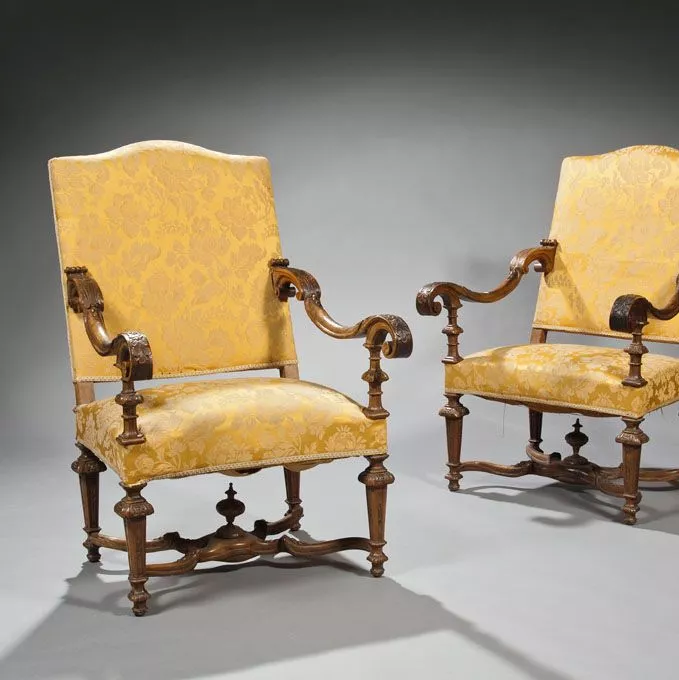
Famous artists known as cabinetmakers, such as François Linke and André-Charles Boulle, Jean-Henri Riesener, Thomas Chippendale, Jean-François Oeben, Georges Jacob, or Jean-Baptiste-Claude Sené have produced high-quality antique furniture that is highly prized by collectors. Antique furniture prices vary according to age, quality and rarity. For example, a Louis XV rosewood commode can cost between 5,000 and 10,000 euros, while a walnut rococo chair can sell for between 2,000 and 5,000 euros.
Order of value from the most basic model to the most exceptional stamped
Commode period | Estimation |
|---|---|
Regency period commode | From 100 to 9 600 000€ |
Louis XV period chest of drawers | From 500 to 1 350 000€ |
Transition period chest of drawers | From €400 to €6,100,000 |
Louis XVI period chest of drawers | From €30 to €9,500,000 |
Empire period chest of drawers Empire period | From €200 to €9,700,000 |
Napoleon III chest of drawers | From €300 to €3,400,000 |
Estimate in less than 24h
Have your furniture appraised free of charge
It's important to have antique and modern furniture appraised by experts and auctioneers to find out its true market value. Our certified auctioneers can assess furniture according to its condition, provenance, stamps and history, in order to make the most of it.
In addition, the experts can give you advice on furniture conservation and maintenance, to preserve its long-term value. Auction houses such as Auctie's are reliable sources for having antique, modern and contemporary furniture appraised and auctioned.
Estimate in less than 24h
Discover in the same theme

Free appraisal of Renaissance furniture
Renaissance furniture is highly prized on the auction market and of interest to many collectors. Estimate in less than 24h.
Learn more >

Rating and value of Louis XV furniture (chests of drawers, a...
Louis XV furniture is highly prized on the auction market. Elegant and inspired by nature, it is a hit at auction. Estimate in less than 24h
Learn more >

Market Value and Price of Étienne Doirat Chests of Drawers
Étienne Doirat is a cabinetmaker of the Regency period. His furniture is highly valued at auction. Estimate in 24h.
Learn more >
Furniture and objets d'art at auction

Estimated 4000 € - 6000 €
"The chariot of Diana the Huntress

Estimated 2 000 € - 4 000 €
DANISH SCHOOL circa 1790, entourage of Jens JUEL Presumed portrait of Sophie of Hesse-Cassel, Queen Consort of Denmark.

Estimated 4 000 - 6 000 €
Louis XV period writing table, stamped Jacques Dubois

Estimated 500 - 1.000 €
China, Kangxi reign (1662-1722). Two porcelain covered baluster pots with cobalt blue decoration.

Secure site, anonymity preserved

Auctioneer approved by the State

Free and certified estimates
Frequently asked questions
-
Why should I get a free appraisal of my furniture and art objects at Auctie's?A free appraisal will help you determine the true market value of your furniture, whether it’s antique, modern, or contemporary. Our certified auctioneers and experts evaluate your pieces based on their condition, provenance, marks, and history to maximize their value and advise you on how to care for them.
-
What is the average price of an antique piece of furniture, depending on its era?Prices vary considerably depending on the period and rarity. For example, a Louis XV chest of drawers can sell for between 500 and 1,350,000€, a Louis XVI chest of drawers between €30 and €9,500,000, while a Rococo walnut chair is generally valued between €2,000 and €5,000. Pieces stamped by renowned cabinetmakers such as Boulle or Linke command much higher prices.
-
How does a furniture appraisal work at Auctie's?The appraisal is free and non-binding. You submit your request along with photos and a description of your piece of furniture. An expert auctioneer analyzes the item based on its period, style, materials, condition, and provenance, then provides you with an appraisal within 48 hours. If you decide to sell, you’ll receive comprehensive support from the appraisal through the auction.
-
Which cabinetmakers and artisans add value to an antique piece of furniture?Furniture bearing the hallmarks of master cabinetmakers such as François Linke, André-Charles Boulle, Jean-Henri Riesener, Thomas Chippendale, Jean-François Oeben, Georges Jacob, or Jean-Baptiste-Claude Sené is highly prized by collectors. These renowned artisans, active from the 15th to the 18th century, produced high-quality furniture whose value far exceeds that of unsigned pieces.
-
Is this the right time to sell my antique furniture?Yes, the market for antique and period furniture remains vibrant, particularly for high-quality pieces from sought-after periods such as Louis XV, Louis XVI, or the Empire period. Having your furniture appraised regularly allows you to identify the best time to sell and take advantage of fluctuations in the art and antiques market.
