



Rating and value of Amalric Walter paperweights, vides-poches and cups

Key takeaways
- Amalric Walter's glass paste trinket dishes sell for between €220 and €13,080, depending on their quality and rarity.
- Paperweights and bowls by this Art Nouveau artist fetch between €250 and €8,010 and between €350 and €6,100, respectively, at auction.
- The market for works from the École de Nancy has seen growing demand from collectors in recent years.
If you own an object by or after Amalric Walter, and would like to know its value, our state-approved experts and auctioneers will offer you their appraisal services. Our specialists will carry out a free appraisal of your work, and provide you with a precise estimate of its current market value. Then, if you wish to sell your work, we'll direct you to the best possible device to obtain the optimum price.
Rating and value of Amalric Walter cubbyholes
Amalric Walter is a French artist quite well known to crystal enthusiasts. If you own one of his works, it may be worth more than you think. On the art market, prices for works by Almaric Walter can be very high at the auctioneers' gavel.
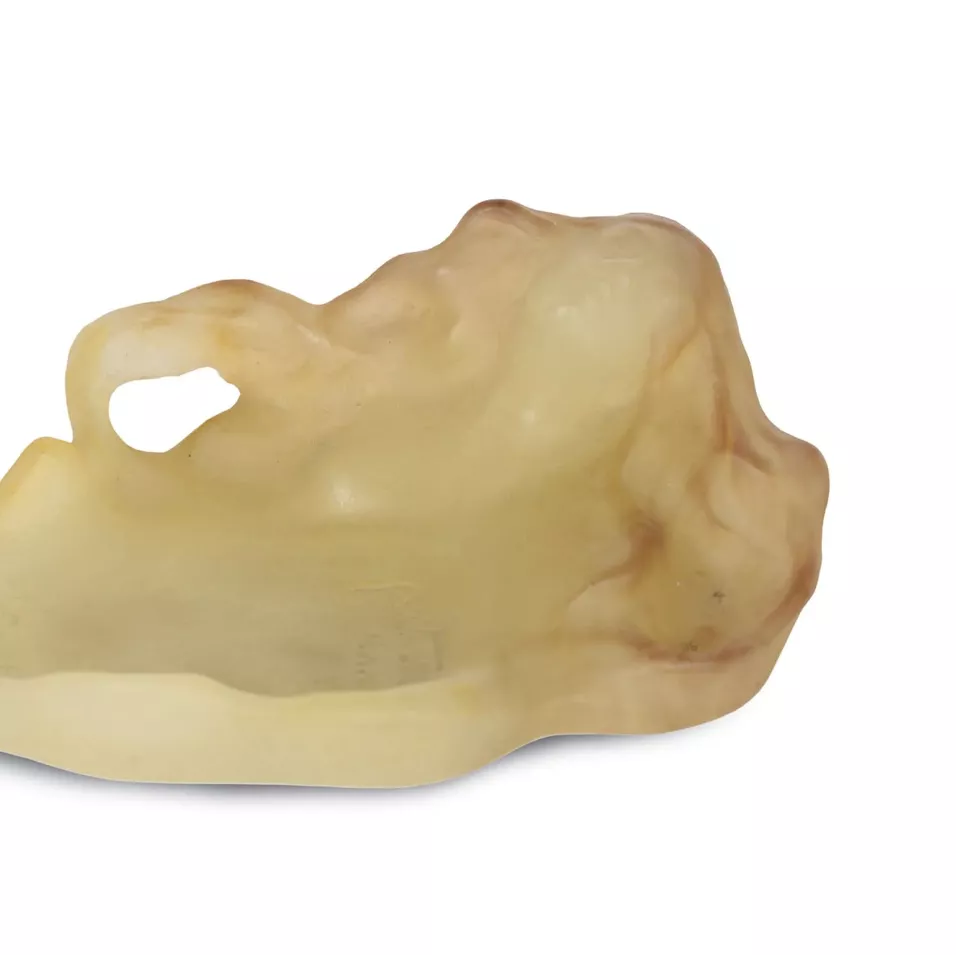
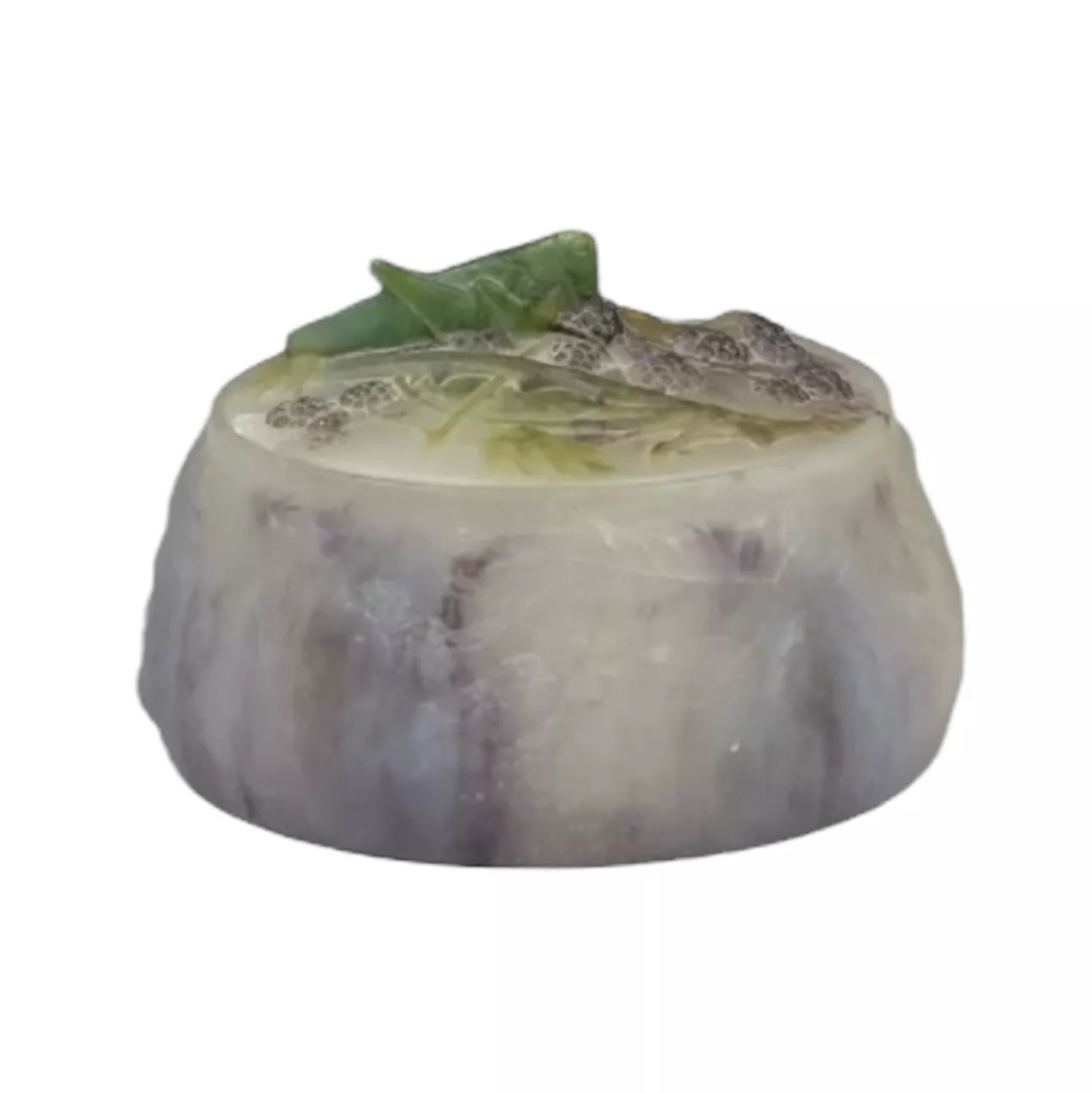
His pâte de verre vide-poches are particularly prized by French and American buyers, and the price at which they sell on the art market ranges from €220 to €13,080, a fairly substantial range, but one that says a lot about the value that can be attributed to works by Amalric Walter.
In 2006, the Chamelon Figural vide-poche dating from 1900 sold for €13,080 while it was estimated at between €6,540 and €9,810.
Order of value from a simple work to the most prestigious
Technique used | Result |
|---|---|
Glass cutters | From €350 to €6,100 |
Pressing-glass paper | From €250 to €8,010 |
Glass pocket waste | From €220 to €13,080 |
Estimate in less than 24h
Style and technique by Amalric Walter
Amalric Walter is part of the Art Nouveau movement. He collaborated with the Manufacture de Sèvres and then Daum, producing glass works in his artistic vein.
The life of Almaric Walter
Amalric Walter (1870-1959), French glassmaker, produced works in porcelain and pâte de verre. He trained at the manufacture de Sèvres, and early in his career produced earthenware. At the 1900 Universal Exhibition, his work is noticed. For his part, he noticed the glass works on display there, which inspired him to work with glass in turn.
Five years later, he joined the manufacture Daum, which enabled him to make his work even better known. He produces works in paste glass, with Henri Bergé. The collaboration lasts ten years. He then opens his own glass workshop in Nancy. He also reproduces sculptures by other artists, notably Rodin. His workshop closed in 1935, and his artistic production came to a halt at that point, due to changing tastes in Europe and the oncoming war.
He died in 1959 in great poverty.
Amalric Walter's pocket trays and paperweights on the auction market
Lately, the art market has been observing a revival for the Nancy School and works by Daum and Émile Gallé. His production is therefore highly rated on the art market.
More particularly, his wall charts, which are particularly representative of his artistic identity, are highly rated on the auction market. Amalric Walter has also produced paperweights, original objects that collectors covet at auction.
In the same artistic vein as his vases and using the same techniques, the artist has produced pâte de verre bowls.
Recognizing Almaric Walter's signature
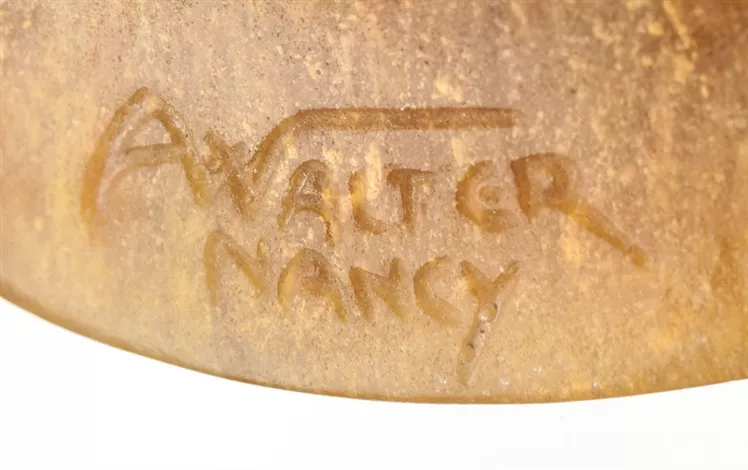
Not all objects produced by Almaric Walter are signed. What's more, as several artists have worked and sometimes collaborated for the Daum factory, the object may be signed with another name even though it was produced by Walter. That's why it's important to have your pieces appraised.
Knowing the value of a work
If you happen to own a work by or after Almaric Walter, don't hesitate to request a free valuation using the form on our website. A member of our team of experts and certified auctioneers will contact you promptly to provide you with an estimate of the market value of your work, as well as ad hoc information about it. If you are considering selling your work, you will also be accompanied by our specialists in order to benefit from alternatives for selling it at the best possible price, taking into account the inclinations of the market.
Estimate in less than 24h
Discover in the same theme

Rating and value of Serge Mouille's lamps, furniture and lig...
Serge Mouille is a twentieth-century French designer who produced furniture and lighting fixtures that are highly prized at auction.
Learn more >

Rating and value of paintings, drawings and sculptures by Ha...
Hans Arp is a 20th-century Surrealist artist who produced works that are highly rated and valued on the art market.
Learn more >

Rating and value of drawings and paintings by Georges d'Espa...
Georges d'Espagnat was a 20th-century Symbolist painter who produced numerous paintings that command high prices at auction.
Learn more >
Similar works sold at auction


Secure site, anonymity preserved

Auctioneer approved by the State

Free and certified estimates
Frequently asked questions
-
Who was Amalric Walter, and what was his artistic background?Amalric Walter (1870–1959) was a French glass artist trained at the Sèvres factory, associated with the Art Nouveau movement. After seeing the glass works at the 1900 World’s Fair, he turned his attention to pâte de verre, first joining the Daum factory and then opening his own studio in Nancy. His creations are highly sought after by collectors today.
-
What is the price range for Amalric Walter's trinket dishes, paperweights, and bowls?Amalric Walter’s glass paste trinket dishes sell for between €220 and €13,080, his paperweights for between €250 and €8,010, and his glass bowls for between €350 and €6,100. These price ranges reflect variations based on the quality, rarity, and historical significance of each piece.
-
How can you authenticate a work by Amalric Walter?Authenticating a work by Amalric Walter can be complex, as not all of his pieces are signed, and some items produced at the Daum factory may bear other names. We recommend that you submit your piece for a free appraisal through Auctie’s: a certified expert or auctioneer will examine it and confirm its authenticity and market value.
-
Is this a good time to sell a work by Amalric Walter?Yes, now is a good time to sell a work by Amalric Walter. The art market is seeing renewed interest in the Nancy School and works from that period, particularly pâte de verre pieces, which are highly sought after by French and American collectors.
-
How does the appraisal process work at Auctie's?The appraisal is free and non-binding. Simply fill out a form on our website with information about your piece and photos of it. An expert or certified auctioneer from our team will contact you within 48 hours to provide you with a precise estimate of your item’s market value, along with relevant information.
