



Value of an Indian Painting: Appraisal and Auction

Mughal miniatures, Rajput schools, and antique gouaches: the value of Indian paintings varies greatly depending on the school, period, and condition.
Below you’ll find all our valuation guides dedicated to Indian painting—Mughal miniatures, Rajput schools, Deccan paintings, and Pahari paintings. Each guide details the price ranges observed at auction and the factors that determine a work’s value before you entrust it to our state-certified auctioneers.
Guides on this art movement
See all guides >
Understanding the Value of an Indian Painting
What Is Market Value in the Indian Art Market?
The market value of an Indian painting refers to the benchmark value assigned to it by the secondary market at a given time, based on the relevant school and period, the artist’s identity for modern and contemporary works, the quality of execution, its condition, and the strength of the documentation.
The market for Indian paintings actually encompasses two largely distinct worlds: that of ancient miniatures—Mughal, Rajput, and Himalayan regional schools—produced from the 16th to the 19th century for the princely courts of the subcontinent, and that of modern and contemporary Indian painters, whose international recognition has grown considerably over the past two decades.
This duality profoundly shapes the assessment of this market: antique miniatures are evaluated according to criteria similar to those of illuminated manuscripts and Islamic art—school, workshop, quality of pigments, and accompanying calligraphy— whereas modern and contemporary Indian painting follows the more traditional logic of the international art market, with a focus on the artist’s identity, their place in the history of 20th-century Indian art, and the institutional recognition they have received.
Antique Miniatures and Modern Painters: Two Markets
Antique miniatures—whether Mughal, Rajput, or from the regional schools of the Deccan and the Himalayas, such as the Pahari, Kangra, and Bundi, constitute a specialized and international market, driven by discerning collectors drawn to the sophistication of this court art, which combined painting, calligraphy, and illumination in generally small formats yet of great visual density.
This market follows principles of attribution and dating comparable to those of Islamic art, with which it also shares part of its technical and aesthetic heritage through the Mughal court.
Modern and contemporary Indian painters, whose market value has risen spectacularly since the early 2000s, driven by the emergence of a new generation of wealthy Indian collectors alongside traditional Western connoisseurs, constitute a secondary market whose dynamics align with those of the international modern and contemporary art market.
This segmentation requires the auctioneer to possess dual expertise—in both history and contemporary art—to approach this entire body of work with the same rigor.
Type of Painting | Period | Characteristics | Market demand level |
Mughal miniature (imperial court) | 16th–18th century | Court portraits, hunting scenes, illustrated manuscripts | Exceptional, international |
Rajput miniature (Rajasthani courts) | 17th–19th centuries | Ragamala, court scenes, romantic themes | Highly sought-after, specialized collectors |
Deccan School | 16th–18th centuries | Distinct Persian influence, characteristic color palette | Active, sought-after segment |
Pahari School (Kangra, Bundi) | 18th–19th centuries | Themes of Krishna and Radha, Himalayan landscapes | Very active, highly prized aesthetic |
Modern Indian painters (20th century) | 1920–2000 | Cross-fertilization between tradition and Western modernity | Exceptional, rapidly growing |
Contemporary Indian art | 1990–present | Diverse artistic practices, international market | Very active, sustained growth |
Estimate in less than 24h
The Criteria That Determine the Value of an Indian Painting
The market value of an Indian painting is determined by a hierarchy of criteria that differs significantly depending on whether one is evaluating an antique miniature or a modern work.
For miniatures, the school and workshop to which the work is attributed, the quality of the natural pigments used—particularly lapis lazuli-based blues and gold highlights, which indicate high-level court production—and the finesse of the brushwork are decisive factors.
For modern paintings, the artist’s identity, their place in the history of Indian art, and the history of previous public auctions of their work strongly influence the valuation.
The price ranges observed on the secondary market illustrate this breadth. A miniature of average quality, without a specific attribution to a court workshop, can range from 1,000 to 10,000 euros.
A high-quality Mughal or Rajput miniature, attributed to a recognized school, ranges from 10,000 to 200,000 euros depending on the rarity of the subject and the finesse of the execution.
A painting by a renowned modern Indian artist sells for between 50,000 and several million euros, depending on the artist’s fame; some auction records have exceeded tens of millions of dollars for the most iconic figures in modern Indian art.
Mughal, Rajput, and Regional School Miniatures
The hierarchy of schools and its impact on market value
Mughal miniatures, produced for the imperial court between the 16th and 18th centuries, occupy the pinnacle of this market’s hierarchy, its technical sophistication—drawn both from the Persian tradition and from the influence of European painting introduced to the court by Jesuit missionaries—having produced works of exceptional pictorial quality, including imperial portraits, hunting scenes, and illustrations for historical and poetic manuscripts.
Rajput miniatures, produced in the Hindu courts of Rajasthan and neighboring regions, developed a more colorful aesthetic more directly linked to themes from Hindu mythology, particularly the love story of Krishna and Radha.
The regional Himalayan schools—Pahari, Kangra, and Bundi—developed a particularly lyrical style between the 18th and 19th centuries, characterized by stylized mountain landscapes and a soft color palette that captivated many Western collectors as soon as they were discovered.
The Deccan school, marked by Persian and, at times, more pronounced Ottoman influences due to commercial and cultural ties with the Islamic world, rounds out this panorama of considerable regional richness.
School | Century | Characteristics | Approximate Range |
Mughal (imperial workshop) | 16th–18th century | Court portraits, highest technical quality | €15,000 — €400,000 |
Rajput (Rajasthani courts) | 17th–19th centuries | Vibrant colors, mythological and romantic themes | €10,000 — €200,000 |
Deccan | 16th–18th centuries | Persian influence, a dark and refined color palette | €8,000 — €150,000 |
Pahari (Kangra, Bundi) | 18th–19th centuries | Himalayan landscapes, lyricism, Ragamala | €5,000 — €100,000 |
Standard-quality miniature (unidentified school) | 18th–19th century | Solidly executed, attribution uncertain | €1,000 — €10,000 |
Krishna, Radha, and Ragamala: The Most Sought-After Subjects
The love story of Krishna and Radha, a central theme in Vaishnava devotion and an inexhaustible source of inspiration for Indian miniatures—particularly in the Rajput and Pahari schools—is the most iconic and sought-after subject in this market, its popularity among collectors stemming both from the lyrical beauty of the iconography and its spiritual and literary depth, inherited from the Sanskrit and Hindi poetry dedicated to this legend.
The Ragamala series, which personify classical Indian musical modes in the form of painted scenes combining music, season, and romantic emotion, rank among the most admired collections in all of ancient Indian art; their iconographic coherence and poetic refinement make them prized pieces for specialized collections.
Court portraits—whether depicting Mughal emperors, Rajput princes, or dignitaries of lesser rank, constitute another highly sought-after category; their historical and documentary value complements their purely aesthetic appeal, particularly when the depicted figure can be identified with certainty by art historians specializing in this period.
Estimate in less than 24h
Modern Indian Painters: Prices on the Rise
From Bengal to Contemporary Art: The Artists Shaping the Market
Modern Indian art has its roots in the artistic renaissance movement in Bengal in the early 20th century, which sought to reconcile Indian pictorial traditions with the influences of Western modernity, before more radical post-independence figures developed resolutely personal pictorial languages, often blending an Indian formal heritage with the vocabularies of Expressionism, Cubism, or Western abstraction.
This generation of modern Indian painters now enjoys considerable international recognition, with their market value having risen spectacularly since the early 2000s.
Contemporary Indian art, driven by a generation of artists who emerged in the 1990s amid the rapid globalization of the art market, is gaining increasing visibility at major international art fairs and biennials, which fuels active demand from Indian and international collectors, who are particularly drawn to the creative vitality of this burgeoning art scene.
Auction records for major figures in Indian modern art have regularly made headlines in the international art market over the past decade, with some paintings fetching several million dollars at major international auction houses, reflecting the now firmly established recognition of this school among the world’s leading collectors of modern art, alongside the great Western schools of the 20th century.
Get a Free Appraisal of an Indian Painting
A certified appraisal by a licensed auctioneer in less than 24 hours
Appraising an Indian painting requires a dual set of skills that is rarely found together: in-depth knowledge of the schools of ancient miniature painting—including their stylistic conventions, characteristic pigments, and historical centers of production—and knowledge of the history of modern and contemporary Indian art, whose market value has evolved rapidly over the past few decades.
A certified auctioneer possesses this dual expertise, which is essential for a reliable appraisal of this diverse body of work.
Auctie’s offers this expertise free of charge, with a certified response within 24 hours.
Whether you’ve inherited an antique miniature, wish to have a painting by a modern Indian artist appraised, or are considering compiling an estate inventory, the process is the same: submit your piece to a trained eye capable of accurately assessing its value.
What You Need to Provide for an Online Appraisal
For a miniature, please provide clear, close-up photographs of the composition, as well as any inscriptions, stamps, or calligraphic margins that may accompany the painting, as these elements often provide valuable clues for attributing the work to a specific studio and determining its precise date.
The exact dimensions and the type of medium—most often gouache on paper—must be specified. For a modern painting, clear photographs of the front and back are essential, as well as a close-up of the signature and any inscriptions, and any documentation regarding provenance, such as a certificate, invoice, or reference in an exhibition catalog.
For miniatures, the condition of the paper support must be documented: pinholes, foxing, creases, and discoloration of the pigments. If there is any doubt regarding attribution—which is particularly important for distinguishing an authentic court miniature from a later tourist-oriented reproduction—a physical examination of the piece will be offered before any steps are taken to put it up for sale.
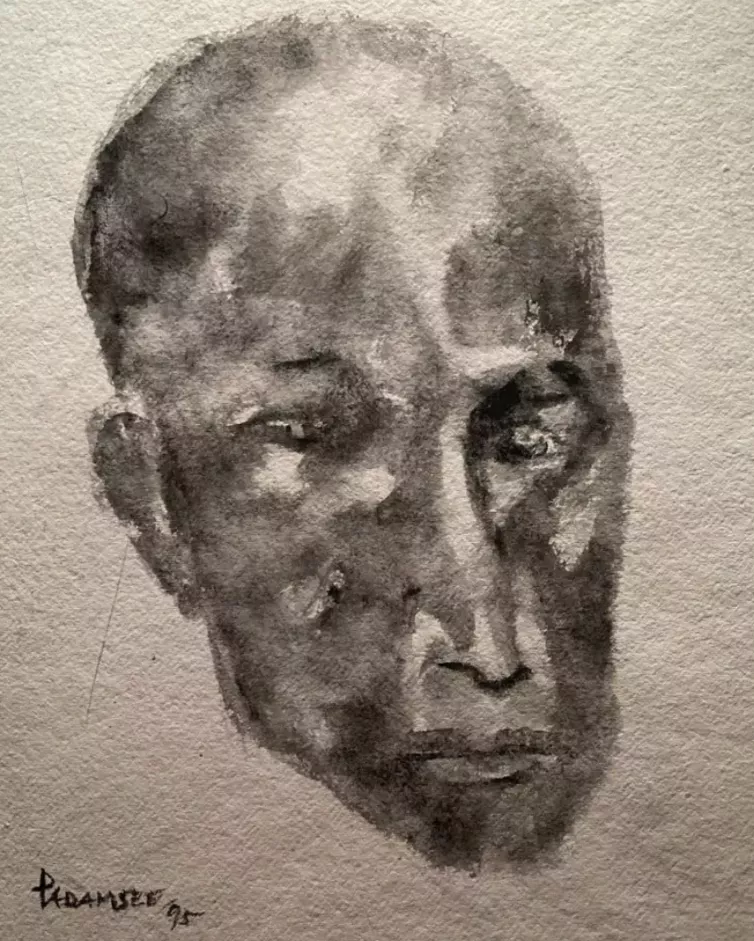
Pigments, stamps, and inscriptions: the pillars of valuation
Signatures, seals, and inscriptions: their impact on value
The authentication of an Indian miniature relies on a combined examination of the pictorial style—which allows for an initial attribution to a school or workshop through comparison with the documented body of work—and accompanying elements, seals from imperial or princely collections, and calligraphic inscriptions in the margins—which sometimes specify the painter’s name or the subject depicted—all of which constitute valuable indicators of authenticity when they are present and consistent with the work itself.
The quality and nature of the pigments—in particular, the use of lapis lazuli for deep blues and genuine gold leaf for highlights—indicate a high-quality production intended for a princely court.
For modern painting, the artist’s signature—when compared with their documented stylistic evolution and their catalogue raisonné, where available—constitutes the central element of authentication.
The foundations and archives maintained by the families or galleries that represented the leading figures of modern Indian art are authoritative sources in the market and are systematically consulted by the auctioneer.
Level of Documentation | Impact on valuation |
Work attributed to an identified court workshop or listed in the artist’s catalogue raisonné | Maximum assurance; very significant premium on value |
Authenticated princely or imperial collection seals | Strong documentary evidence; significant increase in value |
Work published in specialized literature or exhibited in a retrospective | Strong scholarly endorsement; significant increase in value |
Work accompanied by a written appraisal from a recognized expert on the subject | Good guarantee; facilitates the sale and provides security for the buyer |
Work with a consistent signature or inscription and documented provenance | Solid foundation; reliable estimate and a narrow price range possible |
Work without documentation or precise attribution | Increased uncertainty; estimate based solely on stylistic analysis |
Provenance and Condition: Their Impact on the Estimate
The provenance of an Indian painting is a key factor in building trust in this market. For miniatures, a piece whose history can be traced through a historic princely collection or a major album that has been disbanded and documented by specialists serves as a guarantee of authenticity and significant quality.
For modern paintings, a history of being represented by a recognized gallery that represented the artist during their lifetime, or inclusion in a documented historical private collection, confers comparable legitimacy that buyers directly value.
The condition of the work requires specific attention depending on the category. Miniatures, painted in gouache on often thin paper, are sensitive to humidity, to light—which can alter the stability of certain natural pigments—and to repeated handling, which can wear down even the most delicate gold highlights.
For modern paintings on canvas, the standard examination of the paint layers and any restorations remains the gold standard.
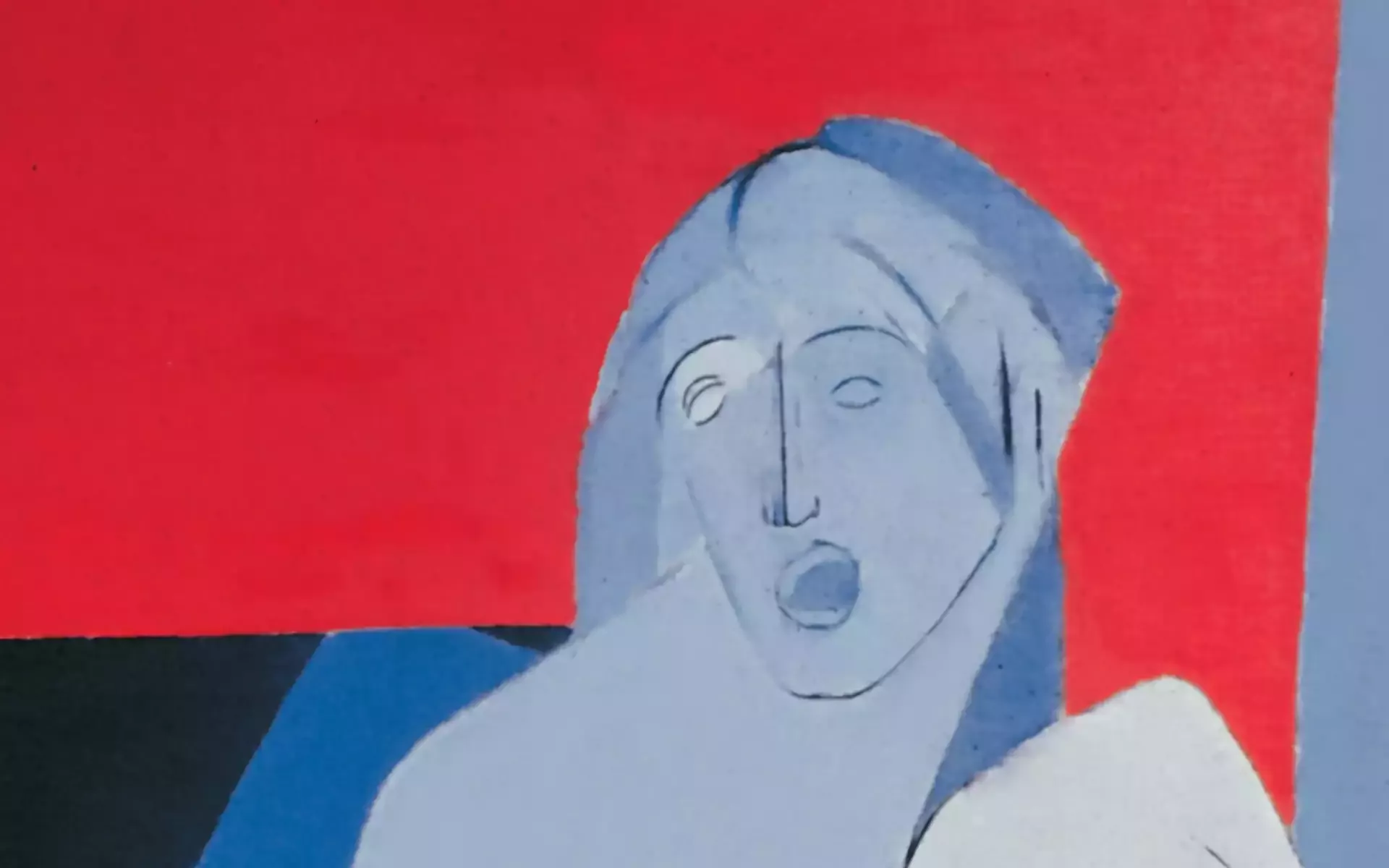
Sell an Indian painting at auction with Auctie's
From the reserve price to the final bid: how the price is determined
Auctions are the most advantageous method of sale for high-quality Indian paintings, in a market where international demand—particularly strong from India itself for modern and contemporary paintings—can generate fierce competition for the rarest and best-documented pieces.
The reserve price, set in consultation with the seller, must be determined with particular attention to the specific category of the work—whether an antique miniature or a modern painting—as the pricing logic differs significantly between the two.
For major works—particularly miniatures attributed to a prestigious court workshop or paintings by the leading figures of modern Indian art—auction dynamics can lead to final prices far exceeding initial estimates.
The auctioneer plays a vital role in facilitating the auction, engaging collectors and institutions specializing in Indian art that are active in this rapidly expanding segment.
Hôtel Drouot and online auctions: reaching the right bidders
Auctie’s holds its auctions at Hôtel Drouot, the leading auction venue in continental Europe, founded in 1852, which regularly features sales dedicated to Asian art, including Indian painting.
For an Indian painting, Drouot offers visibility among French and European specialists in this market, complemented by online promotion that significantly broadens the reach of each auction on an international scale.
An Indian collector wishing to repatriate a heritage artwork, a European museum seeking a miniature to complement its collection of Mughal art, or an American art lover drawn to the vitality of contemporary Indian art can bid in real time from their home country.
For Indian painting—for which the strongest demand today comes largely from the subcontinent itself—this international dimension has become absolutely crucial to achieving the best price.
Estimate in less than 24h
Estate Planning, Inheritance: Valuing an Inherited Indian Painting
Inventory and Distribution of an Estate
Indian paintings frequently appear in the estates of families who built up collections during travels, diplomatic missions, or purchases from specialized dealers throughout the 19th and 20th centuries—a period during which Western interest in Indian art, and in particular for court miniatures, experienced several successive waves of enthusiasm.
These pieces, sometimes passed down through generations without their current owners knowing their precise value or exact origin, can represent a considerable asset in an estate.
Auctie’s regularly works alongside notaries to compile comprehensive estate inventories that include Indian paintings.
Each piece is appraised individually, with particular attention paid to issues of school and period attribution, which are often complex for this body of work. The resulting report is an official, legally binding document that can be included in the estate file without reservation.
Confidentiality of the process and preservation of anonymity
The circumstances leading to the appraisal of an inherited Indian painting are often personal: discovery within a family inheritance, reorganization of a collection, or a decision to sell after a long period of ownership. Auctie’s handles each case with absolute discretion.
The owner’s identity is never disclosed to third parties without their explicit consent, and the works may be offered for sale under complete anonymity if the owner so desires.
This confidentiality is a core commitment of Auctie’s, valid at every stage of the relationship, from the initial contact through to the receipt of the proceeds from the sale.
Entrust the appraisal of your Indian painting to Auctie’s
An Indian painting deserves an appraisal that reflects the richness of this dual market, spanning the sophistication of ancient court miniatures and the vitality of modern and contemporary Indian art.
The precision required for attributing works to ancient schools, the decisive importance of seals and inscriptions, and the strength of demand now driven by collectors from the subcontinent itself: these are all factors that only a licensed auctioneer, well-versed in the specifics of this segment, can assess with the rigor they require.
Auctie’s guides you from the initial appraisal through to the final auction, with the expertise of a state-certified appraiser and the discretion your financial decisions deserve. The appraisal is free, confidential, and non-binding, and you’ll receive a response within 24 hours.
Discover in the same theme
Estimate in less than 24h
Frequently asked questions
-
Quelle est la fourchette de prix d'une peinture indienne ?La cote varie considérablement selon le type d'œuvre. Une miniature de qualité courante sans attribution précise se situe entre 1 000 et 10 000 euros. Une miniature moghole ou rajpoute de qualité reconnue oscille entre 10 000 et 200 000 euros. Un artiste indien moderne reconnu peut atteindre 50 000 euros à plusieurs millions d'euros selon sa notoriété. Les écoles spécialisées ont des fourchettes distinctes : moghole (15 000 à 400 000 €), rajpoute (10 000 à 200 000 €), Deccan (8 000 à 150 000 €), Pahari (5 000 à 100 000 €).
-
Comment authentifier une peinture indienne ?L'authentification d'une peinture indienne requiert une double compétence : la connaissance des écoles de miniature ancienne et de l'histoire de l'art indien moderne. Chez Auctie's, nos commissaires-priseurs agréés par l'État disposent de cette expertise et vous proposent une estimation certifiée gratuitement, basée sur l'examen attentif des photographies que vous fournirez. Nous examinerons les inscriptions, cachets, signatures, la qualité des pigments et tous les éléments de provenance pour établir l'authenticité et la valeur de votre peinture.
-
Comment se déroule une estimation de peinture indienne chez Auctie's ?L'estimation est gratuite et sans engagement. Vous soumettez des photographies nettes de votre peinture (composition, recto-verso, signature, inscriptions et détails de la marge) ainsi que ses dimensions exactes et sa nature (gouache sur papier, toile, etc.). Un commissaire-priseur agréé examine votre dossier et vous remet une estimation certifiée en moins de 24 heures. Pour les miniatures, les cachets et marges calligraphiées sont particulièrement importants pour l'attribution à un atelier.
-
Pourquoi vendre une peinture indienne maintenant ?Le marché de la peinture indienne connaît une période particulièrement active. Les miniatures anciennes bénéficient d'une demande internationale soutenue de collectionneurs spécialisés avertis, tandis que l'art moderne et contemporain indien a connu une progression spectaculaire depuis le début des années 2000, portée par l'émergence d'une nouvelle génération de collectionneurs indiens fortunés. Les records en vente publique se multiplient, témoignant d'une reconnaissance désormais pleinement établie auprès des grands collectionneurs mondiaux.
-
Comment vendre une peinture indienne aux enchères ?Auctie's, maison de ventes aux enchères, vous accompagne de bout en bout : de l'estimation gratuite et certifiée à l'adjudication publique. Une fois votre peinture estimée, nous nous chargeons de sa mise en vente, du catalogage, de la promotion auprès de nos réseaux de collectionneurs internationaux, et de l'adjudication. Vous n'avez qu'à nous confier l'œuvre après accord sur l'estimation et les conditions de vente.
